...

FAQs On Latpanchar

Kalimpong, West Bengal, India
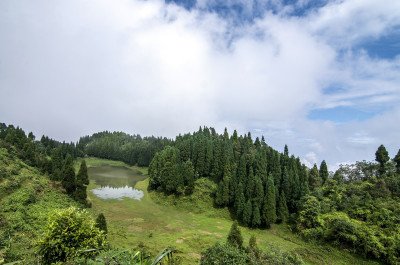
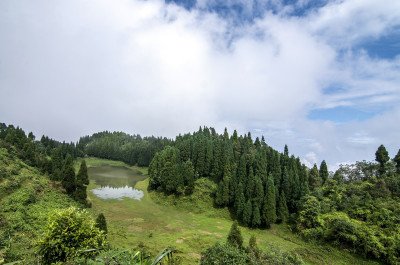
Latpanchar is the highest point of the Mahananda Wildlife Sanctuary, situated at an altitude of 4,200 feet. It is a hidden treasure for birdwatchers and nature enthusiasts who wish to avoid the typical tourist crowd. The village is surrounded by thick deciduous forests and vast cinchona plantations , which were established during the British era for quinine production. The most famous resident of Latpanchar is the Rufous-necked Hornbill, a rare and majestic bird that nests here in large numbers. The village offers a panoramic view of the Teesta River as it snakes through the valley, and on clear days, the snow peaks of Sikkim and Bhutan are visible. The atmosphere is cool and refreshing, with the fragrance of forest flowers and wild herbs filling the air. The local population is a mix of Lepcha and Nepali communities, living in harmony with the surrounding wildlife. Unlike other hill stations, life in Latpanchar revolves around the forest cycles. It is a place where you can wake up to the calls of over 240 species of birds and see the rare Himalayan Salamander in the nearby Namthing Lake. The rugged terrain and untouched beauty make it an ideal spot for off-road driving and jungle trekking.

Ans:- Ahaldara Viewpoint is one of the most spectacular spots in North Bengal. It provides an unobstructed 360-degree view of the snow-clad Kanchenjunga range on one side and the deep valley of the Teesta River on the other. On clear days, you can see the distant towns of Kalimpong, Darjeeling, and even parts of the Dooars plains from this single vantage point.

Ans:- Cinchona is a medicinal plant whose bark is used to produce quinine, a primary treatment for malaria. Latpanchar was one of the early centers established by the British for cinchona cultivation in the 19th century. Today, the village is surrounded by these historic plantations, which provide a unique landscape and are a major source of livelihood for the local residents.

Ans:- Electricity is available but can be erratic during bad weather. Mobile network connectivity (mostly BSNL and Jio) is available in many parts of the village, but the signal can be weak or absent in deeper forest areas and at certain viewpoints. Most homestays do not have high-speed Wi-Fi, so it is best to prepare for a low-connectivity holiday.

Ans:- Homestays serve traditional, home-cooked Nepali and Bengali meals. You can expect rice, dal, fresh organic vegetables, and local chicken or egg curry. Most ingredients are sourced from the village gardens. The food is simple but very fresh and flavorful, providing the energy needed for long days of birding and trekking through the hilly terrain.

Ans:- If you are a serious birdwatcher, you should definitely bring a high-quality pair of binoculars and a camera with a good zoom lens (at least 400mm). Since you will be walking in the forest, dull-colored clothing (greens, browns, or greys) is recommended to blend in and not startle the birds. A sturdy pair of walking shoes and a field guide to Himalayan birds are also helpful.

Ans:- Key attractions include the Ahaldara Viewpoint, which offers a 360-degree view of the Himalayas and the Teesta River, and Namthing Pokhri, a sacred lake known for the rare Himalayan Salamander. Visitors also enjoy exploring the Cinchona plantations and trekking through the Mahananda Wildlife Sanctuary to spot various flora and fauna in the dense forest.

Ans:- Latpanchar is about 45 to 50 kilometers from New Jalpaiguri (NJP) station. The drive takes about 2 to 2.5 hours. You follow the Sevoke road along the Teesta River and then take a steep uphill climb from a point called Kalijhora. It is best to hire a private taxi from NJP or Siliguri, as public transport to this remote village is limited.

Ans:- Namthing Pokhri is a seasonal lake that is the natural habitat of the Himalayan Salamander (Tylototriton verrucosus), one of the rarest and oldest amphibian species in the world. The lake is surrounded by pine and cinchona trees, and it holds deep religious significance for the local people. It is a quiet, mystical spot that offers a glimpse into prehistoric biology.

Ans:- The prime time for birdwatching, especially to see the Rufous-necked Hornbill, is from October to April. During these months, the birds are most active. The nesting season usually starts in late winter and early spring, making it the best time for photographers and ornithologists to visit and witness the birds in their natural breeding habitat.

Ans:- There are no large commercial hotels in Latpanchar. Instead, the village offers a variety of homestays run by local families. These homestays are very popular among birdwatchers because the hosts are often knowledgeable about local bird nesting sites and can act as guides. The stay is simple, clean, and provides an authentic experience of hill life.

Ans:- While the monsoon (June to September) makes the hills incredibly green and the waterfalls active, it is not the best time for birdwatching or mountain views. Heavy rains can make the steep forest roads slippery and sometimes cause landslides. However, for those who love the "monsoon in the hills" vibe and misty forests, it can be a very poetic time to visit.

Ans:- Yes, it is a great spot for families who enjoy nature and quiet environments. Children will enjoy the open spaces and the chance to see rare birds and the dinosaur-like Himalayan Salamanders. However, because it is an offbeat location with limited "urban" entertainment, it is best suited for families who appreciate outdoor activities, hiking, and natural beauty.
Information about New and Updated Locations() of West Bengal Has Been Added :-
Card subtitle

Note:-

Information provided here in good Faith and for reference only.

Near Places

...
7th Mile Viewpoint

Some quick example text to build on the card title and make up the bulk of the card's content.

Go somewhere
...
Ahal Dara Viewpoint

Some quick example text to build on the card title and make up the bulk of the card's content.

Go somewhere
...
Bara Mangwa

Some quick example text to build on the card title and make up the bulk of the card's content.

Go somewhere
...
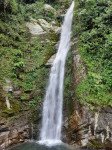
Changey Falls

Some quick example text to build on the card title and make up the bulk of the card's content.

Go somewhere
...
Chatakpur

Some quick example text to build on the card title and make up the bulk of the card's content.

Go somewhere
...
Chota Mangwa

Some quick example text to build on the card title and make up the bulk of the card's content.

Go somewhere
...
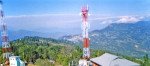
Deolo Hill

Some quick example text to build on the card title and make up the bulk of the card's content.

Go somewhere
...
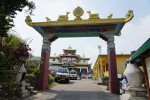
Dr. Graham s Homes

Some quick example text to build on the card title and make up the bulk of the card's content.

Go somewhere
...
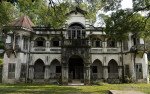
Durpin Dara Hill

Some quick example text to build on the card title and make up the bulk of the card's content.

Go somewhere
...
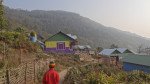
Durpin Monastery

Some quick example text to build on the card title and make up the bulk of the card's content.

Go somewhere
...
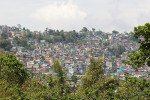
Gauripur House

Some quick example text to build on the card title and make up the bulk of the card's content.

Go somewhere
...
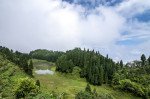
Icchey Gaon

Some quick example text to build on the card title and make up the bulk of the card's content.

Go somewhere
...
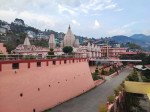
Kalimpong Science Centre

Some quick example text to build on the card title and make up the bulk of the card's content.

Go somewhere
...
Kolakham

Some quick example text to build on the card title and make up the bulk of the card's content.

Go somewhere
...
Latpanchar

Some quick example text to build on the card title and make up the bulk of the card's content.

Go somewhere
...
Mangal Dham

Some quick example text to build on the card title and make up the bulk of the card's content.

Go somewhere
in Other Cities