...

FAQs On Sangeet Bhavana

Shantiniketan, West Bengal, India
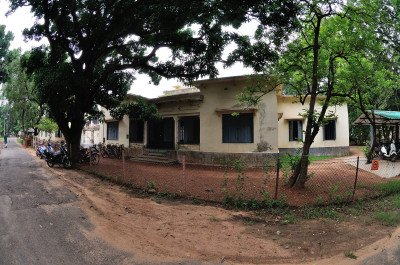
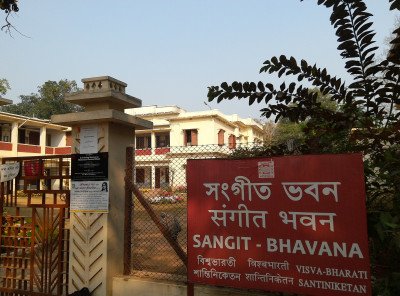
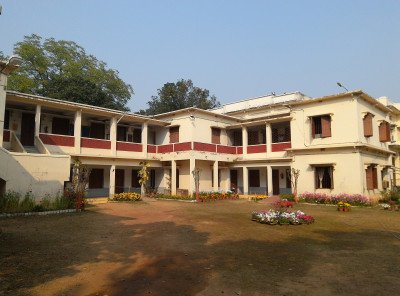
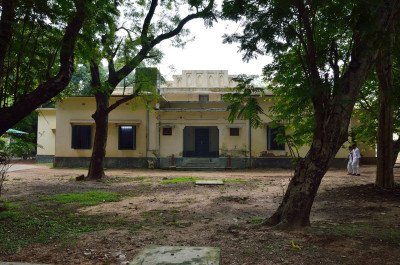
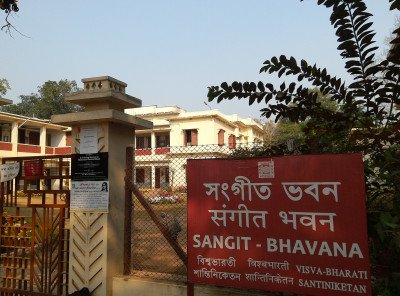
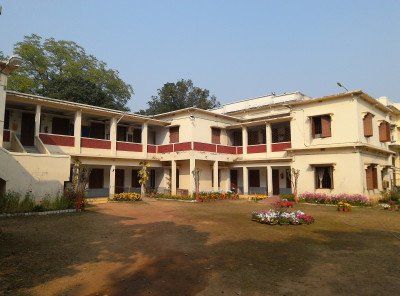
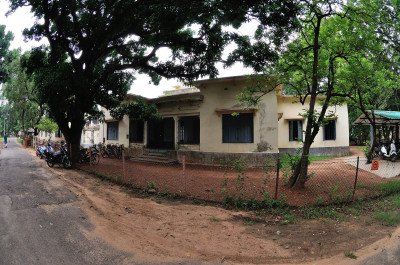
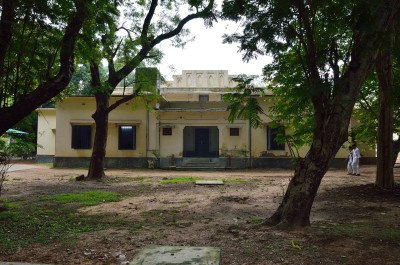
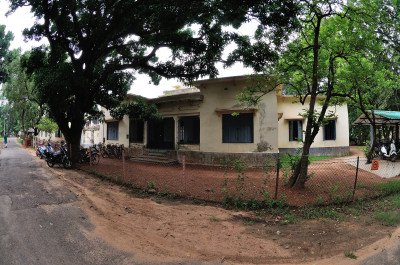
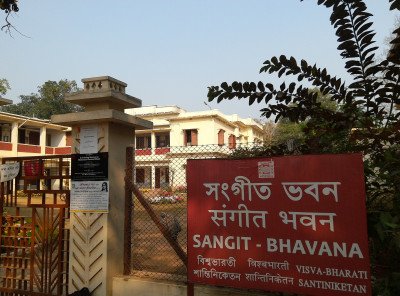
Sangeet Bhavana, established in 1934 as a separate entity from Kala Bhavana, is the music, dance, and drama institute of Visva-Bharati University. It embodies Rabindranath Tagore's vision of integrating education with artistic and cultural expression. The institution focuses on preserving and propag ating the unique style of music known as Rabindra Sangeet (Tagore's songs), which is a blend of various classical and folk forms. Beyond Rabindra Sangeet, the institute provides comprehensive training in Hindustani classical vocal and instrumental music (like the esraj, sitar, tabla), as well as traditional Indian dance forms such as Manipuri and Kathakali, and Tagore's innovative dance-dramas (Rabindra Nritya Natya). The campus atmosphere is one of profound cultural immersion, where students are not just taught techniques but are also encouraged towards creative exploration and blending of traditional and modern artistic ideas. The institute plays a vital role in all major cultural events of Shantiniketan, including Basanta Utsav (Spring Festival) and Poush Mela (Harvest Festival), making it a living monument to Tagore's artistic philosophy. Its goal is to foster a holistic education where the arts are central to human development. The tranquil environment of Shantiniketan provides the perfect backdrop for this focus on the performing arts, continuing Tagore's legacy of cultural renaissance.

Ans:- Dinendranath Tagore, Rabindranath’s grandnephew, was known as the "custodian of Tagore’s songs." He was the first principal of the music department and was responsible for notations and teaching the songs that Rabindranath composed, ensuring that the melodies remained preserved and accurately taught to future generations.

Ans:- During Basanta Utsav, Sangeet Bhavana takes the lead in organizing the cultural program. Students and faculty, dressed in yellow, perform songs like "Ore Grihabasi" and lead a musical procession through the campus, making it one of the most vibrant and famous cultural events in all of India.

Ans:- Generally, photography is restricted inside active classrooms to avoid disturbing the students and teachers. However, tourists are often allowed to photograph the beautiful architecture and the outdoor murals of the building from the campus pathways, provided they follow university guidelines and respect the environment.

Ans:- On Wednesdays, the weekly prayer service at Upasana Griha features devotional songs performed by the students and teachers of Sangeet Bhavana. This tradition is a cornerstone of the university’s cultural life, showcasing the spiritual depth of Tagore’s songs in a serene, non-idolatrous setting.

Ans:- Sangeet Bhavana does not have a retail shop, but visitors can purchase authenticated recordings of Tagore’s songs and books of musical notations at the Visva-Bharati Publishing Department (Granthana Vibhaga) located nearby in the Shantiniketan market area or near the Rabindra Bhavana museum.

Ans:- Sangeet Bhavana is the Institute of Dance, Drama, and Music at Visva-Bharati University. It was established by Rabindranath Tagore to provide formal education and research opportunities in various forms of Indian performing arts, emphasizing his belief that music and dance are essential for complete human self-expression.

Ans:- Sangeet Bhavana itself is an academic building, but it houses many memorabilia related to music history. However, for a dedicated museum experience, visitors usually head to the nearby Rabindra Bhavana, which contains the university’s extensive collection of Tagore’s musical manuscripts, paintings, and historical recordings.

Ans:- Sangeet Bhavana offers training in Hindustani Classical instrumental music, including the Esraj, Sitar, Tabla, and Pakhawaj. The Esraj holds a special place in Shantiniketan’s history, as it was often used to accompany Rabindrasangeet during the early days of the ashram and in congregational prayers.

Ans:- The institution has been home to legendary singers like Kanika Bandyopadhyay, Suchitra Mitra, and Nilima Sen. These artists played a pivotal role in popularizing Rabindrasangeet globally and maintained the authentic style of singing and performance as envisioned by Rabindranath Tagore himself.

Ans:- Tourists can often hear students practicing as they walk past the campus. However, formal live performances are usually held during major festivals like Poush Mela, Basanta Utsav (Holi), and Rabindra Jayanti. Visiting during these times offers a chance to see high-quality stage productions by students and faculty.

Ans:- While there is no rigid uniform for daily classes, students typically wear traditional Indian attire like sarees or kurtas. During festivals and performances, they follow specific color themes (like white for prayers or yellow for spring) that reflect the aesthetic and spiritual mood of the occasion.

Ans:- Yes, Sangeet Bhavana offers one-year Foreign Casual Courses (FCA) for international students. These courses allow foreigners to learn Rabindrasangeet, Indian Classical music, or traditional Indian dance forms, fostering Tagore’s vision of Shantiniketan as a place where the world meets in a single nest.
Information about New and Updated Locations() of West Bengal Has Been Added :-
Card subtitle

Note:-

Information provided here in good Faith and for reference only.

All information and pictures will be updated soon, please keep visiting.

Near Places
...
Amar Kutir

Some quick example text to build on the card title and make up the bulk of the card's content.

Go somewhere
...
Amrakunja

Some quick example text to build on the card title and make up the bulk of the card's content.

Go somewhere

...
Ballavpur Deer Park

Some quick example text to build on the card title and make up the bulk of the card's content.

Go somewhere
...
Ballavpur Wildlife Sanctuary

Some quick example text to build on the card title and make up the bulk of the card's content.

Go somewhere
...
Bhubandanga Cultural Centre

Some quick example text to build on the card title and make up the bulk of the card's content.

Go somewhere
...
Bonerpukur Adivasi Village

Some quick example text to build on the card title and make up the bulk of the card's content.

Go somewhere
...
Cheena Bhavana

Some quick example text to build on the card title and make up the bulk of the card's content.

Go somewhere
...
Chhatimtala

Some quick example text to build on the card title and make up the bulk of the card's content.

Go somewhere
...
Chhinnamasta Temple

Some quick example text to build on the card title and make up the bulk of the card's content.

Go somewhere

...
Geetanjali Rail Museum

Some quick example text to build on the card title and make up the bulk of the card's content.

Go somewhere
in Other Cities