

Sangeet Bhavana
General information
-
Ideal Duration:
1 to 2 hours (for a simple visit and to absorb the atmosphere); longer if attending a live practice or event.Place Type:
Educational Institute / Cultural Landmark / HeritaEntry Fees:
Entry to the Institute (for Visitors): The Visva-Bharati University campus, where Sangeet Bhavana is located, generally does not charge a separate entrance fee for walking through the public areas. However, as an active academic institution, entry into the actual classrooms...Entry to the Institute (for Visitors): The Visva-Bharati University campus, where Sangeet Bhavana is located, generally does not charge a separate entrance fee for walking through the public areas. However, as an active academic institution, entry into the actual classrooms, practice halls, and new buildings is strictly restricted to students and faculty. Tourists are usually encouraged to walk the surrounding campus area.
Guided Heritage Walk Fee (Potential): The University occasionally implements a guided "Heritage Walk" with a potential nominal fee (e. g. , around Rs.100-Rs.200 per person) to regulate tourism. If this is in effect, Sangeet Bhavana may be a featured stop, and the fee covers the entire campus tour. It is advisable to check the current visitor policy and fees on the Visva-Bharati website or at the main gate, as policies are subject to change, especially after the UNESCO designation.Timing:
Regular Timings (External View of the Complex): The external campus area around Sangeet Bhavana is generally accessible during daylight hours, typically from 9:00 AM to 5:00 PM, as it is part of the larger, active Visva-Bharati campus. However, as an active teaching institu...Regular Timings (External View of the Complex): The external campus area around Sangeet Bhavana is generally accessible during daylight hours, typically from 9:00 AM to 5:00 PM, as it is part of the larger, active Visva-Bharati campus. However, as an active teaching institution, the buildings themselves are closed to general visitors.
Ideal Visit Time (Best Experience): The ideal time to visit is during the early morning (7:00 AM to 9:00 AM) or late afternoon (4:00 PM to 6:00 PM). This is when the weather is cooler, the light is softer for photography, and there is a higher chance of hearing or observing informal music and dance practices from a distance, capturing the true spirit of the institute.
Closed Days/Times: Access may be restricted on national holidays, university holidays, and during exam periods. Visitors should check the current status, as the campus has been subject to restricted access, particularly on weekdays, to maintain the academic environment.Special Events:
Basanta Utsav (Spring Festival): This is arguably the most famous and culturally significant event directly involving Sangeet Bhavana. Held around the time of Holi (usually in February or March), students and faculty from the institute perform the traditional Tagore songs a...Basanta Utsav (Spring Festival): This is arguably the most famous and culturally significant event directly involving Sangeet Bhavana. Held around the time of Holi (usually in February or March), students and faculty from the institute perform the traditional Tagore songs and dance-dramas, filling the campus with color, music, and festivity. The sight of students dressed in yellow and orange attire, singing and dancing, draws enormous crowds from across the world and is the purest expression of Tagore's vision of art, nature, and community coming together.
Poush Utsav/Mela (Harvest Festival): Held in late December to mark the founding of the Shantiniketan Ashram, the cultural stage for the Poush Utsav often features performances by Sangeet Bhavana students. This event is a large cultural fair showcasing folk music, local crafts, and traditional Bengali music and dance, with Sangeet Bhavanas students providing the classical and Tagore-based cultural anchor.Best Photo Spots:
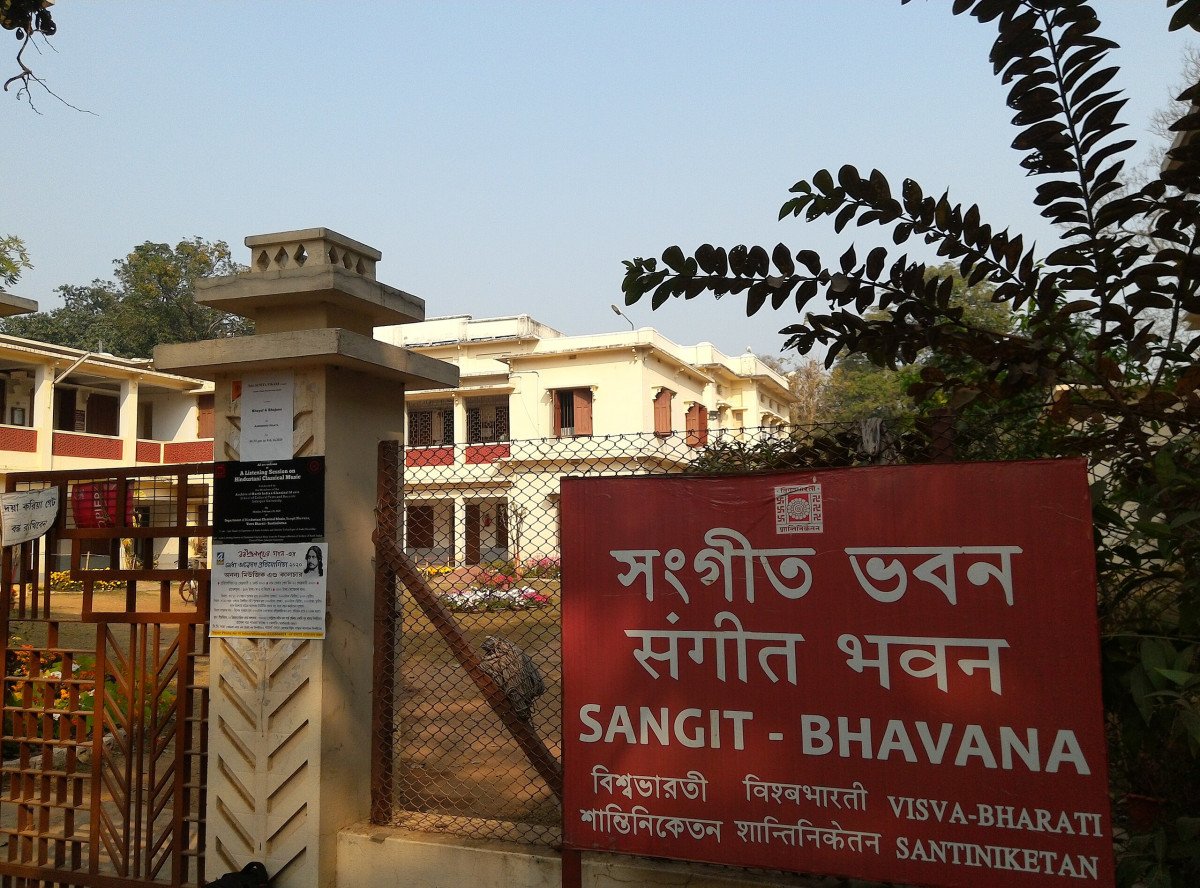
The Entrance Gate and Signage: A photo at the main entrance, often simple and set against a backdrop of trees, instantly places the photograph within the context of Tagore's educational vision and the Visva-Bharati heritage. The simplicity reflects the institute's non-monum...The Entrance Gate and Signage: A photo at the main entrance, often simple and set against a backdrop of trees, instantly places the photograph within the context of Tagore's educational vision and the Visva-Bharati heritage. The simplicity reflects the institute's non-monumental philosophy.
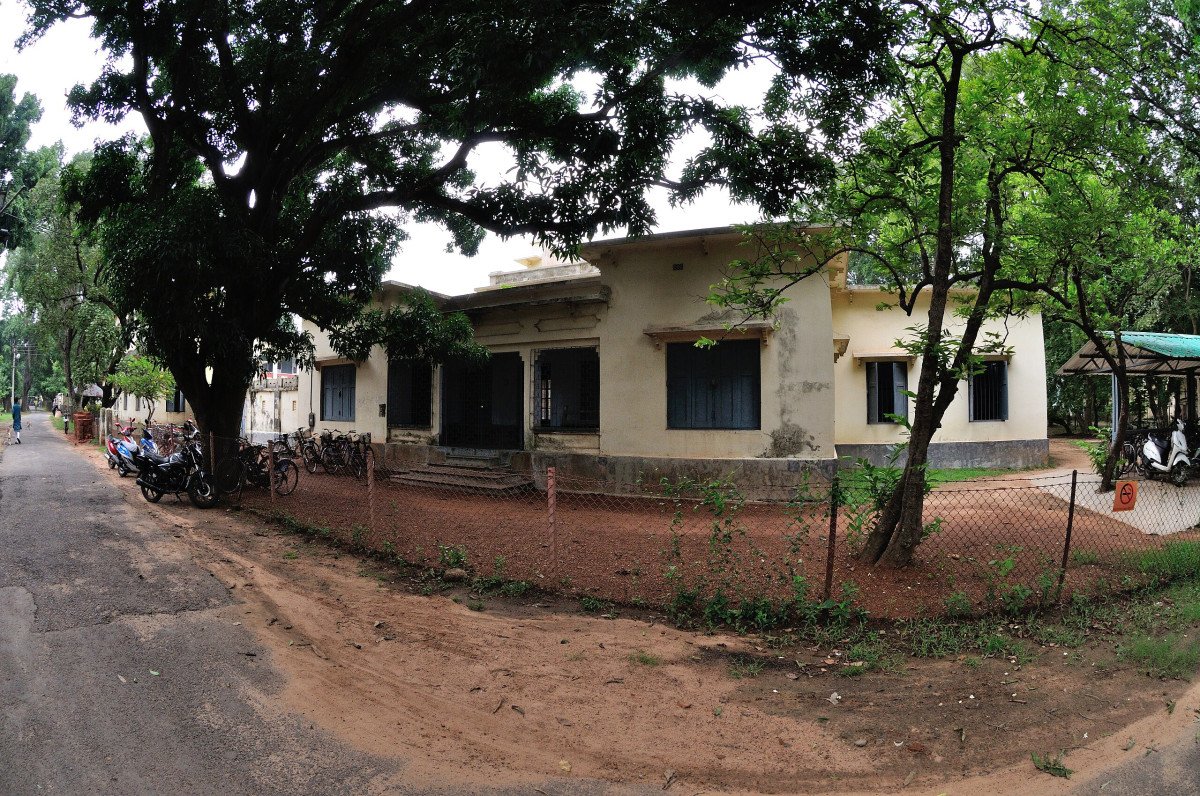
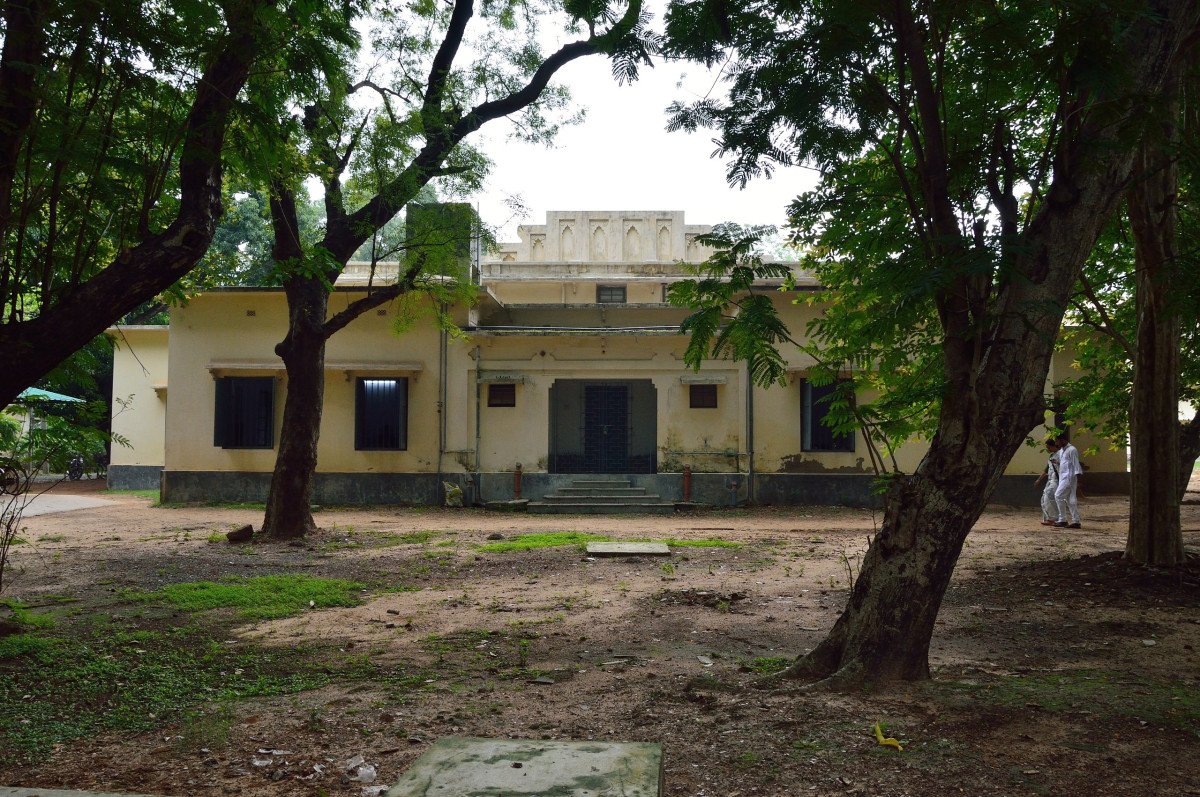
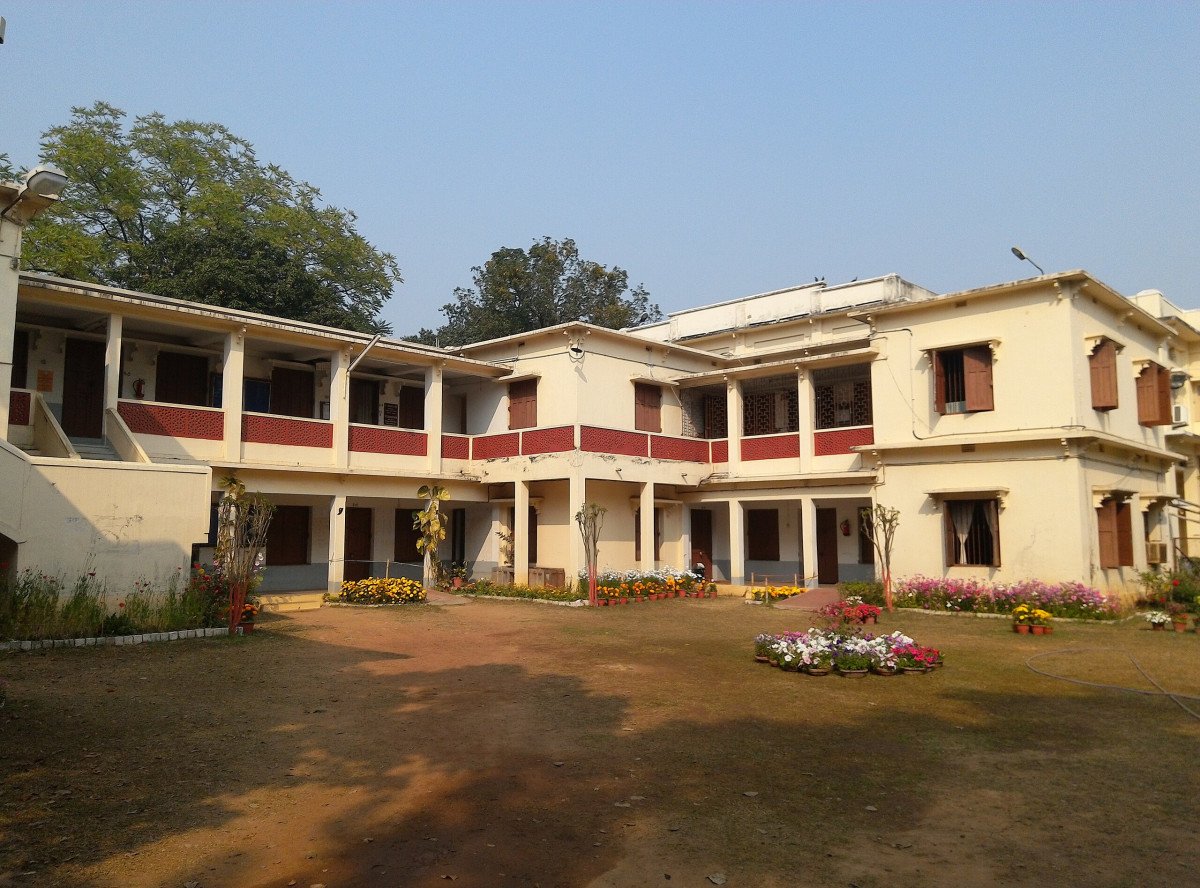
Under the Shady Trees or Open Courtyards: Capture the essence of the "open-air classroom" concept. Photograph the light filtering through the large, mature trees or the tranquil, earthy courtyards near the building. If students are seen practicing outdoors (from a respectful distance), this captures the living cultural spirit of the place.
Architectural Facades with Artistic Elements: Look for the unique external walls and verandas of the older buildings nearby, which often feature subtle murals or relief work by artists from Kala Bhavana. These artistic integrations, unique to Shantiniketan, make for meaningful and aesthetically rich photographs.
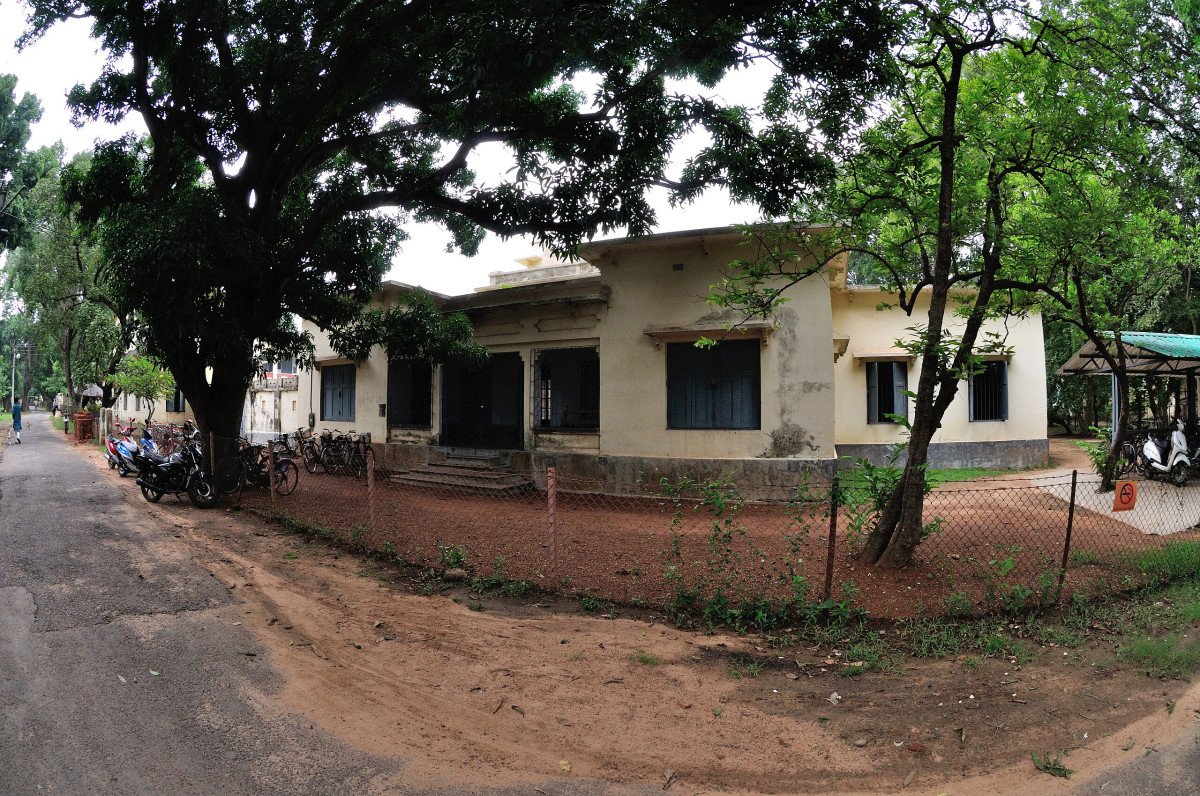
The Pathway Leading to the Building: The quiet pathways lined with trees and the red laterite soil characteristic of the region (lal maati) provide a beautiful, picturesque setting that is synonymous with the visual identity of Shantiniketan.Photo Gallery
Things To Do
-
Attend an Informal Music Practice: Try to be present during the morning or late afternoon hours when students are likely practicing. While formal access may be restricted, the sound of music and dance emanating from the buildings or courtyards offers a unique, authentic experience of the institute's daily life. This is the living tradition of Tagore's art.
Walk the Grounds and Absorb the Ambiance: Take a quiet walk around the Sangeet Bhavana complex and the surrounding Visva-Bharati campus. Observe how the buildings are situated amidst the greenery. The serene, open environment is designed to foster creativity and peace. Spend time sitting under a tree, reflecting on the philosophy of learning in harmony with nature.
Seek Information on Upcoming Cultural Events: Check the institute's notic...Attend an Informal Music Practice: Try to be present during the morning or late afternoon hours when students are likely practicing. While formal access may be restricted, the sound of music and dance emanating from the buildings or courtyards offers a unique, authentic experience of the institute's daily life. This is the living tradition of Tagore's art.
Walk the Grounds and Absorb the Ambiance: Take a quiet walk around the Sangeet Bhavana complex and the surrounding Visva-Bharati campus. Observe how the buildings are situated amidst the greenery. The serene, open environment is designed to foster creativity and peace. Spend time sitting under a tree, reflecting on the philosophy of learning in harmony with nature.
Seek Information on Upcoming Cultural Events: Check the institute's notice boards or inquire locally about any upcoming small cultural programs, recitals, or student performances. These smaller, more intimate events often showcase the raw talent and artistic spirit of the students and faculty, providing a deeper insight into the institute's work than the grand festivals. Visit the Nearby Kala Bhavana (Fine Arts Institute): Since Sangeet Bhavana focuses on performing arts, visiting the nearby Kala Bhavana (Fine Arts Institute) provides a complementary view of Tagore's artistic vision. Observe the unique architecture of structures like Kalo Bari and the outdoor sculptures by Ramkinkar Baij, which are integral to the Shantiniketan art movement.
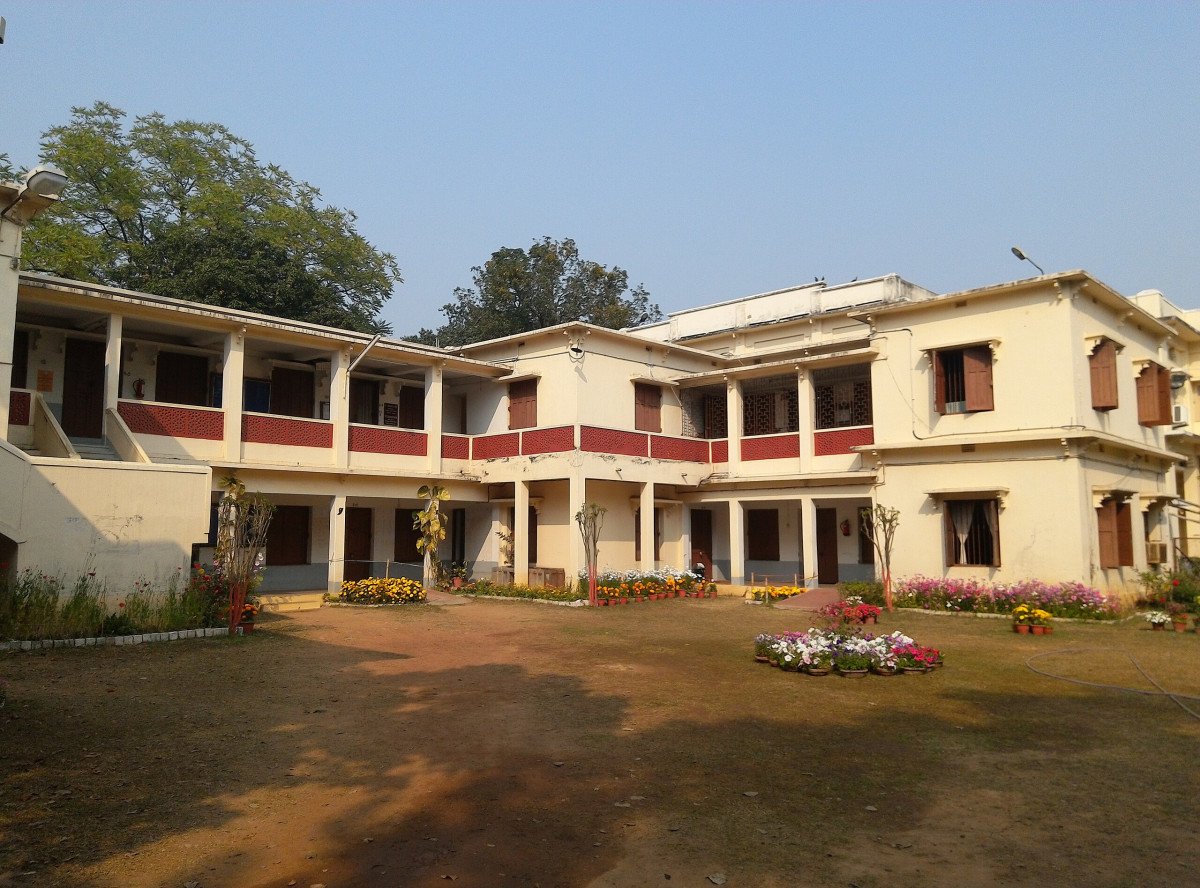
Explore the Institute's Architectural Style: Pay attention to the architectural elementsthe open verandas, the simple material usage, and the integration of art into the structure. This style is a deliberate artistic and philosophical statement against colonial-era structures and represents an indigenous modernism.
Engage with Local Guides (if available): A local student or a knowledgeable toto (e-rickshaw) driver might be able to share anecdotes or point out specific areas of interest within the broader campus that relate to Sangeet Bhavana's history and key figures.
Hotels
● ANNARATNA RESORTS
Address: Bolpur
Distance: 2.5 km
Details: A charming mid-range resort. Features include pleasant rooms and a peaceful setting. It is designed to offer a comfortable and restful stay for travel...
● Dream Inn
Address: Bolpur
Distance: 2.0 km
Details: A clean and simple budget hotel. Features essential services for a short stay. It is ideal for students or visitors to the university who need a conve...
● Hotel Dinantika International
Address: Bolpur
Distance: 2.5 km
Details: A decent mid-range option. Features include comfortable rooms and good service. It is located close to the town center and university, providing a rel...
● Hotel Rangamati
Address: Bolpur
Distance: 2.2 km
Details: A comfortable budget hotel. It offers simple, clean rooms with basic amenities. Good for travelers looking for an economical way to stay near the main...
● Mohor Kutir Resorts
Address: Bolpur
Distance: 2.0 km
Details: A cozy, well-regarded mid-range resort. Facilities include a restaurant, garden, and comfortable rooms. It offers a quiet, relaxed atmosphere that is ...
● Park Guest House
Address: Bolpur
Distance: 1.5 km
Details: A budget-friendly guest house. Features include basic comfort and a convenient location. It is a practical choice for budget travelers looking for a p...
● Roshnai Village Resort
Address: Bolpur
Distance: 2.8 km
Details: A rustic budget resort. Features include clean, simple rooms and a peaceful garden area. It's a great place for those who prefer to stay close to natu...
● The Cristallo Resort
Address: Kabi Mohanpur
Distance: 3.0 km
Details: An excellent, highly-rated resort. Facilities include a swimming pool, free Wi-Fi, and a multi-cuisine restaurant. It offers great comfort and high se...
● The Kolam
Address: Shyambaati
Distance: 0.85 km
Details: A popular budget-friendly spot. Features include live Baul music and well-ventilated, airy rooms. It offers an authentic cultural experience, making i...
● The Mud House
Address: Shyambaati
Distance: 1.4 km
Details: A beautiful rustic stay. It is designed like a traditional mud house, offering an authentic experience. Facilities include local cuisine and friendly ...
Show AllRestaurants
● 9x9 Restaurant
Address: Bolpur, Shantiniketan
Distance: 2.2 KM
Details: 9x9 Restaurant has built a reputation for its excellent food quality and consistent service. The ambiance is thoughtfully designed to provide a comfor...
Food List: Mutton Curry', 'Chicken Kasha', 'Butter Naan', 'Pa...
● Amantran Restaurant
Address: Bolpur, Shantiniketan
Distance: 2.5 KM
Details: Amantran Restaurant A2 is known for its excellent value-for-money offerings. With high-quality ingredients and reasonable pricing, it is a popular cho...
Food List: Egg Curry', 'Fish Fry', 'Plain Rice', 'Yellow Dal'...
● Biker's Theque 2.0
Address: Bolpur, Shantiniketan
Distance: 2.8 KM
Details: A vibrant, modern spot, Biker's Theque 2.0 stands out for its lively atmosphere and creative menu. It is perfect for groups of friends. Must try their...
Food List: Tandoori Chicken', 'Hakka Noodles', 'Chicken Roll'...
● Dui Kanya Hensel Ghar
Address: Bolpur, Shantiniketan
Distance: 2.0 KM
Details: This restaurant is praised for its clean environment and friendly staff. It offers a variety of fresh, delicious dishes that highlight the simplicity ...
Food List: Rice', 'Fish Kalia', 'Alu Dum', 'Luchi', 'Beguni',...
● Ghore Baire
Address: Bolpur, Santiniketan
Distance: 1.2 KM
Details: Ghore Baire is celebrated for its warm hospitality and traditional Bengali decor. The restaurant focuses on homely flavors, providing a cozy atmospher...
Food List: Bengali Thali', 'Shukto', 'Dal', 'Alu Posto', 'Fis...
Show AllInformation
-
Why Famous:
Cradle of Rabindra Sangeet: Sangeet Bhavana is globally famous as the foremost institution for studying and preserving Rabindra Sangeetthe profound collection of over 2,200 songs composed by Rabindranath Tagore. It is where the authentic style and notation of this...
Cradle of Rabindra Sangeet: Sangeet Bhavana is globally famous as the foremost institution for studying and preserving Rabindra Sangeetthe profound collection of over 2,200 songs composed by Rabindranath Tagore. It is where the authentic style and notation of this musical genre are maintained, taught by Gurus who are often descendants of Tagore's own students. The institute ensures the music's spiritual and artistic integrity is passed down through generations.
Experimental Fusion of Arts: The institute gained fame for its innovative approach to dance and drama. Tagore introduced and blended various traditional Indian forms like Manipuri and Kathakali with his modern dramatic vision, resulting in the unique form of Rabindra Nritya Natya (dance-drama). This experimentation in combining different artistic and cultural styles under one roof made it a pioneering institution in Indian performing arts, distinct from traditional conservative academies.
The Cultural Heartbeat of Visva-Bharati: It is the central point for almost all major cultural celebrations and performances in Shantiniketan, most notably the vibrant and colorful Basanta Utsav (Holi/Spring Festival). These performances, open to the public, attract thousands of visitors and are a direct manifestation of Tagore's educational philosophy in practice, where the arts are central to community life and learning. -
Architecture:
The Harmonious Blend of Vernacular and Modern: The architecture of Sangeet Bhavana, like many buildings within the Visva-Bharati campus, reflects a unique architectural philosophy established by Tagore and his contemporaries like Surendranath Kar and Nandalal Bose. It is a ...The Harmonious Blend of Vernacular and Modern: The architecture of Sangeet Bhavana, like many buildings within the Visva-Bharati campus, reflects a unique architectural philosophy established by Tagore and his contemporaries like Surendranath Kar and Nandalal Bose. It is a harmonious blend of traditional vernacular building styles of Bengal with elements of Asian and Western modernism. The buildings are intentionally low-rise and unpretentious, designed to exist in symbiosis with the natural environment.
Materials and Design Philosophy: Constructions often use locally sourced materials like brick, mud, and laterite soil, sometimes experimenting with techniques like using coal tar (as seen in the nearby Kalo Bari). The design emphasizes open spaces, verandas, and natural ventilation to suit the tropical climate. The aesthetic is often minimalist, relying on the texture of the materials and the integration of artmurals, frescoes, and relief work by Kala Bhavana artistsdirectly onto the walls. The overall architectural philosophy prioritizes functionality, simplicity, and an organic growth pattern over monumental scale.
Dimension and Scale: While exact dimensions of the specific Sangeet Bhavana buildings are not typically released for public domain, the institutional buildings generally follow a low-density, sprawling layout characteristic of the Shantiniketan Ashram. Buildings are typically one or two storeys high, surrounded by landscaped open spaces and trees, reflecting Tagore's ideal that buildings should not overshadow the surrounding nature. The scale is intimate and human-centric, promoting interaction and a non-claustrophobic learning environment, which aligns with the open-air class concept. -
How To Reach:
By Air: The nearest major airport is Netaji Subhash Chandra Bose International Airport (CCU) in Kolkata, approximately 160-170 KMs away. From Kolkata, one can hire a pre-paid taxi directly to Shantiniketan (a drive of about 3. 5 to 4. 5 hours) or, more conveniently, take a ...By Air: The nearest major airport is Netaji Subhash Chandra Bose International Airport (CCU) in Kolkata, approximately 160-170 KMs away. From Kolkata, one can hire a pre-paid taxi directly to Shantiniketan (a drive of about 3. 5 to 4. 5 hours) or, more conveniently, take a train from Howrah or Sealdah station to Bolpur-Shantiniketan station.
By Train: This is the easiest and most recommended way. The nearest railway station is Bolpur Shantiniketan (BHP), which is very well connected to Kolkata (Howrah and Sealdah) by regular express trains like the Shatabdi Express or various passenger trains. The train journey takes about 2. 5 to 3 hours. From Bolpur station, Sangeet Bhavana is easily reached by local transport.
By Road: Shantiniketan is about 160 KMs from Kolkata. One can drive or hire a taxi via the NH 19 and NH 114 route. The journey typically takes 3. 5 to 4 hours. State-run and private buses also ply regularly between Kolkata (Esplanade/Karunamoyee) and Bolpur.
By Local Transport: Sangeet Bhavana is located within the core Visva-Bharati campus area. From Bolpur station or any hotel in Shantiniketan, the best local transport options are totos (e-rickshaws) or cycle rickshaws. A toto ride from the station to the campus area is quick and inexpensive. Walking is also a great option for exploring the immediate campus once you are inside the central area. -
Weather and Best Time to Visit:
Different Types of Seasons:
Winter (November to February): This is the best time to visit. The weather is cool, pleasant, and ideal for sightseeing and walking. Major cultural events like Poush Mela (December) and Basanta Utsav (February/Ma...Different Types of Seasons:
Winter (November to February): This is the best time to visit. The weather is cool, pleasant, and ideal for sightseeing and walking. Major cultural events like Poush Mela (December) and Basanta Utsav (February/March) take place during this season.
Summer (April to June): The weather is extremely hot and dry, with temperatures soaring. This season is generally not recommended for extensive sightseeing.
Monsoon (July to October): Shantiniketan turns lush and green, offering a serene atmosphere. While sightseeing might be interrupted by rainfall, the beauty of the rain-washed landscape is appealing to nature lovers.
Different Parts of the Day: Early Morning (7:00 AM - 9:00 AM) Highly recommended for a quiet walk, to witness the serene atmosphere of the campus, and to potentially hear the music practice sessions. Late Afternoon (4:00 PM - 6:00 PM) Good for a leisurely visit as the heat subsides and the light is soft, ideal for photographs. -
Near Tourist Places:
Other Place Name Distance (KMS) from Sangeet Bhavana Rabindra Bhavana Museum (Uttarayan Complex) ~0. 5 KM Amrakunja (Open-air classroom) ~0. 5 KM Chatimtala (Meditation Spot) ~1 KM Upasana Griha (Kanch Mandir/Prayer Hall) ~1. 5 KM Kala Bhavana (Fine Arts Institute) ~0. 5 KM Patha Bhavana (School) ~1 KM Cheena Bhavana (Chinese Studies) ~0. 5 KM Singha Sadan (Heritage Bell Tower) ~1 KM Amar Kutir (Crafts Cooperative) ~2 KMs Sonajhuri Haat (Saturday Market) ~3 KMs
Tourism Tips
-
Health & Safety: Carry a first-aid kit, especially during the summer, and stay hydrated. Drink only bottled water. Be cautious of stray dogs outside the campus, particularly at night. The area is generally safe, but always be aware of your belongings.
Read MoreHealth & Safety: Carry a first-aid kit, especially during the summer, and stay hydrated. Drink only bottled water. Be cautious of stray dogs outside the campus, particularly at night. The area is generally safe, but always be aware of your belongings.
Packing: Pack light cotton clothing for summer and monsoon, and warm layers for the cool winters (November to February). Comfortable walking shoes are essential as much of the area is explored on foot or by toto. Carry an umbrella or raincoat during the monsoon.
Accommodation: Bolpur-Shantiniketan has a range of accommodations, from budget hotels and university guest houses to mid-range resorts and charming homestays. It is advisable to book well in advance, especially during the peak season (Winter) and major festivals (Poush Mela, Basanta Utsav).
Other Different Topics Heading:
Respect Campus Rules: Sangeet Bhavana is part of an active academic institution. Maintain silence, especially near classrooms, and avoid intruding on student activities. Photography inside the institute buildings is strictly prohibited.
Hiring a Toto/Guide: Engage a toto (e-rickshaw) for local commuting. A knowledgeable driver can often serve as an informal guide, providing context to the various sites on the sprawling campus.Reviews
FAQs
Ans:- Dinendranath Tagore, Rabindranath’s grandnephew, was known as the "custodian of Tagore’s songs." He was the first principal of the music department and was responsible for notations and teaching the songs that Rabindranath composed, ensuring that the melodies remained preserved and accurately taught to future generations.Ans:- During Basanta Utsav, Sangeet Bhavana takes the lead in organizing the cultural program. Students and faculty, dressed in yellow, perform songs like "Ore Grihabasi" and lead a musical procession through the campus, making it one of the most vibrant and famous cultural events in all of India.Ans:- Generally, photography is restricted inside active classrooms to avoid disturbing the students and teachers. However, tourists are often allowed to photograph the beautiful architecture and the outdoor murals of the building from the campus pathways, provided they follow university guidelines and respect the environment.Ans:- On Wednesdays, the weekly prayer service at Upasana Griha features devotional songs performed by the students and teachers of Sangeet Bhavana. This tradition is a cornerstone of the university’s cultural life, showcasing the spiritual depth of Tagore’s songs in a serene, non-idolatrous setting.Ans:- Sangeet Bhavana does not have a retail shop, but visitors can purchase authenticated recordings of Tagore’s songs and books of musical notations at the Visva-Bharati Publishing Department (Granthana Vibhaga) located nearby in the Shantiniketan market area or near the Rabindra Bhavana museum.Ans:- Sangeet Bhavana is the Institute of Dance, Drama, and Music at Visva-Bharati University. It was established by Rabindranath Tagore to provide formal education and research opportunities in various forms of Indian performing arts, emphasizing his belief that music and dance are essential for complete human self-expression.Ans:- Sangeet Bhavana itself is an academic building, but it houses many memorabilia related to music history. However, for a dedicated museum experience, visitors usually head to the nearby Rabindra Bhavana, which contains the university’s extensive collection of Tagore’s musical manuscripts, paintings, and historical recordings.Ans:- Sangeet Bhavana offers training in Hindustani Classical instrumental music, including the Esraj, Sitar, Tabla, and Pakhawaj. The Esraj holds a special place in Shantiniketan’s history, as it was often used to accompany Rabindrasangeet during the early days of the ashram and in congregational prayers.Ans:- The institution has been home to legendary singers like Kanika Bandyopadhyay, Suchitra Mitra, and Nilima Sen. These artists played a pivotal role in popularizing Rabindrasangeet globally and maintained the authentic style of singing and performance as envisioned by Rabindranath Tagore himself.Ans:- Tourists can often hear students practicing as they walk past the campus. However, formal live performances are usually held during major festivals like Poush Mela, Basanta Utsav (Holi), and Rabindra Jayanti. Visiting during these times offers a chance to see high-quality stage productions by students and faculty.Ans:- While there is no rigid uniform for daily classes, students typically wear traditional Indian attire like sarees or kurtas. During festivals and performances, they follow specific color themes (like white for prayers or yellow for spring) that reflect the aesthetic and spiritual mood of the occasion.Ans:- Yes, Sangeet Bhavana offers one-year Foreign Casual Courses (FCA) for international students. These courses allow foreigners to learn Rabindrasangeet, Indian Classical music, or traditional Indian dance forms, fostering Tagore’s vision of Shantiniketan as a place where the world meets in a single nest.Shantiniketan Itineray And Cost:-
Information about New and Updated Locations() of West Bengal Has Been Added :-
Card subtitle
Note:-
Information provided here in good Faith and for reference only.
All information and pictures will be updated soon, please keep visiting.
Near Places
Amar Kutir
Some quick example text to build on the card title and make up the bulk of the card's content.
Go somewhere
Amrakunja
Some quick example text to build on the card title and make up the bulk of the card's content.
Go somewhere
Ballavpur Deer Park
Some quick example text to build on the card title and make up the bulk of the card's content.
Go somewhere
Ballavpur Wildlife Sanctuary
Some quick example text to build on the card title and make up the bulk of the card's content.
Go somewhere
Bhubandanga Cultural Centre
Some quick example text to build on the card title and make up the bulk of the card's content.
Go somewhere
Bonerpukur Adivasi Village
Some quick example text to build on the card title and make up the bulk of the card's content.
Go somewhere
Cheena Bhavana
Some quick example text to build on the card title and make up the bulk of the card's content.
Go somewhere
Chhatimtala
Some quick example text to build on the card title and make up the bulk of the card's content.
Go somewhere
Chhinnamasta Temple
Some quick example text to build on the card title and make up the bulk of the card's content.
Go somewhere
Geetanjali Rail Museum
Some quick example text to build on the card title and make up the bulk of the card's content.
Go somewherein Other Cities