...

FAQs On Sillery Gaon

Kalimpong, West Bengal, India
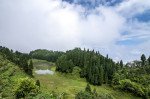
Sillery Gaon is a pristine Himalayan hamlet situated at an altitude of about 6,000 feet. Often called the "New Darjeeling," this village offers a peaceful escape from the urban chaos. It is surrounded by dense pine forests and provides a 180-degree view of the majestic Kanchenjunga. The village was originally home to cinchona plantation workers during the British era. Today, it has evolved into a popular eco-tourism destination where visitors stay in cozy homestays. The atmosphere is filled with the scent of pine and the chirping of exotic Himalayan birds. The name "Sillery" is derived from a local edible green plant that grows abundantly here. Life in the village is simple, rustic, and deeply connected to nature. It serves as a base for several short treks to historical ruins and breathtaking viewpoints. The tranquility of this place makes it a paradise for writers, photographers, and soul-seekers. During the winter, the village looks like a postcard with snow-capped peaks in the background. The hospitality of the local families adds a warm touch to the chilly mountain air. It is a place where time seems to slow down, allowing you to breathe in the purest air.

Ans:- Answer: Many homestays in Sillery Gaon are strategically built on the hillside to offer a direct view of Mount Kanchenjunga from the rooms or the common balconies. Waking up to the sight of the sun hitting the snow-capped peaks is one of the most memorable experiences you can have in the village. However, the view is highly dependent on the weather and cloud cover. For the best chance of seeing the mountains from your window, it is recommended to visit during the autumn or spring months when the skies are generally clear. Even when the mountains are hidden, the view of the mist-covered valleys is quite beautiful.

Ans:- Answer: Sillery Gaon has several beautiful spots within walking distance. The most famous is Ramitey Viewpoint, which offers a breathtaking panoramic view of the Teesta River with its 14 winding bends and the snow-capped mountains. Another interesting place is the ruins of the 17th-century Damsang Fort, which can be reached by a short trek through the forest. Tinchuley Viewpoint is another spot that provides great mountain views. For those who enjoy quiet walks, the Silent Valley is a large green meadow surrounded by pine trees that offers ultimate peace. You can also visit the nearby Cross Hill for its historical and religious significance.

Ans:- Answer: Sillery Gaon is a fantastic place for bird watching. The surrounding pine and Cinchona forests are home to a wide variety of Himalayan birds. You can often spot species like the Scarlet Minivet, Verditer Flycatcher, Blue-fronted Redstart, and various types of babblers and tits right from your homestay balcony. For a more dedicated birding experience, taking a walk along the forest trails early in the morning is highly rewarding. The quiet environment and lack of traffic make it easy to hear and spot the birds. Many nature photographers visit the village specifically to capture the local avian life in its natural habitat.

Ans:- Answer: Sillery Gaon is considered very safe for solo female travelers. The village has a close-knit community where everyone knows each other, and the locals are very respectful and helpful toward tourists. The homestay owners treat guests like family members, ensuring their comfort and safety. As with any remote travel, it is advisable to arrive before sunset and stay within the village or on marked trails during the day. It’s always a good idea to keep your family or friends informed about your travel plans. The peaceful and friendly atmosphere makes it an ideal spot for women looking for some quiet "me-time" in the mountains.

Ans:- Answer: The best time to visit Sillery Gaon is from October to June. The months of October and November are ideal for witnessing the clearest views of Mount Kanchenjunga. Winter (December to February) is great for those who enjoy the cold and want to see the mountains under a crisp winter sun, although temperatures can drop significantly. Spring (March to May) is a wonderful time as the forests are lush and the flowers are in bloom. The monsoon season (July to September) should generally be avoided because the roads can become slippery and the mountain views are often obscured by thick clouds and mist.

Ans:- Answer: To truly enjoy the beauty and tranquility of Sillery Gaon, a stay of at least 2 nights and 3 days is recommended. This gives you enough time to settle in, explore the Ramitey Viewpoint and the Damsang Fort ruins, and spend some time relaxing in the village. If you enjoy trekking or bird watching, you might want to stay an extra day to explore more of the surrounding forest trails at a leisurely pace. Sillery Gaon is a place meant for slow travel, so rushing through it on a day trip would not do justice to its peaceful atmosphere and stunning landscapes.

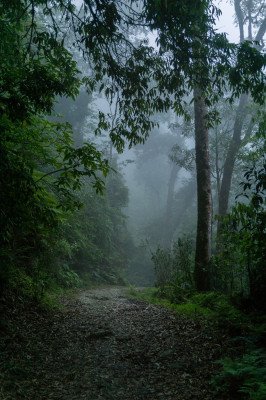
Ans:- Answer: Yes, Sillery Gaon is an excellent destination for light trekking and nature walks. Most of the local sightseeing spots are reached by walking through forest trails. The trek to Ramitey Viewpoint is relatively easy and takes about 30 to 45 minutes. The hike to the Damsang Fort ruins is slightly more challenging but very rewarding for history buffs and nature lovers. These trails take you through dense pine and Cinchona forests, where you can breathe in the fresh mountain air and enjoy the sounds of the wilderness. It’s perfect for those who want an active holiday without doing high-altitude mountain climbing.

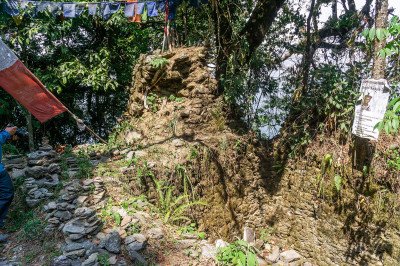
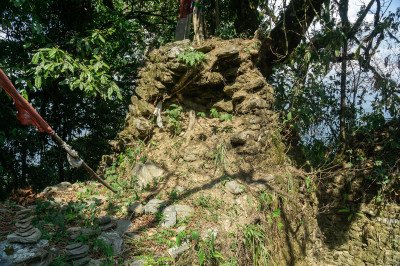
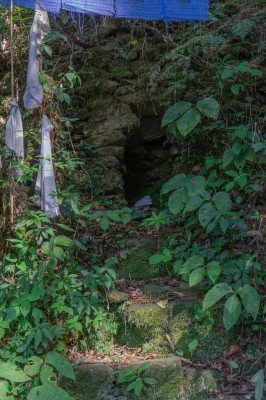
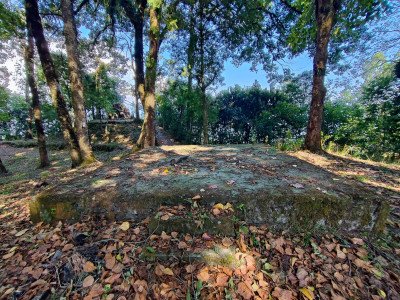
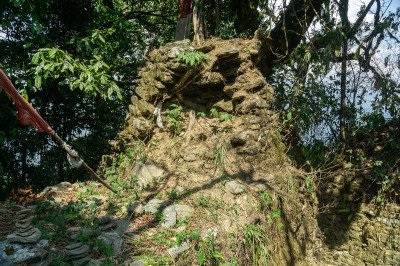
Ans:- Answer: Yes, the ruins of the Damsang Fort are one of the key attractions accessible from Sillery Gaon. It is about a 3 to 4-kilometer trek from the village, which takes you through a dense forest trail. The fort was built in 1690 by the Lepcha King Gyabo Achyok and was later used by the Bhutanese before being destroyed by the British. Today, only the ruins of the walls and gates remain, but the site is very atmospheric and offers a sense of history. It’s a great spot for a picnic and offers a peaceful environment surrounded by nature. A local guide can help you find the trail easily.

Ans:- Answer: You should pack in layers as the weather can change quickly. Even in summer, evenings and nights can be cool, so a light sweater or jacket is necessary. In winter, heavy woolens, gloves, and caps are essential. Comfortable walking or hiking shoes with a good grip are a must for exploring the forest trails. Carry a raincoat or an umbrella for sudden mountain showers. Since it’s a remote area, carry your basic toiletries, a torch, a power bank, and any specific medicines you might need. A pair of binoculars and a camera are also recommended for the stunning mountain views and bird watching.
Information about New and Updated Locations(575+) of West Bengal Has Been Added :-
Card subtitle

Note:-

Information provided here in good Faith and for reference only.

All information and pictures will be updated soon, please keep visiting.

Near Places
...
7th Mile Viewpoint

Some quick example text to build on the card title and make up the bulk of the card's content.

Go somewhere

...
Ahal Dara Viewpoint

Some quick example text to build on the card title and make up the bulk of the card's content.

Go somewhere

...
Bara Mangwa

Some quick example text to build on the card title and make up the bulk of the card's content.

Go somewhere
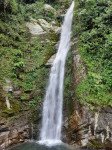
...
Changey Falls

Some quick example text to build on the card title and make up the bulk of the card's content.

Go somewhere
...
Chatakpur

Some quick example text to build on the card title and make up the bulk of the card's content.

Go somewhere
...
Chota Mangwa

Some quick example text to build on the card title and make up the bulk of the card's content.

Go somewhere
...
Deolo Hill

Some quick example text to build on the card title and make up the bulk of the card's content.

Go somewhere

...
Dr. Graham s Homes

Some quick example text to build on the card title and make up the bulk of the card's content.

Go somewhere
...
Durpin Dara Hill

Some quick example text to build on the card title and make up the bulk of the card's content.

Go somewhere

...
Durpin Monastery

Some quick example text to build on the card title and make up the bulk of the card's content.

Go somewhere
in Other Cities