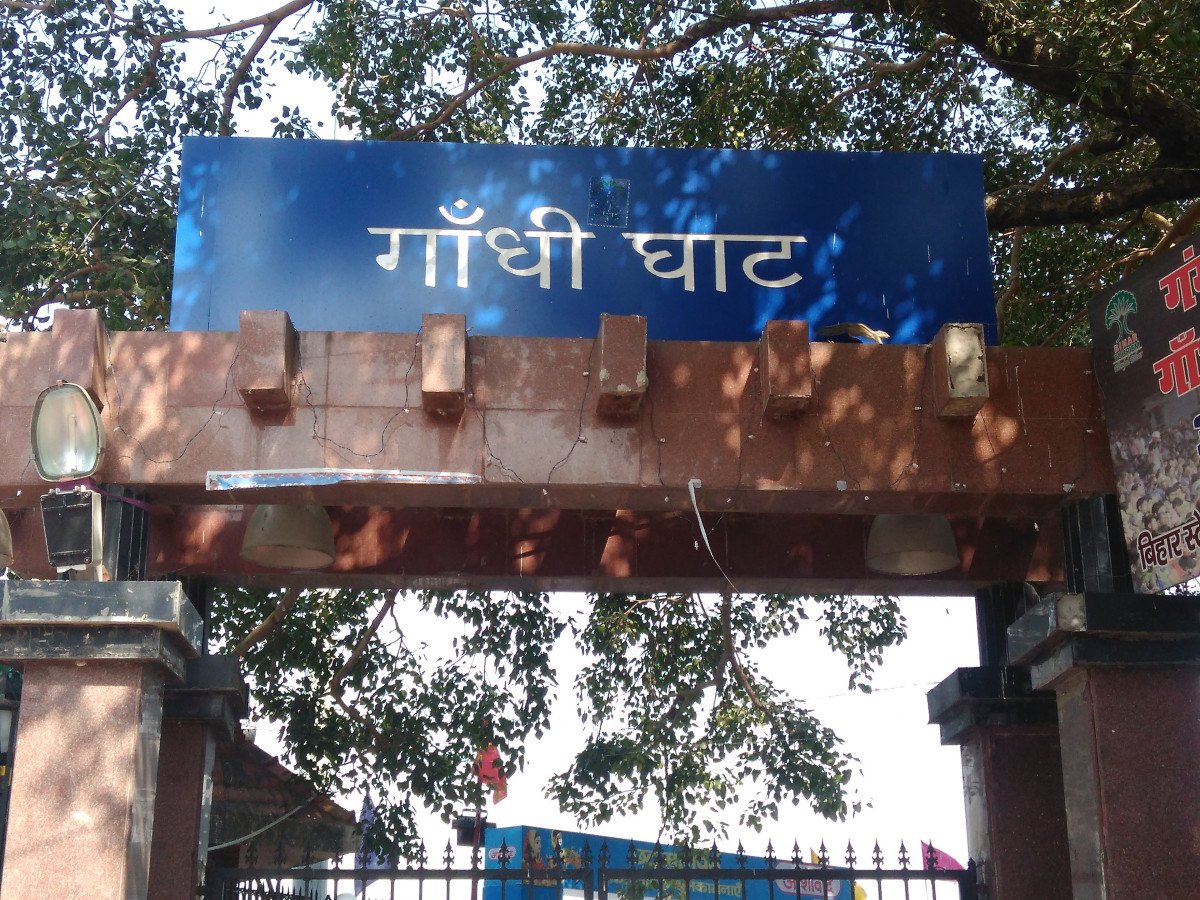
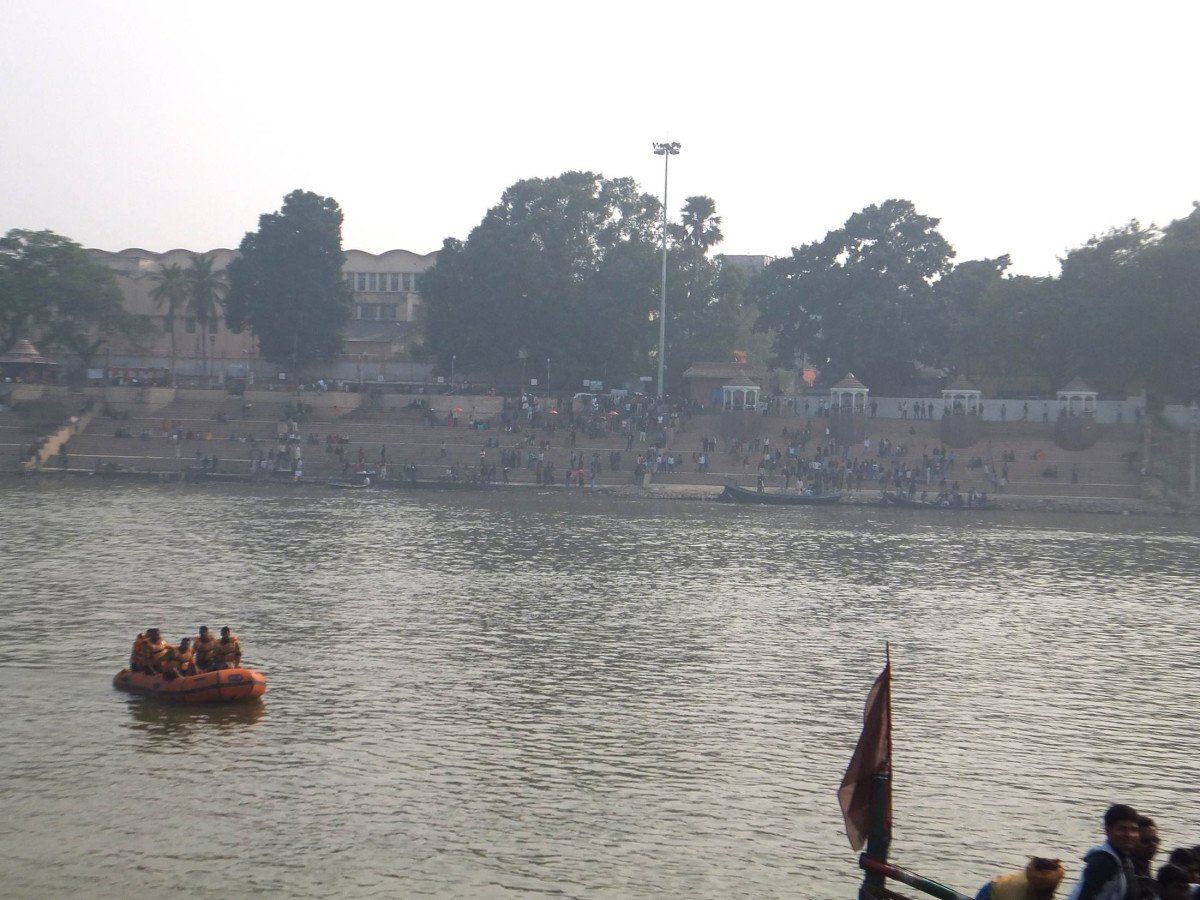
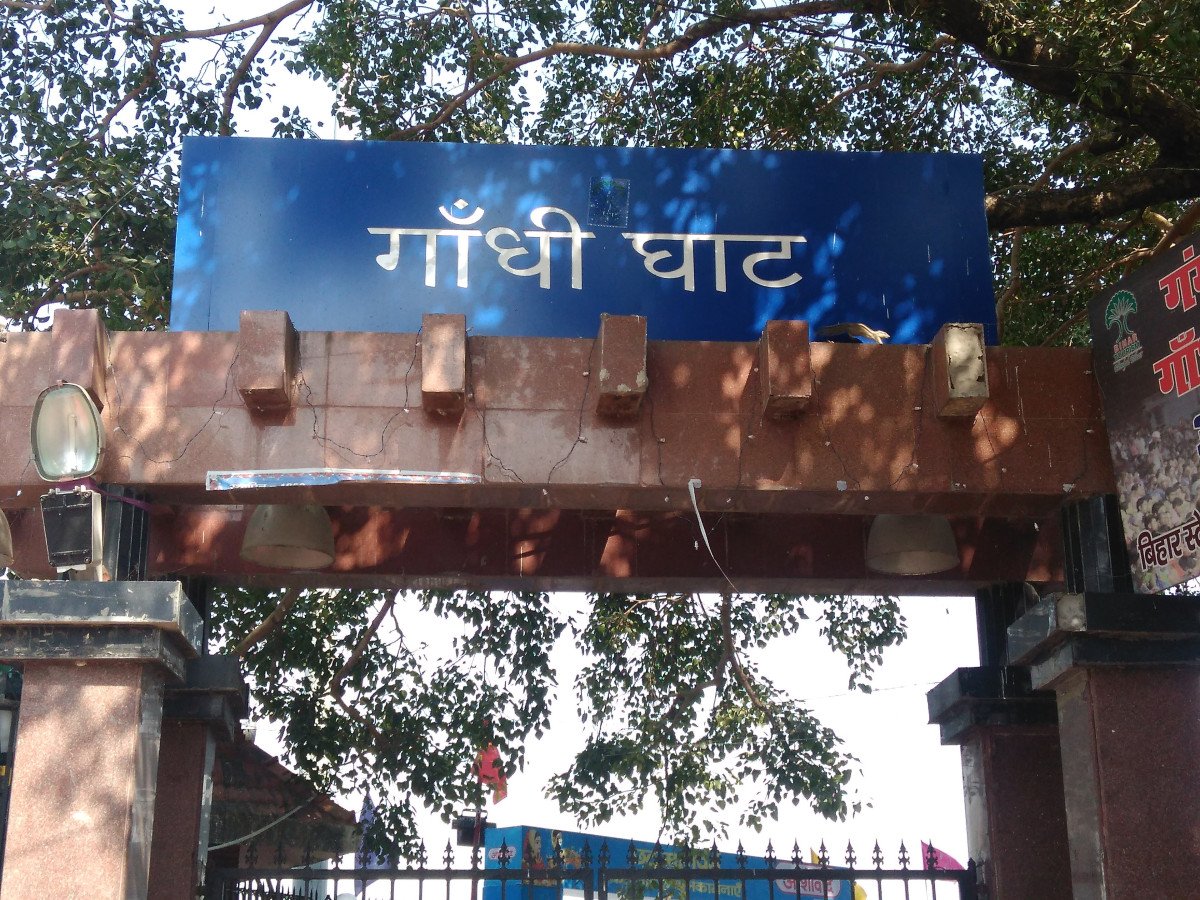
Gandhi Ghat
General information
-
Ideal Duration:
1. 5 - 3 hours (Specifically for the Ganga Aarti and an evening walk/cruise)Place Type:
Religious Site, Public Space, Historical MonumentEntry Fees:
Variable Entry Fee Structure: There is no entry fee to access the main Gandhi Ghat premises or the steps for a walk, nor is there a charge to witness the general, public Ganga Aarti from the steps. Access to the ghat is a right for the public and devotees. However, fees ar...Variable Entry Fee Structure: There is no entry fee to access the main Gandhi Ghat premises or the steps for a walk, nor is there a charge to witness the general, public Ganga Aarti from the steps. Access to the ghat is a right for the public and devotees. However, fees are charged for specific, organized services.
Cruise Ship/Boat Fee: The most significant fee-based activity is the River Cruise or a ride on the floating restaurant (MV Ganga Vihar). The charges for these typically range from Rs.300 to Rs.500 per person for a standard non-dinner ride during the Aarti, and substantially more for a dinner cruise (e. g. , Rs.1000+). The price depends on the duration, the amenities offered, and whether food/drinks are included.
Parking and Amenities Fees: There may be a nominal parking fee (around Rs.20 to Rs.50 for cars/bikes) if you use the designated parking area near the ghat. Also, public amenities like clean toilets or access to special viewing platforms (if any are built) might incur a small charge to maintain their upkeep.
Photography Fees for Commercial Use: While personal photography is free, professional or commercial videography or still photography (e. g. , for films, documentaries, or pre-wedding shoots) may require a formal permit from the local administration or the Ghat management committee, which usually involves a significant fee. It is crucial to check with the authorities for commercial projects to avoid legal issues. These fees support the maintenance of the public space and its services.Timing:
Regular Public Timings: The ghat is open 24 hours a day, 7 days a week for public access and religious use. However, the period of most activity and interest is from 4:00 PM to 8:00 PM, particularly on weekends, due to the Ganga Aarti. The river cruise and related services...Regular Public Timings: The ghat is open 24 hours a day, 7 days a week for public access and religious use. However, the period of most activity and interest is from 4:00 PM to 8:00 PM, particularly on weekends, due to the Ganga Aarti. The river cruise and related services typically operate in the late afternoon and evening. The daytime hours, especially from 10:00 AM to 4:00 PM, are generally quiet, except for a few local fishermen or people taking dips.
Ideal Visit Time for Ganga Aarti: The ideal time to visit for the Ganga Aarti is on a Saturday or Sunday evening, arriving by 5:30 PM to secure a good viewing spot before the ceremony starts around 6:00 PM to 6:30 PM (timing varies with sunset). The atmosphere is at its most vibrant and visually appealing during this twilight hour, and the ceremony offers the full experience of light, sound, and devotion.
Ideal Visit Time for Serenity: For those seeking peace, reflection, and quiet photography, the absolute ideal time is the early morning, specifically between 5:30 AM and 7:00 AM on a weekday. The gentle sounds of the river and the fresh, cool air provide a completely different, highly peaceful experience, perfect for meditation and contemplation without the huge crowds.
Seasonal Variation: The ghat is busiest during major festival seasons like Chhath Puja (October/November) and Makar Sankranti (January), with a huge influx of people. For a regular tourist experience, the post-monsoon months of October and November, when the weather is pleasant and the river level is safe, are often the most ideal for a visit.Special Events:
The Grand Ganga Aarti: The Ganga Aarti itself is the primary weekly special event, taking place every Saturday and Sunday (and often daily during major festival periods like Kartik Purnima). This spiritual performance is an elaborate affair with dozens of lamps, music, and ...The Grand Ganga Aarti: The Ganga Aarti itself is the primary weekly special event, taking place every Saturday and Sunday (and often daily during major festival periods like Kartik Purnima). This spiritual performance is an elaborate affair with dozens of lamps, music, and chanting, drawing the largest crowds and transforming the atmosphere into a vibrant, devotional spectacle. It is a cultural congregation and a highlight of the Patna week.
Annual Makar Sankranti Kite Festival: Every year on Makar Sankranti (mid-January), the ghat and the surrounding grounds become the central venue for the famous Patna Kite Flying Festival (Patang Utsav). The event is characterized by a sky full of colorful kites and friendly competitions, attracting kite flyers from all over the region and beyond. It is a joyous, secular celebration marking the transition of the sun into Capricorn.
Chhath Puja Gatherings: Gandhi Ghat is one of the most significant sites for the four-day festival of Chhath Puja (October/November). Millions of devotees throng the ghat to offer prayers (Arghya) to the Sun God (Surya Devta) and Chhathi Maiya as they stand in the river. This event involves intricate rituals and is a deeply cultural and religious spectacle, showcasing the unique spiritual traditions of Bihar.
Other Religious Observances: The ghat often hosts special gatherings and ceremonies during other major Hindu festivals, such as Kartik Purnima and Baisakhi, often involving mass bathing rituals and large fairs, which draw distinct local crowds and provide a unique window into the regional religious life.Best Photo Spots:
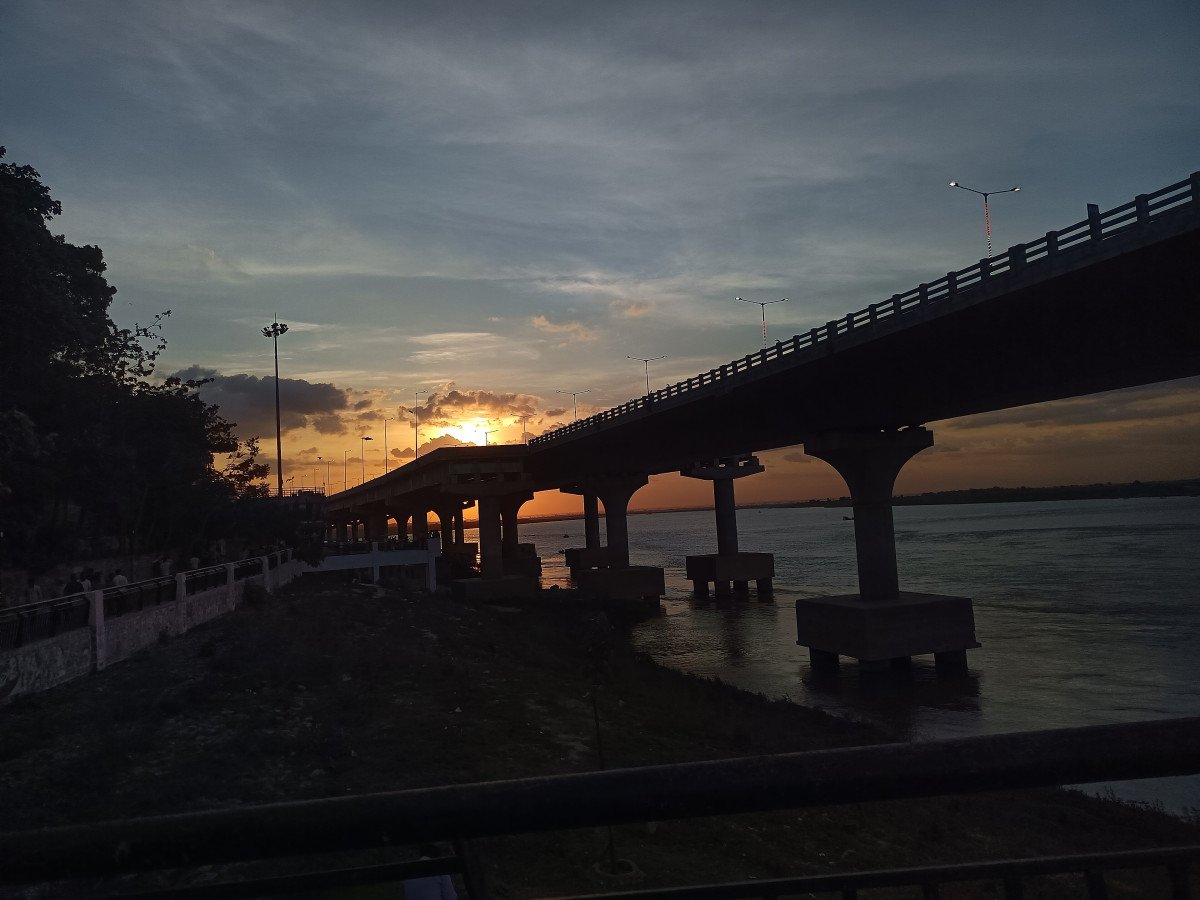
The Aarti Platform at Sunset: The elevated Aarti platform itself is the most iconic photo spot. You can capture the priests in action with the blazing lamps, ideally framed against the dramatic backdrop of the sunset and the twilight sky. Use a wide-angle lens to include t...The Aarti Platform at Sunset: The elevated Aarti platform itself is the most iconic photo spot. You can capture the priests in action with the blazing lamps, ideally framed against the dramatic backdrop of the sunset and the twilight sky. Use a wide-angle lens to include the river and the crowds on the steps for a sense of scale.
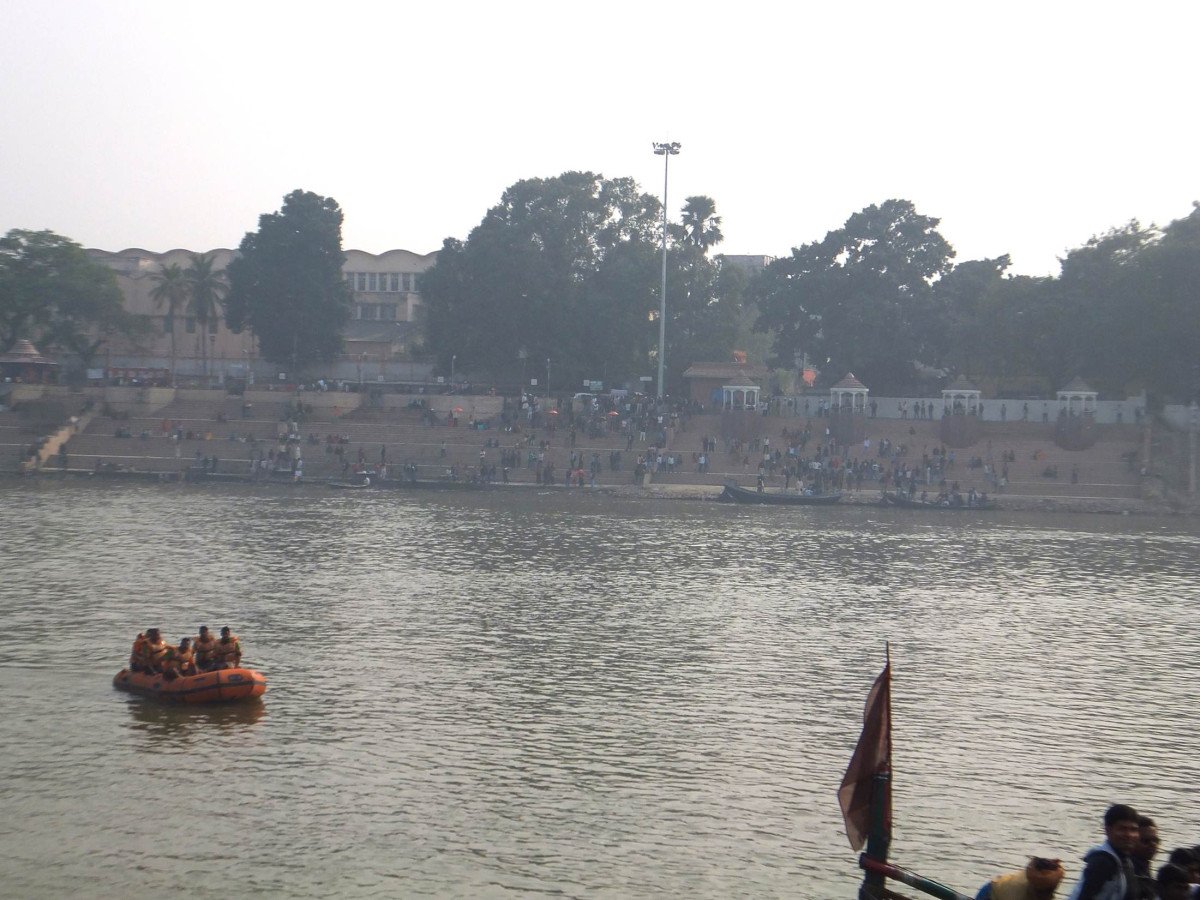
Panoramic View from the Steps: The wide, terraced steps provide numerous vantage points. Stand on the highest steps to take a panoramic shot that includes the entire stretch of the ghat, the river, and the city lights coming alive in the background. This is the best spot for capturing the sheer number of people gathered for the event.
The River's Edge with Floating Diyas: For a close-up, spiritual shot, focus on the river's edge, where devotees often set small clay lamps (diyas) afloat on the Ganga during and after the Aarti. A low-angle shot of the twinkling lights gently drifting on the water, with the dark river in the background, is visually stunning and represents the traditional ritual of offering light to the river.
The Mahatma Gandhi Statue: The statue or memorial dedicated to Mahatma Gandhi near the ghat entrance is a mandatory historical photo spot. Capturing the statue with the Ganga in the background or with the national flag (if present) provides a historical and patriotic element to your photo collection.
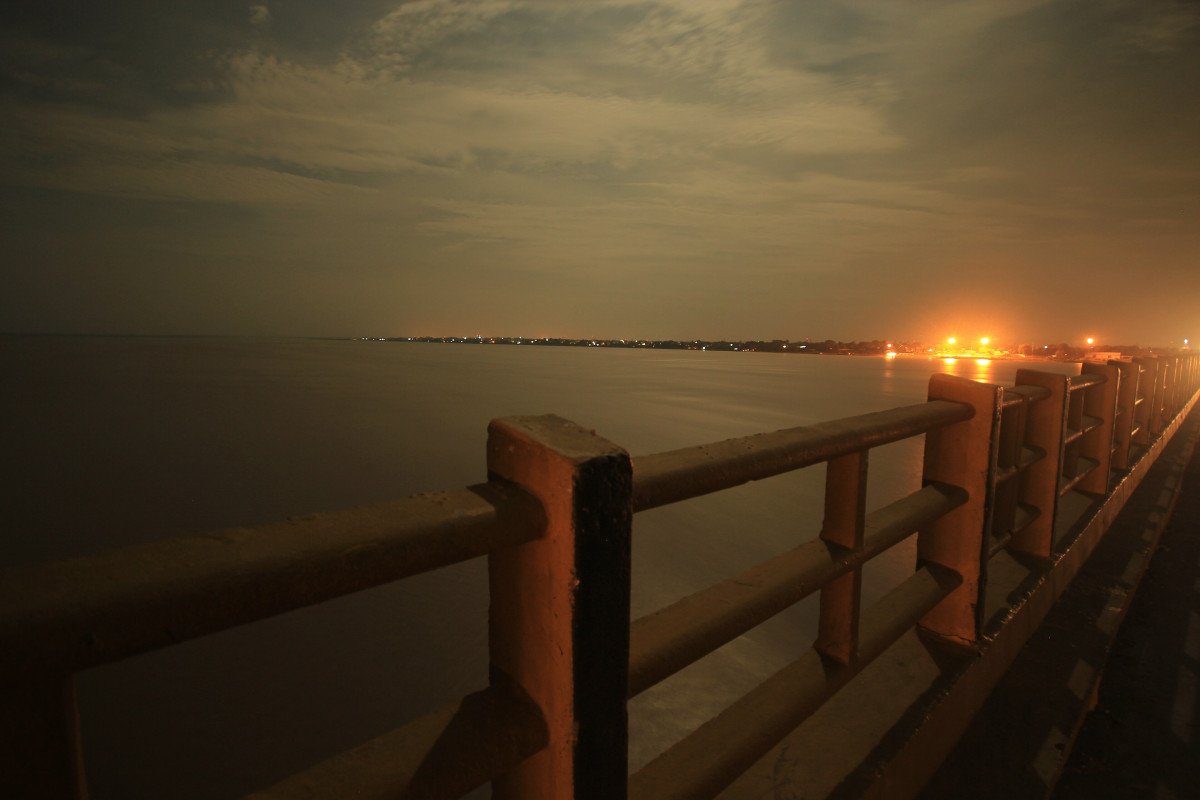
The River Cruise View: If you take a boat or the cruise ship, the best photo spot is from the middle of the river, facing the ghat. This angle allows you to capture the entire ghat structure and the Aarti as a single, illuminated spectacle. This perspective offers a clean, uncluttered shot of the ceremony without the heads of the crowd in the foreground, providing a truly unique and memorable composition. (Approx )Photo Gallery
Things To Do
-
Witnessing the Ganga Aarti Spectacle: The primary thing to do is to attend the spectacular evening Ganga Aarti, which typically starts around sunset, generally from 6:00 PM to 7:00 PM on Saturdays and Sundays (sometimes daily in peak season). You should arrive at least 30 minutes early to secure a good seat on the steps. The ritual involves five to seven young priests performing synchronized movements with large, multi-tiered brass lamps (deepams) while chanting Vedic mantras and hymns. The atmosphere is filled with the sound of bells, drums, and conch shells, and the air is thick with the scent of sandalwood and incense. This is a profoundly moving, spiritual, and sensory experience. The best way to enjoy it is to sit quietly and absorb the collective energy of the devotion.
Taking a River Cruise or Boat Ride: Hire a local ...Witnessing the Ganga Aarti Spectacle: The primary thing to do is to attend the spectacular evening Ganga Aarti, which typically starts around sunset, generally from 6:00 PM to 7:00 PM on Saturdays and Sundays (sometimes daily in peak season). You should arrive at least 30 minutes early to secure a good seat on the steps. The ritual involves five to seven young priests performing synchronized movements with large, multi-tiered brass lamps (deepams) while chanting Vedic mantras and hymns. The atmosphere is filled with the sound of bells, drums, and conch shells, and the air is thick with the scent of sandalwood and incense. This is a profoundly moving, spiritual, and sensory experience. The best way to enjoy it is to sit quietly and absorb the collective energy of the devotion.
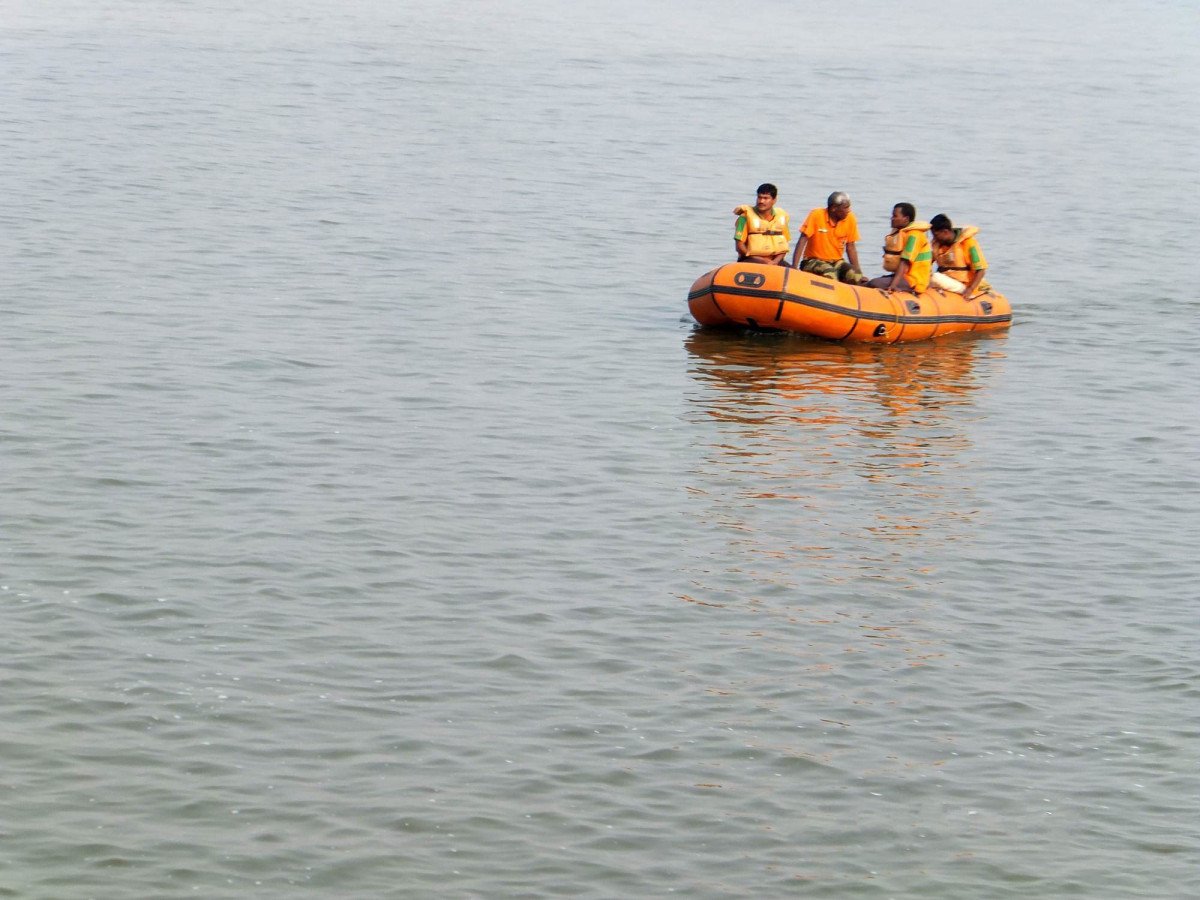
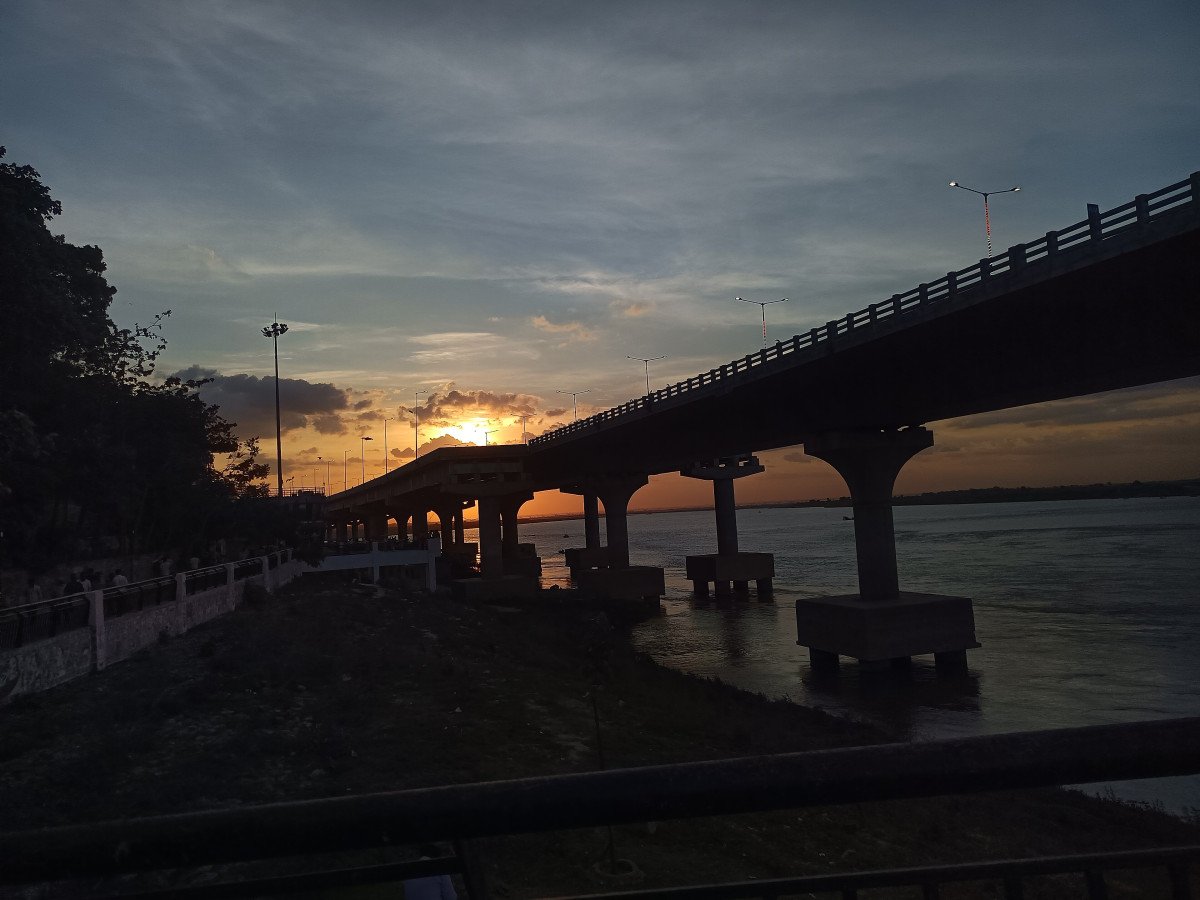
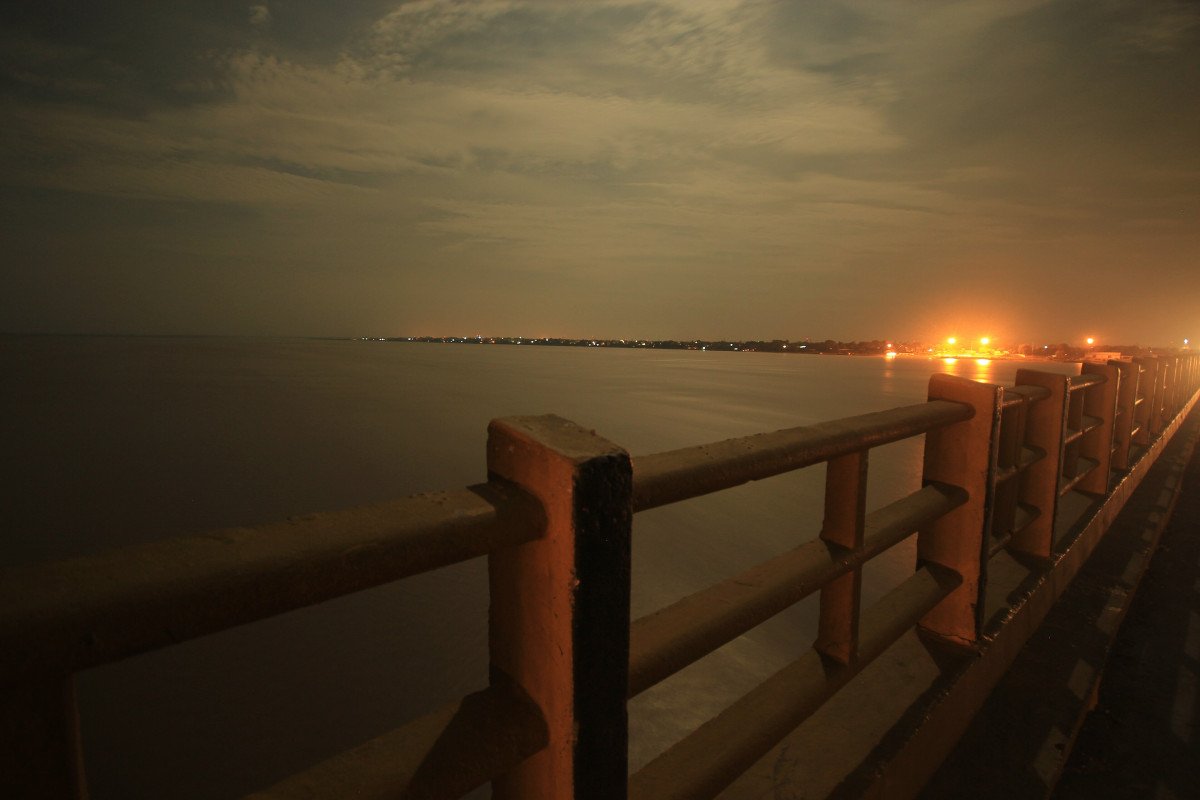
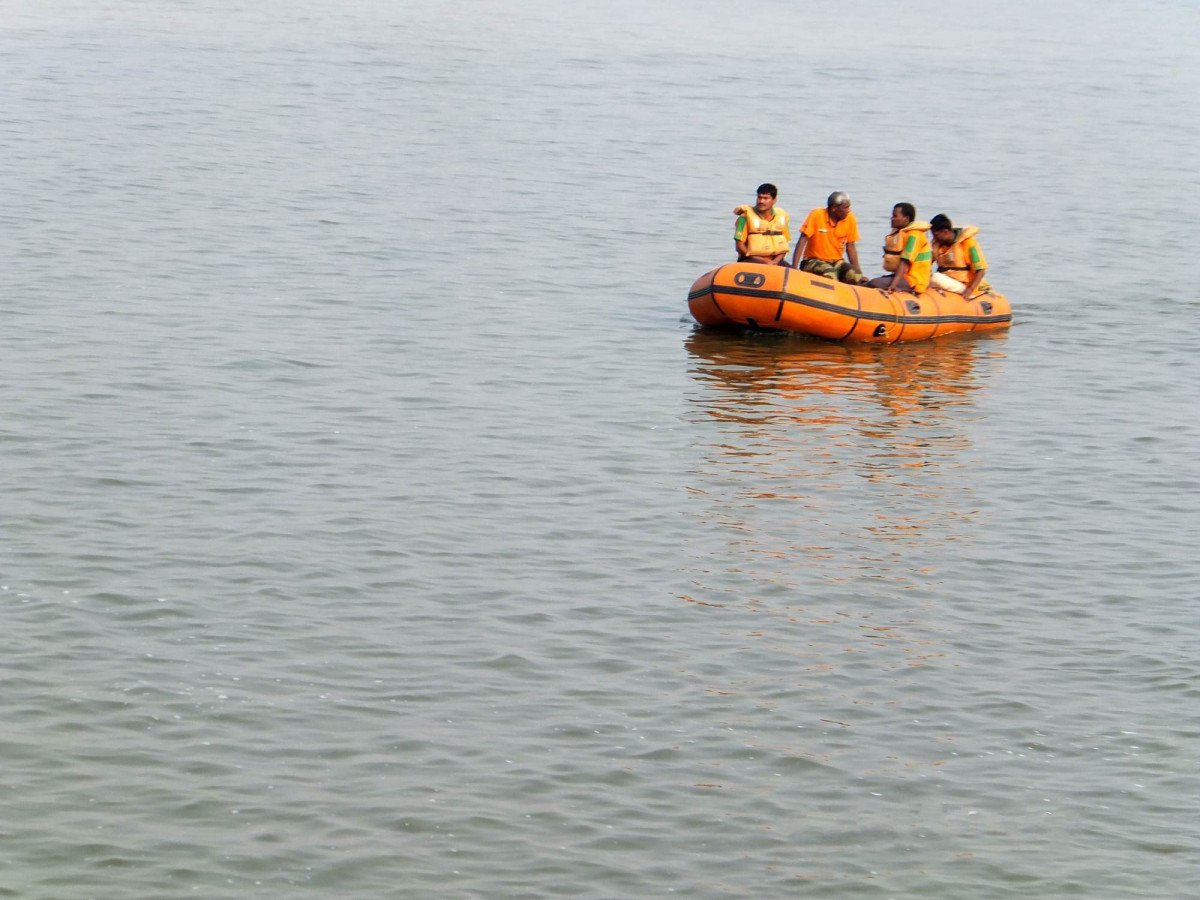
Taking a River Cruise or Boat Ride: Hire a local boat (nauka) for a private ride or take the larger organized river cruise ship (like the MV Ganga Vihar) that often operates from the ghat. The boat ride offers a stunning panoramic view of the Patna skyline, especially after dusk when the city lights reflect on the water. A river cruise during the Aarti time provides a unique, water-level perspective of the ceremony. You can also sail up to the Mahatma Gandhi Setu bridge and back. Boat rides are an excellent way to escape the crowd and enjoy the gentle breeze from the river. Remember to negotiate the boat fare with the local boatmen before boarding for private rides.
Photography and Sunset Watching: Gandhi Ghat is one of the best locations in Patna for landscape and sunset photography. Position yourself on the upper steps around 5:00 PM to capture the golden hour as the sun dips below the horizon, casting a warm glow over the Ganga. During the Aarti, long-exposure shots of the blazing lamps against the twilight sky can be highly dramatic. In the early morning, the soft, misty light provides excellent opportunities for serene, atmospheric shots of the river and the boats.
Meditative Walk and Reflection: Take a quiet morning walk along the riverbank (ghat) area. The air is fresh, and the environment is conducive to quiet introspection. Since the ghat is a site where Mahatma Gandhi's ashes were scattered, spend a few minutes in silent contemplation of his life and principles. This is a moment to connect with the deep historical and philosophical undercurrents of the place.
Enjoying Local Street Food and Snacks: The area around the ghat, particularly in the evening, comes alive with local vendors. Indulge in popular Bihari street food and snacks. Look for vendors selling hot, freshly made litti-chokha (a traditional roasted wheat ball dish), spicy chaat items, and local sweets. Enjoying a cup of hot, sweet milky tea from a local stall while watching the river flow is a quintessential Patna experience. Be cautious about hygiene and prefer freshly prepared, hot items.
Participating in Rituals and Offering Prayers: As a functional ghat, many visitors offer prayers (puja) and holy water (jal) to the Ganga. You can buy small packets of flowers and incense sticks from vendors to make a simple offering or perform a small ritual for your ancestors. If you wish to take a holy dip, ensure you do so only in designated, safe areas and be mindful of the strong river currents. Follow the advice of local authorities.
Attending the Makar Sankranti Kite Festival: If your visit coincides with the Makar Sankranti festival (usually on January 14th), you can join the massive, colorful kite-flying celebrations held at the ghat. You can buy a kite and thread (manjha) from a local market and participate in friendly kite-flying competitions. The sky filled with thousands of kites of every color and design is a spectacular sight and a truly unique cultural immersion activity.
Visiting Nearby Attractions: Combine your trip with visits to nearby historical and cultural spots. The Patna Museum and Golghar are relatively close by and can be visited earlier in the day. The G
Information
-
Why Famous:
Commemoration of Mahatma Gandhi: The Ghat is renowned because it is one of the designated sites where the ashes of Mahatma Gandhi, the Father of the Nation, were immersed in 1948. This historical event instantly elevated its status from a local bathing ghat to a site of nat...Commemoration of Mahatma Gandhi: The Ghat is renowned because it is one of the designated sites where the ashes of Mahatma Gandhi, the Father of the Nation, were immersed in 1948. This historical event instantly elevated its status from a local bathing ghat to a site of national importance, making it a place of solemn remembrance and historical gravity, a living monument to his legacy and philosophy.
The Spectacular Ganga Aarti: Its fame is also heavily driven by the mesmerizing evening Ganga Aarti ritual, which began relatively recently but has quickly become the city's premier spiritual and cultural spectacle. Conducted by a dedicated team of saffron-clad priests, the synchronized performance with large fire lamps (diyas) and musical instruments attracts massive crowds, mirroring the famous Aartis of Varanasi and Haridwar, and serving as a major draw for religious tourism and evening outings for locals.
A Hub for Festivals: The location's wide, open space and riverside setting make it the focal point for significant regional festivals. It is especially famous during the Chhath Puja in October/November, when millions of devotees gather to offer prayers to the Sun God, and during the annual Makar Sankranti festival in January, which is celebrated with a vibrant and colorful kite flying festival that paints the sky above the Ganga.
Gateway to River Tourism: The ghat now serves as a major embarkation point for river cruises and boat rides on the Ganga, including the operational luxury river cruises that offer dining and a unique perspective of the city skyline and the Mahatma Gandhi Setu bridge, significantly boosting its profile as a modern leisure destination alongside its spiritual role. The dual attraction of ancient tradition and contemporary recreation is key to its widespread recognition and popularity among all demographics. -
Architecture:
Simple Functional Design: The architecture of Gandhi Ghat is primarily one of utility and function, designed to facilitate bathing and religious rituals on the river bank, rather than ornate construction. The structure consists mainly of wide, stepped concrete or stone plat...Simple Functional Design: The architecture of Gandhi Ghat is primarily one of utility and function, designed to facilitate bathing and religious rituals on the river bank, rather than ornate construction. The structure consists mainly of wide, stepped concrete or stone platforms (ghats) that descend directly into the Ganga river. This terraced arrangement allows a large number of people to access the water safely during various water levels.
The Aarti Platform: A key architectural element is the specific, often slightly elevated, permanent platform or stage constructed near the top steps, which is used exclusively for the performance of the Ganga Aarti. This platform is strategically positioned to face the river, providing an unobstructed view for the audience gathered on the steps and the river cruise boats. It is simple in design, allowing the performance and the river itself to be the main focus.
Material and Durability: Given its location on a dynamic riverbank, the construction materials are chosen for resilience against water erosion and frequent flooding, typically involving sturdy stone, brick, and concrete. The emphasis is on structural longevity and safety, which is characteristic of the utilitarian public works common in the region.
Dimension: The entire complex stretches along a significant length of the riverbank. While exact official dimensions can vary with river levels and recent construction, the stepped ghat section is estimated to be over 100 meters in length and features dozens of steps descending to the water. The height difference from the top road level to the low water mark during the dry season can be substantial. The main Aarti platform itself is typically a raised area of roughly 10 meters by 10 meters. The sheer horizontal extension along the riverfront makes it a major public space. The architectural idea is to create an amphitheater-like space facing the river, utilizing simple, durable geometry to manage the large crowds for the spiritual ceremony. -
How To Reach:
By Air: The nearest airport is Jay Prakash Narayan International Airport (PAT) in Patna, located approximately 12 KM from Gandhi Ghat. Upon arrival, you can easily hire a pre-paid taxi from the airport counter, book a ride through ride-sharing apps (Ola/Uber), or take an au...By Air: The nearest airport is Jay Prakash Narayan International Airport (PAT) in Patna, located approximately 12 KM from Gandhi Ghat. Upon arrival, you can easily hire a pre-paid taxi from the airport counter, book a ride through ride-sharing apps (Ola/Uber), or take an auto-rickshaw to the ghat. The drive typically takes 30-45 minutes, depending on the city traffic, especially in the evening. The airport is well-connected to major Indian cities like Delhi, Mumbai, Kolkata, and Bangalore.
By Train: The nearest and most important railway station is Patna Junction (PNBE), which is approximately 8 KM from the ghat. Another nearby option is Rajendra Nagar Terminal (RJPB). From Patna Junction, you have numerous transport options: you can take an auto-rickshaw (shared or reserved), a cycle-rickshaw (for a slow, local experience), or a taxi. Auto-rickshaws are the most common and economical choice. Always negotiate the fare beforehand or insist on using the meter. The journey from Patna Junction should take about 20-30 minutes.
By Road: Patna is well-connected by National Highways. Gandhi Ghat is located on the famous Ashok Rajpath, which runs parallel to the Ganga. If driving from within Bihar or neighboring states like Jharkhand and Uttar Pradesh, follow NH 19 or NH 30 towards the city center, then take the arterial roads leading towards Patna University, which is the landmark closest to the ghat. The ghat is well-signposted once you are on Ashok Rajpath. City buses also ply the Ashok Rajpath route and have stops near the university.
By Local Transport: Auto-rickshaws (both reserved and shared) are the lifeline of local transport and are readily available from all parts of Patna. A shared auto-rickshaw running along Ashok Rajpath is a very cheap option, dropping you off right at the ghat or the university gate. You can also use cycle-rickshaws for short distances, which are eco-friendly and offer a slower, more authentic view of the locality. Ride-sharing apps are also very active in Patna and provide a convenient, fixed-price alternative, especially in the evenings when leaving the crowded ghat. -
Weather and Best Time to Visit:
Weather-Based Ideal Season: The Winter Season (late October to March) is the absolute best time to visit. The weather is cool and pleasant, with average temperatures ranging from 10°C to 25°C, making it comfortable for walking, taking a boat ride, and sitting for the Gang...Weather-Based Ideal Season: The Winter Season (late October to March) is the absolute best time to visit. The weather is cool and pleasant, with average temperatures ranging from 10°C to 25°C, making it comfortable for walking, taking a boat ride, and sitting for the Ganga Aarti. The air is crisp and clear, offering the best views. The Monsoon Season (July to September) should be approached with caution as the Ganga swells, and the ghat steps can be submerged, making access unsafe and boat rides difficult. The Summer Season (April to June) is extremely hot, with temperatures often soaring above 40°C, making daytime visits uncomfortable and potentially exhausting. Time of Day for Aarti vs.
Peace: For experiencing the full grandeur and crowd energy, the Evening Twilight is the best time, specifically between 5:30 PM and 7:30 PM, when the Aarti is performed. The atmosphere is vibrant, celebratory, and visually stunning. For those prioritizing silence, photography, and personal reflection, the Early Morning (5:00 AM to 7:00 AM) is the superior choice. The light is soft, the air is clean, and you can enjoy the river in peace before the city wakes up.
Festival Time: For a unique cultural immersion, visit during the major festivals. Chhath Puja (post-Diwali) offers the most profound spiritual experience with millions of devotees, though the crowds are immense. Makar Sankranti (January) is ideal for fun and festive energy with the kite festival. These periods offer a unique perspective but require extra patience and preparation for the crowds. -
Near Tourist Places:
1.
Gandhi Sangrahalaya (Gandhi Museum): 1. 5 KM (Near Gandhi Maidan). 2.
Gandhi Maidan: 3 KM (Large historical public ground). 3.
Golghar: 4 KM (Historical granary with spiral staircase). 4.
Patna Museum (Jadu Ghar): 5 KM (State museum of Bihar). 5.
Takht Sri Patna Sahib (Gurudwara): 8 KM (Birthplace of Guru Gobind Singh). 6.
Mahavir Mandir: 8 KM (Near Patna Junction, famous temple). 7.
Srikrishna Science Centre: 5. 5 KM (Interactive science exhibits). 8.
Bihar Museum: 7 KM (New, modern museum). 9.
Agam Kuan: 9 KM (Ancient well associated with Ashoka). 10.
Kumhrar (Pataliputra Ruins): 10 KM (Mauryan-era ruins).
Tourism Tips
-
Health & Safety:
Ganga River Safety: Always be extremely cautious near the river's edge; the currents of the Ganga are very strong and can be unpredictable, especially during and right after the monsoon. Do not attempt to swim unless you ar...Health & Safety:
Ganga River Safety: Always be extremely cautious near the river's edge; the currents of the Ganga are very strong and can be unpredictable, especially during and right after the monsoon. Do not attempt to swim unless you are an experienced local or an approved safety guard is present. Only take holy dips in clearly designated and safe areas.
Crowd Management: During the Ganga Aarti and especially major festivals like Chhath, the crowds are massive. Keep a tight watch on your belongings and children. Avoid standing on slippery or submerged steps.
Packing Essentials: Comfortable Footwear is essential, as the ghat involves climbing steps and walking on uneven surfaces. Pack a light shawl or jacket even in winter, as the river breeze in the evening can be quite chilly. Carry a small, cross-body bag for your essentials to keep your hands free and your items secure. Sunscreen and a hat are a must for daytime visits. Water is crucial to avoid dehydration, especially in the afternoon.
Accommodation Recommendations:
Mid-Range Options: Look for hotels in the areas of Fraser Road or Exhibition Road, which are centrally located and offer excellent connectivity to the ghat and other parts of Patna. Reputable options include Hotel Maurya or the various business hotels that offer good amenities.
Budget Options: Guesthouses and budget hotels are easily available near the Patna Junction railway station area, though one must check reviews for cleanliness and safety. It is advisable to book accommodation near Gandhi Maidan for better access to transport and restaurants.
Other Tourism Tips:
Photography Etiquette: While photography is welcome, be respectful during the Ganga Aarti and other rituals. Avoid using flash directly on the priests or devotees.
Negotiate Fares: Always agree on the fare for auto-rickshaws and cycle-rickshaws before starting the journey, as drivers rarely use meters. Alternatively, rely on ride-sharing apps for transparency.
Local Culture: Be respectful of local customs, especially by dressing modestly when visiting religious sites like the ghat. When buying food from street vendors, ensure the food is prepared fresh and hot to minimize health risks.
Reviews
FAQs
Patna Itineray And Cost:-
Other Places In Patna :-
Other States In India :-
Information about New and Updated Locations() of Bihar Has Been Added :-
Card subtitle
Note:-
Information provided here in good Faith and for reference only.
Near Places
Agam Kuan
Some quick example text to build on the card title and make up the bulk of the card's content.
Go somewhere
Bihar Museum
Some quick example text to build on the card title and make up the bulk of the card's content.
Go somewhere
Buddha Smriti Park
Some quick example text to build on the card title and make up the bulk of the card's content.
Go somewhere
Darbhanga House
Some quick example text to build on the card title and make up the bulk of the card's content.
Go somewhere
Eco Park
Some quick example text to build on the card title and make up the bulk of the card's content.
Go somewhere
Gandhi Ghat
Some quick example text to build on the card title and make up the bulk of the card's content.
Go somewhere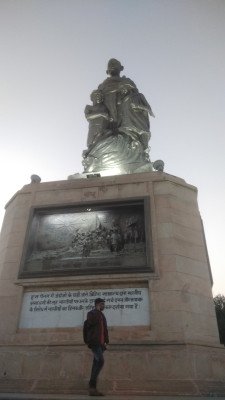
Gandhi Maidan
Some quick example text to build on the card title and make up the bulk of the card's content.
Go somewhere
Gandhi Sangrahalaya
Some quick example text to build on the card title and make up the bulk of the card's content.
Go somewhere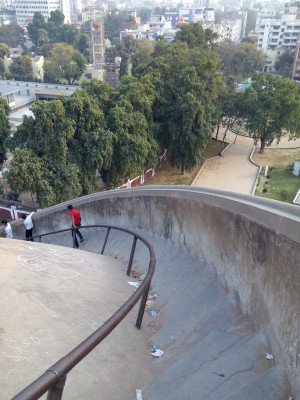
Golghar
Some quick example text to build on the card title and make up the bulk of the card's content.
Go somewhere
ISKCON Temple Patna
Some quick example text to build on the card title and make up the bulk of the card's content.
Go somewhere
Jalan Museum
Some quick example text to build on the card title and make up the bulk of the card's content.
Go somewhere
Kesariya Stupa
Some quick example text to build on the card title and make up the bulk of the card's content.
Go somewhere
Khuda Bakhsh Oriental Public Library
Some quick example text to build on the card title and make up the bulk of the card's content.
Go somewhere
Kumhrar Park
Some quick example text to build on the card title and make up the bulk of the card's content.
Go somewhere
Kumhrar
Some quick example text to build on the card title and make up the bulk of the card's content.
Go somewhere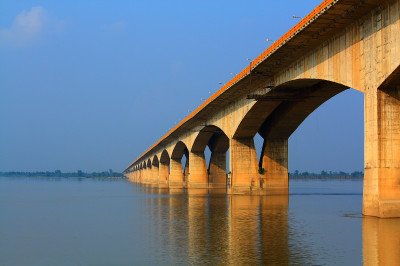
Mahatma Gandhi Setu
Some quick example text to build on the card title and make up the bulk of the card's content.
Go somewherein Other Cities