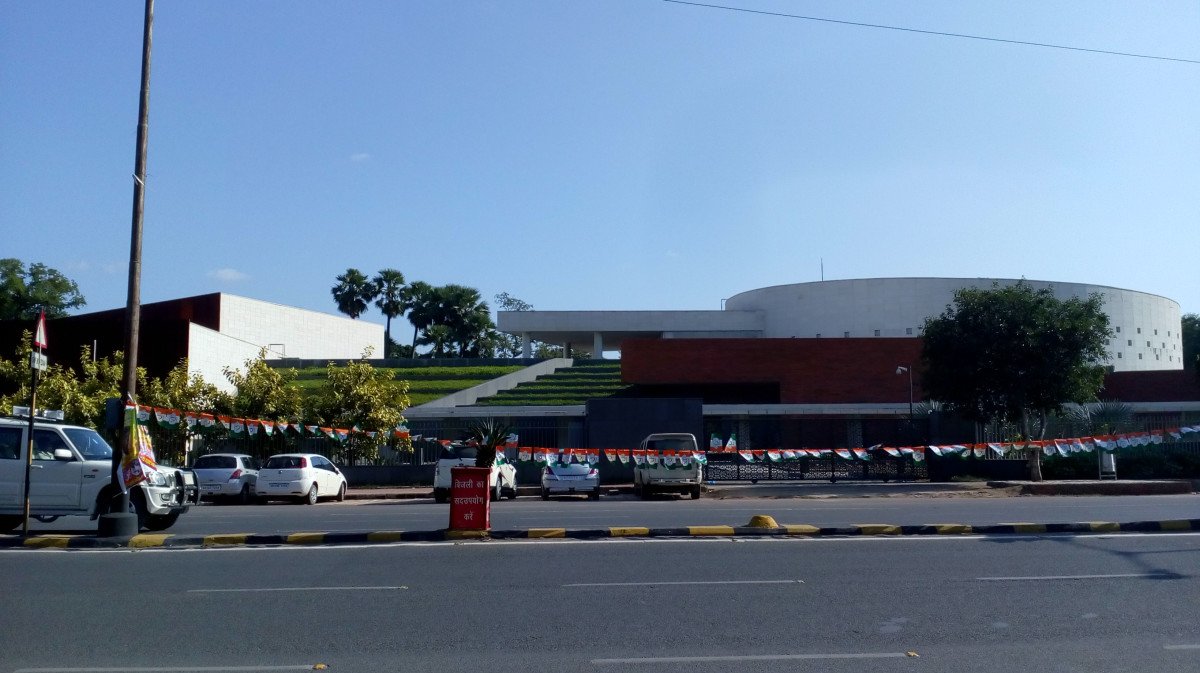
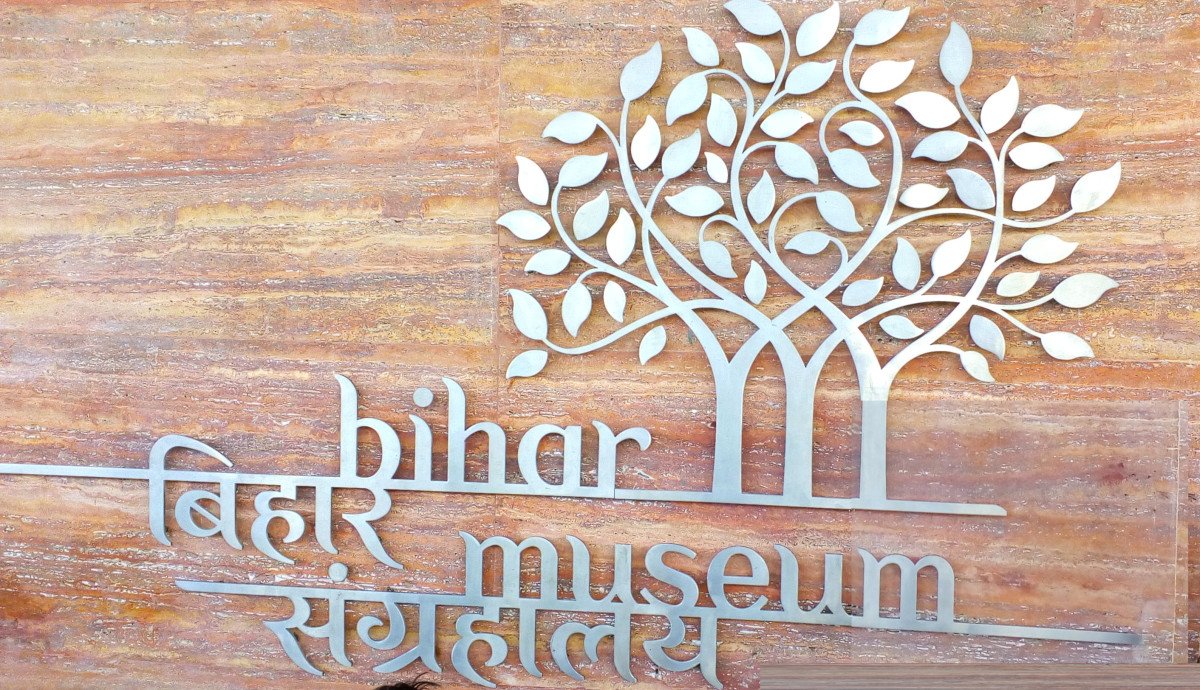
Bihar Museum
General information
-
Ideal Duration:
Time Required for Comprehensive Tour:
3 to 4 Hours:
Ideal Time for a Quick Visit:
2 Hours:Place Type:
Cultural Institution: Museum; Art and ArchaeologEntry Fees:
Pricing Structure and Concessions: The entry fee is generally very reasonable to promote public access. Indian citizens typically pay a nominal fee (e. g. , around INR 50-100 for adults). There are often different fee structures for children, students, senior citizens, and...Pricing Structure and Concessions: The entry fee is generally very reasonable to promote public access. Indian citizens typically pay a nominal fee (e. g. , around INR 50-100 for adults). There are often different fee structures for children, students, senior citizens, and foreign tourists (who pay a significantly higher fee, e. g. , INR 500 or more) to subsidize maintenance.
Special Fee Days and Group Discounts: On special occasions like Bihar Diwas or International Museum Day (May 18th), entry might be free or heavily discounted. Educational groups and school tours usually qualify for substantial group discounts, which require prior booking and approval from the museum authorities. Photography and videography (especially commercial) usually require a separate, higher fee. The purpose of this multi-tiered fee system is to balance conservation funding with broad public access and promotion of culture. All fees are clearly displayed at the ticket counter.Timing:
Regular Timings: The museum is typically open from 10:00 AM to 5:00 PM (Tuesday to Sunday), with Mondays and certain major holidays being the weekly closure days. It is essential to check the official website for any changes, especially around festivals.
Read MoreRegular Timings: The museum is typically open from 10:00 AM to 5:00 PM (Tuesday to Sunday), with Mondays and certain major holidays being the weekly closure days. It is essential to check the official website for any changes, especially around festivals.
Ideal Visit Time: The best time to visit is on a weekday morning, right at the opening time (10:00 AM). This allows visitors to enjoy the main galleries and the Didarganj Yakshi with minimal crowds, leading to a more intimate and contemplative experience. The hours between 10:00 AM and 1:00 PM are generally the least crowded. Visiting after the lunch hour can result in heavier crowds, particularly from school groups.Special Events:
Bihar Diwas Celebrations: The biggest special event is the annual celebration of Bihar Diwas (Bihar Day) on March 22nd. The museum becomes a key venue for cultural programs, special exhibitions, and educational talks related to the state's formation and heritage. These cel...Bihar Diwas Celebrations: The biggest special event is the annual celebration of Bihar Diwas (Bihar Day) on March 22nd. The museum becomes a key venue for cultural programs, special exhibitions, and educational talks related to the state's formation and heritage. These celebrations often feature traditional music, dance forms, and cuisine, drawing large crowds and dignitaries.
New Exhibition Launches and Seminars: The museum frequently hosts high-profile seminars, academic conferences, and the launch of new temporary exhibitions, often in partnership with international institutions or archaeological bodies. These events focus on specific themes in Indian history, art, and conservation, featuring talks by leading historians and curators. The announcements for these are usually made well in advance on the museum's official website. These special events offer a chance to engage with the latest research and discussions in archaeology and art history.Best Photo Spots:
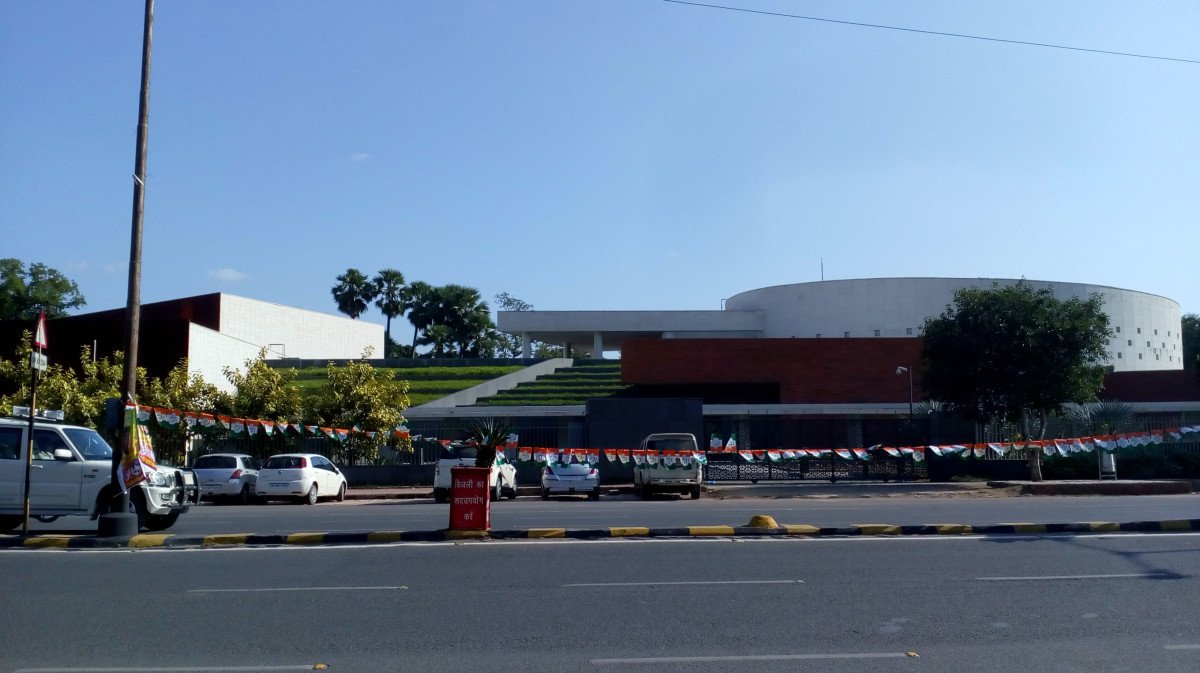
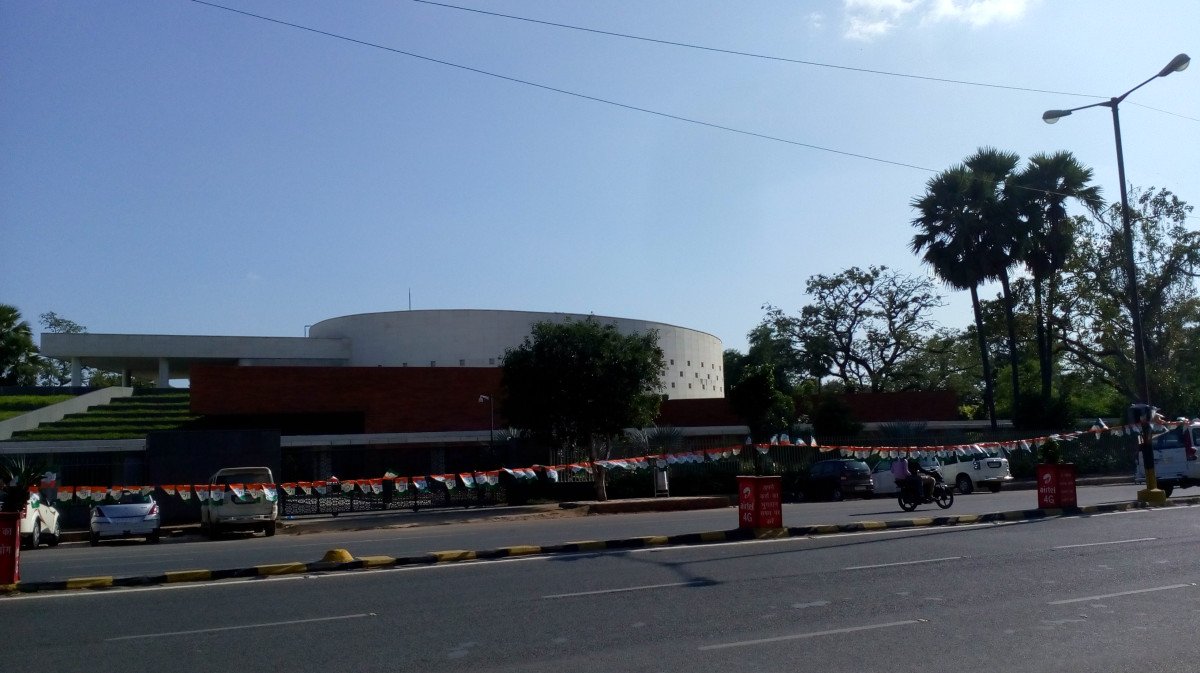
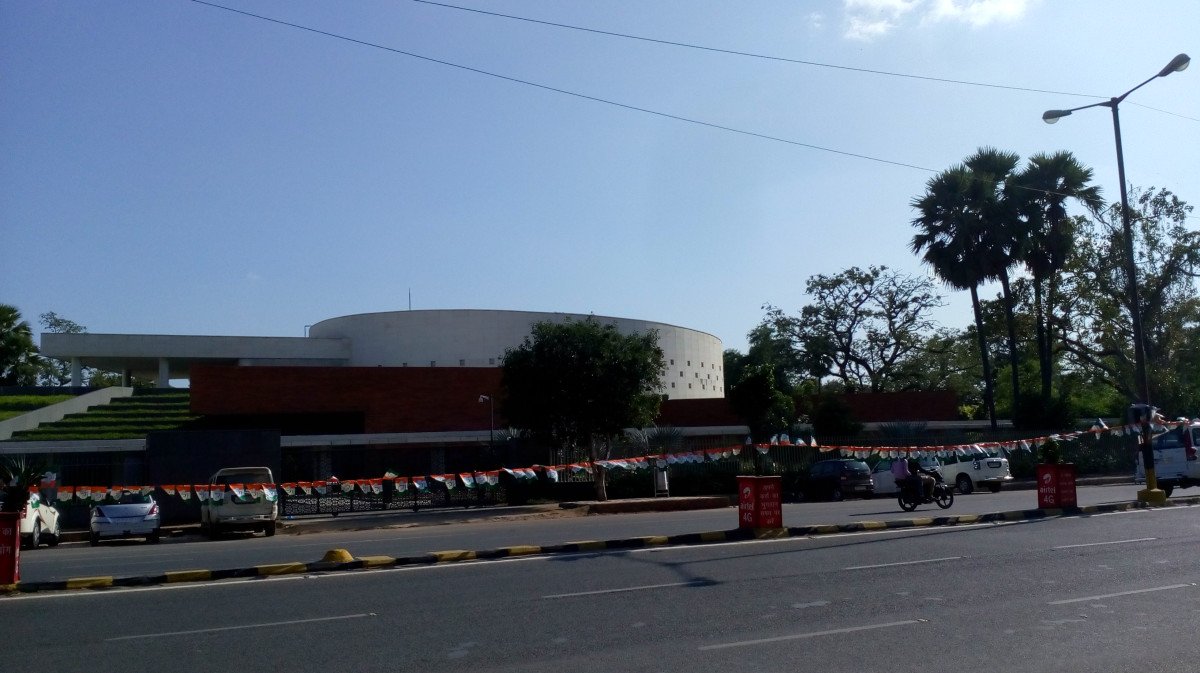
Corten Steel Facade and Main Entrance: The weathered, reddish-brown Corten steel exterior of the main building is the museum's most iconic visual feature. The best spots are the main entrance plaza and the long peripheral view along Nehru Path (Bailey Road), especially duri...Corten Steel Facade and Main Entrance: The weathered, reddish-brown Corten steel exterior of the main building is the museum's most iconic visual feature. The best spots are the main entrance plaza and the long peripheral view along Nehru Path (Bailey Road), especially during the golden hour just before sunset, when the color of the steel is most rich and vibrant against the sky.
The Didarganj Yakshi Display Chamber: The dedicated, carefully lit display chamber for the Didarganj Yakshi allows for respectful photography of this singular masterpiece. The lighting is designed to highlight the incredible polish and sculptural detail of the Mauryan era, creating a powerful, classic museum shot.
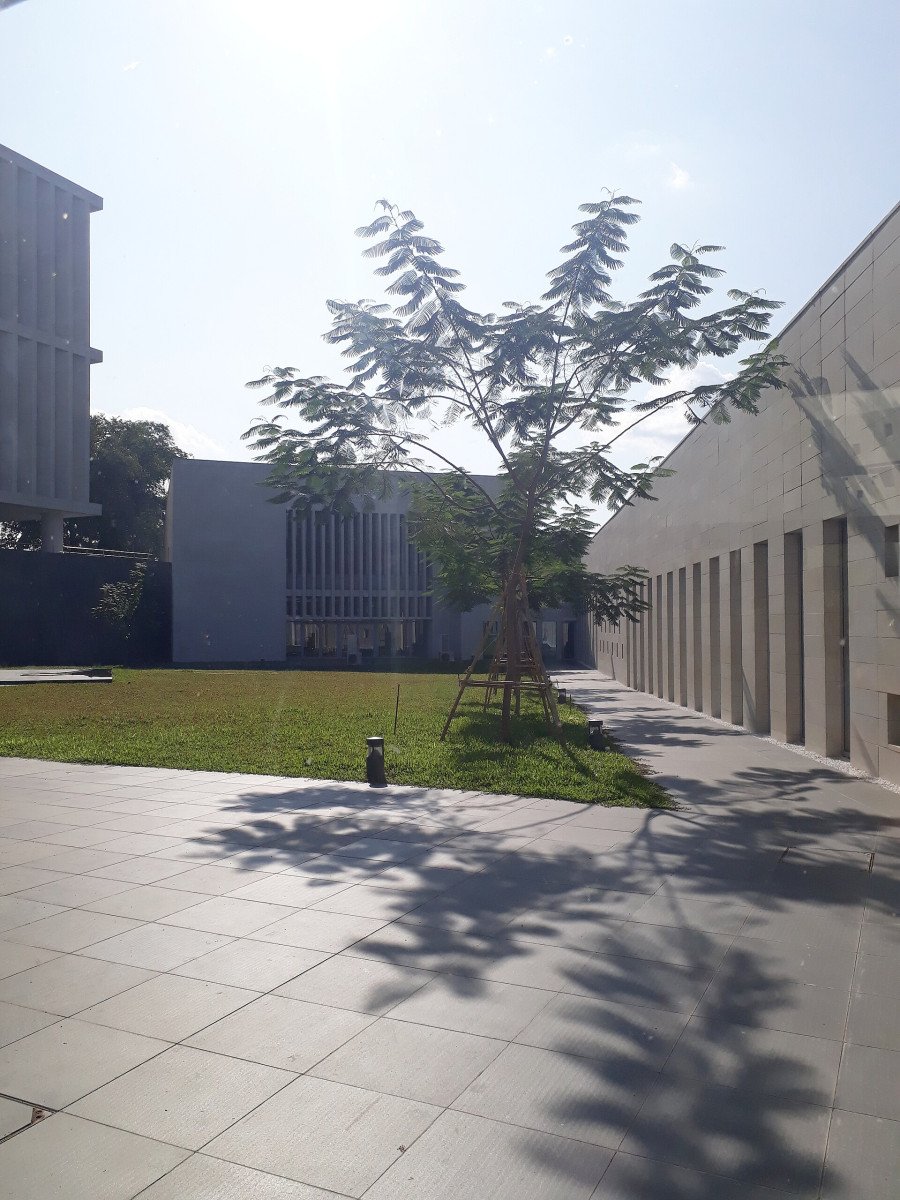
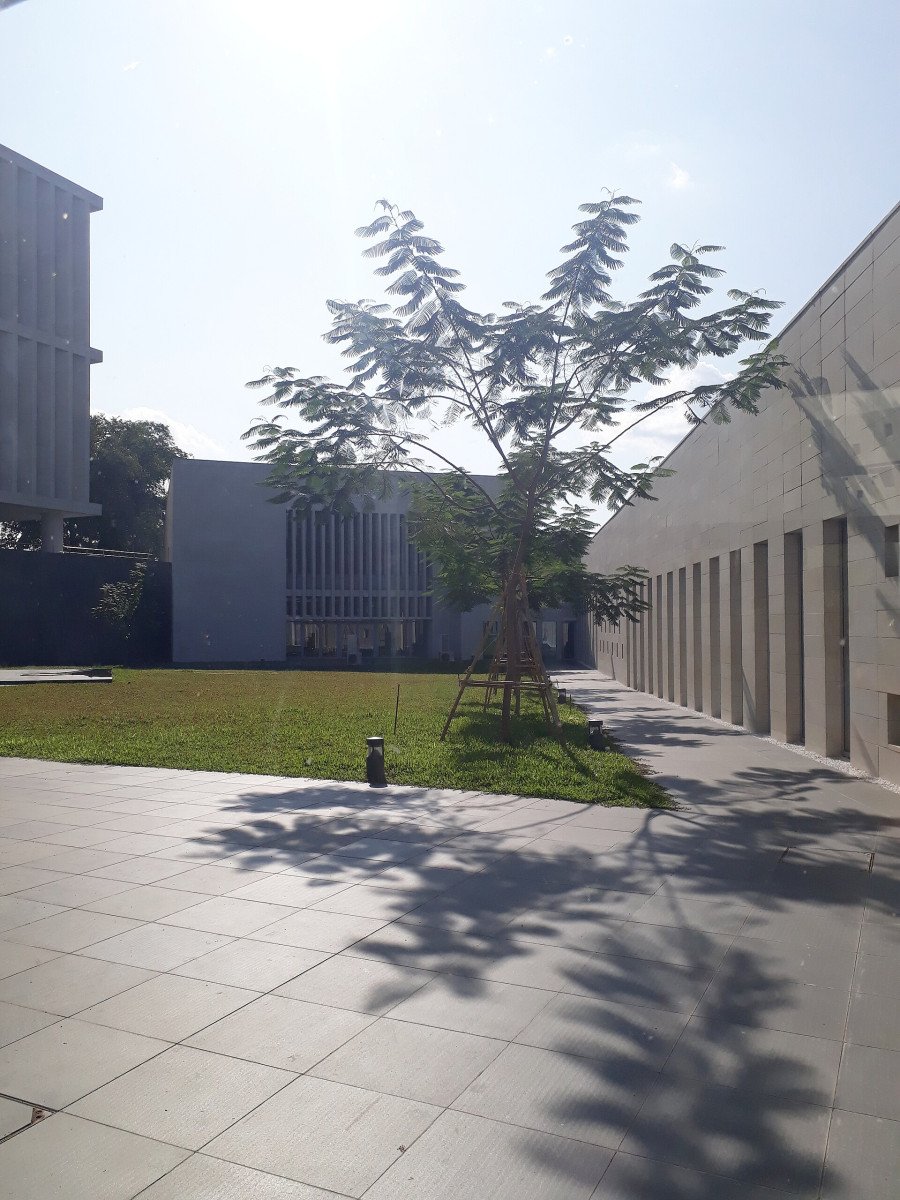
Inner Courtyards and Architectural Details: The transition spaces, particularly the open-air courtyards and the architectural bridges connecting the blocks, offer excellent opportunities to capture the modern design elements, the play of geometric shapes, and the reflection of the sky. These spots are ideal for capturing a blend of architecture and landscape photography, especially focusing on the material contrasts.Photo Gallery
Things To Do
-
Cultural Immersion and Learning:
Exploring the Mauryan and Gupta Eras: Dedicate ample time to the Historical Art Galleries (A, B, C) to view sculptures, pottery, and coins from the Mauryan period (including the famous Didarganj Yakshi) and the subsequent Gupta era, which is often called the 'Golden Age of India'. Focus on the intricate carvings on the Stupa railings fragments and the sophistication of the ancient urban life reflected in the artifacts. This provides a deep understanding of the region's foundational contribution to Indian civilization.
Interactive Engagement in the Children's Gallery: Spend time in the Children's Gallery, particularly if traveling with family. Engage with the hands-on exhibits that cover wildlife, local history, and culture. Use the interactive touchscreens and ...Cultural Immersion and Learning:
Exploring the Mauryan and Gupta Eras: Dedicate ample time to the Historical Art Galleries (A, B, C) to view sculptures, pottery, and coins from the Mauryan period (including the famous Didarganj Yakshi) and the subsequent Gupta era, which is often called the 'Golden Age of India'. Focus on the intricate carvings on the Stupa railings fragments and the sophistication of the ancient urban life reflected in the artifacts. This provides a deep understanding of the region's foundational contribution to Indian civilization.
Interactive Engagement in the Children's Gallery: Spend time in the Children's Gallery, particularly if traveling with family. Engage with the hands-on exhibits that cover wildlife, local history, and culture. Use the interactive touchscreens and 3D models to make the learning experience fun and memorable, focusing on the section detailing the lives of historical figures like Chandragupta Maurya and Sher Shah Suri.
Architectural and Design Study: Take a guided or self-guided architectural tour of the museum building itself. Observe the use of Corten steel, the play of light and shadow, and the spatial arrangement designed by Maki and Associates. Pay attention to how the inner courtyards connect the various blocks and provide strategic views. This is an excellent activity for architecture students or design enthusiasts, treating the building as a large-scale modern sculpture.
Research and Resource Utilization: For scholars or serious history enthusiasts, utilize the museum's Library and Archives. Though perhaps not accessible to all general visitors, checking for special permissions can allow access to its collection of books and documents related to Bihar's history and archaeology, offering an academic depth to the visit. Attend a film screening in the Orientation Theatre to get a comprehensive overview of the museum and Bihar's timeline before exploring the galleries.
Photography and Aesthetics: The museum offers abundant opportunities for aesthetic photography, both of the artifacts and the modern architecture. Capture the unique texture of the Corten steel facade, the reflection pools, and the carefully lit displays. Seek out the large-scale contemporary sculptures placed in the outdoor courtyards, like the 'Cactus' sculpture, which add a modern artistic layer to the historic context. Ensure to follow all internal photography rules.
Leisure and Reflection: Conclude the visit with a meal or snack at the museum’s Cafeteria, followed by a browse through the Museum Shop for high-quality reproductions, books, and souvenirs, including local art and handicrafts like genuine Madhubani prints. Sit in one of the quiet, landscaped areas for a moment of reflection before leaving the premises, letting the historical gravitas of the collections sink in. This sequence provides a holistic cultural and leisurely experience.
Information
-
Why Famous:
The Home of Didarganj Yakshi: The museum is most famous as the new, permanent home for the magnificent, over 2,000-year-old polished stone statue, the Didarganj Yakshi, which is one of the greatest masterpieces of Mauryan art and a primary attraction for art historians globa...The Home of Didarganj Yakshi: The museum is most famous as the new, permanent home for the magnificent, over 2,000-year-old polished stone statue, the Didarganj Yakshi, which is one of the greatest masterpieces of Mauryan art and a primary attraction for art historians globally. Its relocation from the old Patna Museum marked a significant event in the state's cultural landscape.
World-Class Modern Architecture: It stands out for its internationally-acclaimed, cutting-edge architecture by Maki and Associates, making it an architectural landmark in India. The building itself is a work of art, representing a successful synthesis of international design sensibilities and local material and context. The Corten steel façade is instantly recognizable and has earned it numerous design accolades.
Interactive Children’s Gallery: Unlike traditional museums, the Bihar Museum places a strong emphasis on interactive learning, especially through its dedicated and expansive Children's Gallery. This section, which includes models of the region's wildlife, history, and culture, attracts families and makes history accessible and engaging for young minds. The focus on making history a participatory experience is a major draw.
A Repository of Ancient History: The museum provides the definitive narrative of the Magadha region's history, showcasing artifacts from the Harappan period, the powerful Mauryan and Gupta empires, and the origins of Buddhism and Jainism. This depth of historical and archaeological collection firmly establishes it as the premier institution for understanding ancient Indian history, drawing scholars and enthusiasts who seek an authentic and comprehensive historical experience. -
Architecture:
Architectural Style and Design Philosophy: The Bihar Museum is a masterpiece of contemporary architecture, born from an international competition won by the renowned Japanese firm Maki and Associates, in collaboration with India's OPOLIS Architects. The design is a blend of...Architectural Style and Design Philosophy: The Bihar Museum is a masterpiece of contemporary architecture, born from an international competition won by the renowned Japanese firm Maki and Associates, in collaboration with India's OPOLIS Architects. The design is a blend of traditional and modern elements, emphasizing light, space, and a connection to the environment, reflecting a serene and contemplative atmosphere. The structure incorporates exposed concrete, natural stone, and weathered steel (Corten steel), which is used extensively to give the building a distinctive, reddish-brown, earthy tone that naturally harmonizes with the soil of the region and symbolizes durability and history.
Dimension and Layout: The museum complex is spread over 5. 6 hectares (13. 9 acres) with a total built-up area of approximately 24,000 square meters. The layout is organized around several courtyards and landscaped zones, creating a campus-like feel. The main building is low-rise and linear, designed to encourage a smooth flow between the various galleries. The nine permanent galleries include the Orientation Gallery, Children's Gallery, Regional Gallery, Historical Art Galleries (A, B, and C), and the Visible Storage Gallery. The dimensions of the major galleries are large and designed to accommodate big-scale artifacts and multimedia presentations. The Children’s Gallery is particularly notable for its interactive, tactile displays tailored for family learning. The circulation path, which connects the main entrance to the core exhibition spaces, is a key architectural feature, using natural light and strategic views of the landscape to enhance the visitor's journey. The use of varied textures and materials throughout the structure is a conscious effort to evoke a sense of timelessness and connection to the rich geological and historical context of Bihar. -
How To Reach:
By Air: The nearest airport is Jay Prakash Narayan International Airport (PAT), which is approximately 6-7 KMS from the museum. One can hire pre-paid taxis, app-based cabs (Ola/Uber), or take an auto-rickshaw directly to the museum on Bailey Road. The ride generally takes ...By Air: The nearest airport is Jay Prakash Narayan International Airport (PAT), which is approximately 6-7 KMS from the museum. One can hire pre-paid taxis, app-based cabs (Ola/Uber), or take an auto-rickshaw directly to the museum on Bailey Road. The ride generally takes about 20-30 minutes depending on traffic.
By Train: The museum is centrally located. Patna Junction Railway Station (PNBE) is the closest major railhead, about 4. 5 KMS away. From the junction, auto-rickshaws, city buses, and taxis are readily available. The newer Patliputra Junction (PPTA) is also an option, but it is slightly farther.
By Road: The museum is situated right on Nehru Path (Bailey Road), which is one of Patna's main arteries. It is easily accessible by city buses, private cars, and hired vehicles. Private vehicles can use NH-31 and other state highways connecting to Patna.
By Local Transport: The most common local options are auto-rickshaws and cycle-rickshaws, which can be hailed from any major part of the city. App-based taxi services are also very reliable in this area. A local bus service also has a stop near the museum. For a quicker and more comfortable ride, using an app-cab is highly recommended due to traffic conditions. -
Weather and Best Time to Visit:
Different Types of Seasons:
Winter (October to March): This is the absolute best time for a visit. The weather is cool, pleasant, and ideal for spending several hours walking through the museum complex and its outdoor spaces. The temperatur...Different Types of Seasons:
Winter (October to March): This is the absolute best time for a visit. The weather is cool, pleasant, and ideal for spending several hours walking through the museum complex and its outdoor spaces. The temperature ranges from 10°C to 25°C.
Monsoon (July to September): Visiting during the monsoon is good as the indoor exhibits are protected, but the humidity is high, and travel to and from the site can be affected by rain.
Summer (April to June): This is the least ideal time due to extreme heat (often exceeding 40°C). Visits must be restricted to early morning hours to avoid the peak heat.
Different Parts of the Day: The Ideal Visit Time is the morning (10:00 AM to 1:00 PM) on a weekday, when crowds are at their minimum, allowing for a quieter, more focused appreciation of the artifacts and the architecture. -
Near Tourist Places:
Patna Museum: 3.
5 KMS: The historic 'Old Museum'.
Patna Zoo (Sanjay Gandhi Biological Park):
4 KMS: Major city park and zoo.
Eco Park (Rajdhani Vatika): 1.
5 KMS: Large urban park.
Buddha Smriti Park:
5 KMS: Dedicated to Buddha, near Patna Junction.
Gandhi Maidan: 3.
5 KMS: Historic city ground.
Golghar:
4 KMS: Historic granary landmark.
Rajendra Smriti Sangrahalaya:
3 KMS: Museum and memorial.
Srikrishna Science Centre:
5 KMS: Interactive science museum. National Institute of Technology Patna (NIT Patna):
6 KMS: On the banks of the Ganges.
P&M Mall:
2 KMS: Popular shopping and entertainment center.
Tourism Tips
-
Health & Safety:
Hydration is Key: Carry a water bottle, especially if visiting in the off-season, and use the restroom facilities near the entrance.
Footwear Comfort: Wear comfortable walking shoes, as the m...Health & Safety:
Hydration is Key: Carry a water bottle, especially if visiting in the off-season, and use the restroom facilities near the entrance.
Footwear Comfort: Wear comfortable walking shoes, as the museum complex is large (13. 9 acres) and involves extensive walking across multiple galleries.
Artifact Respect: Maintain a respectful distance from the exhibits; touching is strictly prohibited to prevent damage to the priceless artifacts.
Packing:
Camera Policy: Check the current photography policy before bringing professional equipment. Tripods and flash are usually prohibited.
Light Layers: Even in winter, wear light layers, as the indoor galleries are air-conditioned and can be chilly, while walking between buildings can be warm.
Accommodation:
Stay Near Bailey Road: For convenience, choose accommodation near Bailey Road or the Fraser Road area, as this provides easy access to the museum and other central Patna attractions. There are several high-end and mid-range hotels in this central zone.
Other Different Topics Heading:
Guide Services: Consider hiring an authorized museum guide or using the audio-guide service (if available) for a deeper understanding of the collections.
Food/Refreshment: The museum's cafeteria offers a convenient spot for a break, but plan lunch for after the main visit at a nearby restaurant if a full meal is desired.
Ticket Pre-booking: If visiting during a high-season period (like December-January or during a major festival), check if online ticket booking is available to save time.
Reviews
FAQs
Patna Itineray And Cost:-
Other Places In Patna :-
Other States In India :-
Information about New and Updated Locations() of Bihar Has Been Added :-
Card subtitle
Note:-
Information provided here in good Faith and for reference only.
Near Places
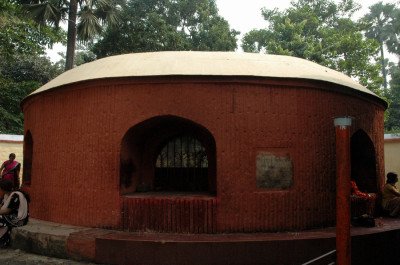
Agam Kuan
Some quick example text to build on the card title and make up the bulk of the card's content.
Go somewhere
Bihar Museum
Some quick example text to build on the card title and make up the bulk of the card's content.
Go somewhere
Buddha Smriti Park
Some quick example text to build on the card title and make up the bulk of the card's content.
Go somewhere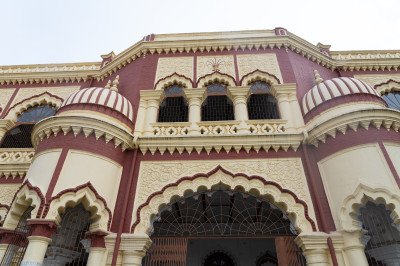
Darbhanga House
Some quick example text to build on the card title and make up the bulk of the card's content.
Go somewhere
Eco Park
Some quick example text to build on the card title and make up the bulk of the card's content.
Go somewhere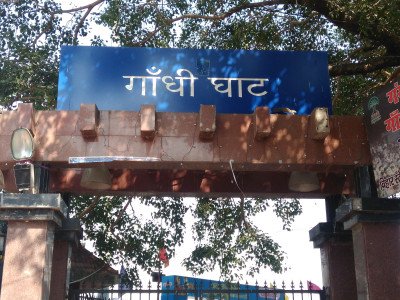
Gandhi Ghat
Some quick example text to build on the card title and make up the bulk of the card's content.
Go somewhere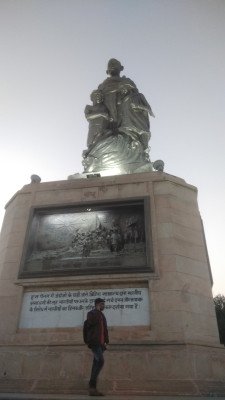
Gandhi Maidan
Some quick example text to build on the card title and make up the bulk of the card's content.
Go somewhere
Gandhi Sangrahalaya
Some quick example text to build on the card title and make up the bulk of the card's content.
Go somewhere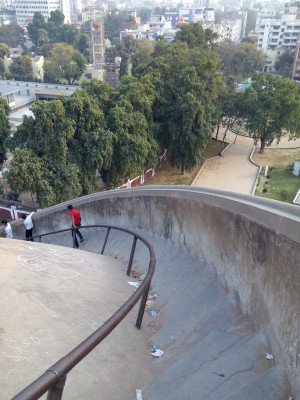
Golghar
Some quick example text to build on the card title and make up the bulk of the card's content.
Go somewhere
ISKCON Temple Patna
Some quick example text to build on the card title and make up the bulk of the card's content.
Go somewhere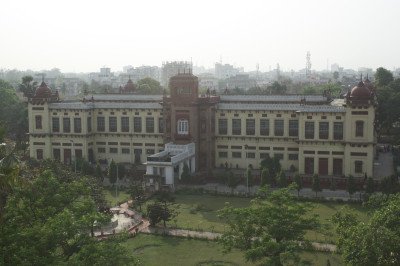
Jalan Museum
Some quick example text to build on the card title and make up the bulk of the card's content.
Go somewhere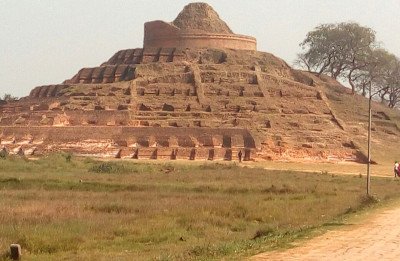
Kesariya Stupa
Some quick example text to build on the card title and make up the bulk of the card's content.
Go somewhere
Khuda Bakhsh Oriental Public Library
Some quick example text to build on the card title and make up the bulk of the card's content.
Go somewhere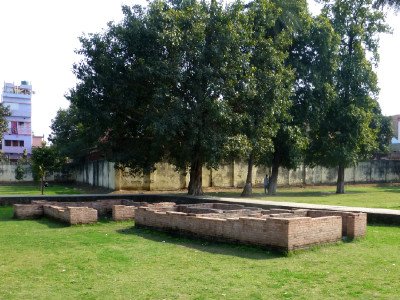
Kumhrar Park
Some quick example text to build on the card title and make up the bulk of the card's content.
Go somewhere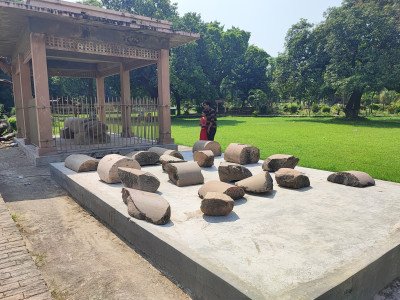
Kumhrar
Some quick example text to build on the card title and make up the bulk of the card's content.
Go somewhere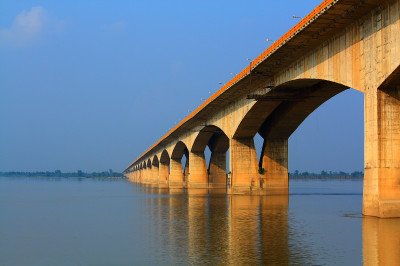
Mahatma Gandhi Setu
Some quick example text to build on the card title and make up the bulk of the card's content.
Go somewherein Other Cities