
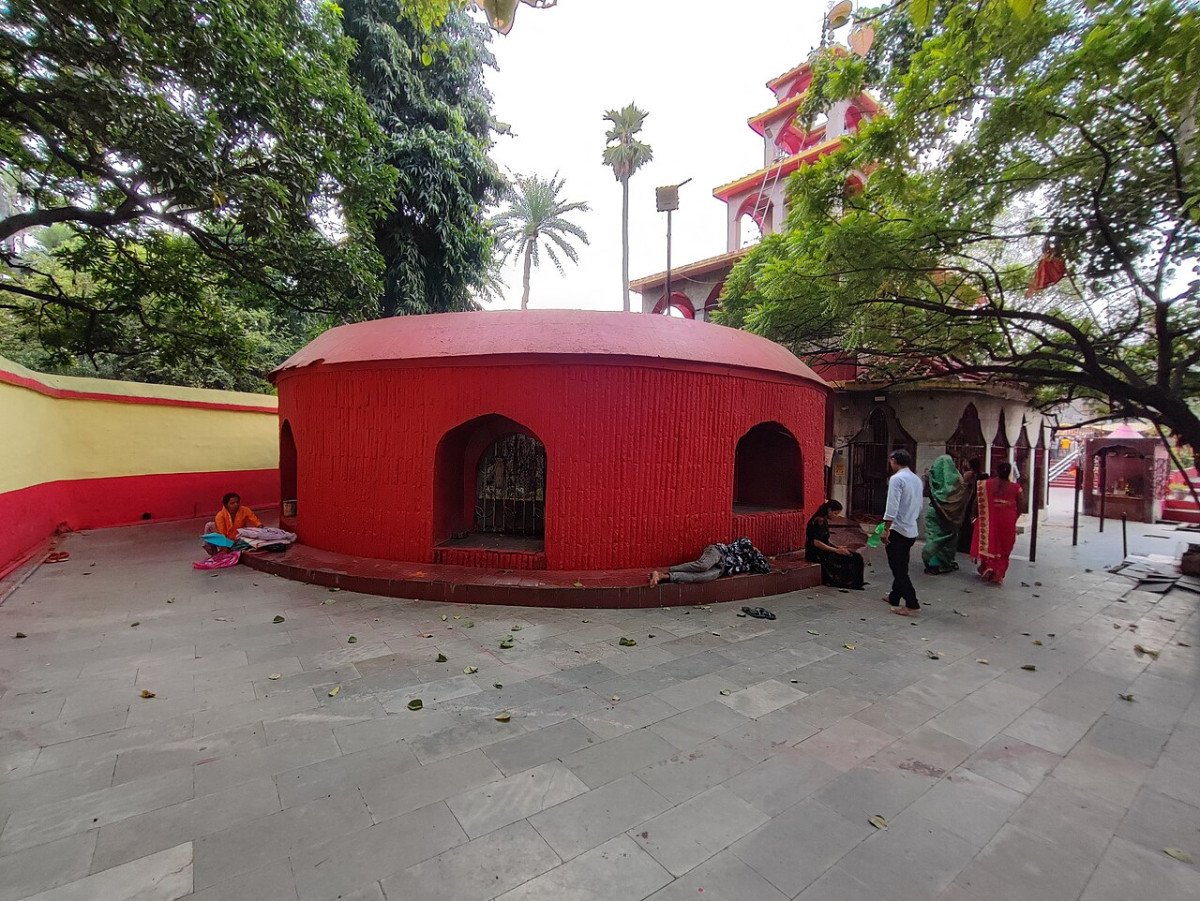
Agam Kuan
General information
-
Ideal Duration:
1-2 HoursPlace Type:
Historical Site, Archaeological Site, Religious SiEntry Fees:
Nominal Entry Fee Structure: As of the latest available information, the main entrance to the Agam Kuan archaeological site itself is typically free of cost for all visitors, as it is a protected monument under the Archaeological Survey of India (ASI) and is an open, functio...Nominal Entry Fee Structure: As of the latest available information, the main entrance to the Agam Kuan archaeological site itself is typically free of cost for all visitors, as it is a protected monument under the Archaeological Survey of India (ASI) and is an open, functional religious site. There are usually no fixed ticket booths or compulsory charges to view the well structure or enter the immediate complex.
() Optional Donations and Temple Offerings: While entry is free, visitors are expected and encouraged to make voluntary donations at the adjacent Shitala Devi Mandir as per their faith and means. There are designated boxes for dakshina (donations) to support the temple's maintenance and religious activities. Additionally, costs will be incurred for purchasing puja samagri (worship materials) like flowers, sweets, and coconuts from local vendors outside the complex if one intends to perform a full ritual at the temple. These costs are variable and entirely optional for the visitor.
() :Timing:
Regular Timings:
Open to Public Access: Agam Kuan and the Shitala Devi Mandir are generally open to the public from 6:00 AM to 6:00 PM every day of the week, including weekends and most public holidays. As it is also a functioning temple, th...Regular Timings:
Open to Public Access: Agam Kuan and the Shitala Devi Mandir are generally open to the public from 6:00 AM to 6:00 PM every day of the week, including weekends and most public holidays. As it is also a functioning temple, the site operates largely around the local cycle of worship, beginning early in the morning for the first prayers and closing after the evening rituals.
() Ideal Visit Time:
Early Morning and Cooler Months: The Ideal Visit Time is during the early morning hours (between 6:00 AM and 9:00 AM) when the air is cool, and the site is relatively quiet, allowing for a more peaceful appreciation of its historical significance and better photo opportunities. Additionally, the best time of year is during the winter months (from October to March), when the climate in Patna is most pleasant, avoiding the oppressive heat and humidity of the summer and monsoon seasons, ensuring a comfortable and comprehensive visit.
() :Special Events:
Annual Chaitra Navaratri Celebrations: The most significant special event associated with Agam Kuan and the adjacent Shitala Devi Mandir is the celebration during the nine-day Hindu festival of Chaitra Navaratri (usually in March or April). During this period, the entire co...Annual Chaitra Navaratri Celebrations: The most significant special event associated with Agam Kuan and the adjacent Shitala Devi Mandir is the celebration during the nine-day Hindu festival of Chaitra Navaratri (usually in March or April). During this period, the entire complex is adorned with lights and decorations, and thousands of devotees from Patna and surrounding areas throng the temple and the well. Special pujas, rituals, and cultural programs are organized, making it a vibrant and spiritually charged time to witness local faith and traditions at their peak.
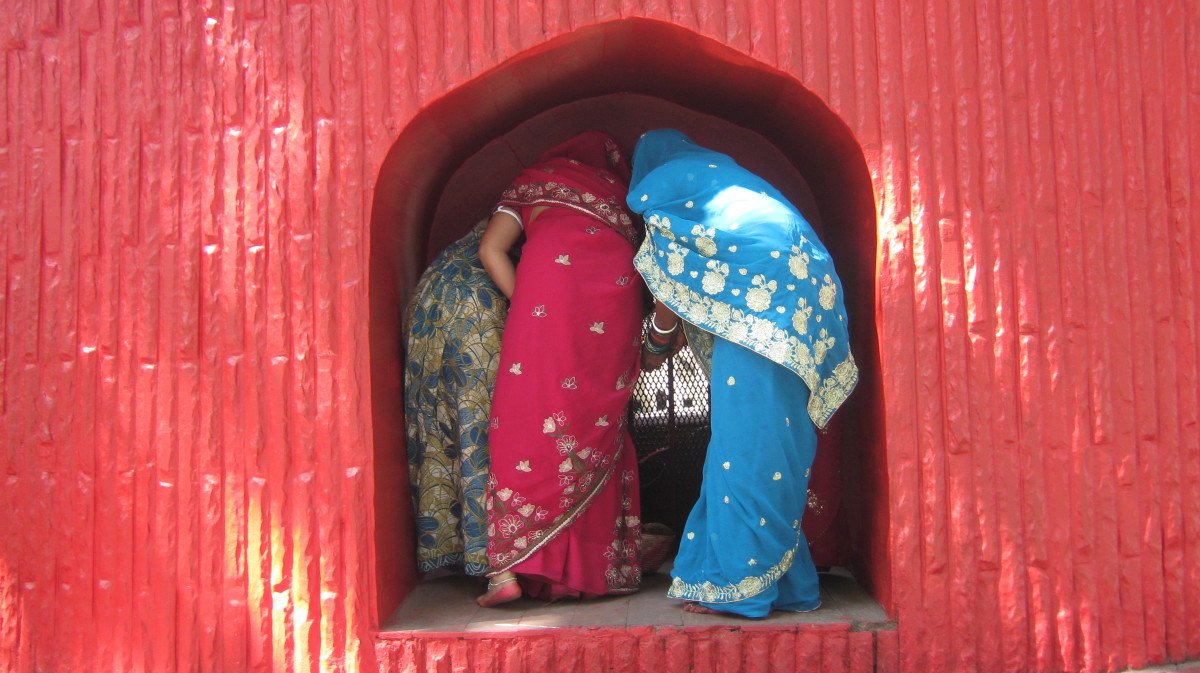
() Hindu Marriage Rituals and Vow Taking: The site is considered highly auspicious for initiating major life events. Many local Hindu families conduct parts of their marriage ceremonies and other significant rites (like mundan or first haircut ceremonies) here, particularly seeking the blessings of Shitala Devi and the Saptamatrikas. The act of taking vows near the sacred well is a unique tradition. This ongoing religious use transforms the historical relic into a living, functioning part of the community's spiritual life, especially during the peak wedding season months like November, December, January, and February. ()Best Photo Spots:
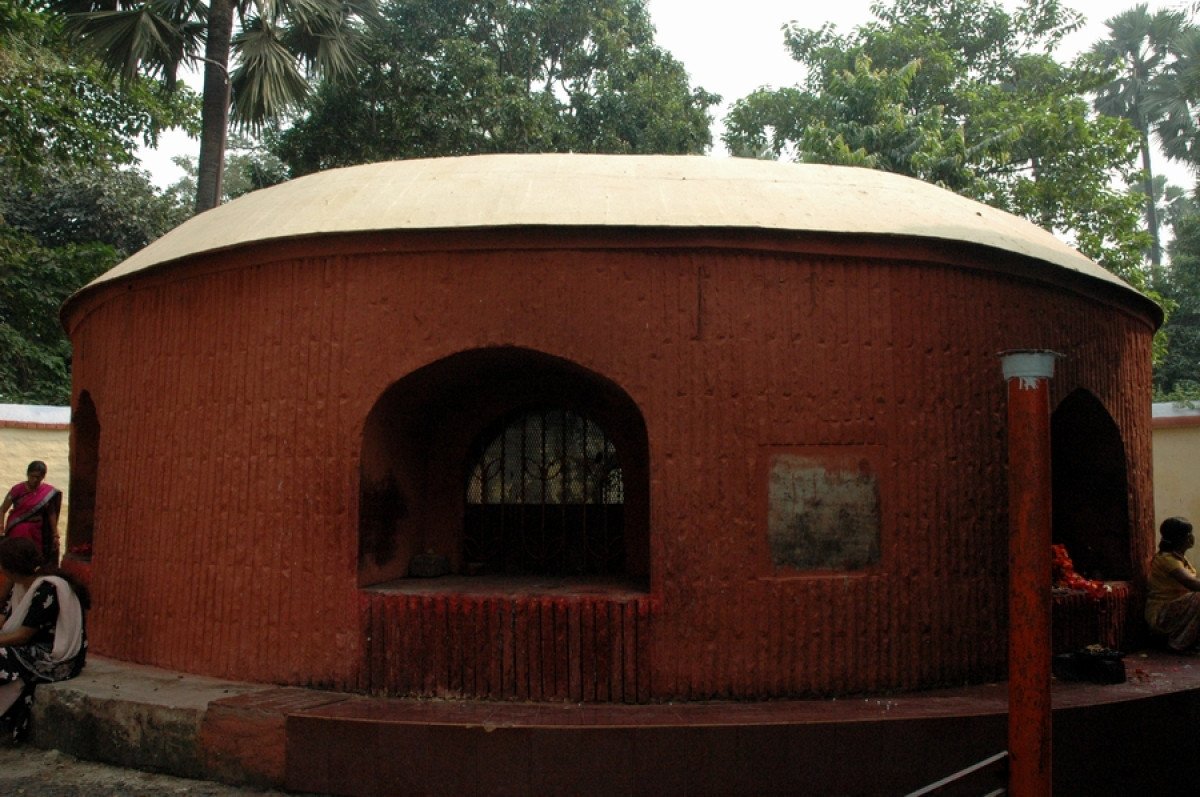
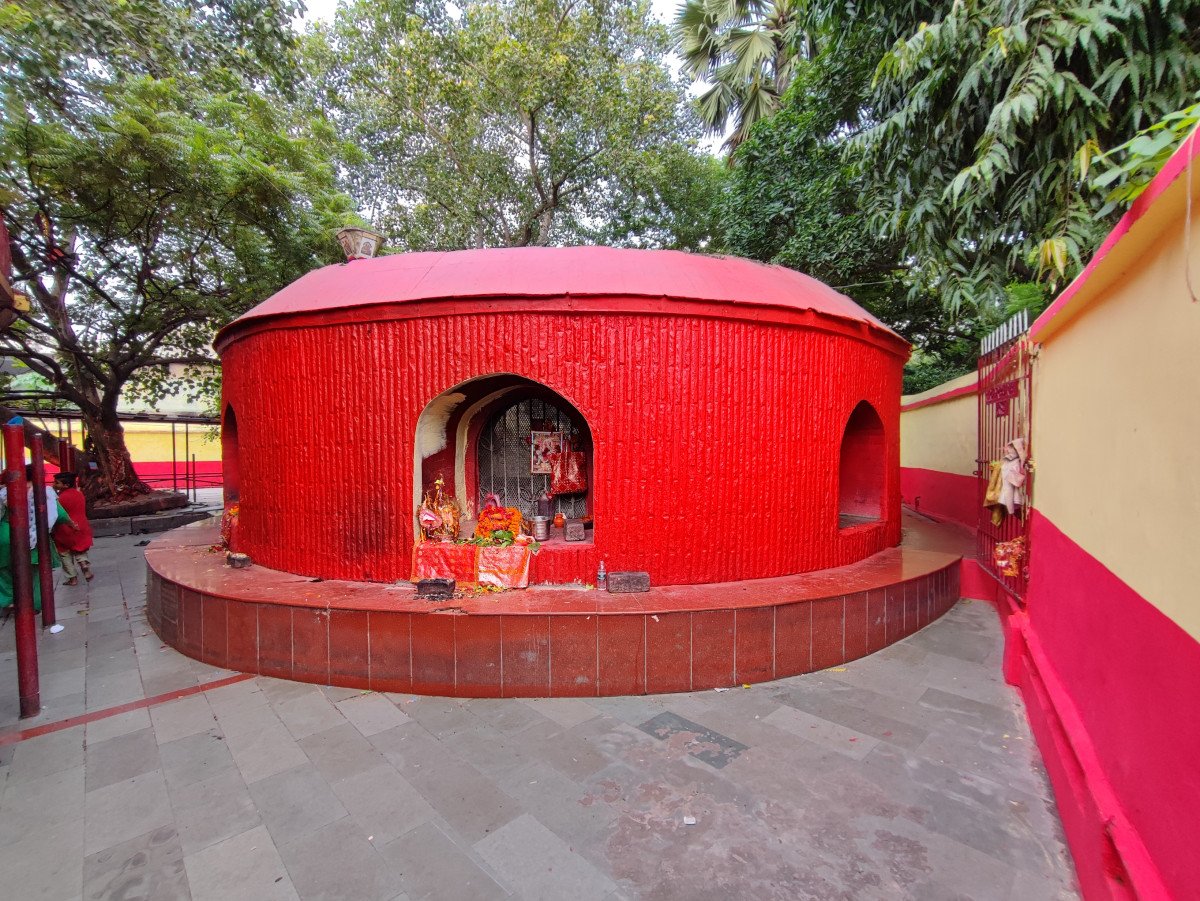
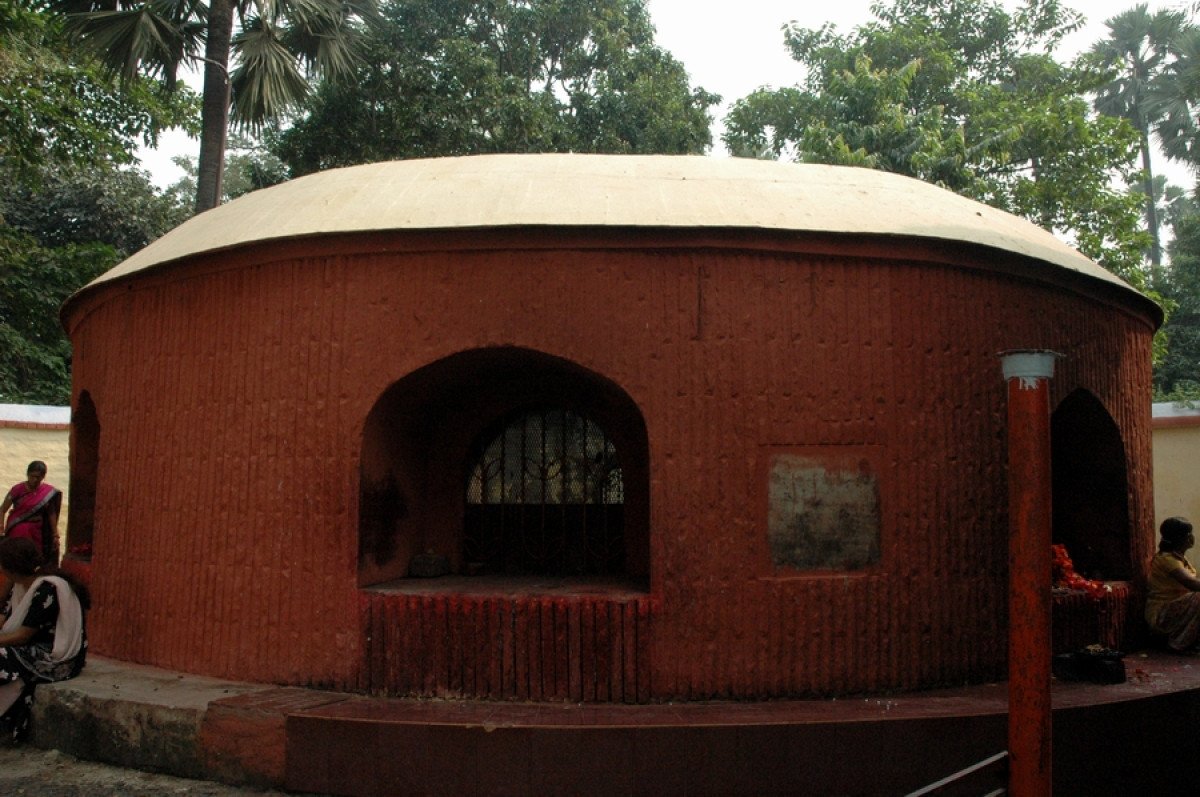
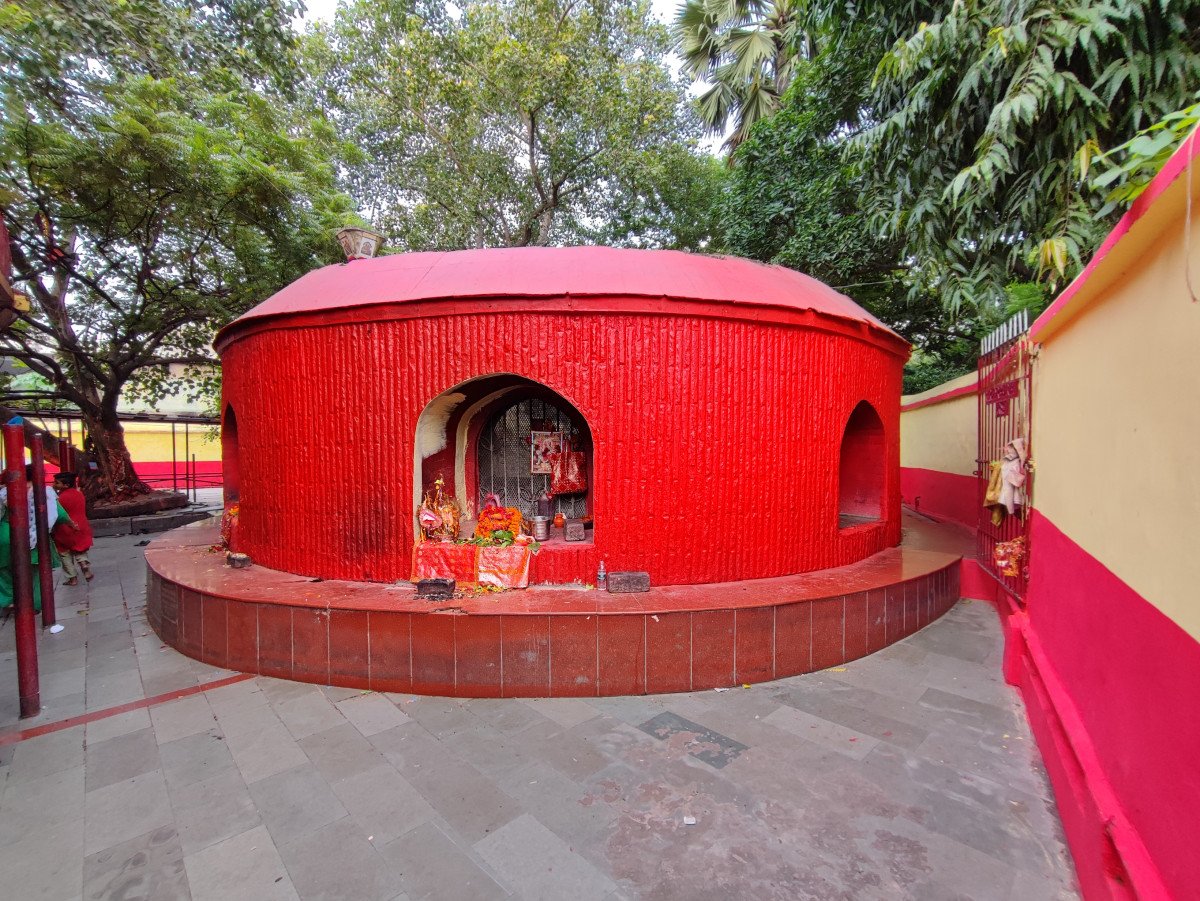
The Eight-Arched Pavilion: The surface structure covering the well, featuring eight distinct arched openings, is the most iconic and essential photographic subject. Frame the shot to capture the texture of the brickwork and the moss-covered stone against the dark, mysteriou...The Eight-Arched Pavilion: The surface structure covering the well, featuring eight distinct arched openings, is the most iconic and essential photographic subject. Frame the shot to capture the texture of the brickwork and the moss-covered stone against the dark, mysterious backdrop of the well shaft visible through the arches, preferably during the morning golden hour for dramatic lighting and deep shadows.
() Close-up of the Ancient Brickwork: For historical enthusiasts, a close-up shot of the exposed, ancient brick lining of the upper well section provides a powerful visual link to the Mauryan past. This is a subtle but effective spot for capturing the antiquity and engineering brilliance of the 3rd century BCE construction.
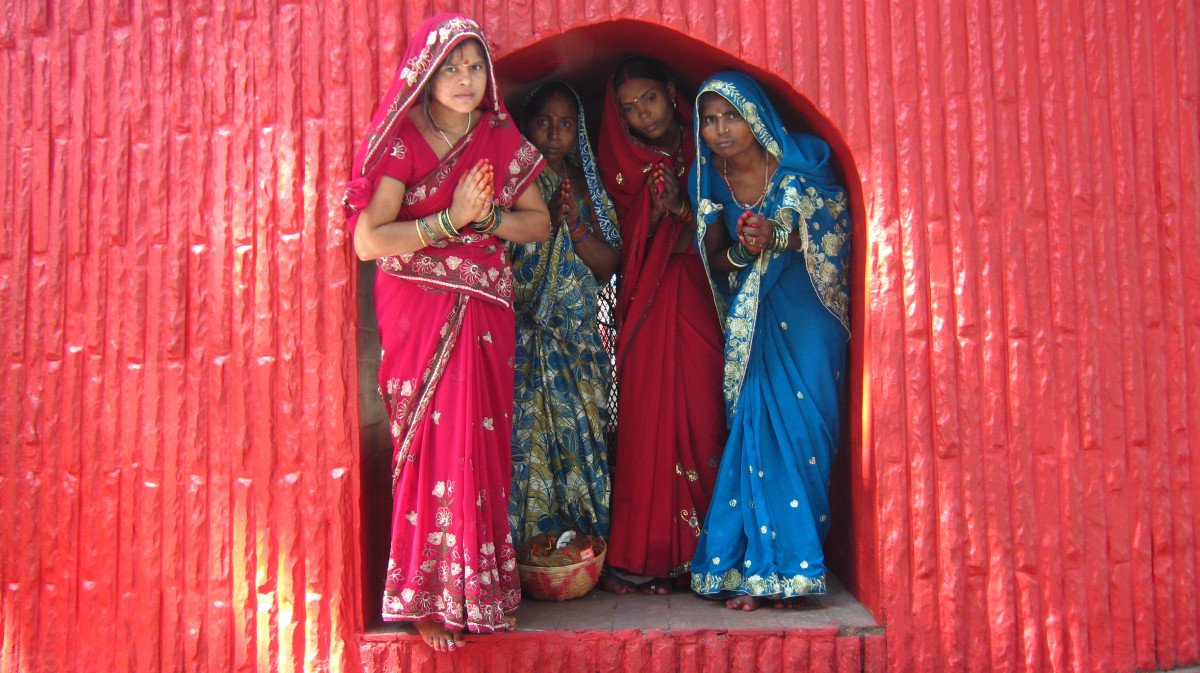
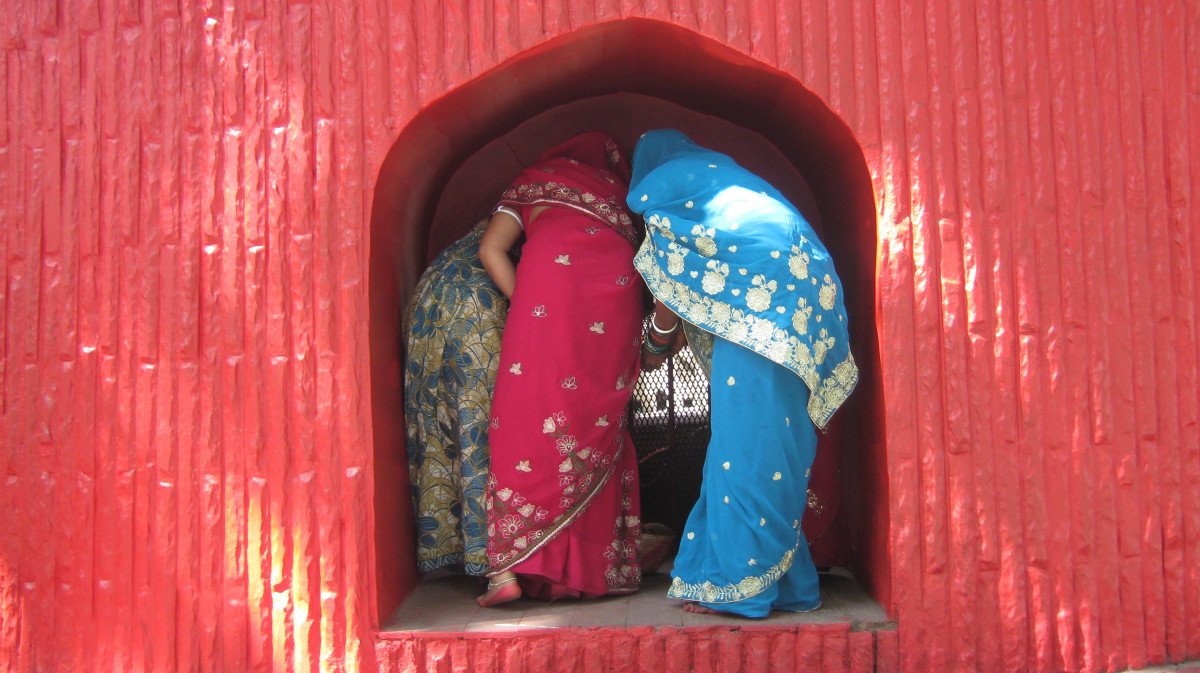
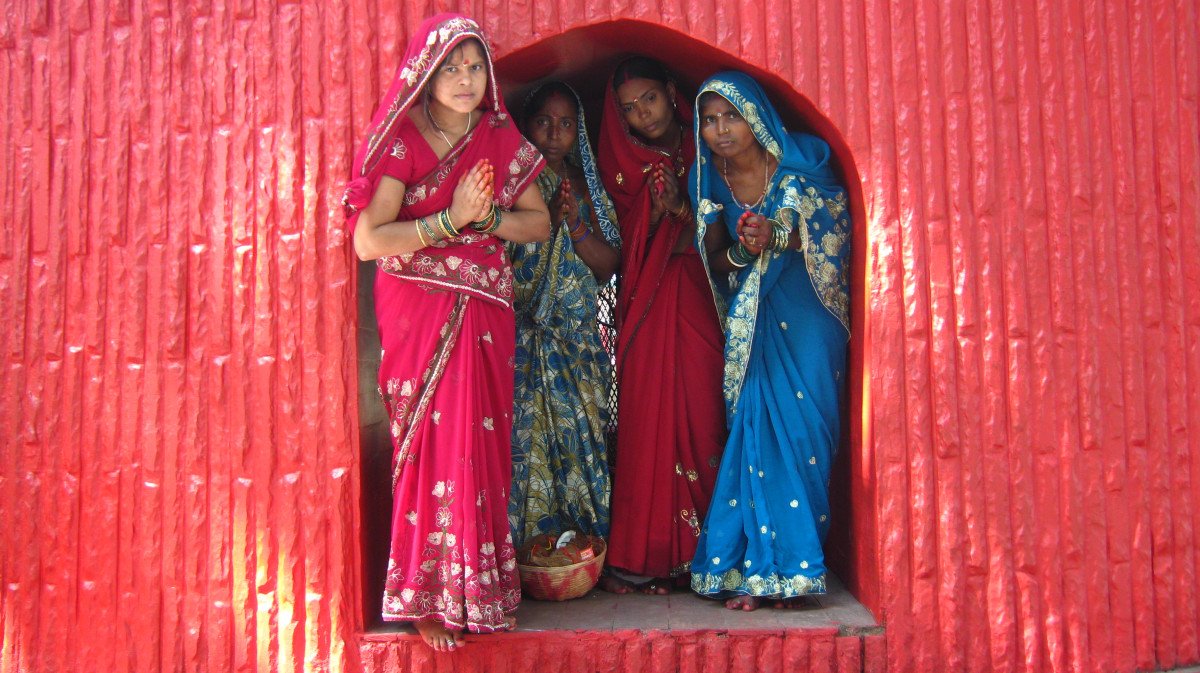
() The Shitala Devi Mandir Complex: Capture the vibrant, colorful atmosphere of the adjacent Shitala Devi Mandir complex, particularly when devotees are offering prayers, flowers, or rituals. A respectful wide shot that includes both the well's pavilion and a glimpse of the temple structure effectively conveys the site's duality as both a historical ruin and a place of continuous worship, especially focusing on the unique presence of the temple's female priest. ()Photo Gallery
Things To Do
-
Exploring the Mauryan Heritage: Visitors should spend time deeply contemplating the sheer antiquity of the well structure, imagining the scenes of the ancient city of Pataliputra and the tumultuous early reign of Ashoka. Look closely at the brickwork and the remnants of the wooden ring structure through the windows, appreciating the 2,000-year-old engineering marvel. Consider the archaeological context of the entire area, as the well is a part of a larger historical site, connecting it conceptually to the nearby Kumhrar ruins. This activity focuses on historical imagination and archaeological curiosity, demanding close observation of the physical structure and its setting. () Performing Religious Rituals at Shitala Devi Mandir: A core activity is visiting the adjacent Shitala Devi Mandir. Participate in local customs, like making offerings of flowers and coi...Exploring the Mauryan Heritage: Visitors should spend time deeply contemplating the sheer antiquity of the well structure, imagining the scenes of the ancient city of Pataliputra and the tumultuous early reign of Ashoka. Look closely at the brickwork and the remnants of the wooden ring structure through the windows, appreciating the 2,000-year-old engineering marvel. Consider the archaeological context of the entire area, as the well is a part of a larger historical site, connecting it conceptually to the nearby Kumhrar ruins. This activity focuses on historical imagination and archaeological curiosity, demanding close observation of the physical structure and its setting. () Performing Religious Rituals at Shitala Devi Mandir: A core activity is visiting the adjacent Shitala Devi Mandir. Participate in local customs, like making offerings of flowers and coins to the well (if permitted) as a symbol of seeking blessings and fulfilling vows. For many, a visit to this temple is an essential pilgrimage, especially for those seeking protection or healing from diseases. Observe the unique practice of the female priest and the worship of the Saptamatrikas pindas, which provides a valuable cultural and religious immersion experience, distinct from purely historical tourism.
() Photography and Reflection: The eight-arched pavilion covering the well is an architectural blend of ancient and later eras, offering excellent opportunities for photography, especially focusing on the contrast between the dark well shaft and the light filtering through the arches. Use a slow moment for quiet reflection on the site's dark past and its present role as a sanctuary of faith and a point of historical pilgrimage. This activity allows for both creative capture of the unique structure and personal contemplation of the historical narratives associated with Agam Kuan, from the brutality of Chandashoka to the peace of Dharmashoka, making the visit a deeply personal and artistic experience. ()
Information
-
Why Famous:
The Legend of Ashoka's Hell: Agam Kuan is primarily famous for its historical link to the legend of Ashoka’s Hell (also known as the 'Fiery Well' or 'Hell on Earth'), a chamber of elaborate torture reportedly built by Emperor Ashoka during his early, ruthless years known a...The Legend of Ashoka's Hell: Agam Kuan is primarily famous for its historical link to the legend of Ashoka’s Hell (also known as the 'Fiery Well' or 'Hell on Earth'), a chamber of elaborate torture reportedly built by Emperor Ashoka during his early, ruthless years known as Chandashoka (Ashoka the Wicked). The well was purportedly the site where prisoners and 99 of his half-brothers were executed and disposed of as part of his brutal ascent to the Mauryan throne, making it a place of intense historical and mythological intrigue. This association with the transition of a great king from unparalleled cruelty to profound spiritual awakening (Dharmashoka) provides a compelling historical narrative that draws visitors interested in the dark and transformative epochs of ancient India.
() Religious Sanctuary and Healing Powers: Despite its dark past, the well is highly revered today due to its proximity to the ancient Shitala Devi Mandir, which is adjacent to the well complex. The waters of Agam Kuan are considered sacred, and devotees often use them in rituals associated with the Shitala Devi, the goddess of smallpox and chickenpox, believing that a visit here and the rituals performed can ward off or cure these diseases, and fulfill wishes. The continuity of worship at the site, spanning centuries and linking Mauryan history with contemporary Hindu faith, underscores its enduring spiritual importance in the Patna region.
() : -
Architecture:
Mauryan Engineering and Brickwork: The construction of Agam Kuan showcases remarkable engineering skills for a structure dating back to the 3rd century BCE. The well is circular, boasting a substantial depth of approximately 105 feet (about 32 meters) and a diameter of arou...Mauryan Engineering and Brickwork: The construction of Agam Kuan showcases remarkable engineering skills for a structure dating back to the 3rd century BCE. The well is circular, boasting a substantial depth of approximately 105 feet (about 32 meters) and a diameter of around 15 feet (over 4. 5 meters). The most striking architectural feature is its internal lining: the upper approximately 43-44 feet (around 13 meters) are meticulously lined with fired Mauryan-era brickwork, demonstrating a robust and enduring construction method that has withstood millennia. This brick lining provides structural stability to the upper shaft of the well.
() The Unique Wooden Rings Dimension: Below the brick-encased upper half, the lower approximately 61 feet (around 19 meters) of the well's depth is secured by a series of successive wooden rings or casings. This technique of using wooden rings to reinforce a deep well shaft, especially in the waterlogged alluvial soil of the Ganga plain, is a testament to the sophisticated hydro-engineering knowledge of ancient Indian artisans, ensuring the well's structure remained intact against the water pressure and soil erosion. The entire well is capped by a later-era roofed pavilion, featuring eight arched windows or openings, which are its most distinctive surface feature today, said to have been refurbished during the Mughal period, possibly under Emperor Akbar, blending Mauryan antiquity with later architectural additions.
() : -
How To Reach:
By Air (Patna International Airport): The nearest airport is Jay Prakash Narayan International Airport (PAT), located approximately 12 to 14 KMs from Agam Kuan. Travelers arriving by air can easily hire a pre-paid taxi, an app-based cab (like Ola or Uber), or a local auto-r...By Air (Patna International Airport): The nearest airport is Jay Prakash Narayan International Airport (PAT), located approximately 12 to 14 KMs from Agam Kuan. Travelers arriving by air can easily hire a pre-paid taxi, an app-based cab (like Ola or Uber), or a local auto-rickshaw directly from the airport terminal to reach the site in about 30 to 45 minutes, depending heavily on Patna's notorious traffic conditions, especially during peak hours. The airport is well-connected to major Indian cities like Delhi, Mumbai, Kolkata, and Bengaluru.
() By Train (Patna Junction and Gulzarbagh): Patna Junction Railway Station (PNBE), the city's main hub, is approximately 9 to 10 KMs from the well. A closer option is the Gulzarbagh Railway Station (GZH), which is only about 1 to 2 KMs away, making it a convenient stop for local trains. From Patna Junction, one can easily take an auto-rickshaw, city bus, or cab. From Gulzarbagh, an auto-rickshaw or even a short walk is feasible. The railway network connects Patna efficiently across India. () By Road (National Highways and Local Transport): Agam Kuan is situated off the main roads in the eastern part of Patna, near the Kumhrar area. It is well-connected by city roads. Visitors can hire an auto-rickshaw (the most common and flexible local transport), a cycle-rickshaw for shorter distances, or an app-based taxi service directly to the site. The site is a popular destination, so drivers are generally familiar with its location. The best way to navigate is via a cab or auto-rickshaw from the main city areas like Gandhi Maidan or Fraser Road.
() By Local Transport (Auto-rickshaws and Buses): Local city buses operate on routes passing close to the Gulzarbagh area. However, auto-rickshaws are the most efficient mode of local transport for tourists, offering door-to-door service, though fares should always be negotiated beforehand or confirmed via a rideshare app. Cycle-rickshaws are suitable for very short distances from the Gulzarbagh area. -
Weather and Best Time to Visit:
Seasons:
The Winter Comfort (October to March): The Best Time to Visit is definitively the Winter Season, which spans from October to March. During these months, the weather in Patna is cool and dry, with daytime temperatures ranging pleasan...Seasons:
The Winter Comfort (October to March): The Best Time to Visit is definitively the Winter Season, which spans from October to March. During these months, the weather in Patna is cool and dry, with daytime temperatures ranging pleasantly from 15°C to 25°C. This temperate climate is ideal for outdoor activities, historical exploration, and photography, allowing for comfortable walking around the open complex without the risk of heat exhaustion. The months of November and February are particularly perfect, offering clear skies and mild sun.
() Parts of the Day:
Morning Calm and Golden Light: The most Ideal Part of the Day for a visit is the early morning (between 6:00 AM and 9:00 AM). Visiting at this time ensures you avoid the scorching mid-day sun, especially from April to September. Furthermore, the morning light provides the best illumination for the well's structure for photographs, and the site is often quieter, allowing for a more profound and uninterrupted experience of the historical and religious atmosphere before the main crowds arrive and the heat intensifies.
() : -
Near Tourist Places:
Kumhrar Archaeological Site (Approx. 1. 5 KMs), Patan Devi Mandir (Approx. 2 KMs), Harmandir Takht (Patna Sahib Gurudwara) (Approx. 3-4 KMs), Gandhi Ghat (Approx. 3. 7 KMs), Golghar (Approx. 6 KMs), Patna Museum (Approx. 6 KMs), Gandhi Maidan (Approx. 5. 7 KMs), Jalan Museum (Approx. 6. 5 KMs), Buddha Smriti Park (Approx. 7 KMs), Bihar Museum (Approx. 9 KMs).
Tourism Tips
-
Health & Safety:
Hydration and Footwear: Always carry sufficient bottled water, especially during the warmer months, to stay hydrated. Apply sunscreen and wear a hat or cap, as the site is largely exposed to the sun. Since the complex invol...Health & Safety:
Hydration and Footwear: Always carry sufficient bottled water, especially during the warmer months, to stay hydrated. Apply sunscreen and wear a hat or cap, as the site is largely exposed to the sun. Since the complex involves walking over uneven archaeological ground and around the well structure, wearing comfortable, closed-toe footwear is highly recommended for safety and ease of movement. Be mindful of personal belongings in crowded areas, especially during major festival times like Navaratri.
() Cultural Respect and Local Etiquette: As Agam Kuan is adjacent to the highly revered Shitala Devi Mandir, visitors should dress modestly, covering their shoulders and knees as a mark of respect for the religious site. Before taking photographs, particularly of the worshipers or the temple's interior, it is essential to seek permission to respect local customs and privacy. Maintain a quiet demeanor while near the well to respect the sanctity and reflectiveness of the area.
() Accommodation and Local Transport Tips: Book your accommodation in central Patna areas like Fraser Road or Boring Road for easy access to all tourist spots. For local transport, always pre-negotiate the fare with auto-rickshaw drivers before starting the journey, as they often do not use meters. Alternatively, use app-based taxi services for fixed, reliable pricing. It is best to visit the site as part of a half-day tour that includes nearby historical sites like Kumhrar to optimize travel time and minimize transport costs.
Reviews
FAQs
Patna Itineray And Cost:-
Information about New and Updated Locations() of Bihar Has Been Added :-
Card subtitle
Note:-
Information provided here in good Faith and for reference only.
All information and pictures will be updated soon, please keep visiting.
Near Places
Agam Kuan
Some quick example text to build on the card title and make up the bulk of the card's content.
Go somewhere
Bihar Museum
Some quick example text to build on the card title and make up the bulk of the card's content.
Go somewhere
Buddha Smriti Park
Some quick example text to build on the card title and make up the bulk of the card's content.
Go somewhere
Darbhanga House
Some quick example text to build on the card title and make up the bulk of the card's content.
Go somewhere
Eco Park
Some quick example text to build on the card title and make up the bulk of the card's content.
Go somewhere
Gandhi Ghat
Some quick example text to build on the card title and make up the bulk of the card's content.
Go somewhere
Gandhi Maidan
Some quick example text to build on the card title and make up the bulk of the card's content.
Go somewhere
Gandhi Sangrahalaya
Some quick example text to build on the card title and make up the bulk of the card's content.
Go somewhere
Golghar
Some quick example text to build on the card title and make up the bulk of the card's content.
Go somewhere
ISKCON Temple Patna
Some quick example text to build on the card title and make up the bulk of the card's content.
Go somewherein Other Cities