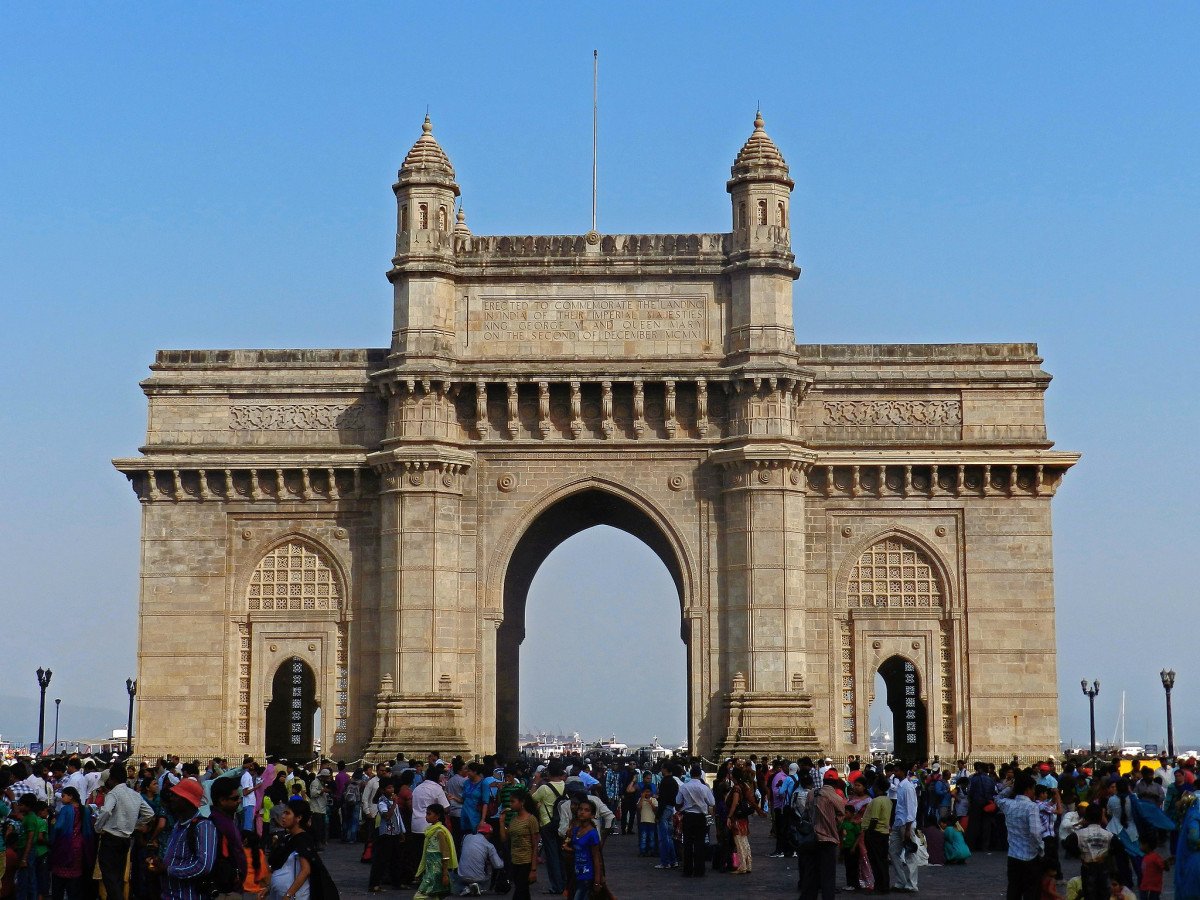
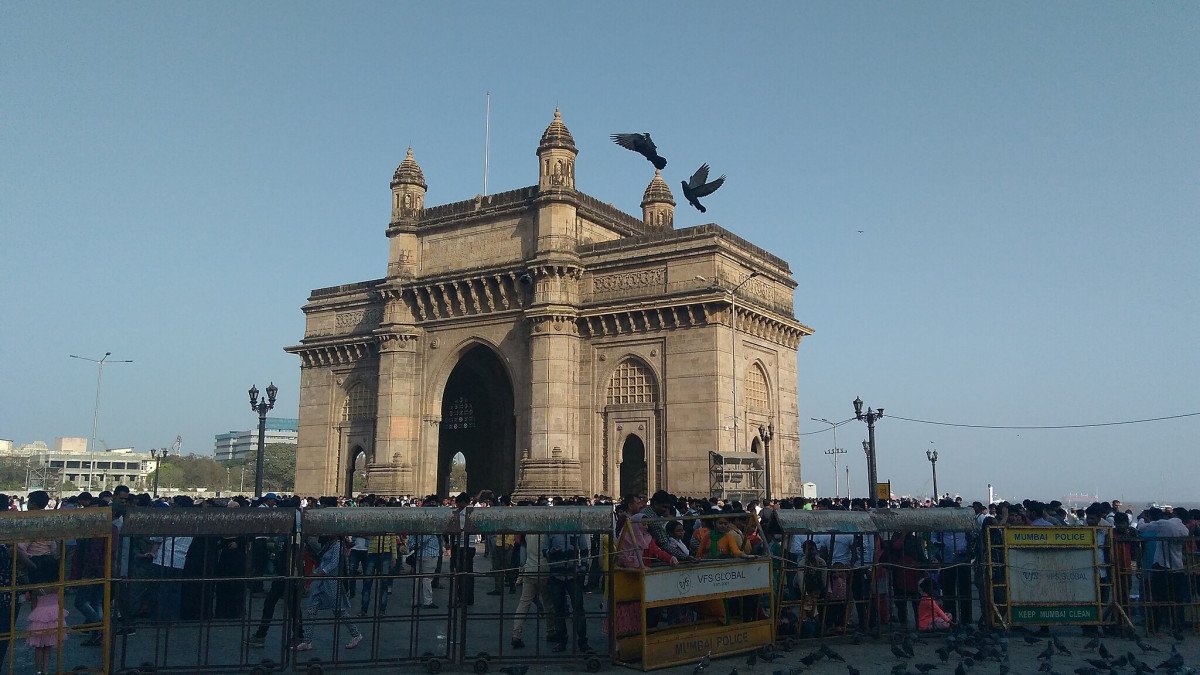
Gateway Of India
General information
-
Ideal Duration:
1 to 2 hours for viewing the monument and the surrounding area; 3 to 4 hours if combined with a ferry trip to Elephanta Caves or other nearby attractions.Place Type:
Historical Monument, Arch, Landmark, Coastal AttraEntry Fees:
Zero Cost for Monument Access: The fundamental attraction—the Gateway Of India monument and the immediate surrounding promenade—has absolutely NO entry fee. It is a public monument, and access is free for all visitors, regardless of nationality. This zero-fee policy is...Zero Cost for Monument Access: The fundamental attraction—the Gateway Of India monument and the immediate surrounding promenade—has absolutely NO entry fee. It is a public monument, and access is free for all visitors, regardless of nationality. This zero-fee policy is a key reason for its immense popularity among both budget travelers and locals, making it one of the most accessible major historical sites in the world.
Ferry/Boat Ride Charges: While the monument itself is free, there are associated costs if you wish to use the jetties for a sea experience. The cost for a round-trip ferry ticket to the Elephanta Caves typically ranges from INR 150 to INR 200 per person for a standard ferry, with slightly higher prices for luxury or faster boat services. Short harbor cruises or pleasure boat rides are priced variably, often starting around INR 100 to INR 300 for a short duration.
Cost of Nearby Attractions: Other activities in the area have separate charges. For example, the entry fee for the Elephanta Caves (once you arrive on the island) is around INR 40 for Indian citizens and significantly higher (around INR 600) for foreign tourists. Visiting the nearby Chhatrapati Shivaji Maharaj Vastu Sangrahalaya (museum) also requires a separate ticket. In summary, budget for the cost of transportation and any desired boat rides, but the main viewing of the magnificent arch is free. (Approx. )Timing:
Regular Timings: The Gateway Of India monument is a public space and is open 24 hours a day, 7 days a week. There are no gates or closing times for the monument itself. Access to the immediate waterfront area is maintained throughout the day and night.
Read MoreRegular Timings: The Gateway Of India monument is a public space and is open 24 hours a day, 7 days a week. There are no gates or closing times for the monument itself. Access to the immediate waterfront area is maintained throughout the day and night.
Ideal Visit Time - Sunrise: The absolute ideal time to visit is during the early morning hours, between 6:00 AM and 8:00 AM. During this time, the light is soft and beautiful for photography, the crowds are minimal (mostly just early-bird tourists, joggers, and local fishermen), and the temperature is pleasant. Witnessing the sunrise over the water with the Gateway in the foreground is a magical experience.
Ideal Visit Time - Sunset and Evening: The evening, from around 5:00 PM to 10:00 PM, is the most vibrant and popular time. This is when the monument is bathed in the warm light of the setting sun, and later, the powerful floodlights are turned on, illuminating the entire structure. The area is bustling with families, street food vendors, and photographers, creating a lively, quintessential Mumbai atmosphere.
Ferry Operation Timings: Ferries to Elephanta Caves and other routes generally operate from around 9:00 AM to 5:30 PM. It is essential to check the last departure time, as services cease in the late afternoon. If you plan to visit the caves, your visit must be within these daytime hours. (Approx. )Special Events:
The Elephanta Festival (Previously): The most significant cultural event historically associated with the Gateway Of India is the Elephanta Festival of Music and Dance. Though it was originally held on Elephanta Island, it was relocated to the magnificent backdrop of the Ga...The Elephanta Festival (Previously): The most significant cultural event historically associated with the Gateway Of India is the Elephanta Festival of Music and Dance. Though it was originally held on Elephanta Island, it was relocated to the magnificent backdrop of the Gateway for several years, offering a wider audience. This festival, usually held in February or March, showcases classical Indian dance and music performances by renowned artists, illuminated by the floodlit monument.
New Year’s Eve Gatherings and Celebrations: The open waterfront area around the Gateway is a major gathering point for locals and tourists, particularly during major public holidays like New Year’s Eve and Republic Day (January 26). While large-scale public events are subject to security regulations, the atmosphere is generally celebratory, with people coming out in large numbers to enjoy the cool night air and the sight of the lit-up structures.
Maritime and Naval Ceremonies: Given its location as a key port, the Gateway is occasionally the venue for naval ceremonies, parades, and maritime displays, particularly those involving the Indian Navy or the Coast Guard. These events, though not regularly scheduled tourist attractions, are unique and patriotic spectacles when they occur.
Start/End Point for Marathons and Rallies: Due to its status as an iconic landmark, the Gateway often serves as the starting or finishing line for major city-wide events, including marathons, awareness rallies, and bike tours. These events usually take place on a Sunday morning and create a highly energetic atmosphere around the area. (Approx. )Best Photo Spots:
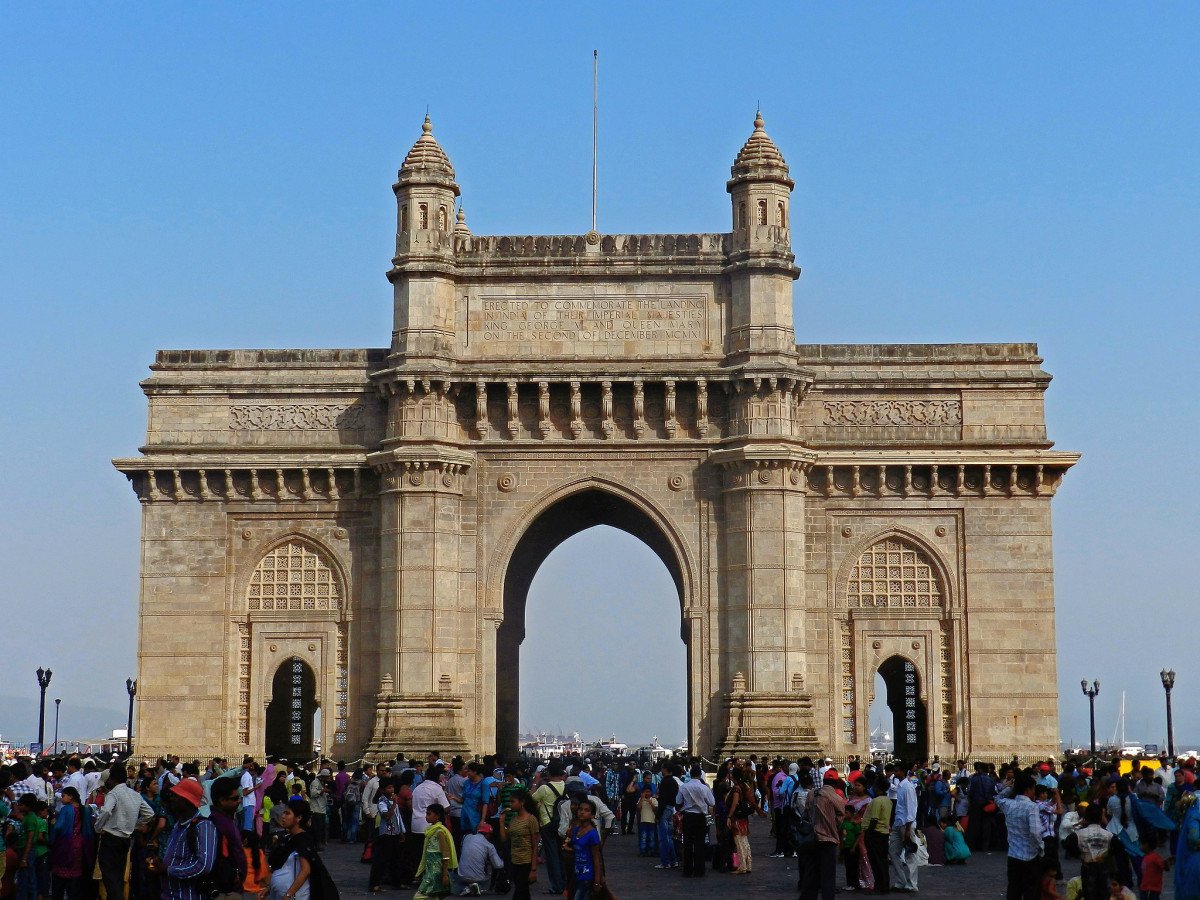
The Central Frame (from a Distance): The classic, most sought-after photograph is taken from the approach road, framing the entire Gateway Of India with the distinct dome of the Taj Mahal Palace Hotel visible directly behind it. This angle captures the Mumbai skyline's dual...The Central Frame (from a Distance): The classic, most sought-after photograph is taken from the approach road, framing the entire Gateway Of India with the distinct dome of the Taj Mahal Palace Hotel visible directly behind it. This angle captures the Mumbai skyline's dual identity: the colonial past (the Gateway) and the modern, luxurious present (the Taj Hotel).
Under the Arch with the Arabian Sea Backdrop: Standing directly beneath the magnificent central arch offers a unique perspective. Photos taken from this spot can frame the vast, endless expanse of the Arabian Sea or the passing ferries and boats, creating a sense of scale and adventure. This is also a great spot for portrait shots with the deep blue sea as the background.
The Steps and Jetties (Water-level Perspective): Walking down the steps toward the water’s edge or onto the ferry jetties provides a low-angle view. From this vantage point, the Gateway appears even taller and more imposing. This area is perfect for capturing the details of the stone carvings and the bustling activity of the boats in the foreground, especially during the early morning when the water is calmer.
The Chhatrapati Shivaji Statue Foreshore: The area around the statues of Chhatrapati Shivaji and Swami Vivekananda offers an excellent slightly off-center perspective. Using the statue in the foreground adds a layer of cultural and historical context to the picture, balancing the colonial arch with symbols of Indian pride.
Post-Sunset Illumination: The monument is beautifully floodlit after dark. Photography after sunset captures the dramatic lighting against the night sky and the sea. The lights make the yellow basalt glow, creating an intimate and majestic mood that is entirely different from the daytime view. (Approx. )Photo Gallery
Things To Do
-
Take a Ferry to Elephanta Caves: This is arguably the most popular activity from the Gateway. Ferries regularly depart from the jetties behind the monument, offering a one-hour scenic trip across the Arabian Sea to Elephanta Island. The island is a UNESCO World Heritage Site famous for its ancient rock-cut cave temples dedicated to Lord Shiva, dating back to the 5th to 8th centuries. The round trip is a full-day or half-day excursion that provides a perfect break from the city bustle and an immersion into ancient Indian art.
Enjoy Sunset and Evening Views: The monument is open 24/7, and the best time to appreciate its beauty is during the 'Golden Hour' of sunset or in the evening. As the sun dips over the Arabian Sea, the Gateway and the Taj Mahal Palace Hotel are stunningly illuminated. The cool sea breeze and the vibrant c...Take a Ferry to Elephanta Caves: This is arguably the most popular activity from the Gateway. Ferries regularly depart from the jetties behind the monument, offering a one-hour scenic trip across the Arabian Sea to Elephanta Island. The island is a UNESCO World Heritage Site famous for its ancient rock-cut cave temples dedicated to Lord Shiva, dating back to the 5th to 8th centuries. The round trip is a full-day or half-day excursion that provides a perfect break from the city bustle and an immersion into ancient Indian art.
Enjoy Sunset and Evening Views: The monument is open 24/7, and the best time to appreciate its beauty is during the 'Golden Hour' of sunset or in the evening. As the sun dips over the Arabian Sea, the Gateway and the Taj Mahal Palace Hotel are stunningly illuminated. The cool sea breeze and the vibrant crowd make for a lively atmosphere. The monument is floodlit at night, creating an ethereal and highly photogenic scene against the dark water.
Engage in Street Photography and People Watching: The area is a vibrant theater of city life. Tourists, local vendors selling balloons, peanuts, and souvenirs, families, and street performers create a constantly changing tapestry. It's a fantastic spot for candid photography and people-watching. You can hire one of the many local street photographers for an instant, printed souvenir photo.
Stroll to Colaba Causeway for Shopping and Dining: A short walk from the Gateway leads you to the famous Colaba Causeway, a bustling street market. Here, you can shop for everything from cheap clothes, antique jewelry, and handicrafts to books and electronic goods. It's an excellent place to practice your bargaining skills. The area is also lined with famous restaurants and cafes, including historic eateries like Leopold Cafe and Cafe Mondegar.
Take a Short Harbor Cruise: Besides the Elephanta Caves ferry, many smaller boat operators offer short, pleasure cruises around the Mumbai harbor, especially during the late afternoon and evening. These 30-to-60-minute rides offer unique, unobstructed views of the Mumbai skyline, the Gateway Of India, and the Taj Hotel from the water.
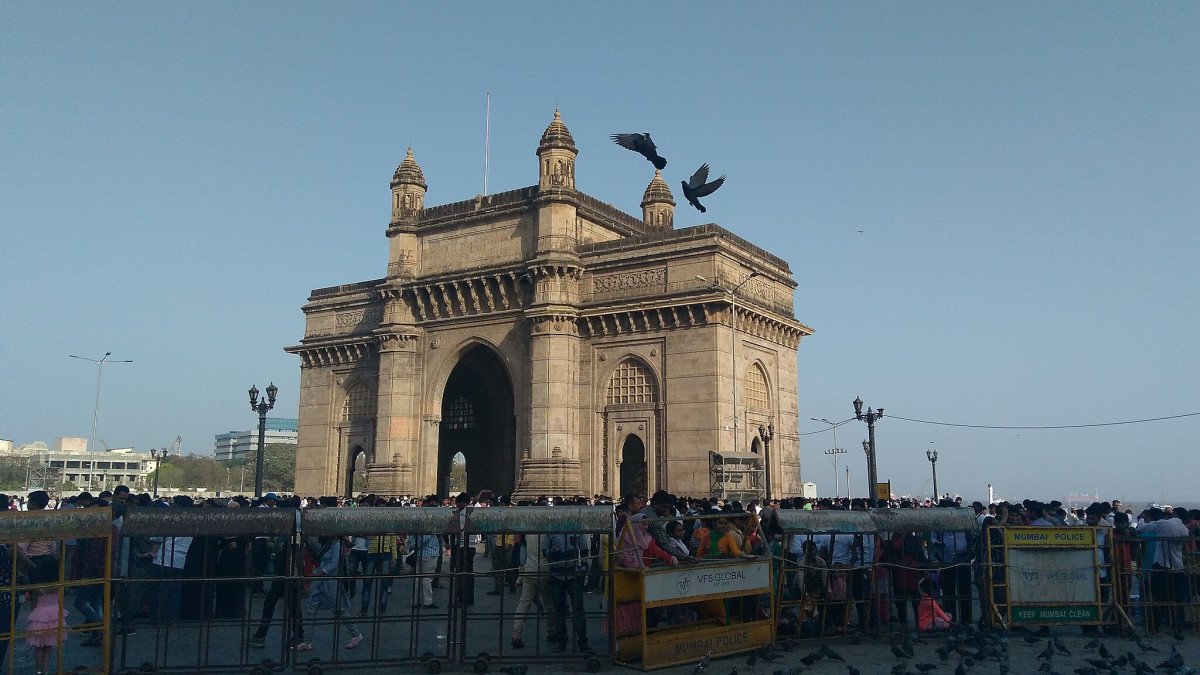
Feed the Pigeons: A common and charming activity at the front of the Gateway is feeding the large flock of pigeons that gathers there. Vendors sell bird feed, and it's a popular activity, especially for children, providing a classic, lively moment to capture.
Visit the Taj Mahal Palace Hotel: Though expensive to stay in, a visit to the historic Taj Mahal Palace Hotel for high tea or a drink is a must-do. Its incredible architecture and luxurious history make it a landmark in its own right, and its lobby and public areas are works of art.
Explore the Royal Bombay Yacht Club Area: Observing the private boats and the elegant, old-world surroundings of the yacht club nearby gives a flavor of the city's colonial elite past. (Approx. )
Information
-
Why Famous:
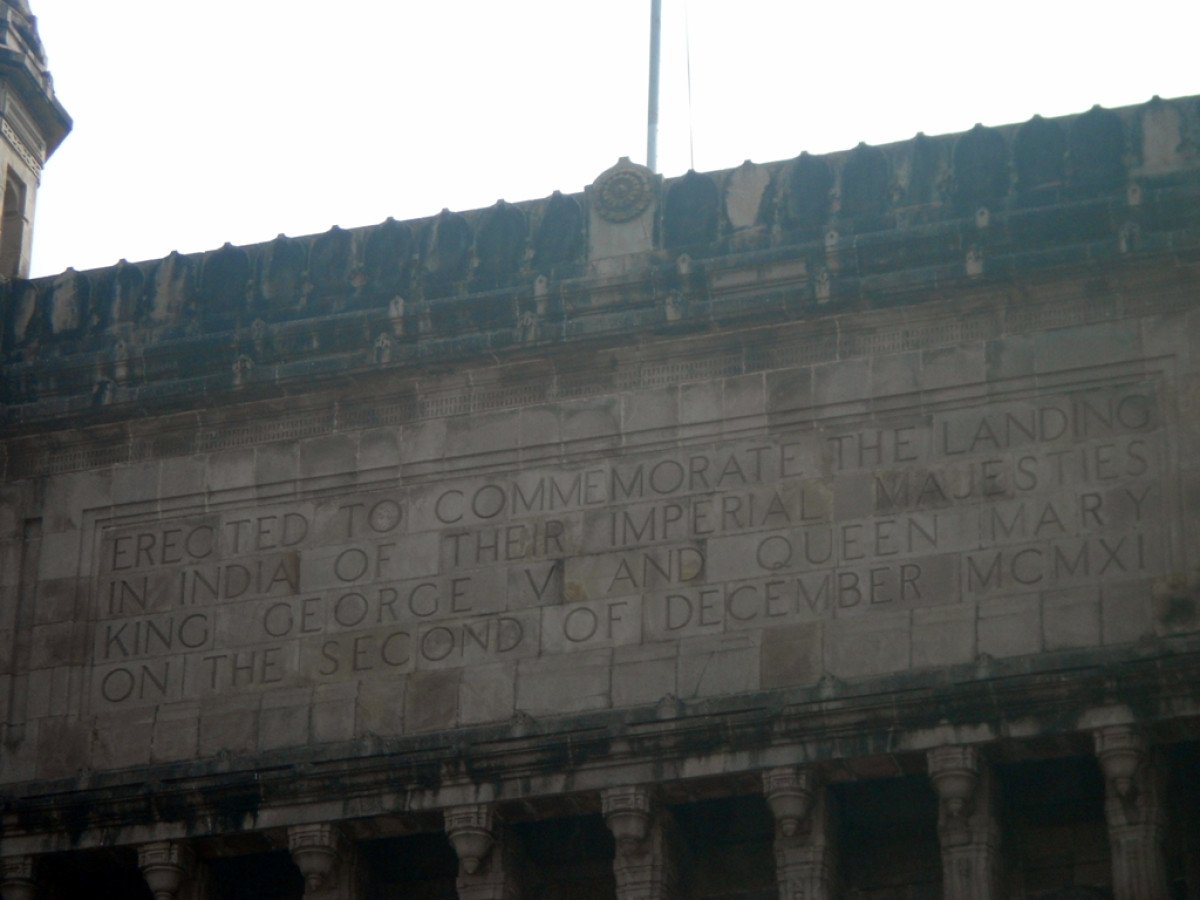
Symbolic Gateway to India's Past: The Gateway Of India is famous as a powerful historical marker. It was erected to welcome King George V and Queen Mary in 1911, but its fame lies equally in its later, more profound historical role: being the symbolic exit point for the las...Symbolic Gateway to India's Past: The Gateway Of India is famous as a powerful historical marker. It was erected to welcome King George V and Queen Mary in 1911, but its fame lies equally in its later, more profound historical role: being the symbolic exit point for the last British troops in 1948. This single event transformed its meaning from a symbol of colonial power to a monument of the nation's independence, making it a critical site in modern Indian history.
Architectural Grandeur and Indo-Saracenic Style: Its unique Indo-Saracenic architecture—a magnificent fusion of Indian, European, and Islamic design—contributes significantly to its fame. Built from durable yellow basalt, its imposing arch and intricate detailing make it a masterpiece of colonial-era design. The structure's visual appeal against the backdrop of the Arabian Sea is instantly recognizable globally.
The Quintessential Mumbai Photo Op: The Gateway's location, directly opposite the iconic Taj Mahal Palace Hotel, creates one of the most famous and striking visual compositions in Mumbai. This twin-icon status makes it an unmissable stop for tourists and a popular backdrop for films, ensuring its constant visibility and renown. It is essentially the photographic face of Mumbai to the world.
Hub for the Arabian Sea: The monument is not just a static landmark; it is a dynamic, functional harbor. It serves as the main jetty for countless daily ferry and boat services, particularly for tourists heading to the Elephanta Caves, as well as for various local boat rides and cruises. This constant flow of maritime activity keeps the area bustling and central to the city's coastal life. (Approx. ) -
Architecture:
Indo-Saracenic Revival Style: The Gateway Of India is a prime example of the Indo-Saracenic Revival style, an architectural synthesis popular during the British Raj. This style consciously blends architectural features and decorative motifs from native Indian (Hindu and Mug...Indo-Saracenic Revival Style: The Gateway Of India is a prime example of the Indo-Saracenic Revival style, an architectural synthesis popular during the British Raj. This style consciously blends architectural features and decorative motifs from native Indian (Hindu and Mughal) and Islamic architecture with Gothic and European classical elements. The choice of the Indo-Saracenic style was a deliberate attempt by the British to create structures that were distinctly Indian yet grand and imperial. The monument is predominantly built from local yellow basalt stone, which gives it its characteristic warm color, and reinforced concrete.
Key Structural Elements: The main structure takes the form of a large triumphal arch, a feature common in Roman and European tradition, but its detailing is distinctly Indian. The arch itself stands 26 meters (85 feet) high. The architecture includes intricate lattice work and decorative carvings that draw heavily from the architecture of Gujarat in the 16th century. The four turrets or corner pillars rising from the top of the central arch resemble the style found in some Gujarati temple and mosque designs.
Dome and Dimensions: The most striking feature is the large central dome, which adds a distinct Muslim architectural grace to the structure. This dome has a diameter of 14. 5 meters (48 feet) and its apex reaches a height of 25 meters (83 feet) from the ground. The total width of the monument is approximately 50 meters. This imposing scale was intended to awe and impress, perfectly fulfilling its role as a monumental entrance to the subcontinent. The structure is rectangular in plan with three arched passageways, with the central arch being the highest. The meticulous craftsmanship across its facade showcases the fusion of distinct cultural motifs into a cohesive, imposing, and beautiful whole. (Approx. ) -
How To Reach:
By Air: The nearest airport is Chhatrapati Shivaji Maharaj International Airport (BOM), located approximately 25 to 30 kilometers from the Gateway Of India.
The airport has two terminals: Terminal 1 for domestic flights and Terminal 2 for in...By Air: The nearest airport is Chhatrapati Shivaji Maharaj International Airport (BOM), located approximately 25 to 30 kilometers from the Gateway Of India.
The airport has two terminals: Terminal 1 for domestic flights and Terminal 2 for international and select domestic flights. From the airport, one can hire a pre-paid taxi, a standard black-and-yellow taxi ('Kaali Peeli'), or use a ride-sharing service like Uber or Ola. Depending on traffic (which is often heavy in Mumbai), the journey can take anywhere from 1 hour to 1. 5 hours.
By Train (Long Distance): The nearest major long-distance railway station is Chhatrapati Shivaji Terminus (CST), which is an iconic landmark itself. CST is only about 2 kilometers away from the Gateway Of India. Long-distance trains from all major cities across India arrive here. From CST, you can easily hire a local taxi or auto-rickshaw (though auto-rickshaws are restricted in the main South Mumbai area, taxis are plentiful) to cover the short remaining distance, which takes less than 15 minutes.
By Road (Inter-City): Mumbai is well-connected by National Highways to major Indian cities like Pune, Nashik, Goa, and Ahmedabad. Long-distance and state-run buses (MSRTC) from these cities arrive at various bus depots, often at the Mumbai Central Bus Depot or the Dadar TT Bus Stop. From these points, you would use local transport (taxi or local train) to reach the South Mumbai area where the Gateway is located. Driving your own vehicle is possible, but parking near the Gateway is severely restricted and difficult to find.
By Local Transport (Within Mumbai): The nearest major local railway station is Churchgate (Western Line) or Chhatrapati Shivaji Terminus (CST) (Central and Harbour Line). Both are terminal stations and are approximately 2 kilometers from the Gateway. From either station, the best option is to take a black-and-yellow taxi or an BEST (Brihanmumbai Electric Supply and Transport) bus. The bus route numbers (e. g. , from CST or Churchgate) will clearly indicate their destination to Colaba or Gateway Of India (Apollo Bunder). The short taxi ride from either station is affordable and the most convenient way. (Approx. ) -
Weather and Best Time to Visit:
Best Season - The Cooler Months (October to March): The ideal time to visit Mumbai and the Gateway Of India is during the winter season, which runs from October to March. The weather during these months is the most pleasant, with dry, relatively cool temperatures ranging fr...Best Season - The Cooler Months (October to March): The ideal time to visit Mumbai and the Gateway Of India is during the winter season, which runs from October to March. The weather during these months is the most pleasant, with dry, relatively cool temperatures ranging from 15°C to 30°C. This period is perfect for walking, sightseeing, and enjoying the boat rides without the intense humidity and heat.
The Rainy Season (June to September): The monsoon season brings heavy rainfall and high humidity. While the sea can look dramatic with large waves crashing near the promenade, continuous rain can disrupt travel plans and ferry services to places like the Elephanta Caves are often suspended or limited for safety. However, the washed-clean city and lush scenery have a unique, beautiful charm for those who enjoy the rain.
The Hot Season (April to May): These months are generally hot and very humid. Visiting during the day is less comfortable due to the intense sun. If you must visit, restrict your sightseeing to the very early morning or late evening.
Different Parts of the Day: Early Morning (Sunrise, 6 AM to 8 AM) Best for photographers, peace-seekers, and those who want to avoid the crowd. The light is beautiful, and the air is fresh. Mid-Day (10 AM to 4 PM) This is the peak time for tourists planning to take the ferry to the Elephanta Caves. It is the hottest and most crowded time but is necessary if the caves are the main objective. Evening (Sunset to Night, 5 PM to 10 PM) Best for experiencing the city's lively pulse. The golden light of sunset and the dazzling illumination of the monument at night offer a lively and romantic atmosphere. (Approx. ) -
Near Tourist Places:
1.
Taj Mahal Palace Hotel: Right opposite the Gateway.
(Distance: 0. 1 KMS), 2. Chhatrapati Shivaji Maharaj Vastu Sangrahalaya (CSMVS): Large historical museum.
(Distance: 1. 0 KMS), 3.
Jehangir Art Gallery: Prominent art exhibition center.
(Distance: 1. 0 KMS), 4.
Colaba Causeway Market: Famous street shopping.
(Distance: 0. 5 KMS), 5.
Regal Cinema: Historic art deco movie theater.
(Distance: 0. 8 KMS), 6.
Kala Ghoda Art Precinct: Hub for art, cafes, and heritage buildings.
(Distance: 1. 5 KMS) 7. Afghan Church (St.
John the Evangelist Church): Historical Gothic church.
(Distance: 2. 5 KMS) 8.
Asiatic Society of Mumbai Library: Iconic Town Hall building.
(Distance: 2. 0 KMS) 9.
Chhatrapati Shivaji Terminus (CST): UNESCO World Heritage railway station.
(Distance: 2. 0 KMS) 10.
Marine Drive (Queen's Necklace): Famous seafront promenade start point.
(Distance: 3. 0 KMS to the start)
Tourism Tips
-
Health & Safety (Crowds and Security): The Gateway Of India is a high-security zone due to its historical significance and past events. Expect a visible police presence and mandatory security checks (like frisking and bag scanning) before entering the main viewing area. Al...Health & Safety (Crowds and Security): The Gateway Of India is a high-security zone due to its historical significance and past events. Expect a visible police presence and mandatory security checks (like frisking and bag scanning) before entering the main viewing area. Always keep your valuables secure, as the area is extremely crowded, especially in the evenings. Stay hydrated, as the weather is often warm and humid, and carry necessary medications.
Packing Essentials: Pack light, breathable cotton clothing suitable for a tropical climate. Essential items include sunglasses, a wide-brimmed hat, and high-SPF sunscreen. Comfortable walking shoes are a must, especially if you plan to visit the nearby Colaba Causeway or take the uphill trek at the Elephanta Caves. If visiting during the monsoon, a light rain jacket or umbrella is necessary.
Accommodation (Colaba Area): The Colaba area, where the Gateway is located, offers a wide range of accommodation, from the ultra-luxury Taj Mahal Palace Hotel to mid-range hotels and budget hostels. Staying in this area is ideal for tourists as it keeps you close to major attractions, restaurants, and shopping. However, it is one of the most expensive parts of Mumbai. Booking in advance, especially during the peak season (October to March), is highly recommended.
Local Etiquette and Bargaining: Be prepared for persistent street vendors, photographers, and sometimes touts offering boat rides or guides. A polite but firm "No, thank you" is usually sufficient. If you shop at the Colaba Causeway, remember that bargaining is expected, and the first price quoted is often inflated. Taxis operate on meters, so ensure the meter is switched on.
Photography and Lighting: For the best photos, visit early morning for soft light. If you plan to capture the night view, a small, discreet tripod or a phone with good low-light capability will be helpful, though tripods may be discouraged by security in the main area. (Approx. )
Reviews
FAQs
Mumbai Itineray And Cost:-
Gateway Of India Tourism:-
Information about New and Updated Locations() of Maharashtra Has Been Added :-
Card subtitle
Note:-
Information provided here in good Faith and for reference only.
All information and pictures will be updated soon, please keep visiting.
Near Places
Bandra Fort
Some quick example text to build on the card title and make up the bulk of the card's content.
Go somewhere
Bandra-Worli Sea Link
Some quick example text to build on the card title and make up the bulk of the card's content.
Go somewhere
Chhatrapati Shivaji Maharaj Vastu Sangrahalaya
Some quick example text to build on the card title and make up the bulk of the card's content.
Go somewhere
Chhatrapati Shivaji Terminus
Some quick example text to build on the card title and make up the bulk of the card's content.
Go somewhere
Colaba Causeway
Some quick example text to build on the card title and make up the bulk of the card's content.
Go somewhere
Dhobi Ghat
Some quick example text to build on the card title and make up the bulk of the card's content.
Go somewhere
Elephanta Caves
Some quick example text to build on the card title and make up the bulk of the card's content.
Go somewhere
EsselWorld
Some quick example text to build on the card title and make up the bulk of the card's content.
Go somewhere
Film City
Some quick example text to build on the card title and make up the bulk of the card's content.
Go somewhere
Flora Fountain
Some quick example text to build on the card title and make up the bulk of the card's content.
Go somewherein Other Cities