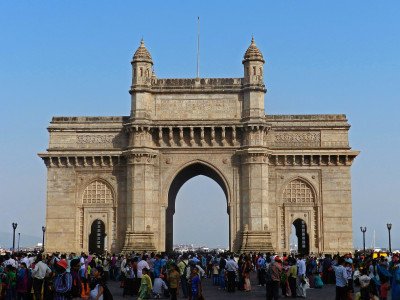
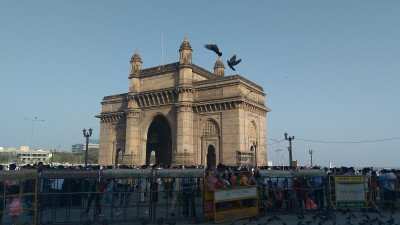
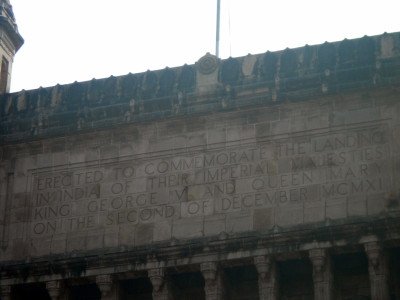
How To Reach Gateway Of India
How to Reach
The airport has two terminals: Terminal 1 for domestic flights and Terminal 2 for international and select domestic flights. From the airport, one can hire a pre-paid taxi, a standard black-and-yellow taxi ('Kaali Peeli'), or use a ride-sharing service like Uber or Ola. Depending on traffic (which is often heavy in Mumbai), the journey can take anywhere from 1 hour to 1. 5 hours.
By Train (Long Distance): The nearest major long-distance railway station is Chhatrapati Shivaji Terminus (CST), which is an iconic landmark itself. CST is only about 2 kilometers away from the Gateway Of India. Long-distance trains from all major cities across India arrive here. From CST, you can easily hire a local taxi or auto-rickshaw (though auto-rickshaws are restricted in the main South Mumbai area, taxis are plentiful) to cover the short remaining distance, which takes less than 15 minutes.
By Road (Inter-City): Mumbai is well-connected by National Highways to major Indian cities like Pune, Nashik, Goa, and Ahmedabad. Long-distance and state-run buses (MSRTC) from these cities arrive at various bus depots, often at the Mumbai Central Bus Depot or the Dadar TT Bus Stop. From these points, you would use local transport (taxi or local train) to reach the South Mumbai area where the Gateway is located. Driving your own vehicle is possible, but parking near the Gateway is severely restricted and difficult to find.
By Local Transport (Within Mumbai): The nearest major local railway station is Churchgate (Western Line) or Chhatrapati Shivaji Terminus (CST) (Central and Harbour Line). Both are terminal stations and are approximately 2 kilometers from the Gateway. From either station, the best option is to take a black-and-yellow taxi or an BEST (Brihanmumbai Electric Supply and Transport) bus. The bus route numbers (e. g. , from CST or Churchgate) will clearly indicate their destination to Colaba or Gateway Of India (Apollo Bunder). The short taxi ride from either station is affordable and the most convenient way. (Approx. )
Mumbai Itineray And Cost:-
Gateway Of India Tourism:-
Information about New and Updated Locations() of Maharashtra Has Been Added :-
Card subtitle
Note:-
Information provided here in good Faith and for reference only.
All information and pictures will be updated soon, please keep visiting.
Near Places
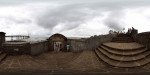
Bandra Fort
Some quick example text to build on the card title and make up the bulk of the card's content.
Go somewhere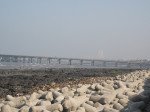
Bandra-Worli Sea Link
Some quick example text to build on the card title and make up the bulk of the card's content.
Go somewhere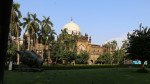
Chhatrapati Shivaji Maharaj Vastu Sangrahalaya
Some quick example text to build on the card title and make up the bulk of the card's content.
Go somewhere
Chhatrapati Shivaji Terminus
Some quick example text to build on the card title and make up the bulk of the card's content.
Go somewhere
Colaba Causeway
Some quick example text to build on the card title and make up the bulk of the card's content.
Go somewhere
Dhobi Ghat
Some quick example text to build on the card title and make up the bulk of the card's content.
Go somewhere
Elephanta Caves
Some quick example text to build on the card title and make up the bulk of the card's content.
Go somewhere
EsselWorld
Some quick example text to build on the card title and make up the bulk of the card's content.
Go somewhere
Film City
Some quick example text to build on the card title and make up the bulk of the card's content.
Go somewhere
Flora Fountain
Some quick example text to build on the card title and make up the bulk of the card's content.
Go somewhere