

Goalpara
General information
-
Ideal Duration:
Duration:
2 to 3 Days:Place Type:
Category:
Heritage, Nature, and Pilgrimage:Entry Fees:
Surya Pahar Site: Entry is approximately 20 INR for Indians and 200 INR for foreign nationals, covering the archaeological park and museum.
Boat Rides: Boating at Urpad Beel can cost between 300 INR to 500 INR depending on the duration and ...Surya Pahar Site: Entry is approximately 20 INR for Indians and 200 INR for foreign nationals, covering the archaeological park and museum.
Boat Rides: Boating at Urpad Beel can cost between 300 INR to 500 INR depending on the duration and the type of boat hired from locals.Timing:
Regular Timings: Most temples and the archaeological site are open from 8:00 AM to 5:00 PM daily.
Ideal Visit Time: The best time to visit Sri Surya Pahar is between 9:00 AM and 11:00 AM to avoid the afternoon heat and get the best lighting...Regular Timings: Most temples and the archaeological site are open from 8:00 AM to 5:00 PM daily.
Ideal Visit Time: The best time to visit Sri Surya Pahar is between 9:00 AM and 11:00 AM to avoid the afternoon heat and get the best lighting for the carvings.Special Events:
Shivaratri Festival: The town comes alive during Shivaratri, especially at Sri Surya Pahar, where thousands of devotees gather to offer prayers at the ancient lingas.
Bihu Celebrations: Like the rest of Assam, the spring festival of Rongali...Shivaratri Festival: The town comes alive during Shivaratri, especially at Sri Surya Pahar, where thousands of devotees gather to offer prayers at the ancient lingas.
Bihu Celebrations: Like the rest of Assam, the spring festival of Rongali Bihu is celebrated with traditional dances and community feasts that showcase the local spirit.Best Photo Spots:
The Linga Fields: The vast expanse of thousands of stone Shiva Lingas at Sri Surya Pahar provides a unique and mystical backdrop for photography.
Sunset at Pancharatna: The point where the Brahmaputra flows wide offers golden hour shots tha...The Linga Fields: The vast expanse of thousands of stone Shiva Lingas at Sri Surya Pahar provides a unique and mystical backdrop for photography.
Sunset at Pancharatna: The point where the Brahmaputra flows wide offers golden hour shots that are truly cinematic and serene.
Urpad Beel Flora: The blooming water lilies and the reflection of the sky in the lake offer perfect nature photography opportunities during the early morning hours.Photo Gallery
Things To Do
 The Tukeswari Temple is a highly revered ancient Hindu pilgrimage site, situated atop the scenic Tukeswari Hill in the Goalpara district of Assam, India. It is popularly known as a Shakti Peeth (though not one of the major 51) where a fragment, or Tukura in Assamese, of the body of Goddess Sati (a manifestation of Shakti or Durga) is believed to have fallen during the Tandava dance of Lord Shiva following her self-immolation. This mythological association gives the temple its name and immense spiritual significance, drawing devotees from across the state and region. The main shrine is dedicated to Goddess Tukeswari. The temple complex also includes a separate shrine dedicated to Lord Shiva, reinforcing the site's importance in Hindu mythology. The temple's location on the hilltop provides a serene and tranquil environment, surrounded by lush green forests, offering panoramic views of the surrounding landscape. The site is accessible via a climb, often involving steep staircases, which devotees undertake as a spiritual journey. The area is also notable for its significant population of Assamese Macaques (monkeys), which are considered sacred and are an integral part of the temple's environment. The temple is thought to have been patronized, or possibly built, by the Bijni King Kumud Narayan in the 17th century. The blend of mythological significance, spiritual devotion, and natural beauty makes it a compelling destination. (401 words)
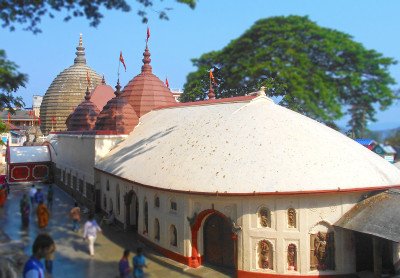 The Sri Sri Joybhum Kamakhya Temple is one of the important religious centers in the Goalpara district of Assam. It is considered one of the many Shakti Sthals in the Hindu religion, dedicated to the Mother Goddess Kamakhya, an incarnation of Goddess Shakti or Durga. The temple complex offers a serene and spiritual atmosphere, situated close to the mighty Brahmaputra River, enhancing its natural beauty. The site is a key pilgrimage destination for devotees from all over the region who come to seek the Goddess’s blessings for prosperity, strength, and fulfillment of desires. Unlike some other temples, the focus here is less on a massive, bustling complex and more on a tranquil, historically and religiously significant spot. It is often visited in conjunction with other nearby archaeological and religious sites, such as Sri Surya Pahar, which suggests a deep, ancient spiritual connection in the area. The temple's modest yet powerful presence invites deep introspection and religious devotion, making it a revered spot for local communities and visiting pilgrims alike. The continuous flow of devotees, particularly during special occasions, underscores its importance in the religious landscape of Lower Assam. The temple is often associated with the local culture and mythology, adding layers to its spiritual significance. It stands as a testament to the enduring faith of the people in the region. (400 words)
 The Goalpara River View offers a spectacular and serene panorama of the majestic Brahmaputra River, one of the largest rivers in the world by discharge. The viewpoint is a celebrated spot, providing locals and tourists alike a tranquil escape right in the heart of the town. The river here flows with a powerful, broad current, especially during the monsoon months (June to September). The view is particularly stunning at sunrise and sunset, as the massive sky of Assam transforms into a canvas of vibrant colors reflecting on the water. The surrounding area often includes a well-maintained park or embankment for leisure strolls. Being a central point, it encapsulates the essence of Goalpara, a town deeply connected to this massive river. The view stretches far across the waters, sometimes revealing distant sandbars or small islets that emerge in the lean season (November to February). The river acts as a lifeblood, influencing the climate, livelihood, and culture of the entire region. The sight of the river, with its fishing boats and occasional ferries, is a quintessential Assamese experience, providing a sense of scale and natural grandeur that is humbling. The river's bank is often a hub for quiet contemplation and community gathering, making it a living part of the city's fabric.
 The Shyamrai Satra is one of the most revered and historically significant Vaishnavite monasteries (Satra) in Lower Assam. Established as a spiritual and cultural center, it stands as a pillar of the Ekasarana Dharma movement propounded by the great saint-reformer Srimanta Sankardeva. The Satra plays a crucial role in preserving the Neo-Vaishnavite culture, which encompasses music, drama (Bhaona), and prayer forms (Naam-Kirtan). It is primarily famous for housing the Asthi (relics/bones) of Srimanta Sankardeva, which are displayed to devotees during major festivals, particularly Sankar Jayanti. The very atmosphere of the Satra is designed to instill a sense of peace and devotion, following the simple, egalitarian principles of the Satra tradition. The complex typically includes a large prayer hall (Naamghar or Kirtanghar), a residential area for the resident monks (Bhakats), and a sacred treasury where artifacts and ancient manuscripts are kept. It acts as a living museum of Assamese religious history, continuously nurturing the arts and spiritual practices that define the state's cultural identity. Its central location makes it a highly accessible and integral part of the Goalpara town's religious life. (Word Count: ?200 words)
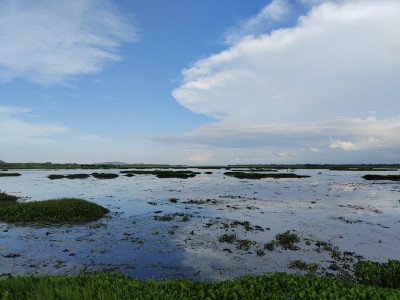
 Urpad Beel is a stunning natural lake, or 'Beel' (a floodplain wetland), situated near the Agia village in the Goalpara district of Assam, India. Recognized as one of the largest natural wetlands in Lower Assam, it is an ecological jewel that plays a crucial role in the region's biodiversity and supports the livelihood of the surrounding local communities. The Beel is renowned for its exceptional scenic beauty, characterized by tranquil, expansive waters surrounded by lush greenery, especially during the winter months. Its surface is often carpeted with vibrant aquatic flora, including water lilies and water hyacinths, which give it a breathtaking, often-described pink hue—earning it the affectionate moniker, "The Pink Paradise." Beyond its aesthetic appeal, Urpad Beel is a critical wetland ecosystem. It serves as a natural habitat for a wide array of fish species and, most significantly, for a diverse range of residential and migratory birds. Key avian species spotted here include the majestic Greater Adjutant Stork, the small and beautiful Cotton Pigmy Goose, Baya Weavers, Lesser Whistling Duck, and various species of Kingfishers. The government of Assam has acknowledged its importance with plans and projects to beautify the area and is actively considering declaring it a conservation reserve or wildlife sanctuary to ensure the preservation of this fragile yet rich environment for future generations. It is a destination that truly offers a peaceful escape, blending natural wonder with vital ecological significance, making it a must-visit for nature lovers and birdwatchers in Northeast India. The entire wetland ecosystem, including its connected water bodies like Patakata and Matia beels, spans over 1,000 hectares, solidifying its status as a major water body in the region.
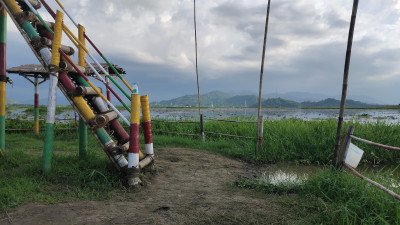
 Kumri Beel Lake is a captivating natural water body located amidst the lush greenery and marshy landscapes of the Goalpara district in Assam. The term 'Beel' in Assamese refers to a lake or a water reservoir, and Kumri Beel perfectly embodies the tranquil beauty of a pristine wetland ecosystem. This picturesque lake is a vital part of the local environment, acting as a natural habitat for numerous species of flora and fauna. Surrounded by a thick, verdant forest, the lake's calm waters reflect the sky and the surrounding foliage, creating a mesmerizing scene, especially during sunrise and sunset. Its primary charm lies in the sheer peace and quiet it offers, providing a much-needed escape from the noise of city life. The lake supports a rich variety of aquatic life, including different species of fish, which sustain the local population and draw in various birds. During the cooler months, the lake transforms into a bustling sanctuary for avian life. It becomes a crucial stopover point for a large number of migratory birds traveling from colder regions, making it a premier spot for birdwatching enthusiasts. The combination of water, marshland, and forest makes Kumri Beel a thriving, self-contained ecosystem that showcases the raw, untouched natural beauty of Lower Assam. The environment around the lake is perfect for family picnics, quiet contemplation, or simply enjoying nature's spectacle. It is a place where nature lovers and photographers can spend hours appreciating and capturing the biological diversity and stunning visuals. Its proximity to the Narnarayan Setu (one of the longest bridges in India over the Brahmaputra River) also adds to its accessibility and significance as a regional attraction.
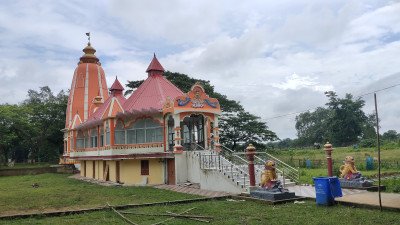 Sri Surya Pahar is a profoundly significant yet relatively lesser-known archaeological site located in the Goalpara district of Assam, India. Its name literally translates to 'Hill of the Sun', suggesting an ancient connection with the cult of Sun (Surya) worship, which is corroborated by literary evidence like the Kalika Purana. The site is a hilly terrain that uniquely hosts relics belonging to three major Indian religions: Hinduism, Buddhism, and Jainism, making it a rare confluence of faiths. The most striking features are the countless rock-cut Shiva Lingas scattered across the hill. Local belief holds that Sage Vyasa engraved 99,999 Shiva Lingas here to create a second Kashi (Varanasi), which is traditionally believed to have 1,00,000 Shiva Lingas. The hill is dotted with votive stupas of different forms and sizes, carved out of granite boulders, indicating a strong presence of Buddhism, particularly the Hinayana phase, from the early Christian era up to the 10th Century A.D. Furthermore, the southern slope of the hill houses natural caverns with rock-cut carvings of Jain Tirthankaras, including Adinath, confirming its importance for Jainism, with remains assigned to the 9th Century A.D. Protected and maintained by the Archaeological Survey of India (ASI), the site also features a modern Sun Temple and an archaeological museum showcasing artifacts recovered from the excavations. The area's proximity to the Brahmaputra River suggests it might have been an important administrative or trade center in ancient times. Sri Surya Pahar stands as a testament to the cultural integration and religious harmony that flourished in ancient Assam, offering a deep dive into the region's rich pre-Ahom history. The hill is part of an Archaean granitic rock formation, extending across a considerable area and covered with lush greenery, providing a tranquil and historically rich atmosphere for visitors.Show All
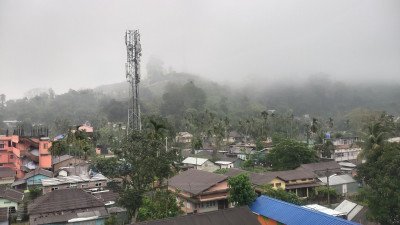
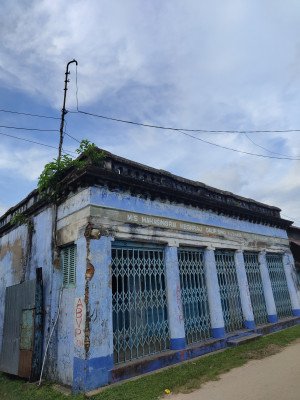 Hulukunda Pahar is a prominent hillock nestled right in the heart of Goalpara town, offering one of the most accessible and magnificent panoramic views of the entire settlement and the surrounding landscapes. Its name, in local language, refers to a type of hill, and it stands as a natural sentinel overlooking the urban sprawl and the mighty Brahmaputra River. The hill is cloaked in lush, vibrant green foliage, which provides a serene, cool, and tranquil retreat from the bustling activity of the town below. The top of the hill is historically significant, having housed the Sub Divisional Officer's (SDO) office during the British colonial era, a fact that speaks to its strategic importance in earlier times. This historical connection adds a layer of heritage to its natural beauty. For both locals and visitors, the hill serves as a popular spot for quiet contemplation, morning walks, and, most famously, for capturing spectacular photographs of the cityscape, the flowing river, and the dramatic sunsets and sunrises. The presence of the Brahmaputra River, visible in its full glory, is a major highlight, as is the view of the impressive Naranarayan Setu (Bridge) spanning the river. Its central location ensures it remains a cultural and geographical focal point of the district. The atmosphere is calm and undisturbed, making it an ideal destination for those seeking peace and a deep connection with nature. It’s a place where history, nature, and urban life converge in a single, breathtaking vista. The area is also linked to the local history of salt trading during the British rule, further cementing its role in the town's past. The air on the hill is distinctly fresher, carrying the scent of the surrounding greenery, which provides a welcome contrast to the town's humidity and noise, thus making it a truly refreshing and worthwhile visit. (Word count: 400+)
Information
-
Why Famous:
Historical Significance: Goalpara is globally renowned for the Sri Surya Pahar archaeological site which contains remnants of three major world religions.
Religious Confluence: It is famous as the "Second Kashi" due to the thousands of Shiv...Historical Significance: Goalpara is globally renowned for the Sri Surya Pahar archaeological site which contains remnants of three major world religions.
Religious Confluence: It is famous as the "Second Kashi" due to the thousands of Shiva Lingas and is one of the few places in India where Hindu, Buddhist, and Jain artifacts coexist peacefully.
Natural Wonders: The district is also famous for Urpad Beel, the largest lake in lower Assam, which is a vital ecosystem for rare flora and fauna. -
Architecture:
Architecture Style and Dimensions: The architecture in Goalpara is predominantly characterized by ancient rock-cut designs found at Sri Surya Pahar.
Temple Dimensions: The site covers a vast area of approximately 54 acres, featuring hundreds...Architecture Style and Dimensions: The architecture in Goalpara is predominantly characterized by ancient rock-cut designs found at Sri Surya Pahar.
Temple Dimensions: The site covers a vast area of approximately 54 acres, featuring hundreds of monolithic Shiva Lingas carved directly into the granitic hills.
Buddhist Influence: There are also rock-cut votive stupas of various sizes, with the largest cylindrical drum stupa measuring several meters in diameter, reflecting early medieval Buddhist artistry.
Jain Sculptures: Two significant granite boulders feature low-relief carvings of Jain Tirthankaras, including Adinatha, dating back to the 9th century.
Structural Remains: Recent excavations have unearthed rectangular brick temple complexes measuring 26. 80m x 17. 80m, showcasing the transition from rock-cut to structural masonry. -
How To Reach:
By Air: The nearest airport is Lokpriya Gopinath Bordoloi International Airport in Guwahati, located about 130 KM away, from where taxis are readily available.
By Train: Goalpara Town Railway Station is well-connected to major cities like G...By Air: The nearest airport is Lokpriya Gopinath Bordoloi International Airport in Guwahati, located about 130 KM away, from where taxis are readily available.
By Train: Goalpara Town Railway Station is well-connected to major cities like Guwahati and New Delhi via regular express trains.
By Road: Regular state-run and private buses operate from Guwahati and Bongaigaon to Goalpara via National Highway 17.
By Local Transport: Within the town, auto-rickshaws and e-rickshaws are the primary modes of transport for reaching nearby attractions and navigating the streets. -
Weather and Best Time to Visit:
Winter Season (October to February): This is the peak season with pleasant temperatures ranging from 10°C to 20°C, ideal for outdoor exploration and birdwatching.
Summer Season (March to May): Mornings are pleasant, but afternoons can be ...Winter Season (October to February): This is the peak season with pleasant temperatures ranging from 10°C to 20°C, ideal for outdoor exploration and birdwatching.
Summer Season (March to May): Mornings are pleasant, but afternoons can be warm with temperatures reaching 35°C, making early morning visits to hills more comfortable. -
Near Tourist Places:
Near Places: Bongaigaon (35 KM), Guwahati (140 KM), Dhubri (85 KM), Barpeta (65 KM), Kokrajhar (80 KM), Manas National Park (110 KM), Hajo (120 KM), Abhayapuri (30 KM), Bijni (50 KM), Sualkuchi (125 KM).
Tourism Tips
-
Health & Safety: Carry basic medicines and insect repellent as the area has dense vegetation; drink only bottled or filtered water.
Packing: Pack light cotton clothes for summers and a light jacket for winter mornings; comfortable walking...Health & Safety: Carry basic medicines and insect repellent as the area has dense vegetation; drink only bottled or filtered water.
Packing: Pack light cotton clothes for summers and a light jacket for winter mornings; comfortable walking shoes are a must for trekking the hills.
Accommodation: Stay in the town's government guest houses or private lodges which offer basic but clean facilities for travelers.
General Conduct: Respect the religious sanctity of the temples by dressing modestly and removing footwear before entering the shrine areas.
Reviews
FAQs
Goalpara Itineray And Cost:-
Information about New and Updated Locations() of Assam Has Been Added :-
Card subtitle
Note:-
Information provided here in good Faith and for reference only.
Near Places
Agnigarh
Some quick example text to build on the card title and make up the bulk of the card's content.
Go somewhere
Barpeta
Some quick example text to build on the card title and make up the bulk of the card's content.
Go somewhere
Bhalukpong
Some quick example text to build on the card title and make up the bulk of the card's content.
Go somewhere
Diphu
Some quick example text to build on the card title and make up the bulk of the card's content.
Go somewhere
Goalpara
Some quick example text to build on the card title and make up the bulk of the card's content.
Go somewhere
Guwahati
Some quick example text to build on the card title and make up the bulk of the card's content.
Go somewhere
Haflong
Some quick example text to build on the card title and make up the bulk of the card's content.
Go somewhere
Hajo
Some quick example text to build on the card title and make up the bulk of the card's content.
Go somewhere
Majuli Island
Some quick example text to build on the card title and make up the bulk of the card's content.
Go somewhere
Nagaon
Some quick example text to build on the card title and make up the bulk of the card's content.
Go somewhere
Silchar
Some quick example text to build on the card title and make up the bulk of the card's content.
Go somewhere
Sualkuchi
Some quick example text to build on the card title and make up the bulk of the card's content.
Go somewhere
Tezpur
Some quick example text to build on the card title and make up the bulk of the card's content.
Go somewhere
Tinsukia
Some quick example text to build on the card title and make up the bulk of the card's content.
Go somewhere
Umananda Island
Some quick example text to build on the card title and make up the bulk of the card's content.
Go somewherein Other Cities