

Diphu
General information
-
Ideal Duration:
2 to 3 DaysPlace Type:
Hill Station, Cultural & NatureEntry Fees:
General Attractions: Most public parks like the Botanical Garden and the Arboretum have a nominal entry fee of INR 20 to INR 50.
Cultural Center: Entry to the Taralangso complex is usually free, but during the Karbi Youth Festival, a special...General Attractions: Most public parks like the Botanical Garden and the Arboretum have a nominal entry fee of INR 20 to INR 50.
Cultural Center: Entry to the Taralangso complex is usually free, but during the Karbi Youth Festival, a special ticket or pass may be required for certain performances.
Museum Fees: The District Museum charges a small fee of around INR 10 for students and INR 20 for adults, with additional charges for photography.Timing:
Regular Timings: Most tourist spots like the Botanical Garden are open from 9:00 AM to 5:00 PM. The local markets are most active between 10:00 AM and 6:00 PM.
Ideal Visit Time: The best time of day to explore the town is early morning for ...Regular Timings: Most tourist spots like the Botanical Garden are open from 9:00 AM to 5:00 PM. The local markets are most active between 10:00 AM and 6:00 PM.
Ideal Visit Time: The best time of day to explore the town is early morning for nature walks or late afternoon for the markets.
Seasonal Hours: During winter, places may close slightly earlier around 4:30 PM due to early sunset in the Northeast.Special Events:
Karbi Youth Festival: This massive event takes place every February at Taralangso and is the pride of Diphu. It features traditional folk music, ethnic food stalls, and beauty pageants, celebrating the resilience of Karbi culture.
Rongker Festi...Karbi Youth Festival: This massive event takes place every February at Taralangso and is the pride of Diphu. It features traditional folk music, ethnic food stalls, and beauty pageants, celebrating the resilience of Karbi culture.
Rongker Festival: Held in April, this is a major socio-religious festival where the community prays for the well-being of the village and a good harvest. It is a time of communal feasting and traditional rituals.Best Photo Spots:
The Clock Tower: Located in the heart of the town, the Diphu Clock Tower is a classic landmark for urban photography, especially when lit up at night.
Taralangso Hills: The panoramic views from the hills surrounding the cultural center provi...The Clock Tower: Located in the heart of the town, the Diphu Clock Tower is a classic landmark for urban photography, especially when lit up at night.
Taralangso Hills: The panoramic views from the hills surrounding the cultural center provide a perfect backdrop for landscape photography. The traditional huts add an ethnic charm to the frames.
Kangthilangso Falls: The dramatic drop of water against the dark rocks and green canopy makes for stunning long-exposure shots. The mist from the falls creates a magical atmosphere in photos.Photo Gallery
Things To Do
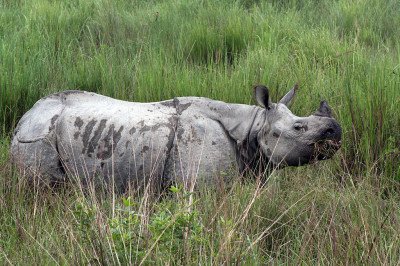 @@The Wild Heart: Nambor Wildlife Sanctuary is a protected area located in the Karbi Anglong district, covering approximately 37 square kilometers. It is part of a larger forest complex that includes Garampani and Nambor-Doigrung sanctuaries. The area is dominated by tropical semi-evergreen and evergreen forests, interspersed with bamboo groves and cane brakes. It is a vital corridor for the Asiatic Elephant and home to the rare Hoolock Gibbon. The sanctuary is also famous for its hot water springs, which are believed to have healing properties. The Nambor river flows through the heart of the forest, providing a lifeline for the diverse wildlife. Visitors can spot tigers, leopards, and over 250 species of birds within its boundaries. The forest is rich in rare orchids and timber species like Nahor and Poma. It offers a rugged and authentic wildlife experience, far from the commercial crowds of larger parks. The dense canopy creates a cool and mysterious environment even during the peak of summer. It is an essential destination for eco-travelers and researchers.
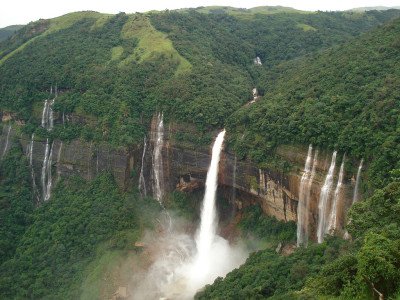 Akashi Ganga Picnic Spot is a breathtaking destination nestled in the dense forest of the Karbi Anglong hills. This location is not only a nature lover’s paradise but also a significant pilgrimage site for Hindus. Legend has it that the head of Goddess Sati fell here during Lord Shiva's Tandava, making it a "Pitha." The waterfall cascades from a great height, creating a misty atmosphere that refreshes every visitor. The surrounding area is lush with tropical flora, providing a perfect canopy for family picnics. Visitors can hear the symphony of chirping birds and the roar of the water, creating a meditative environment. It is a place where spirituality meets the raw power of nature. Many locals believe the water has healing properties and wash away their sins in the stream. The site has been developed with basic amenities like seating areas and pathways to help tourists explore safely. During the winter, the spot becomes a hub for community gatherings and traditional feasts. The tranquil vibe makes it a top choice for those escaping the noise of Diphu.
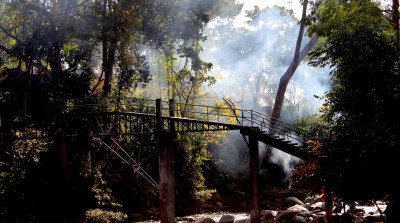 The Botanical Gardens in Diphu is a carefully managed and expansive park complex, dedicated to the conservation and display of diverse plant life, particularly species native to the Karbi Anglong district and the state of Assam. Spanning over an undulating topography, it is often described as a Bio-diversity cum Recreation Park. The garden houses a wide collection of flora, including many different varieties of local flowers, trees, and medicinal plants and herbs. This meticulous cultivation is overseen by the Forest Division, government of Assam. Beyond its botanical significance, the garden offers a tranquil recreational space for families and nature enthusiasts. A notable feature is a semi-natural water body where visitors can enjoy boating, adding a peaceful element to the visit. The complex also serves as a cultural showcase, featuring replicas of traditional Karbi homes, like the 'Hem Tun' (a replica of a traditional Karbi dwelling house) and the symbolic 'Jambili Athon' (signifying courage, unity, peace, and harmony of Karbi Society), offering insight into the local indigenous culture. There is also a dedicated Children's Park area with unique structures, including a gigantic model of a hill tortoise and a water fountain. Furthermore, the gardens are home to rich biodiversity, providing a habitat for various wildlife, including different squirrel species, monitor lizards, and numerous bird and butterfly species. A cafeteria is available on-site for visitors to grab refreshments, making it an ideal destination for a relaxing day trip, combining natural beauty with a glimpse into local heritage. The overall setting, surrounded by lush greenery, promotes peace and a connection with nature, making it a valuable educational and recreational asset.
 Deopani Durga Mandir is a place of profound faith and historical mystery located in the Bokajan region near Diphu. The temple is famous for its "miraculous" discovery; the idol of Goddess Durga was reportedly found underground by a tea planter following a divine dream. This idol is carved from ancient stone and is considered a powerful symbol of Shakti. The temple complex is serene and surrounded by lush tea gardens, creating a peaceful atmosphere for prayer. Thousands of devotees flock here every year, especially during the Durga Puja festival. The temple is not just a religious site but also an archaeological one, as several other ancient statues were found in the vicinity. The architecture of the temple is a blend of modern construction and traditional aesthetics, designed to house the sacred idol securely. The temple management maintains a beautiful garden and a pond where pilgrims can wash their hands and feet before entering the sanctum. The vibration within the temple is described as "energizing" by many visitors. It is a must-visit for anyone interested in the spiritual heritage of Assam. The local community is very involved in the temple's upkeep, showcasing a beautiful example of social harmony. Every evening, the 'Aarti' ceremony attracts locals who join in the rhythmic chanting and bell ringing.
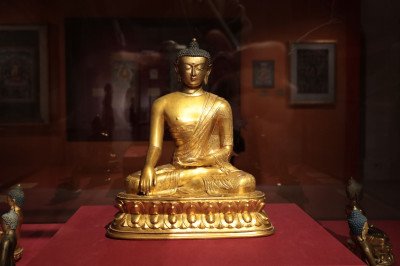 The District Museum in Diphu is a significant repository of the rich history, diverse traditions, and vibrant culture of the Karbi Anglong district, primarily focusing on the indigenous Karbi tribe and other communities of the region. Established in 1886, it serves as a crucial centre for anthropological and archaeological research. The museum's collections are thoughtfully curated to reflect the daily life, artistic skills, and historical journey of the local people. Visitors can explore a variety of exhibits that include traditional clothing, hand-woven textiles, intricate ornaments, ancient weaponry, and various household tools used by the ancestors. The display of archaeological artifacts, though smaller compared to larger state museums, provides valuable insights into the past of this hilly area. A notable permanent display is a brilliant image of Lord Narasimha, indicating historical religious connections. The museum plays an essential role in preserving the unique identity of the district, making it a must-visit for anyone interested in the cultural fabric of Northeast India. It acts as an educational centre, helping both locals and tourists appreciate the deep-rooted heritage of Karbi Anglong. The simple yet informative presentation style makes the historical journey accessible to all. (Word Count: ?200)
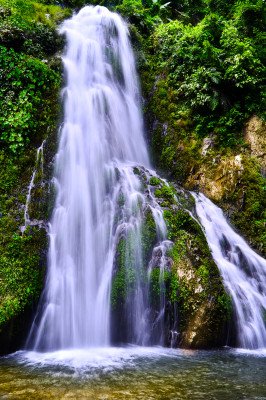 @@The Hidden Oasis: Kangthilangso Waterfall is a stunning natural site located in the Dokmaka region of Karbi Anglong. It is nestled within a lush valley and is known for its multi-step cascading waters that flow into a clear natural pool. The waterfall is surrounded by dense tropical forests, providing a habitat for diverse flora and fauna. For the local Karbi people, this site is not just a tourist attraction but a sacred place rooted in their folklore and cultural identity. The atmosphere here is deeply peaceful, with the only sounds being the chirping of birds and the roar of the water. Visitors can experience authentic tribal hospitality in the nearby Toko Langso village. The trek to the falls involves a short walk through scenic rural landscapes and green hills. The water is believed by some locals to have medicinal properties due to the herbs it passes over. It is a favorite spot for eco-tourists who want to see the "untouched" side of Assam. The site has gained popularity for its breathtaking tiered structure, which is rare in the region.
 The Lake Town Clock Tower in Diphu stands as a recognizable landmark located in the bustling Diphu Bazar area, specifically in Taralangso. It serves as a visual marker and a functional timekeeper for the local community. Unlike its more famous namesake in Kolkata (which is a replica of London's Big Ben), the Diphu clock tower is an important fixture in the Karbi Anglong district headquarters, symbolizing the town's steady pace of development and its central hub. It's often surrounded by local shops, markets, and administrative offices, making it a place of constant local activity. The tower is not a massive, ornate structure but a simple, well-maintained monument that adds character to the commercial heart of Diphu. It's a place where locals often gather, particularly in the evenings, making it a focal point for social interaction and daily commerce. The surrounding area, Diphu Bazar, is the primary economic zone of the town, and the clock tower is strategically positioned to be visible to the maximum number of people. It provides a touch of architectural interest in an otherwise functionally built town. While not attracting tourists for its sheer grandeur, it’s included on local attraction lists because of its central position and its role as a key identifier for the Lake Town and Diphu Bazar areas. The structure is relatively modern, and its primary purpose is public utility and urban beautification, reflecting the attempts to modernize the town’s infrastructure. Its presence helps in navigation and gives the locality a distinct identity. It is a very accessible spot and can be easily reached by local transport like auto-rickshaws or shared taxis. Its location in a mixed-use zone means it is active throughout the day, providing a dynamic slice of life in Diphu. The local administration often uses the tower's vicinity for public announcements or small local events, further cementing its role as a central communal space. For visitors, it offers a quick photo opportunity and a sense of where the town's life is concentrated.Show All
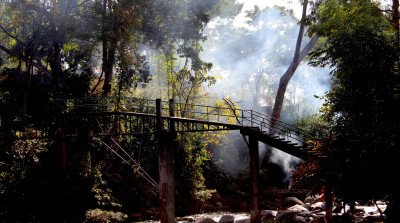
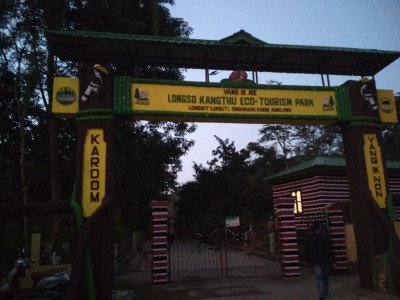 @@ The Natural Allure of Siloni Picnic Spot : Siloni Picnic Spot is a pristine riverside destination nestled in the Longnit region near Diphu. It is widely regarded as one of the most serene and popular recreational areas in the Karbi Anglong district. The spot is characterized by the gentle Longnit River flowing over a bed of smooth river stones, which gives the place its name as Siloni often refers to stony landscapes in local parlance. Surrounded by dense tropical forests and rolling hills, the area provides a perfect escape from the urban hustle of Diphu. Visitors are often mesmerized by the crystal-clear water that reflects the lush green canopy above. The atmosphere is filled with the rhythmic sound of water flowing over rocks and the occasional call of forest birds. This destination is not just a picnic spot but a gateway to experiencing the raw, unadulterated beauty of Northeast India's hill tracts. Families and groups of friends frequent this place specifically during the winter months to enjoy outdoor cooking and relaxation. The area has been partially developed by the local authorities to include basic amenities while preserving its natural charm. It serves as a vital ecological corridor for local flora and fauna, making it a favorite for nature enthusiasts. The scenic beauty of Siloni Picnic Spot remains etched in the memory of every traveler who visits.
Information
-
Why Famous:
Why Famous for Culture: Diphu is world-famous for the Karbi Youth Festival held at Taralangso, which is one of the oldest and largest ethnic festivals in Northeast India. This event showcases the rich tapestry of Karbi folk dance, music, and traditional sports, drawing thou...Why Famous for Culture: Diphu is world-famous for the Karbi Youth Festival held at Taralangso, which is one of the oldest and largest ethnic festivals in Northeast India. This event showcases the rich tapestry of Karbi folk dance, music, and traditional sports, drawing thousands of tourists annually.
Why Famous for Nature: The town is a gateway to the Marat Longri National Park and numerous hidden waterfalls like the Kangthilangso Waterfall. It is also renowned for its botanical gardens and the Arboretum, which houses a vast collection of medicinal plants and orchids native to the hills. -
Architecture:
The architecture in Diphu is a blend of traditional tribal styles and colonial-era administrative structures. Traditional Karbi houses are often built on stilts, known as 'Hem', using bamboo, wood, and thatched roofs to adapt to the hilly terrain. These structures typically measure around 30x20 f...The architecture in Diphu is a blend of traditional tribal styles and colonial-era administrative structures. Traditional Karbi houses are often built on stilts, known as 'Hem', using bamboo, wood, and thatched roofs to adapt to the hilly terrain. These structures typically measure around 30x20 feet in dimension and are designed to provide natural ventilation. Modern administrative buildings like the Karbi Anglong Autonomous Council Secretariat feature a more functional, concrete design with wide corridors and high ceilings.
Religious Structures: The temples and churches in the area showcase diverse styles, with the local Shiv Mandir featuring a classic shikara design reaching a height of about 50 feet.
Cultural Centers: The Taralangso Cultural Center is built to represent the traditional architecture of different tribes, using local materials to create an authentic tribal village atmosphere across a vast complex. -
How To Reach:
By Air: The nearest airport is Dimapur Airport in Nagaland, which is about 50 Kms away. From there, you can hire a taxi to reach Diphu in about 1. 5 hours.
By Train: Diphu Railway Station is well-connected with major cities like Guwahati an...By Air: The nearest airport is Dimapur Airport in Nagaland, which is about 50 Kms away. From there, you can hire a taxi to reach Diphu in about 1. 5 hours.
By Train: Diphu Railway Station is well-connected with major cities like Guwahati and Dimapur. Several express trains like the Jan Shatabdi and Nagaland Express stop here daily.
By Road: Diphu is connected by road to Guwahati (270 Kms) and Jorhat. State transport buses (ASTC) and private cruisers operate regularly from these cities.
By Local Transport: Within the town, auto-rickshaws and cycle-rickshaws are the primary modes of transport. You can also hire a local taxi for a full day of sightseeing at fixed rates. -
Weather and Best Time to Visit:
Winter Season: From November to February is the best time to visit as the weather is cool and pleasant, with temperatures between 10°C and 22°C.
Summer Season: March to May is also good, though it can get slightly warm during the day. Thi...Winter Season: From November to February is the best time to visit as the weather is cool and pleasant, with temperatures between 10°C and 22°C.
Summer Season: March to May is also good, though it can get slightly warm during the day. This is the time for the Rongker festival celebrations.
Monsoon Season: From June to September, the hills become incredibly lush, but heavy rains can make travel and trekking difficult due to landslides. -
Near Tourist Places:
1. Dimapur (50 Kms), 2. Silchar (170 Kms), 3. Nagaon (120 Kms), 4. Kaziranga (150 Kms), 5. Haflong (160 Kms), 6. Jorhat (140 Kms), 7. Manja (16 Kms), 8. Bokajan (65 Kms), 9. Lumding (40 Kms), 10. Hojai (70 Kms).
Tourism Tips
-
Health & Safety: Diphu is generally safe, but it is advisable to avoid traveling alone in remote forest areas after dark. Carry a basic first-aid kit as medical facilities in deep hills are limited.
Packing: Pack light woolens for the winte...Health & Safety: Diphu is generally safe, but it is advisable to avoid traveling alone in remote forest areas after dark. Carry a basic first-aid kit as medical facilities in deep hills are limited.
Packing: Pack light woolens for the winter months and sturdy walking shoes for trekking. An umbrella or raincoat is a must regardless of the season due to unpredictable rain.
Accommodation: There are several budget guesthouses and a few decent hotels near the railway station. For a more authentic experience, look for homestays in the nearby villages.
Local Etiquette: Respect tribal customs and always ask for permission before taking photos of the local people or their traditional ceremonies.
Reviews
FAQs
Diphu Itineray And Cost:-
Information about New and Updated Locations() of Assam Has Been Added :-
Card subtitle
Note:-
Information provided here in good Faith and for reference only.
Near Places
Agnigarh
Some quick example text to build on the card title and make up the bulk of the card's content.
Go somewhere
Barpeta
Some quick example text to build on the card title and make up the bulk of the card's content.
Go somewhere
Bhalukpong
Some quick example text to build on the card title and make up the bulk of the card's content.
Go somewhere
Diphu
Some quick example text to build on the card title and make up the bulk of the card's content.
Go somewhere
Goalpara
Some quick example text to build on the card title and make up the bulk of the card's content.
Go somewhere
Guwahati
Some quick example text to build on the card title and make up the bulk of the card's content.
Go somewhere
Haflong
Some quick example text to build on the card title and make up the bulk of the card's content.
Go somewhere
Hajo
Some quick example text to build on the card title and make up the bulk of the card's content.
Go somewhere
Majuli Island
Some quick example text to build on the card title and make up the bulk of the card's content.
Go somewhere
Nagaon
Some quick example text to build on the card title and make up the bulk of the card's content.
Go somewhere
Silchar
Some quick example text to build on the card title and make up the bulk of the card's content.
Go somewhere
Sualkuchi
Some quick example text to build on the card title and make up the bulk of the card's content.
Go somewhere
Tezpur
Some quick example text to build on the card title and make up the bulk of the card's content.
Go somewhere
Tinsukia
Some quick example text to build on the card title and make up the bulk of the card's content.
Go somewhere
Umananda Island
Some quick example text to build on the card title and make up the bulk of the card's content.
Go somewherein Other Cities