

Gomati Wildlife Sanctuary
General information
-
Ideal Duration:
4-8 Hours (Full Day Trek/Safari)Place Type:
Wildlife Sanctuary, Conservation Area, Nature ParkEntry Fees:
Sanctuary Entry Permit and Guide Fees: Entry requires a permit from the Forest Department, usually a nominal fee (e. g. , Rs.20-Rs.50 per person) for Indian nationals and slightly higher for foreigners. Vehicle entry (if allowed) incurs an additional charge. Mandatory guide/es...Sanctuary Entry Permit and Guide Fees: Entry requires a permit from the Forest Department, usually a nominal fee (e. g. , Rs.20-Rs.50 per person) for Indian nationals and slightly higher for foreigners. Vehicle entry (if allowed) incurs an additional charge. Mandatory guide/escort fees are required for deeper treks, which can be Rs.500-Rs.1500 per group depending on duration. Camera fees may also apply (e. g. , Rs.100-Rs.500 for a high-end camera).Timing:
Regular Timings and Ideal Visit Time: Generally open from 8:00 AM to 5:00 PM daily for day visits, but this is strictly subject to Forest Department regulations and weather conditions. The Ideal Visit Time is very early morning (6:00 AM-9:00 AM) and late afternoon (4:00 PM-...Regular Timings and Ideal Visit Time: Generally open from 8:00 AM to 5:00 PM daily for day visits, but this is strictly subject to Forest Department regulations and weather conditions. The Ideal Visit Time is very early morning (6:00 AM-9:00 AM) and late afternoon (4:00 PM-5:00 PM) as this is when animals, especially primates and large mammals, are most active and visible for spotting.Special Events:
Forest Week Celebrations and World Wildlife Day: The Forest Department often organizes awareness camps, tree plantation drives, and local cultural events during annual observances like Forest Week (usually July) and World Wildlife Day (March 3) to promote conservation and lo...Forest Week Celebrations and World Wildlife Day: The Forest Department often organizes awareness camps, tree plantation drives, and local cultural events during annual observances like Forest Week (usually July) and World Wildlife Day (March 3) to promote conservation and local involvement. These events are the only structured 'special events' within the sanctuary's core.Best Photo Spots:
Primate Observation Points: Small clearings or high points used by the Forest Department for monitoring offer excellent vantage points for long-range photography of primates in the canopy.
Water Reservoir/Lake Edges: The edge of the large wa...Primate Observation Points: Small clearings or high points used by the Forest Department for monitoring offer excellent vantage points for long-range photography of primates in the canopy.
Water Reservoir/Lake Edges: The edge of the large water body, particularly where the forest meets the water, provides stunning contrasts—dense jungle reflecting in the still water—and is perfect for capturing water birds.
Bamboo Forest Sections: The tall, dense bamboo groves within the sanctuary create unique patterns of light and shadow, offering a dramatic setting for macro and landscape photography.Photo Gallery
Things To Do
-
Wildlife Safari and Primate Spotting: Organize a guided jeep safari (where permitted) or a walking trek with a Forest Department-approved guide to explore the forest trails. The main objective is to spot the Hoolock Gibbons (usually early morning) and the Spectacled Phayre's Langur. Focus on the canopy areas where primates are most active.
Birdwatching and Photography: Due to the presence of both forest and wetland habitats, the sanctuary is exceptional for birdwatching. Carry powerful binoculars and a camera with a long-range lens. Concentrate on the reservoir banks and forest fringes for resident and migratory birds.
Nature Walks and Environmental Education: Take a gentle nature walk to study the dense tropical and sub-tropical flora. This is an excellent opportunity for environmental enth...Wildlife Safari and Primate Spotting: Organize a guided jeep safari (where permitted) or a walking trek with a Forest Department-approved guide to explore the forest trails. The main objective is to spot the Hoolock Gibbons (usually early morning) and the Spectacled Phayre's Langur. Focus on the canopy areas where primates are most active.
Birdwatching and Photography: Due to the presence of both forest and wetland habitats, the sanctuary is exceptional for birdwatching. Carry powerful binoculars and a camera with a long-range lens. Concentrate on the reservoir banks and forest fringes for resident and migratory birds.
Nature Walks and Environmental Education: Take a gentle nature walk to study the dense tropical and sub-tropical flora. This is an excellent opportunity for environmental enthusiasts to learn about the fragile ecosystem of the North-Eastern hills and the unique plant life.
Camping and Overnight Stays: Inquire about approved camping or overnight stays at forest rest houses (very basic) for an immersive experience, allowing for observation of nocturnal wildlife (strictly with permission and guidance).
Study of Indigenous Medicinal Plants: Collaborate with local guides who are knowledgeable about the traditional uses of the various plants and herbs found in the sanctuary for medicinal purposes, a fascinating and educational activity.
Sketching and Artistic Reflection: The dense forest, sunlight filtering through the canopy, and the sights of the diverse wildlife provide an ideal setting for artists and sketchers to capture the raw beauty of the tropical rainforest.
Information
-
Why Famous:
Primate Concentration and Large Mammals: Its fame rests on being the largest sanctuary in the state and, critically, for its high concentration of endangered primates like the Hoolock Gibbon and Phayre's Langur. It's one of the few places in Northeast India where one can re...Primate Concentration and Large Mammals: Its fame rests on being the largest sanctuary in the state and, critically, for its high concentration of endangered primates like the Hoolock Gibbon and Phayre's Langur. It's one of the few places in Northeast India where one can reliably spot large animals like Bison (Gaur) and Elephants in their natural habitat. The large adjoining reservoir is another unique feature. -
Architecture:
Natural Contours and Basic Infrastructure: The sanctuary's architecture is defined by its natural topography—rolling hills, dense virgin forests, and the extensive water reservoir. Its dimension is approximately 289. 54 sq. km of protected area. The man-made architectur...Natural Contours and Basic Infrastructure: The sanctuary's architecture is defined by its natural topography—rolling hills, dense virgin forests, and the extensive water reservoir. Its dimension is approximately 289. 54 sq. km of protected area. The man-made architecture is limited to essential functional structures, reflecting a conservation-focused approach. This includes forest check posts, basic watchtowers (for wildlife viewing and patrolling), boundary demarcation pillars, and minimal forest department guesthouses/camps. Roads and trails are predominantly unpaved or simple earth tracks, designed to minimize ecological impact. The focus is on preserving the virgin forest architecture rather than constructing extensive tourist amenities, ensuring the habitat remains undisturbed for the endangered primates and other wildlife. -
How To Reach:
By Air (Approx.
110 KMS): Fly to Agartala Airport (IXA). Hire a taxi or take a public bus to Gandacherra. From Gandacherra, hire a local jeep or taxi to the sanctuary entry point, following the designated route. By Train (Approx.
75 ...By Air (Approx.
110 KMS): Fly to Agartala Airport (IXA). Hire a taxi or take a public bus to Gandacherra. From Gandacherra, hire a local jeep or taxi to the sanctuary entry point, following the designated route. By Train (Approx.
75 KMS): Nearest railhead is Ambassa Railway Station (ABSA). Take a shared vehicle or taxi from Ambassa to Gandacherra. From there, hire local transport to the sanctuary gate. Ensure you have confirmed permission before arriving. By Road (Approx.
110 KMS from Agartala): The sanctuary is accessible via state roads, approaching through Gandacherra or the Amarpur-Jatanbari route. Public buses and shared taxis run to Gandacherra. The last few kilometers to the entry points can be challenging, requiring a 4x4 or high-clearance vehicle.
By Local Transport: From Gandacherra town, local jeeps or hired SUVs are the only feasible way to reach the various entry gates and access trails. Walking is generally prohibited without a guide and permit. -
Weather and Best Time to Visit:
Winter Season (October to March): Best Time to Visit as the weather is cool and dry, making treks and safaris comfortable. Visibility for wildlife spotting is also typically better, and the trails are less muddy compared to the monsoon.
Ideal P...Winter Season (October to March): Best Time to Visit as the weather is cool and dry, making treks and safaris comfortable. Visibility for wildlife spotting is also typically better, and the trails are less muddy compared to the monsoon.
Ideal Part of the Day (Early Morning): Early morning is essential for spotting primates like the Gibbon and Langur, which are most vocal and active as the sun rises. Late afternoon is good for large mammals and birds. -
Near Tourist Places:
Dumboor Lake (~15 KMS), Narkel Kunja Island (~18 KMS), Tirthamukh (~15 KMS), Tripura Sundari Temple (Udaipur, ~70 KMS), Chabimura (~65 KMS), Pilak Archaeological Site (~100 KMS), Neermahal (~125 KMS), Jampui Hills (~110 KMS), Mahamuni Pagoda (~130 KMS), Baramura Eco Park (~80 KMS)
Tourism Tips
-
Health & Safety (At least ): This is a wild area; maintain a respectful distance from all animals, especially Elephants and Bison. Wear strong, closed shoes and long trousers for protection against insects. Always follow the instructions of the forest guide strictly. Car...Health & Safety (At least ): This is a wild area; maintain a respectful distance from all animals, especially Elephants and Bison. Wear strong, closed shoes and long trousers for protection against insects. Always follow the instructions of the forest guide strictly. Carry ample drinking water.
Packing Essentials (At least ): Pack earth-toned clothing for camouflage during wildlife viewing. Include rain gear (even outside monsoon), a hat, sunscreen, and good quality binoculars. A camera with a powerful zoom is highly recommended. Carry ID proof and the printed permit copy.
Accommodation & Booking (At least ): Accommodation near the sanctuary is extremely limited to basic Forest Rest Houses, which must be booked through the Forest Department headquarters, usually in Ambassa or Agartala. Bookings are essential. Gandacherra town offers the nearest modest private accommodation.
Other Tips (At least ): Do not litter or feed the animals; this is a protected area. Plan your visit with an experienced local guide to maximize wildlife sightings. Since travel within the sanctuary is slow, plan for a full-day commitment for a meaningful visit. Be prepared for poor to non-existent mobile network connectivity inside the forest area.
Reviews
FAQs
Gandacharra Itineray And Cost:-
Gomati Wildlife Sanctuary Tourism:-
Other Places In Gandacharra :-
Other States In India :-
Information about New and Updated Locations() of Tripura Has Been Added :-
Card subtitle
Note:-
Information provided here in good Faith and for reference only.
Near Places

Chabimura Cave
Some quick example text to build on the card title and make up the bulk of the card's content.
Go somewhere
Dumboor Lake
Some quick example text to build on the card title and make up the bulk of the card's content.
Go somewhere
Gomati Wildlife Sanctuary
Some quick example text to build on the card title and make up the bulk of the card's content.
Go somewhere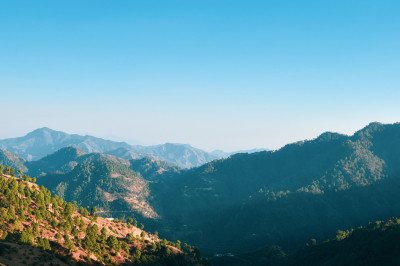
Jampui Hills
Some quick example text to build on the card title and make up the bulk of the card's content.
Go somewhere
Longtharai Mandir
Some quick example text to build on the card title and make up the bulk of the card's content.
Go somewhere
Manu River View
Some quick example text to build on the card title and make up the bulk of the card's content.
Go somewhere
Narkel Kunja Island
Some quick example text to build on the card title and make up the bulk of the card's content.
Go somewhere
Pous Sankranti Mela Site
Some quick example text to build on the card title and make up the bulk of the card's content.
Go somewhere
Raima River Confluence
Some quick example text to build on the card title and make up the bulk of the card's content.
Go somewhere
Saika Waterfall
Some quick example text to build on the card title and make up the bulk of the card's content.
Go somewhere
Tirthamukh
Some quick example text to build on the card title and make up the bulk of the card's content.
Go somewherein Other Cities