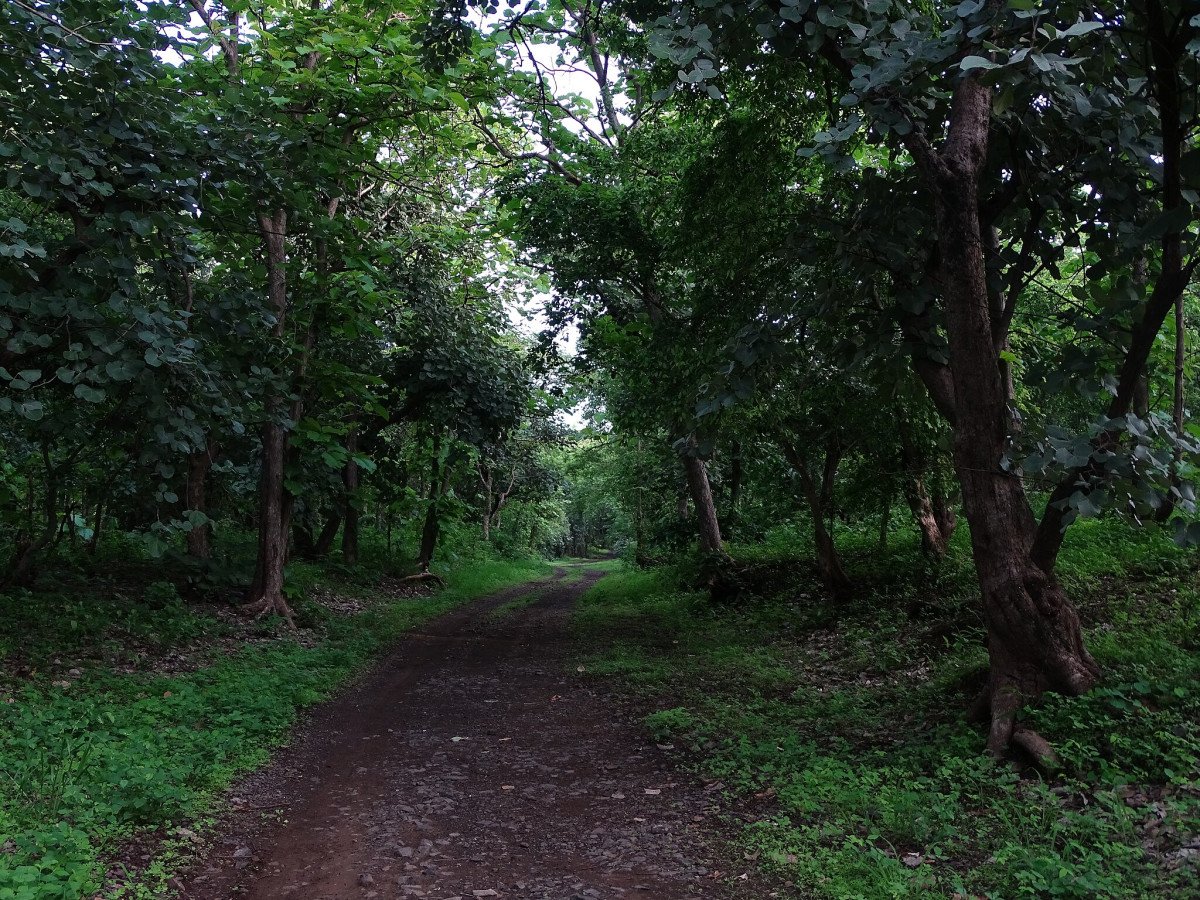
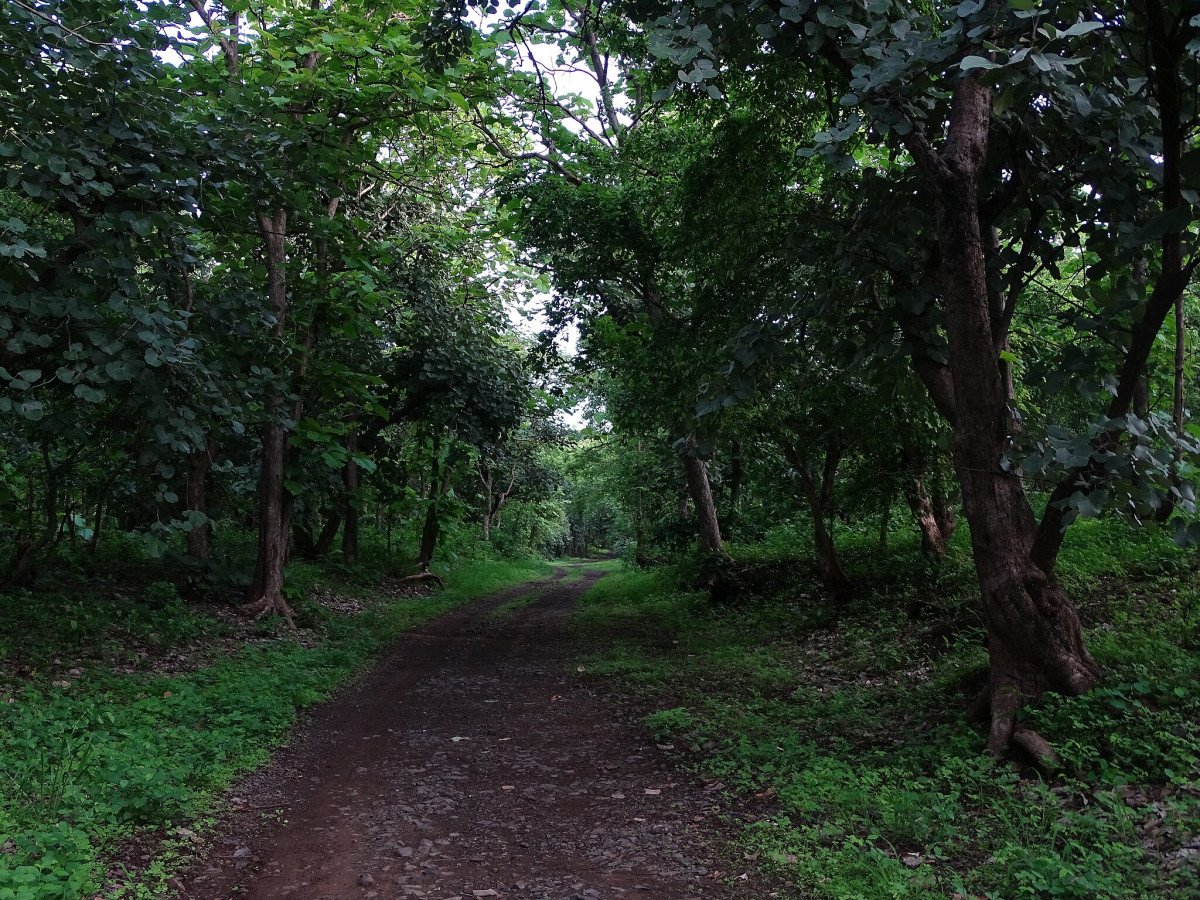
Gugamal National Park
General information
-
Ideal Duration:
1-2 DaysPlace Type:
Wildlife:
National Park and Tiger Reserve:Entry Fees:
Entry for Indian Adults: Fees are levied for park entry and safari access, typically around Rs.30 per person for entry, plus a substantial fee for the vehicle entry (e. g. , Rs.100 per car, Rs.150 for a heavier vehicle).
Jeep Safari Charges: The m...Entry for Indian Adults: Fees are levied for park entry and safari access, typically around Rs.30 per person for entry, plus a substantial fee for the vehicle entry (e. g. , Rs.100 per car, Rs.150 for a heavier vehicle).
Jeep Safari Charges: The most significant cost is the mandatory safari jeep hire and guide/driver charges, which can be Rs.2000-Rs.4000 per trip, depending on the route and duration. This is usually split among 6 people.
Camera Charges: Fees are charged for carrying still cameras (e. g. , Rs.500 for Indian nationals) and much higher for cine or professional video cameras (e. g. , Rs.5000 for Indian nationals).
Foreigner Charges: Fees for foreigners are significantly higher across all categories (entry, vehicle, and camera) to promote fair pricing and subsidize local conservation efforts. :Timing:
Regular Timings:
Safari timings are typically twice a day: Morning (6:00 AM to 10:00 AM) and Evening (2:00 PM to 6:00 PM), but are strictly seasonal and vary by gate. The park office and interpretation centers are usually open 10:00 AM to 5:...Regular Timings:
Safari timings are typically twice a day: Morning (6:00 AM to 10:00 AM) and Evening (2:00 PM to 6:00 PM), but are strictly seasonal and vary by gate. The park office and interpretation centers are usually open 10:00 AM to 5:00 PM.
Ideal Visit Time: Early Morning safaris offer the best chance for wildlife sightings, as animals are most active during this cooler period. The evening safari is also good for photography and predator sightings.
Park Closure: The Core Zones are typically Closed during the Monsoon season (July 1st to September 30th) for road repair and the breeding season.
Best Day to Visit: Weekdays are always better for avoiding crowds and ensuring easier booking of safari permits. :Special Events:
Holi and Dussehra Tribal Festivals: The Korku tribes in the villages surrounding the park celebrate Holi and Dussehra with unique rituals, music, and dancing, offering an authentic cultural experience (check dates and protocols before visiting).
...Holi and Dussehra Tribal Festivals: The Korku tribes in the villages surrounding the park celebrate Holi and Dussehra with unique rituals, music, and dancing, offering an authentic cultural experience (check dates and protocols before visiting).
Wildlife Week Celebrations: Held in October, this week involves special nature trails, talks, and awareness programs at the interpretation centers, attracting researchers, students, and conservation enthusiasts.
Seasonal Opening and Closing: The park adheres to strict opening and closing schedules; the park's closure during peak monsoon (July to September) is itself a special event marking the breeding season and the regeneration of the forest.
Local Melghat Fairs: Small, annual livestock or agricultural fairs in the nearby villages (Chikhaldara, Dharni) are a chance to witness the regional community life and trade. :Best Photo Spots:
The Safari Track Views: The winding forest roads, especially those leading to a waterhole or across a dry riverbed, provide dramatic framing opportunities for wildlife sightings.
The Tree Canopy and Dappled Light: Capture the dense canopy an...The Safari Track Views: The winding forest roads, especially those leading to a waterhole or across a dry riverbed, provide dramatic framing opportunities for wildlife sightings.
The Tree Canopy and Dappled Light: Capture the dense canopy and the beautiful, filtered light streaming through the leaves, especially at sunrise or sunset.
Gavilgarh Fort Vista: The views from the top of Gavilgarh Fort offer a stunning, expansive landscape of the rolling Melghat hills and the vast forest below, excellent for panorama shots.
Waterhole Reflections: Capture the reflection of animals or the surrounding jungle in a calm waterhole during the summer morning hours.
Interpretation Center Displays: The murals, models, and exhibits at the Semadoh center offer high-quality documentation and cultural photo opportunities related to the park's history and ecology. :Photo Gallery
Things To Do
-
Wildlife Safari: Undertake the primary activity—a Jeep Safari through the designated tourist zones (Semadoh, Kolka, etc. ) for a chance to spot tigers, sloth bears, gaur, and deer.
Bird Watching: Dedicate time to birding, especially near water sources and early in the morning, using binoculars to spot unique species like the Malamala Hornbill or various raptors.
Nature Interpretation Center Visit: Spend time at the Semadoh Nature Interpretation Center to learn about the park's ecology, flora, and fauna, and the Project Tiger initiative.
Trekking and Nature Walks: Engage in permitted and guided nature walks or trekking in the buffer zones or specific ecotourism villages like Gullarghat for a ground-level forest experience.
Korku Cul...
Information
-
Why Famous:
Tiger Reserve Status: Its primary fame is its status as one of India's oldest and most important Tiger Reserves, protecting a viable population of the Bengal Tiger.
Gaur and Wild Dog Habitat: It is one of the few places in central India wher...Tiger Reserve Status: Its primary fame is its status as one of India's oldest and most important Tiger Reserves, protecting a viable population of the Bengal Tiger.
Gaur and Wild Dog Habitat: It is one of the few places in central India where one can reliably sight the majestic Gaur (Indian Bison) and the elusive Dhole (Indian Wild Dog).
Diverse Avifauna: The park is a paradise for bird watchers, with over 260 bird species, making it a critical ornithological spot in Maharashtra.
Melghat Region's Beauty: Its location in the stunning, rugged landscape of the Melghat region (part of the Satpura ranges) near the hill station of Chikhaldara makes it famous for its breathtaking, wild natural beauty. : -
Architecture:
Natural Architecture: The 'architecture' is primarily the natural environment—rugged hills, dense forests, deep ravines (known locally as khohs), and river systems (e. g. , the Tapti River tributaries).
Forest Type and Canopy: The canopy i...Natural Architecture: The 'architecture' is primarily the natural environment—rugged hills, dense forests, deep ravines (known locally as khohs), and river systems (e. g. , the Tapti River tributaries).
Forest Type and Canopy: The canopy is a dry deciduous forest, characterized by tall Teak trees (up to 30 meters in height) and dense undergrowth of various bamboo species. The natural layering of the forest creates varied micro-habitats.
Dimension and Scale:
The sheer scale is its most defining dimension: 1673. 93 square kilometers (the national park area). The entire Melghat Tiger Reserve is much larger. This vast, fragmented landscape, including cliffs and plateaus of the Satpura hills, dictates the limited road network and the positioning of tourist infrastructure like forest rest houses and safari gates.
Functional Structures: Infrastructure like the Semadoh Nature Interpretation Center and observation points are built using local materials (stone, wood) to blend with the natural environment, following a rustic, sustainable architectural style. : -
How To Reach:
By Air: The nearest major airport is Dr. Babasaheb Ambedkar International Airport in Nagpur (NAG), about 250-280 KMS away. Hire a private taxi for the 5-6 hour journey to Chikhaldara or Semadoh.
By Train: The nearest major station is Badne... -
Near Tourist Places:
Chikhaldara Hill Station (30 KMS from Semadoh Gate), Gavilgarh Fort (25 KMS), Bhimkund Point (2 KMS from Chikhaldara), Narnala Fort (120 KMS), Muktagiri Jain Temples (25 KMS), Panchbol Point (10 KMS), Kalapani Lake (20 KMS), Amner Fort (50 KMS), Dharni Town (40 KMS), Semadoh Interpretation Center (Adjacent to Gate):
Tourism Tips
-
Health & Safety: Follow the instructions of the forest guide strictly; keep a safe distance from wildlife. Carry a basic first-aid kit, and anti-malarial tablets (Monsoon/Post-Monsoon). Wear natural-colored clothing (greens, browns). Never exit the jeep.
Reviews
Gugamal National Park Tourism:-
Information about New and Updated Locations(608+) of Maharashtra Has Been Added :-
Card subtitle
Note:-
Information provided here in good Faith and for reference only.
All information and pictures will be updated soon, please keep visiting.
Near Places

Ambadevi Temple
Some quick example text to build on the card title and make up the bulk of the card's content.
Go somewhere
Bamboo Garden
Some quick example text to build on the card title and make up the bulk of the card's content.
Go somewhere
Bor River Dam
Some quick example text to build on the card title and make up the bulk of the card's content.
Go somewhere
Bor Tiger Reserve
Some quick example text to build on the card title and make up the bulk of the card's content.
Go somewhere
Chatri Talao
Some quick example text to build on the card title and make up the bulk of the card's content.
Go somewhere
Chikhaldara Hill Station
Some quick example text to build on the card title and make up the bulk of the card's content.
Go somewhere
Devi Point
Some quick example text to build on the card title and make up the bulk of the card's content.
Go somewhere
Gawilgarh Fort
Some quick example text to build on the card title and make up the bulk of the card's content.
Go somewhere
Gugamal National Park
Some quick example text to build on the card title and make up the bulk of the card's content.
Go somewhere
Hurricane Point
Some quick example text to build on the card title and make up the bulk of the card's content.
Go somewherein Other Cities