

Haflong
General information
-
Ideal Duration:
2 to 3 Days is ideal to explore the town and nearby attractions.Place Type:
Hill Station / Nature / AdventureEntry Fees:
General Entry: Most natural spots like Haflong Lake and View Points are free for public access.
Orchid Garden: A nominal fee of INR 20 to INR 50 may be charged for maintenance.
Jatinga Center: A small entry ...General Entry: Most natural spots like Haflong Lake and View Points are free for public access.
Orchid Garden: A nominal fee of INR 20 to INR 50 may be charged for maintenance.
Jatinga Center: A small entry fee of INR 10 is usually required to enter the bird watching tower area.Timing:
Regular Timings: 6:00 AM to 6:00 PM for most outdoor spots.
Ideal Visit Time: Early morning (6:30 AM) for lake views and late afternoon (4:00 PM) for viewpoints.
Seasonal Change: During winter, sunsets are e...Regular Timings: 6:00 AM to 6:00 PM for most outdoor spots.
Ideal Visit Time: Early morning (6:30 AM) for lake views and late afternoon (4:00 PM) for viewpoints.
Seasonal Change: During winter, sunsets are early, so outdoor activities should be planned before 5:00 PM.Special Events:
Chavang Kut Festival: Celebrated in November, this is a major harvest festival of the Kuki tribe featuring traditional dances and music.
Falcon Festival: Held in Umrangso (near Haflong) to celebrate the arrival of migratory Amur Falcons, foc...Chavang Kut Festival: Celebrated in November, this is a major harvest festival of the Kuki tribe featuring traditional dances and music.
Falcon Festival: Held in Umrangso (near Haflong) to celebrate the arrival of migratory Amur Falcons, focusing on wildlife conservation and local culture.Best Photo Spots:
Haflong Lake Bridge: The wooden bridge over the lake provides a picturesque backdrop, especially during the early morning fog.
Fiangpui Hilltop: Offers a sweeping 360-degree view of the entire Haflong town nestled among the green hills.
...Haflong Lake Bridge: The wooden bridge over the lake provides a picturesque backdrop, especially during the early morning fog.
Fiangpui Hilltop: Offers a sweeping 360-degree view of the entire Haflong town nestled among the green hills.
Jatinga Valley: The winding roads and the bird watchtower provide excellent landscape photography opportunities, especially during the monsoon transition.
Maibong Stone House: A unique monolithic structure that makes for a perfect historical and architectural photograph.Photo Gallery
Things To Do
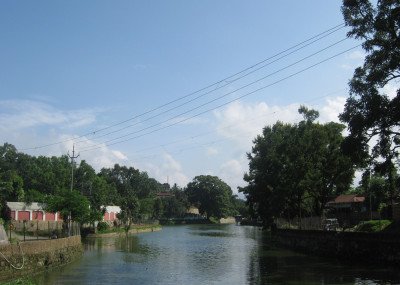 Haflong Lake stands as one of the largest and most picturesque natural water bodies in Assam, nestled at an altitude of approximately 1,683 feet (about 513 meters) above mean sea level. This pristine water body is the centerpiece of Haflong, the charming headquarters of the Dima Hasao district, which is often lovingly referred to as the "Switzerland of the East" due to its stunning natural beauty. The lake is naturally fed by streams flowing down from the surrounding Haflong Hill ridges and serves as a vital ecological and recreational hub for the town. The calm, often clear waters are encircled by tall, verdant hills and small patches of colonial-era architecture, offering a breathtaking panorama that changes beautifully with the daylight. The area is maintained and protected by the Dima Hasao Tourist/Forest Department, ensuring its pristine condition for both the local community and tourists. For the indigenous Dimasa tribes and other local residents, the lake is more than just a tourist spot; it is a source of serenity, a place for social gatherings, and historically, a source of water and livelihood. The cool, breezy climate throughout the year enhances the lake's appeal, making it an ideal destination for leisure travelers seeking tranquility away from the noise of city life. The combination of easy accessibility, natural beauty, and available activities like boating and walking trails firmly establishes Haflong Lake as the most popular attraction in the hill station. In essence, it captures the unspoiled, charming essence of the entire Haflong region.
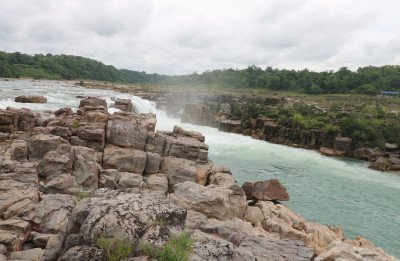 The Bendao Baglai Waterfalls are a spectacular series of three cascades hidden deep within the lush green forests of the Dima Hasao district, near the village of Samparidisa. This natural wonder offers a refreshing escape and is a must-visit for adventure enthusiasts. The name "Bendao Baglai" is derived from the local Dimasa language, where 'Bendao' means "two sisters" and 'Baglai' means "to jump down." Local legend suggests that the name originated from a tragic story where two sisters committed suicide by jumping from the first of the three falls, giving the site its unique and poignant identity. The journey to the waterfalls itself is an adventure, involving an intense trekking route that winds through patches of thick vegetation, 'jhum' (shifting) cultivation fields, wet terrace farms, and dense bamboo groves. The terrain is rugged and challenging, making the trek an exhilarating experience that requires a good level of physical fitness and mental preparedness. The falls are known for their pristine beauty, crystal clear water, and the serene, untouched environment. The triple waterfalls flow down the hilly landscape, creating natural pools at various levels, surrounded by the tranquil sounds of nature. It's a place where one can truly connect with the raw beauty of Northeast India. The area is a less-explored gem, retaining its natural charm and attracting travelers who seek offbeat destinations away from the typical tourist crowds. The local community of Samparidisa is actively involved in eco-tourism, often providing guides to ensure a safe and responsible visit. The entire expedition, from the village to the farthest cascade and back, can take up to 5 hours, making it a full-day commitment for trekkers.
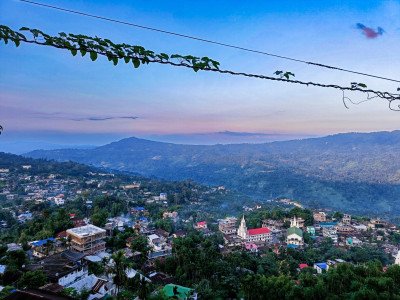 Star View Point, officially referred to by locals and some directories as Haflong Town View or Muolpong, is one of the most accessible and captivating viewpoints in Haflong, the only hill station in Assam. It offers a breathtaking panoramic vista of the entire Haflong town nestled amidst the azure hills of the Dima Hasao district. Located merely 500 meters from the bustling main bazaar, it serves as a tranquil escape and a perfect spot to appreciate the region's natural splendour. The viewpoint provides a complete visual narrative of the town’s layout, surrounded by rolling hills and lush greenery. Visitors often describe the atmosphere here as profoundly serene, enhanced by a cool, refreshing breeze that sweeps across the hilltop. An observation tower, though simple in structure, provides an elevated vantage point for an even wider view. The sight is particularly enchanting during the early mornings, when the valley is often shrouded in mist, or late evenings, when the town lights begin to twinkle against the backdrop of a setting sun. The surrounding area is relatively undeveloped, maintaining a rustic charm that appeals to nature lovers and photographers. It’s a favorite spot for locals and tourists alike to relax, unwind, and soak in the majestic beauty of the North Cachar Hills. The simplicity of the place—just the view, the breeze, and the silence—is its greatest asset. Small local vendors sometimes set up stalls nearby, offering authentic local snacks, which adds a touch of local experience to the visit. The viewpoint embodies the nickname given to Haflong, the "Switzerland of the East," by showcasing its pristine, unadulterated natural landscape. It truly acts as a perfect introduction to the mesmerizing scenery that the Dima Hasao region has to offer to its visitors.
 @@A Journey into the Past: Maibong, which means "plenty of rice" in the Dimasa language, was the historic capital of the Dimasa Kachari kingdom from the 16th to the 18th century. Situated on the banks of the Mahur River, this ancient town is a treasure trove for history buffs and archeology enthusiasts. After the fall of their capital in Dimapur, the Dimasa kings moved here, carving a civilization out of the rugged hills and river valleys. The town is famous for its stone inscriptions, ruins of ancient palaces, and monolithic structures that have survived centuries of weather and war. Walking through Maibong feels like stepping back in time, with the gentle river flowing past the remnants of a once-powerful dynasty. The surrounding hills are covered in thick forests and paddy fields, maintaining the fertile abundance that gave the town its name. It is now a regional headquarter but remains deeply connected to its royal roots. Visitors can explore the ruins scattered across the town, many of which are yet to be fully documented by historians. The people of Maibong are proud guardians of their heritage, often sharing folk tales about the brave kings and queens who ruled from this valley. The town also serves as a peaceful retreat, offering a slower pace of life compared to the more touristy Haflong. For anyone interested in the medieval history of Northeast India, Maibong is an indispensable destination that offers beauty and wisdom in equal measure.
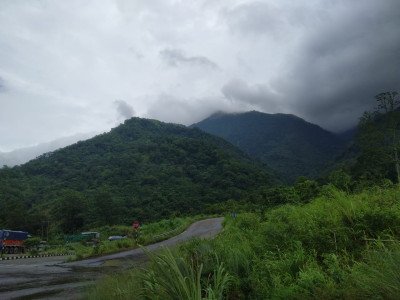 Haflong Hill stands as the majestic centerpiece of Haflong, the only hill station in the state of Assam. Often lovingly called the 'Switzerland of the East', this hill is the headquarters of the Dima Hasao district and serves as the primary gateway to the region’s stunning natural beauty. The name Haflong itself is believed to be derived from a Dimasa word meaning 'Ant Hill'. The hill offers an unparalleled, panoramic view of the surrounding valleys, the town of Haflong nestled below, and the shimmering Haflong Lake. The atmosphere here is one of profound tranquility and refreshing coolness, characterized by rolling mists and a rich, luxurious carpet of diverse flora and fauna. The journey to the top is an experience in itself, passing through dense green forests, small local settlements, and patches of unique orchids. The viewpoint atop the hill is a popular spot for both early morning sunrise viewers and late afternoon sunset admirers. It is a haven for nature lovers, offering a complete escape from the bustle of city life. The air is crisp, carrying the scent of pine and wild flowers. The entire hill area is a vast, natural conservatory, hosting an eclectic mix of tribal communities like the Dimasa, Hmar, and Kuki, whose culture and traditions add a rich, human dimension to the landscape. It's an essential pilgrimage for anyone seeking the unadulterated beauty of Northeast India, providing breathtaking vistas that stretch far into the distant Barail Range. The hill's elevation and strategic location make it an ideal spot for gazing at the star-studded night sky, a stark and mesmerizing contrast to the well-lit cities. This majestic vantage point epitomizes the raw, untouched wilderness that defines the Dima Hasao region, promising visitors a memorable and soul-soothing experience.
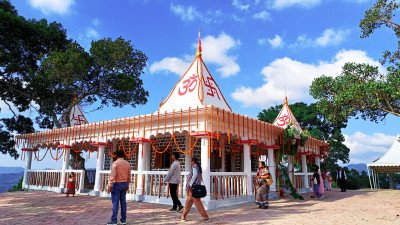 The Devi Mandir View Point is more than just a scenic spot; it is a blend of natural beauty and spiritual solace, perched atop one of the serene hillocks in the upper reaches of Haflong. Serving as both a revered Hindu shrine dedicated to a local Goddess (Devi) and a vantage point, it offers an uninterrupted, breathtaking, 360-degree panorama of the surrounding Borail Mountain Range, the cascading valleys, and the picturesque tapestry of the Haflong town nestled below. The air here is noticeably crisp and cool, carrying the gentle scent of pine and wild orchids, creating a meditative atmosphere that invites quiet contemplation. The journey to the viewpoint is itself an experience, passing through winding mountain roads lined with dense foliage and traditional houses of the Dimasa community. The temple structure is modest yet vibrant, reflecting the deep faith of the local populace. Visitors often find themselves drawn to the spiritual energy of the temple before moving to the viewing platform to witness the spectacular sunrise or sunset. The viewpoint is a testament to Haflong's nickname, the "Switzerland of the East," offering stunning visual contrasts—the lush green slopes meeting the clear blue sky. It stands as a pivotal cultural and scenic landmark, appealing equally to pilgrims, nature enthusiasts, and photographers seeking the quintessential Haflong experience. Its elevation provides a commanding perspective, allowing one to appreciate the unique geographical layout of Assam's only hill station, making it an essential stop for any visitor. The spot is particularly cherished for its peaceful environment, providing a perfect escape from the bustle of the town's market areas.
 The Orchid Garden Haflong is a beautiful botanical sanctuary nestled in the heart of Haflong, the solitary hill station of Assam. It serves as a vital conservation and display centre for the region's rich orchid diversity. Haflong, known for its stunning natural beauty, with mist-kissed hills and lush green valleys, provides the perfect, serene backdrop for this garden. The garden is a treasure trove, housing an extensive collection of orchid species, many of which are native (endemic) to the North Cachar Hills and the broader Northeast Indian region. Visitors can take peaceful, winding walks along the garden's well-kept paths, immersing themselves in the tranquil atmosphere. Beyond its visual appeal, the garden plays a crucial educational role, raising public awareness about the importance of floral biodiversity and the need to conserve these delicate, exotic flowers. It is also an important site for botanists and horticulturists, acting as a research and study centre. The environment is not just defined by its flowers; the calm setting is enhanced by the sounds of various bird species, making it an excellent spot for bird-watching. The garden offers a refreshing break from city life, inviting one to relax and appreciate nature's artistry in a quiet, undisturbed setting. The vibrant colours and delicate structures of the orchids on display make it a paradise for nature lovers and photographers alike, reflecting the rich ecological wealth of the Dima Hasao district. The Orchid Garden Haflong is more than just a garden; it is a living museum dedicated to the preservation of a unique natural heritage.Show All
 Jatinga is a small village famous worldwide for a bizarre and mysterious phenomenon: the "bird suicides." Every year, primarily during the late monsoon months of September and October, a peculiar event occurs, usually between 6:00 PM and 9:30 PM on dark, foggy, and moonless nights. Flocks of various bird species, including local residents like the Little Egret, Tiger Bittern, and Green Pigeon, fly towards the lights of the village and become disoriented, crashing into buildings, trees, or the ground. For decades, locals and outsiders believed this was a mass suicide, but scientific studies, notably by ornithologists like Dr. Salim Ali, suggest the birds are disoriented by the unique weather conditions—high altitude, heavy fog, and high-velocity winds—which, combined with the village's lights, confuses them. The birds, mostly juveniles, fly towards the light for refuge, leading to their tragic fate. The Bird Watching Tower is perched on a ridge offering a vantage point to observe the valley and understand this phenomenon. The tower often contains photographic and textual information about the incident. The area is overseen by the District Forestry Office in Haflong. Samparidisa Village, located near Jatinga, is a contrastingly serene destination promoted as an Eco-Tourism Village. It is known for its natural beauty, lush greenery, and efforts towards sustainable tourism. The village offers a peaceful escape and is one of the cleanest villages in Assam. It is a great place to experience the traditional life of the local tribal communities, like the Khasi-Pnar and Dimasa people. The area is also famous for the scenic Bendao Baiglai Waterfalls, which offers a refreshing retreat amidst the hills. While Jatinga draws visitors for its mystery, Samparidisa attracts those seeking tranquility, nature walks, and an authentic rural experience in the Dima Hasao district.
Information
-
Why Famous:
The Only Hill Station: Haflong is the only hill station in Assam, offering a climate and terrain distinct from the rest of the state.
Scenic Haflong Lake: It is famous for the large natural lake located in the town center, perfect for boatin...The Only Hill Station: Haflong is the only hill station in Assam, offering a climate and terrain distinct from the rest of the state.
Scenic Haflong Lake: It is famous for the large natural lake located in the town center, perfect for boating.
Mysterious Jatinga: Known for the "bird suicide" phenomenon that occurs between September and November.
Judima Rice Wine: Famous for Judima, a traditional rice wine of the Dimasa people which has received the GI Tag.
Horticulture Hub: Renowned for producing some of the finest Pineapples and Oranges in the North East region. -
Architecture:
Colonial and Tribal Architecture: The architecture of Haflong is a fascinating mix of British colonial influence and traditional tribal styles.
Colonial Buildings: Many government buildings and old bungalows feature the Assam-type architectu...Colonial and Tribal Architecture: The architecture of Haflong is a fascinating mix of British colonial influence and traditional tribal styles.
Colonial Buildings: Many government buildings and old bungalows feature the Assam-type architecture, characterized by high ceilings, wooden floors, and slanting roofs designed to withstand heavy rainfall. The Haflong Circuit House is a prime example of this heritage.
Tribal Structures: Local homes in surrounding villages like N. Leikul are often built using bamboo, cane, and thatch, showcasing sustainable dimensions. Typical tribal huts measure around 20x15 feet with elevated floors to protect against dampness. -
How To Reach:
By Air: The nearest airport is Silchar Airport (IXS), located about 100 KM away. However, most travelers prefer Guwahati Airport (GAU), which is 330 KM away but has better connectivity. From the airport, one can hire a private taxi to reach Haflong.
Read MoreBy Air: The nearest airport is Silchar Airport (IXS), located about 100 KM away. However, most travelers prefer Guwahati Airport (GAU), which is 330 KM away but has better connectivity. From the airport, one can hire a private taxi to reach Haflong.
By Train: New Haflong Railway Station (NHLG) is the primary railhead. It is well-connected to Guwahati, Silchar, and Tripura. The train journey from Guwahati is highly recommended as it passes through scenic tunnels and bridges.
By Road: Haflong is connected by NH-27. Regular bus services and shared sumos operate from Guwahati (310 KM), Silchar (100 KM), and Jorhat. The road journey offers beautiful mountain views but can be long.
By Local Transport: Within the town, auto-rickshaws and taxis are the main modes of transport. Walking is also a great way to explore the hilly lanes of the town center.Weather and Best Time to Visit:
Winter Season: October to February is the best time when the weather is cool (10°C to 20°C) and the skies are clear.
Monsoon Season: June to September brings lush greenery but also risks of landslides; however, waterfalls are at their pea...Winter Season: October to February is the best time when the weather is cool (10°C to 20°C) and the skies are clear.
Monsoon Season: June to September brings lush greenery but also risks of landslides; however, waterfalls are at their peak.
Summer Season: March to May is pleasant, making it a good escape from the heat of the plains.
Parts of Day: Early mornings are best for lake activities, while evenings are perfect for exploring the local markets.Near Tourist Places:
1. Jatinga (9 KM), 2. Maibong (47 KM), 3. Panimoor Falls (50 KM), 4. Umrangso (110 KM), 5. Silchar (100 KM), 6. Borail Wildlife Sanctuary (40 KM), 7. Fiangpui (3 KM), 8. Mahur (35 KM), 9. Harangajao (45 KM), 10. Dimapur (150 KM).Tourism Tips
-
Health & Safety: Carry basic medicines for motion sickness as the roads to Haflong are winding. Always stay on marked trails during treks.
Packing Essentials: Carry light woolens even in summer; heavy woolens are necessary for winter. Stu...Health & Safety: Carry basic medicines for motion sickness as the roads to Haflong are winding. Always stay on marked trails during treks.
Packing Essentials: Carry light woolens even in summer; heavy woolens are necessary for winter. Sturdy walking shoes are a must.
Accommodation: Haflong has several cozy homestays and government guest houses; booking in advance during peak winter is advised.
Cultural Respect: Respect the traditions of the local tribes. Ask for permission before taking photos of people or their homes.
Reviews
FAQs
Haflong Itineray And Cost:-
Information about New and Updated Locations() of Assam Has Been Added :-
Card subtitle
Note:-
Information provided here in good Faith and for reference only.
Near Places
Agnigarh
Some quick example text to build on the card title and make up the bulk of the card's content.
Go somewhere
Barpeta
Some quick example text to build on the card title and make up the bulk of the card's content.
Go somewhere
Bhalukpong
Some quick example text to build on the card title and make up the bulk of the card's content.
Go somewhere
Diphu
Some quick example text to build on the card title and make up the bulk of the card's content.
Go somewhere
Goalpara
Some quick example text to build on the card title and make up the bulk of the card's content.
Go somewhere
Guwahati
Some quick example text to build on the card title and make up the bulk of the card's content.
Go somewhere
Haflong
Some quick example text to build on the card title and make up the bulk of the card's content.
Go somewhere
Hajo
Some quick example text to build on the card title and make up the bulk of the card's content.
Go somewhere
Majuli Island
Some quick example text to build on the card title and make up the bulk of the card's content.
Go somewhere
Nagaon
Some quick example text to build on the card title and make up the bulk of the card's content.
Go somewhere
Silchar
Some quick example text to build on the card title and make up the bulk of the card's content.
Go somewhere
Sualkuchi
Some quick example text to build on the card title and make up the bulk of the card's content.
Go somewhere
Tezpur
Some quick example text to build on the card title and make up the bulk of the card's content.
Go somewhere
Tinsukia
Some quick example text to build on the card title and make up the bulk of the card's content.
Go somewhere
Umananda Island
Some quick example text to build on the card title and make up the bulk of the card's content.
Go somewherein Other Cities