


Karnal
General information
-
Ideal Duration:
1 to 2 DaysPlace Type:
Historic / UrbanTiming:
Regular Timings: 9:00 AM to 7:00 PM for major tourist spots.
Karna Lake: 6:00 AM to 8:00 PM.
Ideal Visit Time: Evenings are best for outdoor activities. ...Regular Timings: 9:00 AM to 7:00 PM for major tourist spots.
Karna Lake: 6:00 AM to 8:00 PM.
Ideal Visit Time: Evenings are best for outdoor activities.Special Events:
Karnal Festival: A local cultural celebration showcasing regional arts and crafts.
Baisakhi: Celebrated with great fervor due to the significant Sikh population.
Teej: A traditional Haryanvi festival where w...Karnal Festival: A local cultural celebration showcasing regional arts and crafts.
Baisakhi: Celebrated with great fervor due to the significant Sikh population.
Teej: A traditional Haryanvi festival where women enjoy swings and folk songs.Best Photo Spots:
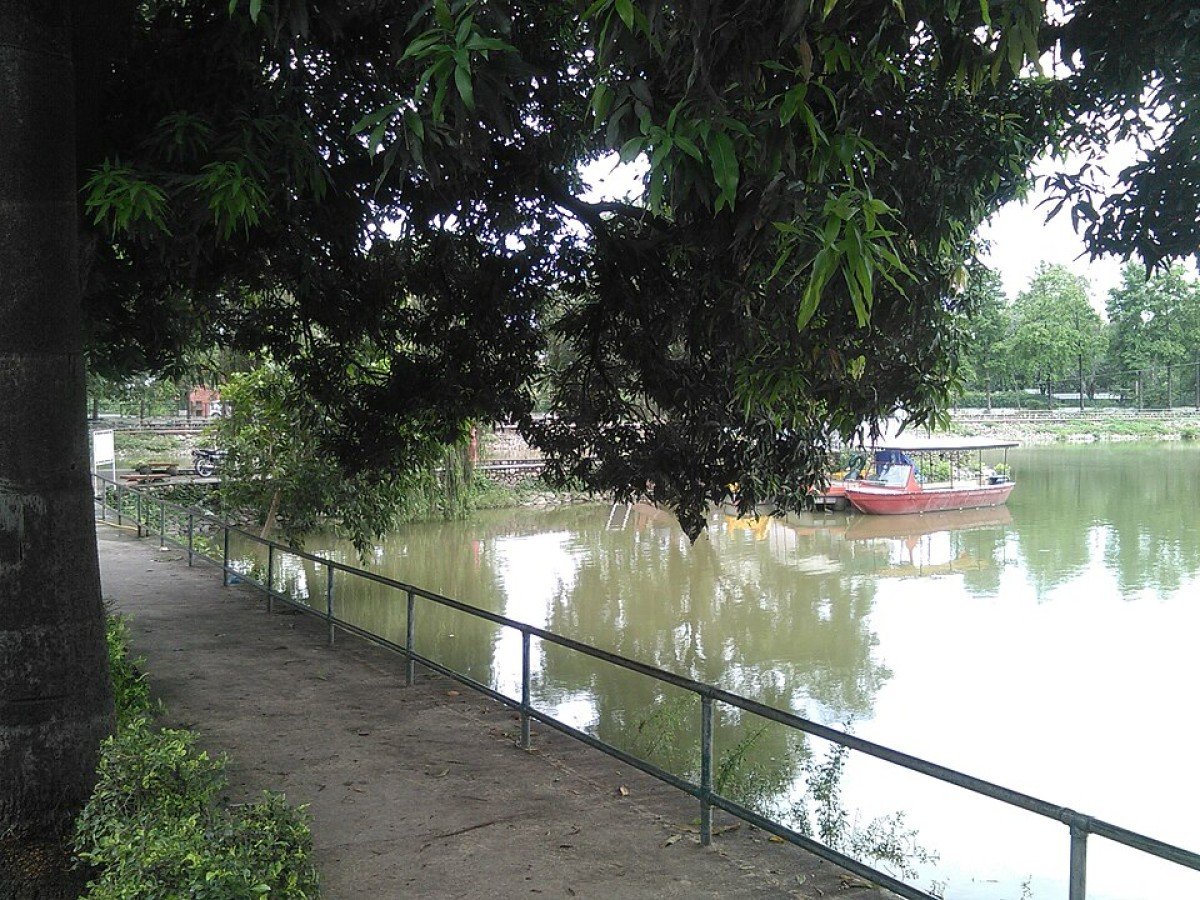
Karna Lake Promenade: Especially during the 'golden hour' at sunset.
Church Tower: Capturing the Gothic architecture against a blue sky.
Atal Park Fountain: A great spot for night-time long exposure photogra...Karna Lake Promenade: Especially during the 'golden hour' at sunset.
Church Tower: Capturing the Gothic architecture against a blue sky.
Atal Park Fountain: A great spot for night-time long exposure photography.
Mughal Bridge: For a rustic, historical vibe.Photo Gallery
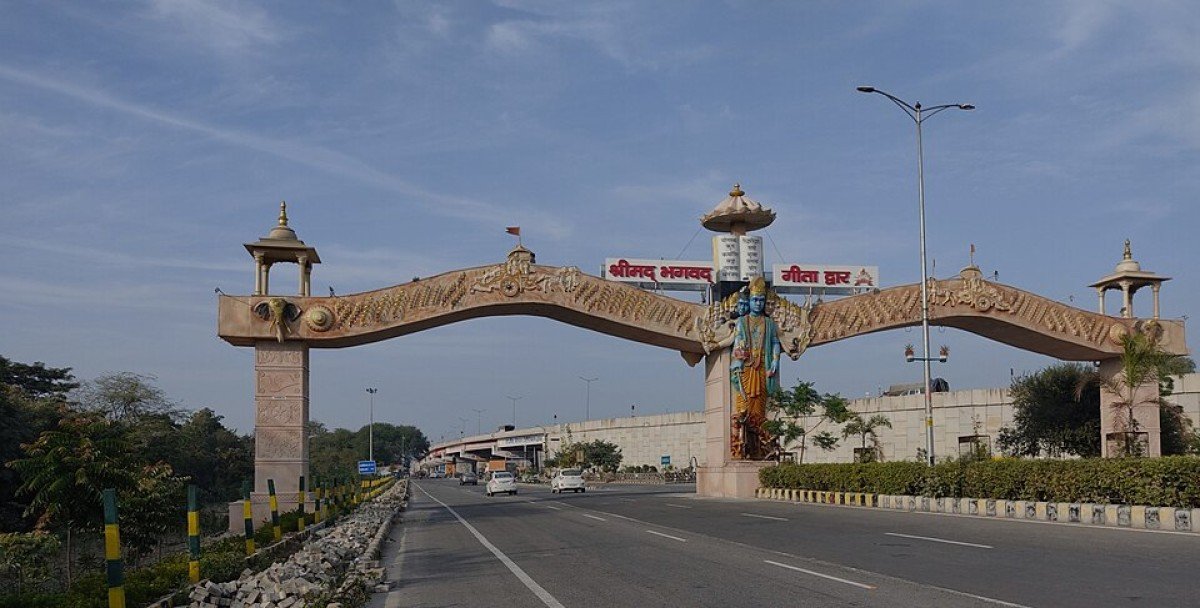
Things To Do
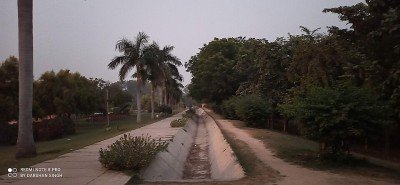 @@Historical Background of the Park::Atal Park in Karnal is a relatively modern addition to the city’s public spaces, named in honor of the former Prime Minister of India, Atal Bihari Vajpayee. It was developed by HUDA (Haryana Urban Development Authority) to enhance the green cover and provide a state-of-the-art recreational area for residents. The park's creation reflects a growing trend towards promoting urban wellness and sustainable living within the rapidly developing city of Karnal. The site was meticulously planned to offer a blend of natural beauty and modern amenities, making it a highly popular destination for all age groups. @@The Vision Behind the Development:: The primary vision for Atal Park was to create a multifaceted public space that caters to various needs, from fitness and leisure to community gatherings. Its design incorporates large, manicured lawns, diverse flora, and a central water body or lake feature, aiming to be a tranquil escape from the urban hustle. The development was part of a larger government initiative to beautify the city and provide a high-quality environment for public enjoyment and physical activity. The park is seen as a symbol of the city's commitment to improving the quality of life for its citizens. It is often lauded for its cleanliness and excellent maintenance. @@Role in Community Life and Events:: Beyond daily recreation, the park plays a vital role in the community life of Karnal. It frequently serves as a venue for morning yoga sessions, group exercises, and sometimes even small-scale cultural events and community festivals, especially during pleasant weather months. Its open and accessible design encourages social interaction, making it a hub for families, friends, and morning walkers to connect and engage. The park’s popularity has significantly contributed to the local tourism landscape, aligning with global trends favoring eco-friendly and health-conscious travel destinations. The beautiful landscaping and well-defined pathways are a testament to careful urban planning and dedication to public welfare. The park’s design ensures universal access, allowing everyone to enjoy its peaceful surroundings. (Approx. 405 words):
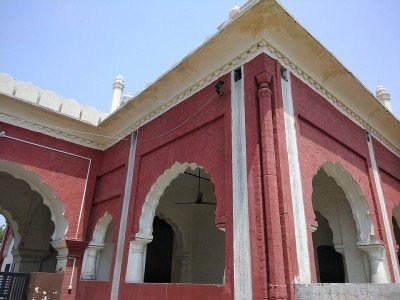
 @@Detailed History of Pukka Pul: The Pukka Pul, more formally recognized as the shrine of Sayyad Mohammad (alias Miran Sahib), is a site of deep historical and spiritual resonance located on the outskirts of Karnal. This structure, which dates back several centuries, is uniquely situated near an old bridge, from which it derives its local name "Pukka Pul." According to local legend, Miran Sahib was a saintly figure who played a significant role in the local folklore of the region. The shrine serves as a symbol of the syncretic culture of Haryana, where people from all walks of life and various religious backgrounds come to seek blessings and spiritual solace. It is believed that the saint possessed miraculous powers, and even today, many devotees visit the shrine with the firm belief that their wishes will be fulfilled by the grace of the Sayyad. The area surrounding the shrine has been developed into a serene landscape with green lawns and flowering plants, making it a peaceful retreat from the bustling GT Road. Visitors often find a sense of calm here, away from the city's noise, as they walk through the well-maintained pathways of the park. Historically, the bridge itself was a crucial part of the ancient transport network, and the shrine grew in importance alongside it. Today, it stands not just as a religious monument but as a historical landmark that tells the story of the medieval era in northern India. The combination of its spiritual vibe and historical architecture makes it a unique stopover for travelers passing through Karnal.
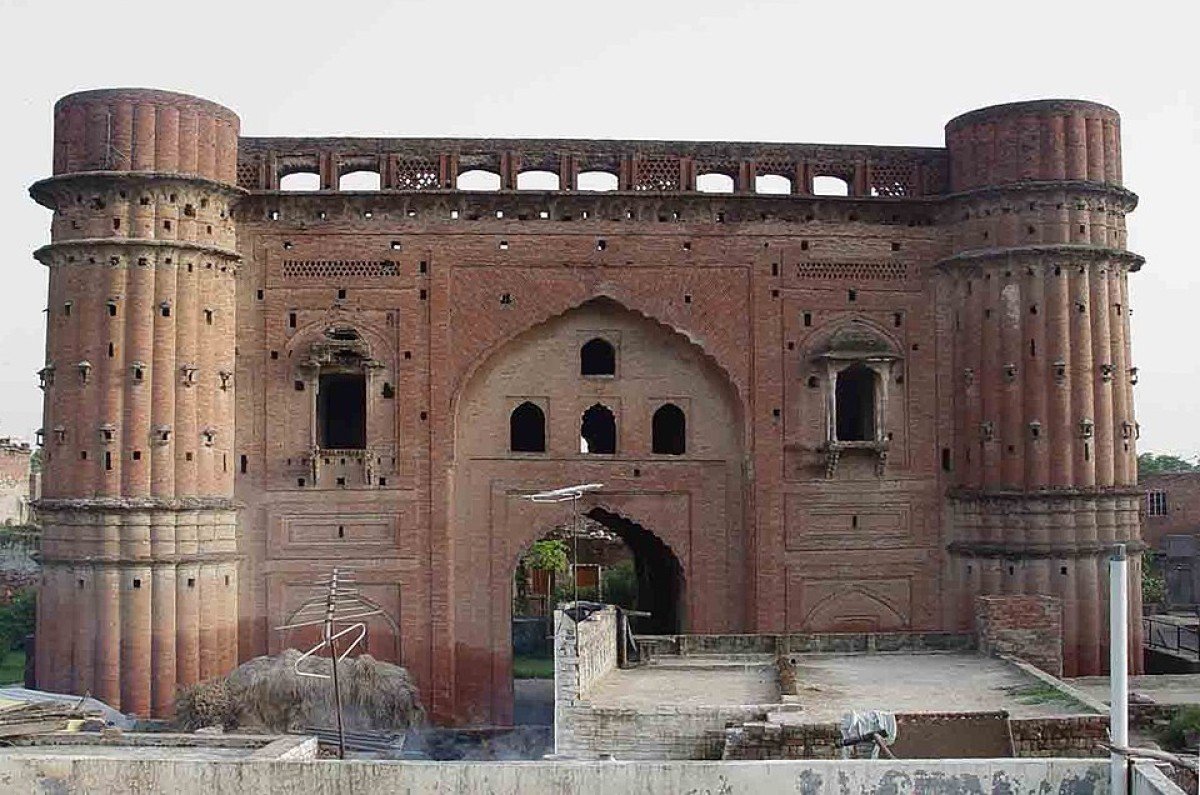
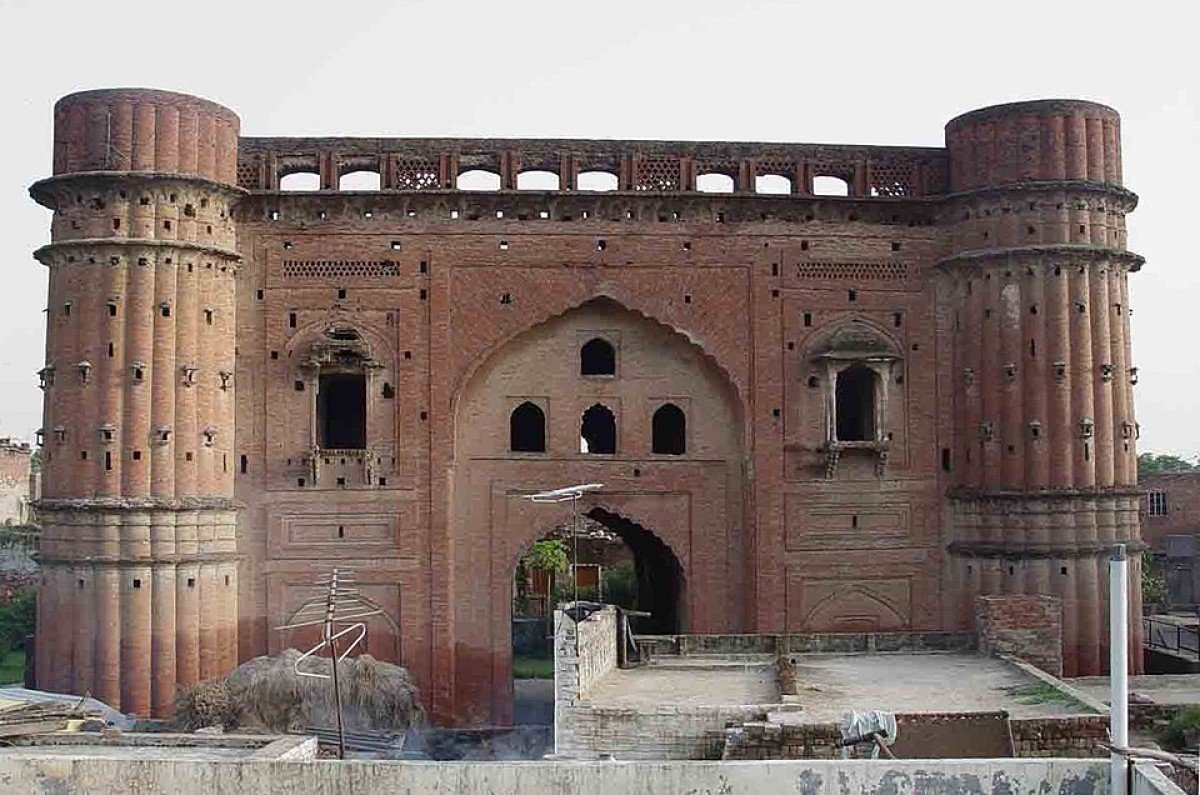
 @@A Fort of Shifting Powers: The Old Fort, also known as Karnal Fort, is a poignant reminder of Karnal's tumultuous past, situated right in the city center. Its historical roots are contested, with some accounts suggesting it was built during the early Mughal era, possibly by Emperor Babur, to serve as a military outpost controlling the strategic trade routes. Other, more reliable sources attribute its construction to Raja Gajpat Singh (the founder of the Jind State) in the 18th Century as a defensive stronghold against invaders. Regardless of its exact origin, the fort has been a silent witness to the changing dynamics of power, having been held by the Mughals, the Marathas, the Afghans, and eventually the British. Today, the fort is largely in ruins, a state of disrepair that speaks volumes about the neglect of historical sites. However, its remnants—the sturdy walls, arched gateways, and bastions—still provide a tangible connection to the bygone eras, attracting history enthusiasts and those keen to explore the region's rich, layered cultural heritage. Local efforts are occasionally made to preserve this significant symbol of Karnal's historical importance, hoping to bring it back to its former glory. (W.C. met)
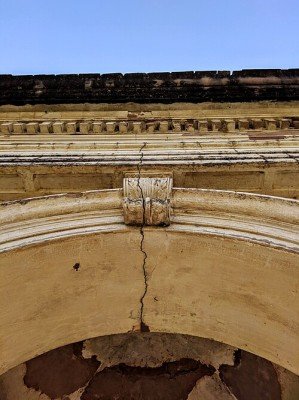 @@Historical Context and Function: The European Soldiers Grave (Cemetery) is a poignant historical site that served as the final resting place for European soldiers, officers, and their families who died while stationed at the British Cantonment in Karnal during the early 19th century (1811 to 1840 AD). This cemetery provides a silent and tangible record of the high mortality rates due to disease (like malaria, which plagued the area) and other causes faced by the British during their tenure in the region before the cantonment was shifted to Ambala in 1841. @@Size and Contents: The cemetery is a substantial piece of land, estimated to house around 500 graves, although many are now simple mounds or brick platforms due to the ravages of time and neglect before it was declared a protected monument. The inscriptions on the remaining headstones date back to the period of 1811 AD to 1840 AD, offering valuable historical data on the British presence. The site also has a strong connection to the nearby Cantonment Church Tower, which was part of the community that used this cemetery. @@A Protected Monument: Today, the cemetery is a protected monument under the Government of India, symbolizing the end of the colonial era in Karnal and serving as a key site for historical research and remembrance. Its solemn atmosphere invites contemplation on the complexities of the colonial past and the lives lost far from home. The boundary wall and the overall structure are maintained to ensure the preservation of this unique heritage site, making it a place of respect and historical learning for visitors from all backgrounds. (Approx. 405 words):
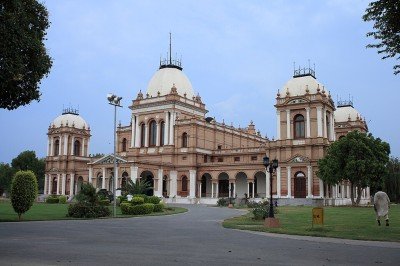 @@History and Grandeur: The Noor Mahal is not an ancient palace but a modern, ultra-luxurious hotel established in the year 2010, designed to recreate the majestic opulence of the royal era of Indian Maharajas. It stands as a magnificent tribute to the rich heritage and architectural brilliance of Mughal and Rajputana styles, offering visitors and guests a truly authentic royal experience combined with every possible modern amenity. The name Noor Mahal translates to "Palace of Light," which is perfectly reflected in its richly illuminated facade and exquisitely decorated interiors. The vision behind its creation was to build a landmark that embodies the grandeur and romanticism of historical Indian architecture, making it a popular destination for weddings, luxury staycations, and heritage tourism in Haryana. The property spans a large area, incorporating lush, landscaped gardens and intricate water features that enhance its palatial ambiance. It is owned by Col. Manbeer Choudhary and his wife Mrs. Binny Choudhary, who have infused their family legacy and passion for art into every detail of the palace, ensuring that it provides an unforgettable journey back in time to the age of kings and queens, making it a top tourist spot in Karnal today. The palace is designed on the multiple-level system traditionally used in royal residences, maintaining a low-rise structure to conserve the natural landscape, yet presenting an imposing and regal appearance to all who visit this marvel of modern heritage architecture. The blend of past and present luxury is what defines the unique charm of Noor Mahal. (W.C. met)
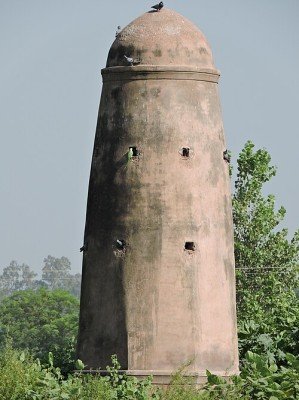
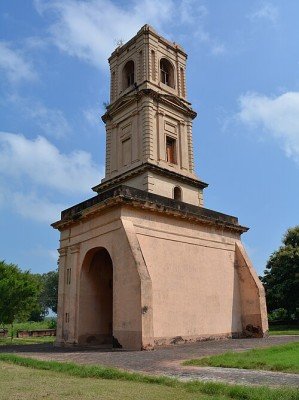 @@History of the St. James Church:Cantonment Church Tower is the sole surviving structure of the former St. James Church, an Anglican church established in Karnal during the British Raj. The church itself was originally founded around 1806 AD and served the large British cantonment stationed in the area. This church was a prominent part of the colonial life in Karnal, symbolizing the religious and administrative presence of the British. It was constructed through public contribution, highlighting its importance to the British community. @@The Dismantling of the Church: The significant historical event that led to the tower's standalone status occurred in 1841 AD when the entire British Cantonment was shifted from Karnal to Ambala due to the unhealthiness of the Karnal climate, particularly malaria. The main body of the St. James Church was carefully dismantled and its materials were transported to Ambala to construct the new St. Paul's Church there. However, for reasons not entirely clear—possibly due to its structural grandeur or public sentiment—the tall, imposing church tower was left standing as a solitary monument. @@A Protected Historical Monument: Today, the tower is a protected historical monument under the care of the Government of India, standing as a poignant, silent sentinel to the colonial era in Karnal. It is often referred to as the "Chimney" by locals due to its vertical, pillar-like structure. Its preservation ensures that this piece of Indo-British history remains a focal point for visitors interested in the colonial past of Haryana. It is an important site for understanding the shift in military and administrative centers in North India. (Approx. 405 words):
 @@Historical Significance of the Crossing: The Old Badshahi Bridge, locally known as Badshahi Pul or the Mughal Bridge, is a monumental stone structure in Karnal that holds immense historical value, dating back to the period between 1540 and 1544 AD. It is prominently associated with Emperor Sher Shah Suri, who is credited with building and improving the famous Grand Trunk Road (NH-44) and ensuring safe passage for travelers, although some accounts also mention its use or renovation during the reign of Shah Jahan in the 17th Century. The bridge was a critical component of the arterial road that connected the eastern and western parts of the vast Mughal Empire. It facilitated trade, military movement, and the flow of pilgrims, making Karnal an important stopover on the route. It is one of the few surviving historical bridges of its kind that is structurally sound despite centuries of use and neglect. The bridge’s existence is a tangible link to the golden age of the Mughal Empire and the strategic importance of the Karnal region. (W.C. met)Show All
 @@Historical Visit of Guru Nanak Dev Ji: Gurudwara Manji Sahib in Karnal is one of the most historically significant Sikh shrines in the region, built to commemorate the visit of Guru Nanak Dev Ji, the first Guru of the Sikhs, in 1515 AD during his first major religious journey (Udasi). According to Sikh history, the Guru stayed in a garden near the site and was engaged in singing sacred hymns (Shabads) to a large gathering of devotees. This event is the foundation of the Gurudwara's sanctity and importance. @@The Confrontation with Pir Abu Ali Shah Kalandar: The Gurudwara is also famous for the story of the confrontation between Guru Nanak Dev Ji and the local revered Muslim Pir, Abu Ali Shah Kalandar. The Pir, feeling his authority challenged by the growing crowd around the Guru, attempted to impress him by magically moving a wall towards him. The all-knowing Guru simply advised the wall to stop, which it did. The Pir, humbled by the Guru's spiritual power and wisdom, paid his respects and was advised to use his powers for human welfare, symbolizing the unity of spiritual paths. @@Later Visits and Spiritual Lineage: The site was also sanctified by the visit of the Sixth Sikh Guru, Guru Har Krishan Sahib, in 1663 AD, while he was on his journey to Delhi, and possibly by the Ninth Guru, Guru Tegh Bahadur. This repeated connection to the Sikh Gurus makes it a crucial historical and pilgrimage center for the Sikh faith. The present beautiful structure was built later, honoring the original Manji (seat) where the Guru sat. (Approx. 405 words):
Information
-
Why Famous:
Karna Lake: A beautiful man-made lake named after the tragic hero of Mahabharata.
Basmati Rice: A global leader in the production and export of aromatic rice.
NDRI: India’s premier dairy research institute...Karna Lake: A beautiful man-made lake named after the tragic hero of Mahabharata.
Basmati Rice: A global leader in the production and export of aromatic rice.
NDRI: India’s premier dairy research institute that cloned the first buffalo.
Strategic History: The site of major historical battles that changed India's destiny. -
Architecture:
Mughal Architecture: The Kalandar Shah’s Tomb features classic Mughal domes and marble latticework.
British Influence: The Cantonment Church Tower stands as a remnant of the British era, showcasing high-pointed arches in Gothic style, meas...Mughal Architecture: The Kalandar Shah’s Tomb features classic Mughal domes and marble latticework.
British Influence: The Cantonment Church Tower stands as a remnant of the British era, showcasing high-pointed arches in Gothic style, measuring about 35 meters in height.
Dimensions: The Old Badshahi Bridge is a sturdy Mughal structure with multiple arches spanning the old canal route.
Modern Structures: The Atal Park and Karna Lake facilities showcase contemporary landscape architecture with expansive greenery and man-made water bodies. -
How To Reach:
By Air: Delhi (DEL) is the nearest major international airport, 130 KMS away.
By Train: Karnal Railway Station is a major stop on the Delhi-Amritsar line.
By Road: Located exactly midway between Delhi and Ch...By Air: Delhi (DEL) is the nearest major international airport, 130 KMS away.
By Train: Karnal Railway Station is a major stop on the Delhi-Amritsar line.
By Road: Located exactly midway between Delhi and Chandigarh on NH-44.
By Local Transport: City buses, autos, and app-based cabs are easily available. -
Weather and Best Time to Visit:
Winter: November to February is the most pleasant time.
Spring: March is beautiful with blooming flowers in the parks.
Summer: Avoid May and June due to extreme heat.
Time of Da...Winter: November to February is the most pleasant time.
Spring: March is beautiful with blooming flowers in the parks.
Summer: Avoid May and June due to extreme heat.
Time of Day: Early mornings for NDRI visits and evenings for the lake. -
Near Tourist Places:
Kurukshetra (35 KMS), Panipat (35 KMS), Taraori (15 KMS), Gharaunda (18 KMS), Indri (25 KMS), Assandh (45 KMS), Nilokheri (18 KMS), Sheikh Chilli Tomb (37 KMS), Brahma Sarovar (38 KMS), Chhatbir Zoo (100 KMS).
Tourism Tips
-
Health and Safety: Traffic on NH-44 is fast; drive carefully.
Packing: Light cottons for summer, heavy woolens for peak winter.
Accommodation: Several luxury hotels and budget stays are available along the ...Health and Safety: Traffic on NH-44 is fast; drive carefully.
Packing: Light cottons for summer, heavy woolens for peak winter.
Accommodation: Several luxury hotels and budget stays are available along the highway.
Local Food: Don't miss the 'Tandoori' snacks and fresh dairy products.
Reviews
FAQs
Karnal Itineray And Cost:-
Other Places In Haryana :-
Other States In India :-
Information about New and Updated Locations() of Haryana Has Been Added :-
Card subtitle
Note:-
Information provided here in good Faith and for reference only.
Near Places
Ambala
Some quick example text to build on the card title and make up the bulk of the card's content.
Go somewhere
Bahadurgarh
Some quick example text to build on the card title and make up the bulk of the card's content.
Go somewhere
Bhiwani
Some quick example text to build on the card title and make up the bulk of the card's content.
Go somewhere
Faridabad
Some quick example text to build on the card title and make up the bulk of the card's content.
Go somewhere
Fatehabad
Some quick example text to build on the card title and make up the bulk of the card's content.
Go somewhere
Gurugram
Some quick example text to build on the card title and make up the bulk of the card's content.
Go somewhere
Hisar
Some quick example text to build on the card title and make up the bulk of the card's content.
Go somewhere
Jhajjar
Some quick example text to build on the card title and make up the bulk of the card's content.
Go somewhere
Jind
Some quick example text to build on the card title and make up the bulk of the card's content.
Go somewhere
Jyotisar
Some quick example text to build on the card title and make up the bulk of the card's content.
Go somewhere
Karnal
Some quick example text to build on the card title and make up the bulk of the card's content.
Go somewhere
Kurukshetra
Some quick example text to build on the card title and make up the bulk of the card's content.
Go somewhere
Narnaul
Some quick example text to build on the card title and make up the bulk of the card's content.
Go somewhere
Palwal
Some quick example text to build on the card title and make up the bulk of the card's content.
Go somewhere
Panchkula
Some quick example text to build on the card title and make up the bulk of the card's content.
Go somewhere
Panipat
Some quick example text to build on the card title and make up the bulk of the card's content.
Go somewherein Other Cities