Jalan Museum
General information
-
Ideal Duration:
1-2 hours (Strictly by appointment)Place Type:
Private Museum, Historical Residence, ArchitecturaEntry Fees:
Strict Appointment Required: The most critical part of the 'entry fee' is the prior appointment with the Jalan family. Without a confirmed, pre-approved appointment, access is not possible under any circumstances, making the appointment itself the most important "entry pass...Strict Appointment Required: The most critical part of the 'entry fee' is the prior appointment with the Jalan family. Without a confirmed, pre-approved appointment, access is not possible under any circumstances, making the appointment itself the most important "entry pass.
" Nominal Ticket Price: Once an appointment is secured, there is a fixed, nominal ticket price for the museum visit. Historically, this has been around Rs.100 per person for a standard visit. This fee is used to cover the operating costs and the expense of maintaining the massive collection.
Guided Tour Inclusion: The entry fee typically includes the cost of the mandatory guided tour by the house staff. The guide's expertise is a huge part of the experience, so this is factored into the value.
No Photography Fee for Personal Use: Personal photography is usually included, but commercial photography or videography for external use requires a special and likely very expensive permit due to the private nature and immense value of the collection.Timing:
Timings by Appointment: The operating hours are generally set around the family's schedule and the availability of the guides. Typically, the museum is open from 10:00 AM to 4:00 PM on Tuesdays through Saturdays. It is strictly closed on Sundays and Mondays, as well as on ...Timings by Appointment: The operating hours are generally set around the family's schedule and the availability of the guides. Typically, the museum is open from 10:00 AM to 4:00 PM on Tuesdays through Saturdays. It is strictly closed on Sundays and Mondays, as well as on major national and religious holidays. Crucially, the time of your visit will be fixed when the appointment is confirmed.
Ideal Visit Time: The ideal time to visit is immediately after opening in the Late Morning (10:00 AM to 12:00 PM) on a weekday. This allows for a fresh, focused guided tour before any midday heat and leaves the rest of the day open to visit nearby Patna Sahib and the eastern parts of Patna.
Visit Duration: The tour usually lasts about 1 to 1. 5 hours. Plan for a maximum of two hours, as the time slot is usually very strictly maintained.Special Events:
The Annual Jalan Family Gathering: Being a private residence and museum, the most significant events are the private social and religious functions of the Jalan family. These are not open to the public but maintain the house's status as a living, historical residence.
<...The Annual Jalan Family Gathering: Being a private residence and museum, the most significant events are the private social and religious functions of the Jalan family. These are not open to the public but maintain the house's status as a living, historical residence.
Hosting of Dignitaries: The museum occasionally hosts visiting dignitaries, historians, and art world figures from India and abroad for special viewings or academic discussions. These visits, while private, draw media attention and elevate the museum's profile.
Special Exhibition/Display by Appointment: Very rarely, the family may arrange a special, limited-time display of a newly acquired or particularly rare artifact for a small group of scholars or patrons, which is a private, yet highly special, event.Best Photo Spots:
The Main Gallery Rooms: Since photography may be restricted, focus on capturing the sheer volume and the unique arrangement of the artifacts within the grand residential rooms. The contrast of the artifacts with the ornate furniture and colonial architecture makes for a stu...The Main Gallery Rooms: Since photography may be restricted, focus on capturing the sheer volume and the unique arrangement of the artifacts within the grand residential rooms. The contrast of the artifacts with the ornate furniture and colonial architecture makes for a stunning composition.
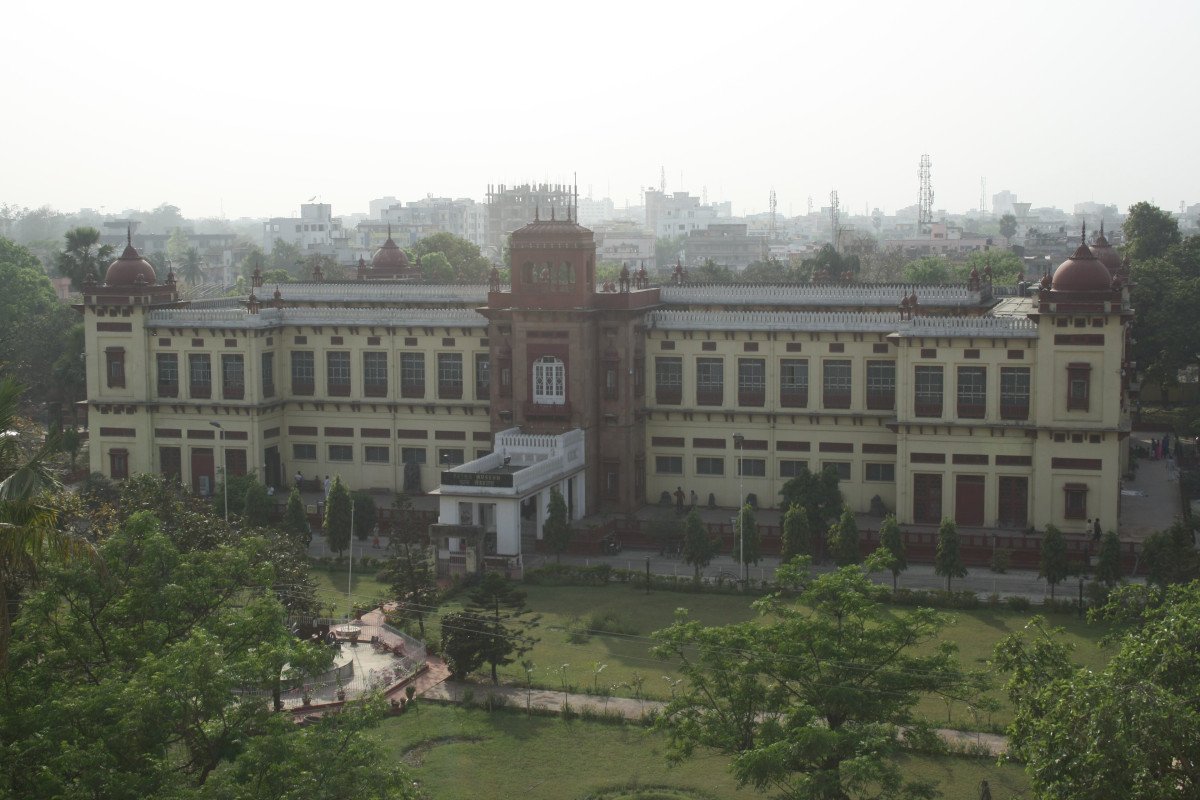
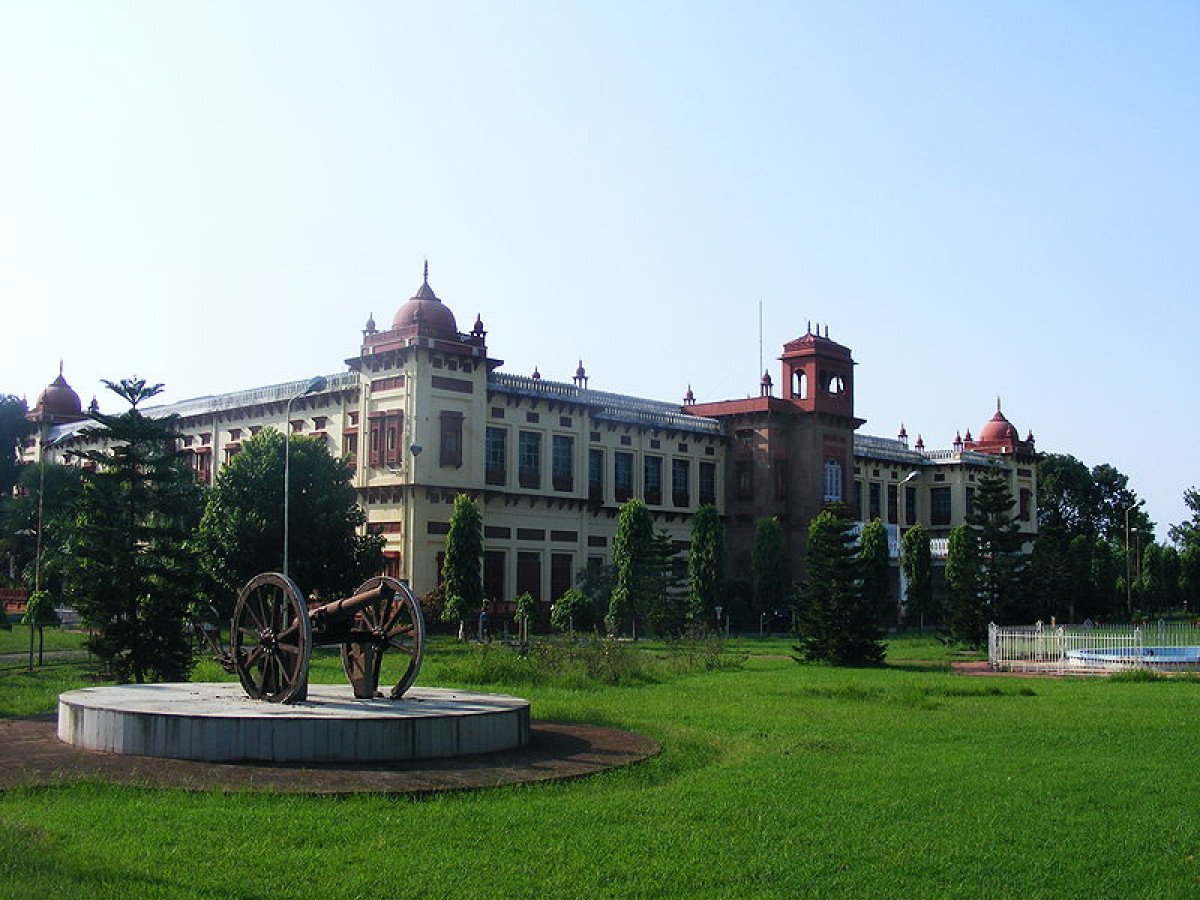
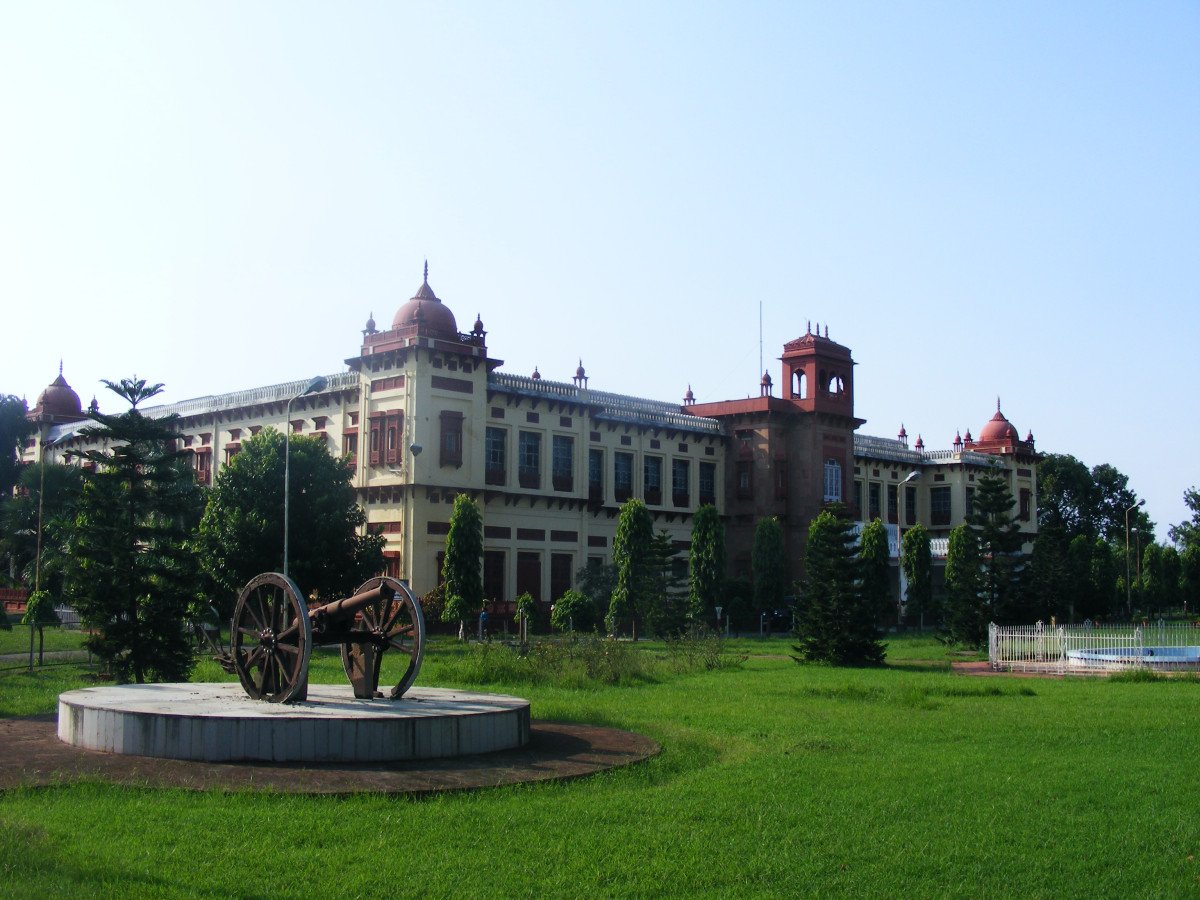
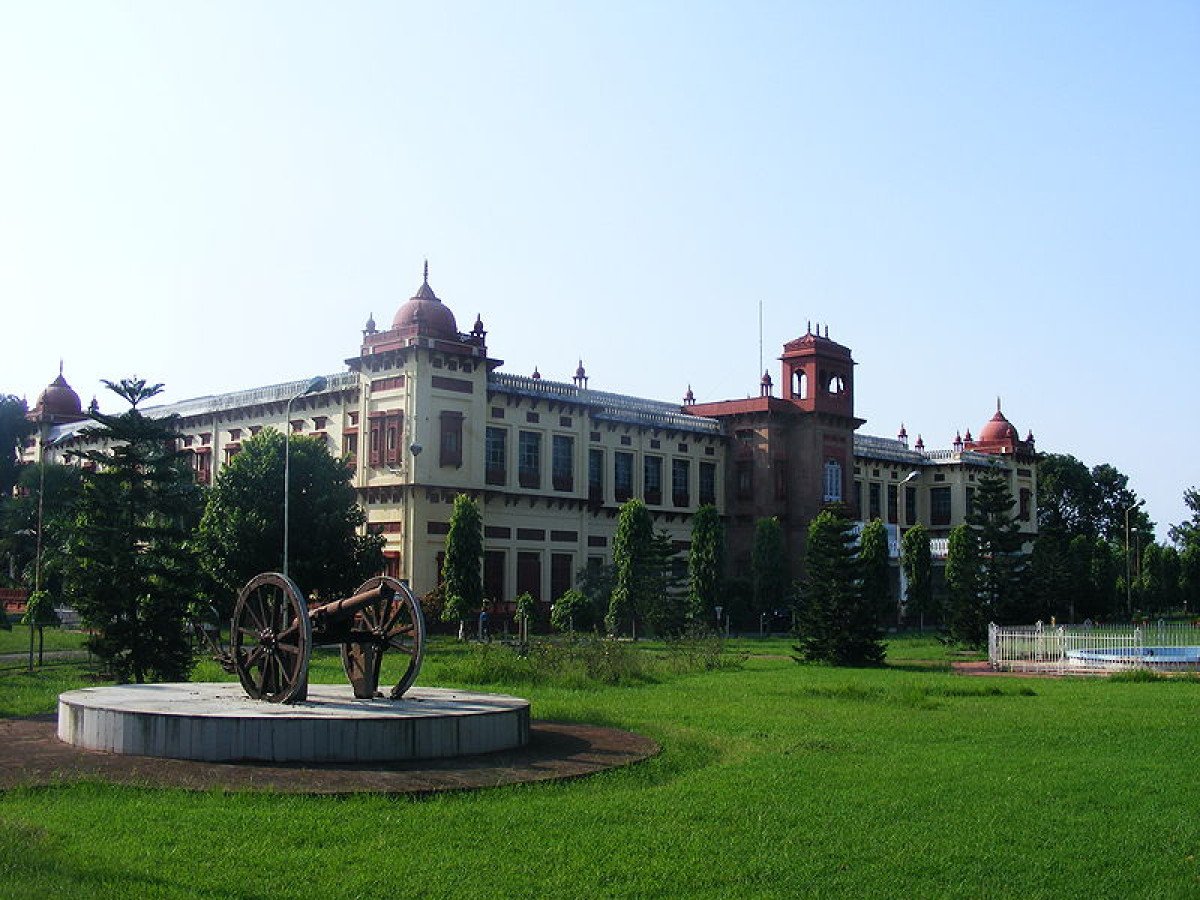
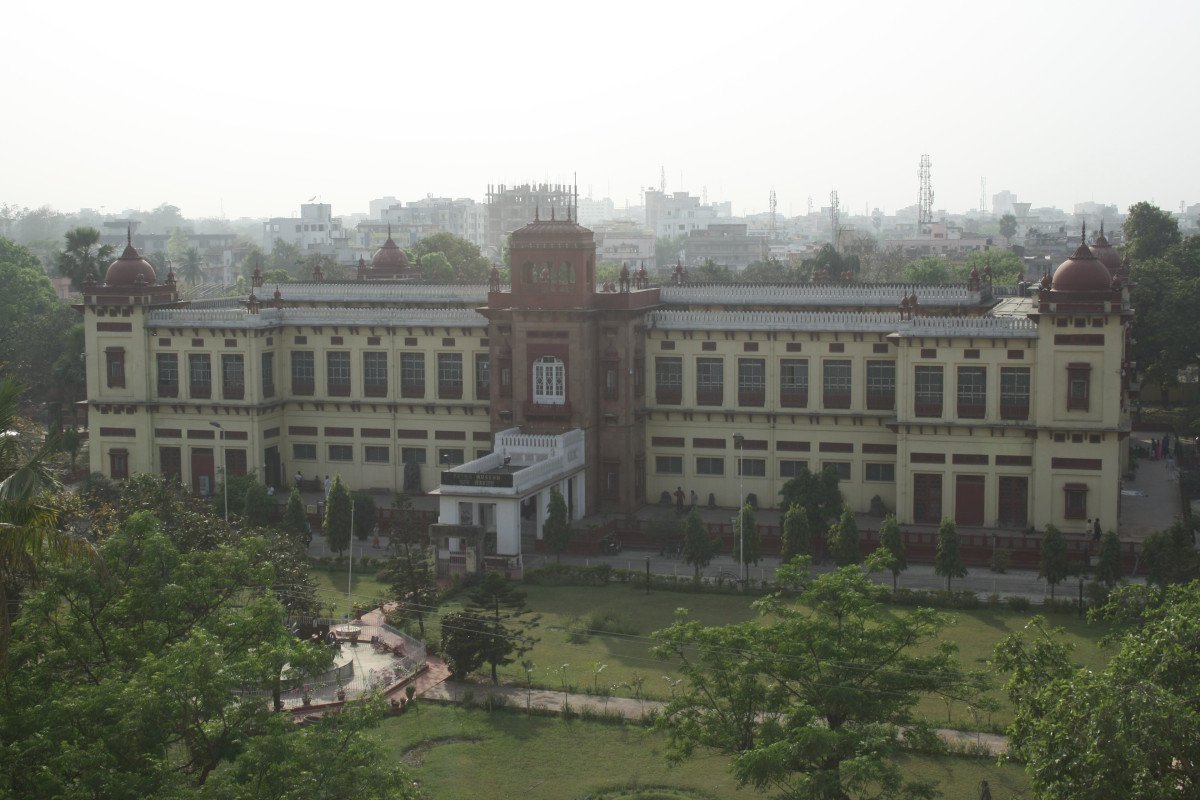
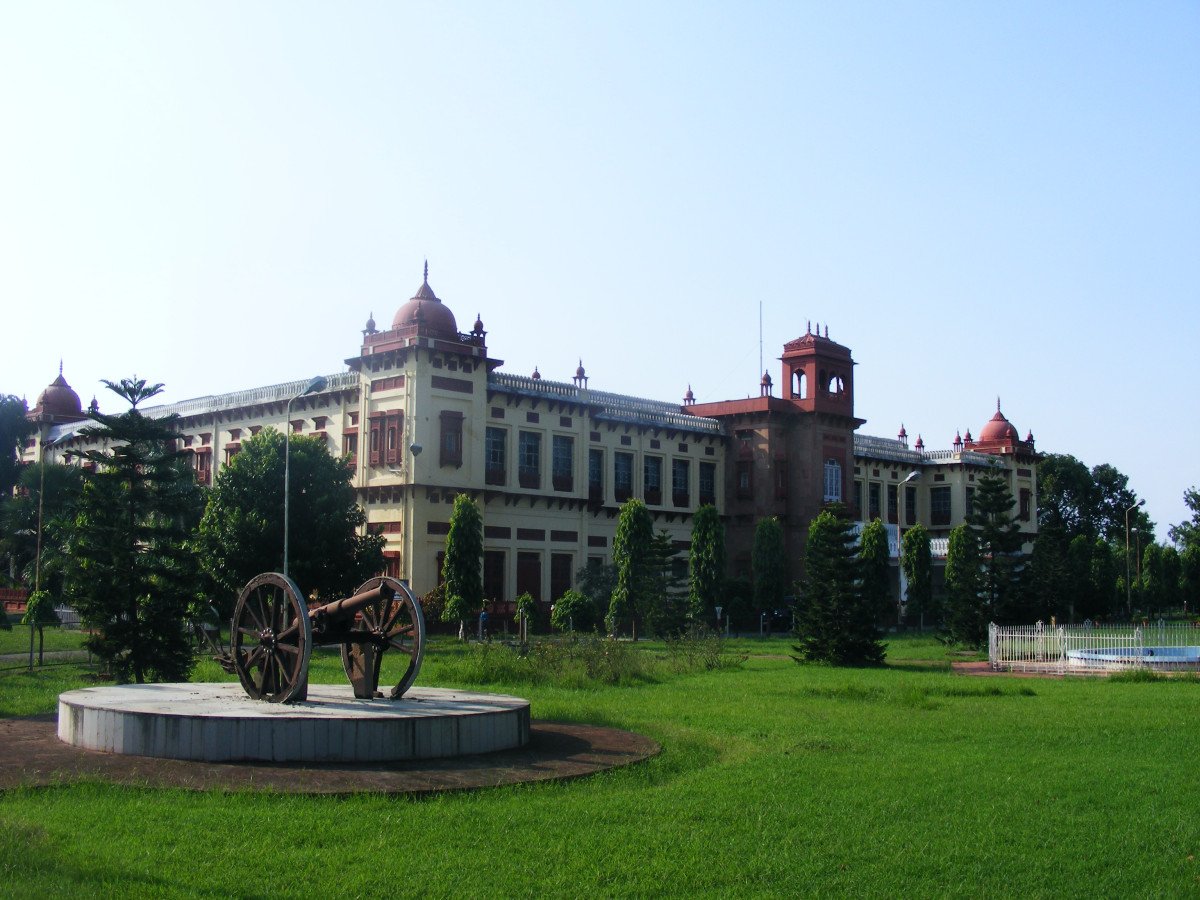
The Architectural Facade: The exterior of the Qila House is beautiful. Capture the colonial elements, the large pillars, and the prominent windows of the main entrance, ideally framed by the surrounding greenery.
Close-Up of International Rarities: If close-up shots are allowed, focus on the details of the highly important items like the Mughal jade, the fine porcelain, or the historically linked pieces, capturing the intricate craftsmanship.
The Nameplate and Gate: The official gate and nameplate for Jalan Museum / Qila House are often elegant and traditional, providing a good establishing shot of the site's exclusive nature. (Approx )Photo Gallery
Things To Do
-
Securing an Appointment: The Number One Thing to Do is to successfully secure a prior appointment. You must contact the Jalan family office or the museum caretaker well in advance (weeks or even months) via phone or letter/email. The museum is not open to walk-in visitors and this initial step is critical.
Taking the Guided Tour: Once inside, the experience is almost entirely dependent on the guided tour. Pay close attention to the guide's narrative, as they provide the crucial context for the thousands of eclectic objects. Ask questions about the provenance (origin) of artifacts like the Tipu Sultan sword, Napoleon's bed, and the George III dinner set.
Exploring the Global Collection: Take your time to examine the vast range of international artifacts. Look for the fine Mughal jade, the var...Securing an Appointment: The Number One Thing to Do is to successfully secure a prior appointment. You must contact the Jalan family office or the museum caretaker well in advance (weeks or even months) via phone or letter/email. The museum is not open to walk-in visitors and this initial step is critical.
Taking the Guided Tour: Once inside, the experience is almost entirely dependent on the guided tour. Pay close attention to the guide's narrative, as they provide the crucial context for the thousands of eclectic objects. Ask questions about the provenance (origin) of artifacts like the Tipu Sultan sword, Napoleon's bed, and the George III dinner set.
Exploring the Global Collection: Take your time to examine the vast range of international artifacts. Look for the fine Mughal jade, the various ceramic pieces (especially the Chinese and Japanese porcelain and the Marie Antoinette Sevres porcelain), and the intricate European ivory carvings. The collection is a true cabinet of curiosities, representing global art history in a private setting.
Appreciating the Qila House Architecture: Spend time looking at the house itself. Appreciate the Indo-Colonial blend of the architecture, the high ceilings, the period furniture, and how the art is integrated into the living space. The house is a historical exhibit in its own right, reflecting the lifestyle of a wealthy Indian merchant family during the late British Raj.
Connecting with Local History: Actively seek out the artifacts that relate to the history of Patna (Pataliputra), such as the old pottery or local sculptural fragments. This provides a link between the international collection and the very soil of Bihar.
Visiting Patna Sahib Afterwards: Since the museum is in the historical Patna Sahib area, combine your visit with a trip to the nearby Takht Sri Harmandir Ji Patna Sahib Gurudwara, the birthplace of the Tenth Sikh Guru, Guru Gobind Singh. The Gurudwara is a major religious and historical site, and the proximity makes it a logical and spiritually enriching extension of the visit.
Photography (If Permitted): Check with the guide regarding photography rules. Since it is a private collection, restrictions may be tight. If permitted, focus on capturing the unique display—where global masterpieces sit alongside Indian antiques in a residential setting.
Information
-
Why Famous:
Exclusivity and Private Ownership: It is famous primarily for being a vast, meticulously curated private museum that requires a special appointment to visit. This exclusivity and the prestige of the Jalan family, who have maintained the collection for generations, make it a...Exclusivity and Private Ownership: It is famous primarily for being a vast, meticulously curated private museum that requires a special appointment to visit. This exclusivity and the prestige of the Jalan family, who have maintained the collection for generations, make it a unique cultural asset and a point of pride and curiosity in Patna.
Rare International Collection: The museum is renowned for its truly eclectic collection, containing artifacts linked to figures like Napoleon, King George III, and Marie Antoinette, alongside exquisite Mughal and Indian art. This blending of global and local treasures in a single private residence makes the collection exceptionally rare in India.
Proximity to Patna Sahib: Its location in the historical Patna Sahib area, very close to the revered Takht Sri Harmandir Ji Patna Sahib Gurudwara, links it to one of the most important religious sites in India, ensuring its location is familiar and highly significant.
Architectural Beauty of Qila House: The house itself, Qila House, is famous for its beautiful Indo-Colonial architecture, which serves as a stunning backdrop for the priceless collections and represents a fine example of early 20th-century stately homes in Bihar. -
Architecture:
Indo-Colonial Architectural Blend: The Qila House is a beautiful example of a blended architectural style, primarily featuring British Colonial design elements, especially in its facade, columns, and large windows, combined subtly with traditional Indian architectural influe...Indo-Colonial Architectural Blend: The Qila House is a beautiful example of a blended architectural style, primarily featuring British Colonial design elements, especially in its facade, columns, and large windows, combined subtly with traditional Indian architectural influences in its layout and some decorative motifs. This blend reflects the period of its construction and the family's international tastes.
Structure and Layout: The house is typically a two-to-three-story structure designed around courtyards or vast rooms. The rooms themselves are designed less as formal museum galleries and more as the grand, stately rooms of a nobleman's house, with the artifacts displayed in situ among period furniture. The architecture emphasizes high ceilings, large verandahs, and wide hallways, which were common features of colonial-era residences in India.
Material and Craftsmanship: The construction materials include high-quality brick, stucco, and wood, indicative of the wealth of the Jalan family. The interior detailing features fine craftsmanship in the wooden paneling, floors, and staircase balustrades, providing a period backdrop for the vast and varied collection.
Historical Location Context: The house's location on Quila Road, on what is believed to be the base of Sher Shah Suri's Old Fort (Qila), is an important architectural context. Although the fort ruins are not prominently visible, the location itself links the modern colonial structure to the deeper, ancient/medieval history of Patna's defenses. The building's age (over a century) contributes to its architectural heritage status. -
How To Reach:
By Air: The nearest airport, Jay Prakash Narayan International Airport (PAT), is about 14 KM away. Being in the far eastern part of the city, the drive can take up to 45-60 minutes due to traffic, even in a taxi or app-based cab.
By Train: ...By Air: The nearest airport, Jay Prakash Narayan International Airport (PAT), is about 14 KM away. Being in the far eastern part of the city, the drive can take up to 45-60 minutes due to traffic, even in a taxi or app-based cab.
By Train: Patna Junction (PNBE) is about 9 KM away. A significant part of the journey is through the busy Ashok Rajpath. Take a reserved auto-rickshaw or a cab and clearly state the destination as Qila House near Patna Sahib. Patna Sahib Station is much closer (less than 1 KM), but fewer long-distance trains stop there.
By Road: The museum is on Quila Road in the historical Patna Sahib area, which is easily accessible via Ashok Rajpath (the main east-west artery). Due to the heavy traffic, it is advisable to leave early for the appointment. The location is very close to the Takht Sri Harmandir Ji Patna Sahib Gurudwara.
By Local Transport: Take a reserved auto-rickshaw or cab. Shared auto-rickshaws running the length of Ashok Rajpath will take you very close to the Patna Sahib Gurudwara, and a short walk or cycle-rickshaw can cover the final distance to Quila House. -
Weather and Best Time to Visit:
Weather-Based Ideal Season: The Winter Season (October to March) is the best time for the most comfortable travel to this eastern part of the city. The mild weather makes the long, traffic-prone journey along Ashok Rajpath bearable. The building itself is an interior visit...Weather-Based Ideal Season: The Winter Season (October to March) is the best time for the most comfortable travel to this eastern part of the city. The mild weather makes the long, traffic-prone journey along Ashok Rajpath bearable. The building itself is an interior visit, so the weather outside is primarily a travel consideration.
Time of Day for Visit: The Morning slot (if available) is the most ideal. A visit between 10:00 AM and 12:00 PM is best to beat the heat and the peak mid-day traffic. Always factor in extra time for the journey due to the unpredictability of traffic on Ashok Rajpath.
Day of the Week: Visit on a weekday (Tuesday to Friday) as the museum is closed on Sunday and Monday. Weekends are also likely to have heavier traffic. -
Near Tourist Places:
1.
Takht Sri Harmandir Ji Patna Sahib (Gurudwara): 0. 5 KM (Very near). 2.
Patan Devi Temple: 4 KM (South-East). 3.
Agam Kuan: 4. 5 KM (South-West). 4.
Begu Hajjam Mosque: 3 KM (West). 5.
Kumhrar (Pataliputra Ruins): 6 KM (West). 6.
Gandhi Ghat: 8 KM (West on Ashok Rajpath). 7.
Patna City Railway Station: 1 KM. 8.
Sanjay Gandhi Biological Park (Zoo): 14 KM (West). 9.
Patna Museum (Jadu Ghar): 10 KM (West). 10.
Gandhi Maidan: 9 KM (West).
Tourism Tips
-
Health & Safety:
Appointment Compliance: The most critical tip is to arrive exactly on time for your pre-booked appointment, as any delay could lead to the cancellation of the visit.
Handling Artifacts: Do no...Health & Safety:
Appointment Compliance: The most critical tip is to arrive exactly on time for your pre-booked appointment, as any delay could lead to the cancellation of the visit.
Handling Artifacts: Do not touch any of the artifacts, even the furniture, as they are priceless and fragile. Always follow the guide's instructions.
Packing: Travel light. Large bags will need to be left outside or at the security check. Carry a copy of your appointment confirmation to show the security personnel at the gate. ID Proof is mandatory.
Accommodation: Stay in the central areas near Fraser Road or the eastern part of the city for easier access to this location. The journey from the central city will take a minimum of 30-45 minutes.
Other Tourism Tips:
Confirmation: Call the office the day before your visit to re-confirm the appointment and timing.
Combine with Patna Sahib: Since you are in the area, a visit to the Takht Sri Harmandir Ji Patna Sahib Gurudwara is highly recommended and offers a perfect, culturally enriching pairing with the museum visit.
Respect Privacy: Remember you are visiting a private residence; maintain the utmost respect for the property and the family's privacy.
Reviews
FAQs
Patna Itineray And Cost:-
Information about New and Updated Locations() of Bihar Has Been Added :-
Card subtitle
Note:-
Information provided here in good Faith and for reference only.
All information and pictures will be updated soon, please keep visiting.
Near Places
Agam Kuan
Some quick example text to build on the card title and make up the bulk of the card's content.
Go somewhere
Bihar Museum
Some quick example text to build on the card title and make up the bulk of the card's content.
Go somewhere
Buddha Smriti Park
Some quick example text to build on the card title and make up the bulk of the card's content.
Go somewhere
Darbhanga House
Some quick example text to build on the card title and make up the bulk of the card's content.
Go somewhere
Eco Park
Some quick example text to build on the card title and make up the bulk of the card's content.
Go somewhere
Gandhi Ghat
Some quick example text to build on the card title and make up the bulk of the card's content.
Go somewhere
Gandhi Maidan
Some quick example text to build on the card title and make up the bulk of the card's content.
Go somewhere
Gandhi Sangrahalaya
Some quick example text to build on the card title and make up the bulk of the card's content.
Go somewhere
Golghar
Some quick example text to build on the card title and make up the bulk of the card's content.
Go somewhere
ISKCON Temple Patna
Some quick example text to build on the card title and make up the bulk of the card's content.
Go somewherein Other Cities