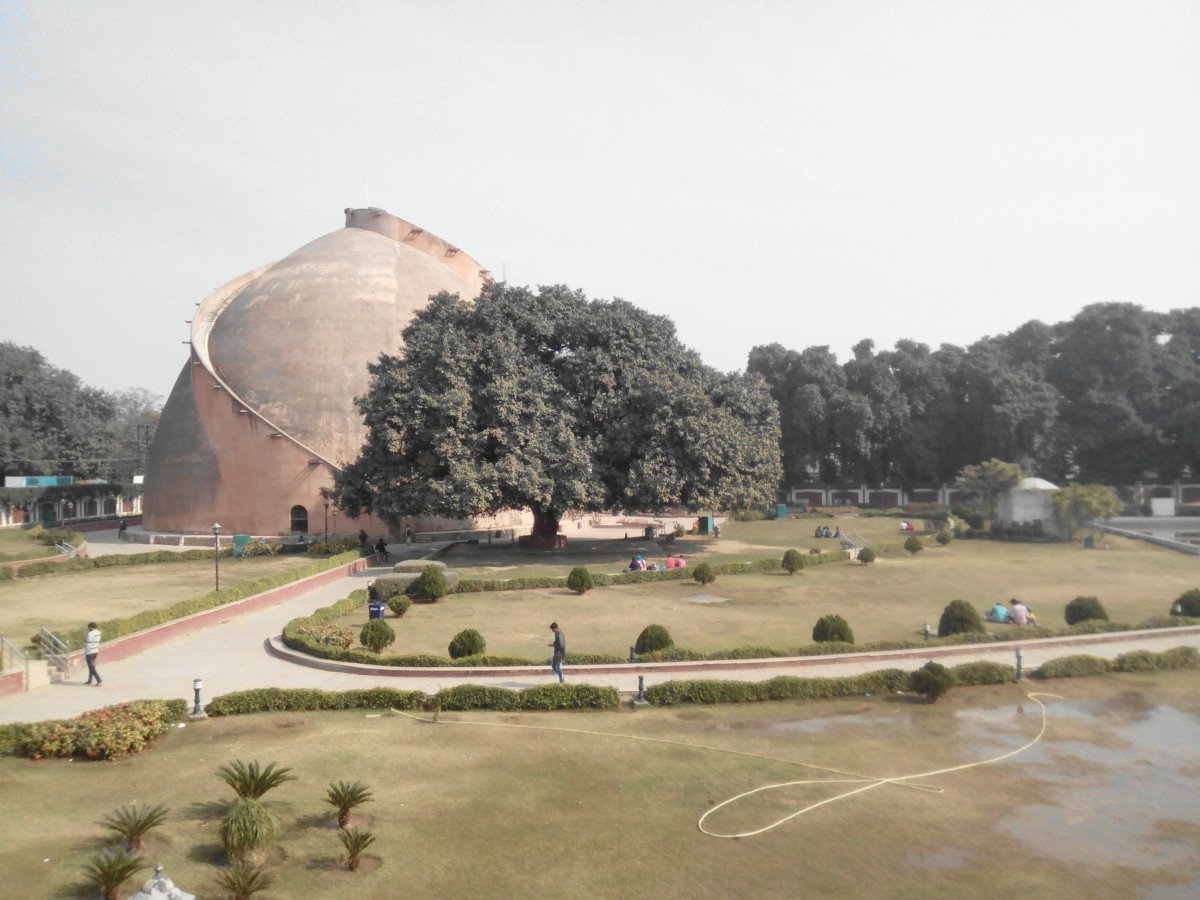
Golghar
General information
-
Ideal Duration:
1-2 hours (Mainly for the climb and the view)Place Type:
Historical Monument, ViewpointEntry Fees:
Standard Entry Fee: There is a nominal entry fee to climb the Golghar. For Indian nationals, the fee is typically around Rs.5 to Rs.20 per person. For Foreign nationals, the fee is generally slightly higher, around Rs.100 per person. This fee is used for the maintenance and upk...Standard Entry Fee: There is a nominal entry fee to climb the Golghar. For Indian nationals, the fee is typically around Rs.5 to Rs.20 per person. For Foreign nationals, the fee is generally slightly higher, around Rs.100 per person. This fee is used for the maintenance and upkeep of the historical monument and the surrounding park area.
No Charge for the Park: Access to the small park area immediately surrounding the Golghar is often free or included in the entry ticket for the monument itself. You can walk around the base and admire the structure without necessarily paying the climbing fee, though the main attraction is the view from the top.
Photography/Videography: Personal photography and mobile phone use are typically included in the standard entry fee. However, any professional or commercial film or video shooting requires a special, expensive permit from the Archaeological Survey of India (ASI) or the state tourism department, and unauthorized use of commercial equipment is strictly prohibited.Timing:
Regular Timings: Golghar is generally open from 10:00 AM to 5:00 PM or 5:30 PM daily. It is usually closed on Mondays. It is crucial to check the closing time if you plan a sunset visit, as the gates may close shortly after the sunset hour, depending on the season and mana...Regular Timings: Golghar is generally open from 10:00 AM to 5:00 PM or 5:30 PM daily. It is usually closed on Mondays. It is crucial to check the closing time if you plan a sunset visit, as the gates may close shortly after the sunset hour, depending on the season and management rules.
Ideal Visit Time: The ideal time to visit is the Late Afternoon, specifically between 4:00 PM and 5:30 PM. This avoids the scorching midday sun, and more importantly, allows you to be at the top just before or during sunset. The cool breeze and the beautiful, golden-hour light make the climb and the view immensely more enjoyable than a midday visit.
Avoid Midday Summer: Avoid visiting between 12:00 PM and 3:00 PM during the summer months (April to June) as the heat reflecting off the stone and the steps makes the climb physically taxing and unpleasant.
Crowd Control: Weekdays are generally less crowded than weekends. Visiting on a Tuesday or Wednesday morning immediately after opening (10:00 AM) is best if you want to avoid crowds entirely.Special Events:
Official Bihar Day Celebrations: Golghar often plays a symbolic role during major state events like Bihar Divas (March 22nd), with special lighting, flag displays, or cultural performances held in the surrounding grounds to mark the state's foundation.
Read MoreOfficial Bihar Day Celebrations: Golghar often plays a symbolic role during major state events like Bihar Divas (March 22nd), with special lighting, flag displays, or cultural performances held in the surrounding grounds to mark the state's foundation.
Occasional Light and Sound Shows: The local tourism department sometimes organizes special light and sound shows during peak tourist season or festivals. These shows use the circular surface of the structure as a screen to narrate its history and the story of the 1770 famine, transforming the monument into a dynamic storytelling device. This is a must-see if available.
Historical Commemoration Events: Being a memorial to the famine, small-scale academic or civic events may occasionally be held at the base to commemorate significant historical dates related to the famine or its construction. These are usually small, respectful gatherings for historians and officials.Best Photo Spots:
The Top Platform View: The best photo spot is, without a doubt, the top platform. Capture the panoramic view of the Ganga and the vast city. Use a wide-angle lens to get as much of the skyline as possible. Sunset is the absolute prime time for dramatic, golden-hour photog...The Top Platform View: The best photo spot is, without a doubt, the top platform. Capture the panoramic view of the Ganga and the vast city. Use a wide-angle lens to get as much of the skyline as possible. Sunset is the absolute prime time for dramatic, golden-hour photography.
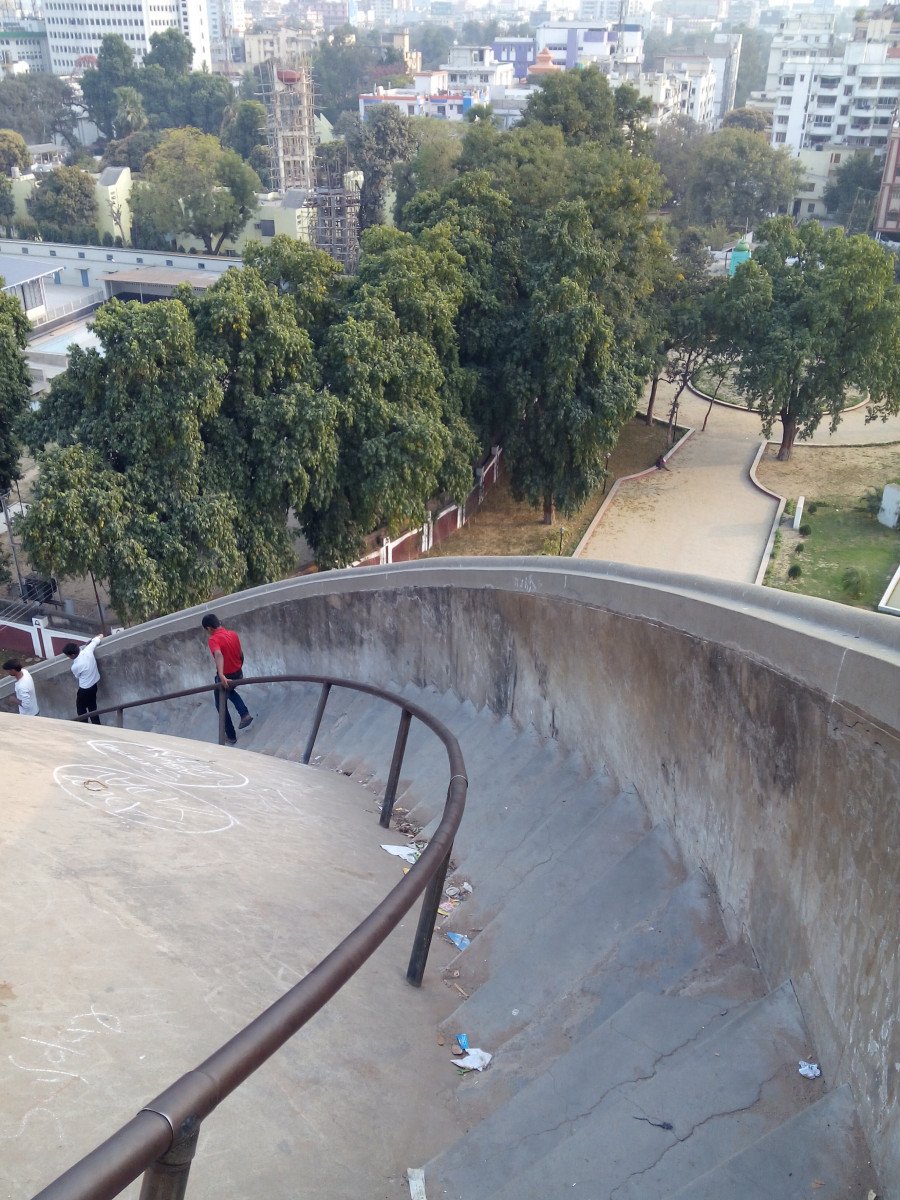
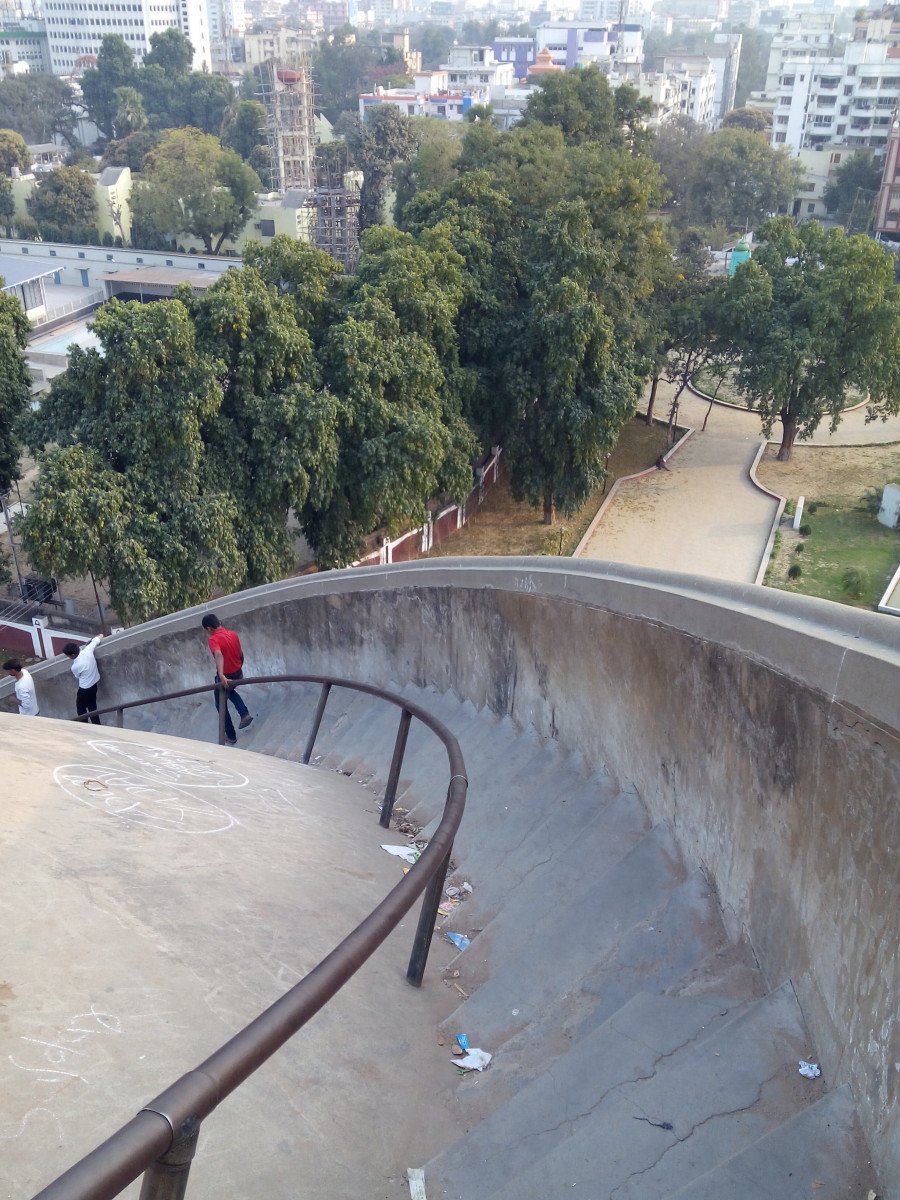
The Spiral Staircase from Below: Stand at the base of the structure and point your camera up the winding spiral staircase to capture the dizzying, geometric pattern and the sheer height of the climb. This emphasizes the unique architectural element.
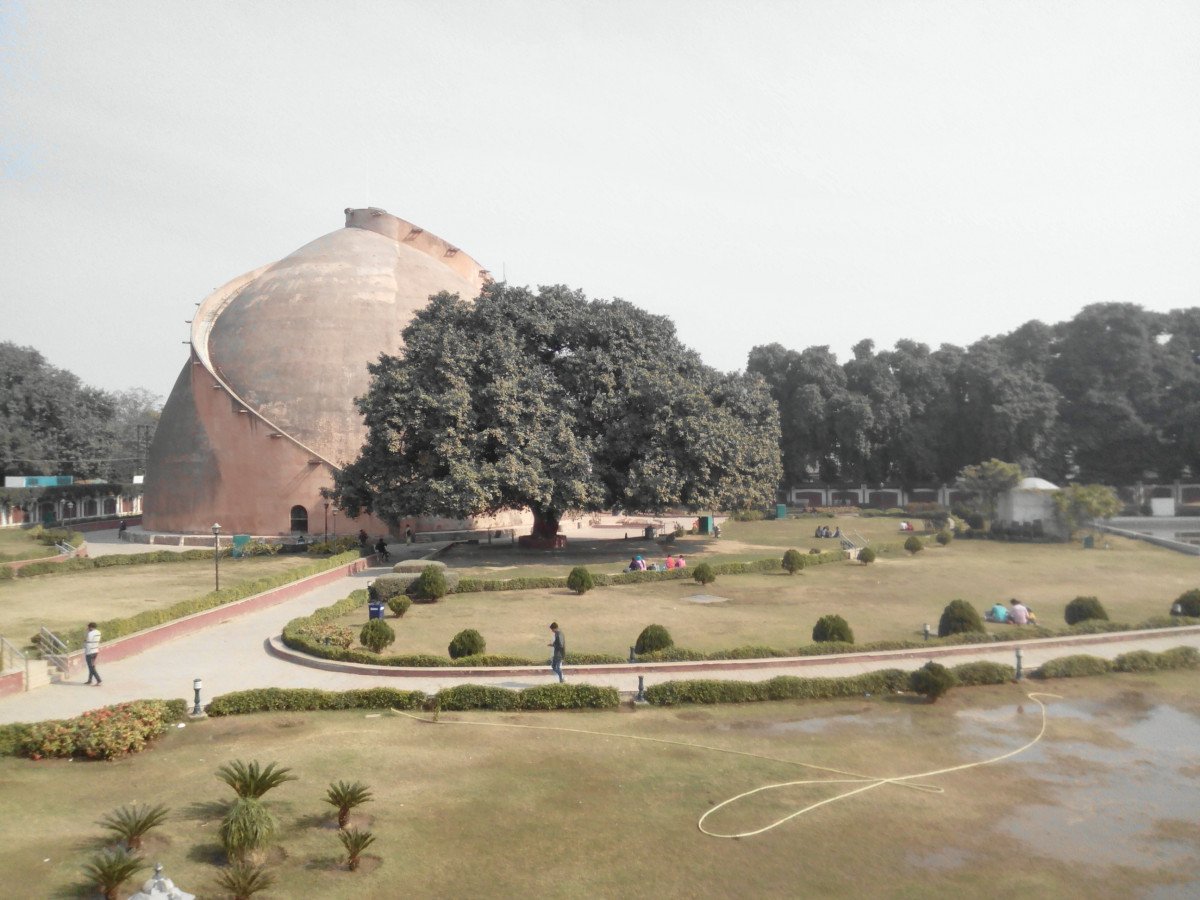
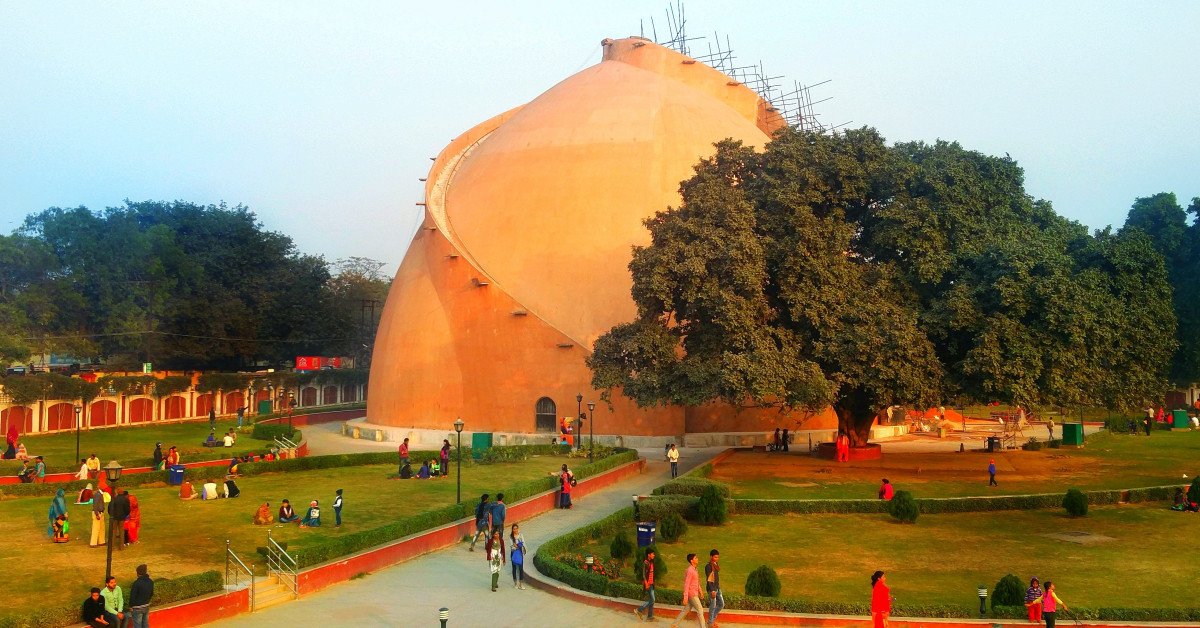
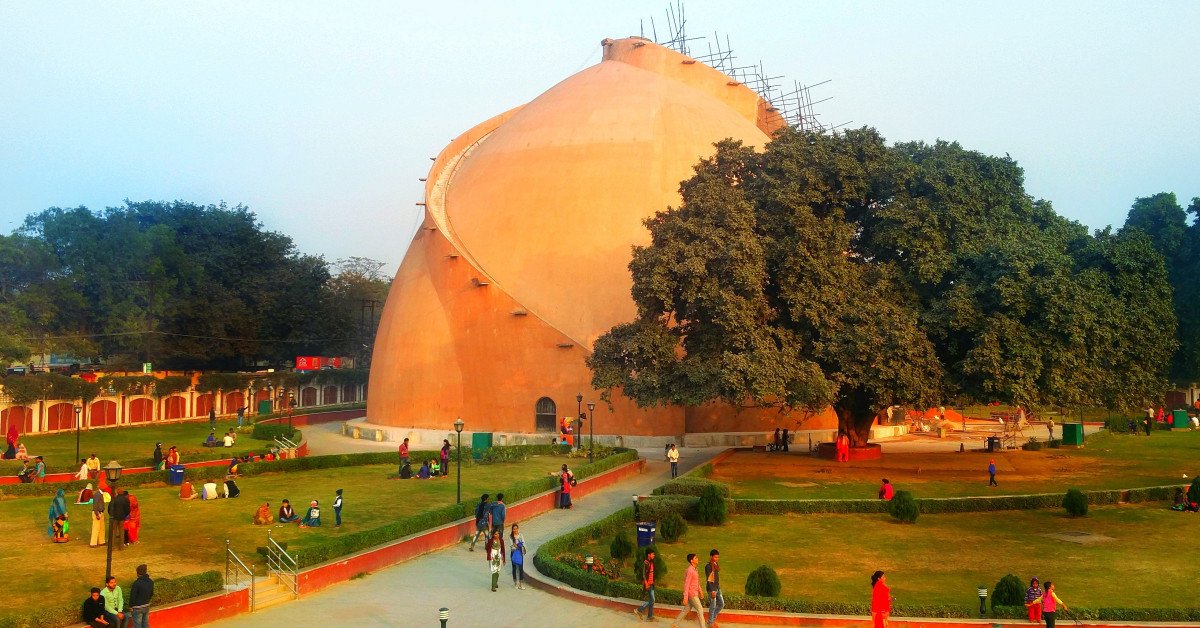
Framing the Monument from the Park: Use the trees and pathways of the surrounding park/garden to frame the massive structure from the ground level. This provides a sense of scale, contrasting the dome's size with the natural environment.
Close-Up of the Brickwork: The old, thick brickwork at the base, along with the foundation plaque, makes for excellent close-up shots that convey the texture and age of the 18th-century construction material. (Approx )Photo Gallery
Things To Do
-
Climbing the Spiral Staircase: The primary activity is climbing the 145 steps of the outer spiral staircase. Pace yourself, as the climb can be physically demanding, especially during the warmer months. Take short breaks to look down and appreciate the unique perspective of the winding stairs. This ascent is the physical challenge and the reward of the visit.
Enjoying the Panoramic View: Once you reach the top platform, spend ample time walking around the perimeter to enjoy the full 360-degree panoramic view of Patna. Locate key landmarks like the Ganga river, Gandhi Maidan, the Patna Museum, and the new bridge over the river. This view is arguably the main reason to visit and offers a unique geographical perspective of the city.
Sunset Watching: Plan your visit to be at the top during the s...Climbing the Spiral Staircase: The primary activity is climbing the 145 steps of the outer spiral staircase. Pace yourself, as the climb can be physically demanding, especially during the warmer months. Take short breaks to look down and appreciate the unique perspective of the winding stairs. This ascent is the physical challenge and the reward of the visit.
Enjoying the Panoramic View: Once you reach the top platform, spend ample time walking around the perimeter to enjoy the full 360-degree panoramic view of Patna. Locate key landmarks like the Ganga river, Gandhi Maidan, the Patna Museum, and the new bridge over the river. This view is arguably the main reason to visit and offers a unique geographical perspective of the city.
Sunset Watching: Plan your visit to be at the top during the sunset (around 5:00 PM to 6:00 PM). The view of the setting sun over the Ganga river and the city's lights beginning to twinkle is simply breathtaking and provides the most dramatic and photogenic experience.
Studying the Architecture and History: Walk around the base of the structure to examine the massive brickwork and the details of the foundation, paying attention to the foundation plaque. Read any available informational signs to understand its role in preventing famine after the 1770 tragedy. Reflect on the sheer engineering scale of the structure built over 230 years ago.
Combining with Gandhi Maidan: Since Golghar is very close to the western side of Gandhi Maidan, combine the visit. You can walk from the Maidan to the Golghar in under 10 minutes. This pairs the monument of famine prevention with the ground that became the center of post-famine political and civic life.
Visiting the Nearby Park: The Golghar is situated in a small, well-maintained park or garden area. Spend some time here relaxing after the climb, enjoying the greenery, and taking photographs of the granary from the ground level to appreciate its massive size.
Looking for the Flawed Doorway: Find and examine the twin doorways at the base to observe the famous design flaw—the inward-opening doors that limited its use as a granary. This is a fascinating piece of historical trivia to spot and discuss.
Information
-
Why Famous:
Panoramic View of Patna and the Ganga: Golghar is most famous for its position as the premier observation point in Patna. The panoramic, 360-degree view from the top platform encompasses the entire city, including the historical landmarks, the bustling traffic, and the vast...Panoramic View of Patna and the Ganga: Golghar is most famous for its position as the premier observation point in Patna. The panoramic, 360-degree view from the top platform encompasses the entire city, including the historical landmarks, the bustling traffic, and the vast expanse of the Ganga river, which is a major draw for tourists and locals alike.
Symbol of the 1770 Famine: Its historical fame is tied to the devastating Great Bengal Famine of 1770. It serves as a stark physical reminder of that calamity and the British administration's attempt (however flawed) to prevent a recurrence, making it a key monument in the economic and social history of Bihar.
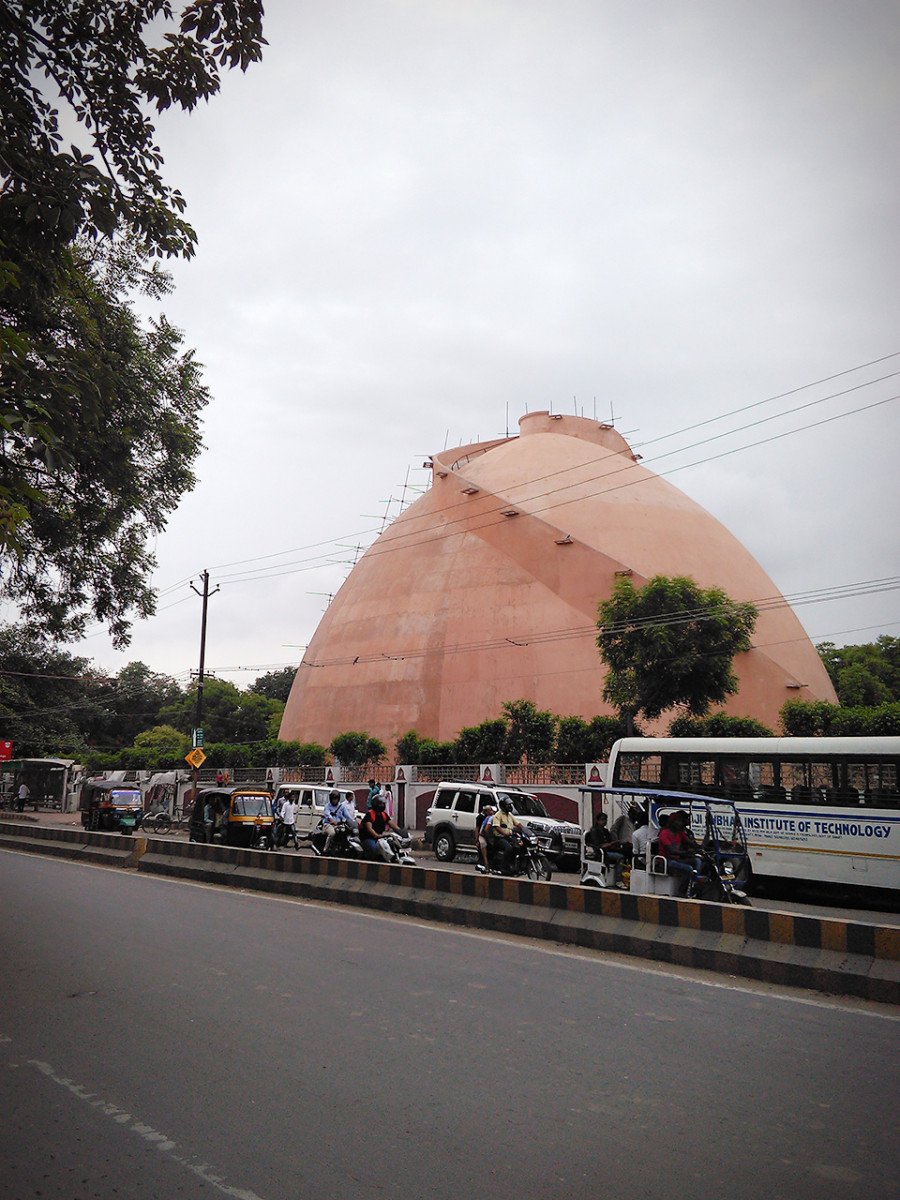
Unique Spiral Architecture: The structure's unique, towering, pillar-less dome and its dramatic, winding double spiral staircase are architecturally famous. This distinctive design ensures it is instantly recognizable and has made it an iconic part of the Patna skyline since the late 18th century.
Location Near Gandhi Maidan: Its close proximity to the historic Gandhi Maidan also boosts its fame, as it is naturally included in the itinerary of almost every visitor to the city center. The two landmarks together frame the historical core of modern Patna. -
Architecture:
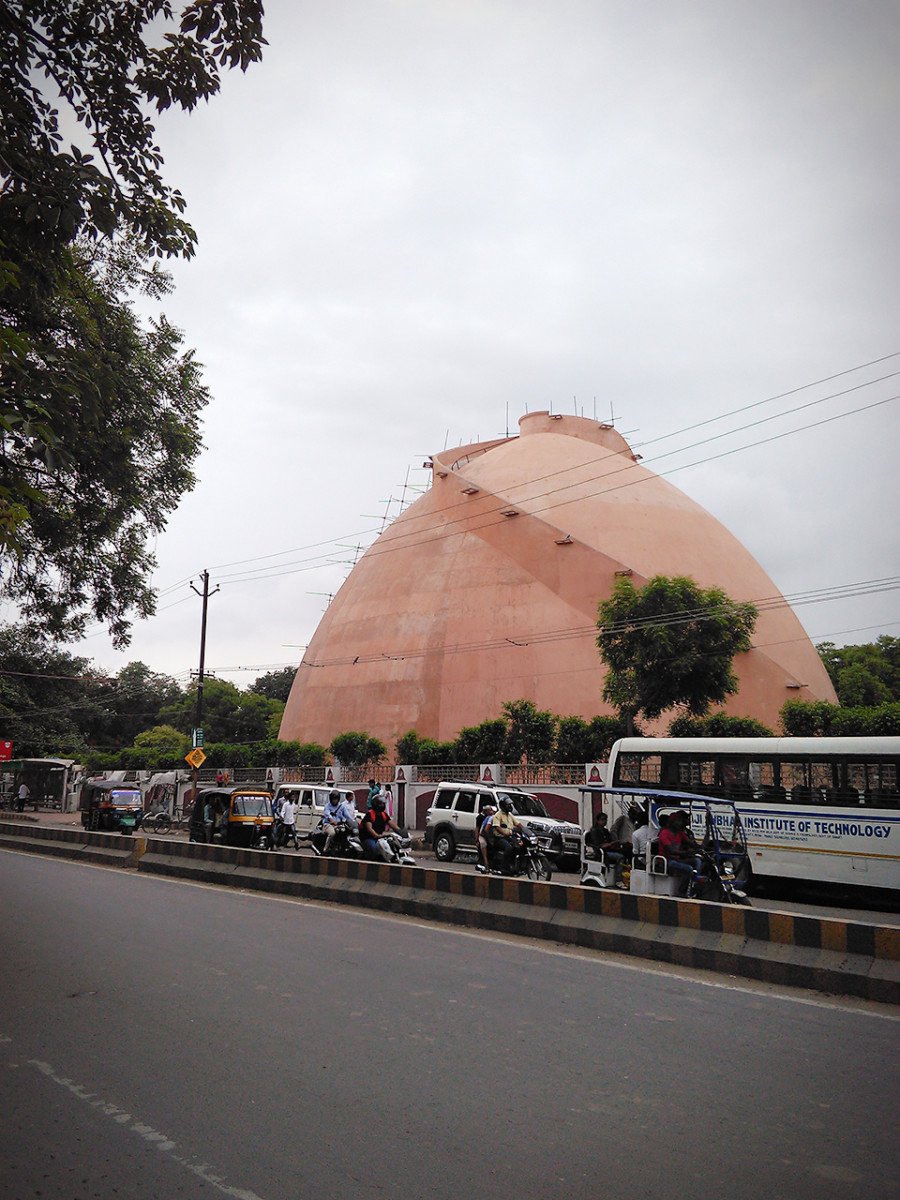
Massive Beehive-Shaped Dome: The architecture is defined by its massive, towering, domed structure, often described as beehive or stupa-shaped. It is constructed entirely of brick and mortar, with no internal pillars, relying on the strength of its circular geometry. This ...Massive Beehive-Shaped Dome: The architecture is defined by its massive, towering, domed structure, often described as beehive or stupa-shaped. It is constructed entirely of brick and mortar, with no internal pillars, relying on the strength of its circular geometry. This pillar-less design makes the internal space a single, massive chamber meant for grain storage.
The Double Spiral Staircase: The most distinctive and ingenious architectural feature is the double spiral staircase that winds its way up the exterior surface of the dome to the top platform. The design originally intended for workers to carry sacks of grain up one spiral and descend the other, preventing collisions and allowing for rapid, continuous movement. There are 145 steps in total.
Dimensions and Structural Integrity: The structure stands approximately 29 meters (about 96 feet) high. The thickness of the wall at the base is massive, measuring about 3. 6 meters (about 12 feet), providing immense structural stability. The base has an internal diameter large enough to accommodate the 140,000-tonne capacity. The lack of internal pillars gives the dome its impressive structural span, a key characteristic of the neoclassical utilitarian style favored by British engineers of the time.
The Flawed Entry Points: The twin doors at the base, which open inwards, are the famous (or infamous) architectural flaw. The small hole at the apex, which was intended as the filling chute, is covered by a stone slab, providing a viewing platform today instead of its original function. The overall design represents a functional, colonial-era engineering approach to a major civic problem. -
How To Reach:
By Air: The nearest airport, Jay Prakash Narayan International Airport (PAT), is about 7 KM away. Take a taxi or app-based cab to the monument; the drive takes about 20-30 minutes.
By Train: Patna Junction (PNBE) is the closest major stati...By Air: The nearest airport, Jay Prakash Narayan International Airport (PAT), is about 7 KM away. Take a taxi or app-based cab to the monument; the drive takes about 20-30 minutes.
By Train: Patna Junction (PNBE) is the closest major station, approximately 3 KM away. From the station, take an auto-rickshaw or a taxi towards the Gandhi Maidan area; the Golghar is a very well-known landmark and all local transport drivers will know it. The ride takes about 10-15 minutes.
By Road: Golghar is centrally located, very close to Gandhi Maidan and the main Ashok Rajpath area. It is easily accessible by city buses and all vehicular traffic. Driving is easy, but parking is limited on the immediate surrounding roads.
By Local Transport: Auto-rickshaws are the easiest and most economical way to reach Golghar. Since it is an important historical landmark, asking for "Golghar" is sufficient. Shared auto-rickshaws operating near Gandhi Maidan can also drop you nearby. Cycle-rickshaws are a pleasant option for short trips from the central city areas. -
Weather and Best Time to Visit:
Weather-Based Ideal Season: The Winter Season (November to March) is the absolute best time to visit. The cool, pleasant weather makes the climb of 145 steps comfortable and enjoyable, and the air is clear, offering the best visibility for the panoramic view. The Monsoon c...Weather-Based Ideal Season: The Winter Season (November to March) is the absolute best time to visit. The cool, pleasant weather makes the climb of 145 steps comfortable and enjoyable, and the air is clear, offering the best visibility for the panoramic view. The Monsoon can make the stone steps slippery, and the Summer makes the outdoor climb extremely hot.
Time of Day for Visit: The Late Afternoon is the most ideal time, particularly between 4:00 PM and the closing time, to catch the majestic sunset view. The early morning is also a very good time if you prefer cooler temperatures and fewer crowds, though the river view is often misty.
Day of the Week: Visit on a weekday (Tuesday to Friday) for a less crowded experience. Weekends tend to see a heavy rush of local tourists and families, especially in the afternoon. -
Near Tourist Places:
1.
Gandhi Maidan: 1 KM (East). 2.
Gandhi Sangrahalaya: 1. 5 KM (East). 3.
Patna Museum (Jadu Ghar): 2 KM (South-West). 4.
Buddha Smriti Park: 3 KM (South). 5.
Srikrishna Science Centre: 3 KM (South). 6.
Khuda Bakhsh Oriental Public Library: 2 KM (North-East). 7.
Mahavir Mandir: 3 KM (Near Patna Junction). 8.
Patna Junction Railway Station: 3 KM. 9.
Old Patna Secretariat: 3 KM. 10.
Ganga Riverfront (Promenade access point): 2 KM (North).
Tourism Tips
-
Health & Safety:
The Climb: The 145 steps can be strenuous. If you have mobility issues, heart conditions, or severe vertigo, exercise extreme caution or avoid the climb. Take frequent short breaks on the steps.Health & Safety:
The Climb: The 145 steps can be strenuous. If you have mobility issues, heart conditions, or severe vertigo, exercise extreme caution or avoid the climb. Take frequent short breaks on the steps.
Slippery Steps: The steps can be slippery when wet, especially after rain; wear non-slip footwear and use the handrail.
Security: Do not leave belongings unattended at the top platform, and be aware of your surroundings.
Packing Essentials:
Water Bottle: A necessity for the climb, as it is a steep workout.
Camera: A high-resolution camera or phone is essential for capturing the breathtaking panoramic view.
Sun Hat/Cap: Important for protection from the sun on the open platform at the top.
Accommodation: Stay in the central areas near Gandhi Maidan (Fraser Road, Exhibition Road) for the best access. Many hotels in these areas are within a 5-10 minute auto-rickshaw ride from Golghar.
Other Tourism Tips:
Check Opening Status: Occasionally, the monument is temporarily closed for maintenance or safety checks. It is highly advisable to call or check the latest status online before planning your climb.
Combine Visits: Pair this visit with the Gandhi Maidan and Gandhi Sangrahalaya for a very manageable and historically rich half-day itinerary.
Negotiate Auto Fares: Always negotiate your fare to and from Golghar beforehand, as drivers might quote higher prices near this major tourist spot.
Reviews
FAQs
Patna Itineray And Cost:-
Information about New and Updated Locations() of Bihar Has Been Added :-
Card subtitle
Note:-
Information provided here in good Faith and for reference only.
All information and pictures will be updated soon, please keep visiting.
Near Places
Agam Kuan
Some quick example text to build on the card title and make up the bulk of the card's content.
Go somewhere
Bihar Museum
Some quick example text to build on the card title and make up the bulk of the card's content.
Go somewhere
Buddha Smriti Park
Some quick example text to build on the card title and make up the bulk of the card's content.
Go somewhere
Darbhanga House
Some quick example text to build on the card title and make up the bulk of the card's content.
Go somewhere
Eco Park
Some quick example text to build on the card title and make up the bulk of the card's content.
Go somewhere
Gandhi Ghat
Some quick example text to build on the card title and make up the bulk of the card's content.
Go somewhere
Gandhi Maidan
Some quick example text to build on the card title and make up the bulk of the card's content.
Go somewhere
Gandhi Sangrahalaya
Some quick example text to build on the card title and make up the bulk of the card's content.
Go somewhere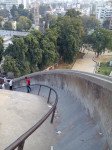
Golghar
Some quick example text to build on the card title and make up the bulk of the card's content.
Go somewhere
ISKCON Temple Patna
Some quick example text to build on the card title and make up the bulk of the card's content.
Go somewherein Other Cities