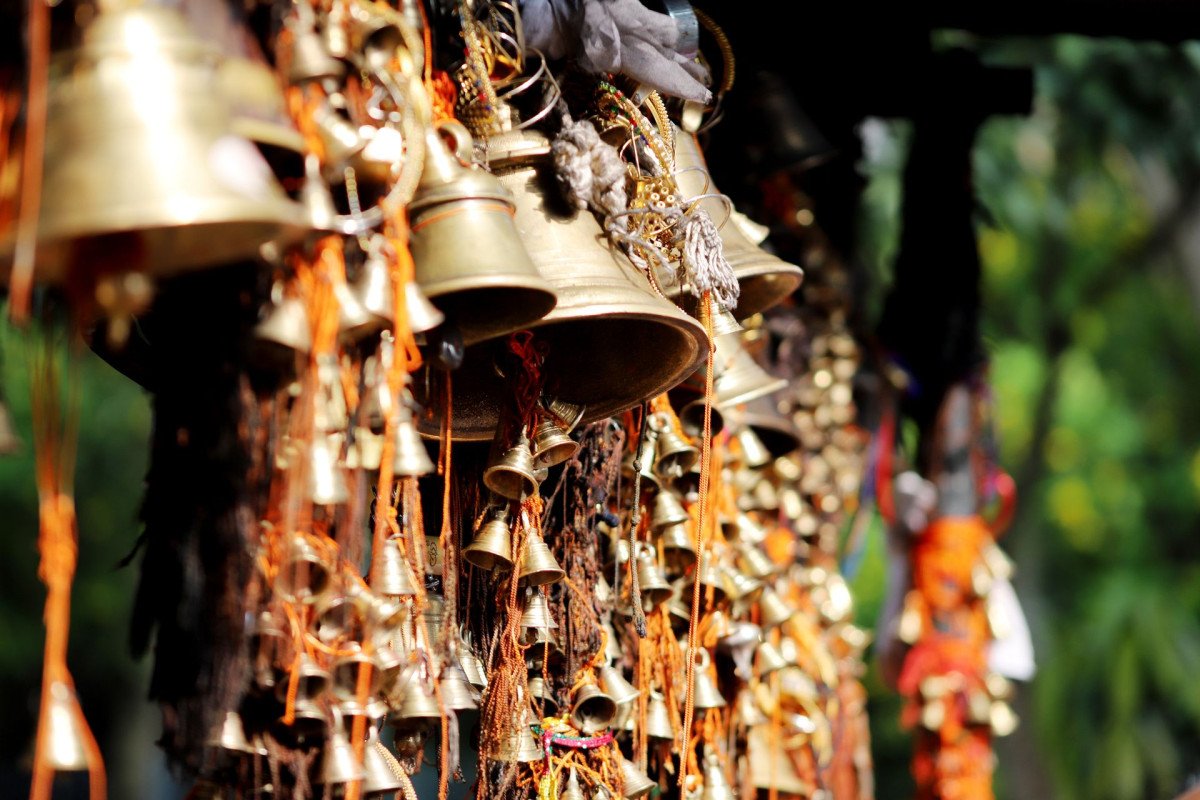
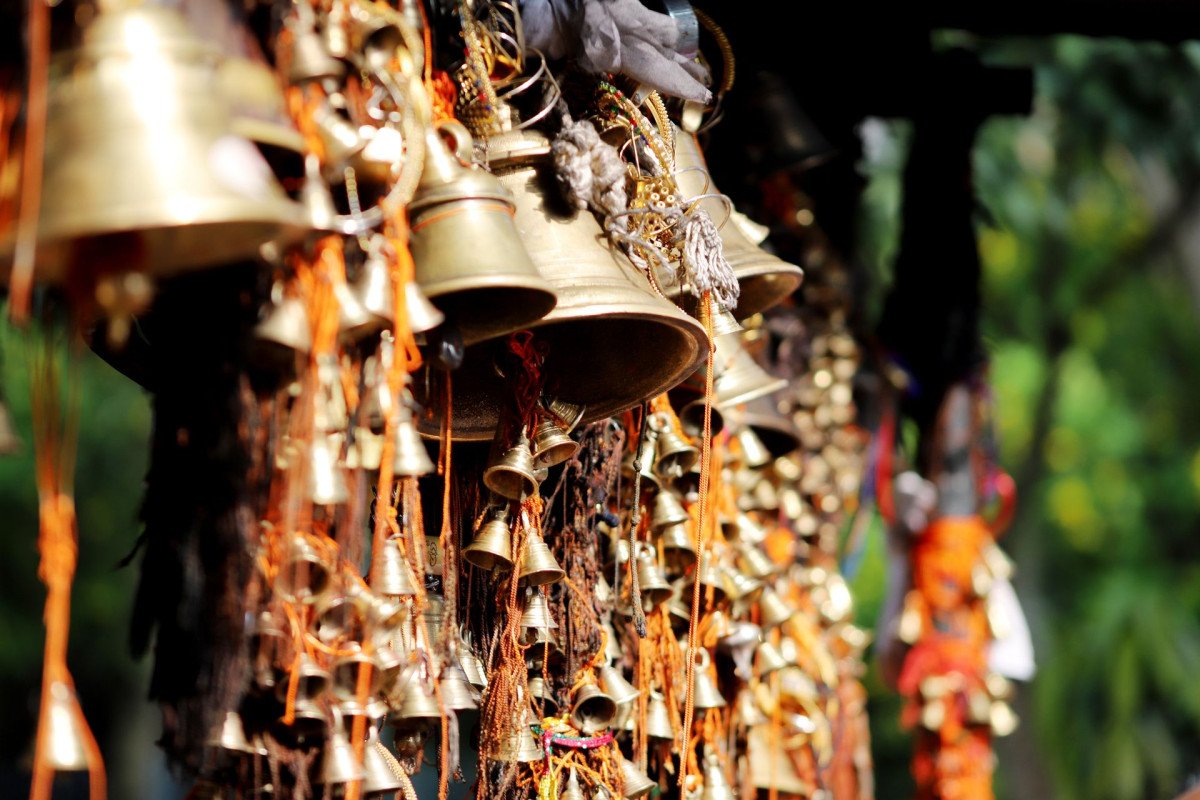
Jateswar Temple
General information
-
Ideal Duration:
1-2 HoursPlace Type:
Religious, Temple, HeritageEntry Fees:
Entry Fee Structure:
Free for Pilgrims : Entry into the Jateswar Temple and its premises for darshan and prayer is entirely free of charge, as is customary for most Hindu temples in Odisha.
Donations and Puja Mat...Entry Fee Structure:
Free for Pilgrims : Entry into the Jateswar Temple and its premises for darshan and prayer is entirely free of charge, as is customary for most Hindu temples in Odisha.
Donations and Puja Materials: The only potential cost is a voluntary donation to the temple's maintenance fund or the purchase of puja materials (flowers, coconut, prasad) from nearby vendors, which is an optional religious expense.
Photography Fees: No official fee is charged for personal photography of the exterior; however, photography inside the inner sanctum (Garbhagriha) is usually strictly prohibited or requires explicit, rare permission.
Special Rituals: Arranging for a special Puja or ritual ceremony (Homa) with the priest may involve a customary fee or donation to the priest (Dakshina), which is determined by the devotee.
Parking: Simple, open parking near the temple is often free or has a minimal, community-managed fee (approx. Rs.10 - Rs.20).Timing:
Regular Timings: 5:00 AM - 1:00 PM and 4:00 PM - 8:
00 PM (Approximate Temple Hours) : Like many Hindu temples, Jateswar Temple closes during the midday hours for Bhoga (offerings) and rest, with the main Darshan timings centered around mornin...Regular Timings: 5:00 AM - 1:00 PM and 4:00 PM - 8:
00 PM (Approximate Temple Hours) : Like many Hindu temples, Jateswar Temple closes during the midday hours for Bhoga (offerings) and rest, with the main Darshan timings centered around morning and evening rituals.
Ideal Visit Time: Early Morning (5:00 AM - 8:00 AM) or Evening (6:00 PM - 7:
30 PM) : Early morning is the best time for peaceful Darshan and avoiding crowds. Evening is ideal for witnessing the Sandhya Aarti (evening prayer) and the beautifully lit shrine.
Festival Timings: During Maha Shiv Ratri, the temple remains open continuously for 24 hours (or more) for the Jagara (night vigil); check local announcements for the specific schedule.
Astrological Timing: Visiting on a Monday (day of Lord Shiva) or during the Shravan month (July/August) is considered most auspicious and will be the most crowded.
Duration: A typical devotional visit takes about 1-1. 5 hours.Special Events:
Maha Shiv Ratri Festival: This is the paramount annual special event (February/March), involving day-long fasting, sacred bathing, and night-long vigil (Jagara), attracting huge local crowds to offer prayers to Lord Jateswar : The temple is especially decorated, and a large ...Maha Shiv Ratri Festival: This is the paramount annual special event (February/March), involving day-long fasting, sacred bathing, and night-long vigil (Jagara), attracting huge local crowds to offer prayers to Lord Jateswar : The temple is especially decorated, and a large fair often sets up outside.
Purnima and Sankranti Observances: On all major Purnima (Full Moon) days and Sankranti (Sun's transition) days, the temple sees a significantly higher number of devotees and small special rituals, marking these as important recurring events : These provide a glimpse into the ongoing religious life of the community.Best Photo Spots:
The Main Temple Facade: The best photo spot is directly in front of the main temple entrance, capturing the full Vimana (tower) and the Jagamohana in a centered frame, highlighting the Kalinga architecture and the devotion of the entrance.
The S...The Main Temple Facade: The best photo spot is directly in front of the main temple entrance, capturing the full Vimana (tower) and the Jagamohana in a centered frame, highlighting the Kalinga architecture and the devotion of the entrance.
The Shiva Linga Offering: Capture the moment of Jala Abhisheka (offering water) to the Shiva Linga in the dimly lit inner sanctum (often without flash and with permission), focusing on the spiritual intensity of the ritual.
The Ancient Tree and Shrine: Frame the main temple or a smaller shrine with the ancient Banyan tree in the foreground, using the tree's branches and roots to convey a sense of age and deep tradition.
The Festival Light: During Maha Shiv Ratri, capture the thousands of lamps (Diya) lit by devotees, creating a beautiful, warm, and glowing atmosphere perfect for low-light cultural photography.
The Temple Tank Reflection: Use the quiet, calm surface of the temple tank (kunda) to capture the reflection of the temple structure or the surrounding sky, providing a peaceful, artistic perspective.Photo Gallery
Things To Do
-
Offer Prayers & Rituals: Participate in the traditional Hindu rituals for Lord Shiva, such as offering water (Jala Abhisheka) and milk, especially on Mondays (the day of Shiva).
Attending Maha Shiv Ratri: Plan a visit during the annual Maha Shiv Ratri festival (usually in February/March) to witness the grand celebrations, fasting, and continuous prayers that attract thousands.
Quiet Meditation: The temple's ancient, spiritual atmosphere is perfect for quiet meditation and connecting with inner peace, especially in the early morning hours.
Studying Temple Art: Spend time observing the temple's architectural style and any available stone carvings, attempting to understand the religious iconography and construction style.
Seeking Local ...Offer Prayers & Rituals: Participate in the traditional Hindu rituals for Lord Shiva, such as offering water (Jala Abhisheka) and milk, especially on Mondays (the day of Shiva).
Attending Maha Shiv Ratri: Plan a visit during the annual Maha Shiv Ratri festival (usually in February/March) to witness the grand celebrations, fasting, and continuous prayers that attract thousands.
Quiet Meditation: The temple's ancient, spiritual atmosphere is perfect for quiet meditation and connecting with inner peace, especially in the early morning hours.
Studying Temple Art: Spend time observing the temple's architectural style and any available stone carvings, attempting to understand the religious iconography and construction style.
Seeking Local History: Engage with the temple priests or long-time local residents to learn about the temple's undocumented history, legends, and its importance to the Angul region.
Participating in Bhajan/Kirtan: Join the local community's devotional singing (Bhajan or Kirtan) that often takes place in the temple's Jagamohana (porch).
Lighting Lamps (Diya): Light a traditional earthen lamp (Diya) as an offering and a symbol of devotion, particularly in the evening.
Simple Temple Tour: Take a respectful walk around the entire temple premises, observing the surrounding environment and any subsidiary shrines within the complex.
Family Pilgrimage: Visit as a family to pass on cultural and religious traditions to younger generations, receiving blessings from the deity.
Outdoor Reading: Sit in a quiet corner of the temple grounds to read religious texts or simply reflect on the peaceful environment.
Collecting Prasad: Accept and consume the Prasad (consecrated food) after the main prayer ceremonies.
Supporting Temple Maintenance: Donate to the temple for its maintenance and charitable activities, contributing to the preservation of local heritage.
Information
-
Why Famous:
Historical & Spiritual Significance: Jateswar Temple is famous as one of the ancient local temples dedicated to Lord Shiva in the Angul region, likely having a deep, undocumented history : Its fame is purely spiritual, drawing devotees who believe in the powerful blessings o...Historical & Spiritual Significance: Jateswar Temple is famous as one of the ancient local temples dedicated to Lord Shiva in the Angul region, likely having a deep, undocumented history : Its fame is purely spiritual, drawing devotees who believe in the powerful blessings of Lord Jateswar. It serves as a cornerstone of the local Hindu community's identity and religious practices. The temple is especially famous for the large celebrations held during Maha Shiv Ratri, where thousands of devotees congregate to offer prayers. The serene atmosphere of the temple, away from the main town center, adds to its spiritual appeal.
Local Pilgrimage: It is a compulsory stop on the local pilgrimage circuit, connecting it to other regional Shiva shrines and enhancing its fame as a sacred site of great antiquity : Its simple structure belies its powerful hold on the local populace's faith. -
Architecture:
Structure:
Traditional Kalinga Style Temple : The temple is built in the traditional Kalinga architectural style, characterized by the towering Rekha Deula (sanctum tower) and the Jagamohana (porch). It is typically made of local stone (sand...Structure:
Traditional Kalinga Style Temple : The temple is built in the traditional Kalinga architectural style, characterized by the towering Rekha Deula (sanctum tower) and the Jagamohana (porch). It is typically made of local stone (sandstone or granite).
Dimension:
Modest to Medium scale : The temple's footprint is modest compared to grand state temples, but its height maintains the proportional dignity of the Kalinga style. It likely features a square Garbhagriha (inner sanctum) and a pillared Jagamohana.
Style:
Devotional Stone Carving : Though the carvings may be less profuse than on ancient temples, they adhere to the iconographic standards of a Shiva temple, featuring motifs like Ganesha, Kartikeya, and other deities on the exterior walls, all constructed with durable stone masonry. -
How To Reach:
By Air: The Nearest Airport is Biju Patnaik International Airport (BBI) in Bhubaneswar (approx.
127-150 KMS) : Take a taxi or airport shuttle from BBI to Angul town, then a short local ride to the temple location.
Read MoreBy Air: The Nearest Airport is Biju Patnaik International Airport (BBI) in Bhubaneswar (approx.
127-150 KMS) : Take a taxi or airport shuttle from BBI to Angul town, then a short local ride to the temple location.
By Train: The Nearest Major Railway Station is Angul Railway Station (ANGL) (approx.
4 KMS) : Angul station is well-connected. From the station, the temple is a very short and inexpensive ride via local auto-rickshaw or electric rickshaw.
By Road: The temple is located relatively close to Angul town center, easily accessible via local roads : Private cars, taxis, and auto-rickshaws can reach the temple directly. The drive from the town center is very short (approx. 15-20 minutes).
By Local Transport: The most convenient local transport option is a pre-paid auto-rickshaw or a shared e-rickshaw from any part of Angul town to the temple and back; the short distance makes it a very easy and quick trip.Weather and Best Time to Visit:
Different Types of Seasons: Winter (October to March) is the most pleasant season for a comfortable temple visit, with cool temperatures and dry weather : The atmosphere is calm and conducive to spiritual practices. Monsoon season is challenging due to humidity but is consi...Different Types of Seasons: Winter (October to March) is the most pleasant season for a comfortable temple visit, with cool temperatures and dry weather : The atmosphere is calm and conducive to spiritual practices. Monsoon season is challenging due to humidity but is considered auspicious by some for Shiva worship.
Different Parts of the Day: Early Morning (5:00 AM - 7:00 AM) is the best time for peaceful Darshan and avoiding the midday heat and the evening crowd : Evening Aarti (6:00 PM - 7:30 PM) is also a beautiful time to visit, witnessing the temple lit by lamps.
Religious Days: Visiting on a Monday or during the Hindu month of Shravan (July/August) is considered highly auspicious, though it will be the most crowded.
Avoid Midday: Avoid visiting during the midday closing time (1:00 PM - 4:00 PM approx. ) and the midday heat of Summer.Near Tourist Places:
1. Budhi Thakurani Temple (5 KMS) 2. Saila Srikhetra Jagannath Temple (4 KMS) 3. Angul Town Market (10 KMS) 4. Derjang Reservoir (20 KMS) 5. Kukudanga Picnic Spot (25 KMS) 6. I Love Angul Sign (12 KMS) 7. Zero Point (10 KMS) 8. Chila Lake Odisha (15 KMS) 9. Talcher Palace (35 KMS) 10. Hingula Temple (40 KMS)Tourism Tips
-
Health & Safety: Remove shoes before entering the temple; be cautious of the wet marble or stone floors after rain or during Abhisheka (ritual bathing).
Packing: Ensure modest dress (covering shoulders and knees) is worn out of respect for ...Health & Safety: Remove shoes before entering the temple; be cautious of the wet marble or stone floors after rain or during Abhisheka (ritual bathing).
Packing: Ensure modest dress (covering shoulders and knees) is worn out of respect for the religious site : Carry a small pouch for shoes and a container to hold water/milk for Abhisheka to the Shivalinga.
Accommodation: Numerous hotels, guest houses, and Dharamshalas are available in Angul town (very close by).
Spiritual Protocol: Do not take photographs inside the inner sanctum (Garbhagriha); be quiet and respectful during prayer times and ceremonies.
Festival Preparation: If visiting during Maha Shiv Ratri, be prepared for massive crowds, long waiting times for Darshan, and plan for an all-night stay, as traditional Jagara (vigil) is observed.
Offerings: Purchase Puja materials from authorized vendors near the temple entrance, and only offer items traditionally used in Shiva worship.
Reviews
FAQs
Angul Itineray And Cost:-
Information about New and Updated Locations() of Odisha Has Been Added :-
Card subtitle
Note:-
Information provided here in good Faith and for reference only.
All information and pictures will be updated soon, please keep visiting.
Near Places

Angul Forest Division
Some quick example text to build on the card title and make up the bulk of the card's content.
Go somewhere
Angul Town Park
Some quick example text to build on the card title and make up the bulk of the card's content.
Go somewhere
Baghabasa Wildlife
Some quick example text to build on the card title and make up the bulk of the card's content.
Go somewhere
Baisipalli Wildlife Sanctuary
Some quick example text to build on the card title and make up the bulk of the card's content.
Go somewhere
Banadurga Temple
Some quick example text to build on the card title and make up the bulk of the card's content.
Go somewhere
Baneswara Shiva Temple
Some quick example text to build on the card title and make up the bulk of the card's content.
Go somewhere
Bhimkund
Some quick example text to build on the card title and make up the bulk of the card's content.
Go somewhere
Budhataakuruni Temple
Some quick example text to build on the card title and make up the bulk of the card's content.
Go somewhere
Chhotkei Nature Camp
Some quick example text to build on the card title and make up the bulk of the card's content.
Go somewhere
Deulajhari Hot Springs
Some quick example text to build on the card title and make up the bulk of the card's content.
Go somewherein Other Cities