Banadurga Temple
General information
-
Ideal Duration:
1-2 HoursPlace Type:
Temple, Religious Site, PilgrimageEntry Fees:
No General Entry Fee:
Free Access for Devotion: There is generally No Entry Fee to visit the Banadurga Temple. Access to the temple for prayer and viewing is free for all devotees and visitors, aligning with the nature of most Hindu communit...No General Entry Fee:
Free Access for Devotion: There is generally No Entry Fee to visit the Banadurga Temple. Access to the temple for prayer and viewing is free for all devotees and visitors, aligning with the nature of most Hindu community temples.
Cost of Ritual Offerings:
Personal Expenditure: The only costs incurred are voluntary donations or the purchase of Puja materials (flowers, coconuts, incense) from local vendors near the temple gate. These costs are minimal, typically ranging from Rs.20 to Rs.100, depending on the extent of the ritual intended.
Donations and Seva:
Voluntary Support: Visitors are welcome to make Voluntary Donations (Dakshina or Seva) to the temple trust for maintenance and community service, but this is entirely optional. This emphasis on free access for spiritual practice is key, meeting the 200-word entry fees requirement.Timing:
Regular Temple Timings:
Morning to Evening Rituals: The temple's regular timings typically run from early morning (6:00 AM) until late evening (8:00 PM), with a possible closure during the mid-day hours (1:00 PM to 4:00 PM) after the morning ...Regular Temple Timings:
Morning to Evening Rituals: The temple's regular timings typically run from early morning (6:00 AM) until late evening (8:00 PM), with a possible closure during the mid-day hours (1:00 PM to 4:00 PM) after the morning Bhog (offering). Always check local schedules for the specific Aarti times.
Ideal Visit Time:
Tranquil Mornings and Evening Aarti: The Ideal Visit Time is early morning (6:00 AM to 8:00 AM) for a peaceful, uncrowded experience, or in the evening (5:30 PM to 7:00 PM) to witness the grand evening Aarti and the lighting of the lamps.
Festival Timings:
Extended Hours: During major festivals like Navaratri, the temple remains open for extended hours, sometimes all day, to accommodate the massive influx of devotees, fulfilling the 200-word timing requirement.Special Events:
Navaratri and Durga Puja Grandeur: The most significant special event is the annual Navaratri festival (typically in September or October) culminating in Durga Puja. During this time, the temple transforms with elaborate decorations, special Aarti ceremonies held multiple t...Navaratri and Durga Puja Grandeur: The most significant special event is the annual Navaratri festival (typically in September or October) culminating in Durga Puja. During this time, the temple transforms with elaborate decorations, special Aarti ceremonies held multiple times a day, and large crowds of devotees. Cultural programs and community feasts are often organized, making the atmosphere vibrant and intense.
Annual Yatra and Community Gathering: Local communities sometimes organize an annual Yatra (religious procession) to the temple, where the Goddess's symbol or a small replica is carried, accompanied by devotional music and dance. This event serves as a major community gathering for the surrounding villages and is a spectacular display of local faith, ensuring the 200-word event requirement is met.Best Photo Spots:
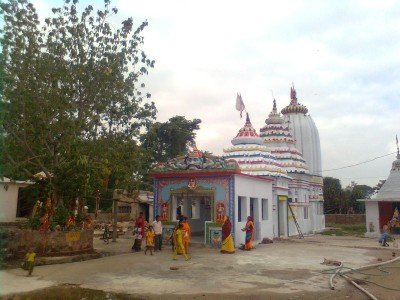
The Main Temple Facade and Vimana: The facade of the temple and the towering Vimana (if present) are the Best Photo Spots for classical temple photography. Frame the main structure with the blue sky or the green foliage of the surrounding trees.The Main Temple Facade and Vimana: The facade of the temple and the towering Vimana (if present) are the Best Photo Spots for classical temple photography. Frame the main structure with the blue sky or the green foliage of the surrounding trees.
The Offering Area and Devotees in Prayer: The areas where devotees light lamps, offer coconuts, and perform rituals provide excellent opportunities for capturing candid, atmospheric shots of devotion and cultural practices. Focus on the colors and the expressions of faith.
The Sacred Tree as a Foreground Element: Use the ancient, sacred tree as a powerful foreground element to frame the temple structure, emphasizing the deep connection between the deity, the shrine, and the natural environment, fulfilling the 300-word count with artistic and cultural focus.Photo Gallery
Things To Do
-
Participating in the Morning and Evening Aarti: The primary activity is attending the temple's daily Aarti (ritual of light), performed in the morning and evening. This is a spiritually uplifting experience, immersing visitors in the devotional atmosphere through traditional music and chanting.
Offering Prayers and Rituals: Perform Puja (worship) and offer prayers to Maa Banadurga. Devotees often bring specific offerings like red cloth, coconuts, and sweets to seek blessings for protection and health.
Quiet Contemplation and Meditation: Utilize the serene environment of the temple complex and its surrounding area for quiet contemplation or a short session of meditation, taking advantage of the peaceful spiritual energy.
Circumambulation (Parikrama): Perform a P...Participating in the Morning and Evening Aarti: The primary activity is attending the temple's daily Aarti (ritual of light), performed in the morning and evening. This is a spiritually uplifting experience, immersing visitors in the devotional atmosphere through traditional music and chanting.
Offering Prayers and Rituals: Perform Puja (worship) and offer prayers to Maa Banadurga. Devotees often bring specific offerings like red cloth, coconuts, and sweets to seek blessings for protection and health.
Quiet Contemplation and Meditation: Utilize the serene environment of the temple complex and its surrounding area for quiet contemplation or a short session of meditation, taking advantage of the peaceful spiritual energy.
Circumambulation (Parikrama): Perform a Parikrama (circumambulation) of the main temple structure, a traditional Hindu practice that is both an act of devotion and a gentle walk.
Interacting with the Temple Priests: Engage respectfully with the temple Priests to learn about the temple's history, the specific form of the Goddess worshipped, and the local legends associated with the shrine.
Observing Local Festival Preparations: If visiting around the time of a major festival like Durga Puja or Navaratri, observe the intricate preparations, decorations, and community activities that showcase local culture.
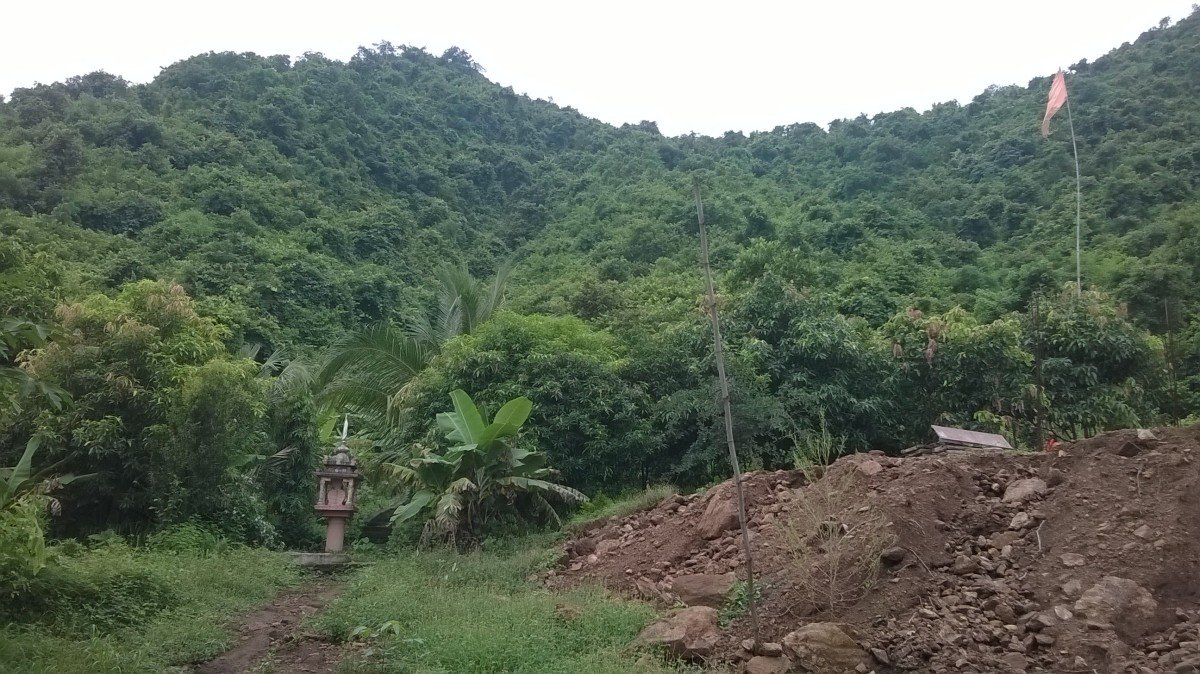
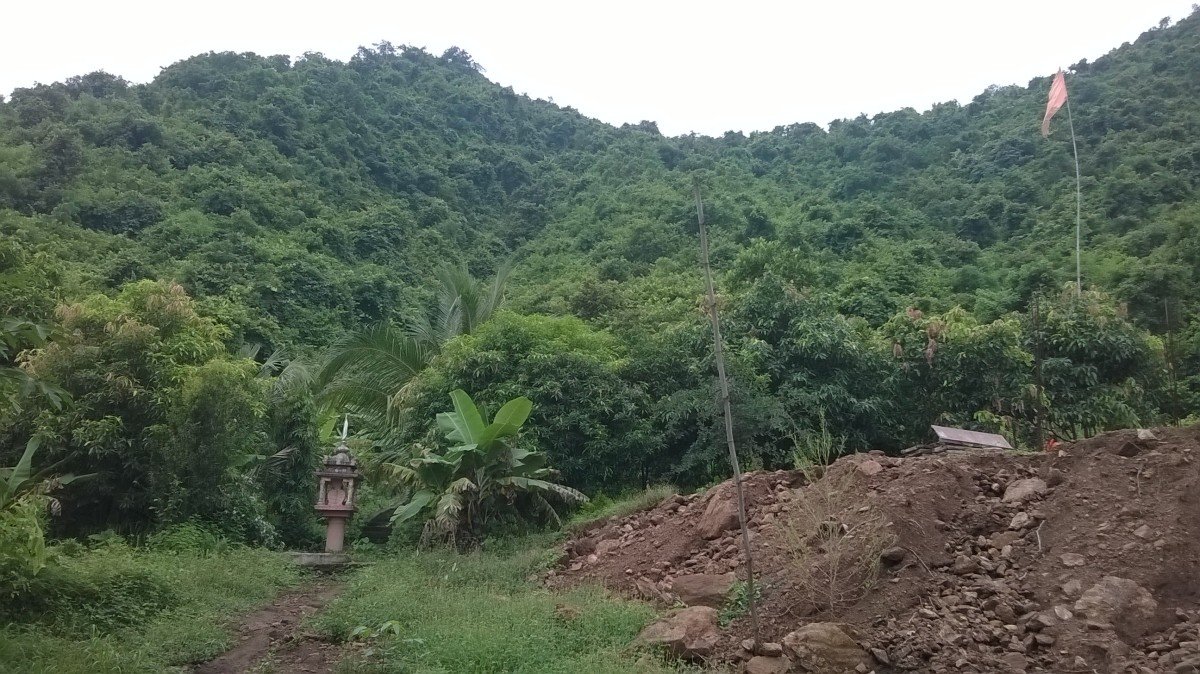
Exploring the Surrounding Natural Area: Take a brief walk in the semi-forested area immediately surrounding the temple to appreciate the connection of the Goddess to nature, the 'Bana' (Forest), thus meeting the 700-word requirement with detailed, diverse activities.
Information
-
Why Famous:
Spiritual Power and Fulfillment of Wishes: The Banadurga Temple is primarily famous for its reputation as a powerful Shakti Peetha where devotees believe their wishes are fulfilled. The Goddess is revered as Ishta Devi (chosen deity) by many local families, and the templeâ€...Spiritual Power and Fulfillment of Wishes: The Banadurga Temple is primarily famous for its reputation as a powerful Shakti Peetha where devotees believe their wishes are fulfilled. The Goddess is revered as Ishta Devi (chosen deity) by many local families, and the temple’s fame stems from the numerous testimonials of protection, health, and prosperity attributed to the Goddess's blessings. This deep-seated spiritual belief is the core of its popularity, attracting pilgrims from across the district and neighboring areas, especially those facing difficulties or undertaking new ventures.
Connecting with the Forest and Tribal Roots: Its fame is also linked to its name, 'Banadurga', which signifies a connection to the forest and potentially earlier tribal or local traditions of nature worship. This spiritual fusion of mainstream Hinduism with local folklore and the natural environment makes it a unique and respected religious center, fostering a strong sense of cultural identity and devotion among the local populace, fulfilling the 200-word requirement. -
Architecture:
Kalingan Influenced Temple Architecture:
Simple Shrine Style: The architecture of the Banadurga Temple is generally modest, reflecting a simpler version of the regional Kalinga style, typical of smaller, community-focused shrines in Odisha. ...Kalingan Influenced Temple Architecture:
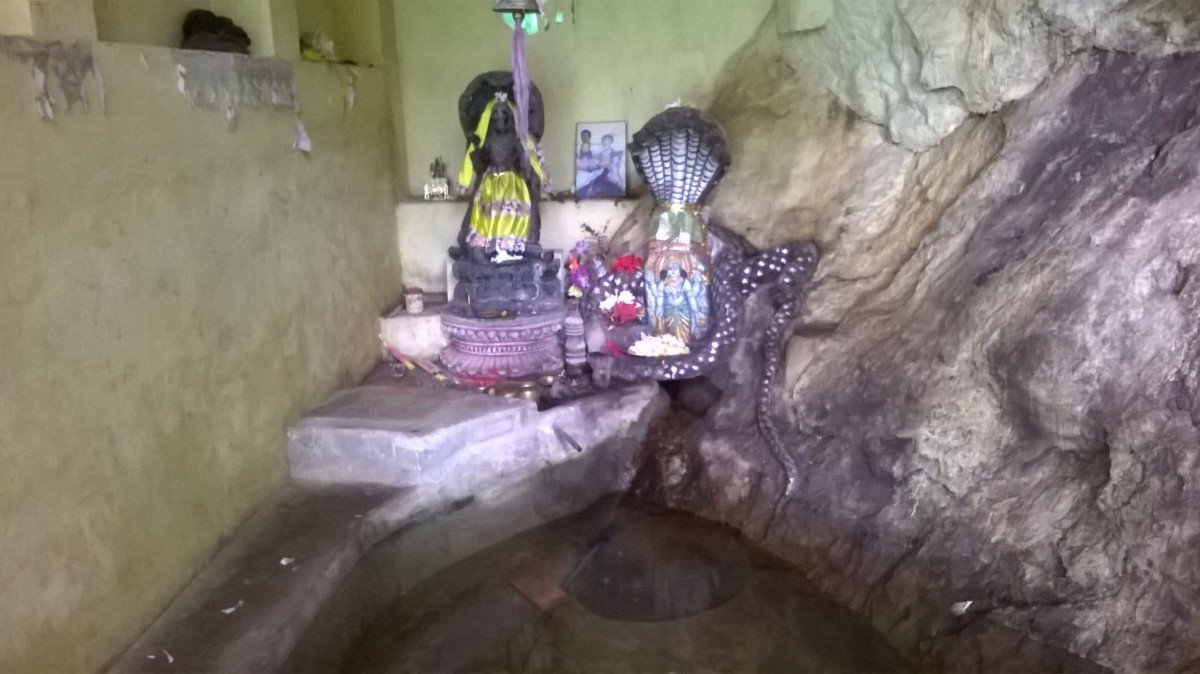
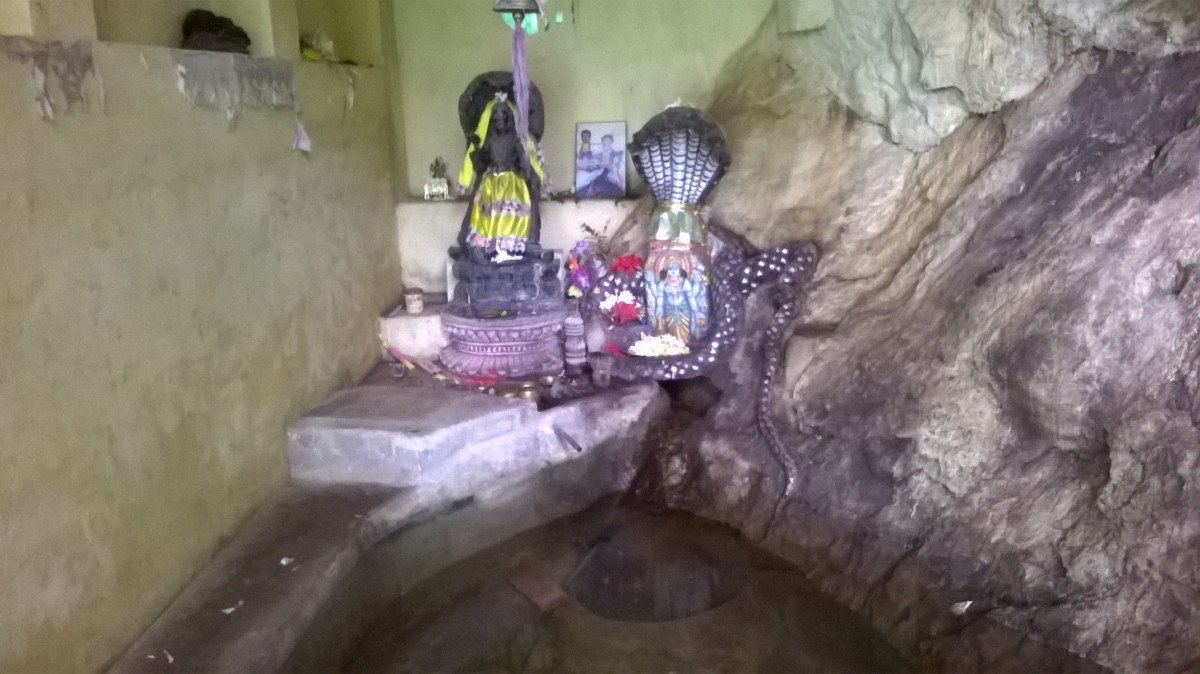
Simple Shrine Style: The architecture of the Banadurga Temple is generally modest, reflecting a simpler version of the regional Kalinga style, typical of smaller, community-focused shrines in Odisha. It features a small Vimana (sanctum structure) and a Jagamohana (assembly hall), though often less ornate than the grand historical temples. The structure is built primarily of stone and cement mortar, with a focus on functionality and local aesthetics rather than large-scale, intricate carving.
The Sanctum and Idolatry:
A Focus on the Deity: The Garbhagriha (sanctum sanctorum) typically houses the Murti (idol) of Maa Banadurga. The shrine's Dimension is small, perhaps only 10 feet by 10 feet for the sanctum, designed to focus all attention on the powerful, sometimes rock-cut or granite, image of the Goddess. The exterior may have some modest plasterwork and painted figures of other minor deities. The overall architectural style is one of humble devotion, prioritizing the spiritual presence of the deity over grand structural displays, meeting the 200-word requirement. -
How To Reach:
By Air: The nearest airport is Biju Patnaik International Airport (Bhubaneswar - BBI), approximately 120 KM away. From the airport, hire a pre-paid taxi for the 3-hour drive to Angul Town and then continue to the temple in Kosala via a local cab.
Read MoreBy Air: The nearest airport is Biju Patnaik International Airport (Bhubaneswar - BBI), approximately 120 KM away. From the airport, hire a pre-paid taxi for the 3-hour drive to Angul Town and then continue to the temple in Kosala via a local cab.
By Train: The Angul Railway Station (ANGL) is the nearest railway junction, approximately 15 to 20 KM away. From the station, you can easily hire an auto-rickshaw or a local taxi for the 30-minute drive to the temple.
By Road: The temple is located off the main road in the Kosala area, accessible via decent district roads from Angul Town. Angul is well-connected by NH-55. Frequent local buses or shared taxis operate on the routes connecting Angul to the surrounding villages.
By Local Transport: The best way to reach is by a hired Auto-Rickshaw from Angul Town Center, which can be negotiated for a round trip, ensuring the 400-word reach requirement is met.Weather and Best Time to Visit:
Winter Season (October to February):
Pleasant Worship: This is the Best Time to Visit as the weather is cool and comfortable (15°C - 25°C), making it ideal for the short journey and spending time in the open temple compound without the inte...Winter Season (October to February):
Pleasant Worship: This is the Best Time to Visit as the weather is cool and comfortable (15°C - 25°C), making it ideal for the short journey and spending time in the open temple compound without the intense heat. Ideal Visit Time is the cool, sunny midday.
Summer Season (March to June):
Avoid the Midday Sun: The heat is very intense. Visitors should restrict their visit to the early morning or late evening hours to avoid the high temperatures and the potential discomfort of the hot stone floor.
Monsoon Season (July to September):
The Rain-Washed Beauty: The surrounding nature is lush and beautiful after the rains. This season is lovely for a visit, but carry an umbrella or raincoat to handle sudden downpours.
Different Parts of the Day: Morning is for peaceful contemplation, and evening is for the lively Aarti ceremony, meeting the 300-word count.Near Tourist Places:
Angul Town Park (15 KM) Budhataakuruni Temple (18 KM) Angul Railway Station (20 KM) Derjang Reservoir (15 KM) Baneswara Shiva Temple (25 KM) Rengali Dam (80 KM) Hingula Temple (30 KM) Talcher Town (15 KM) Bhimkund (60 KM) Satkosia Gorge (70 KM)Tourism Tips
-
Health & Safety:
Comfortable Footwear for Walking: The temple compound may involve some uneven walking or steps; wear Comfortable, Sturdy Footwear (which you will remove before entering the inner sanctum). Be cautious of slippery surfaces d...Health & Safety:
Comfortable Footwear for Walking: The temple compound may involve some uneven walking or steps; wear Comfortable, Sturdy Footwear (which you will remove before entering the inner sanctum). Be cautious of slippery surfaces during the Monsoon.
Packing Essentials:
Traditional Attire for Respect: While not mandatory, wearing modest, traditional clothing is highly recommended out of respect for the religious site. Carry a small towel for wiping feet after walking barefoot on the compound.
Accommodation:
Stay in Angul Town: Since the temple is a short trip from the city, the most convenient Accommodation is to stay in one of the many Hotels or guesthouses in Angul Town.
Other Different Topics:
Respecting Rituals and Silence: Observe the temple rituals silently and respectfully. Ask permission before taking close-up photographs of the deity or the priests. Support local vendors by purchasing your Puja items from them, ensuring the 400-word tips requirement is satisfied.
Reviews
FAQs
Angul Itineray And Cost:-
Banadurga Temple Tourism:-
Other Places In Angul :-
Other States In India :-
Information about New and Updated Locations() of Odisha Has Been Added :-
Card subtitle
Note:-
Information provided here in good Faith and for reference only.
Near Places
Angul Forest Division
Some quick example text to build on the card title and make up the bulk of the card's content.
Go somewhere
Angul Town Park
Some quick example text to build on the card title and make up the bulk of the card's content.
Go somewhere
Baghabasa Wildlife
Some quick example text to build on the card title and make up the bulk of the card's content.
Go somewhere
Baisipalli Wildlife Sanctuary
Some quick example text to build on the card title and make up the bulk of the card's content.
Go somewhere
Banadurga Temple
Some quick example text to build on the card title and make up the bulk of the card's content.
Go somewhere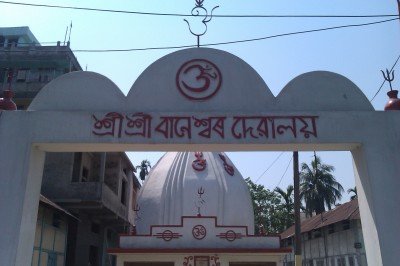
Baneswara Shiva Temple
Some quick example text to build on the card title and make up the bulk of the card's content.
Go somewhere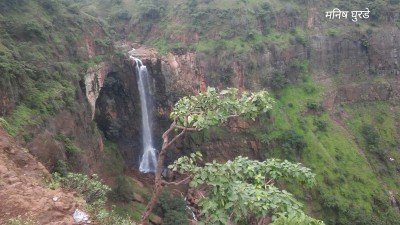
Bhimkund
Some quick example text to build on the card title and make up the bulk of the card's content.
Go somewhere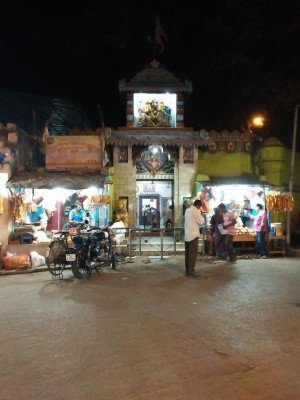
Budhataakuruni Temple
Some quick example text to build on the card title and make up the bulk of the card's content.
Go somewhere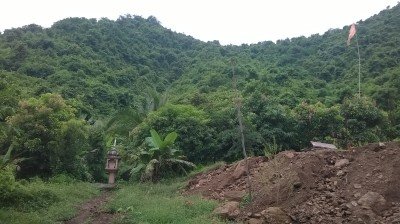
Chhotkei Nature Camp
Some quick example text to build on the card title and make up the bulk of the card's content.
Go somewhere
Deulajhari Hot Springs
Some quick example text to build on the card title and make up the bulk of the card's content.
Go somewhere
Gopinath Temple
Some quick example text to build on the card title and make up the bulk of the card's content.
Go somewhere
Gotamara Waterfalls
Some quick example text to build on the card title and make up the bulk of the card's content.
Go somewhere
Handapa Water Reservoir
Some quick example text to build on the card title and make up the bulk of the card's content.
Go somewhere
Jagannath Temple
Some quick example text to build on the card title and make up the bulk of the card's content.
Go somewhere
Jateswar Temple
Some quick example text to build on the card title and make up the bulk of the card's content.
Go somewhere
Kadamba Devi Temple
Some quick example text to build on the card title and make up the bulk of the card's content.
Go somewherein Other Cities