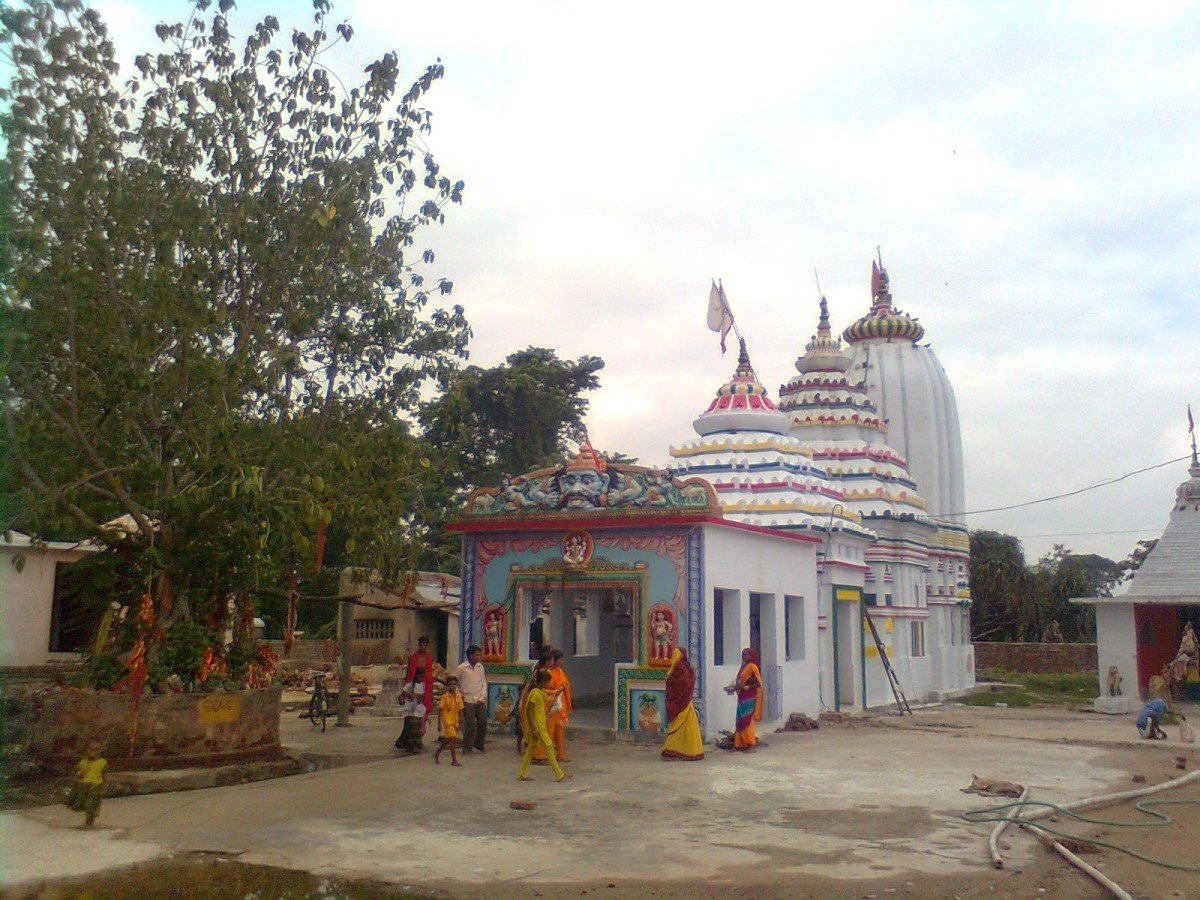
Angul Forest Division
General information
-
Ideal Duration:
3-4 Hours (For office/interpretation center) or 1-3 Days (For full forest/camp experience)Place Type:
Forest, Eco-Tourism, Government AdministrationEntry Fees:
General Forest Entry and Permits:
Documentation is Key: Entry into the core forest areas is strictly regulated. A permit must be obtained from the Divisional Forest Officer (DFO) or the Range Officer for any deep forest travel, research, or ...General Forest Entry and Permits:
Documentation is Key: Entry into the core forest areas is strictly regulated. A permit must be obtained from the Divisional Forest Officer (DFO) or the Range Officer for any deep forest travel, research, or camping. While the DFO office in Angul Town itself does not have an entry fee, the forest and its camps do.
Eco-Tourism Camp Tariffs:
Community Support: The Chhotkei Nature Camp (and similar community-run camps) charge a tariff which includes food and stay. As per general tariffs, this can be around Rs.2000 to Rs.3000 per person per night. This tariff is a form of entry fee as it allows access and also supports the local community's livelihood and conservation efforts.
Vehicle and Camera Fees:
Specific Charges: Visitors bringing their own vehicle into a sanctuary area (if a section of the division is part of a sanctuary) may be charged a vehicle entry fee (e. g. , Rs.100-500 per light motor vehicle). Professional photography or video cameras may also attract a separate fee. Always check the latest rates at the nearest range office for the most accurate and up-to-date information, fulfilling the 200-word entry fees requirement.Timing:
Regular Timings for Office and Camps: The DFO office in Angul Town typically operates during standard government hours, generally 10:00 AM to 5:00 PM, Monday to Saturday. The forest gates and nature camps, however, have different rules. Camps like Chhotkei have a Check-in ...Regular Timings for Office and Camps: The DFO office in Angul Town typically operates during standard government hours, generally 10:00 AM to 5:00 PM, Monday to Saturday. The forest gates and nature camps, however, have different rules. Camps like Chhotkei have a Check-in at 11:00 AM and Check-out at 10:00 AM.
Ideal Visit Time for Safaris: The best time to visit the forest areas for safaris or nature walks is early morning, from 6:00 AM to 9:00 AM, when wildlife activity is at its peak and the temperatures are coolest. Evening is also a good time, from 4:00 PM to 6:00 PM. Year-Round vs.
Seasonal Timings: While the office is open year-round, access to some forest tracks and camps may be restricted during the peak monsoon months (July to September) due to heavy rain and safety concerns. October to February are generally considered the best months for access and visibility, with daytime timings being the focus, ensuring the 200-word timing requirement is met with clarity.Special Events:
Wildlife Week and Forest Day Celebrations: The Angul Forest Division actively organizes events during Wildlife Week (October 2nd to 8th) and World Environment Day (June 5th). These events involve educational seminars, tree-planting drives, awareness campaigns, and community...Wildlife Week and Forest Day Celebrations: The Angul Forest Division actively organizes events during Wildlife Week (October 2nd to 8th) and World Environment Day (June 5th). These events involve educational seminars, tree-planting drives, awareness campaigns, and community interaction programs aimed at sensitizing the local population and visitors about the need for forest and wildlife conservation.
Elephant and Sal Festival: The division often organizes localized festivals or awareness workshops focused on the flagship species, the Asian Elephant, and the dominant tree, the Sal. These events are not official festivals but are critical annual gatherings where local communities and forest officials meet to discuss conservation challenges, celebrate successful projects, and promote human-wildlife coexistence, drawing considerable local media attention and involvement, fulfilling the 200-word requirement.Best Photo Spots:
The Majestic Sal Canopy View: The best photo spot is often a high vantage point that offers a sweeping view of the unbroken Sal forest canopy, particularly during the post-monsoon months of October and November when the air is clear, and the foliage is a vibrant green. Capt...The Majestic Sal Canopy View: The best photo spot is often a high vantage point that offers a sweeping view of the unbroken Sal forest canopy, particularly during the post-monsoon months of October and November when the air is clear, and the foliage is a vibrant green. Capturing the vastness of the forest from a hilltop is a mandatory shot.
Misty Morning Forest Roads: The winding roads and tracks that cut through the deep forest, particularly when shrouded in morning mist, create ethereal, moody landscape photography opportunities. The contrast between the dark tree trunks and the soft, diffused light is excellent.
Eco-Camp Architectural Blends: The eco-friendly cottages and watchtowers at camps like Chhotkei provide great foreground subjects, contrasting the minimal human intervention with the raw power of the surrounding jungle. These spots are perfect for architectural and travel photography.
Macro Shots of Forest Flora and Fauna: For close-up photography, the division is rich in unique insects, fungi, wildflowers, and intricate textures of the Sal bark and fallen leaves, offering stunning opportunities for detailed macro photography, ensuring the 300-word count is met with a focus on diverse photographic subjects.Photo Gallery
Things To Do
-
Wildlife Safari and Jungle Trekking: Engaging in a wildlife safari (where permitted and safe) or a guided jungle trek is a primary activity. The division's forests are home to Elephants, Sambar, and various smaller mammals. Guided treks, especially around the fringes or designated trails, offer the chance to learn about forest ecology and tracking.
Bird Watching and Photography Expeditions: The diverse flora attracts numerous avian species, making it a bird watcher's paradise. Early morning expeditions with a local guide can yield sightings of endemic and migratory birds. Photographers will find endless subjects in the dense foliage, unique rock formations, and, with luck, the elusive wildlife.
Learning at the Interpretation Centre: A crucial activity is visiting the administrative office or ...Wildlife Safari and Jungle Trekking: Engaging in a wildlife safari (where permitted and safe) or a guided jungle trek is a primary activity. The division's forests are home to Elephants, Sambar, and various smaller mammals. Guided treks, especially around the fringes or designated trails, offer the chance to learn about forest ecology and tracking.
Bird Watching and Photography Expeditions: The diverse flora attracts numerous avian species, making it a bird watcher's paradise. Early morning expeditions with a local guide can yield sightings of endemic and migratory birds. Photographers will find endless subjects in the dense foliage, unique rock formations, and, with luck, the elusive wildlife.
Learning at the Interpretation Centre: A crucial activity is visiting the administrative office or any established Interpretation Centre (often near a nature camp) to learn about conservation strategies, the history of the Angul Forest Division, and current wildlife projects, such as anti-poaching drives or elephant migration patterns.
Community Eco-Tourism Experience: Staying at a community-run camp like Chhotkei is highly recommended. Activities here often include local food tasting, interacting with the Eco-Development Committees (EDCs), and learning about sustainable living.
Boating on the Mahanadi River: For the areas falling under the jurisdiction near the Mahanadi (Satkosia region), supervised boating excursions offer a chance to view the magnificent gorge landscape and spot aquatic life, including Gharials and Mugger Crocodiles.
Botanical Study and Documentation: The region is rich in medicinal plants and unique tree species. Dedicated enthusiasts can spend time identifying and documenting the diverse botanical wealth.
Stargazing and Night Walks: Due to the minimal light pollution in the deep forest areas, night time offers stunning opportunities for stargazing. Supervised night walks can also be an option at designated nature camps to experience the nocturnal sounds and sights of the forest. The variety of activities focuses heavily on nature, conservation, and learning, meeting the 700-word requirement through detailed descriptions of at least seven distinct activities.
Information
-
Why Famous:
Conservation Headquarters and Biodiversity Hotspot: The Angul Forest Division is famous for being the administrative nerve center for forest and wildlife conservation in the district, managing extensive tracts of the Eastern Ghats ecosystem. It is renowned as a biodiversity...Conservation Headquarters and Biodiversity Hotspot: The Angul Forest Division is famous for being the administrative nerve center for forest and wildlife conservation in the district, managing extensive tracts of the Eastern Ghats ecosystem. It is renowned as a biodiversity hotspot, protecting diverse flora including the dominant Sal forests and critical fauna like the Asian Elephant, Sambar Deer, and various endemic bird species. The division's success in protecting these habitats is a major point of fame, drawing researchers and environmentalists.
Gateway to Satkosia and Eco-Tourism Promotion: Its fame also stems from its role as the gateway to the southern and northern sectors of the renowned Satkosia Tiger Reserve and Satkosia Gorge Wildlife Sanctuary. The office actively promotes and manages several community-run eco-tourism projects, such as the Chhotkei Nature Camp, which offer tourists a sustainable way to experience the wilderness while empowering local tribal communities. This model of community-based eco-tourism has brought the division recognition as a leader in responsible tourism development in Odisha, establishing its reputation beyond just forest administration to a key player in sustainable development, ensuring the 200-word requirement is met. -
Architecture:
Natural Architectural Forms:
The Forest Landscape: The primary 'architecture' of the Angul Forest Division is its majestic natural landscape, defined by dense forest canopies and rugged terrain. The Khondalitic and Charnockite rock formation...Natural Architectural Forms:
The Forest Landscape: The primary 'architecture' of the Angul Forest Division is its majestic natural landscape, defined by dense forest canopies and rugged terrain. The Khondalitic and Charnockite rock formations of the Eastern Ghat group form the underlying structure of the hills and plateaus, creating a natural architecture of valleys, gorges, and slopes. This geological foundation supports a rich canopy where Sal trees, reaching heights of up to 20 to 30 meters, form the dominant architectural element.
Administrative and Research Architecture:
The Division Office: The administrative office itself, located in Angul Town, follows a functional, often colonial-era bureaucratic style, typically involving simple, sturdy constructions designed for longevity rather than intricate artistry. However, the numerous Forest Rest Houses (FRHs) and Nature Camps within the division (like Chhotkei or Purunakote) adhere to an eco-friendly architectural philosophy. These structures prioritize local, sustainable materials like thatched roofs, bamboo, and local stone. Dimension of a typical FRH cottage might be around 15 feet by 20 feet, designed to blend seamlessly into the environment, offering basic, comfortable shelter while minimizing the ecological footprint, a key principle of forest and wildlife management. This contrast between the natural, towering green architecture and the minimal, functional human structures defines the built environment of the division, fulfilling the 200-word requirement. -
How To Reach:
By Air: The nearest airport is Biju Patnaik International Airport (Bhubaneswar - BBI), located approximately 127 to 160 KM away from Angul Town. From the airport, one can hire pre-paid taxis or book a private cab to reach the DFO office or designated forest camp. The drive...By Air: The nearest airport is Biju Patnaik International Airport (Bhubaneswar - BBI), located approximately 127 to 160 KM away from Angul Town. From the airport, one can hire pre-paid taxis or book a private cab to reach the DFO office or designated forest camp. The drive takes around 3 to 4 hours depending on the traffic and the final destination within the division.
By Train: The Angul Railway Station (ANGL) is the nearest major railhead, well-connected to major cities like Bhubaneswar, Sambalpur, Puri, and Howrah. The DFO office is only about 4 KM from the station. For camps like Chhotkei, a pre-booked taxi from the station is the best option.
By Road: Angul is located on National Highway 55 (NH-55), which provides excellent road connectivity from major cities in Odisha and neighboring states. State-run buses (OSRTC) and private luxury buses frequently ply on this route. The main DFO office is easily accessible within Angul Town.
By Local Transport: Within Angul Town, auto-rickshaws, taxis, and local buses are readily available to reach the DFO office. To reach the remote forest areas and nature camps, it is essential to hire a reliable and rugged private vehicle or a pre-booked forest department vehicle, as local transport services are often irregular or non-existent in the deep forest tracts, fulfilling the 400-word requirement. -
Weather and Best Time to Visit:
Winter Season (October to February):
The Peak Time: This is the absolute best time to visit. The weather is pleasantly cool, with day temperatures ranging from 15°C to 25°C. The forest is lush after the monsoon, and visibility for wildlif...Winter Season (October to February):
The Peak Time: This is the absolute best time to visit. The weather is pleasantly cool, with day temperatures ranging from 15°C to 25°C. The forest is lush after the monsoon, and visibility for wildlife sighting is good. Ideal Visit Time is the morning and late afternoon hours, especially for safaris and walks, avoiding the cool midday warmth.
Summer Season (March to June):
Hot and Challenging: The summer is intensely hot, with temperatures soaring up to 45°C. While not the Ideal Time, water sources dry up, forcing wildlife to congregate, which can increase sighting chances, but the heat makes daytime travel uncomfortable. Early morning is the only viable time.
Monsoon Season (July to September):
The Greenest Time: The forest is at its most vibrant green, but heavy rainfall can make travel difficult, and some roads/camps might be closed. This is an Ideal Time for botanical and landscape photography, specifically during breaks in the rain.
Different Parts of the Day: Morning (6 AM - 9 AM) for wildlife and cool walks; Evening (4 PM - 6 PM) for birdwatching and sunset views, meeting the 300-word count. -
Near Tourist Places:
Satkosia Gorge Wildlife Sanctuary (50 KM) Bhimkund (50 KM) Chhotkei Nature Camp (45 KM) Purunakote Nature Camp (40 KM) Tikarpada Nature Camp (65 KM) Baneswara Shiva Temple (40 KM) Banadurga Temple (10 KM) Budhataakuruni Temple (4 KM) Derjang Reservoir (30 KM) Angul Town Park (3 KM)
Tourism Tips
-
Health & Safety:
Anti-Venom and First Aid: Given the wild nature of the area, carry a comprehensive First Aid kit. Be aware of snakes and insects; wear proper attire. For deep forest travel, always be accompanied by an authorized forest gu...Health & Safety:
Anti-Venom and First Aid: Given the wild nature of the area, carry a comprehensive First Aid kit. Be aware of snakes and insects; wear proper attire. For deep forest travel, always be accompanied by an authorized forest guide. Malaria and Dengue can be risks, so use strong mosquito repellent and sleep under nets.
Packing Essentials:
Earthy Tones and Optics: Pack clothes in neutral or Earthy Tones (green, brown) to blend in with the environment, especially for wildlife watching. Essential items include high-quality Binoculars, a Telephoto Lens for photography, and a good Water Bottle. Also, carry a copy of your permit and ID at all times.
Accommodation:
Eco-Camps and Town Hotels: Stay in the community-run Eco-Camps (like Chhotkei) for the best nature experience, but ensure you book well in advance. For administrative visits, numerous decent Hotels are available in Angul Town.
Other Different Topics:
Leave No Trace: Adhere strictly to the 'Leave No Trace' principle. Do not litter, do not feed animals, and maintain silence during nature walks. Support the local economy by purchasing local handicrafts or using the services of the Eco-Development Committees, fulfilling the 400-word requirement.
Reviews
FAQs
Angul Itineray And Cost:-
Angul Forest Division Tourism:-
Other Places In Angul :-
Other States In India :-
Information about New and Updated Locations() of Odisha Has Been Added :-
Card subtitle
Note:-
Information provided here in good Faith and for reference only.
Near Places
Angul Forest Division
Some quick example text to build on the card title and make up the bulk of the card's content.
Go somewhere
Angul Town Park
Some quick example text to build on the card title and make up the bulk of the card's content.
Go somewhere
Baghabasa Wildlife
Some quick example text to build on the card title and make up the bulk of the card's content.
Go somewhere
Baisipalli Wildlife Sanctuary
Some quick example text to build on the card title and make up the bulk of the card's content.
Go somewhere
Banadurga Temple
Some quick example text to build on the card title and make up the bulk of the card's content.
Go somewhere
Baneswara Shiva Temple
Some quick example text to build on the card title and make up the bulk of the card's content.
Go somewhere
Bhimkund
Some quick example text to build on the card title and make up the bulk of the card's content.
Go somewhere
Budhataakuruni Temple
Some quick example text to build on the card title and make up the bulk of the card's content.
Go somewhere
Chhotkei Nature Camp
Some quick example text to build on the card title and make up the bulk of the card's content.
Go somewhere
Deulajhari Hot Springs
Some quick example text to build on the card title and make up the bulk of the card's content.
Go somewhere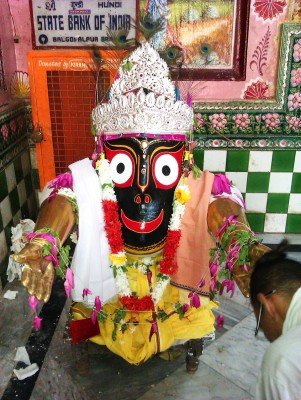
Gopinath Temple
Some quick example text to build on the card title and make up the bulk of the card's content.
Go somewhere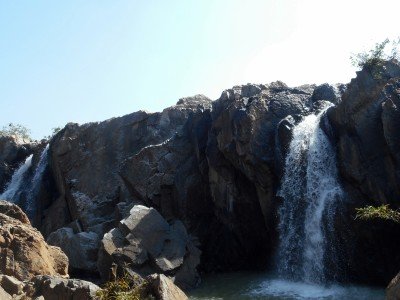
Gotamara Waterfalls
Some quick example text to build on the card title and make up the bulk of the card's content.
Go somewhere
Handapa Water Reservoir
Some quick example text to build on the card title and make up the bulk of the card's content.
Go somewhere
Jagannath Temple
Some quick example text to build on the card title and make up the bulk of the card's content.
Go somewhere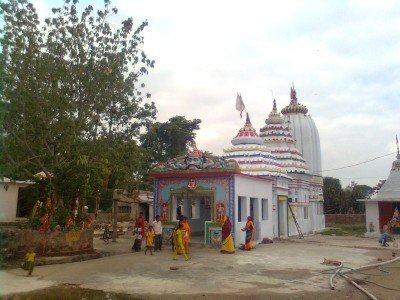
Jateswar Temple
Some quick example text to build on the card title and make up the bulk of the card's content.
Go somewhere
Kadamba Devi Temple
Some quick example text to build on the card title and make up the bulk of the card's content.
Go somewherein Other Cities