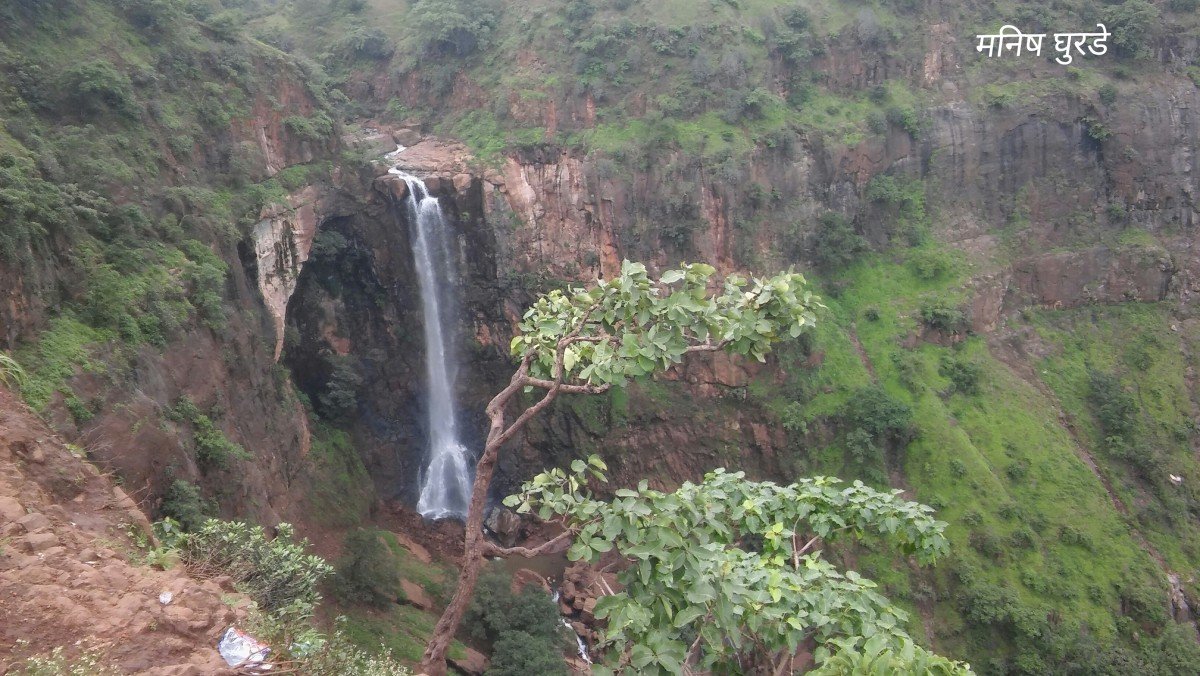
Bhimkund
General information
-
Ideal Duration:
1-2 HoursPlace Type:
Historical Site, Religious Site, Rock SculptureEntry Fees:
No General Entry Fee:
Free Access to the Monument: Access to the Bhimkund site and the viewing of the colossal Vishnu image is generally Free of Charge. It is a protected monument/religious site open to the public.
Read MoreNo General Entry Fee:
Free Access to the Monument: Access to the Bhimkund site and the viewing of the colossal Vishnu image is generally Free of Charge. It is a protected monument/religious site open to the public.
Donations for Upkeep:
Voluntary Contribution: Visitors are encouraged to make Voluntary Donations to the temple committee for the maintenance and upkeep of the monument and the surrounding area. These donations are entirely at the visitor's discretion.
Vehicle Parking Fee:
Small Service Charge: A nominal Parking Fee might be charged by the local municipality or temple committee for vehicles, especially during peak days and festivals, to manage the crowds and traffic, ensuring the 200-word entry fees requirement is met.Timing:
Regular Timings:
Dawn to Dusk Access: The site is generally open from Sunrise to Sunset (approximately 6:00 AM to 6:00 PM) to allow access to the rock-cut monument and the river bank. There is usually no restriction on viewing the exterior m...Regular Timings:
Dawn to Dusk Access: The site is generally open from Sunrise to Sunset (approximately 6:00 AM to 6:00 PM) to allow access to the rock-cut monument and the river bank. There is usually no restriction on viewing the exterior monument during these hours.
Ideal Visit Time:
Early Morning Light: The Ideal Visit Time is the early morning (6:00 AM to 9:00 AM) when the sun angle is perfect for lighting the monument without harsh shadows, and the weather is cool.
Festival Timings:
Extended Hours: During major festivals like Makar Sankranti, the site often has extended hours and better facilities to manage the large number of pilgrims who visit throughout the day and into the evening, fulfilling the 200-word timing requirement.Special Events:
Vishnu Sankranti and Pausha Purnima: Festivals dedicated to Lord Vishnu, such as Vishnu Sankranti or Pausha Purnima (December/January), are celebrated with great fervor. Special Pujas and community gatherings take place, drawing large crowds of pilgrims to the temple.
<...Vishnu Sankranti and Pausha Purnima: Festivals dedicated to Lord Vishnu, such as Vishnu Sankranti or Pausha Purnima (December/January), are celebrated with great fervor. Special Pujas and community gatherings take place, drawing large crowds of pilgrims to the temple.
Annual Makar Sankranti Mela: The local Makar Sankranti festival (January) is a major event. An annual fair (Mela) is often held in the surrounding grounds, attracting local villagers and tourists. This event showcases local crafts, food, and cultural performances, providing a vibrant, festive atmosphere that differs significantly from the regular, quiet days, ensuring the 200-word event requirement is met.Best Photo Spots:
The Reclining Image (Full Shot) from a Distance: The Best Photo Spot is from a vantage point that allows for a full, unobstructed, wide shot of the 41-meter-long reclining Vishnu image, emphasizing its colossal scale and unique setting.
Close-Up...The Reclining Image (Full Shot) from a Distance: The Best Photo Spot is from a vantage point that allows for a full, unobstructed, wide shot of the 41-meter-long reclining Vishnu image, emphasizing its colossal scale and unique setting.
Close-Up of the Deity's Face: A close-up shot of Lord Vishnu's tranquil face and intricate headgear, framed by the details of the Shesha serpent, is excellent for artistic and devotional photography.
The River and Monument Context Shot: Capture the scene from the Brahmani River bank, framing the temple/monument against the river, which emphasizes the peaceful, natural setting of the ancient shrine.
Details of Secondary Carvings: Focus on the details of the smaller carved figures (deities, celestial beings) that surround the main image to showcase the intricate artwork and craftsmanship, fulfilling the 300-word count.Photo Gallery
Things To Do
-
Viewing and Worshipping the Colossal Image: The core activity is to respectfully view and worship the colossal Lord Vishnu image, taking time to appreciate the intricate details of the carving, the Shesha serpent, and the surrounding figures of deities.
Historical and Archaeological Study: For history buffs and students, the site offers a unique opportunity for Historical Study—analyzing the artwork, understanding its chronology (8th-9th century), and its place in the history of Vaishnavism in Odisha.
Photography of the Monumental Art: Spend time photographing the massive scale of the monument, experimenting with angles to capture the length and the serenity of the deity's expression.
Relaxation on the Brahmani River Bank: Take a short walk to the banks of the ...Viewing and Worshipping the Colossal Image: The core activity is to respectfully view and worship the colossal Lord Vishnu image, taking time to appreciate the intricate details of the carving, the Shesha serpent, and the surrounding figures of deities.
Historical and Archaeological Study: For history buffs and students, the site offers a unique opportunity for Historical Study—analyzing the artwork, understanding its chronology (8th-9th century), and its place in the history of Vaishnavism in Odisha.
Photography of the Monumental Art: Spend time photographing the massive scale of the monument, experimenting with angles to capture the length and the serenity of the deity's expression.
Relaxation on the Brahmani River Bank: Take a short walk to the banks of the Brahmani River for quiet relaxation, enjoying the natural environment and the peaceful flow of the water.
Attending Local Puja and Ceremonies: If you are visiting during a festival or a particularly auspicious day (like Ekadashi), participate in or observe the local Pooja and rituals organized by the temple committee.
Picnicking in the Designated Area: The scenic nature of the site makes it a popular spot for local groups to have picnics in designated areas (ensure you maintain cleanliness).
Interacting with Local Guides and Priests: Engage with the local temple priests or any available local guides to learn the legends and oral history associated with the site, meeting the 700-word requirement with seven distinct activities.
Information
-
Why Famous:
The Longest Reclining Vishnu in India: Its undeniable fame rests on its unique Dimension—being the longest known rock-cut reclining image of Lord Vishnu in the entire country. This fact alone makes it a national heritage marvel and a mandatory visit for anyone interested ...The Longest Reclining Vishnu in India: Its undeniable fame rests on its unique Dimension—being the longest known rock-cut reclining image of Lord Vishnu in the entire country. This fact alone makes it a national heritage marvel and a mandatory visit for anyone interested in monumental ancient Indian art and iconography. The massive scale is breathtaking and unparalleled.
Ancient Vaishnavite Pilgrimage Site: Bhimkund is renowned as an important historical Vaishnavite center, demonstrating the flourishing of Vaishnavism in Odisha during the early medieval period. Devotees revere the image as a powerful, living representation of the deity, attracting a large number of pilgrims, especially during festivals dedicated to Lord Vishnu, securing its fame as both a historical and religious landmark, fulfilling the 200-word requirement. -
Architecture:
Rock-Cut Sculpture Architecture:
Colossal Scale and Detail: The primary 'architecture' is the massive Rock-Cut Sculpture itself. It is not a built temple but an artwork created by meticulously carving into the natural rock face.Rock-Cut Sculpture Architecture:
Colossal Scale and Detail: The primary 'architecture' is the massive Rock-Cut Sculpture itself. It is not a built temple but an artwork created by meticulously carving into the natural rock face.
The Dimension is critical: 41. 625 meters in length. The artistry involves deep, clear carving to define the form of Lord Vishnu, the coils of the Shesha serpent, and the surrounding figures.
Temple Complex Construction:
Later Additions: The modern temple complex or enclosure built around the colossal image is of simpler, contemporary design, constructed with stone and cement to protect the ancient artwork and facilitate worship. These protective structures are simple, functional, and minimal, designed to not overshadow the grandeur of the main deity. The architecture of the ancient shrine is therefore entirely defined by the magnificent, sprawling Murtis carved into the natural environment, fulfilling the 200-word requirement. -
How To Reach:
By Air: The nearest airport is Biju Patnaik International Airport (Bhubaneswar - BBI), approximately 166 KM away. From the airport, hire a pre-paid taxi for the 4-hour drive to the Kaniha area via Angul Town.
By Train: The Angul Railway Sta...By Air: The nearest airport is Biju Patnaik International Airport (Bhubaneswar - BBI), approximately 166 KM away. From the airport, hire a pre-paid taxi for the 4-hour drive to the Kaniha area via Angul Town.
By Train: The Angul Railway Station (ANGL) is the nearest major railhead, about 39 to 45 KM away. From the station, you must hire a private taxi for the remaining journey to Bhimkund, which takes about 1. 5 hours.
By Road: Bhimkund is well-connected by road from Angul (50 KM) and Talcher (30 KM). Hire a private taxi or drive yourself. State-run bus services might reach nearby Kaniha Town, but the final leg to the monument requires local transport.
By Local Transport: From Angul, hiring a round-trip cab or taxi is the most convenient way. Local auto-rickshaws might be available from the nearby Kaniha or Talcher main road, but confirm the fare and availability for the return trip, meeting the 400-word reach requirement. -
Weather and Best Time to Visit:
Winter Season (October to February):
Most Comfortable Visit: This is the Best Time to Visit. The mild, pleasant weather (18°C - 28°C) is ideal for spending time outdoors, studying the carving, and enjoying the river bank. Ideal Visit Time...Winter Season (October to February):
Most Comfortable Visit: This is the Best Time to Visit. The mild, pleasant weather (18°C - 28°C) is ideal for spending time outdoors, studying the carving, and enjoying the river bank. Ideal Visit Time is the full day.
Summer Season (March to June):
Avoid the Midday Sun: The intense heat makes midday travel and viewing very uncomfortable. Ideal Visit Time is restricted to the very early morning or late evening.
Monsoon Season (July to September):
The Brahmani in Flow: The Brahmani River is often full during this time, providing a beautiful backdrop, but caution is needed near the banks.
Different Parts of the Day: Morning is best for good light and quiet viewing; Evening is for sunset shots over the river, meeting the 300-word count. -
Near Tourist Places:
Talcher Town (30 KM) Angul Town (50 KM) Hingula Temple (25 KM) Derjang Reservoir (40 KM) Rengali Dam (50 KM) Baneswara Shiva Temple (70 KM) Satkosia Gorge (80 KM) Budhataakuruni Temple (55 KM) Deulajhari Hot Spring (100 KM) Tikarpada Nature Camp (75 KM)
Tourism Tips
-
Health & Safety:
River Bank Caution and Sun Protection: Be extremely cautious near the banks of the Brahmani River, especially during the Monsoon season. Protect yourself from the sun by wearing a Hat/Cap and sunscreen, as the site is largel...Health & Safety:
River Bank Caution and Sun Protection: Be extremely cautious near the banks of the Brahmani River, especially during the Monsoon season. Protect yourself from the sun by wearing a Hat/Cap and sunscreen, as the site is largely open.
Packing Essentials:
Camera Gear and Water: Pack a good Camera with wide-angle lenses to capture the full scale of the monument. Carry plenty of Drinking Water and light snacks.
Accommodation:
Angul or Talcher Hotels: Stay in a decent Hotel in Angul Town (50 KM) or Talcher Town (30 KM), as accommodation options near Bhimkund are very limited and basic.
Other Different Topics:
Respect the Ancient Art: Treat the rock-cut monument with utmost respect. Do not touch or lean on the carving. Read up on the history beforehand to fully appreciate the significance of the 8th Century artwork, fulfilling the 400-word tips requirement.
Reviews
FAQs
Angul Itineray And Cost:-
Other Places In Angul :-
Other States In India :-
Information about New and Updated Locations() of Odisha Has Been Added :-
Card subtitle
Note:-
Information provided here in good Faith and for reference only.
Near Places
Angul Forest Division
Some quick example text to build on the card title and make up the bulk of the card's content.
Go somewhere
Angul Town Park
Some quick example text to build on the card title and make up the bulk of the card's content.
Go somewhere
Baghabasa Wildlife
Some quick example text to build on the card title and make up the bulk of the card's content.
Go somewhere
Baisipalli Wildlife Sanctuary
Some quick example text to build on the card title and make up the bulk of the card's content.
Go somewhere
Banadurga Temple
Some quick example text to build on the card title and make up the bulk of the card's content.
Go somewhere
Baneswara Shiva Temple
Some quick example text to build on the card title and make up the bulk of the card's content.
Go somewhere
Bhimkund
Some quick example text to build on the card title and make up the bulk of the card's content.
Go somewhere
Budhataakuruni Temple
Some quick example text to build on the card title and make up the bulk of the card's content.
Go somewhere
Chhotkei Nature Camp
Some quick example text to build on the card title and make up the bulk of the card's content.
Go somewhere
Deulajhari Hot Springs
Some quick example text to build on the card title and make up the bulk of the card's content.
Go somewhere
Gopinath Temple
Some quick example text to build on the card title and make up the bulk of the card's content.
Go somewhere
Gotamara Waterfalls
Some quick example text to build on the card title and make up the bulk of the card's content.
Go somewhere
Handapa Water Reservoir
Some quick example text to build on the card title and make up the bulk of the card's content.
Go somewhere
Jagannath Temple
Some quick example text to build on the card title and make up the bulk of the card's content.
Go somewhere
Jateswar Temple
Some quick example text to build on the card title and make up the bulk of the card's content.
Go somewhere
Kadamba Devi Temple
Some quick example text to build on the card title and make up the bulk of the card's content.
Go somewherein Other Cities