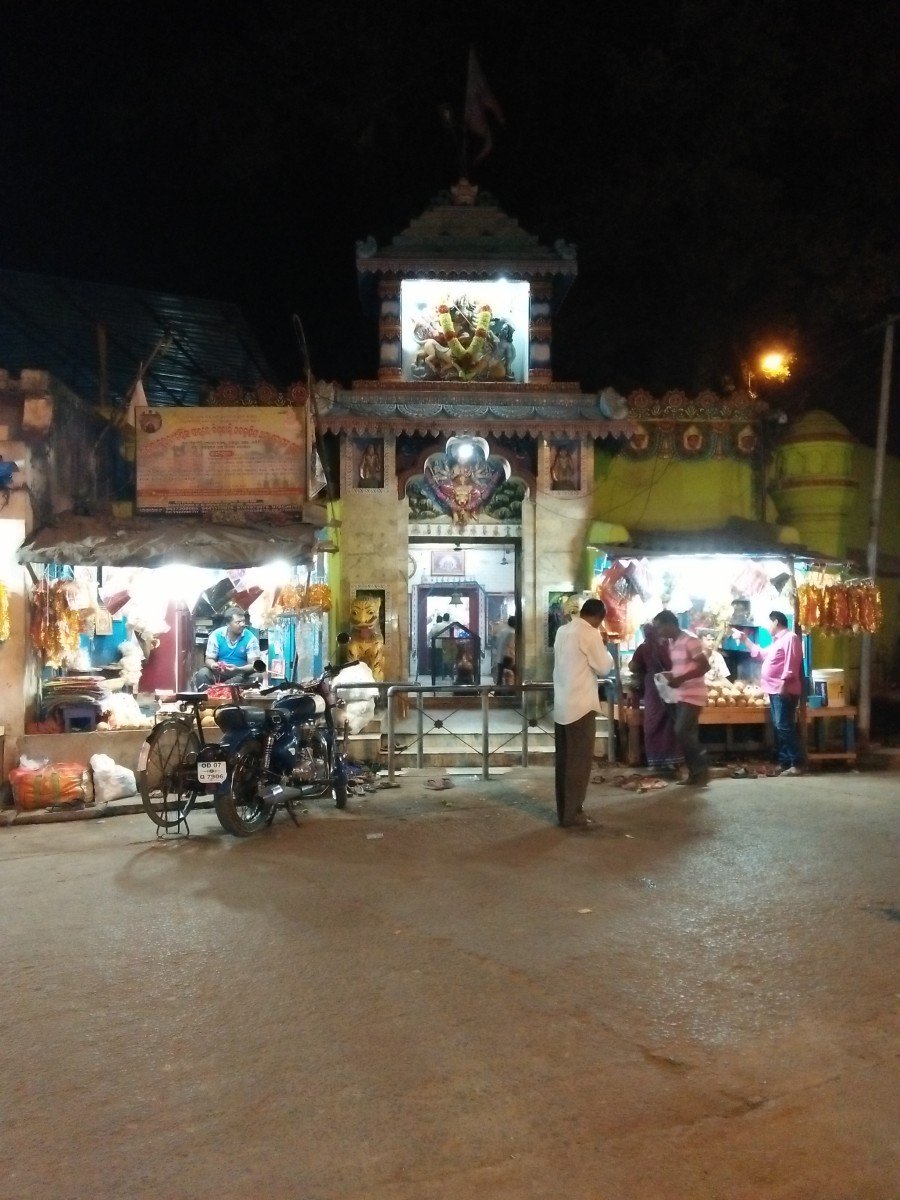
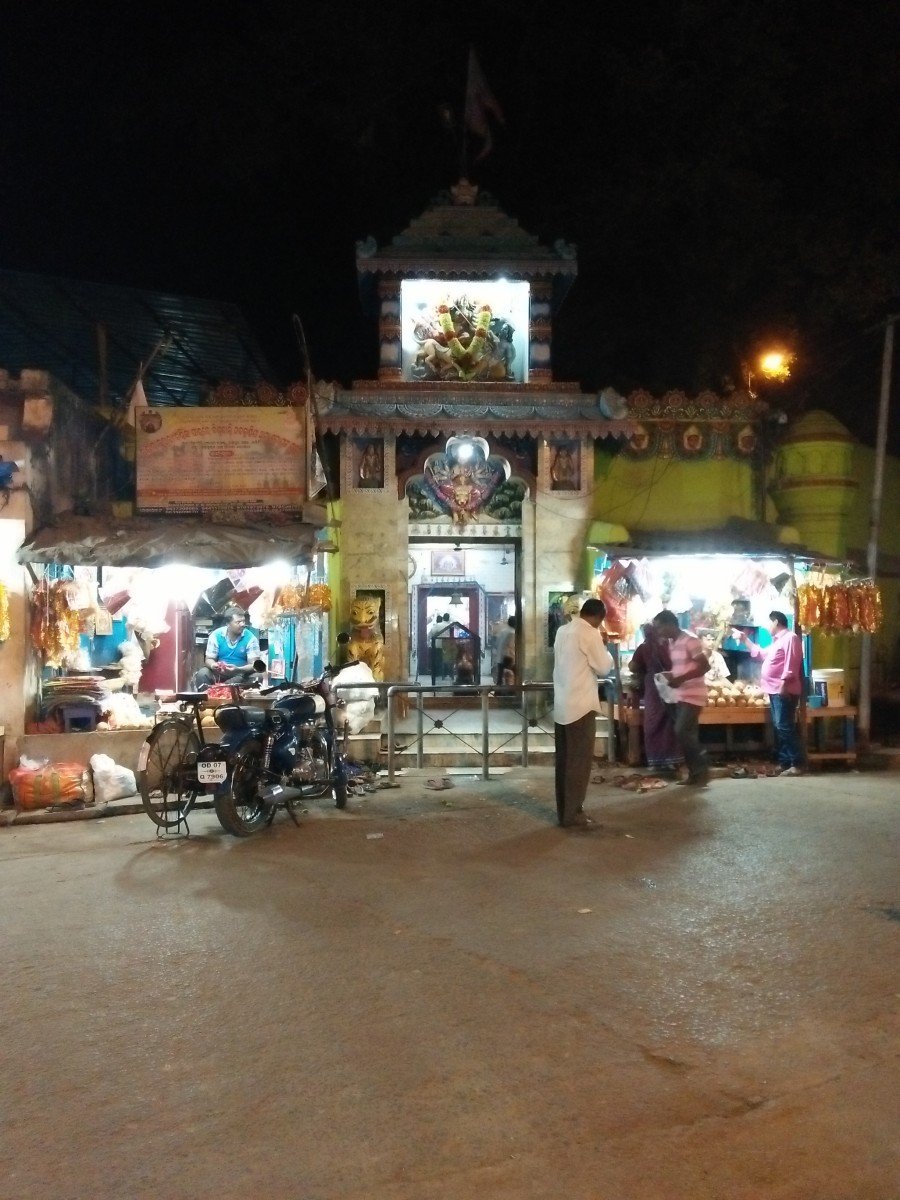
Budhataakuruni Temple
General information
-
Ideal Duration:
1-2 HoursPlace Type:
Temple, Religious Site, PilgrimageEntry Fees:
No Entry Fee:
Free Access for Devotees: As a prominent community and pilgrimage temple, there is No Entry Fee to access the temple and perform Puja. The spiritual space is freely accessible to all.
Minor Parking...No Entry Fee:
Free Access for Devotees: As a prominent community and pilgrimage temple, there is No Entry Fee to access the temple and perform Puja. The spiritual space is freely accessible to all.
Minor Parking Fee:
Vehicle Management: A very nominal Parking Fee might be charged for vehicles at the base or the top of the hill (if driving up) to help manage traffic and security, typically around Rs.10 to Rs.30 per vehicle.
Cost of Offerings:
Personal Expenditure: The only other costs are for the purchase of flowers, incense, and coconuts from the many vendors outside the temple, a voluntary contribution to the ritual that is usually minimal, ensuring the 200-word entry fees requirement is met.Timing:
Regular Temple Timings:
Extended Worship Hours: The temple is typically open for long hours, from very early morning (5:30 AM) until late evening (9:00 PM) without a significant midday break, given its central location and constant flow of de...Regular Temple Timings:
Extended Worship Hours: The temple is typically open for long hours, from very early morning (5:30 AM) until late evening (9:00 PM) without a significant midday break, given its central location and constant flow of devotees.
Ideal Visit Time:
Early Morning Rush: The Ideal Visit Time is the early morning (5:30 AM to 8:00 AM) to witness the start of the day's rituals and avoid the rush and the heat, or the late evening for a peaceful closure.
Festival Timings:
All-Day and All-Night Access: During major festivals like Chaitra Parba or Navaratri, the temple remains open for extended periods, sometimes even all night, to accommodate the huge influx of pilgrims, fulfilling the 200-word timing requirement.Special Events:
Danda Nata and Chaitra Parba Festivals: The temple sees grand celebrations during the Chaitra Parba (typically in March/April), which is often associated with the local folk dance and ritual known as Danda Nata. This is a powerful, traditional performance involving devotees...Danda Nata and Chaitra Parba Festivals: The temple sees grand celebrations during the Chaitra Parba (typically in March/April), which is often associated with the local folk dance and ritual known as Danda Nata. This is a powerful, traditional performance involving devotees engaging in ascetic practices and is a spectacular cultural and religious event, drawing massive crowds.
Annual Budhataakuruni Jatra (Procession): The temple occasionally hosts a major Jatra (procession) or fair, where the Goddess's idol is either moved or the temple is specially decorated. This event involves the entire community and is a time of immense spiritual and social gathering, showcasing local culture, ensuring the 200-word event requirement is met.Best Photo Spots:
The Panoramic View of Angul Town: The area just outside the temple, especially near the Jagannath Temple (Saila Srikhetra) on the hill, offers a sweeping Panoramic View of Angul Town—the perfect spot for city-scape and landscape photography, especially at sunset.
<...The Panoramic View of Angul Town: The area just outside the temple, especially near the Jagannath Temple (Saila Srikhetra) on the hill, offers a sweeping Panoramic View of Angul Town—the perfect spot for city-scape and landscape photography, especially at sunset.
The Unique Black Granite Idol: The pillar-like, black granite Bigraha (idol) is a fascinating subject, but you must take a respectful, quick shot from the Jagamohana (front hall) without flash (if permitted), focusing on the unique, ancient form of worship.
The Temple Steps and Entrance Frame: The steps leading up to the hill/temple, when framed with devotees or the temple gateway, provide an excellent opportunity for dynamic, perspective-based shots that capture the sense of pilgrimage.
Lighting and Shadow Play on the Hilltop: In the morning or late afternoon, the light creates strong contrast and shadow play on the temple structure and the hill, perfect for artistic monochrome photography, fulfilling the 300-word count.Photo Gallery
Things To Do
-
Offering Worship and Seeking Blessings: The main activity is to join the continuous stream of devotees, perform Puja (worship), and offer prayers and floral tributes to Maa Budhataakuruni for protection and good fortune.
Attending the Morning and Evening Aarti: Attend the vibrant Morning or Evening Aarti (ritual of light) to experience the collective spiritual fervor of the town's devotees.
Visiting the Saila Srikhetra (Jagannath Temple): Since it is on the same hill, a must-do activity is visiting the adjacent Jagannath Temple to pay homage to the Holy Trinity and enjoy the panoramic view of Angul Town.
Circumambulation (Parikrama) of the Hilltop: Perform a Parikrama around the temple and the hill's accessible circumference, which is an act of devotion and a ref...Offering Worship and Seeking Blessings: The main activity is to join the continuous stream of devotees, perform Puja (worship), and offer prayers and floral tributes to Maa Budhataakuruni for protection and good fortune.
Attending the Morning and Evening Aarti: Attend the vibrant Morning or Evening Aarti (ritual of light) to experience the collective spiritual fervor of the town's devotees.
Visiting the Saila Srikhetra (Jagannath Temple): Since it is on the same hill, a must-do activity is visiting the adjacent Jagannath Temple to pay homage to the Holy Trinity and enjoy the panoramic view of Angul Town.
Circumambulation (Parikrama) of the Hilltop: Perform a Parikrama around the temple and the hill's accessible circumference, which is an act of devotion and a refreshing walk with a view.
Observing the Unique Pillar Worship: Take time to observe the unique, pillar-form worship and reflect on its connection to tribal and folk traditions of the region, which is a key cultural study point.
Purchasing and Donating Offerings: Engage with the local vendors selling Puja items (coconuts, incense, flowers) and support the temple's upkeep through a donation.
Photography of the Panoramic View: The hilltop location offers one of the best Panoramic Views of Angul Town, which is an excellent photography opportunity, meeting the 700-word requirement with diverse spiritual and visual activities.
Information
-
Why Famous:
The Guardian Deity of Angul:
Adhistatri Devi: The temple's primary fame comes from its status as the Guardian Goddess (Adhistatri Devi) of the entire Angul region. She is considered the spiritual mother and protector of the town and its peop...The Guardian Deity of Angul:
Adhistatri Devi: The temple's primary fame comes from its status as the Guardian Goddess (Adhistatri Devi) of the entire Angul region. She is considered the spiritual mother and protector of the town and its people. This profound spiritual significance draws large crowds daily, making it a bustling center of faith and a mandatory first stop for any auspicious beginning for the locals.
Embodiment of Tribal Heritage and History: The temple is also famous for being a living link to the region's tribal past, specifically the Kandha ruler Sunas. The pillar-like idol form itself is a rare example of folk-deity worship integrated into the modern Hindu pantheon, distinguishing it from other temples and making it a key site for cultural heritage and historical study of the Angul area, ensuring the 200-word requirement is met. -
Architecture:
Unique Idolatry:
The Pillar-Like Bigraha: The most unique architectural aspect is the deity itself. The Goddess Budhataakuruni is worshipped in the form of a simple, pillar-like idol made of black granite. This non-anthropomorphic form is a...Unique Idolatry:
The Pillar-Like Bigraha: The most unique architectural aspect is the deity itself. The Goddess Budhataakuruni is worshipped in the form of a simple, pillar-like idol made of black granite. This non-anthropomorphic form is a classic example of folk and tribal deity representation and is a critical part of the temple's identity, with the idol’s Dimension being modest, perhaps 3 to 4 feet high.
The Modern Temple Structure:
Simple and Functional: The current temple structure is relatively modern, built over the original, ancient shrine site, typically using white-washed brick and concrete. It follows a simple, functional design with a small Vimana (sanctum) and a Jagamohana (assembly hall) to accommodate the continuous flow of devotees. The simplicity of the structure consciously directs all attention to the spiritual power of the ancient idol within the small, humble Garbhagriha (sanctum sanctorum), fulfilling the 200-word requirement. -
How To Reach:
By Air: The nearest airport is Biju Patnaik International Airport (Bhubaneswar - BBI), approximately 127 KM away. Hire a private cab for the 3-hour drive to Angul Town, and then take local transport to the temple.
By Train: The Angul Railwa...By Air: The nearest airport is Biju Patnaik International Airport (Bhubaneswar - BBI), approximately 127 KM away. Hire a private cab for the 3-hour drive to Angul Town, and then take local transport to the temple.
By Train: The Angul Railway Station (ANGL) is very close, only about 4 KM from the temple. An auto-rickshaw or taxi can cover this short distance in about 15 minutes.
By Road: The temple is located centrally in Angul Town on Sunasagad Hill, easily accessible from all parts of the city. Angul is on NH-55, providing excellent connectivity.
By Local Transport: The most convenient Local Transport is a round-trip Auto-Rickshaw from any part of Angul Town. Since the temple is a major landmark, every local driver knows the location. Shared taxis and local buses also drop passengers near the base of the hill, meeting the 400-word reach requirement. -
Weather and Best Time to Visit:
Winter Season (October to February):
The Best Time: This is the Best Time to Visit. The cool, dry weather (15°C - 25°C) is perfect for the uphill walk and spending time in the open temple area. Ideal Visit Time is the full day.Winter Season (October to February):
The Best Time: This is the Best Time to Visit. The cool, dry weather (15°C - 25°C) is perfect for the uphill walk and spending time in the open temple area. Ideal Visit Time is the full day.
Summer Season (March to June):
Avoid the Midday Heat: The stone and concrete surfaces become intensely hot. Ideal Visit Time is restricted to the very early morning or late evening hours.
Monsoon Season (July to September):
Lush and Atmospheric: The hill and the view are beautifully green, but caution is needed on the steps due to rain.
Different Parts of the Day: Morning is for ritual worship; Evening is for the panoramic town view and sunset, meeting the 300-word count. -
Near Tourist Places:
Angul Town Park (3. 5 KM) Angul Railway Station (4 KM) Jagannath Temple (Saila Srikhetra) (0. 5 KM) Angul Forest Division Office (4 KM) Banadurga Temple (18 KM) Derjang Reservoir (30 KM) Bhimkund (55 KM) Talcher Town (25 KM) Nalco Township (10 KM) Handapa Hot Springs (45 KM)
Tourism Tips
-
Health & Safety:
Watch Steps and Sun Protection: Wear comfortable shoes for the walk up the hill. Be mindful of the steps. Carry sunscreen and a cap during the daytime in Summer.
Packing Essentials:
...Health & Safety:
Watch Steps and Sun Protection: Wear comfortable shoes for the walk up the hill. Be mindful of the steps. Carry sunscreen and a cap during the daytime in Summer.
Packing Essentials:
Modest Attire and Water: While climbing is easy, carry a Water Bottle. Dress modestly out of respect for the religious site. A light camera is recommended for the panoramic view.
Accommodation:
Angul Town Convenience: Excellent Accommodation options, ranging from budget to mid-range hotels, are readily available throughout Angul Town due to the temple's central location.
Other Different Topics:
Respectful Photography: Be respectful of the devotees and the rituals; ask permission before taking close-up photos of individuals. Support the local vendors outside the gate, ensuring the 400-word tips requirement is satisfied.
Reviews
FAQs
Angul Itineray And Cost:-
Budhataakuruni Temple Tourism:-
Other Places In Angul :-
Other States In India :-
Information about New and Updated Locations() of Odisha Has Been Added :-
Card subtitle
Note:-
Information provided here in good Faith and for reference only.
Near Places
Angul Forest Division
Some quick example text to build on the card title and make up the bulk of the card's content.
Go somewhere
Angul Town Park
Some quick example text to build on the card title and make up the bulk of the card's content.
Go somewhere
Baghabasa Wildlife
Some quick example text to build on the card title and make up the bulk of the card's content.
Go somewhere
Baisipalli Wildlife Sanctuary
Some quick example text to build on the card title and make up the bulk of the card's content.
Go somewhere
Banadurga Temple
Some quick example text to build on the card title and make up the bulk of the card's content.
Go somewhere
Baneswara Shiva Temple
Some quick example text to build on the card title and make up the bulk of the card's content.
Go somewhere
Bhimkund
Some quick example text to build on the card title and make up the bulk of the card's content.
Go somewhere
Budhataakuruni Temple
Some quick example text to build on the card title and make up the bulk of the card's content.
Go somewhere
Chhotkei Nature Camp
Some quick example text to build on the card title and make up the bulk of the card's content.
Go somewhere
Deulajhari Hot Springs
Some quick example text to build on the card title and make up the bulk of the card's content.
Go somewhere
Gopinath Temple
Some quick example text to build on the card title and make up the bulk of the card's content.
Go somewhere
Gotamara Waterfalls
Some quick example text to build on the card title and make up the bulk of the card's content.
Go somewhere
Handapa Water Reservoir
Some quick example text to build on the card title and make up the bulk of the card's content.
Go somewhere
Jagannath Temple
Some quick example text to build on the card title and make up the bulk of the card's content.
Go somewhere
Jateswar Temple
Some quick example text to build on the card title and make up the bulk of the card's content.
Go somewhere
Kadamba Devi Temple
Some quick example text to build on the card title and make up the bulk of the card's content.
Go somewherein Other Cities