

Jharsuguda
General information
-
Ideal Duration:
1-2 DaysPlace Type:
Industrial & ReligiousEntry Fees:
Temple Entry: Most temples like Jhadeswar have Free entry for all. Devotees can offer prayers without any ticket cost throughout the year.
Waterfall & Parks: Entry to waterfalls and public parks may cost Rs.10 - Rs.30. This small amount is use...Temple Entry: Most temples like Jhadeswar have Free entry for all. Devotees can offer prayers without any ticket cost throughout the year.
Waterfall & Parks: Entry to waterfalls and public parks may cost Rs.10 - Rs.30. This small amount is used for the cleaning and upkeep of the area.Timing:
General Timings: Temples are open from 05:00 AM to 08:00 PM daily. Waterfalls and caves are best visited between 09:00 AM and 04:00 PM.
Ideal Visit: Plan your outdoor trips for the morning to avoid the midday sun. Evening is the best time ...General Timings: Temples are open from 05:00 AM to 08:00 PM daily. Waterfalls and caves are best visited between 09:00 AM and 04:00 PM.
Ideal Visit: Plan your outdoor trips for the morning to avoid the midday sun. Evening is the best time to visit the city parks and local markets.Special Events:
Jharsuguda Mahotsav: A cultural festival that celebrates local art and music. It is usually held in January and attracts many artists and visitors.
Sivaratri: Celebrated with great fervor at the Jhadeswar and Koilighugar temples. Thousands...Jharsuguda Mahotsav: A cultural festival that celebrates local art and music. It is usually held in January and attracts many artists and visitors.
Sivaratri: Celebrated with great fervor at the Jhadeswar and Koilighugar temples. Thousands of devotees gather to offer water to the Shiva Lingam.Best Photo Spots:
Koilighugar Falls: The waterfall and the surrounding rocks are great for photos. The sunlight filtering through the trees creates a magical effect.
Ib River Bank: The wide expanse of the river during sunset is a classic photo spot. You can...Koilighugar Falls: The waterfall and the surrounding rocks are great for photos. The sunlight filtering through the trees creates a magical effect.
Ib River Bank: The wide expanse of the river during sunset is a classic photo spot. You can capture beautiful reflections and local fishing boats.
Jhadeswar Temple: The old stone architecture and the garden provide a nice backdrop. It is a good place for cultural and architectural photography.Photo Gallery
Things To Do
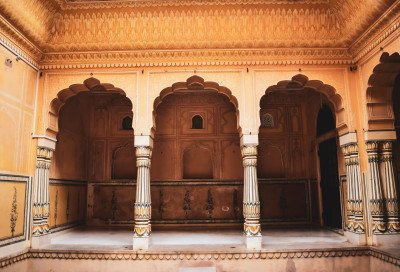 @@Historical Legacy: Kolabira Fort is a semi-ruined citadel on the banks of the Telen river. It was the seat of the Kolabira Zamindari, which played a pivotal role during the 1857 freedom struggle. The fort was once a massive structure protected by dense bamboo forests and deep moats filled with crocodiles. It served as a base for freedom fighter Veer Surendra Sai and his followers. The British army destroyed parts of the fort using cannons in 1858. Today, the descendants of the Zamindar family still reside within a portion of the premises. The ruins stand as a testament to the bravery of Karunakar Singh, who was hanged by the British. Visitors can see the old walls, the temple of the tutelary deity, and the gateways. The site is often referred to as "Agni Tirtha" (The Altar of Fire) due to its revolutionary history. It is a must-visit for history enthusiasts and researchers. The peaceful river flowing nearby adds a layer of serenity to the tragic history of the fort.
 Ghugar Purnapani is a mesmerizing combination of a spiritual shrine and a natural waterfall located in the Purnapani forest range. This site is revered by the local tribal communities and is often visited by devotees of Lord Shiva. The waterfall here is not very high but flows with great force into a deep natural pool that is considered sacred. The surrounding forest is part of a larger ecosystem that connects to the Debrigarh wildlife corridor, making it rich in biodiversity. Legend has it that the water of Purnapani has healing properties due to the minerals it carries from the mountain herbs. The area is exceptionally quiet, allowing visitors to connect deeply with nature. There is a small temple nearby where rituals are performed daily, especially during the holy month of Shravan. The journey to this spot takes you through scenic rural landscapes and dense patches of Sal forests. It is an ideal destination for those looking for a mix of adventure and spirituality. During the rainy season, the entire area transforms into a vibrant green paradise, with several smaller seasonal streams appearing around the main fall. The local administration has taken steps to preserve the ecological balance of this spot while allowing controlled tourism.
The Baisipali Wildlife Sanctuary is a sprawling emerald haven that forms a vital part of the Satkosia Tiger Reserve ecosystem. Spanning over 168 square kilometers, it serves as a critical wildlife corridor where the Mahanadi River carves its way through the majestic Eastern Ghats. This sanctuary is a biodiversity hotspot, housing a dense canopy of Sal and Piasal trees that provide shelter to diverse fauna including leopards, elephants, and the rare four-horned antelope. For nature enthusiasts, the sanctuary offers a profound sense of tranquility, far removed from the industrial hum of the city. The landscape is characterized by rolling hills, deep gorges, and riverine forests that change colors with every passing season. It is not just a protected area but a living laboratory of natural history. Visitors can witness the intricate balance of the food chain while exploring the various trekking trails. The sanctuary’s proximity to the Satkosia Gorge makes it an integrated destination for eco-tourism. Its name is derived from the 22 traditional settlements that once existed within its lush boundaries. Today, it remains a cornerstone of conservation in Odisha, attracting researchers and families alike. The sheer variety of birdlife, from the vibrant Indian Roller to the elusive Hornbill, makes it a paradise for ornithologists. Each visit here feels like a new discovery, as the forest reveals its secrets through the tracks of tigers and the calls of the wild. It is a place where the air is pure and the spirit of the wilderness is palpable in every leaf.
Ullapgarh Fort, located near Ujalpur in the Jharsuguda district, is a site of immense historical and archaeological importance. It is not a typical fort with high stone walls and grand gates; rather, it is a natural hilltop stronghold that was cleverly modified for defense. Situated on the Maheshwar Hill, the fort rises about 1,000 feet above the surrounding plains. The site is most famous for its association with Veer Surendra Sai, the legendary freedom fighter of Odisha, who used this hill as a strategic base during his rebellion against the British East India Company in the mid-19th century. The hilltop features a vast, flat stone platform that served as the living and operational area for the rebels. What makes Ullapgarh unique is the presence of hundreds of man-made holes in the stone floor. These holes, ranging from 1 to 3 inches in diameter, were used to fix wooden poles that supported various superstructures like living quarters, granaries, and armories. Historical records suggest that the fort could accommodate up to 1,000 people at a time. The strategic location allowed the defenders to keep a watchful eye on the surrounding dense forests and valleys, making it nearly impossible for enemies to launch a surprise attack. Beyond its military history, the site also contains ancient rock paintings and engravings that date back thousands of years, suggesting that the hill was inhabited since prehistoric times. The cave known as Ushakothi (not to be confused with the sanctuary in Sambalpur) at the foot of the hill also contains similar archaeological features. Today, it is a popular spot for trekkers and history enthusiasts who come to pay homage to the bravery of the local revolutionaries while enjoying the breathtaking views from the summit.
@@Place Overview: Pahadi Mandir, also known as the Pahadeswar Temple, is a magnificent hilltop shrine dedicated to Lord Shiva that serves as a spiritual lighthouse for the people of Jharsuguda. Perched atop a small hill, the temple offers a breathtaking 360-degree panoramic view of the industrial landscape and lush greenery surrounding the town. The climb to the temple is an experience in itself, with well-constructed steps that lead devotees and tourists through a serene environment filled with the scent of wildflowers and the sound of temple bells. This location is not just a religious site but also a premier recreational zone because of the beautifully landscaped park adjacent to it. Families often visit the temple in the late afternoons to witness the sunset, which paints the sky in shades of orange and purple, reflecting off the temple's white spire. The ambiance here is deeply meditative, making it a perfect escape from the hustle of the city's industrial zones. Historically, the temple has been a center for Shaivism in the region, attracting thousands during the holy month of Shravana. The temple complex has undergone several renovations to accommodate the growing number of visitors, ensuring that the sanctity of the site remains intact while providing modern amenities like seating and drinking water. Visitors often find solace in the "Dhyana Mudra" statue of Lord Shiva located in the park area, which serves as a focal point for photography and meditation. The temple's height allows for a cool breeze even during the warmer months, making the spiritual journey comfortable for elderly pilgrims and young children alike. As you reach the summit, the air feels thinner and purer, disconnected from the urban noise below, reinforcing the "Pahadi" (mountain) essence of the deity. It is a place where faith meets nature in a harmonious blend.
@@General Overview: The Ib Thermal Power Station (ITPS) is a massive coal-based power generation complex operated by the Odisha Power Generation Corporation (OPGC). It stands as a symbol of the industrial might of Jharsuguda, often referred to as the "Powerhouse of Odisha." The plant is situated near the Ib River, from which it draws its cooling water, while the coal is sourced from the nearby Ib Valley Coalfields. For a tourist, the site offers a glimpse into the grand scale of modern engineering, with its towering chimneys and intricate network of conveyors and cooling towers. While entry into the core generation area is restricted to authorized personnel, the township and the surrounding viewpoints offer an impressive look at the facility. The plant has recently undergone expansion, adding super-critical units that make it one of the most efficient power producers in the country. The colony established for the employees is a well-planned mini-city with lush green parks, a hospital, and recreational clubs. Visiting this area provides an educational perspective on how electricity is generated and the role of heavy industry in national development. The sight of the plant illuminated at night is particularly striking, resembling a glowing metallic city against the dark forest backdrop. It is a must-visit for students, engineers, and anyone interested in the industrial landscape of modern India. The surrounding region also features a central park that is open to the public, providing a green contrast to the industrial towers.
Ghugar Purnapani is a mesmerizing combination of a spiritual shrine and a natural waterfall located in the Purnapani forest range. This site is revered by the local tribal communities and is often visited by devotees of Lord Shiva. The waterfall here is not very high but flows with great force into a deep natural pool that is considered sacred. The surrounding forest is part of a larger ecosystem that connects to the Debrigarh wildlife corridor, making it rich in biodiversity. Legend has it that the water of Purnapani has healing properties due to the minerals it carries from the mountain herbs. The area is exceptionally quiet, allowing visitors to connect deeply with nature. There is a small temple nearby where rituals are performed daily, especially during the holy month of Shravan. The journey to this spot takes you through scenic rural landscapes and dense patches of Sal forests. It is an ideal destination for those looking for a mix of adventure and spirituality. During the rainy season, the entire area transforms into a vibrant green paradise, with several smaller seasonal streams appearing around the main fall. The local administration has taken steps to preserve the ecological balance of this spot while allowing controlled tourism.
The Baisipali Wildlife Sanctuary is a sprawling emerald haven that forms a vital part of the Satkosia Tiger Reserve ecosystem. Spanning over 168 square kilometers, it serves as a critical wildlife corridor where the Mahanadi River carves its way through the majestic Eastern Ghats. This sanctuary is a biodiversity hotspot, housing a dense canopy of Sal and Piasal trees that provide shelter to diverse fauna including leopards, elephants, and the rare four-horned antelope. For nature enthusiasts, the sanctuary offers a profound sense of tranquility, far removed from the industrial hum of the city. The landscape is characterized by rolling hills, deep gorges, and riverine forests that change colors with every passing season. It is not just a protected area but a living laboratory of natural history. Visitors can witness the intricate balance of the food chain while exploring the various trekking trails. The sanctuary’s proximity to the Satkosia Gorge makes it an integrated destination for eco-tourism. Its name is derived from the 22 traditional settlements that once existed within its lush boundaries. Today, it remains a cornerstone of conservation in Odisha, attracting researchers and families alike. The sheer variety of birdlife, from the vibrant Indian Roller to the elusive Hornbill, makes it a paradise for ornithologists. Each visit here feels like a new discovery, as the forest reveals its secrets through the tracks of tigers and the calls of the wild. It is a place where the air is pure and the spirit of the wilderness is palpable in every leaf.
Ullapgarh Fort, located near Ujalpur in the Jharsuguda district, is a site of immense historical and archaeological importance. It is not a typical fort with high stone walls and grand gates; rather, it is a natural hilltop stronghold that was cleverly modified for defense. Situated on the Maheshwar Hill, the fort rises about 1,000 feet above the surrounding plains. The site is most famous for its association with Veer Surendra Sai, the legendary freedom fighter of Odisha, who used this hill as a strategic base during his rebellion against the British East India Company in the mid-19th century. The hilltop features a vast, flat stone platform that served as the living and operational area for the rebels. What makes Ullapgarh unique is the presence of hundreds of man-made holes in the stone floor. These holes, ranging from 1 to 3 inches in diameter, were used to fix wooden poles that supported various superstructures like living quarters, granaries, and armories. Historical records suggest that the fort could accommodate up to 1,000 people at a time. The strategic location allowed the defenders to keep a watchful eye on the surrounding dense forests and valleys, making it nearly impossible for enemies to launch a surprise attack. Beyond its military history, the site also contains ancient rock paintings and engravings that date back thousands of years, suggesting that the hill was inhabited since prehistoric times. The cave known as Ushakothi (not to be confused with the sanctuary in Sambalpur) at the foot of the hill also contains similar archaeological features. Today, it is a popular spot for trekkers and history enthusiasts who come to pay homage to the bravery of the local revolutionaries while enjoying the breathtaking views from the summit.
@@Place Overview: Pahadi Mandir, also known as the Pahadeswar Temple, is a magnificent hilltop shrine dedicated to Lord Shiva that serves as a spiritual lighthouse for the people of Jharsuguda. Perched atop a small hill, the temple offers a breathtaking 360-degree panoramic view of the industrial landscape and lush greenery surrounding the town. The climb to the temple is an experience in itself, with well-constructed steps that lead devotees and tourists through a serene environment filled with the scent of wildflowers and the sound of temple bells. This location is not just a religious site but also a premier recreational zone because of the beautifully landscaped park adjacent to it. Families often visit the temple in the late afternoons to witness the sunset, which paints the sky in shades of orange and purple, reflecting off the temple's white spire. The ambiance here is deeply meditative, making it a perfect escape from the hustle of the city's industrial zones. Historically, the temple has been a center for Shaivism in the region, attracting thousands during the holy month of Shravana. The temple complex has undergone several renovations to accommodate the growing number of visitors, ensuring that the sanctity of the site remains intact while providing modern amenities like seating and drinking water. Visitors often find solace in the "Dhyana Mudra" statue of Lord Shiva located in the park area, which serves as a focal point for photography and meditation. The temple's height allows for a cool breeze even during the warmer months, making the spiritual journey comfortable for elderly pilgrims and young children alike. As you reach the summit, the air feels thinner and purer, disconnected from the urban noise below, reinforcing the "Pahadi" (mountain) essence of the deity. It is a place where faith meets nature in a harmonious blend.
@@General Overview: The Ib Thermal Power Station (ITPS) is a massive coal-based power generation complex operated by the Odisha Power Generation Corporation (OPGC). It stands as a symbol of the industrial might of Jharsuguda, often referred to as the "Powerhouse of Odisha." The plant is situated near the Ib River, from which it draws its cooling water, while the coal is sourced from the nearby Ib Valley Coalfields. For a tourist, the site offers a glimpse into the grand scale of modern engineering, with its towering chimneys and intricate network of conveyors and cooling towers. While entry into the core generation area is restricted to authorized personnel, the township and the surrounding viewpoints offer an impressive look at the facility. The plant has recently undergone expansion, adding super-critical units that make it one of the most efficient power producers in the country. The colony established for the employees is a well-planned mini-city with lush green parks, a hospital, and recreational clubs. Visiting this area provides an educational perspective on how electricity is generated and the role of heavy industry in national development. The sight of the plant illuminated at night is particularly striking, resembling a glowing metallic city against the dark forest backdrop. It is a must-visit for students, engineers, and anyone interested in the industrial landscape of modern India. The surrounding region also features a central park that is open to the public, providing a green contrast to the industrial towers.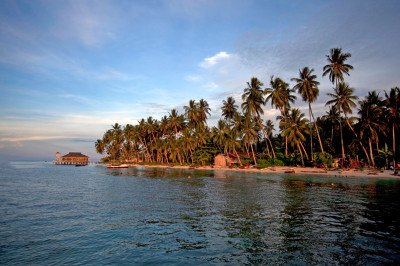 Bijaya's Island is a unique riverine island located in the vast waters of the Mahanadi reservoir, near the Sunari and Bagmunda regions. This destination has gained popularity as an offbeat eco-tourism spot, offering a sense of isolation and adventure that is rare in the industrial belt of Jharsuguda. The island is accessible only by boat, making the journey part of the attraction. Once you land, you are greeted by a landscape of sandy shores, rocky outcrops, and sparse greenery. It is a favored spot for "adventure picnicking," where groups bring their own supplies and spend the day in the middle of the river. The surrounding water is clear and provides a stunning backdrop for relaxation. The island offers a 360-degree view of the horizon, where the sky meets the water in a seamless line. It is particularly popular during the winter months when the water level is stable and the weather is pleasant. Local boatmen provide ferry services from the mainland, often sharing stories about the river and the hidden spots around the reservoir. The island's name is locally associated with a private developer who initially envisioned it as a resort, but it currently remains a semi-wild destination open to the public. For those looking to escape the hustle of the town, Bijaya's Island provides a sanctuary of peace where the only sounds are the lapping of waves and the occasional cry of a river bird. It represents the untapped tourism potential of the Hirakud backwaters.Show All
@@Place Overview: Shri Patita Paban Shri Khetra, located in the Badmal region, is a magnificent temple complex modeled after the world-famous Jagannath Temple in Puri. Known as the "Shri Khetra of Jharsuguda," this temple serves as a vital spiritual center for the worship of Lord Jagannath, Lord Balabhadra, and Goddess Subhadra. The name "Patita Paban" translates to "The Savior of the Fallen," emphasizing the deity's role in providing spiritual liberation to all devotees, regardless of their background. The temple was envisioned as a way to bring the essence of Puri's sacred atmosphere to the Western part of Odisha, and it has succeeded in becoming a major pilgrimage site. The complex is spread over a sprawling area, featuring high boundary walls and an impressive gateway that mimics the "Singhadwara" of the original temple. Inside, the sanctum sanctorum houses beautifully carved wooden idols of the Trinity, which are replaced periodically during the "Nabakalebara" ritual, just like in Puri. The atmosphere within the temple is one of intense devotion, with the chanting of Vedic hymns and the fragrance of incense filling the air. The temple trust plays a significant role in social welfare, managing the site with a focus on both spiritual growth and community service. For the residents of Jharsuguda, this temple is the heart of their religious life, especially during the annual Ratha Yatra, when the town transforms into a sea of devotees pulling the sacred chariots. The architecture is a testament to the Kalinga style, with intricate stone carvings depicting scenes from Hindu mythology and the life of Lord Krishna. The temple also features a "Bhoga" center where "Mahaprasad" is prepared and distributed, allowing visitors to partake in the sanctified food that is a hallmark of Jagannath culture. It is a place of peace, where the grand traditions of Odisha are preserved and celebrated with great fervor, making it a must-visit for anyone seeking a deep cultural and spiritual experience in the district.
Bijaya's Island is a unique riverine island located in the vast waters of the Mahanadi reservoir, near the Sunari and Bagmunda regions. This destination has gained popularity as an offbeat eco-tourism spot, offering a sense of isolation and adventure that is rare in the industrial belt of Jharsuguda. The island is accessible only by boat, making the journey part of the attraction. Once you land, you are greeted by a landscape of sandy shores, rocky outcrops, and sparse greenery. It is a favored spot for "adventure picnicking," where groups bring their own supplies and spend the day in the middle of the river. The surrounding water is clear and provides a stunning backdrop for relaxation. The island offers a 360-degree view of the horizon, where the sky meets the water in a seamless line. It is particularly popular during the winter months when the water level is stable and the weather is pleasant. Local boatmen provide ferry services from the mainland, often sharing stories about the river and the hidden spots around the reservoir. The island's name is locally associated with a private developer who initially envisioned it as a resort, but it currently remains a semi-wild destination open to the public. For those looking to escape the hustle of the town, Bijaya's Island provides a sanctuary of peace where the only sounds are the lapping of waves and the occasional cry of a river bird. It represents the untapped tourism potential of the Hirakud backwaters.Show All
@@Place Overview: Shri Patita Paban Shri Khetra, located in the Badmal region, is a magnificent temple complex modeled after the world-famous Jagannath Temple in Puri. Known as the "Shri Khetra of Jharsuguda," this temple serves as a vital spiritual center for the worship of Lord Jagannath, Lord Balabhadra, and Goddess Subhadra. The name "Patita Paban" translates to "The Savior of the Fallen," emphasizing the deity's role in providing spiritual liberation to all devotees, regardless of their background. The temple was envisioned as a way to bring the essence of Puri's sacred atmosphere to the Western part of Odisha, and it has succeeded in becoming a major pilgrimage site. The complex is spread over a sprawling area, featuring high boundary walls and an impressive gateway that mimics the "Singhadwara" of the original temple. Inside, the sanctum sanctorum houses beautifully carved wooden idols of the Trinity, which are replaced periodically during the "Nabakalebara" ritual, just like in Puri. The atmosphere within the temple is one of intense devotion, with the chanting of Vedic hymns and the fragrance of incense filling the air. The temple trust plays a significant role in social welfare, managing the site with a focus on both spiritual growth and community service. For the residents of Jharsuguda, this temple is the heart of their religious life, especially during the annual Ratha Yatra, when the town transforms into a sea of devotees pulling the sacred chariots. The architecture is a testament to the Kalinga style, with intricate stone carvings depicting scenes from Hindu mythology and the life of Lord Krishna. The temple also features a "Bhoga" center where "Mahaprasad" is prepared and distributed, allowing visitors to partake in the sanctified food that is a hallmark of Jagannath culture. It is a place of peace, where the grand traditions of Odisha are preserved and celebrated with great fervor, making it a must-visit for anyone seeking a deep cultural and spiritual experience in the district.Information
-
Why Famous:
Industrial Might: It is world-famous as a hub for thermal power and aluminum. Most of the state's electricity is generated from the plants located here.
Connectivity: The city is famous for having one of the biggest railway junctions. It a...Industrial Might: It is world-famous as a hub for thermal power and aluminum. Most of the state's electricity is generated from the plants located here.
Connectivity: The city is famous for having one of the biggest railway junctions. It also boasts the second major airport in the state of Odisha.
Ancient Caves: The Bikramkhol Cave is famous for its prehistoric rock art. Historians and researchers from all over visit to see these ancient scripts.
Waterfalls: Koilighugar Waterfall is a very popular spot for tourists. The presence of a hidden Shiva Lingam inside the fall makes it famous. -
Architecture:
Temple Design: The Jhadeswar Temple is built in the traditional Kalinga style. It features a beautiful sanctum with a self-appearing Shiva Lingam inside.
Dimensions: The temple complex is compact but sits within a peaceful forest area. The...Temple Design: The Jhadeswar Temple is built in the traditional Kalinga style. It features a beautiful sanctum with a self-appearing Shiva Lingam inside.
Dimensions: The temple complex is compact but sits within a peaceful forest area. The main tower rises to a modest height with stone carvings.
Modern Infrastructure: The VSS Airport is a modern architectural addition to the city. It features state-of-the-art facilities with a design reflecting local culture.
Fort Ruins: The ruins of Kolabira Fort show ancient masonry work. The walls were designed for defense along the banks of the Telen River. -
How To Reach:
By Air: Veer Surendra Sai Airport (VSS) connects the city to major Indian cities. It is just a few kilometers away from the main town center.
By Train: Jharsuguda Junction is one of the busiest railway stations in India. It is well connect...By Air: Veer Surendra Sai Airport (VSS) connects the city to major Indian cities. It is just a few kilometers away from the main town center.
By Train: Jharsuguda Junction is one of the busiest railway stations in India. It is well connected to Kolkata, Mumbai, Delhi, and Bhubaneswar.
By Road: The city is on the National Highway and has excellent road connectivity. State and private buses run frequently from all parts of Odisha.
Local Transport: Use auto-rickshaws or cycle-rickshaws for short distances in the city. Taxis are also available for hire to visit nearby tourist attractions. -
Weather and Best Time to Visit:
Winter Season: October to March is the most comfortable time for a visit. The weather is cool and perfect for exploring the caves and waterfalls.
Summer & Monsoon: Summers can be very hot with temperatures reaching 40°C. Monsoons bring ra...Winter Season: October to March is the most comfortable time for a visit. The weather is cool and perfect for exploring the caves and waterfalls.
Summer & Monsoon: Summers can be very hot with temperatures reaching 40°C. Monsoons bring rain that makes the waterfalls look very majestic and full. -
Near Tourist Places:
Sambalpur (50 KM), Hirakud Dam (55 KM), Koilighugar Falls (55 KM), Bikramkhol (25 KM), Bargarh (90 KM), Debrigarh (60 KM), Chiplima (65 KM), Huma Temple (70 KM), Raigarh (80 KM), Sundargarh (30 KM).
Tourism Tips
-
Health: Carry bottled water and stay hydrated during the hot summer months. Use sunscreen and hats if you are planning to stay outdoors for long.
Packing: Wear comfortable cotton clothes and carry a pair of good walking shoes. If visiting ...Health: Carry bottled water and stay hydrated during the hot summer months. Use sunscreen and hats if you are planning to stay outdoors for long.
Packing: Wear comfortable cotton clothes and carry a pair of good walking shoes. If visiting in winter, a light sweater or jacket will be needed.
Accommodation: There are many hotels ranging from budget to luxury near the station. It is easy to find a room, but booking online is always better.
Local Customs: Respect the traditions when visiting temples by dressing modestly. Always ask for permission before taking photos of people or rituals.
Reviews
FAQs
Jharsuguda Itineray And Cost:-
Information about New and Updated Locations() of Odisha Has Been Added :-
Card subtitle
Note:-
Information provided here in good Faith and for reference only.
All information and pictures will be updated soon, please keep visiting.
Near Places

Angul
Some quick example text to build on the card title and make up the bulk of the card's content.
Go somewhere
Balasore
Some quick example text to build on the card title and make up the bulk of the card's content.
Go somewhere
Bargarh
Some quick example text to build on the card title and make up the bulk of the card's content.
Go somewhere
Baripada
Some quick example text to build on the card title and make up the bulk of the card's content.
Go somewhere
Berhampur
Some quick example text to build on the card title and make up the bulk of the card's content.
Go somewhere
Bhadrak
Some quick example text to build on the card title and make up the bulk of the card's content.
Go somewhere
Bhubaneswar
Some quick example text to build on the card title and make up the bulk of the card's content.
Go somewhere
Chandipur
Some quick example text to build on the card title and make up the bulk of the card's content.
Go somewhere
Cuttack
Some quick example text to build on the card title and make up the bulk of the card's content.
Go somewhere
Daringbadi
Some quick example text to build on the card title and make up the bulk of the card's content.
Go somewherein Other Cities