


Bargarh
General information
-
Ideal Duration:
2 to 3 DaysPlace Type:
Culture & HeritageEntry Fees:
Festival Access: Witnessing the Dhanu Yatra on the streets is free for everyone, making it one of the most accessible cultural festivals in the world.
Wildlife Entry: Entry to Debrigarh costs approximately 40 INR per person, with separate ch...Festival Access: Witnessing the Dhanu Yatra on the streets is free for everyone, making it one of the most accessible cultural festivals in the world.
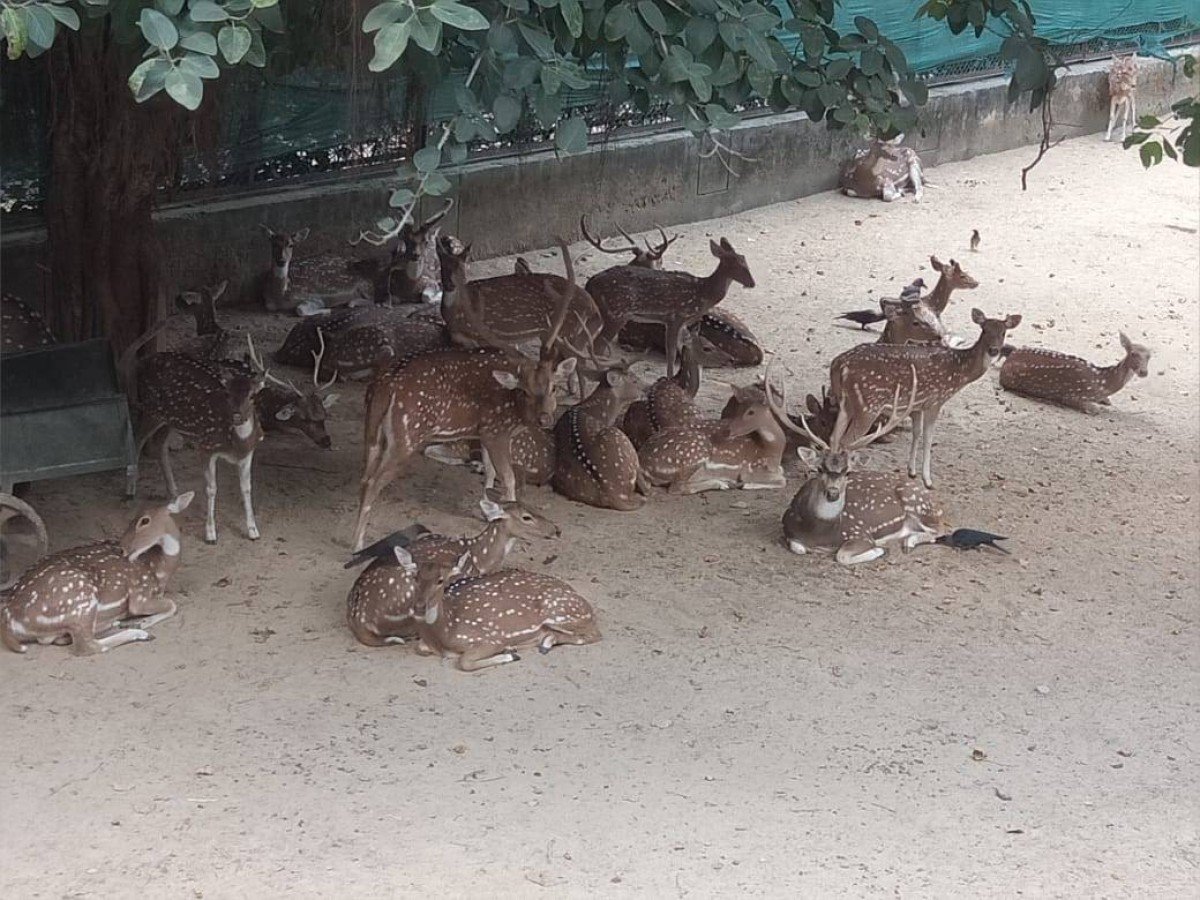
Wildlife Entry: Entry to Debrigarh costs approximately 40 INR per person, with separate charges for safari vehicles and forest guide services.Timing:
Visit Hours: Temples are generally open from 5:30 AM to 1:00 PM and 4:30 PM to 8:30 PM. The wildlife sanctuary is open from sunrise to sunset.
Festival Timing: Dhanu Yatra events usually start in the afternoon and continue late into the nig...Visit Hours: Temples are generally open from 5:30 AM to 1:00 PM and 4:30 PM to 8:30 PM. The wildlife sanctuary is open from sunrise to sunset.
Festival Timing: Dhanu Yatra events usually start in the afternoon and continue late into the night across various parts of the town during the winter.Special Events:
Dhanu Yatra: The most significant event held in January, turning the city into a mythological stage for the battle between good and evil.
Nuakhai: The harvest festival of western Odisha, celebrated with traditional music, dance, and the offe...Dhanu Yatra: The most significant event held in January, turning the city into a mythological stage for the battle between good and evil.
Nuakhai: The harvest festival of western Odisha, celebrated with traditional music, dance, and the offering of new rice to the local deities.Best Photo Spots:
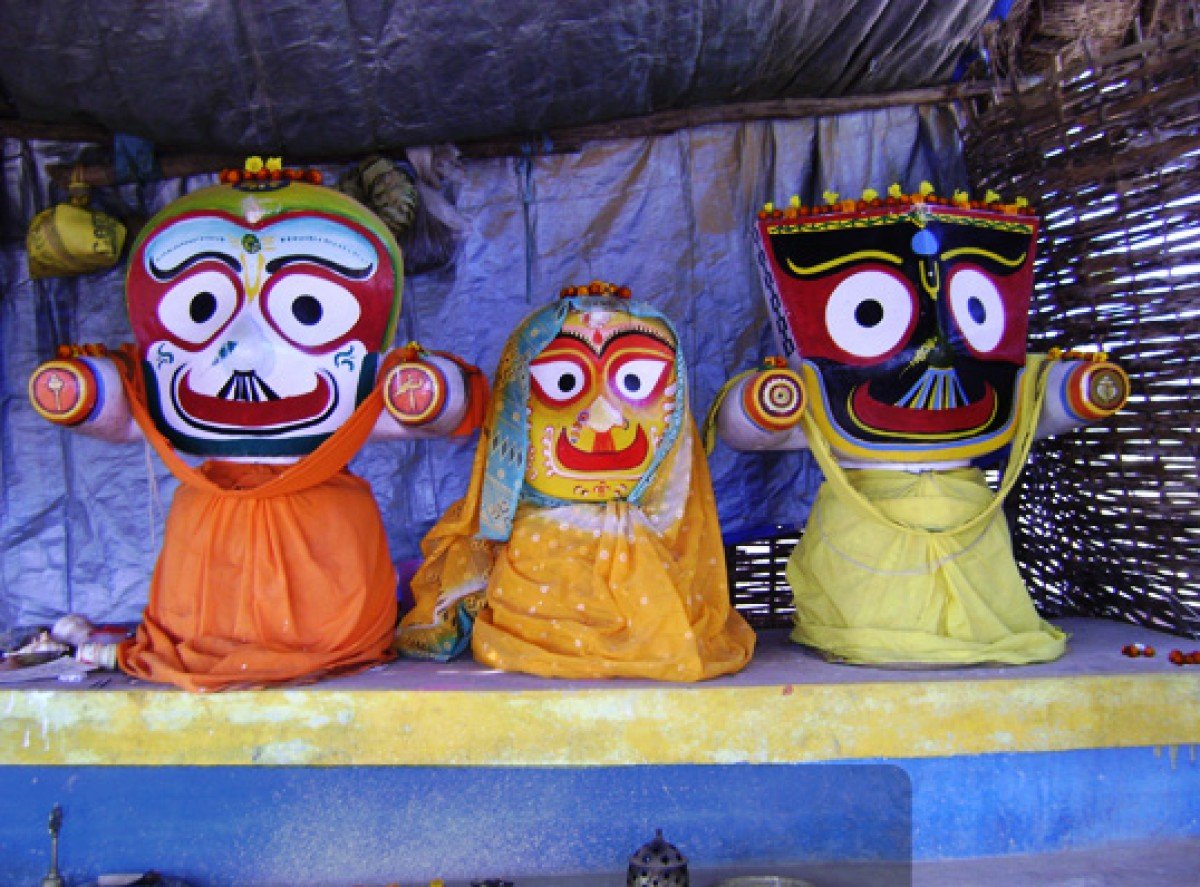
Dhanu Yatra Stage: The massive sets and colorful costumes of the performers during the festival provide the most vibrant and dramatic photo opportunities.
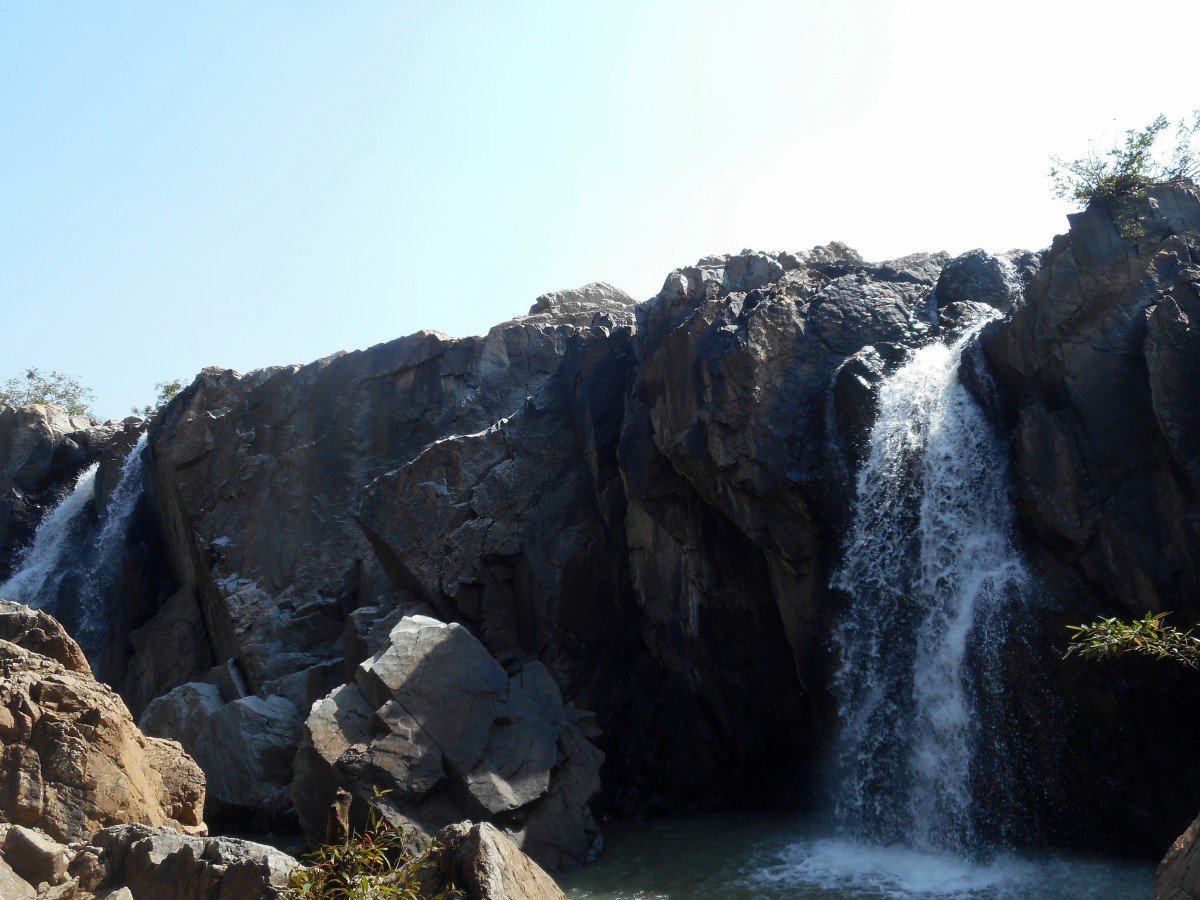
Gandhamardhan Falls: The crystal-clear waterfalls near the Nrusinghanath temple offer ...Dhanu Yatra Stage: The massive sets and colorful costumes of the performers during the festival provide the most vibrant and dramatic photo opportunities.
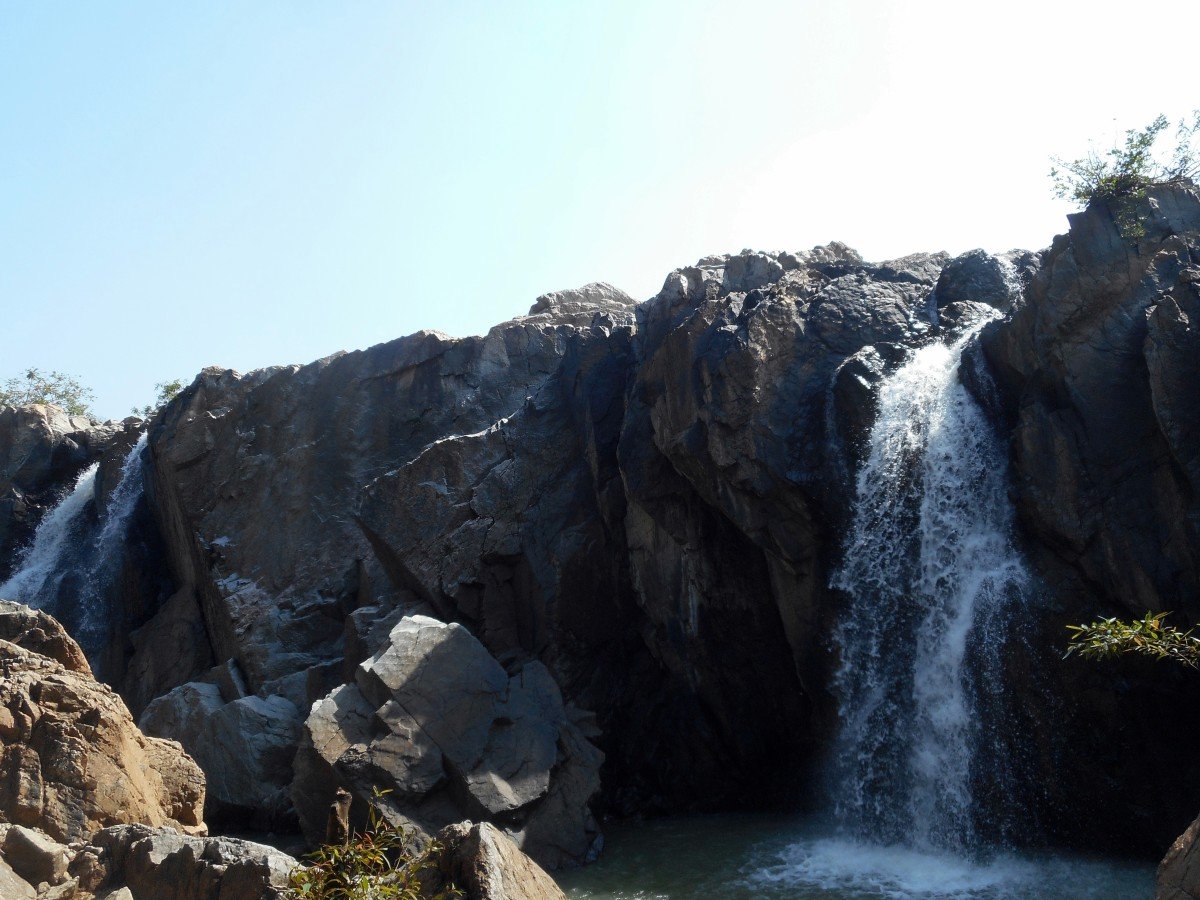
Gandhamardhan Falls: The crystal-clear waterfalls near the Nrusinghanath temple offer a refreshing and scenic backdrop for nature and portrait photography.Photo Gallery
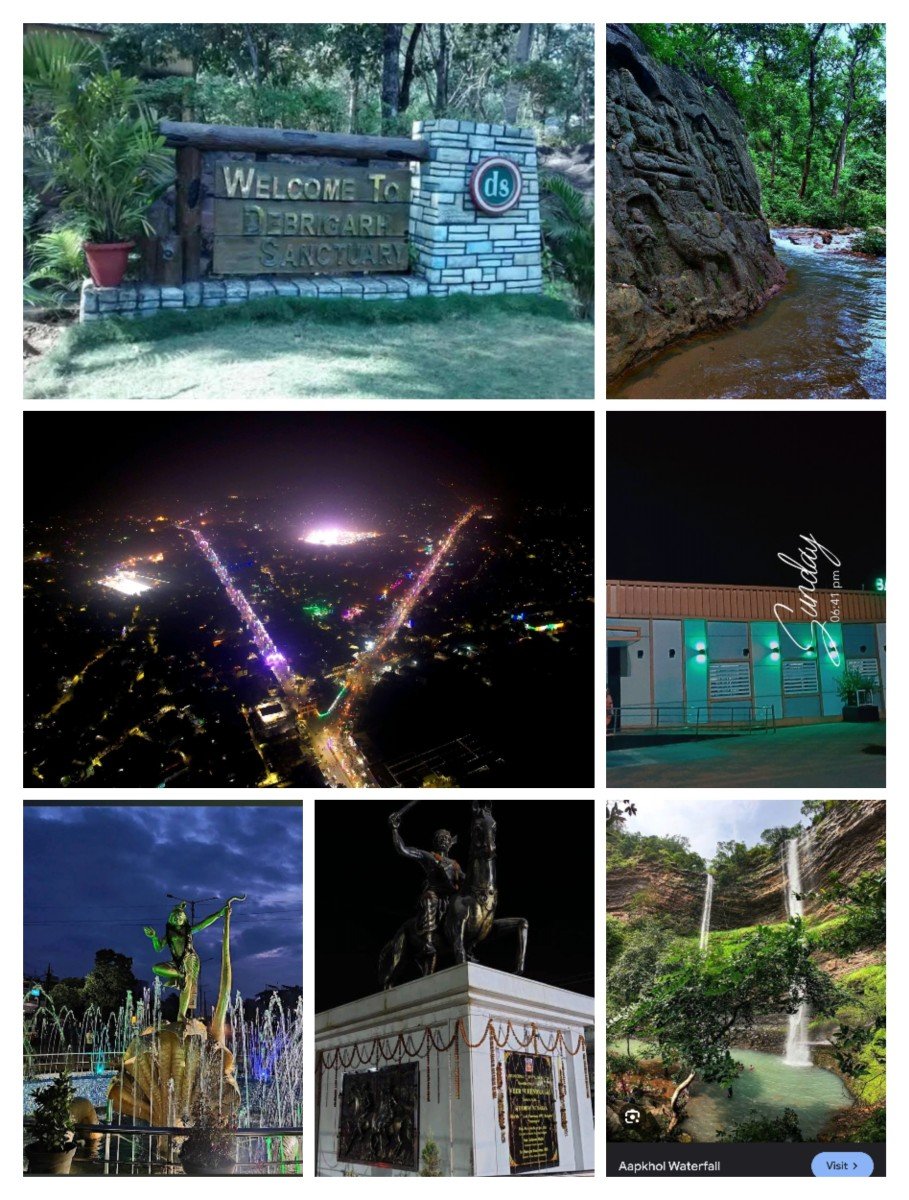
Things To Do
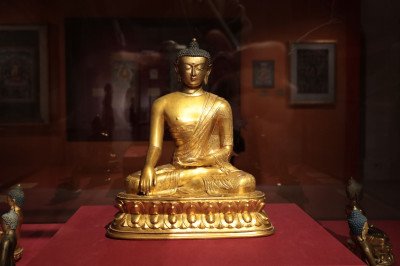 The Bargarh District Museum is a repository of the region's rich archaeological and cultural heritage, showcasing artifacts from prehistoric times, historical periods like the Mughal and Maratha eras, and traditional art forms of Western Odisha; it serves as a vital resource for scholars and tourists interested in the history of the undivided Sambalpur region; the exhibits include rare coins, ancient tools, tribal artifacts, sculptures, and inscriptions, providing a comprehensive timeline of the district's evolution and its significant role in the socio-cultural fabric of India; the museum aims to preserve and promote the unique identity of Bargarh, focusing on the local freedom struggle and the traditional textiles, especially the famous Sambalpuri Ikat patterns, which are a major highlight of the collection; this cultural hub also organizes educational programs and temporary exhibitions to engage the local community and tourists, making it a dynamic center for learning and cultural exchange; the details of the exhibits emphasize the connection of Bargarh to the ancient kingdom of South Kosala; the collection includes palm leaf manuscripts and traditional musical instruments, giving deep insights into the local lifestyle and traditions which thrived in this part of Odisha for centuries; this dedicated space highlights the unsung heroes of the region's past; the exhibits are displayed chronologically to facilitate an easy understanding for visitors; :
 @@Historical Narrative: The Ghanteswari Temple is a unique shrine located on the banks of the Mahanadi river. Historically, it served as a "lighthouse without light" for sailors navigating the treacherous river currents. @@Spiritual Significance: It is believed that the sound of thousands of bells protects devotees from misfortune and guides them through life's storms. @@Legendary Roots: The temple is dedicated to Goddess Ghanteswari, the deity of bells, who is worshipped with deep devotion by locals. @@Ecological Surroundings: The area is surrounded by lush greenery and the rhythmic flow of the river, providing a calm atmosphere for meditation.
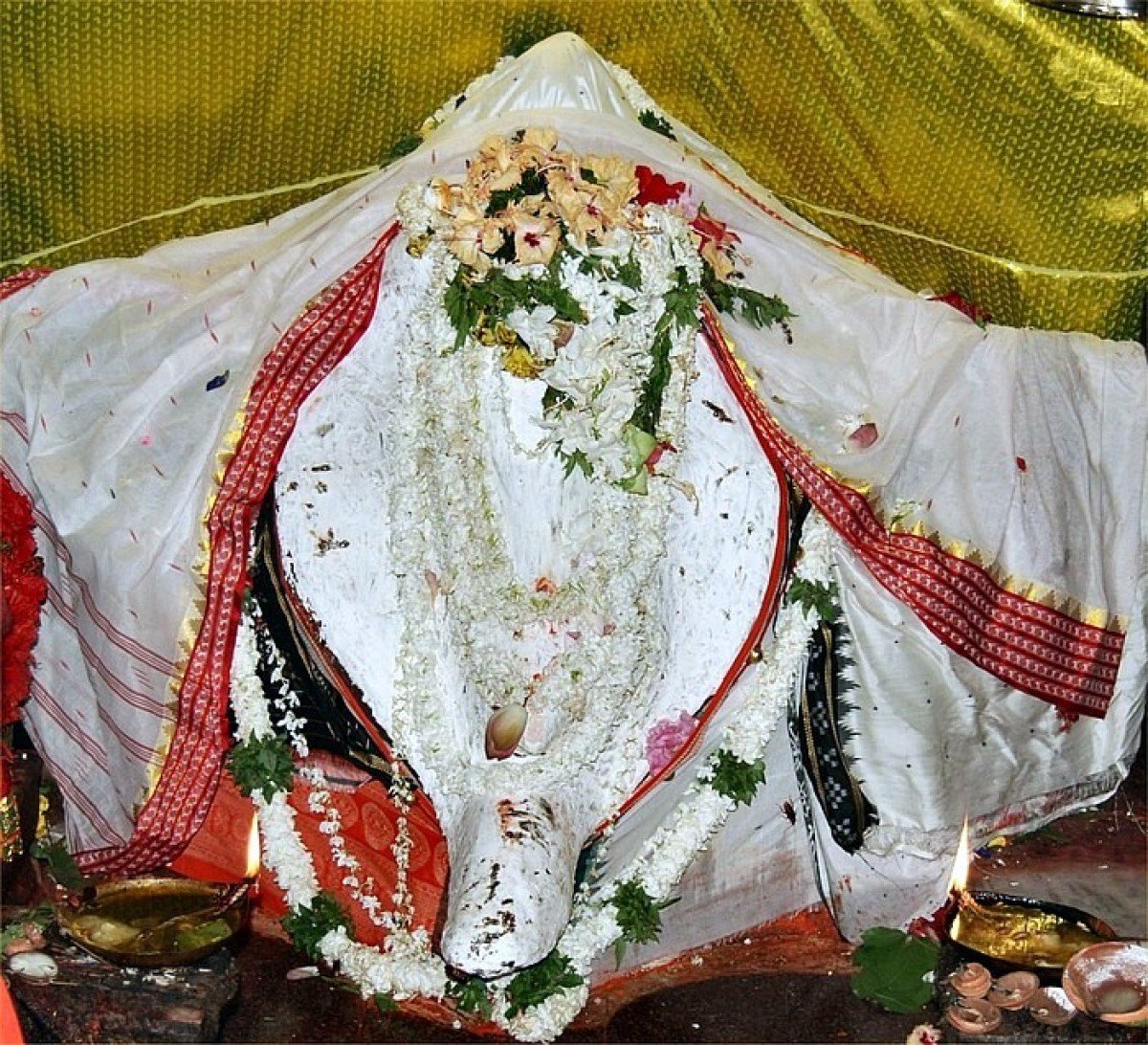
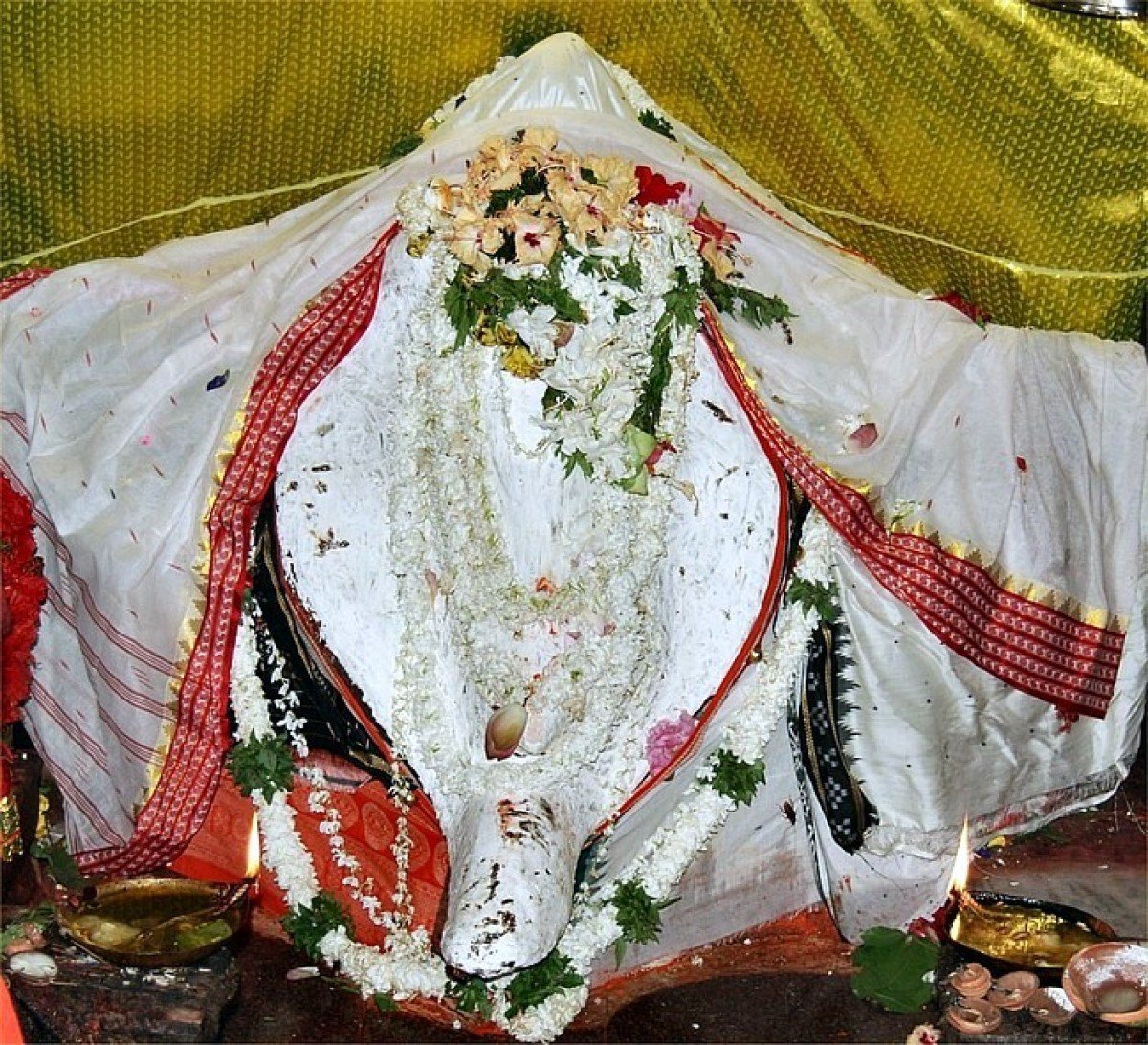
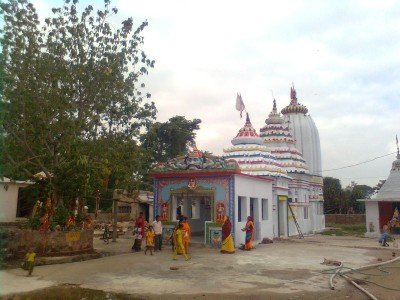
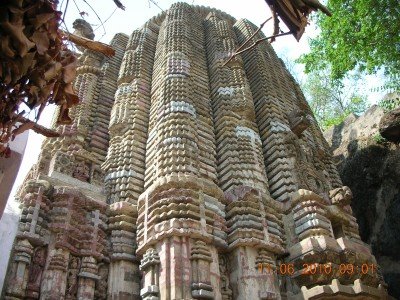 Koshaleswar Temple, also known as the Baidyanath Temple, is a significant religious and historical site located in the Bargarh district. This temple is dedicated to Lord Shiva and stands as a testament to the glorious reign of the Chauhan kings of the 18th century. It is part of the "Astasambu" or the eight prominent Shiva temples in the region. The temple is built on the banks of the river Jeera, providing a serene and spiritual backdrop for devotees. The site is known for its peaceful environment and the intricate carvings that adorn its walls. Legend has it that the temple was constructed under the supervision of the Dewan of Sambalpur, Dakshin Ray. Over the years, it has become a major center for Shaivism in western Odisha. The main sanctum houses a beautifully carved Lingam which is the focal point of daily rituals. During the Maha Shivaratri festival, the temple transforms into a vibrant hub of activity, drawing thousands of pilgrims from across the state. The architecture reflects the Kalinga style with distinct local influences. The temple complex is surrounded by ancient trees and a well-maintained garden, offering a space for reflection. Historical inscriptions found here provide valuable insights into the social and political life of the Chauhan era. For history buffs and spiritual seekers alike, Koshaleswar Temple offers a deep dive into the heritage of the Bargarh region. The temple authorities ensure that the Vedic traditions are followed strictly during the worship hours. The temple's proximity to the main town makes it easily accessible for a quick spiritual retreat. The craftsmanship displayed on the pillars and the outer walls remains a subject of study for archaeologists. It is a place where faith and history converge beautifully.
 The Sital Sasthi Festival is a vibrant, grand Hindu carnival that marks the ceremonial marriage of Lord Shiva (Hara) and Goddess Parvati (Gauri), typically celebrated in the month of Jyeshtha (May/June) during the peak of the pre-monsoon heat, intended to invoke the rain gods; in Bargarh, the festival is celebrated with immense pomp and cultural enthusiasm, mirroring the legendary main celebration in nearby Sambalpur, transforming the town into a wedding venue; the ceremony is modeled exactly on a traditional Odia human wedding, with the idol of Lord Shiva proceeding from his temple and being received by the designated human parents of Parvati's idol in a mock procession (Barat) that draws millions; the multi-day event is famous for its massive, culturally rich procession that includes folk dance forms like Ghumura and Danda Nata, theatrical floats, and elaborate decoration, running late into the night; the festival is a profound example of community participation, where specific families take on the roles of the divine parents for the year; the entire event culminates in the wedding rituals and the procession of the newly married divine couple back to the temple, known as Mandir Pravesh; :
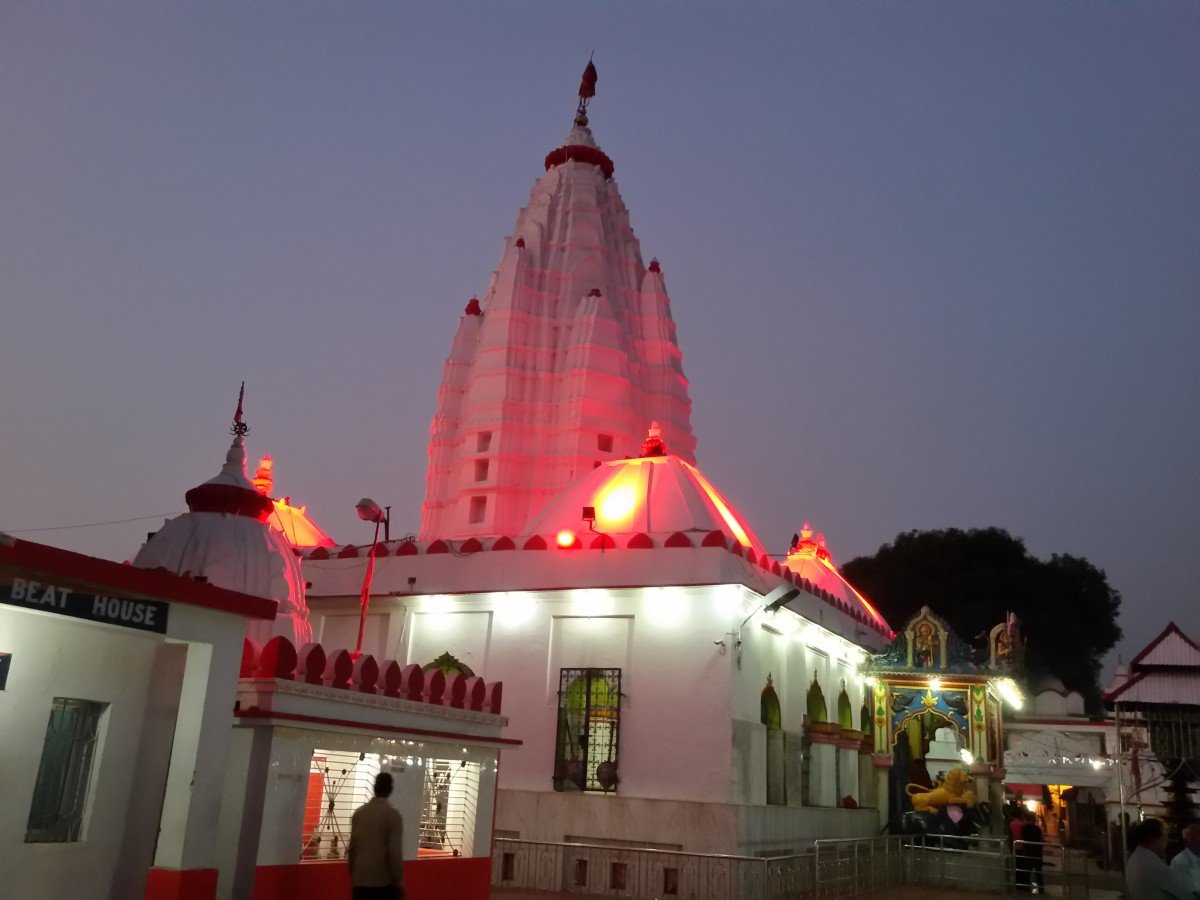
The Maa Durgamala Temple is a highly revered Hindu shrine dedicated to Goddess Durga, a manifestation of Shakti or the Divine Feminine power, which holds immense religious significance for the people of Bargarh and the surrounding districts; the temple is situated in a relatively quiet and spiritual setting along the national highway, offering a peaceful atmosphere for prayer and meditation; the presiding deity is often worshipped in her fierce form, Durgamala, as the protector of the region, and the temple architecture reflects the local tradition of goddess worship; the complex is well-maintained, drawing devotees every day but especially during major Hindu festivals, particularly Navaratri and Durga Puja; the strong local belief is that the Goddess protects travelers on the highway, making it a popular stop for motorists; the daily rituals and ceremonies are performed by the traditional priests of Western Odisha; the details of the temple's history are passed down through oral tradition, suggesting its foundation dates back several centuries, possibly patronized by local zamindars or small kings; the temple provides a sacred space for the performance of traditional rites of passage, such as first hair cutting ceremonies (Mundan) and wedding rituals; the simple yet imposing structure stands as a testament to the region's strong Shakta tradition; the surroundings are clean and feature a small, pleasant garden area; :
@@Heritage Site: The Kedarnath Temple in Ambabhona is one of the famous Ashta Sambhu (Eight Shivas) temples of Western Odisha. @@Architectural Grace: Built in the 18th century, it stands as a testament to the religious patronage of the Chauhan dynasty kings. @@Sacred Pond: The temple is situated inside a beautiful perennial pond, which adds to its spiritual and visual appeal. @@Cultural Hub: It serves as a major center for Shaivite traditions in the district, attracting thousands during religious festivals.
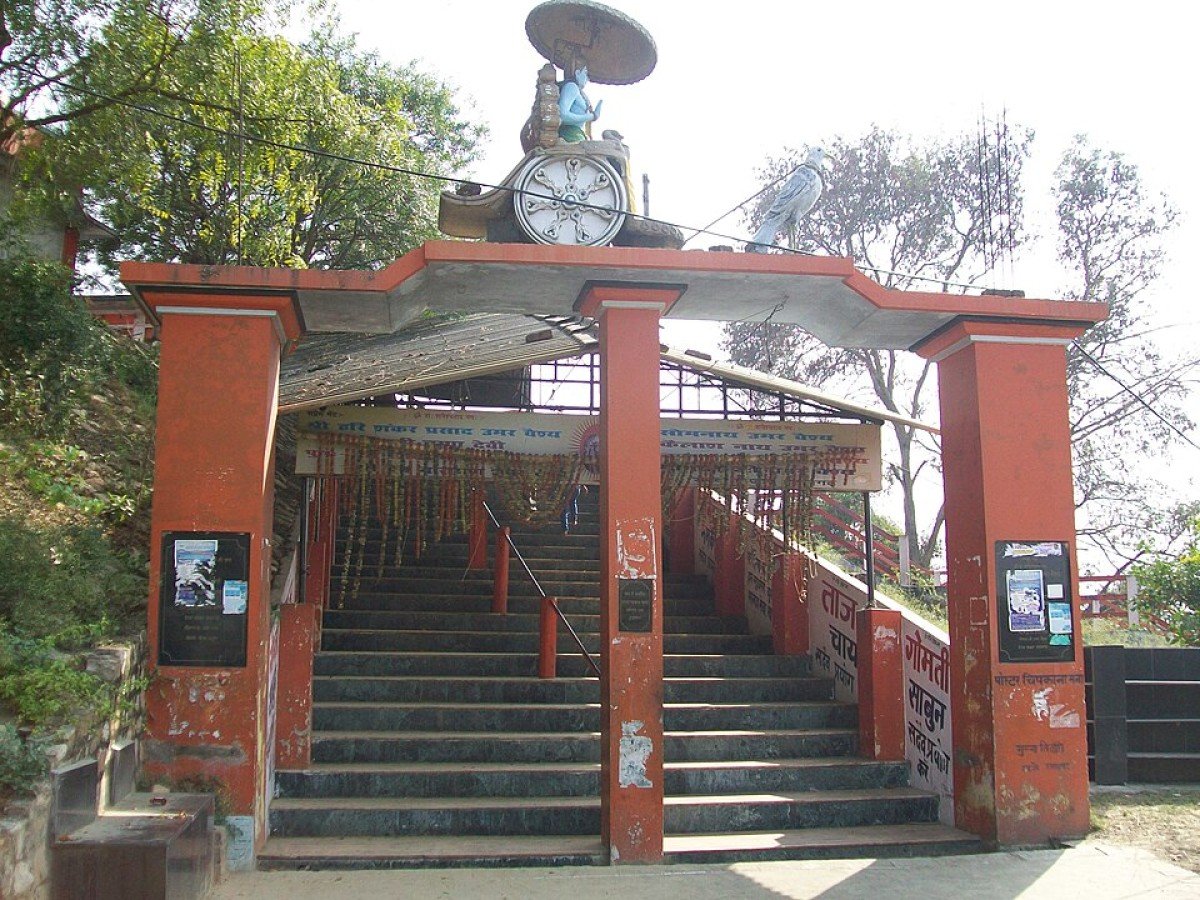
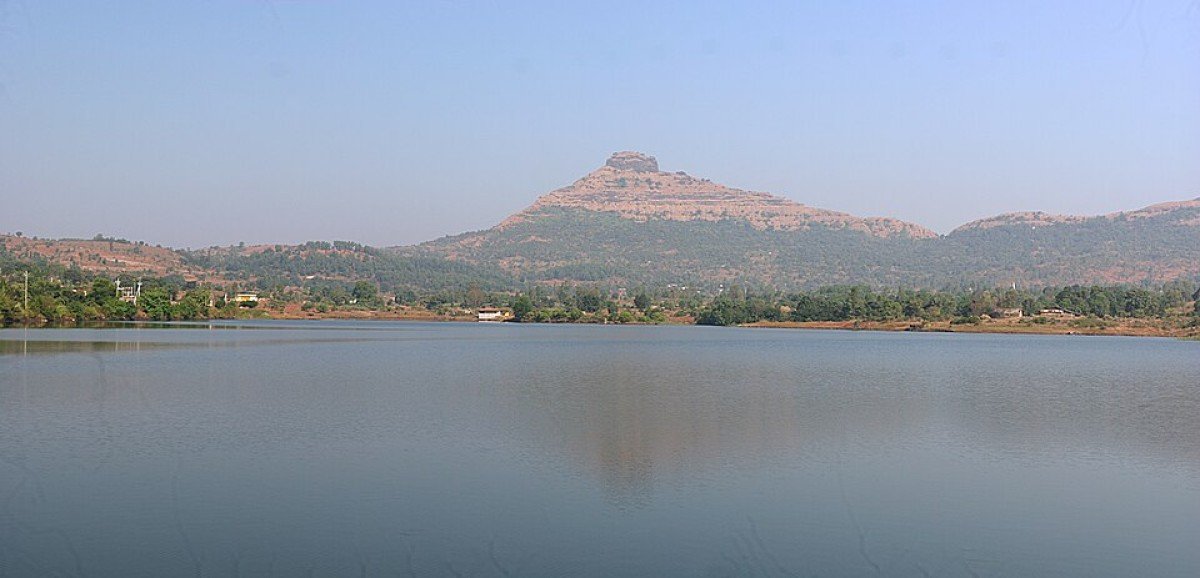
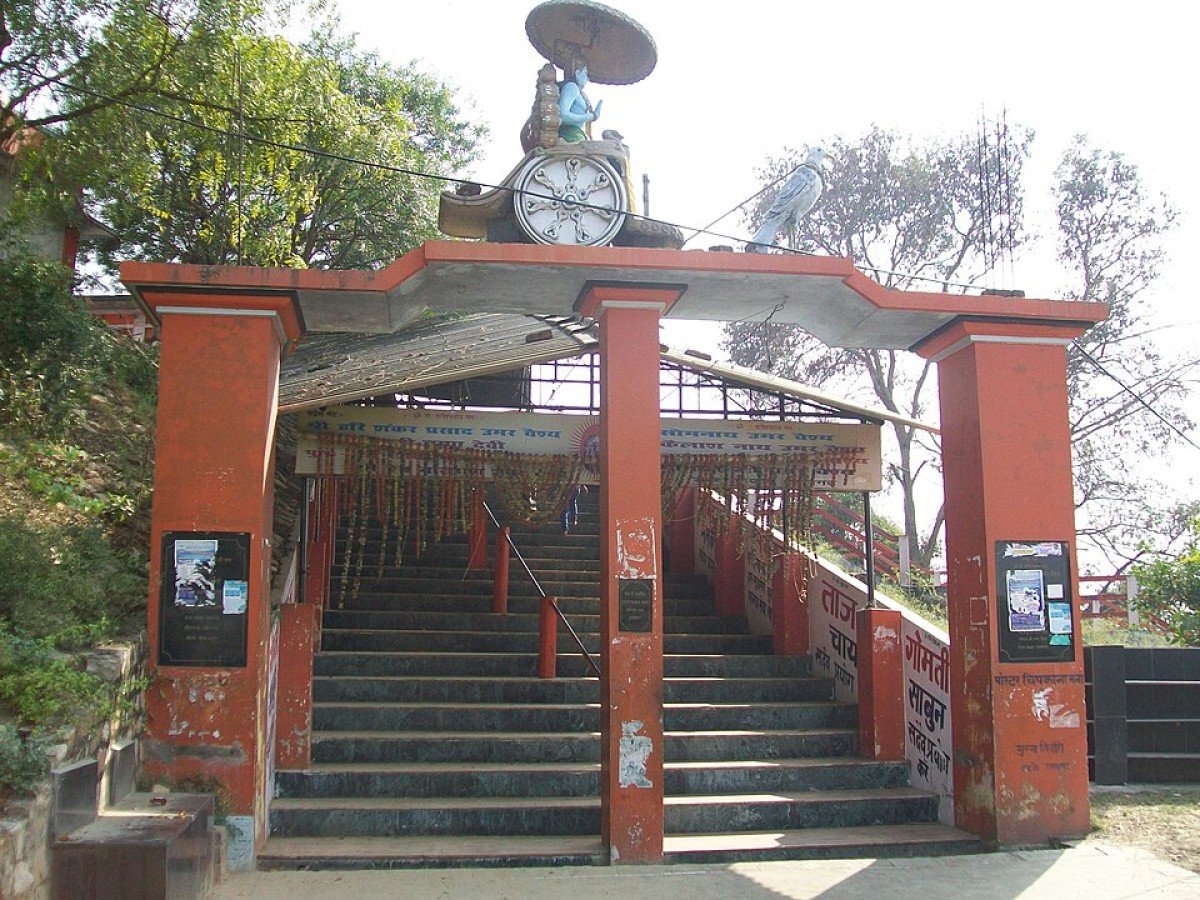
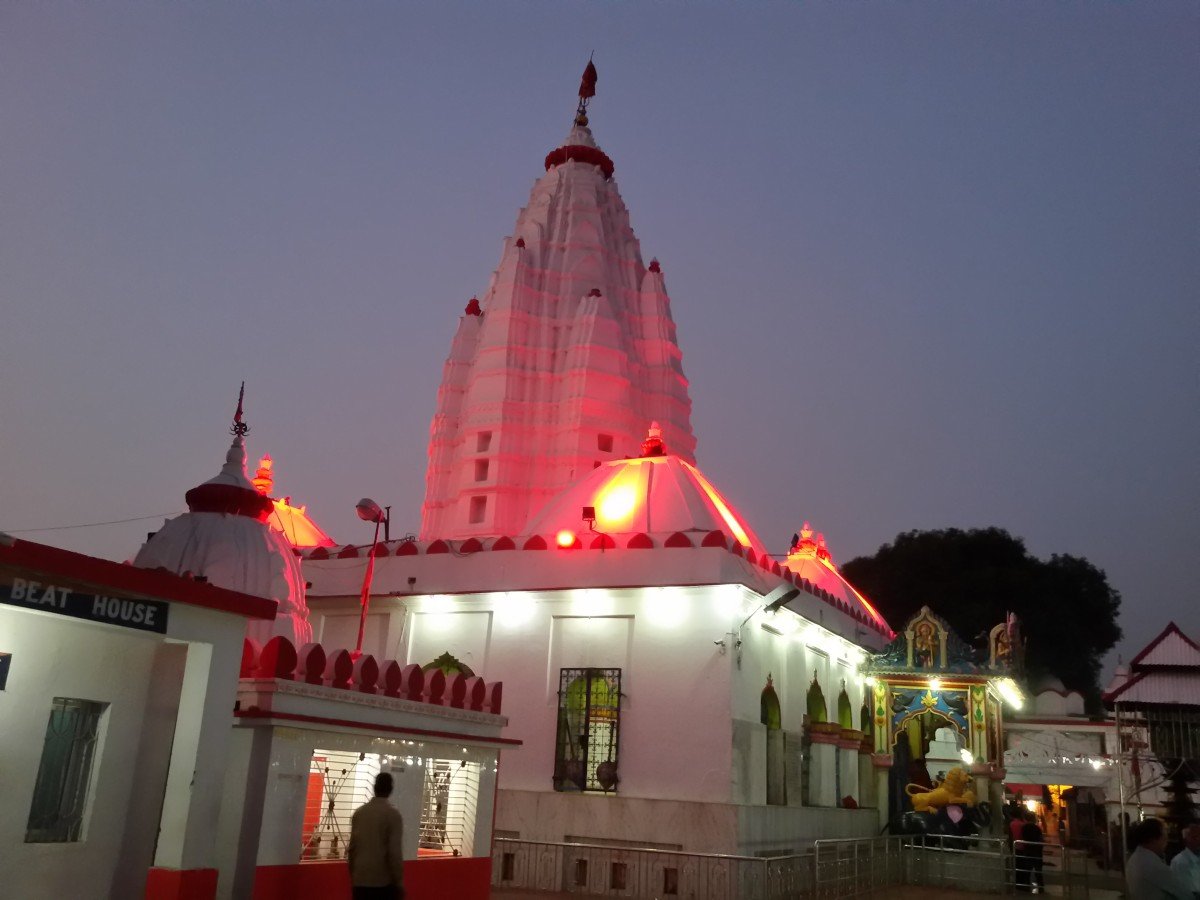
The Nrusinghanath Temple is a legendary shrine located at the foothills of the Gandhamardan mountain range in Bargarh. Established in the early 15th century, the temple is dedicated to Lord Nrusinghanath, an incarnation of Lord Vishnu in a unique feline form known as Marjara Keshari. This divine form was assumed to hunt down the demon Musika Daitya (a mouse demon) who had hidden in a tunnel; the Lord remains at the entrance in this form to this day. The surroundings are breathtaking, featuring lush forests, perennial streams, and several waterfalls like Kapil Dhar and Bhim Dhar. Historically, the site is associated with the Chinese traveler Hiuen Tsang, who described it as a famous Buddhist center named Parimalagiri. The atmosphere is deeply spiritual, blending Vedic traditions with tribal folklore and natural serenity. Visitors are captivated by the ancient stone carvings and the constant sound of flowing water from the hills. The temple serves as a gateway to the biodiversity-rich Gandhamardan hills, known for medicinal herbs. It is a major pilgrimage site for people from across Odisha and Chhattisgarh. The temple complex also includes a beautiful herbal garden and a massive Hanuman statue. Truly, it is a place where history, myth, and nature converge in a spectacular fashion:Show All
The Sital Sasthi Festival is a vibrant, grand Hindu carnival that marks the ceremonial marriage of Lord Shiva (Hara) and Goddess Parvati (Gauri), typically celebrated in the month of Jyeshtha (May/June) during the peak of the pre-monsoon heat, intended to invoke the rain gods; in Bargarh, the festival is celebrated with immense pomp and cultural enthusiasm, mirroring the legendary main celebration in nearby Sambalpur, transforming the town into a wedding venue; the ceremony is modeled exactly on a traditional Odia human wedding, with the idol of Lord Shiva proceeding from his temple and being received by the designated human parents of Parvati's idol in a mock procession (Barat) that draws millions; the multi-day event is famous for its massive, culturally rich procession that includes folk dance forms like Ghumura and Danda Nata, theatrical floats, and elaborate decoration, running late into the night; the festival is a profound example of community participation, where specific families take on the roles of the divine parents for the year; the entire event culminates in the wedding rituals and the procession of the newly married divine couple back to the temple, known as Mandir Pravesh; :
The Maa Durgamala Temple is a highly revered Hindu shrine dedicated to Goddess Durga, a manifestation of Shakti or the Divine Feminine power, which holds immense religious significance for the people of Bargarh and the surrounding districts; the temple is situated in a relatively quiet and spiritual setting along the national highway, offering a peaceful atmosphere for prayer and meditation; the presiding deity is often worshipped in her fierce form, Durgamala, as the protector of the region, and the temple architecture reflects the local tradition of goddess worship; the complex is well-maintained, drawing devotees every day but especially during major Hindu festivals, particularly Navaratri and Durga Puja; the strong local belief is that the Goddess protects travelers on the highway, making it a popular stop for motorists; the daily rituals and ceremonies are performed by the traditional priests of Western Odisha; the details of the temple's history are passed down through oral tradition, suggesting its foundation dates back several centuries, possibly patronized by local zamindars or small kings; the temple provides a sacred space for the performance of traditional rites of passage, such as first hair cutting ceremonies (Mundan) and wedding rituals; the simple yet imposing structure stands as a testament to the region's strong Shakta tradition; the surroundings are clean and feature a small, pleasant garden area; :
@@Heritage Site: The Kedarnath Temple in Ambabhona is one of the famous Ashta Sambhu (Eight Shivas) temples of Western Odisha. @@Architectural Grace: Built in the 18th century, it stands as a testament to the religious patronage of the Chauhan dynasty kings. @@Sacred Pond: The temple is situated inside a beautiful perennial pond, which adds to its spiritual and visual appeal. @@Cultural Hub: It serves as a major center for Shaivite traditions in the district, attracting thousands during religious festivals.
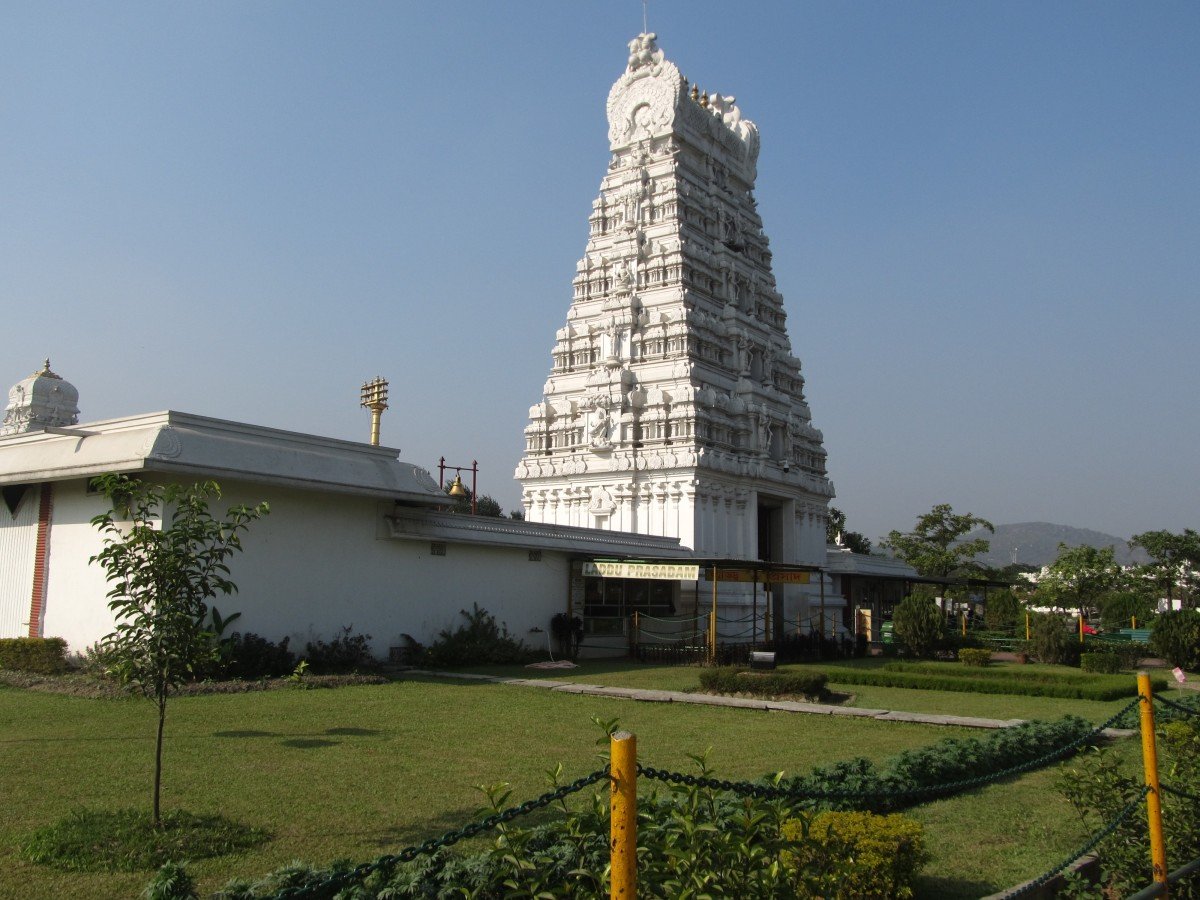
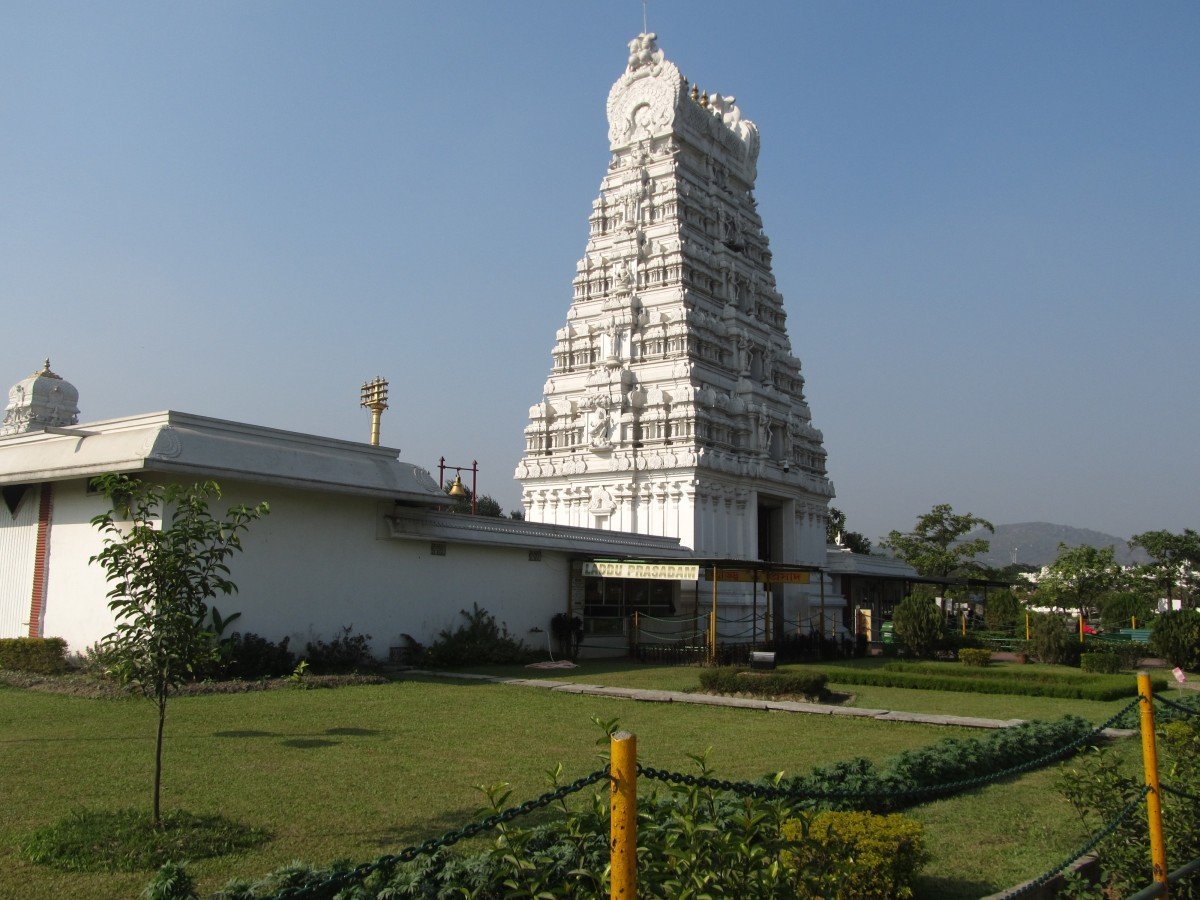
The Nrusinghanath Temple is a legendary shrine located at the foothills of the Gandhamardan mountain range in Bargarh. Established in the early 15th century, the temple is dedicated to Lord Nrusinghanath, an incarnation of Lord Vishnu in a unique feline form known as Marjara Keshari. This divine form was assumed to hunt down the demon Musika Daitya (a mouse demon) who had hidden in a tunnel; the Lord remains at the entrance in this form to this day. The surroundings are breathtaking, featuring lush forests, perennial streams, and several waterfalls like Kapil Dhar and Bhim Dhar. Historically, the site is associated with the Chinese traveler Hiuen Tsang, who described it as a famous Buddhist center named Parimalagiri. The atmosphere is deeply spiritual, blending Vedic traditions with tribal folklore and natural serenity. Visitors are captivated by the ancient stone carvings and the constant sound of flowing water from the hills. The temple serves as a gateway to the biodiversity-rich Gandhamardan hills, known for medicinal herbs. It is a major pilgrimage site for people from across Odisha and Chhattisgarh. The temple complex also includes a beautiful herbal garden and a massive Hanuman statue. Truly, it is a place where history, myth, and nature converge in a spectacular fashion:Show All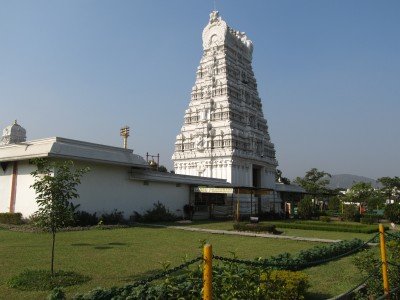 @@Spiritual Hub: Located in the Turunga suburb, this temple is a modern architectural marvel dedicated to Lord Venkateswara. It serves as a major pilgrimage site for the people of Western Odisha, replicating the spiritual ambiance of Tirupati. The temple complex is meticulously maintained and provides a serene environment for meditation and prayer. Daily rituals are performed with strict Vedic traditions, attracting hundreds of devotees every morning and evening. The temple is not just a place of worship but a cultural center where traditional music and dance performances are occasionally organized. Its location near the main town makes it easily accessible for a quick spiritual retreat. The lush gardens surrounding the main shrine add to the tranquility, making it a favorite for senior citizens and families alike.
Information
-
Why Famous:
Dhanu Yatra: This 11-day festival is a global attraction where the myth of King Kansa and Lord Krishna is enacted across the whole town.
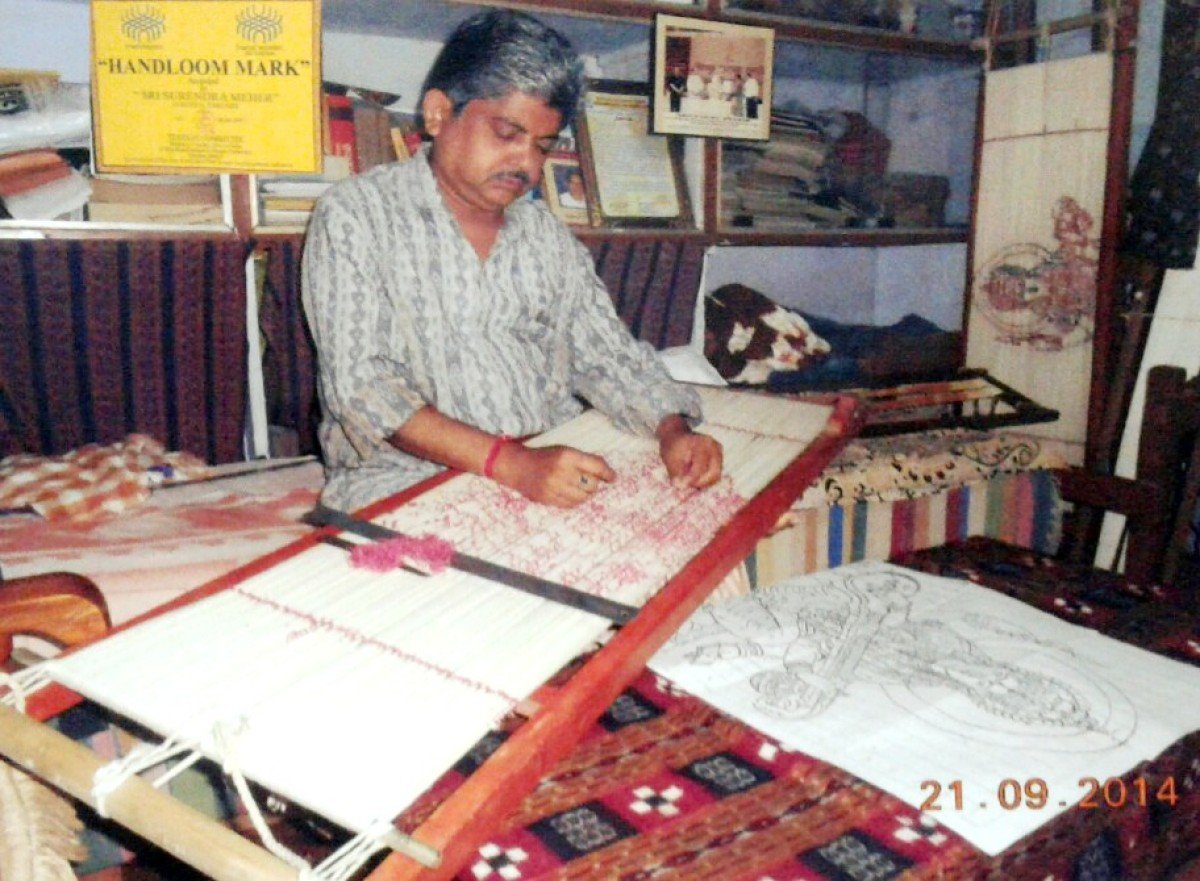
Sambalpuri Sarees: The region is the heart of the Sambalpuri textile tradition, famous for its vibrant c...Dhanu Yatra: This 11-day festival is a global attraction where the myth of King Kansa and Lord Krishna is enacted across the whole town.
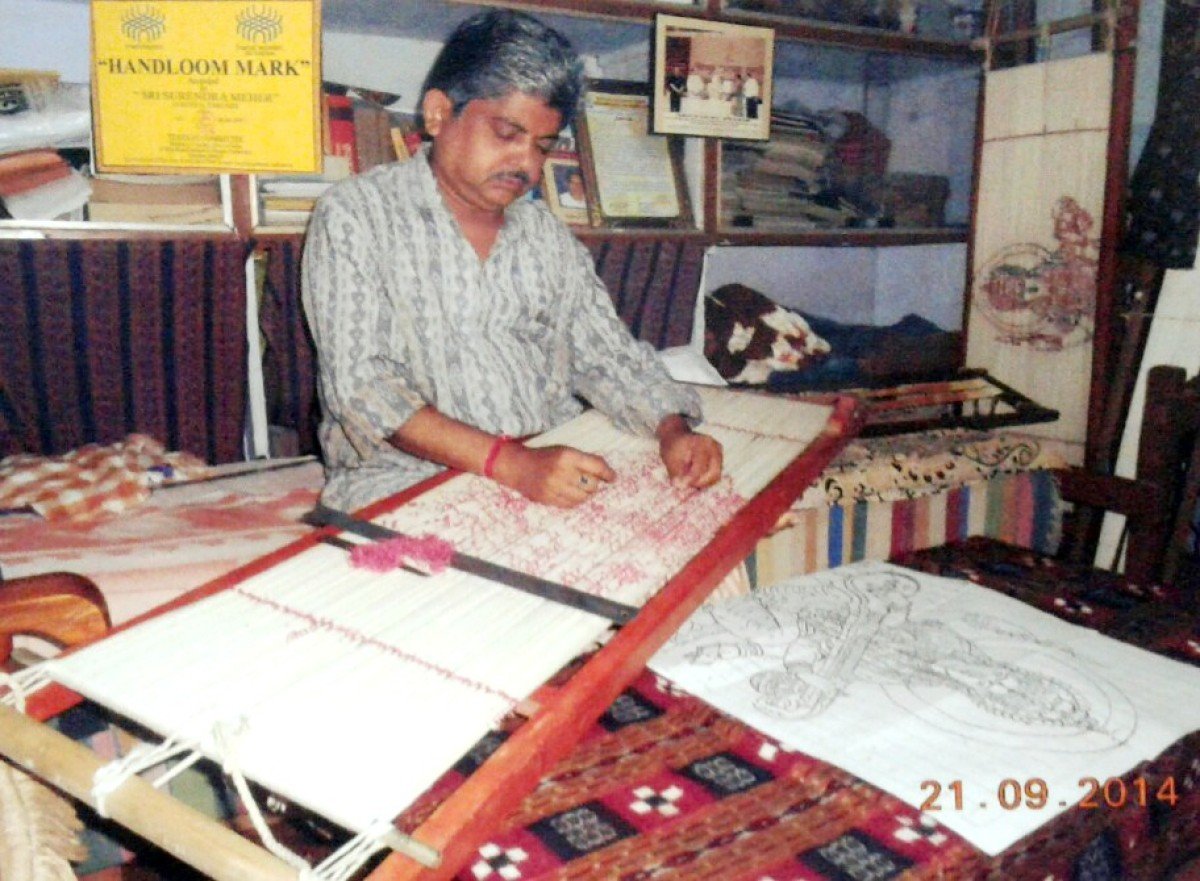
Sambalpuri Sarees: The region is the heart of the Sambalpuri textile tradition, famous for its vibrant colors and intricate geometric Ikkat patterns. -
Architecture:
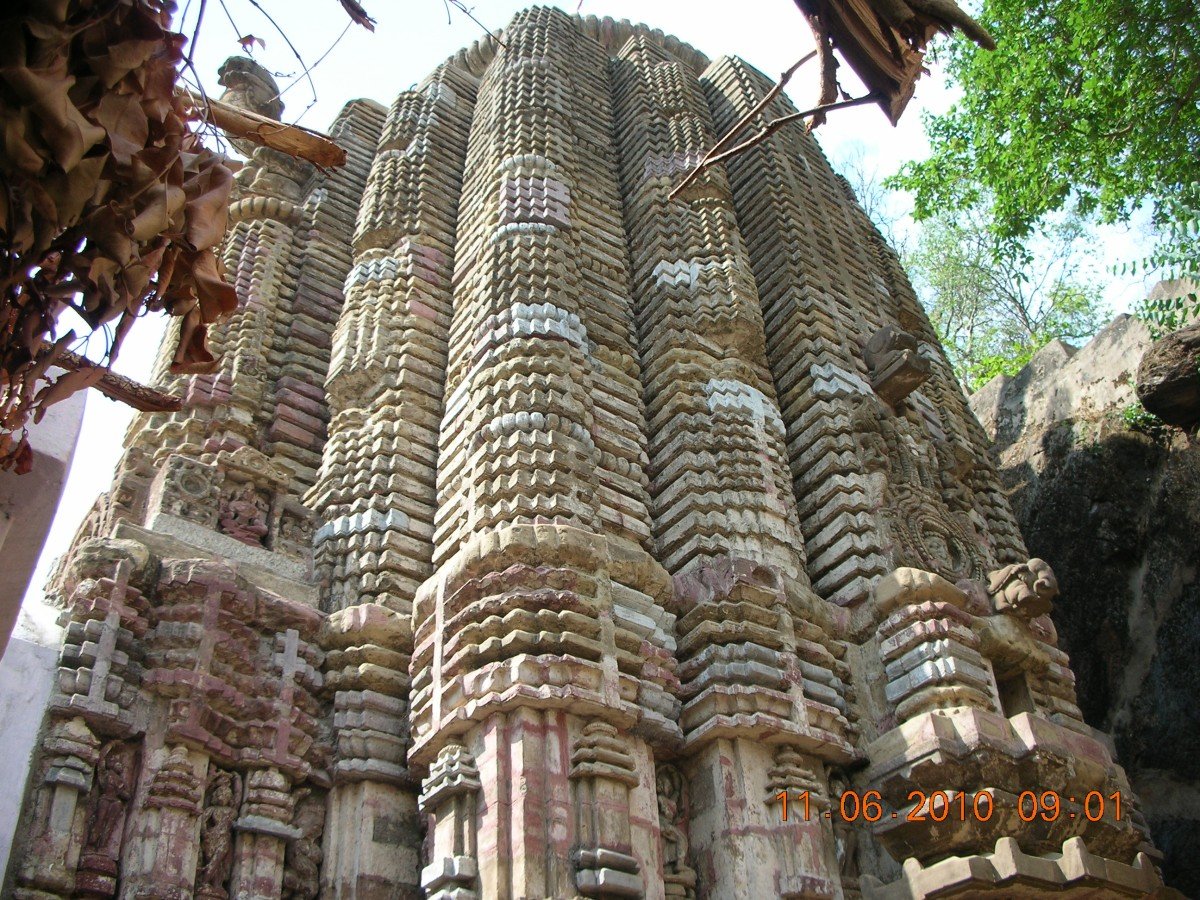
Ancient Stone Work: The Nrusinghanath temple, built in the 14th Century, features exquisite stone carvings of deities and animals on its outer walls.
Leaning Marvel: The Huma temple nearby is famous for its leaning structure, where the main ...Ancient Stone Work: The Nrusinghanath temple, built in the 14th Century, features exquisite stone carvings of deities and animals on its outer walls.
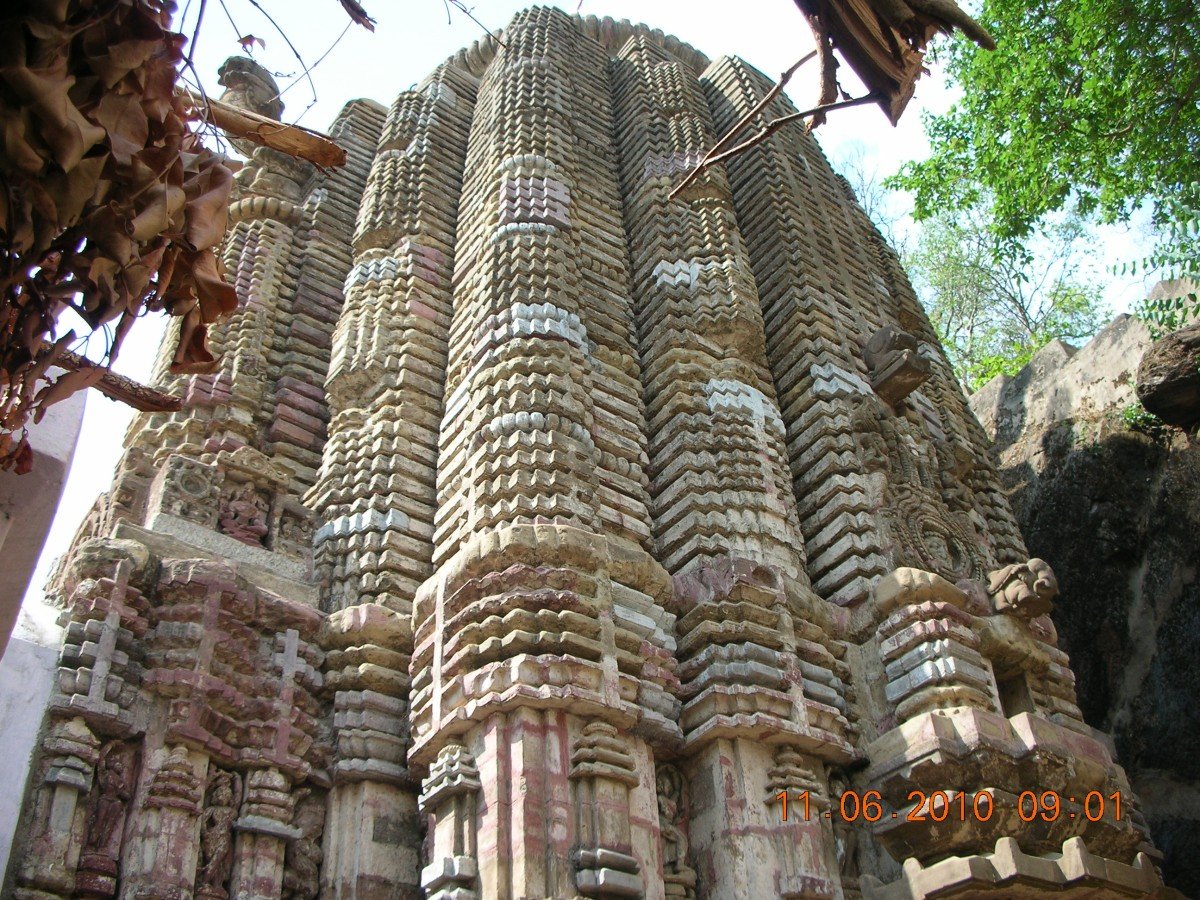
Leaning Marvel: The Huma temple nearby is famous for its leaning structure, where the main tower tilts at an angle, puzzling architects for centuries. -
How To Reach:
By Air: The nearest airport is Jharsuguda (100 KMS), which has regular flights to Bhubaneswar, Kolkata, and Delhi for easy travel.
By Train: Bargarh Road Railway Station is well-connected to major cities like Sambalpur, Raipur, and Bhubanesw...By Air: The nearest airport is Jharsuguda (100 KMS), which has regular flights to Bhubaneswar, Kolkata, and Delhi for easy travel.
By Train: Bargarh Road Railway Station is well-connected to major cities like Sambalpur, Raipur, and Bhubaneswar via regular express trains.
By Road: The town is situated on NH 6, offering excellent bus connectivity from Raipur, Sambalpur, and Cuttack with frequent day and night services.
Local Transport: Auto-rickshaws and cycle-rickshaws are the primary modes of travel within the town, while taxis can be hired for visiting nearby temples. -
Weather and Best Time to Visit:
Winter Season: October to March is the ideal time to visit, especially in January to experience the world-famous Dhanu Yatra festival.
Monsoon Refresh: The hills of Gandhamardhan look stunningly green during August and September, making it a...Winter Season: October to March is the ideal time to visit, especially in January to experience the world-famous Dhanu Yatra festival.
Monsoon Refresh: The hills of Gandhamardhan look stunningly green during August and September, making it a great time for nature treks and picnics. -
Near Tourist Places:
1. Nrusinghanath (110 KM), 2. Debrigarh (60 KM), 3. Huma Leaning Temple (35 KM), 4. Sambalpur (45 KM), 5. Hirakud Dam (50 KM), 6. Barpali (20 KM), 7. Papanga Hill (33 KM), 8. Bhatli (25 KM), 9. Kedarnath Temple (40 KM), 10. Patharseni (45 KM).
Tourism Tips
-
Respect Traditions: During Dhanu Yatra, be respectful of the performers as they stay in character; follow local customs when entering the ancient temples.
Packing Needs: Carry comfortable cotton clothing for the day and a light sweater for ...Respect Traditions: During Dhanu Yatra, be respectful of the performers as they stay in character; follow local customs when entering the ancient temples.
Packing Needs: Carry comfortable cotton clothing for the day and a light sweater for winter nights, along with sturdy shoes for hill trekking.
Reviews
FAQs
Bargarh Itineray And Cost:-
Other Places In Odisha :-
Other States In India :-
Information about New and Updated Locations() of Odisha Has Been Added :-
Card subtitle
Note:-
Information provided here in good Faith and for reference only.
Near Places
Angul
Some quick example text to build on the card title and make up the bulk of the card's content.
Go somewhere
Balasore
Some quick example text to build on the card title and make up the bulk of the card's content.
Go somewhere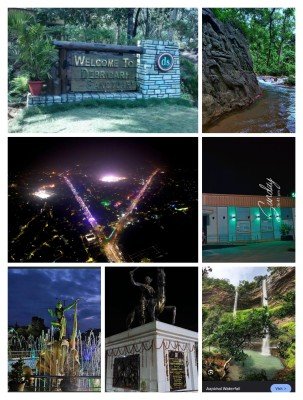
Bargarh
Some quick example text to build on the card title and make up the bulk of the card's content.
Go somewhere
Baripada
Some quick example text to build on the card title and make up the bulk of the card's content.
Go somewhere
Berhampur
Some quick example text to build on the card title and make up the bulk of the card's content.
Go somewhere
Bhadrak
Some quick example text to build on the card title and make up the bulk of the card's content.
Go somewhere
Bhubaneswar
Some quick example text to build on the card title and make up the bulk of the card's content.
Go somewhere
Chandipur
Some quick example text to build on the card title and make up the bulk of the card's content.
Go somewhere
Cuttack
Some quick example text to build on the card title and make up the bulk of the card's content.
Go somewhere
Daringbadi
Some quick example text to build on the card title and make up the bulk of the card's content.
Go somewhere
Dhauli
Some quick example text to build on the card title and make up the bulk of the card's content.
Go somewhere
Dhauligiri
Some quick example text to build on the card title and make up the bulk of the card's content.
Go somewhere
Gopalpur
Some quick example text to build on the card title and make up the bulk of the card's content.
Go somewhere
Jajpur
Some quick example text to build on the card title and make up the bulk of the card's content.
Go somewhere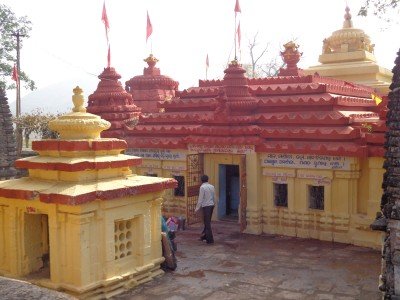
Jeypore
Some quick example text to build on the card title and make up the bulk of the card's content.
Go somewhere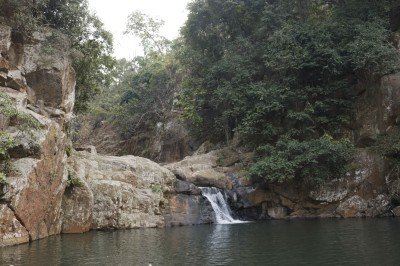
Jharsuguda
Some quick example text to build on the card title and make up the bulk of the card's content.
Go somewherein Other Cities