








Bhubaneswar
General information
-
Ideal Duration:
2 to 3 DaysPlace Type:
Heritage & CultureEntry Fees:
Place Entry Fees:
Temple Entrance: Entry to most active temples like Lingaraj is free, although foreigners are restricted to a viewing platform outside. Heritage sites like Udayagiri caves and Rajarani Temple managed by the ASI have a nomina...Place Entry Fees:
Temple Entrance: Entry to most active temples like Lingaraj is free, although foreigners are restricted to a viewing platform outside. Heritage sites like Udayagiri caves and Rajarani Temple managed by the ASI have a nominal entry fee of INR 25 for Indians.
Zoo and Museums: Nandankanan Zoo has an entry fee of approximately INR 50, with additional charges for safaris and battery-operated vehicles. The state museums typically charge around INR 20 to INR 50, with separate fees for cameras and video recording.
:Timing:
Place Timings:
General Sightseeing: Most temples and heritage sites are open from sunrise to sunset, roughly 6:00 AM to 6:00 PM. The Nandankanan Zoo is closed on Mondays and operates from 7:30 AM to 5:30 PM during the peak tourist season.Place Timings:
General Sightseeing: Most temples and heritage sites are open from sunrise to sunset, roughly 6:00 AM to 6:00 PM. The Nandankanan Zoo is closed on Mondays and operates from 7:30 AM to 5:30 PM during the peak tourist season.
Best Hours: Early mornings are the best for visiting the caves and temples to avoid the crowd and the midday heat. Evenings are ideal for visiting Ekamra Haat and the Shanti Stupa, as the lighting and the cooler breeze make the experience more enjoyable.
:Special Events:
Place Special Event:
Rath Yatra: While Puri is the main hub, the Rukuna Rath Yatra in Bhubaneswar at the Lingaraj Temple is a significant local event. It involves a massive chariot procession of Lord Lingaraj and is attended by thousands of ...Place Special Event:
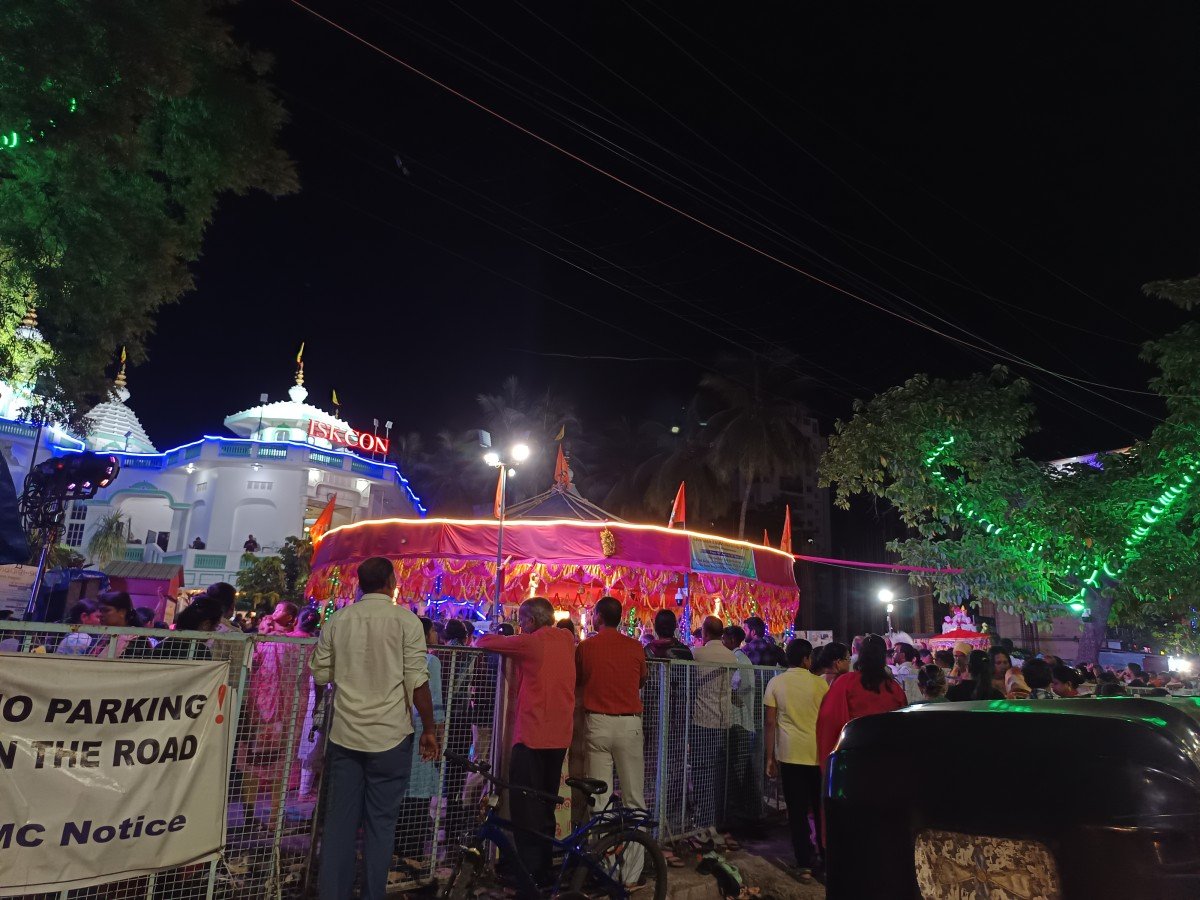
Rath Yatra: While Puri is the main hub, the Rukuna Rath Yatra in Bhubaneswar at the Lingaraj Temple is a significant local event. It involves a massive chariot procession of Lord Lingaraj and is attended by thousands of local devotees in the month of April.
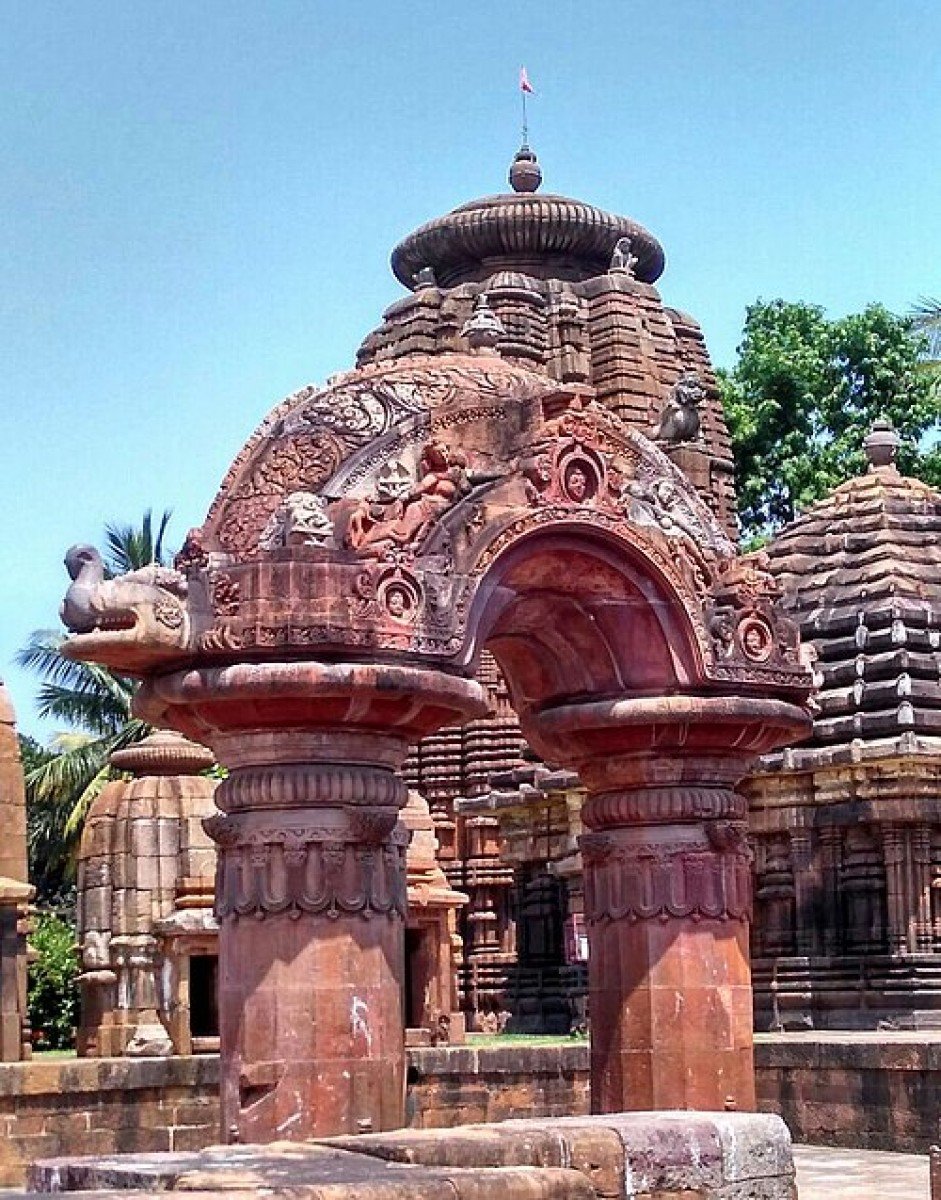
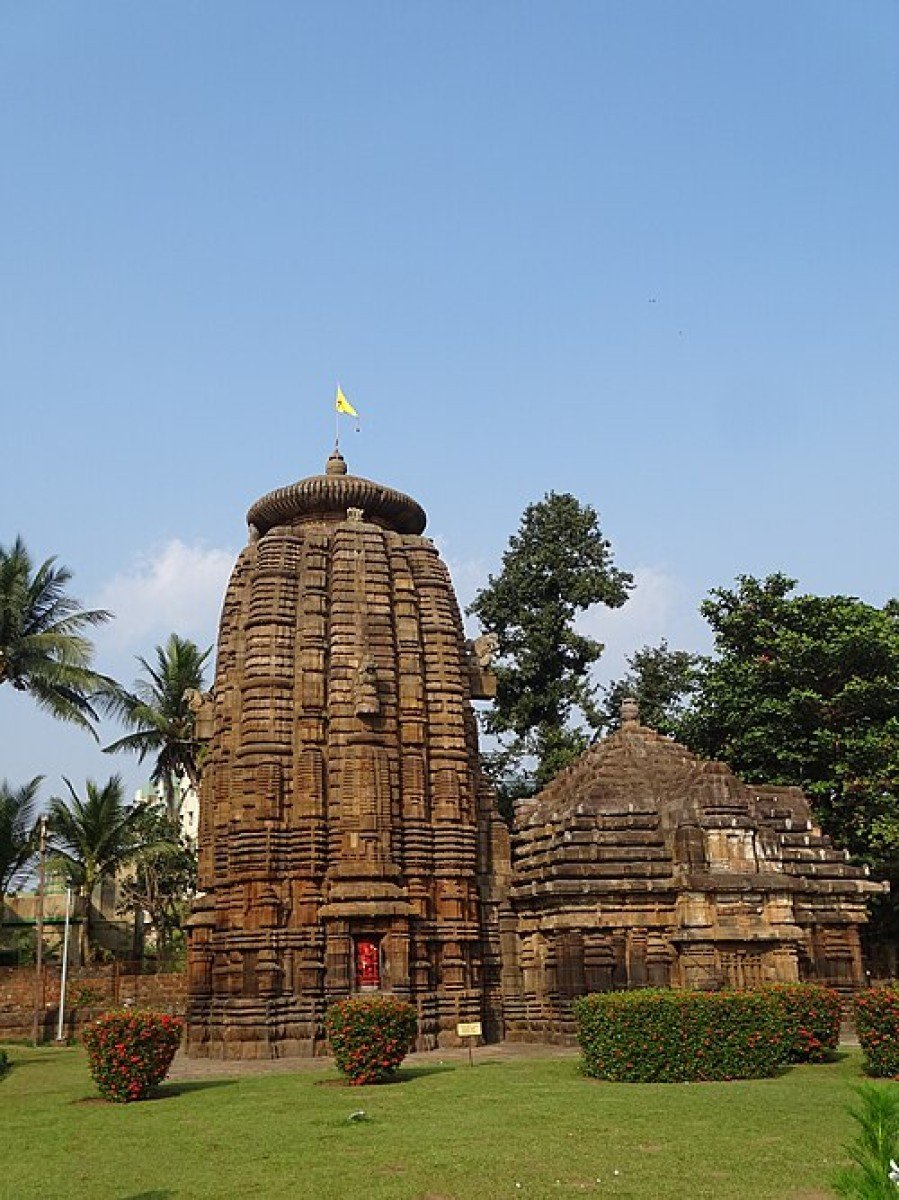
Mukteshwar Dance Festival: This annual festival held in the backdrop of the Mukteshwar Temple showcases the best of Odissi dance. The illuminated temple and the graceful movements of the dancers under the moonlit sky create a magical and culturally enriching experience.
:Best Photo Spots:
Place Best Photo Spots:
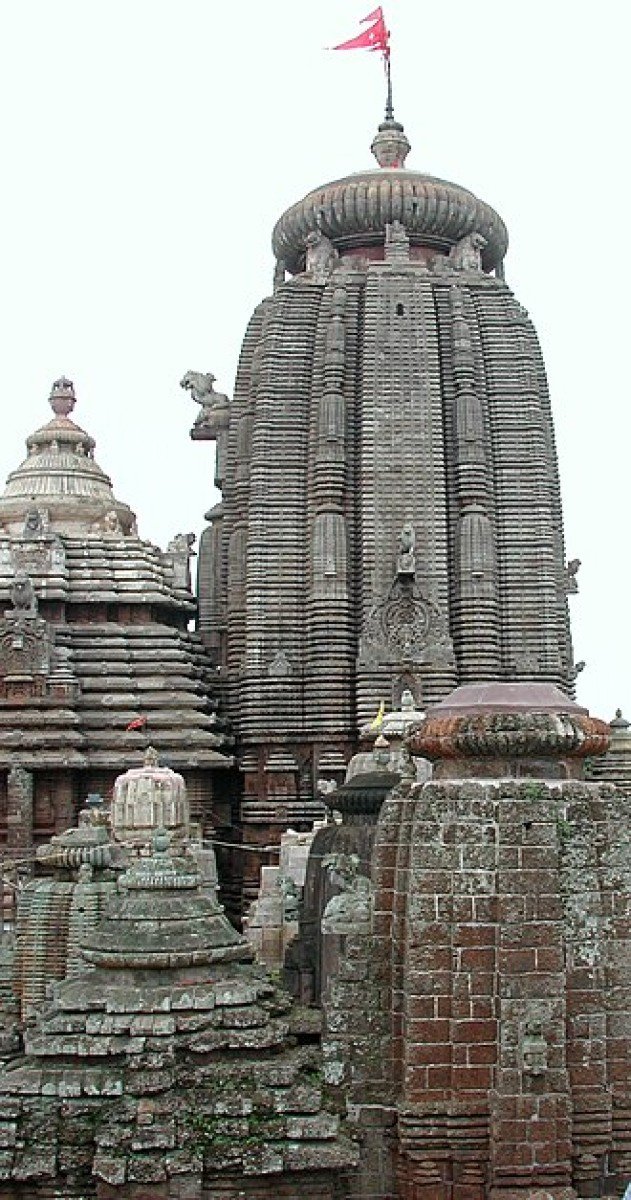
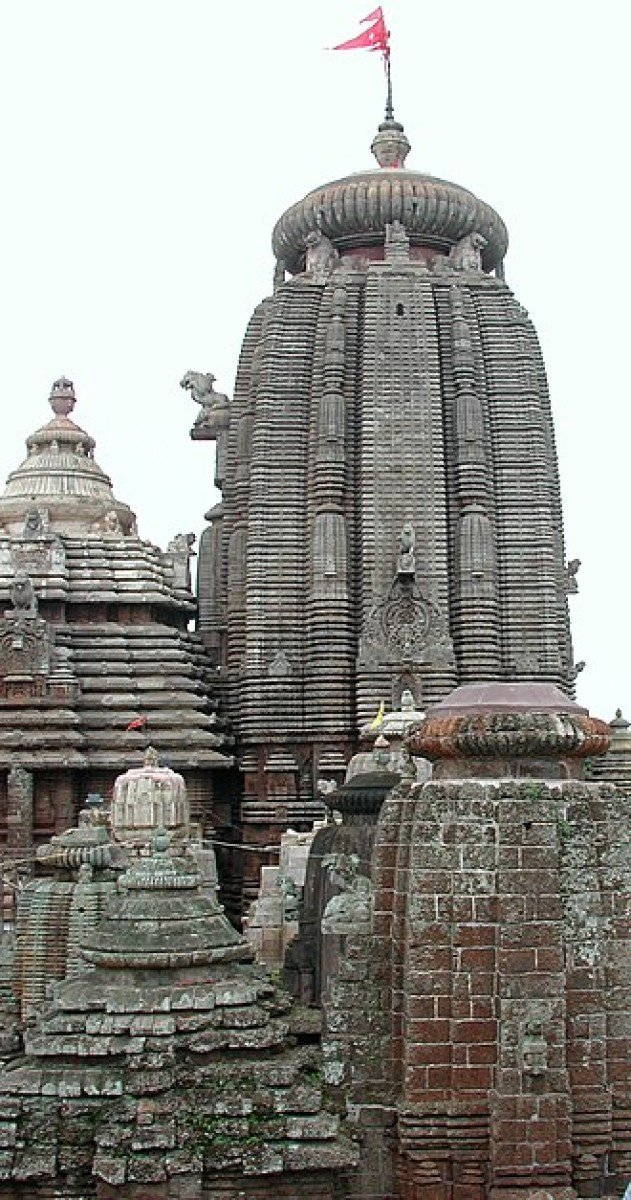
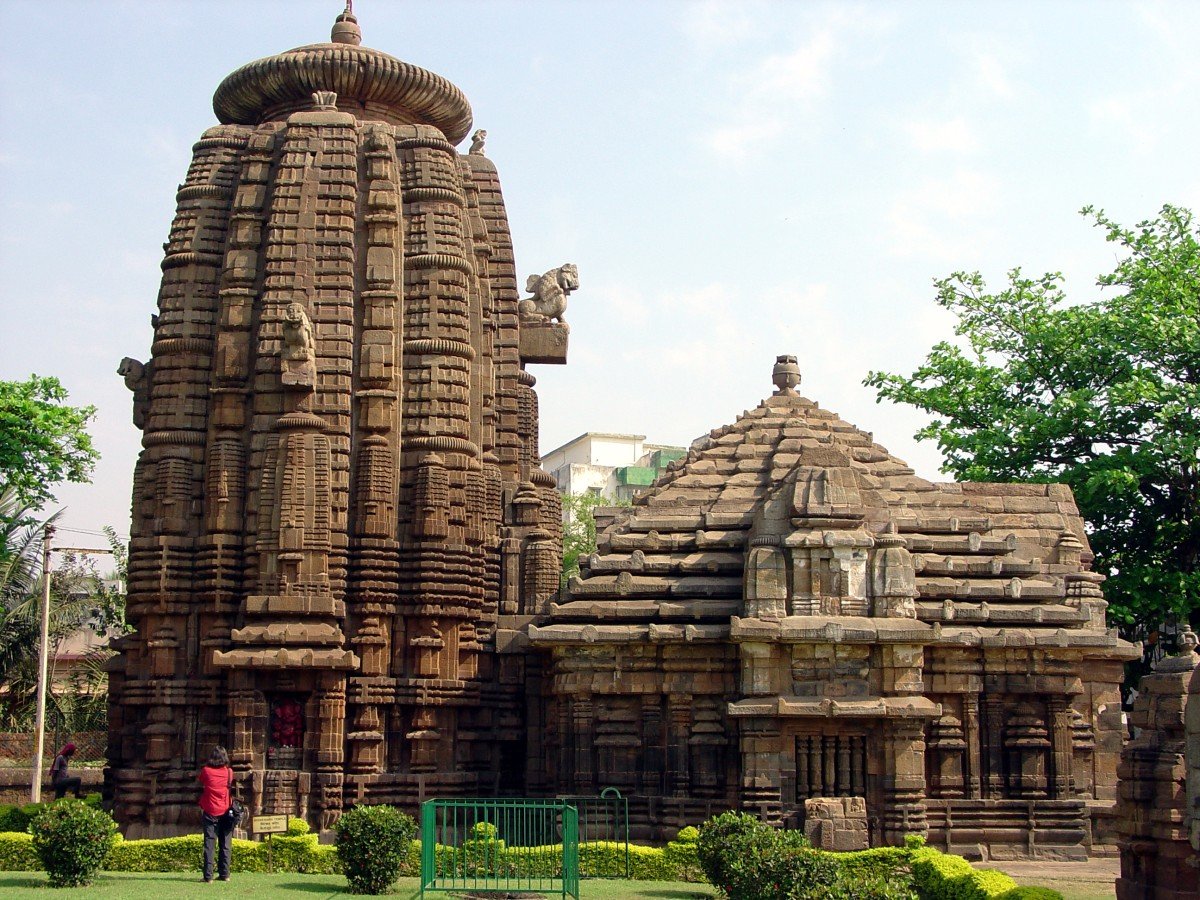
Lingaraj Temple Exterior: The majestic spire of the temple against the blue sky is a classic shot, though photography is only allowed from a viewing platform. The intricate carvings on the outer walls of the Mukteshwa...Place Best Photo Spots:
Lingaraj Temple Exterior: The majestic spire of the temple against the blue sky is a classic shot, though photography is only allowed from a viewing platform. The intricate carvings on the outer walls of the Mukteshwar Temple are also favorites for close-up heritage shots.
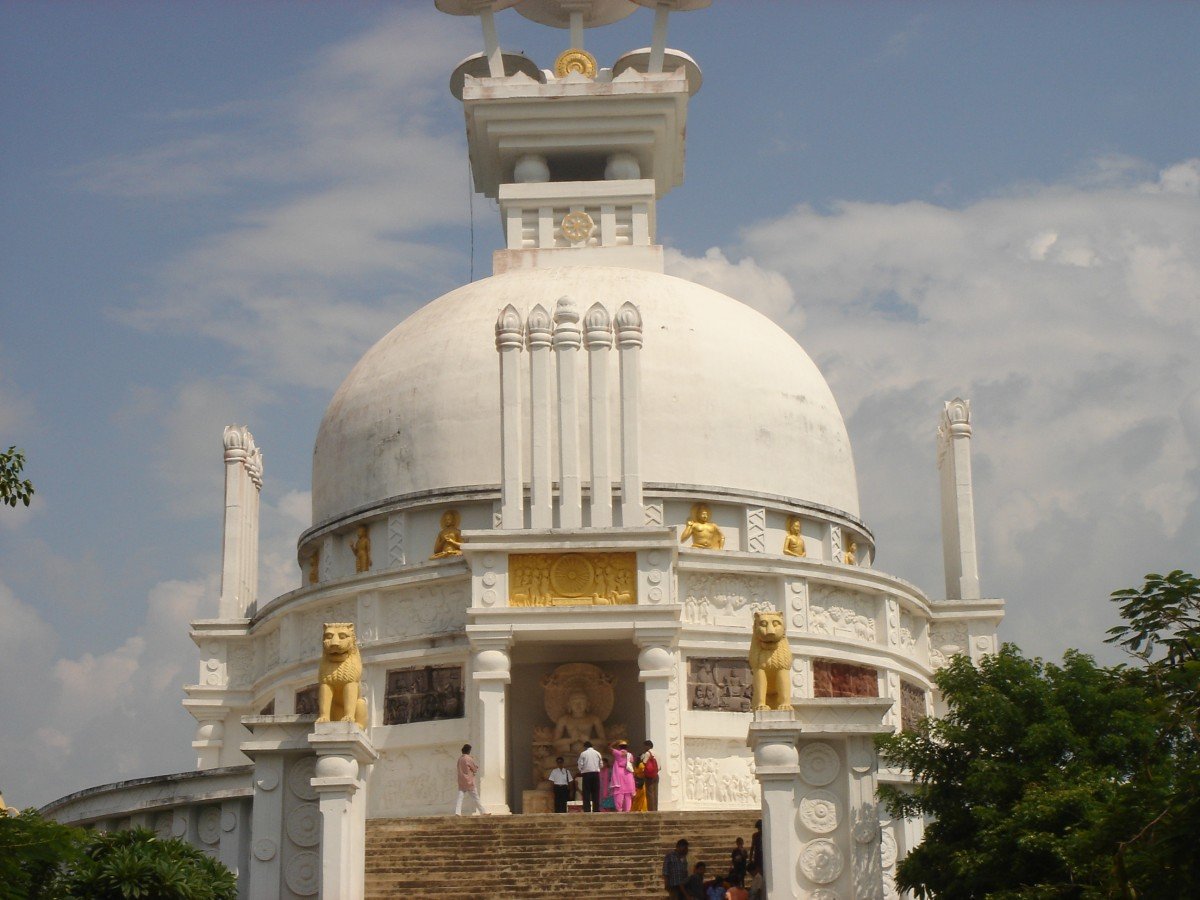
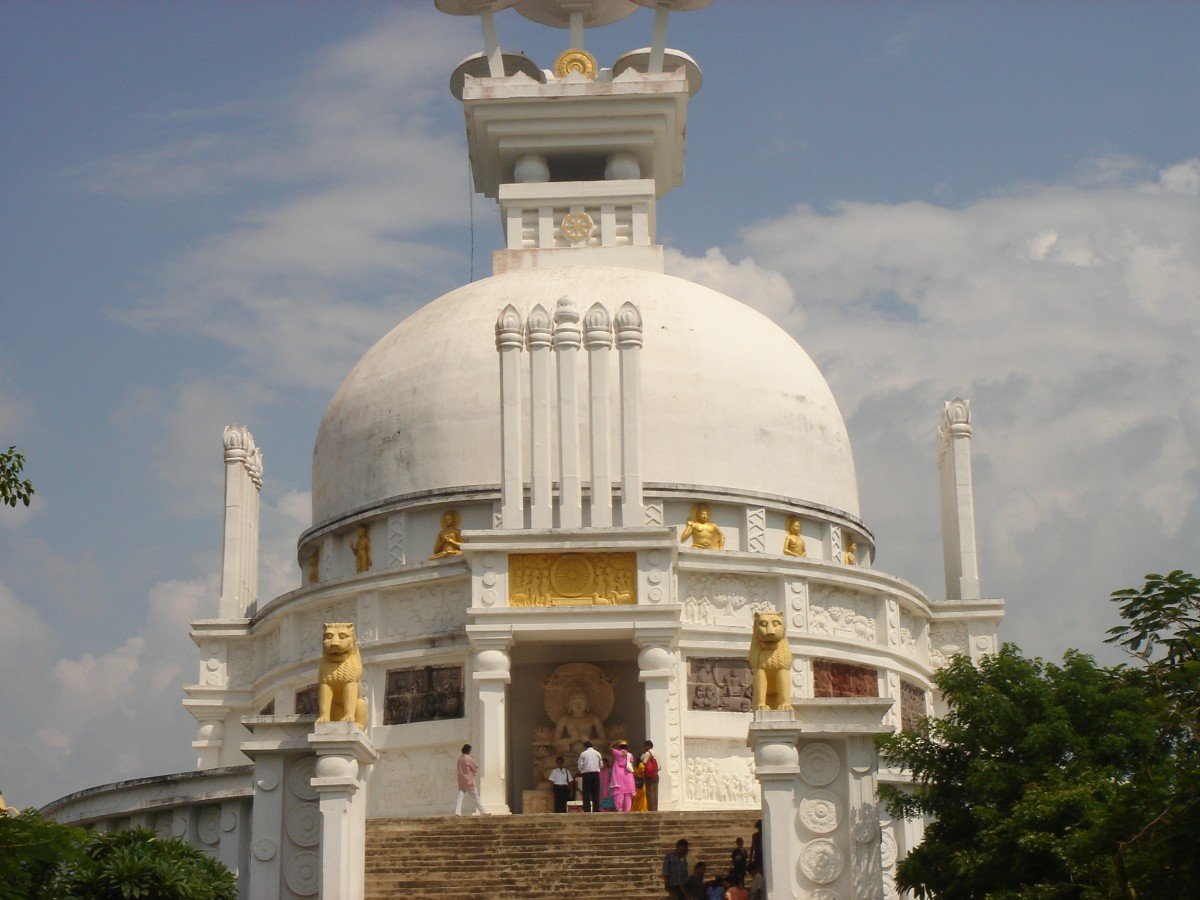
Dhauli Hills at Sunset: The white Shanti Stupa glowing in the golden light of the setting sun offers a peaceful and photogenic scene. The view of the winding Daya River and the green fields from the hilltop provides a stunning landscape for wide-angle photography.
:Photo Gallery







Things To Do
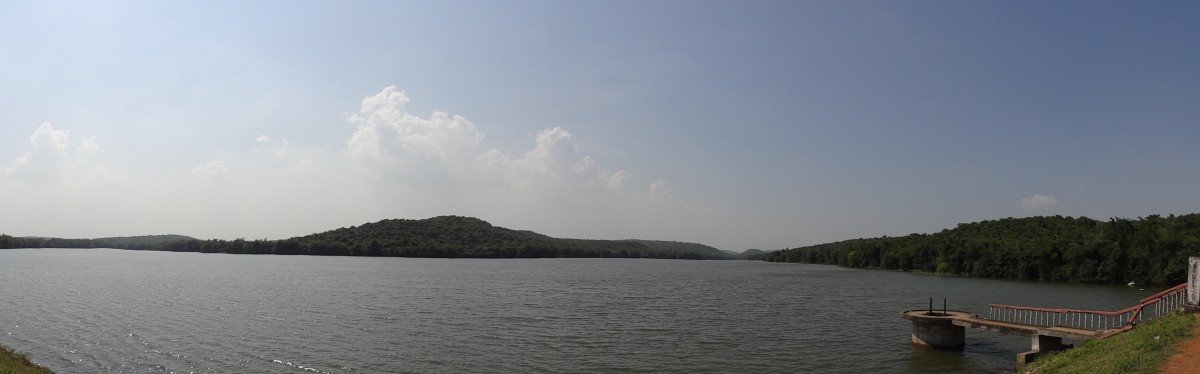
 @@Educational Hub for Astronomy: The Pathani Samanta Planetarium, named after the famous astronomer Mahamahopadhyaya Chandrasekhar Singh Harichandan Mohapatra Samanta from Odisha, is a premier educational institution dedicated to promoting awareness of space science, astrophysics, and astronomy among the public and student community. It was established under the aegis of the Science and Technology Department, Government of Odisha, with construction starting in 1986 and opening in 1990. The planetarium aims to simplify complex astronomical concepts and showcase the physical phenomena of celestial bodies through interactive and immersive presentations. @@Focus on Digital Technology: Initially operating with an opto-mechanical system, the planetarium underwent a significant upgrade post-2012 to a fully digital platform, enhancing the viewing experience manifold with modern digital equipment, including advanced 3D-motion effects, for its regular shows. This technological modernization allows for spectacular and engaging programs on the solar system, galaxies, formation of the earth, and the future of the universe. @@Dedicated to a Pioneer Astronomer: Pathani Samanta was known for his remarkable astronomical studies using traditional, self-made instruments like bamboo pipes to keenly observe planetary movements and calculate distances, documenting his research in the Sanskrit book Siddhanta Darpana, which received appreciation internationally in 1899. The planetarium serves as a living tribute to his legacy, inspiring young minds to pursue science. @@Visitor Experience and Outreach: It receives over 1.5 lakh visitors annually, indicating its popularity as both a tourist attraction and a center for science communication. Besides the shows, the campus hosts an astronomy park and a library, facilitating deeper engagement with the subject. :
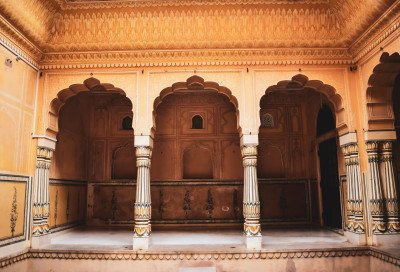 Sisupalgarh Fort is an archaeological marvel located on the outskirts of Bhubaneswar, serving as a silent witness to over 2,500 years of history. Identified by many historians as the ancient city of Kalinganagara or Tosali, this site flourished between the 3rd century BCE and the 4th century CE. The settlement predates the Mauryan Empire and was once a thriving urban center with a population of nearly 25,000 people. It is famous for being one of the largest and best-preserved early historic fortifications in India, featuring a massive square layout with high ramparts. The site was first excavated in 1948 by B.B. Lal, which revealed advanced town planning that rivaled the layout of ancient Athens. Today, the ruins include the iconic Sola Khamba (16 pillars) and several gateway structures that hint at a glorious royal past. Visitors can walk through the earthen defenses and imagine the bustling streets that once connected the eight monumental gateways. Despite the encroachment of modern buildings, the site remains a significant pilgrimage for history buffs and archaeology students. It offers a unique look into the military and civic lifestyle of the ancient Kalinga dynasty. The proximity to the Daya River adds a natural charm to the landscape, making it a serene getaway from the city noise. Exploring Sisupalgarh is like stepping into a time machine that takes you back to the era of Emperor Ashoka and King Kharavela. The vastness of the fort and the precision of its design continue to baffle modern engineers and historians alike. It is a must-visit for anyone interested in the roots of Odia civilization and ancient urbanism. :
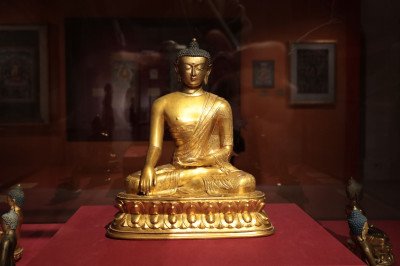 @@Museum Overview:The Regional Museum of Natural History, opened in 2004 and managed by the Ministry of Environment and Forests, is a pioneering institution in Eastern India, dedicated to the natural heritage of the region, focusing heavily on Odisha, the North-Eastern States, and the Andaman and Nicobar Islands: @@Core Collection & Themes:Its extensive collection covers Zoology, Botany, and Geology, featuring life-size dioramas of flora and fauna, skeletons of rare/extinct animals, geological exhibits detailing local rocks and minerals, and comprehensive sections on biodiversity and environmental conservation, acting as a crucial center for public education, particularly for students and researchers, regarding the natural ecosystem and the urgent need for its protection and sustainable management.
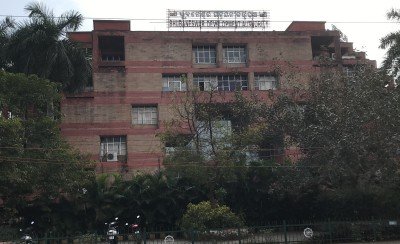 BDA City Centre, integrating the Forum Mart and surrounding commercial zones, represents the modern face of Bhubaneswar. Located on the bustling Janpath, it was one of the first major organized retail hubs in Odisha, opening in 2004. The complex offers a multi-sensory experience combining high-end shopping, casual dining, and entertainment. It serves as a social landmark where the youth and families of the capital gather for weekend outings. The mall houses numerous national and international brands, providing a wide array of fashion, electronics, and lifestyle products. Beyond shopping, the food court offers a variety of cuisines ranging from local Odia snacks to global fast food. The area around the mall is always vibrant, reflecting the energetic pulse of the city. It is particularly famous for its festive decorations during Durga Puja and New Year. The infrastructure is well-maintained with ample parking and modern amenities, making it a convenient stop for tourists. It stands as a symbol of the city's rapid urbanization and economic growth over the last two decades.
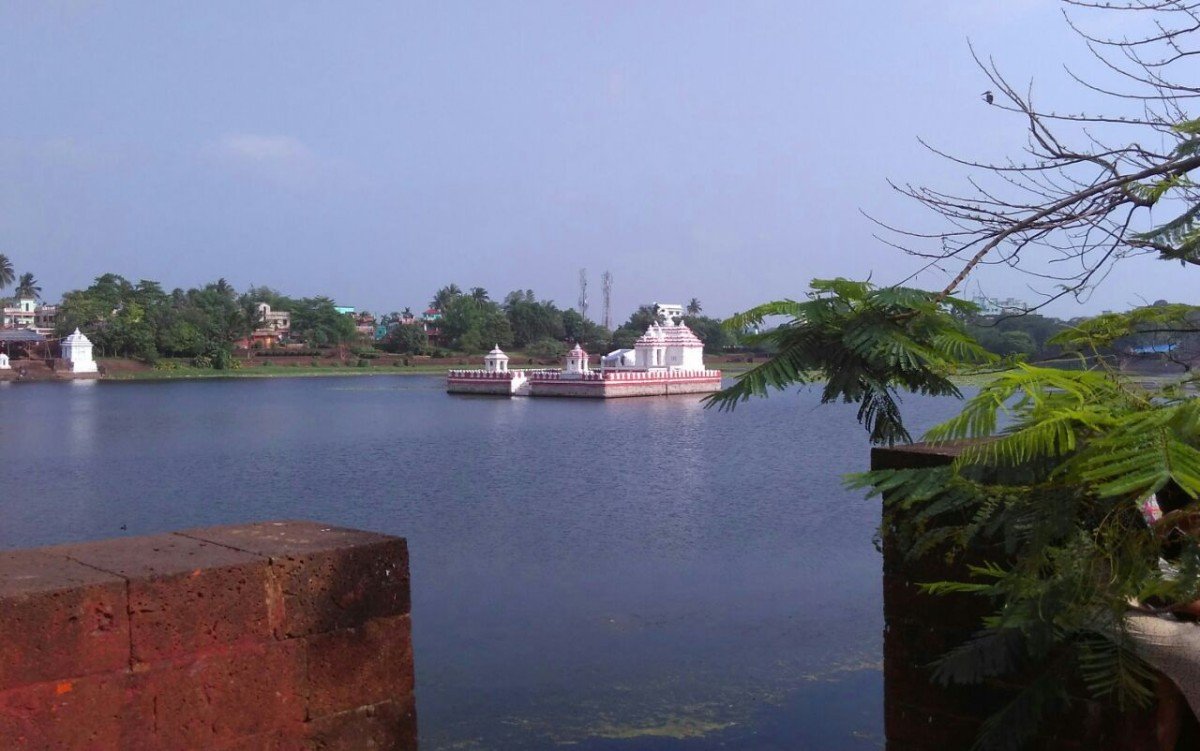
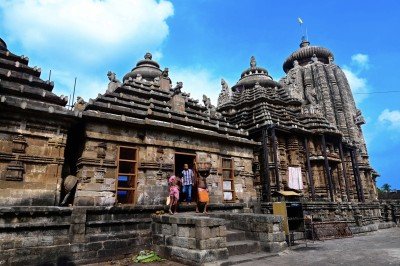 @@Historical Significance: The temple was constructed in 1278 CE by Chandrika Devi, daughter of Ganga king Anangabhima III, marking one of the few Vaishnavite temples built during the dominant Shaivite era of Kalinga architecture. It is dedicated to Lord Krishna (as Ananta Vasudeva), Balarama, and Subhadra. @@Vaishnavite Importance: The deities are made of black granite stone, unlike the wooden deities in Puri's Jagannath Temple, making it a unique pilgrimage site. It is located on the eastern bank of the holy Bindusagar Lake. @@Local Culture: The temple's kitchen is famous for its Mahaprasad (Abadha), which is offered to the deities and then sold to devotees, closely following the traditions of Puri. It serves as a spiritual hub for the Old Town area.
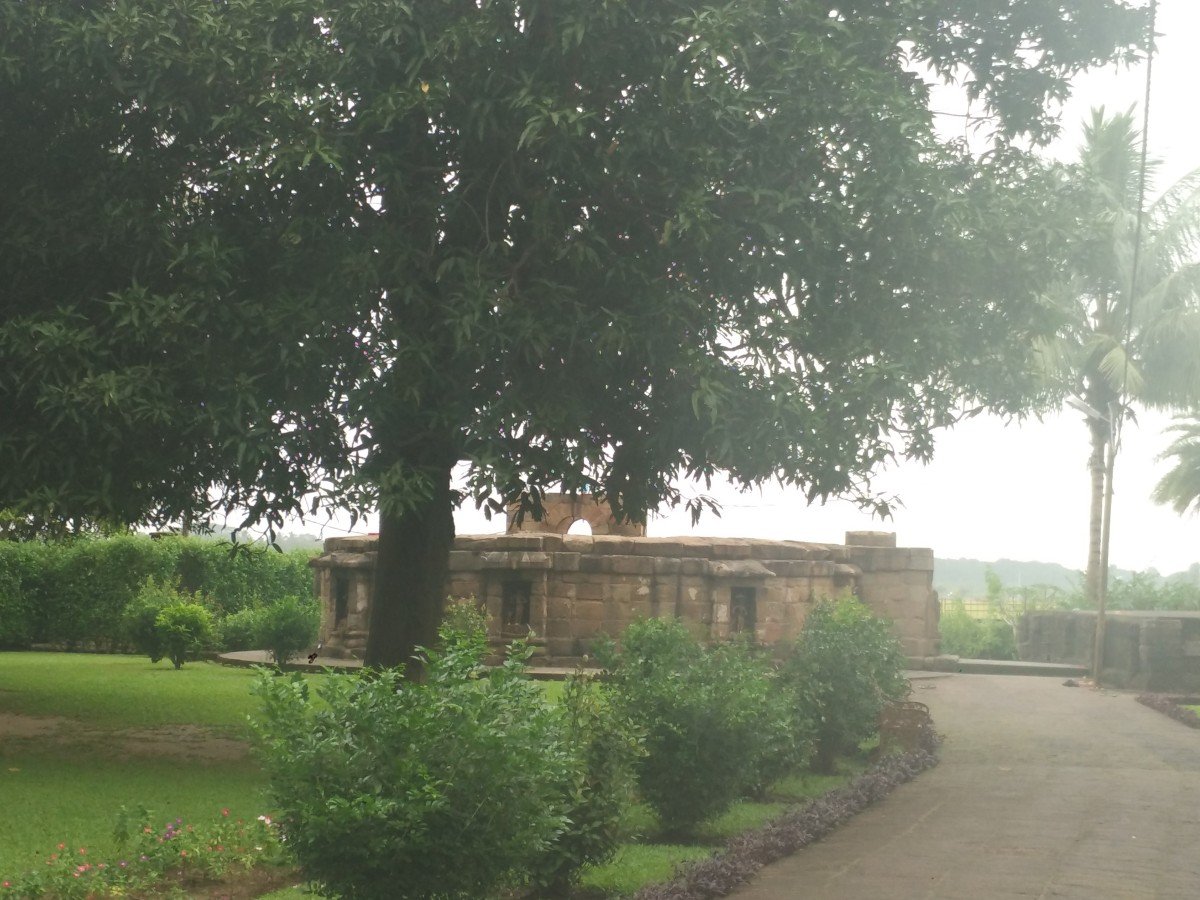
 The Gokarneshwar Mahadev Temple is an ancient shrine dedicated to Lord Shiva (Mahadev), revered locally for its spiritual connection to the historical site of Sisupalgarh, believed to be the ancient capital, Kalinganagari. Local legend links the original structure to King Kharavela of the 1st century BC. The temple stands on a unique foundation called 'ganthiala' and is a west-facing structure, which is somewhat rare. It is a living temple where daily pujas are performed. Its location near the ruins adds a historical dimension to the religious visit, making it important for both history buffs and devotees. It's a place of deep, simple worship, contrasting with the grand scale of the nearby Lingaraja Temple.
@@Park Overview:Spanning approximately 25 acres, Nicco Park in Bhubaneswar is a popular amusement and water park established in 1998, developed in collaboration with Nicco Japan, offering a complete package of entertainment and thrill for all age groups: @@Key Attractions:It features a variety of rides, ranging from gentle options for children to thrilling adventure rides for adults, along with activity zones, food joints, and well-maintained green spaces: @@Unique Selling Point:The park's location in the heart of the city and its comprehensive offering of both dry and water rides make it a perfect urban getaway and a popular weekend spot for locals and tourists alike seeking fun and recreation: @@Facilities:The park includes a large artificial lake, a Toy Train, a Mirror Maze, and a 7D Cinema, ensuring a diverse range of entertainment options beyond just the classic thrill rides:Show All
Ekamra Kanan Botanical Gardens is the largest park and a premier botanical research hub in Bhubaneswar, sprawling across an immense area of nearly 500 acres. Managed by the Regional Plant Resource Centre (RPRC), this lush expanse serves as a vital "green lung" for the urban landscape, offering a refreshing escape into nature. The gardens are meticulously divided into various thematic sections, including a renowned Cactus House, a vibrant Rose Garden, an Orchidarium, and a medicinal plant conservatory. The park is not just for botany enthusiasts but also a popular recreational spot for families and couples, featuring a large lake for paddle boating and expansive lawns for picnics. Visitors can wander through dense bamboo groves, explore the butterfly park, or enjoy the tranquil atmosphere created by the diverse bird species that call the garden home. The integration of conservation efforts with public leisure makes it a unique destination. The garden also houses the Koraput Coffee outlet, where visitors can enjoy local beverages and millet-based snacks. Over the years, the park has undergone several upgrades to improve children's play areas and walking trails, ensuring a comfortable experience for all age groups. It represents the successful preservation of biodiversity within a growing metropolitan environment.
The Gokarneshwar Mahadev Temple is an ancient shrine dedicated to Lord Shiva (Mahadev), revered locally for its spiritual connection to the historical site of Sisupalgarh, believed to be the ancient capital, Kalinganagari. Local legend links the original structure to King Kharavela of the 1st century BC. The temple stands on a unique foundation called 'ganthiala' and is a west-facing structure, which is somewhat rare. It is a living temple where daily pujas are performed. Its location near the ruins adds a historical dimension to the religious visit, making it important for both history buffs and devotees. It's a place of deep, simple worship, contrasting with the grand scale of the nearby Lingaraja Temple.
@@Park Overview:Spanning approximately 25 acres, Nicco Park in Bhubaneswar is a popular amusement and water park established in 1998, developed in collaboration with Nicco Japan, offering a complete package of entertainment and thrill for all age groups: @@Key Attractions:It features a variety of rides, ranging from gentle options for children to thrilling adventure rides for adults, along with activity zones, food joints, and well-maintained green spaces: @@Unique Selling Point:The park's location in the heart of the city and its comprehensive offering of both dry and water rides make it a perfect urban getaway and a popular weekend spot for locals and tourists alike seeking fun and recreation: @@Facilities:The park includes a large artificial lake, a Toy Train, a Mirror Maze, and a 7D Cinema, ensuring a diverse range of entertainment options beyond just the classic thrill rides:Show All
Ekamra Kanan Botanical Gardens is the largest park and a premier botanical research hub in Bhubaneswar, sprawling across an immense area of nearly 500 acres. Managed by the Regional Plant Resource Centre (RPRC), this lush expanse serves as a vital "green lung" for the urban landscape, offering a refreshing escape into nature. The gardens are meticulously divided into various thematic sections, including a renowned Cactus House, a vibrant Rose Garden, an Orchidarium, and a medicinal plant conservatory. The park is not just for botany enthusiasts but also a popular recreational spot for families and couples, featuring a large lake for paddle boating and expansive lawns for picnics. Visitors can wander through dense bamboo groves, explore the butterfly park, or enjoy the tranquil atmosphere created by the diverse bird species that call the garden home. The integration of conservation efforts with public leisure makes it a unique destination. The garden also houses the Koraput Coffee outlet, where visitors can enjoy local beverages and millet-based snacks. Over the years, the park has undergone several upgrades to improve children's play areas and walking trails, ensuring a comfortable experience for all age groups. It represents the successful preservation of biodiversity within a growing metropolitan environment.Information
-
Why Famous:
Why Famous Place:
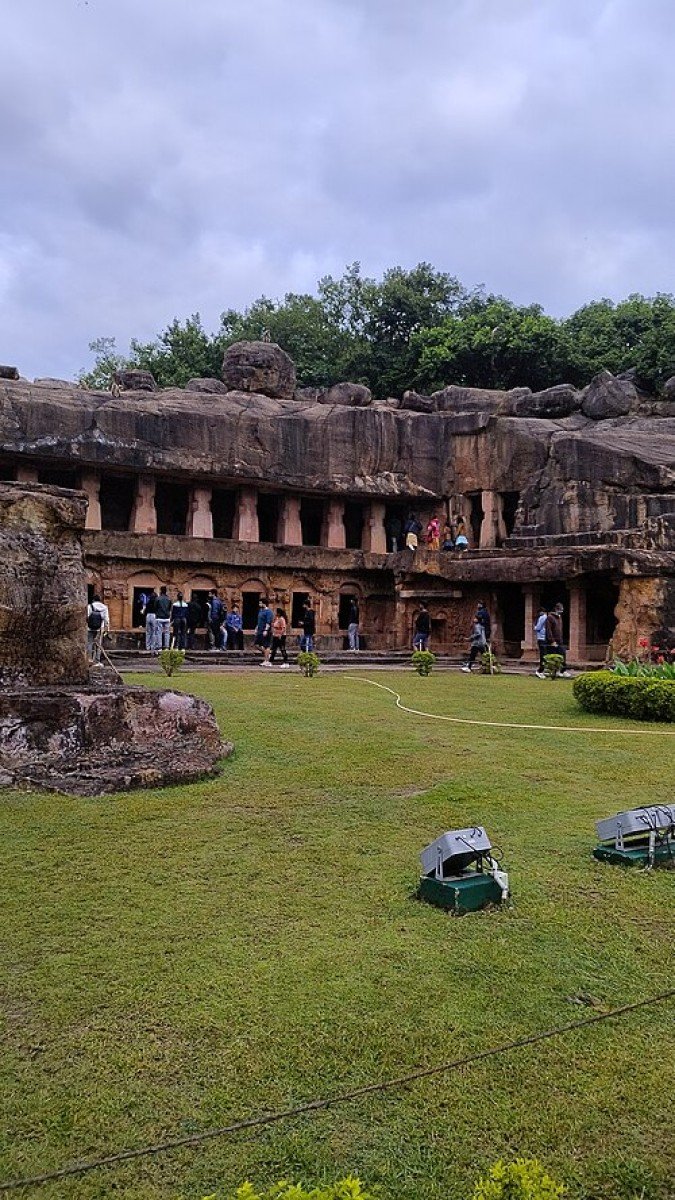
Ancient Monoliths: The city is famous for the Udayagiri and Khandagiri caves, which are ancient rock-cut shelters for Jain monks. These caves, dating back to the 1st Century BCE, feature elaborate carvings depicting court s...Why Famous Place:
Ancient Monoliths: The city is famous for the Udayagiri and Khandagiri caves, which are ancient rock-cut shelters for Jain monks. These caves, dating back to the 1st Century BCE, feature elaborate carvings depicting court scenes, royal processions, and religious motifs.
Peace Pagoda: Dhauli Giri, located on the outskirts, is the site where Emperor Ashoka transformed from a warrior to a peace-seeker. The Shanti Stupa or Peace Pagoda built here commemorates this historic event and offers panoramic views of the Daya River.
: -
Architecture:
Place Architecture:
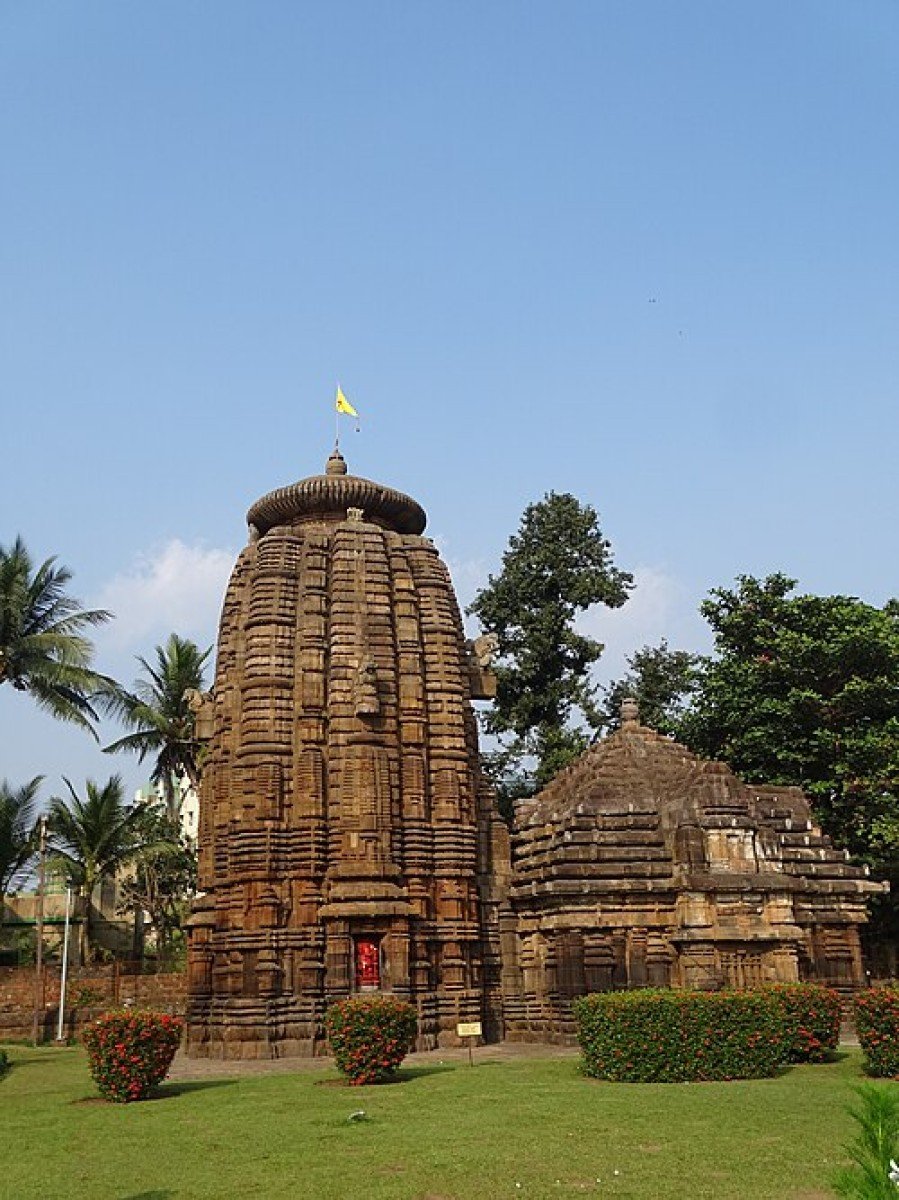
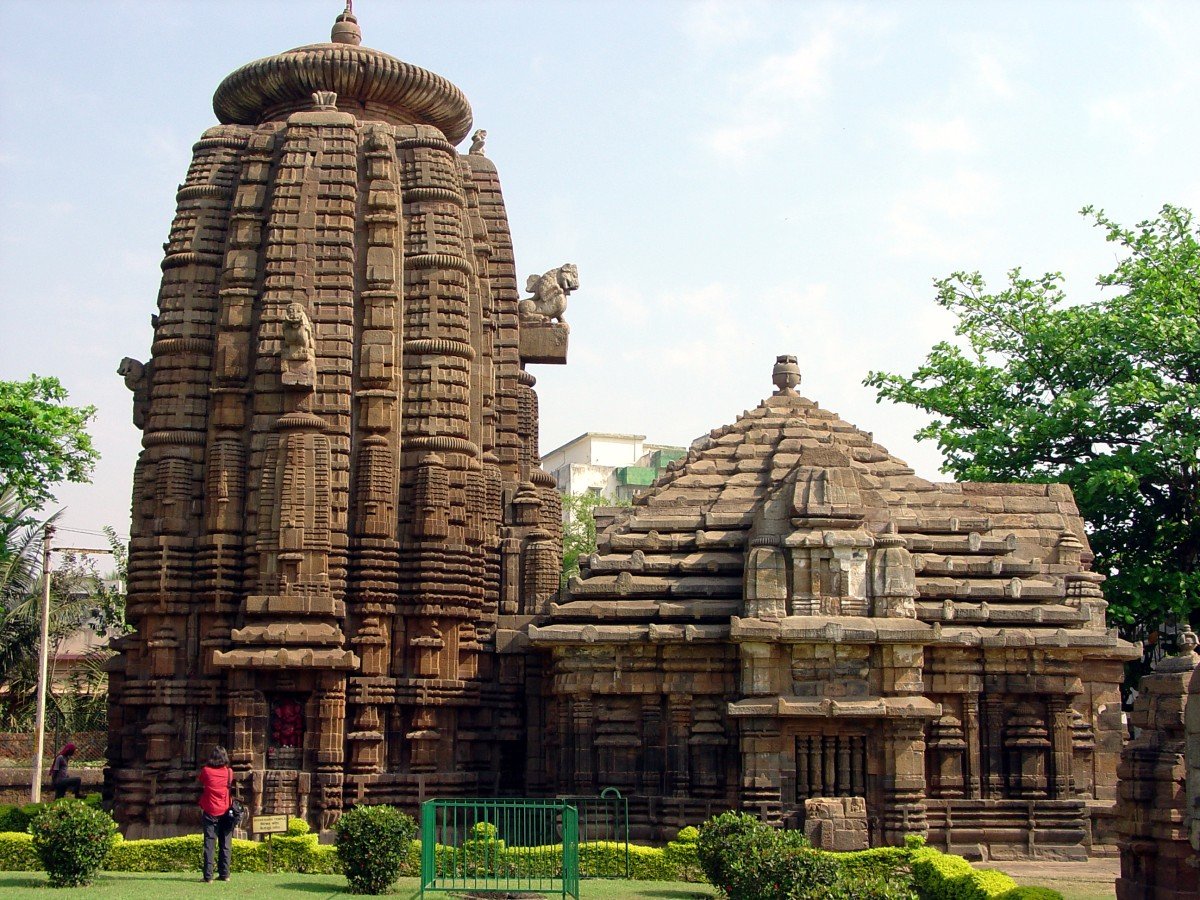
Kalinga Brilliance: The architecture of Bhubaneswar is defined by the Deula style, featuring a sanctuary (Vimana) and a porch (Jagamohana). The Lingaraj Temple, standing at 180 feet, is the peak of this style, adorned wit...Place Architecture:
Kalinga Brilliance: The architecture of Bhubaneswar is defined by the Deula style, featuring a sanctuary (Vimana) and a porch (Jagamohana). The Lingaraj Temple, standing at 180 feet, is the peak of this style, adorned with masterful carvings of deities and celestial beings.
Structural Details: The Rajarani Temple is famous for its lack of a presiding deity and its unique miniature spires on the main tower. Built with yellowish-red sandstone, the dimensions of the temples are mathematically precise, following ancient Shilpa Shastras for temple construction.
: -
How To Reach:
Place How to Reach:
By Air: Biju Patnaik International Airport is located within the city, just 3-5 KM from the main town center. It is well-connected with regular flights to Delhi, Mumbai, Kolkata, Bangalore, and other major Indian cities, ...Place How to Reach:
By Air: Biju Patnaik International Airport is located within the city, just 3-5 KM from the main town center. It is well-connected with regular flights to Delhi, Mumbai, Kolkata, Bangalore, and other major Indian cities, as well as some international destinations.
By Train: Bhubaneswar Railway Station is a major hub on the East Coast Railway, with direct connectivity to almost all parts of India. Many prestigious trains like Rajdhani and Shatabdi Express operate from here, making it a primary point of entry for travelers.
By Road: The city is situated on National Highway 16 and has a massive bus terminus at Baramunda. Regular bus services link Bhubaneswar to neighboring states like West Bengal, Andhra Pradesh, and Chhattisgarh, as well as all major towns within Odisha.
By Local Transport: The city has an efficient "Mo Bus" public transport system that covers all major tourist spots and neighborhoods. Auto-rickshaws, app-based cabs like Uber and Ola, and cycle-rickshaws are also widely available for convenient travel across the city.
: -
Weather and Best Time to Visit:
Place Best Time to Visit:
Winter Season: The period from October to March is the peak tourist season with temperatures ranging between 15°C and 25°C. This weather is perfect for long days of sightseeing and attending the various cultural a...Place Best Time to Visit:
Winter Season: The period from October to March is the peak tourist season with temperatures ranging between 15°C and 25°C. This weather is perfect for long days of sightseeing and attending the various cultural and dance festivals held in the city.
Monsoon Charm: August and September see the city turn lush green, and though it rains frequently, the temples look refreshed and beautiful. It is a good time for budget travelers as hotel prices are lower, and the crowd at major sites is significantly less.
: -
Near Tourist Places:
1. Puri (60 KM), 2. Konark (65 KM), 3. Cuttack (25 KM), 4. Chilika Lake (100 KM), 5. Dhauli (8 KM), 6. Nandankanan (15 KM), 7. Udayagiri Caves (7 KM), 8. Hirapur (15 KM), 9. Atri Hot Spring (42 KM), 10. Pipli (25 KM)
Tourism Tips
-
Place Tourism Tips:
Health and Safety: The city is generally very safe for tourists, but basic precautions with street food and water are advised. Public transport is reliable, but it is better to use app-based cabs for fixed pricing if you ...Place Tourism Tips:
Health and Safety: The city is generally very safe for tourists, but basic precautions with street food and water are advised. Public transport is reliable, but it is better to use app-based cabs for fixed pricing if you are unfamiliar with local auto-rickshaw rates.
Packing: Pack comfortable cotton clothing and a good pair of sandals as you will need to remove them frequently at temple entrances. A hat, sunglasses, and a reusable water bottle are essential for exploring the outdoor archaeological sites like the caves.
Accommodation: Bhubaneswar offers a wide range of stay options from luxury 5-star hotels to budget guest houses. Areas like Janpath and near the Railway Station are convenient for travelers who want easy access to transport and dining.
Local Etiquette: Respect the religious customs in temples; do not wear leather items inside the inner sanctums of active shrines. It is also polite to dress conservatively when visiting religious sites, covering shoulders and knees to show respect for the local culture.
:
Reviews
FAQs
Bhubaneswar Itineray And Cost:-
Other Places In Odisha :-
Other States In India :-
Information about New and Updated Locations() of Odisha Has Been Added :-
Card subtitle
Note:-
Information provided here in good Faith and for reference only.
Near Places
Angul
Some quick example text to build on the card title and make up the bulk of the card's content.
Go somewhere
Balasore
Some quick example text to build on the card title and make up the bulk of the card's content.
Go somewhere
Bargarh
Some quick example text to build on the card title and make up the bulk of the card's content.
Go somewhere
Baripada
Some quick example text to build on the card title and make up the bulk of the card's content.
Go somewhere
Berhampur
Some quick example text to build on the card title and make up the bulk of the card's content.
Go somewhere
Bhadrak
Some quick example text to build on the card title and make up the bulk of the card's content.
Go somewhere
Bhubaneswar
Some quick example text to build on the card title and make up the bulk of the card's content.
Go somewhere
Chandipur
Some quick example text to build on the card title and make up the bulk of the card's content.
Go somewhere
Cuttack
Some quick example text to build on the card title and make up the bulk of the card's content.
Go somewhere
Daringbadi
Some quick example text to build on the card title and make up the bulk of the card's content.
Go somewhere
Dhauli
Some quick example text to build on the card title and make up the bulk of the card's content.
Go somewhere
Dhauligiri
Some quick example text to build on the card title and make up the bulk of the card's content.
Go somewhere
Gopalpur
Some quick example text to build on the card title and make up the bulk of the card's content.
Go somewhere
Jajpur
Some quick example text to build on the card title and make up the bulk of the card's content.
Go somewhere
Jeypore
Some quick example text to build on the card title and make up the bulk of the card's content.
Go somewhere
Jharsuguda
Some quick example text to build on the card title and make up the bulk of the card's content.
Go somewherein Other Cities