




Angul
General information
-
Ideal Duration:
2 to 3 DaysPlace Type:
Industrial & PilgrimageEntry Fees:
Temple Access: Most temples like Saila Srikhetra have no entry fee but donations for maintenance are welcomed by the temple committees.
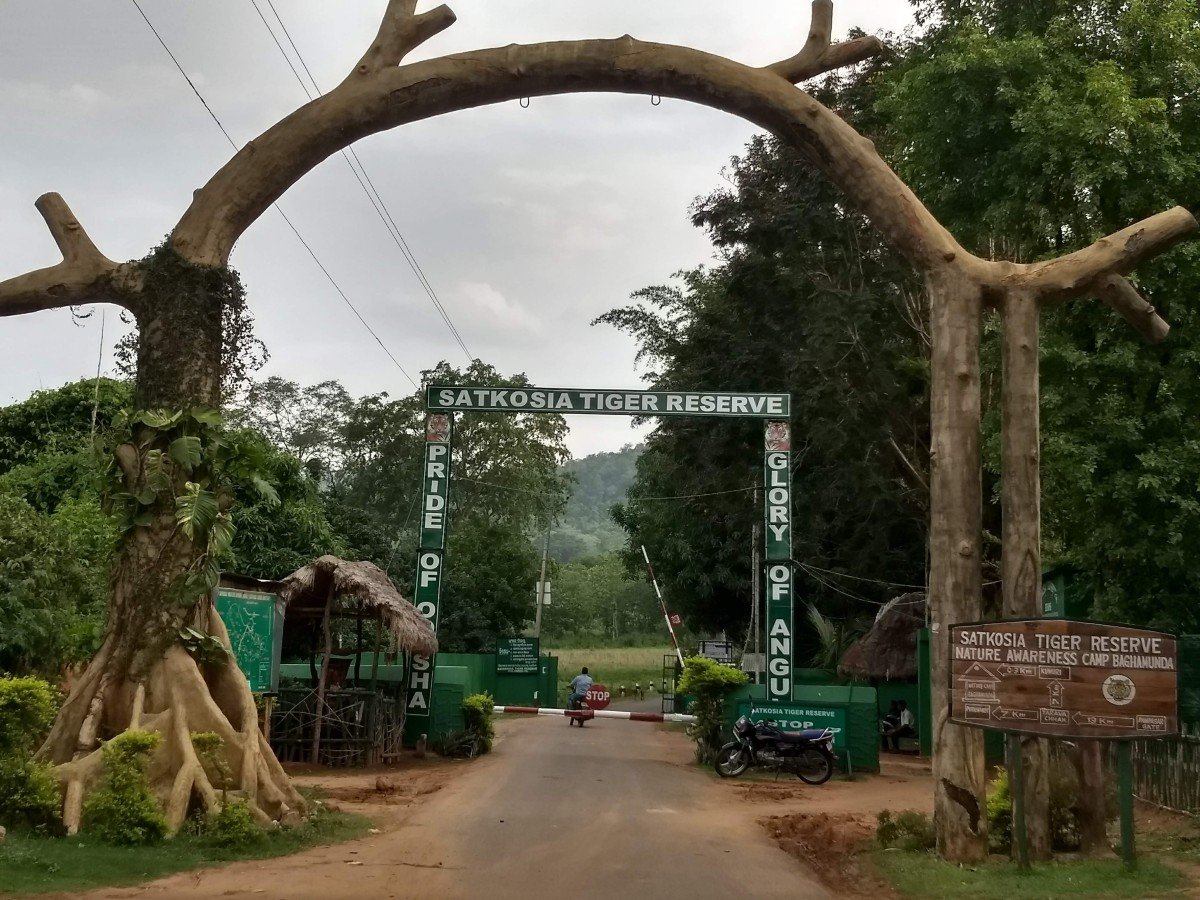
Wildlife Parks: For the Satkosia Tiger Reserve, Indian adults pay approximately 40 INR, while camera char...Temple Access: Most temples like Saila Srikhetra have no entry fee but donations for maintenance are welcomed by the temple committees.
Wildlife Parks: For the Satkosia Tiger Reserve, Indian adults pay approximately 40 INR, while camera charges and vehicle fees are extra.Timing:
Daily Timings: Temples are generally open from 5:00 AM to 12:00 PM and 4:00 PM to 9:00 PM for daily darshan and evening aratis.
Nature Parks: The wildlife sanctuaries and dams are best visited between 9:00 AM and 5:00 PM to ensure safety and...Daily Timings: Temples are generally open from 5:00 AM to 12:00 PM and 4:00 PM to 9:00 PM for daily darshan and evening aratis.
Nature Parks: The wildlife sanctuaries and dams are best visited between 9:00 AM and 5:00 PM to ensure safety and clear visibility of the animals.Special Events:
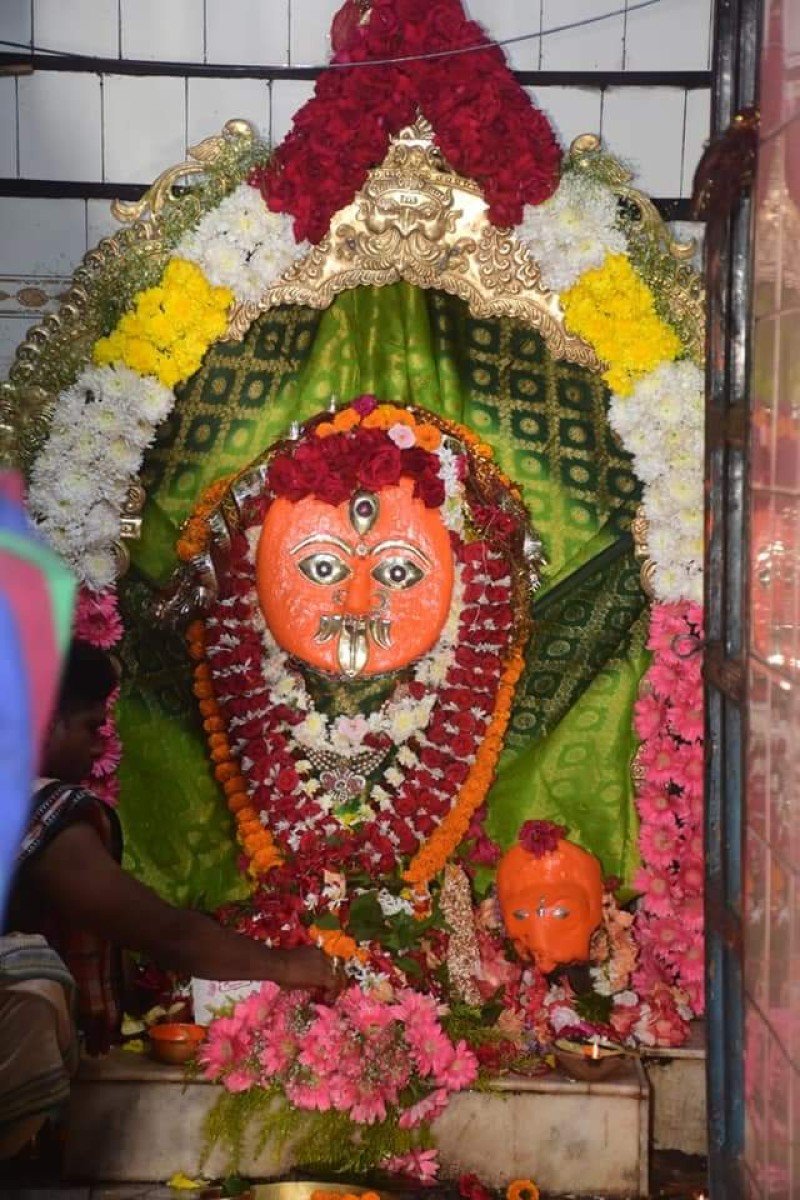
Hingula Yatra: Celebrated in April, this grand festival at the Hingula temple involves fire-worshipping rituals and attracts thousands of devotees from across India.
Kartik Purnima: This auspicious day is celebrated with great fervor at the ...Hingula Yatra: Celebrated in April, this grand festival at the Hingula temple involves fire-worshipping rituals and attracts thousands of devotees from across India.
Kartik Purnima: This auspicious day is celebrated with great fervor at the Lovi Thakurani temple in Garh Santry, featuring traditional boat-floating ceremonies.Best Photo Spots:
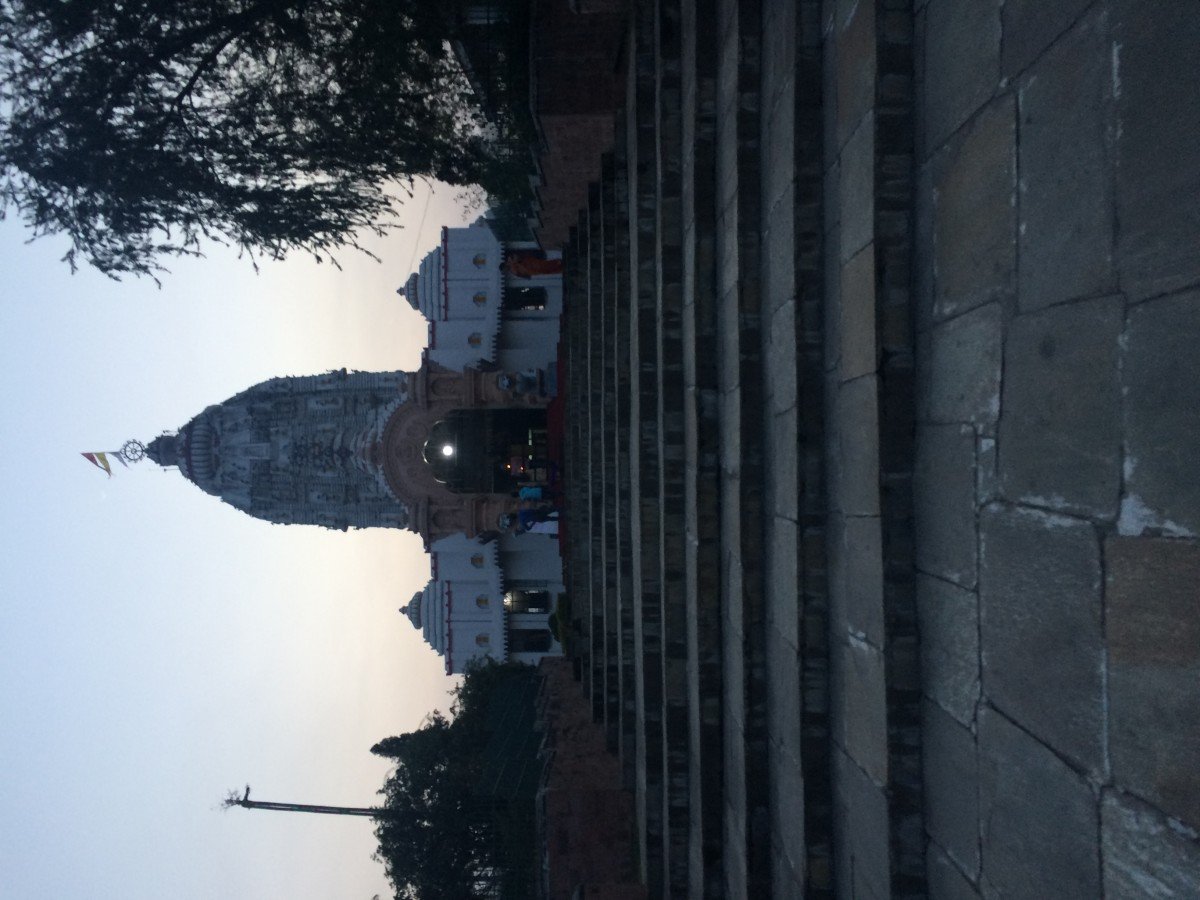
Sunasagada Hill: The hilltop Jagannath Temple provides a panoramic view of the entire Angul city, making it a prime spot for landscape photography.
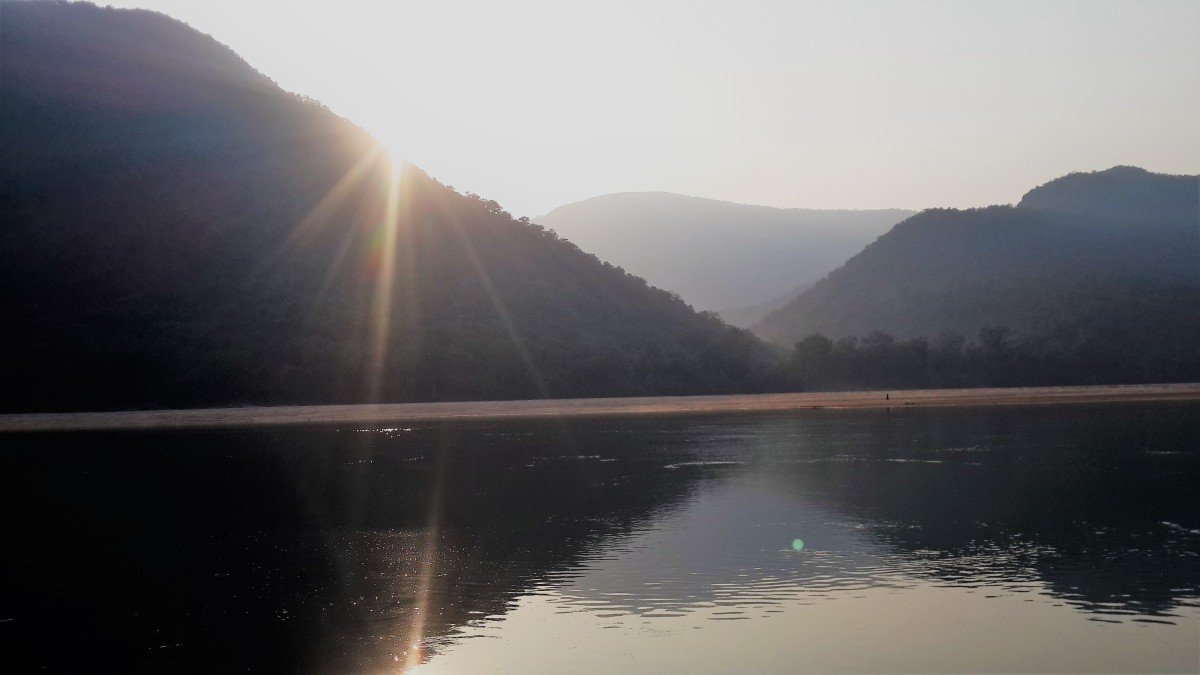
Satkosia Sands: The riverbanks of the Mahanadi offer golden sands and turquoise waters, perfe...Sunasagada Hill: The hilltop Jagannath Temple provides a panoramic view of the entire Angul city, making it a prime spot for landscape photography.
Satkosia Sands: The riverbanks of the Mahanadi offer golden sands and turquoise waters, perfect for capturing the raw beauty of the central Odisha wilderness.Photo Gallery
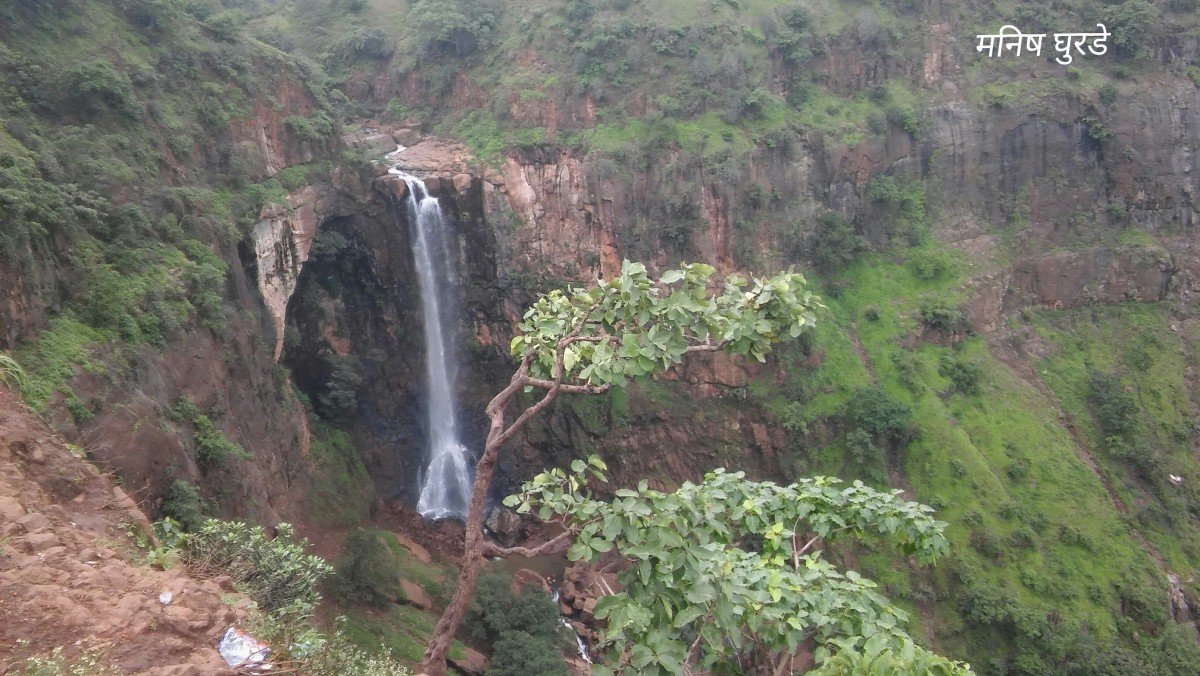
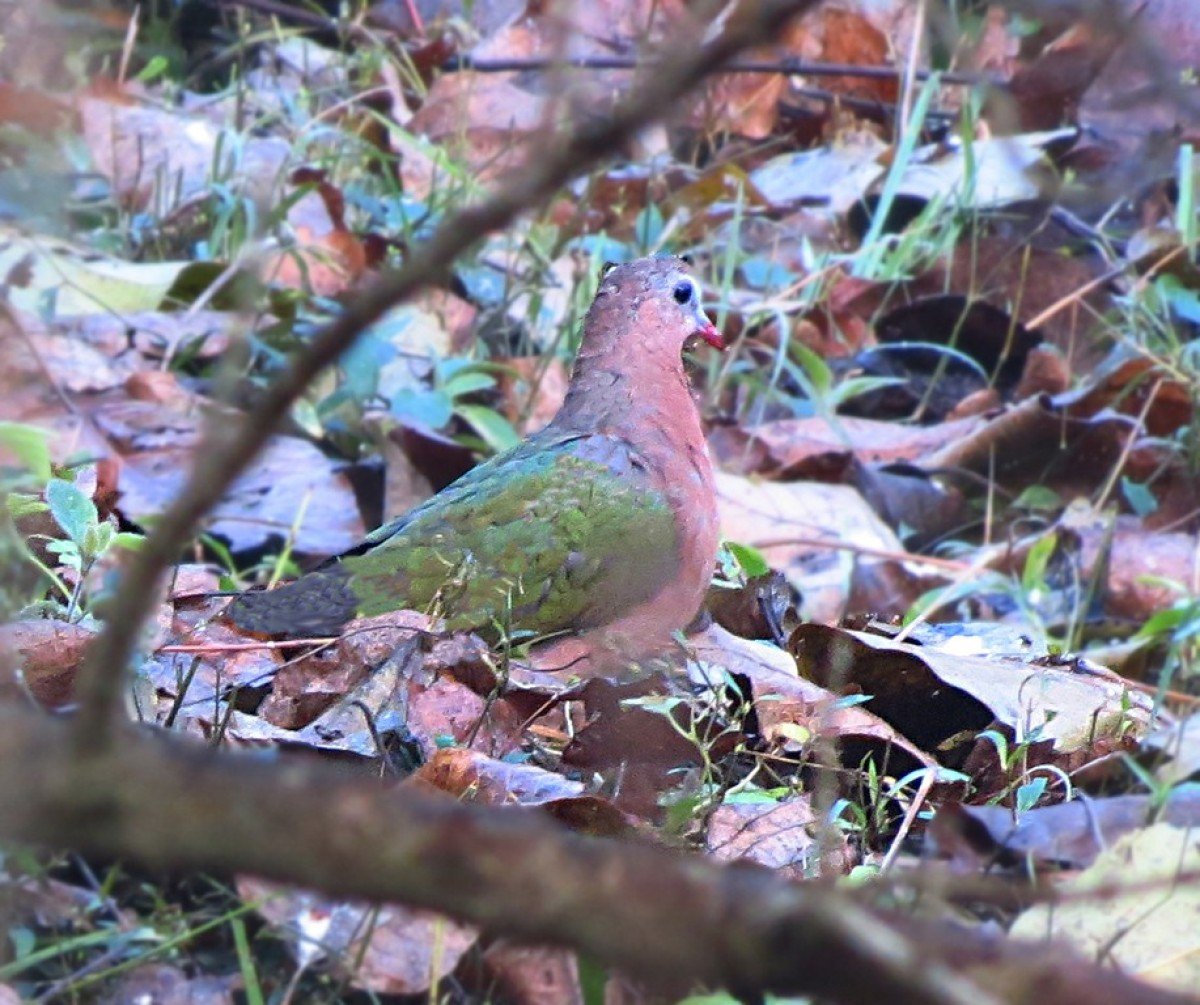
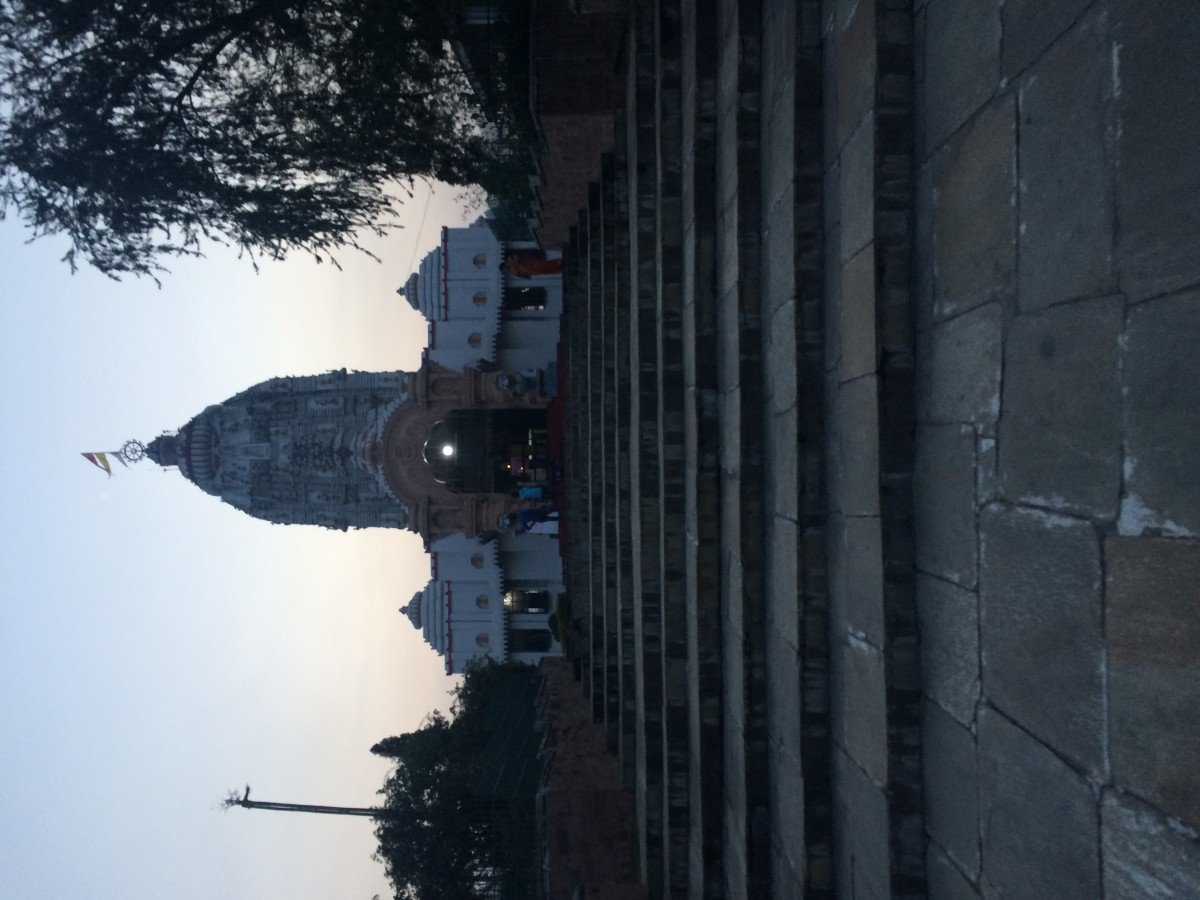
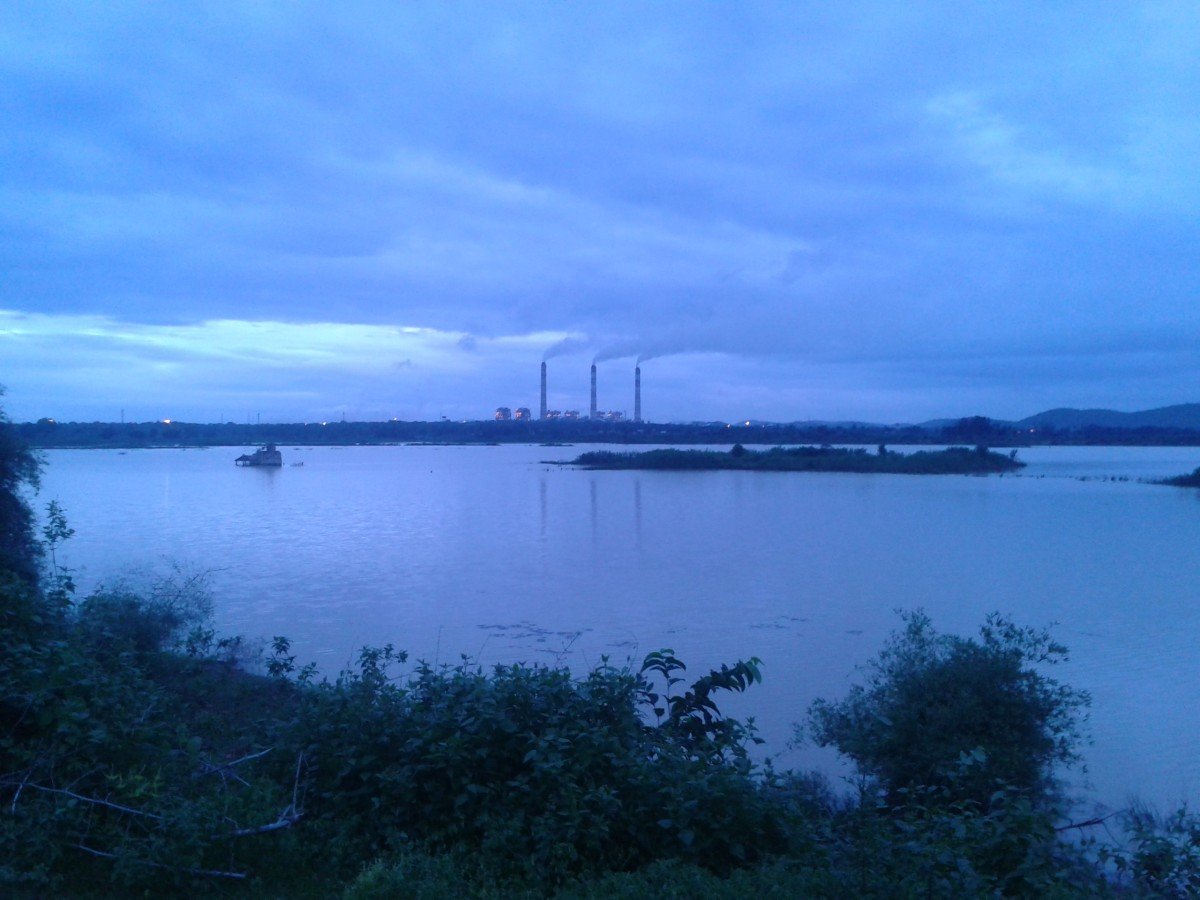
Things To Do
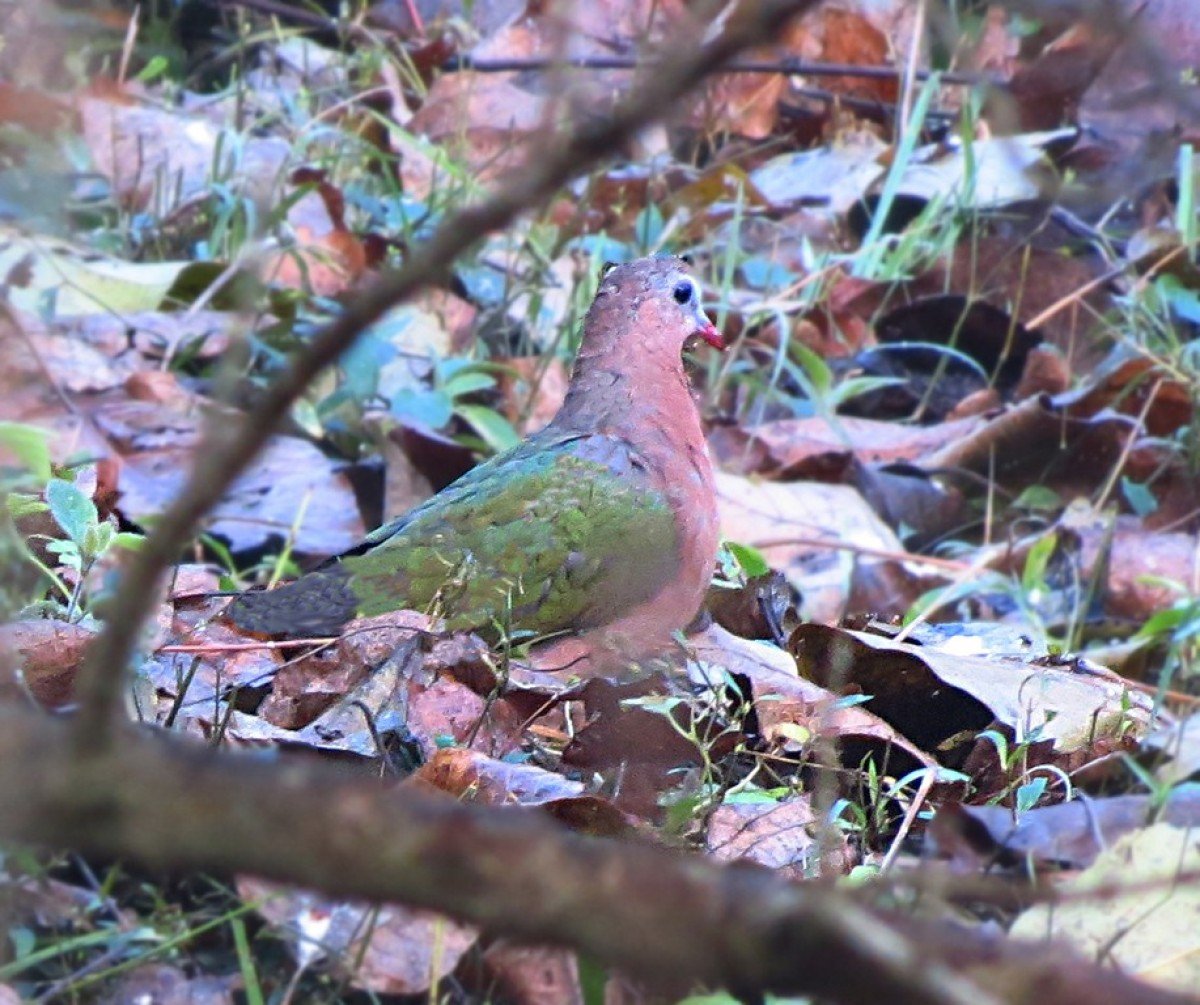
 @@The History and Scope of the Division: The Angul Forest Division was officially notified by the Government of Odisha in 1891, making it one of the historically significant forest administrative units in the state. Its primary role spans conservation, management, and promotion of eco-tourism across a vast geographical area of the Angul district. The division is strategically bounded by other key forest areas like the Deogarh Forest Division to the north and the Satkosia Wildlife Division to the south and south-east. It serves as a critical corridor for wildlife movement, especially the Asian Elephant. The flora is predominantly characterized by the peninsular Sal and Dry Deciduous Mixed Forest types, contributing immensely to the region's biodiversity. @@Ecological Importance and Forest Types: The division is ecologically vital, featuring four main forest types: Tropical Dry Deciduous Forest, Northern Tropical Dry Deciduous Forests, Dry Peninsular Sal Forests, and Northern Dry Mixed Deciduous Forests. Sal (Shorea Robusta) is the dominant species, thriving in the region's climate. The area is also geologically fascinating, hosting two distinct formations—the Eastern Ghat group of rocks (Archean age) and the Godwana group of rocks (younger age). This geological diversity influences the soil types and the specific vegetation found in different tracts. The Division actively manages forest produce, combats poaching, and engages in various afforestation projects to maintain the ecological balance and ensure the sustainability of its natural resources. The presence of Khondalitic Rocks and Basic Charnockites adds an extra layer of academic interest for geologists and researchers visiting the area. This administration is the nerve center for all eco-tourism and conservation activities related to Angul's green cover, including oversight of numerous nature camps and conservation projects, making it a critical government body for the future of the district's environment, thereby fulfilling the 400-word requirement.
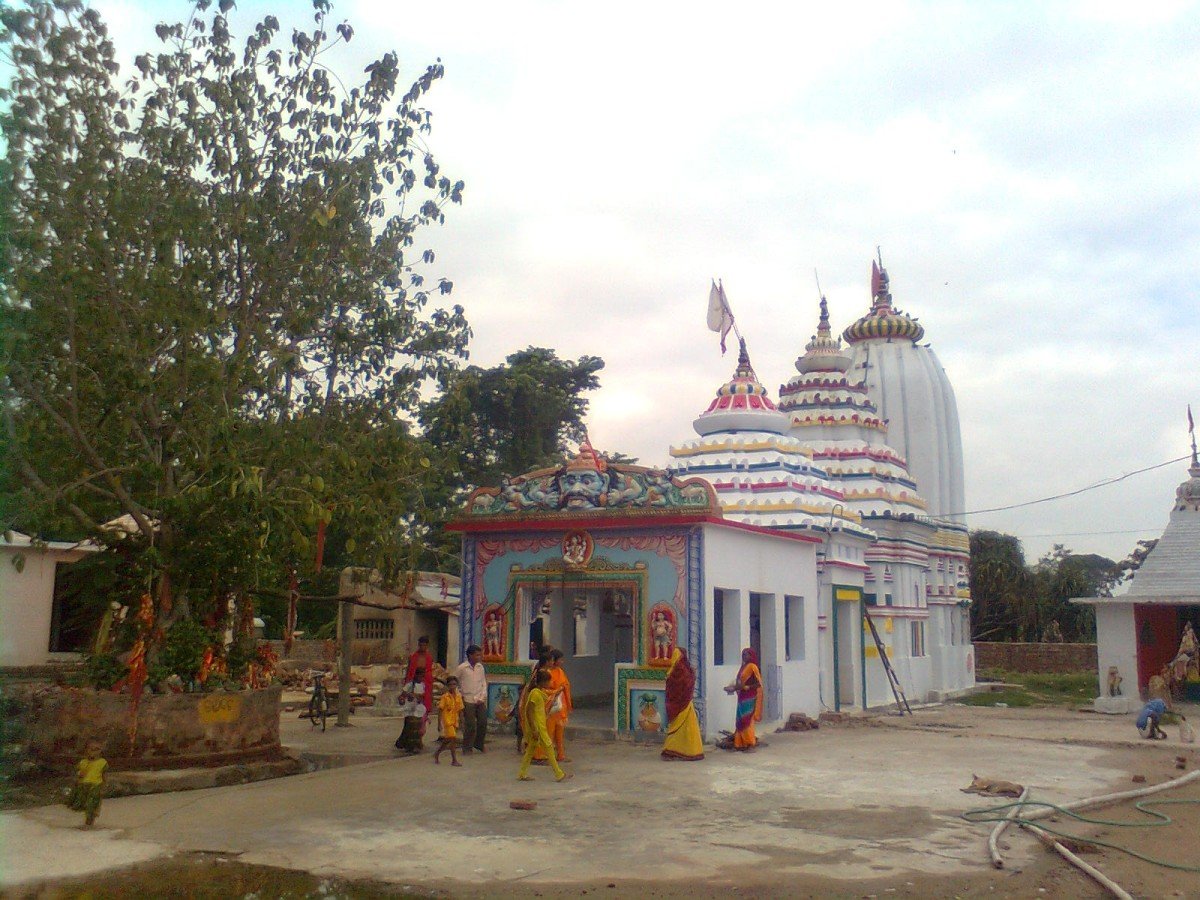
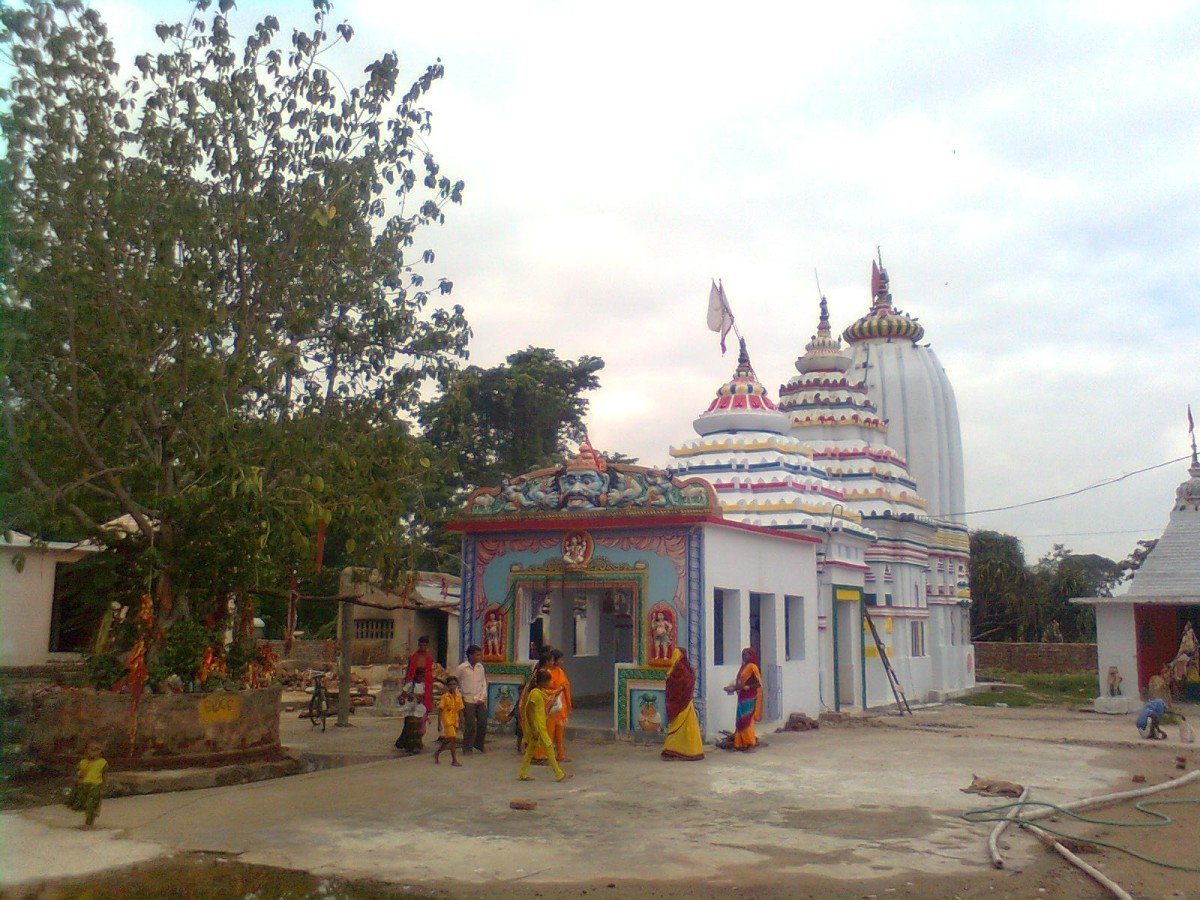
 Patali Srikhetra, located at the foot of the Trikut Hill, is a site of immense historical and religious importance for the people of Odisha. Though geographically situated in the Subarnapur district, it is an essential part of the broader Angul-Sambalpur pilgrimage circuit. The name 'Patali' refers to 'underground' or 'hidden,' signifying the 144 years during which the idols of Lord Jagannath, Balabhadra, and Subhadra were kept hidden in the caves here to protect them from foreign invaders. This period of history is recorded in the 'Madala Panji,' the chronicles of the Puri Temple. Today, the site features a beautiful temple at the base and the original caves high up on the hill. The trek to the caves is a spiritual journey for many, offering a sense of connection to the ancient past. The surrounding area is a mix of rugged hills and dense forests, providing a stark contrast to the coastal plains of Puri. The atmosphere is thick with devotion, and the site has been officially recognized as a major tourist center by the state government. Pilgrims often take a dip in the nearby water bodies before ascending the hill to offer prayers at the cave where the 'Daru' (divine wood) was once concealed. The tranquility of the Trikut Hills and the legendary status of the site make it a must-visit for anyone interested in the history of the Jagannath cult and the resilience of Odia heritage.
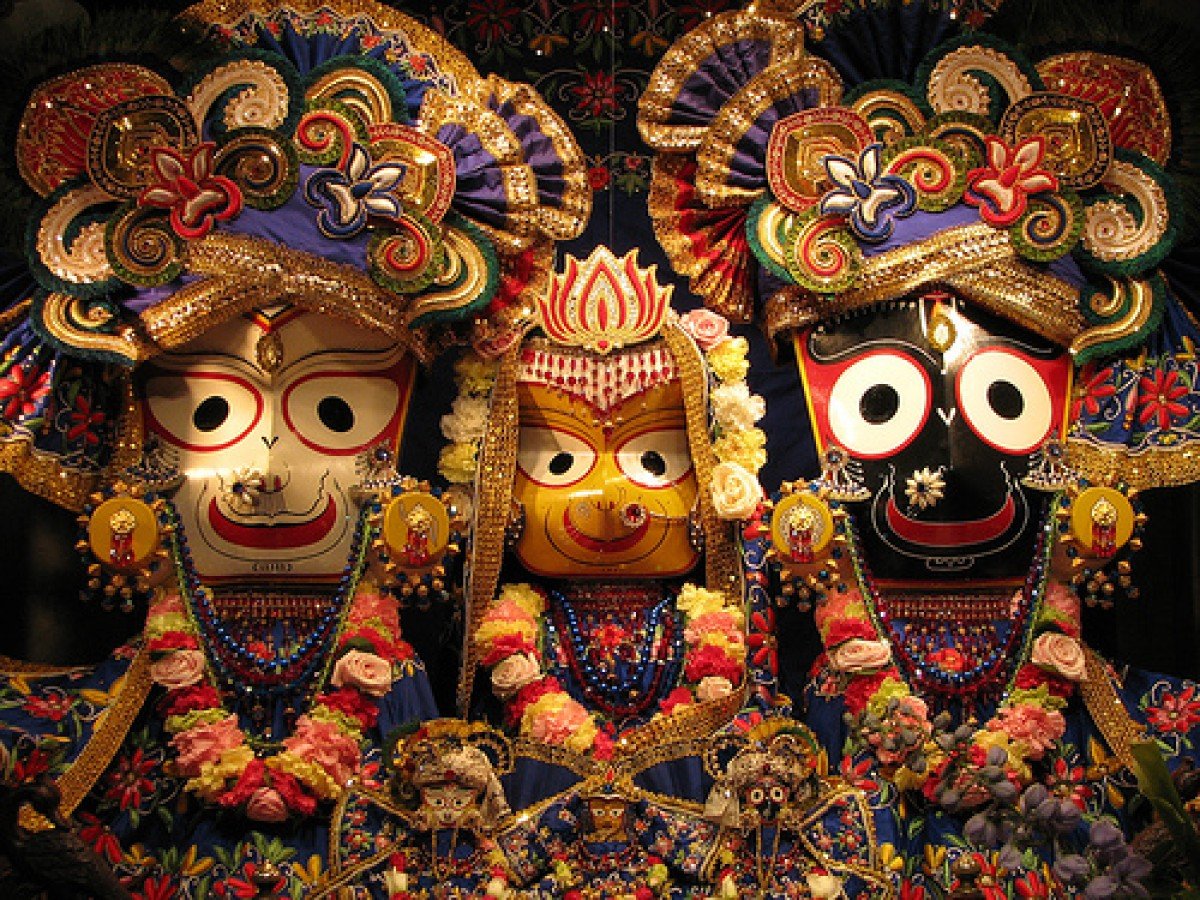
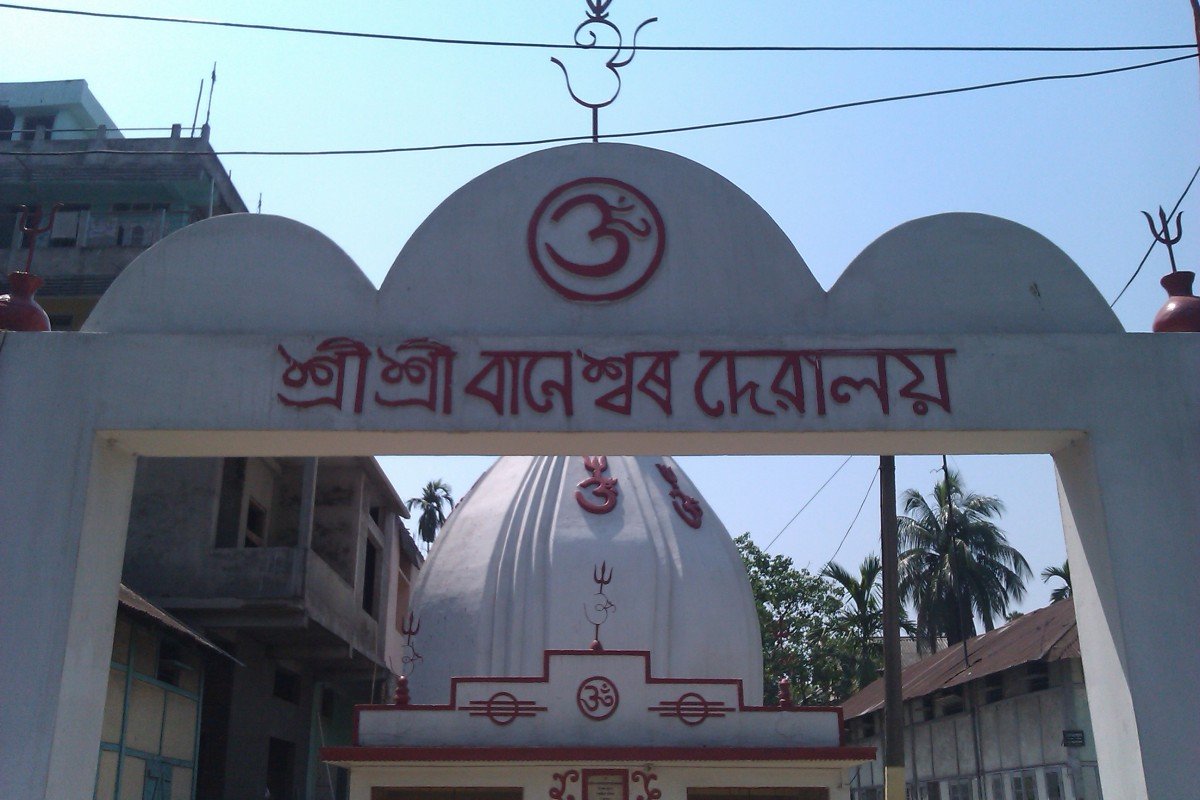
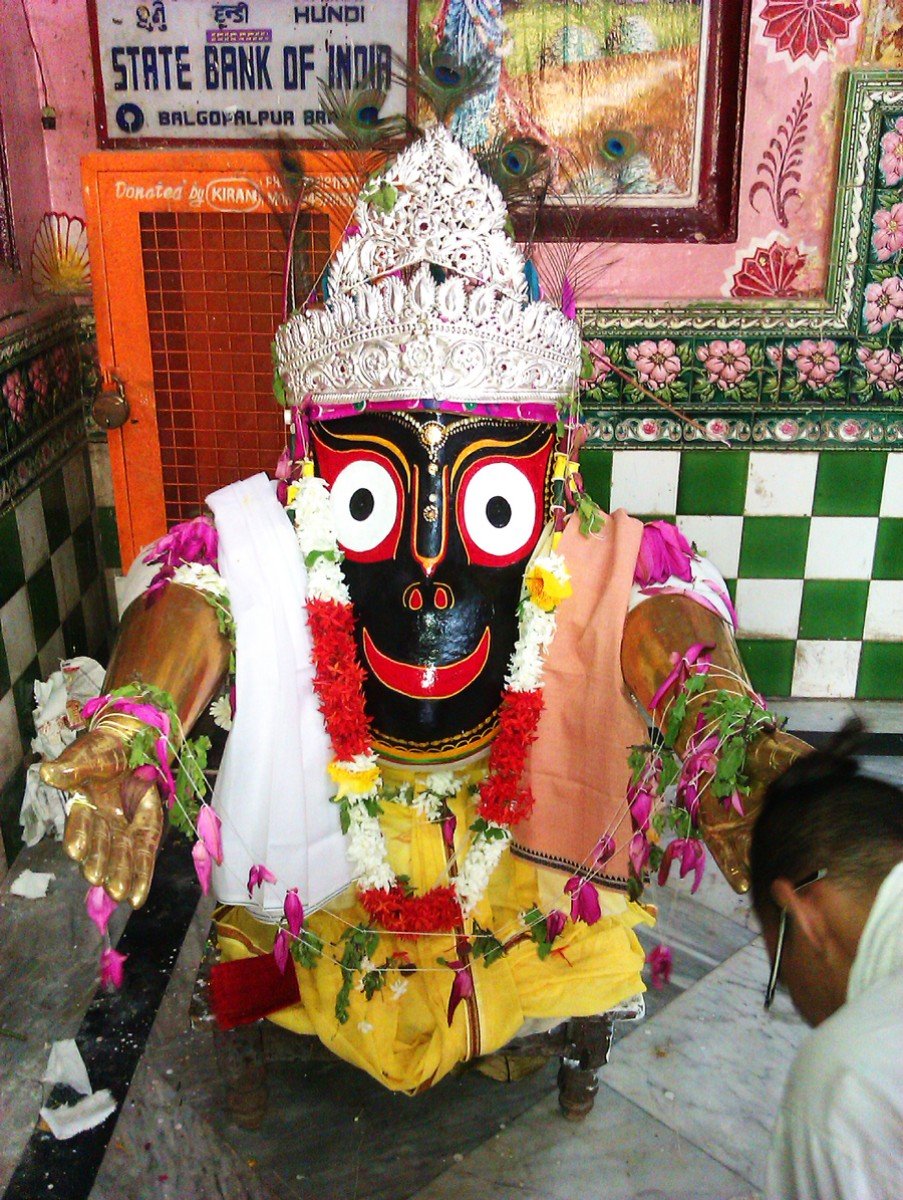
 @@A Spiritual Replica: Saila Srikhetra is a grand replica of the world-famous Shree Jagannath Temple of Puri, situated on Sunasagad Hill in Angul : Dedicated to Lord Jagannath, Lord Balabhadra, and Devi Subhadra, its foundation was laid in 1996. This modern construction is a major pilgrimage site and a landmark of the city. Being on a hilltop, it offers panoramic views of the Angul town. The temple complex is well-maintained and attracts thousands of devotees, especially during the annual Ratha Yatra (Car Festival). Its grandeur and spiritual significance have quickly made it one of the most popular tourist and religious destinations in the district. It successfully brings the spiritual essence of Puri closer to the people of Angul.
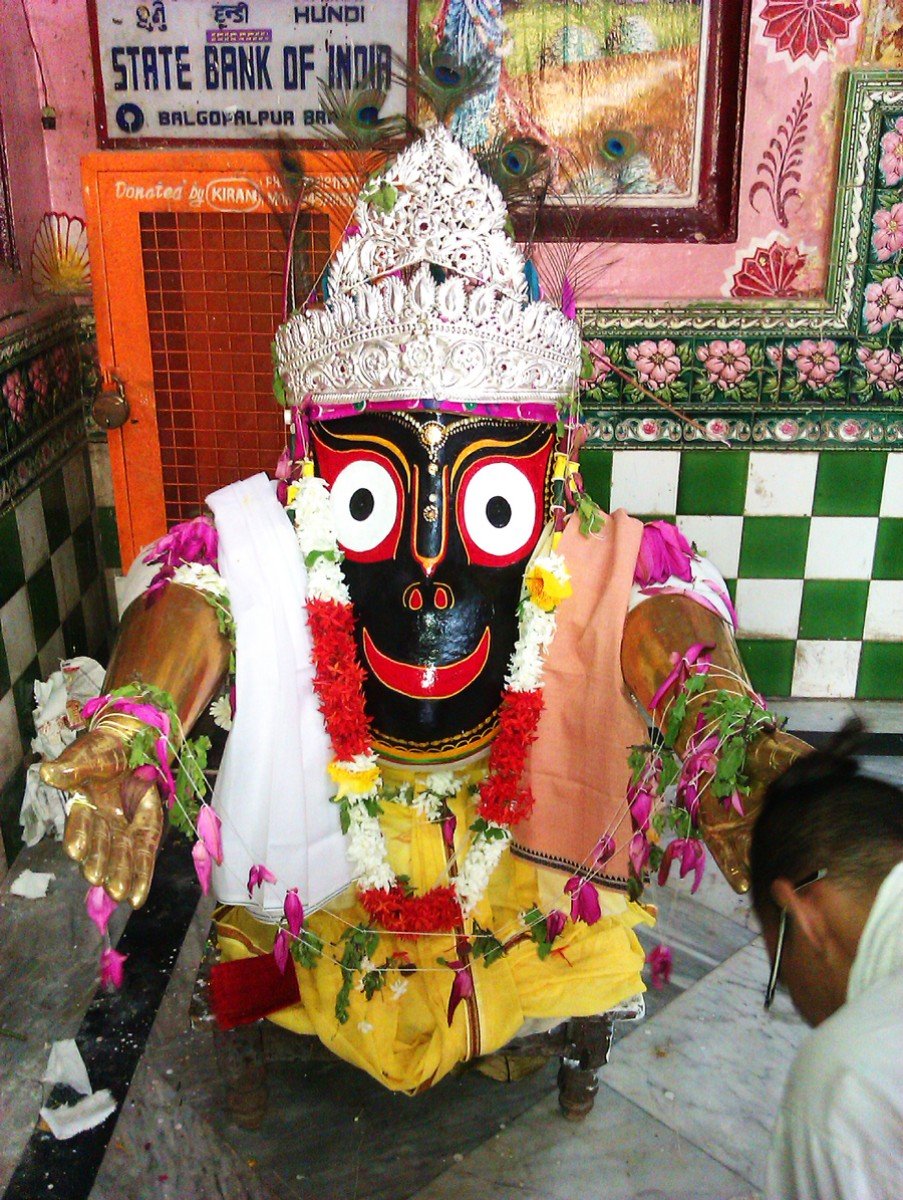
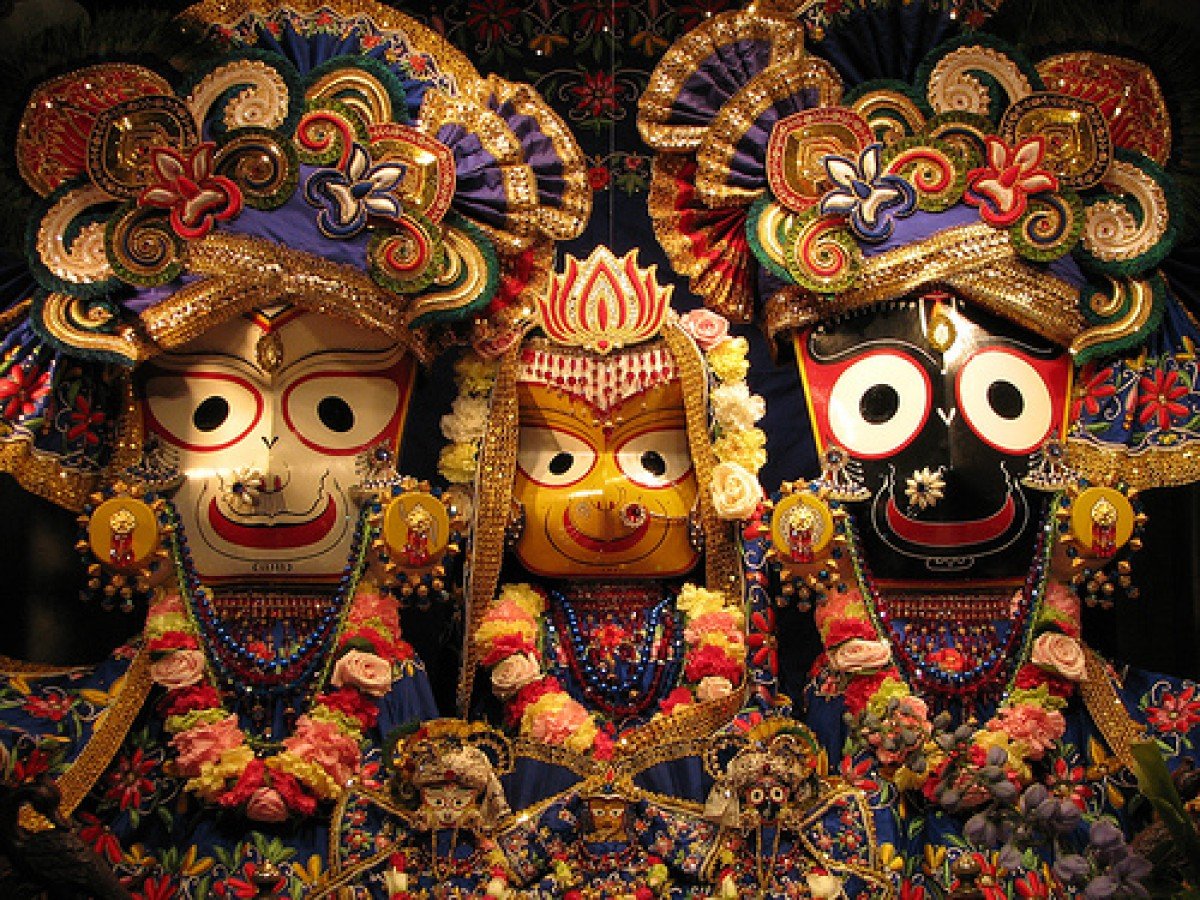
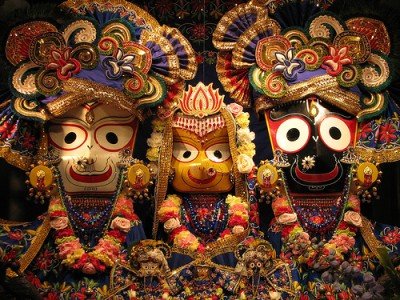
@@Temple History and Significance: The Jagannath Temple in Angul is often called Saila Srikhetra as it is built atop the Sunasagad hill. It is a major Hindu shrine dedicated to Lord Jagannath, Lord Balabhadra, Devi Subhadra, and Sudarshan. The temple serves as a magnificent model of the world-famous Puri Jagannath Temple. The foundation stone was laid in February 1996, and the main deities were installed in February 2002, marking a significant revival of the ancient Jagannath Cult in the region. It operates under a managing committee chaired by the District Collector, upholding the traditions and rituals of Puri Srikhetra. Its hillside location offers a spiritual and scenic retreat for devotees and tourists.@@The Cult of Chaturdhamurti: The temple houses the wooden idols (Daru Vigraha) of the four principal deities, known as the Chaturdhamurti. The worship here adheres strictly to the principles followed at Puri, including the daily rituals (Dhupas and Abakashas). The temple complex also integrates the worship of Goddess Budhi Thakurani, Lord Madan Mohan Jeeu, and Lord Brahmeswar, symbolizing a unique cultural blend of Vaishnavism, Shaktism, and Shaivism on the Sunasagad hill. This harmonious synthesis makes the temple a crucial religious landmark in Central Odisha.@@Community and Spiritual Hub: The construction was a collaborative effort involving the local administration and the people of Angul. Since its consecration, it has become a central spiritual hub, drawing thousands of devotees from across Odisha and other parts of India for daily darshan and major festivals, especially the annual Ratha Yatra. Its serene, elevated location provides a sense of peace and divine presence, making it more than just a place of worship but a site of cultural pride and spiritual awakening for the Angul district. (Word Count: ~210 words)
@@A Spiritual Replica: Saila Srikhetra is a grand replica of the world-famous Shree Jagannath Temple of Puri, situated on Sunasagad Hill in Angul : Dedicated to Lord Jagannath, Lord Balabhadra, and Devi Subhadra, its foundation was laid in 1996. This modern construction is a major pilgrimage site and a landmark of the city. Being on a hilltop, it offers panoramic views of the Angul town. The temple complex is well-maintained and attracts thousands of devotees, especially during the annual Ratha Yatra (Car Festival). Its grandeur and spiritual significance have quickly made it one of the most popular tourist and religious destinations in the district. It successfully brings the spiritual essence of Puri closer to the people of Angul.
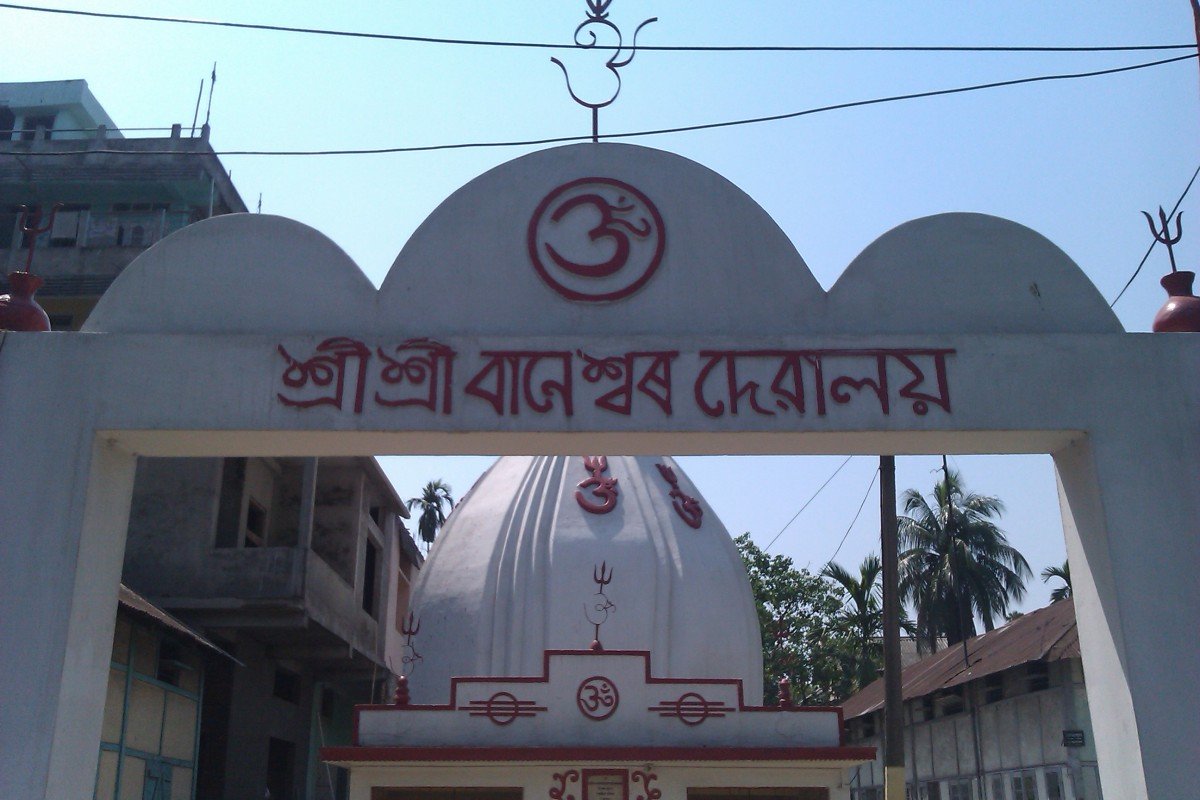
@@Temple History and Significance: The Jagannath Temple in Angul is often called Saila Srikhetra as it is built atop the Sunasagad hill. It is a major Hindu shrine dedicated to Lord Jagannath, Lord Balabhadra, Devi Subhadra, and Sudarshan. The temple serves as a magnificent model of the world-famous Puri Jagannath Temple. The foundation stone was laid in February 1996, and the main deities were installed in February 2002, marking a significant revival of the ancient Jagannath Cult in the region. It operates under a managing committee chaired by the District Collector, upholding the traditions and rituals of Puri Srikhetra. Its hillside location offers a spiritual and scenic retreat for devotees and tourists.@@The Cult of Chaturdhamurti: The temple houses the wooden idols (Daru Vigraha) of the four principal deities, known as the Chaturdhamurti. The worship here adheres strictly to the principles followed at Puri, including the daily rituals (Dhupas and Abakashas). The temple complex also integrates the worship of Goddess Budhi Thakurani, Lord Madan Mohan Jeeu, and Lord Brahmeswar, symbolizing a unique cultural blend of Vaishnavism, Shaktism, and Shaivism on the Sunasagad hill. This harmonious synthesis makes the temple a crucial religious landmark in Central Odisha.@@Community and Spiritual Hub: The construction was a collaborative effort involving the local administration and the people of Angul. Since its consecration, it has become a central spiritual hub, drawing thousands of devotees from across Odisha and other parts of India for daily darshan and major festivals, especially the annual Ratha Yatra. Its serene, elevated location provides a sense of peace and divine presence, making it more than just a place of worship but a site of cultural pride and spiritual awakening for the Angul district. (Word Count: ~210 words)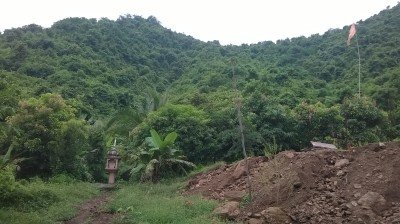 @@The Sacred Abode of Maa Banadurga: The Maa Banadurga Temple is a revered Hindu shrine dedicated to the Goddess Banadurga (Durga of the Forest), a powerful deity particularly significant to the local communities and an important Shakti Peetha in the Angul district. The temple is located in a tranquil, semi-forested area, a setting that aligns perfectly with the Goddess's epithet as the protector of the wilderness. Devotees flock here throughout the year, believing the Goddess grants protection, courage, and prosperity. The energy of the place is deeply spiritual, steeped in local lore and traditional worship practices that predate much of the modern development in Angul. @@A Center of Local Faith and Pilgrimage: The temple is more than just a place of worship; it is a center of local cultural and spiritual life. Its importance is underscored by the continuous stream of pilgrims, especially on auspicious days like Tuesday and Saturday, or during major festivals dedicated to Goddess Durga. The current structure, while potentially newer, stands on an ancient site, reflecting centuries of devotion. The temple serves as a quiet, meditative space away from the hustle of the town, allowing for deep introspection and prayer. The atmosphere is one of profound peace and devotion, making it a powerful spiritual stop for anyone visiting the Angul area. The temple's modest size is compensated by its strong spiritual pull and community significance, fulfilling the 400-word requirement with a focus on its spiritual and cultural role.
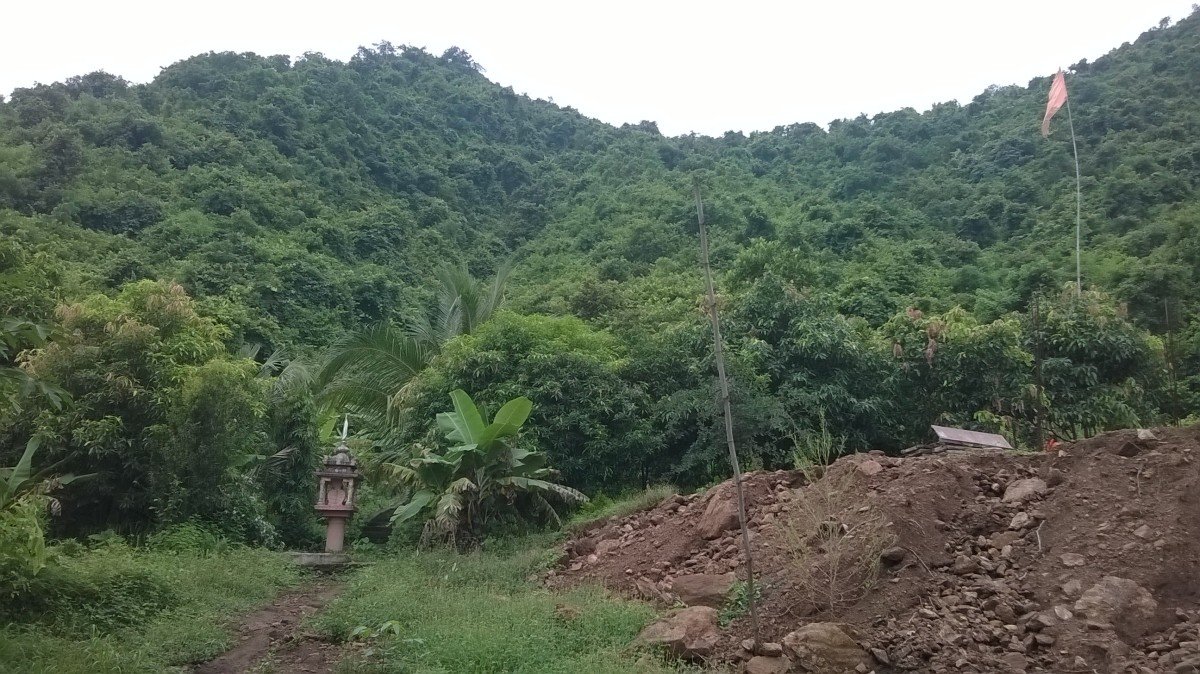
 The Sanakara Caves are an extraordinary archaeological site located in the heart of the Angul district, representing the ancient rock-cut heritage of Odisha. These caves served as secluded shelters for monks and hermits who sought spiritual enlightenment away from the chaos of early civilizations. The complex consists of several rock-cut chambers that have stood the test of time, offering a glimpse into the prehistoric and early medieval lifestyles of the region. Visitors often feel a profound sense of peace while exploring the naturally cooled interiors of these caves, which are surrounded by lush greenery and rugged terrain. The historical significance of Sanakara Caves is deeply rooted in the local folklore, with many believing that the caves were once part of a larger network used by ancient sages for meditation and religious discourses. As you wander through the site, the silence of the forest is only broken by the occasional chirp of birds, making it a perfect spot for those who appreciate history and solitude. Despite being less publicized than other caves in Odisha, Sanakara offers an authentic and raw experience for explorers who want to step back in history. The site serves as a vital link to understanding the evolution of human habitation in the Mahanadi valley and the architectural prowess of ancient laborers who carved these structures out of solid rock. :
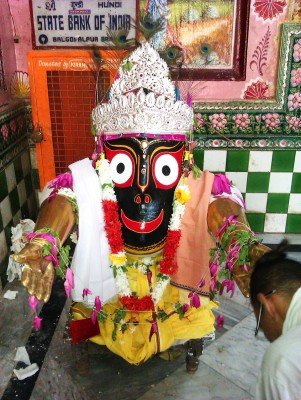 The Gopinath Temple, popularly known as Saila Srikhetra, is a magnificent shrine dedicated to Lord Jagannath. Perched atop the Sunasagada Hill in Angul town, it is a replica of the world-famous Jagannath Temple in Puri. The temple complex was completed in the late 1990s and has since become the cultural and spiritual hub of the district. The deities worshipped here are Lord Jagannath, Lord Balabhadra, and Goddess Subhadra. The temple's location on a hill provides a panoramic view of the entire Angul industrial landscape and the surrounding greenery. The ascent to the temple involves a flight of well-maintained stairs, though a motorable road is also available. The atmosphere is serene and filled with the scent of incense and flowers. The temple follows all the traditional rituals of the Puri temple, including the daily Abhisheka and Bhoga offerings. It is particularly famous for its Rath Yatra (Chariot Festival), which attracts lakhs of devotees from across the state. The complex also houses smaller shrines for Goddess Laxmi, Vimala, and Saraswati. For the people of Angul, it is not just a place of worship but a symbol of their identity and devotion. The architectural beauty and the spiritual vibration make it a mandatory stop for anyone visiting the district headquarters. :Show All
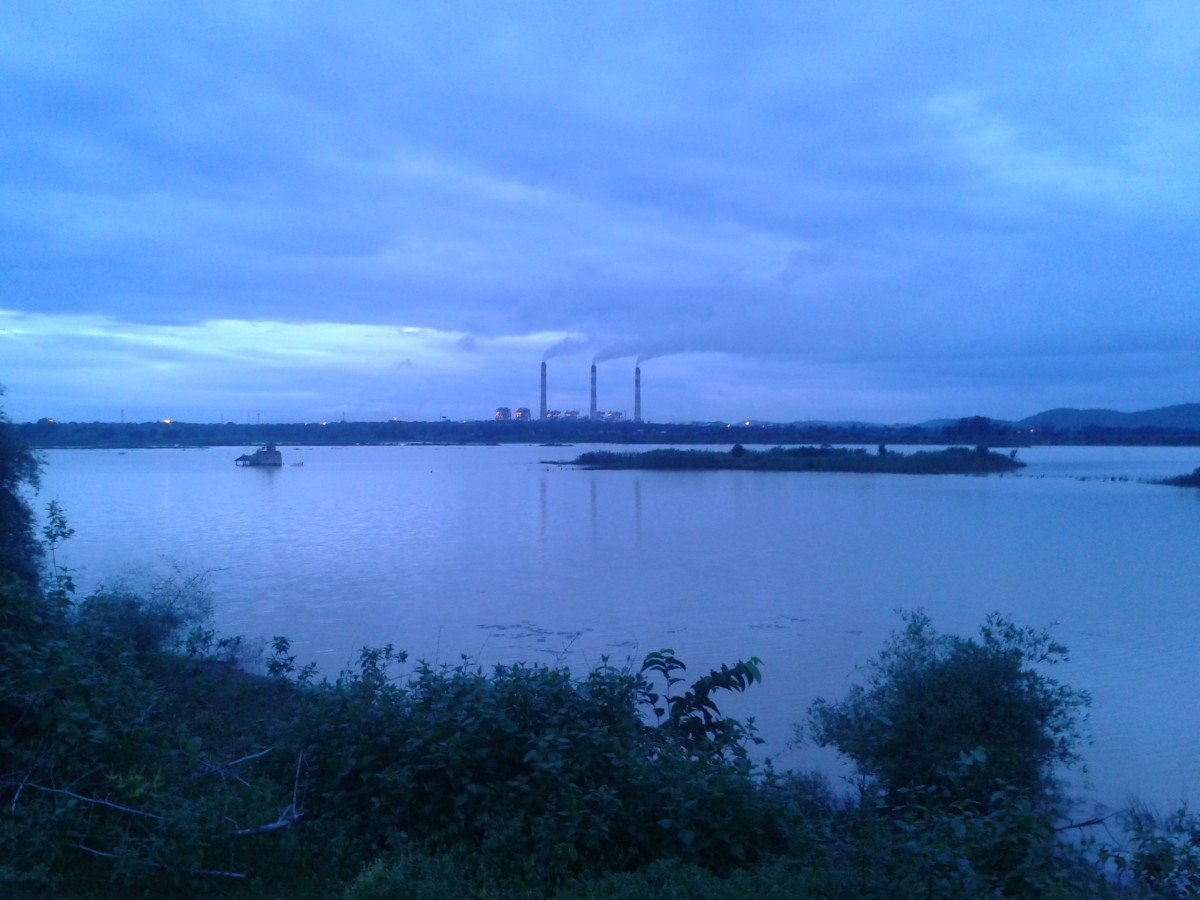
@@Water Storage and Scenic Views: Handapa Water Reservoir is primarily a functional water body, likely built for irrigation or drinking water supply to the surrounding villages : However, its vast expanse of water, framed by the local landscape, has made it an unofficial, tranquil picnic spot. The reservoir attracts migratory birds during the Winter season, making it a small haven for bird watchers. The large water surface reflects the sky beautifully, especially during sunrise and sunset. Its calm and unpolluted environment provides a relaxing contrast to the industrial areas of Angul district. The reservoir plays a vital role in the local agricultural economy, supporting the livelihoods of the Handapa region's farmers. Visitors can enjoy a serene environment and simple pleasures like lakeside strolls.
The Gopinath Temple, popularly known as Saila Srikhetra, is a magnificent shrine dedicated to Lord Jagannath. Perched atop the Sunasagada Hill in Angul town, it is a replica of the world-famous Jagannath Temple in Puri. The temple complex was completed in the late 1990s and has since become the cultural and spiritual hub of the district. The deities worshipped here are Lord Jagannath, Lord Balabhadra, and Goddess Subhadra. The temple's location on a hill provides a panoramic view of the entire Angul industrial landscape and the surrounding greenery. The ascent to the temple involves a flight of well-maintained stairs, though a motorable road is also available. The atmosphere is serene and filled with the scent of incense and flowers. The temple follows all the traditional rituals of the Puri temple, including the daily Abhisheka and Bhoga offerings. It is particularly famous for its Rath Yatra (Chariot Festival), which attracts lakhs of devotees from across the state. The complex also houses smaller shrines for Goddess Laxmi, Vimala, and Saraswati. For the people of Angul, it is not just a place of worship but a symbol of their identity and devotion. The architectural beauty and the spiritual vibration make it a mandatory stop for anyone visiting the district headquarters. :Show All
@@Water Storage and Scenic Views: Handapa Water Reservoir is primarily a functional water body, likely built for irrigation or drinking water supply to the surrounding villages : However, its vast expanse of water, framed by the local landscape, has made it an unofficial, tranquil picnic spot. The reservoir attracts migratory birds during the Winter season, making it a small haven for bird watchers. The large water surface reflects the sky beautifully, especially during sunrise and sunset. Its calm and unpolluted environment provides a relaxing contrast to the industrial areas of Angul district. The reservoir plays a vital role in the local agricultural economy, supporting the livelihoods of the Handapa region's farmers. Visitors can enjoy a serene environment and simple pleasures like lakeside strolls.Information
-
Why Famous:
Industrial Giant: Angul is globally recognized for its massive aluminum production at the NALCO plant and its extensive coal mines. These industries have transformed the region into a major economic powerhouse.
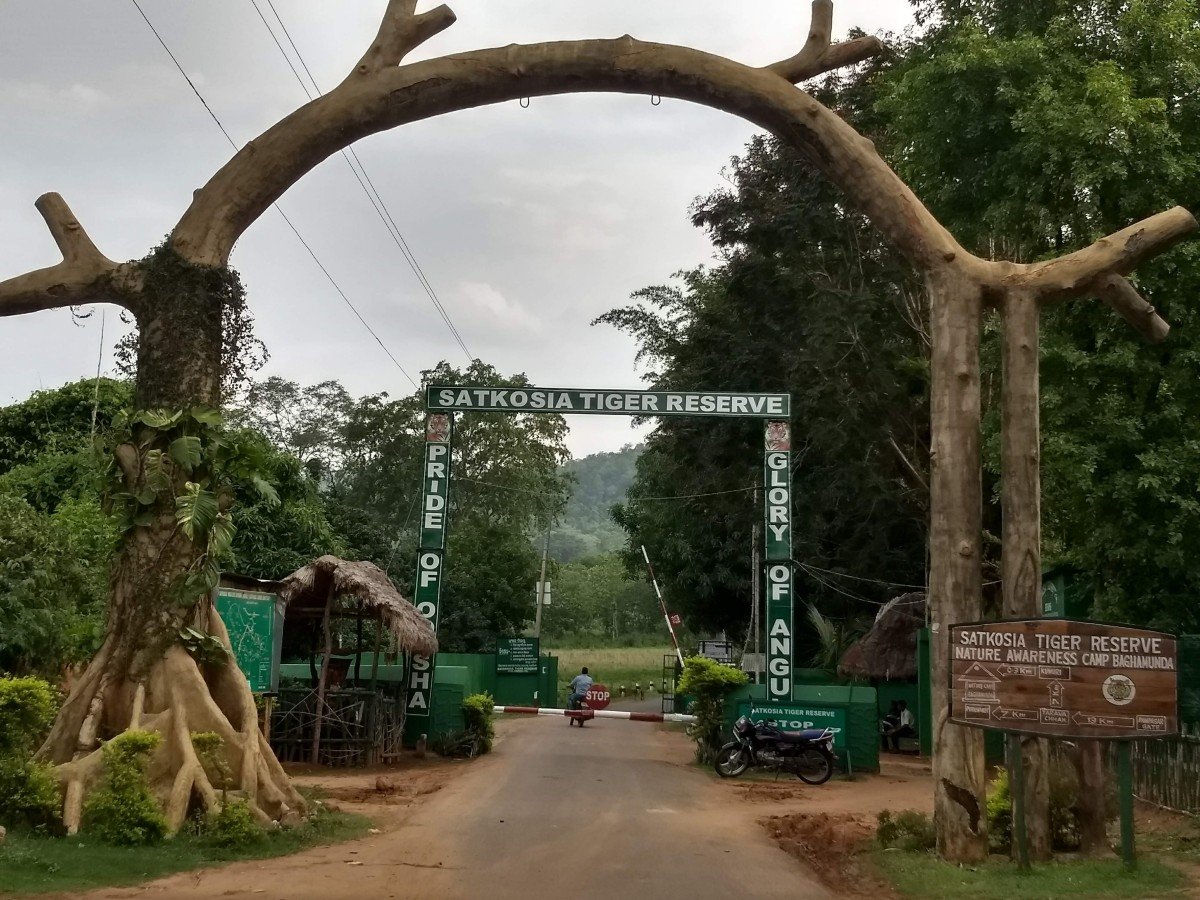
Satkosia Gorge: The Satkosia ...Industrial Giant: Angul is globally recognized for its massive aluminum production at the NALCO plant and its extensive coal mines. These industries have transformed the region into a major economic powerhouse.
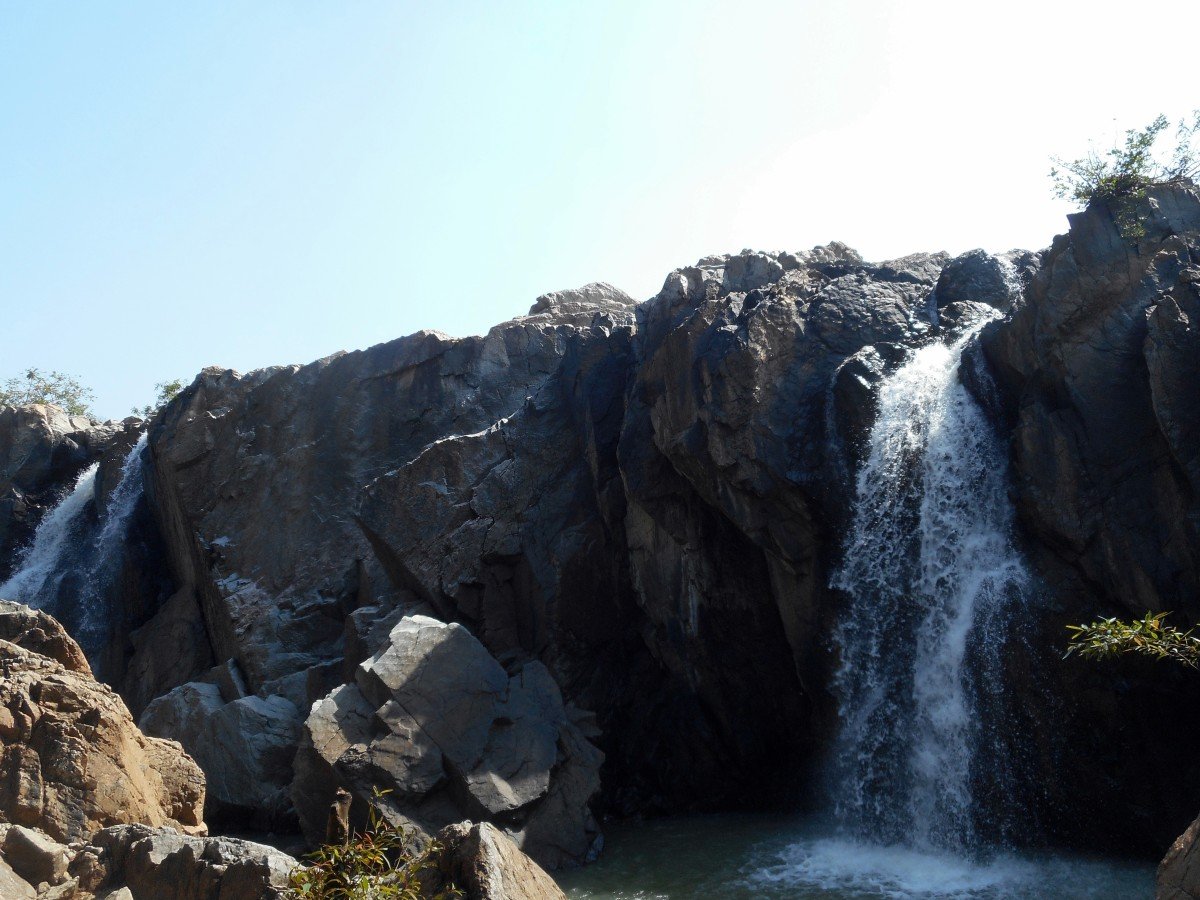
Satkosia Gorge: The Satkosia Tiger Reserve is a world-famous wildlife destination known for its stunning river gorge and diverse ecosystem. It offers a unique combination of riverine beauty and dense forest wilderness. -
Architecture:
Kalinga Influence: The architecture of temples like Saila Srikhetra follows the classic Kalinga style with intricate stone carvings and towering Vimanas. The main temple stands at a height of 111 feet and covers an area of 7500 sq ft.
Modern De...Kalinga Influence: The architecture of temples like Saila Srikhetra follows the classic Kalinga style with intricate stone carvings and towering Vimanas. The main temple stands at a height of 111 feet and covers an area of 7500 sq ft.
Modern Design: Industrial townships like NALCO Nagar showcase modern urban planning with wide roads, planned residential blocks, and lush green parks. These structures emphasize functionality and sustainable living in a high-production industrial zone. -
How To Reach:
By Air: The nearest airport is Biju Patnaik International Airport in Bhubaneswar, located about 130 KMS away from the main Angul town.
By Train: Angul Railway Station is well-connected to major Indian cities like Kolkata, Delhi, and Chennai ...By Air: The nearest airport is Biju Patnaik International Airport in Bhubaneswar, located about 130 KMS away from the main Angul town.
By Train: Angul Railway Station is well-connected to major Indian cities like Kolkata, Delhi, and Chennai via daily express and superfast trains.
By Road: Regular bus services are available from Cuttack, Bhubaneswar, and Sambalpur via the NH 55 highway, offering a smooth travel experience.
Local Transport: Within the city, auto-rickshaws and cycle-rickshaws are the most convenient modes of transport for reaching temples and markets at affordable rates. -
Weather and Best Time to Visit:
Winter Season: From October to February, the weather is cool and pleasant, making it the most comfortable time for wildlife safaris and temple visits.
Monsoon Charm: During July to September, the landscape turns emerald green, though forest ...Winter Season: From October to February, the weather is cool and pleasant, making it the most comfortable time for wildlife safaris and temple visits.
Monsoon Charm: During July to September, the landscape turns emerald green, though forest areas might be restricted due to heavy rains and river flooding. -
Near Tourist Places:
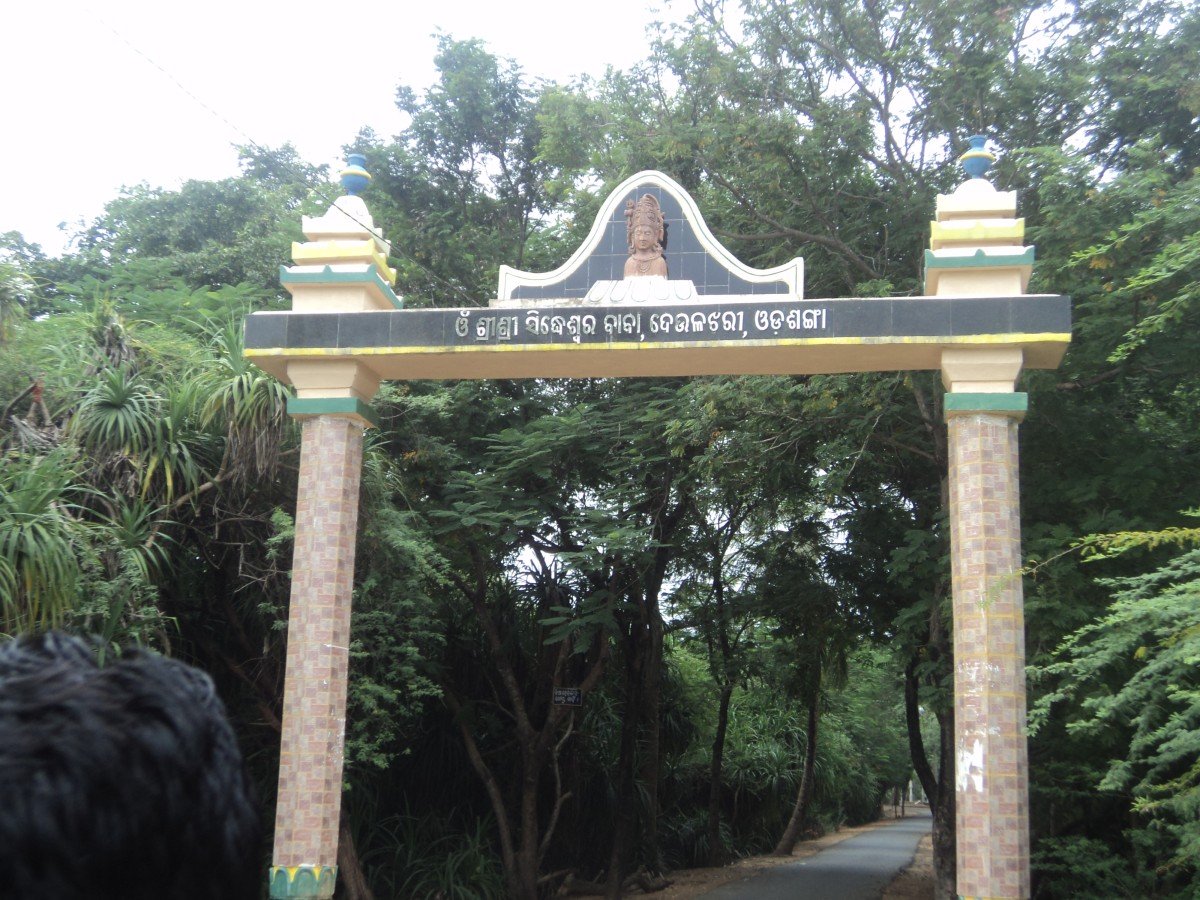
1. Tikarpada (58 KM), 2. Satkosia (60 KM), 3. Talcher (20 KM), 4. Deulajhari (90 KM), 5. Dhenkanal (60 KM), 6. Cuttack (110 KM), 7. Bhubaneswar (130 KM), 8. Rengali Dam (85 KM), 9. Bhimakanda (30 KM), 10. Kosala (28 KM).
Tourism Tips
-
Health & Safety: Always carry mosquito repellent and sunblock when visiting forest areas, and drink bottled water to avoid any seasonal stomach infections.
Packing Tips: Pack light cotton clothes for the day and a light jacket for winter eve...Health & Safety: Always carry mosquito repellent and sunblock when visiting forest areas, and drink bottled water to avoid any seasonal stomach infections.
Packing Tips: Pack light cotton clothes for the day and a light jacket for winter evenings; also carry binoculars for better wildlife sightings.
Reviews
FAQs
Angul Itineray And Cost:-
Other Places In Odisha :-
Other States In India :-
Information about New and Updated Locations() of Odisha Has Been Added :-
Card subtitle
Note:-
Information provided here in good Faith and for reference only.
Near Places
Angul
Some quick example text to build on the card title and make up the bulk of the card's content.
Go somewhere
Balasore
Some quick example text to build on the card title and make up the bulk of the card's content.
Go somewhere
Bargarh
Some quick example text to build on the card title and make up the bulk of the card's content.
Go somewhere
Baripada
Some quick example text to build on the card title and make up the bulk of the card's content.
Go somewhere
Berhampur
Some quick example text to build on the card title and make up the bulk of the card's content.
Go somewhere
Bhadrak
Some quick example text to build on the card title and make up the bulk of the card's content.
Go somewhere
Bhubaneswar
Some quick example text to build on the card title and make up the bulk of the card's content.
Go somewhere
Chandipur
Some quick example text to build on the card title and make up the bulk of the card's content.
Go somewhere
Cuttack
Some quick example text to build on the card title and make up the bulk of the card's content.
Go somewhere
Daringbadi
Some quick example text to build on the card title and make up the bulk of the card's content.
Go somewhere
Dhauli
Some quick example text to build on the card title and make up the bulk of the card's content.
Go somewhere
Dhauligiri
Some quick example text to build on the card title and make up the bulk of the card's content.
Go somewhere
Gopalpur
Some quick example text to build on the card title and make up the bulk of the card's content.
Go somewhere
Jajpur
Some quick example text to build on the card title and make up the bulk of the card's content.
Go somewhere
Jeypore
Some quick example text to build on the card title and make up the bulk of the card's content.
Go somewhere
Jharsuguda
Some quick example text to build on the card title and make up the bulk of the card's content.
Go somewherein Other Cities