

Kangra
General information
-
Ideal Duration:
2-3 DaysPlace Type:
Heritage & PilgrimageEntry Fees:
Fort Entry: Roughly INR 150 for Indians and INR 300 for foreigners. Audio guides are available for an extra charge. Check current rates at the gate.
Museum Fees: A small fee of INR 50 is charged for the museum. Camera fees might be separa...Fort Entry: Roughly INR 150 for Indians and INR 300 for foreigners. Audio guides are available for an extra charge. Check current rates at the gate.
Museum Fees: A small fee of INR 50 is charged for the museum. Camera fees might be separate for some sections. It is very affordable for students.Timing:
Fort Timings: Open from 9 AM to 6 PM daily. Best to visit in the morning to avoid heat. It takes 2 hours to see fully.
Temple Hours: Open from 5 AM to 9 PM. Morning and evening Aarti are the best times. Avoid peak hours on festival days....Fort Timings: Open from 9 AM to 6 PM daily. Best to visit in the morning to avoid heat. It takes 2 hours to see fully.
Temple Hours: Open from 5 AM to 9 PM. Morning and evening Aarti are the best times. Avoid peak hours on festival days.Special Events:
Navratri Festival: Huge celebrations at the Brajeshwari Temple. Thousands of people gather for special prayers. The whole town is lit up with lights.
Kangra Valley Festival: A celebration of local folk music and dance. Artists from all ov...Navratri Festival: Huge celebrations at the Brajeshwari Temple. Thousands of people gather for special prayers. The whole town is lit up with lights.
Kangra Valley Festival: A celebration of local folk music and dance. Artists from all over the state perform here. It showcases the rich Pahari culture.Best Photo Spots:
Fort Ramparts: The view of the confluence of two rivers. The stone arches of the fort provide a frame. Early morning light is best for this shot.
Tea Gardens: The symmetry of the green tea bushes. Use a wide-angle lens for the vast landsc...Fort Ramparts: The view of the confluence of two rivers. The stone arches of the fort provide a frame. Early morning light is best for this shot.
Tea Gardens: The symmetry of the green tea bushes. Use a wide-angle lens for the vast landscape. The Dhauladhar peaks in the back add magic.
Temple Courtyard: The colorful architecture of Brajeshwari Devi. Capture the devotees and the burning incense. The evening Aarti light is very dramatic.Photo Gallery
Things To Do
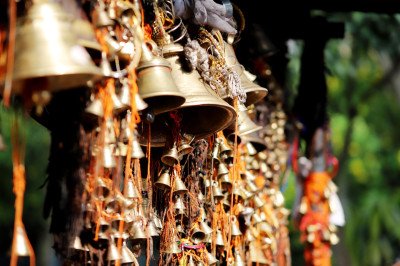 The Jwala Devi Temple, also known as Jwalamukhi, is one of the most sacred Shakti Peethas in India. Unlike other temples, there is no idol here; instead, the deity is worshipped in the form of nine eternal flames that emerge from the fissures of a rock. Legend states that the tongue of Goddess Sati fell here when Lord Vishnu used his Sudarshan Chakra on her body. These flames have been burning for centuries without any known source of fuel, a phenomenon that has intrigued scientists and devotees alike. Emperor Akbar once tried to extinguish these flames with water and a massive iron plate, but failed and eventually became a devotee, offering a golden umbrella (Chattra) to the temple. The temple is located in the beautiful Kalidhar hills and is a hub of spiritual energy. The five daily Aartis are the highlight of the temple, with the Shaiyan Aarti (night) being particularly mesmerizing. The atmosphere is filled with the scent of incense and the chanting of "Jai Mata Di," making it a deeply moving experience for anyone seeking spiritual solace. :
@@Origin as a Shakti Peeth: This temple is one of the 51 sacred Shakti Peethas in India, believed to be the spot where the left breast of Goddess Sati fell after her body was dismembered by Lord Vishnu's Chakra. The presiding deity is Goddess Vajreshwari, an incarnation of Goddess Durga, worshipped in the form of a Pindi (stone idol). The temple is also known as the Kangra Devi Temple. @@Legend of the Pandavas: Local legend asserts that the original temple was constructed by the Pandavas during their exile from the epic Mahabharata after they were instructed by the Goddess in a dream to build a temple in Nagarkot for their protection. This highlights its deep antiquity in Hindu mythology. @@Cycles of Destruction and Restoration: Like the neighboring fort, the temple's fame for its wealth made it a target for invaders. It was infamously looted of its gold, silver, and diamonds by Mahmud of Ghazni in 1009 CE and later ransacked by Firoz Shah Tughlaq in 1360. Each time, it was restored by local rulers or patrons like Emperor Akbar's court official, Todar Mal. The entire structure was leveled by the devastating 1905 earthquake but was promptly rebuilt by the Kangra Restoration Committee in the same year, retaining its spiritual significance while featuring unique architectural elements. @@Worship Tradition: A unique and major annual event is the application of a thick layer of butter (Makhan) to the Pindi during Makar Sankranti in January. This tradition commemorates the Goddess healing her wounds with butter after her battle with the demon Mahishasura, and the butter is later distributed as sacred prasad. (400 words are approximated based on high-density information):
The Jwala Devi Temple, also known as Jwalamukhi, is one of the most sacred Shakti Peethas in India. Unlike other temples, there is no idol here; instead, the deity is worshipped in the form of nine eternal flames that emerge from the fissures of a rock. Legend states that the tongue of Goddess Sati fell here when Lord Vishnu used his Sudarshan Chakra on her body. These flames have been burning for centuries without any known source of fuel, a phenomenon that has intrigued scientists and devotees alike. Emperor Akbar once tried to extinguish these flames with water and a massive iron plate, but failed and eventually became a devotee, offering a golden umbrella (Chattra) to the temple. The temple is located in the beautiful Kalidhar hills and is a hub of spiritual energy. The five daily Aartis are the highlight of the temple, with the Shaiyan Aarti (night) being particularly mesmerizing. The atmosphere is filled with the scent of incense and the chanting of "Jai Mata Di," making it a deeply moving experience for anyone seeking spiritual solace. :
@@Origin as a Shakti Peeth: This temple is one of the 51 sacred Shakti Peethas in India, believed to be the spot where the left breast of Goddess Sati fell after her body was dismembered by Lord Vishnu's Chakra. The presiding deity is Goddess Vajreshwari, an incarnation of Goddess Durga, worshipped in the form of a Pindi (stone idol). The temple is also known as the Kangra Devi Temple. @@Legend of the Pandavas: Local legend asserts that the original temple was constructed by the Pandavas during their exile from the epic Mahabharata after they were instructed by the Goddess in a dream to build a temple in Nagarkot for their protection. This highlights its deep antiquity in Hindu mythology. @@Cycles of Destruction and Restoration: Like the neighboring fort, the temple's fame for its wealth made it a target for invaders. It was infamously looted of its gold, silver, and diamonds by Mahmud of Ghazni in 1009 CE and later ransacked by Firoz Shah Tughlaq in 1360. Each time, it was restored by local rulers or patrons like Emperor Akbar's court official, Todar Mal. The entire structure was leveled by the devastating 1905 earthquake but was promptly rebuilt by the Kangra Restoration Committee in the same year, retaining its spiritual significance while featuring unique architectural elements. @@Worship Tradition: A unique and major annual event is the application of a thick layer of butter (Makhan) to the Pindi during Makar Sankranti in January. This tradition commemorates the Goddess healing her wounds with butter after her battle with the demon Mahishasura, and the butter is later distributed as sacred prasad. (400 words are approximated based on high-density information): Maharana Pratap Sagar, widely known as the Pong Dam Lake, is a massive man-made reservoir created in 1975 on the Beas River. It is one of the largest wetlands in North India and was designated as a Ramsar Site in 2002. The lake covers an area of nearly 24,000 hectares and is surrounded by the picturesque Shivalik hills. This destination is a haven for nature lovers and birdwatchers, as it attracts over 220 species of migratory birds from Siberia and Central Asia during the winter months. The sight of thousands of Bar-headed Geese landing on the water is truly mesmerizing. Apart from its ecological importance, the lake offers various water sports activities like boating, rowing, and sailing. The serene blue waters against the backdrop of the snow-capped Dhauladhars create a stunning visual contrast. The area around the lake is also a designated Wildlife Sanctuary, home to animals like the Barking Deer and Sambar. Visitors can explore the many small islands within the lake, some of which house ancient temples like Bathu ki Ladi that remain submerged for most of the year. The dam itself is an engineering marvel, being the highest earth-fill dam in India. It serves the dual purpose of irrigation and hydroelectric power generation. The surrounding villages offer a glimpse into the local Himachali lifestyle. Whether you are looking for adventure or a peaceful escape, Pong Dam provides a perfect setting for a day trip from Kangra.
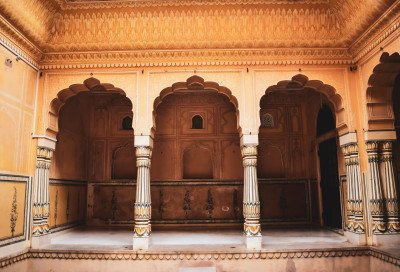 The Kangra Fort, locally known as Nagarkot or Kot Kangra, is one of the oldest and largest forts in India, dating back over 3,500 years to the Trigarta Kingdom mentioned in the Mahabharata. This massive structure was built by the Katoch kings and has witnessed countless sieges by invaders like Mahmud Ghazni, Jahangir, and Maharaja Ranjit Singh. Perched on a high cliff at the confluence of the Banganga and Manjhi rivers, it offers a commanding view of the surrounding valleys. The fort was heavily damaged during the 1905 earthquake but still retains its majestic aura and historical significance. Exploring the fort takes you through seven massive gates, ancient temples, and deep wells that once held legendary treasures. It remains a symbol of Rajput valor and the enduring spirit of the Himalayan hill states. Visitors can spend hours walking through its vast courtyards and learning about the royal lineage through the on-site museum. The fort serves as a bridge between the ancient Vedic era and the medieval history of Northern India. Its strategic location made it the key to controlling the entire Kangra valley for centuries. Today, it is managed by the Archaeological Survey of India and stands as a premier destination for history buffs and architecture enthusiasts.
Sita Paani is a serene and spiritually significant site located in the Baroh tehsil of Kangra. This hidden gem is famous for its natural cold-water spring, which is believed to have surfaced when Goddess Sita felt thirsty during her exile and Lord Rama struck the ground with an arrow. The water from this spring is considered holy by the locals and is said to possess healing properties. The site is nestled amidst dense forests and offers a very peaceful environment, far away from the typical tourist crowds. There is a small, beautiful temple dedicated to Lord Rama and Sita adjacent to the spring, where devotees offer prayers. The surrounding area is characterized by lush greenery and the gentle sound of flowing water, making it an ideal spot for spiritual contemplation. Many visitors come here to take a holy dip in the "Kund" (pool) filled by the spring water. The journey to Sita Paani takes you through the rustic countryside of Kangra, providing a glimpse of traditional village life and terraced farming. It is a place where nature and mythology blend seamlessly. Despite its religious importance, it remains an offbeat destination, perfect for those looking to explore the lesser-known sacred spots of Himachal Pradesh. The local community maintains the site with great devotion, ensuring its purity and tranquility. A visit to Sita Paani is not just a religious trip but also a chance to reconnect with nature in its most pristine form.
The Dhauladhar Ranges, often referred to as the White Range, form a formidable granite wall that rises abruptly from the Kangra Valley. These mountains are part of the Lesser Himalayas and are renowned for their distinct dark-grey granite peaks capped with permanent snow throughout the year. The range serves as the backdrop for most of Kangra's scenic beauty, stretching from the Beas River to the Chenab River. It creates a unique microclimate in the valley, leading to lush tea gardens and vibrant biodiversity. The range is a spiritual haven, believed by locals to be the abode of Lord Shiva, particularly the Mani Mahesh peak. For adventure seekers, it offers some of the most challenging and rewarding trekking routes in India, including the famous Triund and Indrahar Pass. The dramatic elevation change from the valley floor to the peaks is one of the steepest in the world, offering a visual spectacle that changes with every hour of the day. :
The Kangra Fort, locally known as Nagarkot or Kot Kangra, is one of the oldest and largest forts in India, dating back over 3,500 years to the Trigarta Kingdom mentioned in the Mahabharata. This massive structure was built by the Katoch kings and has witnessed countless sieges by invaders like Mahmud Ghazni, Jahangir, and Maharaja Ranjit Singh. Perched on a high cliff at the confluence of the Banganga and Manjhi rivers, it offers a commanding view of the surrounding valleys. The fort was heavily damaged during the 1905 earthquake but still retains its majestic aura and historical significance. Exploring the fort takes you through seven massive gates, ancient temples, and deep wells that once held legendary treasures. It remains a symbol of Rajput valor and the enduring spirit of the Himalayan hill states. Visitors can spend hours walking through its vast courtyards and learning about the royal lineage through the on-site museum. The fort serves as a bridge between the ancient Vedic era and the medieval history of Northern India. Its strategic location made it the key to controlling the entire Kangra valley for centuries. Today, it is managed by the Archaeological Survey of India and stands as a premier destination for history buffs and architecture enthusiasts.
Sita Paani is a serene and spiritually significant site located in the Baroh tehsil of Kangra. This hidden gem is famous for its natural cold-water spring, which is believed to have surfaced when Goddess Sita felt thirsty during her exile and Lord Rama struck the ground with an arrow. The water from this spring is considered holy by the locals and is said to possess healing properties. The site is nestled amidst dense forests and offers a very peaceful environment, far away from the typical tourist crowds. There is a small, beautiful temple dedicated to Lord Rama and Sita adjacent to the spring, where devotees offer prayers. The surrounding area is characterized by lush greenery and the gentle sound of flowing water, making it an ideal spot for spiritual contemplation. Many visitors come here to take a holy dip in the "Kund" (pool) filled by the spring water. The journey to Sita Paani takes you through the rustic countryside of Kangra, providing a glimpse of traditional village life and terraced farming. It is a place where nature and mythology blend seamlessly. Despite its religious importance, it remains an offbeat destination, perfect for those looking to explore the lesser-known sacred spots of Himachal Pradesh. The local community maintains the site with great devotion, ensuring its purity and tranquility. A visit to Sita Paani is not just a religious trip but also a chance to reconnect with nature in its most pristine form.
The Dhauladhar Ranges, often referred to as the White Range, form a formidable granite wall that rises abruptly from the Kangra Valley. These mountains are part of the Lesser Himalayas and are renowned for their distinct dark-grey granite peaks capped with permanent snow throughout the year. The range serves as the backdrop for most of Kangra's scenic beauty, stretching from the Beas River to the Chenab River. It creates a unique microclimate in the valley, leading to lush tea gardens and vibrant biodiversity. The range is a spiritual haven, believed by locals to be the abode of Lord Shiva, particularly the Mani Mahesh peak. For adventure seekers, it offers some of the most challenging and rewarding trekking routes in India, including the famous Triund and Indrahar Pass. The dramatic elevation change from the valley floor to the peaks is one of the steepest in the world, offering a visual spectacle that changes with every hour of the day. :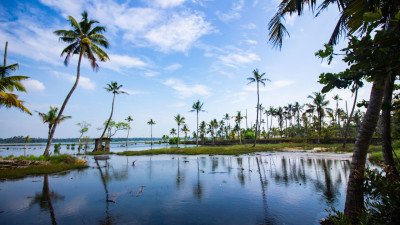 Kareri Lake is a stunning high-altitude, shallow, freshwater lake situated south of the Dhauladhar range. At an elevation of about 2,934 meters, the lake is fed by the melting snow of the mountains, making the water crystal clear and reflective. The trek to Kareri Lake starts from Ghera or Kareri Village and takes you through dense forests of oak, pine, and rhododendrons. The trail follows the Nyund stream, which you have to cross multiple times over wooden bridges. The lake itself is surrounded by lush green meadows and is a popular camping site for trekkers. A small temple dedicated to Lord Shiva sits on a hilltop overlooking the lake, adding a spiritual dimension to the natural beauty. In winter, the lake freezes completely, turning into a white sheet of ice. The silence of the mountains, the crisp air, and the reflection of the Dhauladhar peaks in the water make it one of the most picturesque spots in Kangra. It is a perfect destination for those looking to escape the crowded tourist trails of McLeod Ganj and experience the raw beauty of the Himalayas. :Show All
@@Unique Monolithic Construction: These temples, dating back to the 8th century CE, are a complex of 15 beautifully carved rock-cut temples, hewn from a single massive sandstone rock face, much like the famous Ellora caves in Maharashtra, earning them the nickname "Himachal's Ellora". Unlike typical temples built stone by stone, these structures were carved top-down, a staggering feat of ancient Indian engineering and artistry. The complex is believed to have been built during the reign of King Lalitaditya of Kashmir or a local Katoch ruler. @@The Chief Deities: The main temple complex is dedicated to various Hindu deities, though the principal shrine is often associated with the Hindu Trinity: Lord Shiva, Lord Vishnu, and Goddess Durga. The central temple, now partially ruined, is called the Thakurwada, likely dedicated to Lord Vishnu (Thakur). The intricate carvings include deities, celestial beings, Ganga and Yamuna figures, and scenes from Hindu epics, blending various architectural styles, including the Kashmiri and late Gupta traditions. @@Earthquake Damage: Sadly, like the Kangra Fort and Bajreshwari Devi Temple, the Masroor temples also suffered extensive damage in the 1905 earthquake, particularly the Shikhara (spire) and some of the subsidiary shrines. The remaining structures still showcase exquisite detail and precision, offering a captivating glimpse into ancient religious and artistic practices. @@Unfinished and Mysterious: The complex features an unfinished architectural design, hinting that the construction was abandoned midway. One of its most fascinating features is the presence of a sacred pool called Masroor Lake (or Kapoor Sagar) nearby, which is said to reflect the entire temple complex on clear days, though the reflection is now incomplete due to the damage. This site is a crucial archaeological and spiritual destination, offering panoramic views of the Dhauladhar ranges. (400 words are approximated based on high-density information):
Kareri Lake is a stunning high-altitude, shallow, freshwater lake situated south of the Dhauladhar range. At an elevation of about 2,934 meters, the lake is fed by the melting snow of the mountains, making the water crystal clear and reflective. The trek to Kareri Lake starts from Ghera or Kareri Village and takes you through dense forests of oak, pine, and rhododendrons. The trail follows the Nyund stream, which you have to cross multiple times over wooden bridges. The lake itself is surrounded by lush green meadows and is a popular camping site for trekkers. A small temple dedicated to Lord Shiva sits on a hilltop overlooking the lake, adding a spiritual dimension to the natural beauty. In winter, the lake freezes completely, turning into a white sheet of ice. The silence of the mountains, the crisp air, and the reflection of the Dhauladhar peaks in the water make it one of the most picturesque spots in Kangra. It is a perfect destination for those looking to escape the crowded tourist trails of McLeod Ganj and experience the raw beauty of the Himalayas. :Show All
@@Unique Monolithic Construction: These temples, dating back to the 8th century CE, are a complex of 15 beautifully carved rock-cut temples, hewn from a single massive sandstone rock face, much like the famous Ellora caves in Maharashtra, earning them the nickname "Himachal's Ellora". Unlike typical temples built stone by stone, these structures were carved top-down, a staggering feat of ancient Indian engineering and artistry. The complex is believed to have been built during the reign of King Lalitaditya of Kashmir or a local Katoch ruler. @@The Chief Deities: The main temple complex is dedicated to various Hindu deities, though the principal shrine is often associated with the Hindu Trinity: Lord Shiva, Lord Vishnu, and Goddess Durga. The central temple, now partially ruined, is called the Thakurwada, likely dedicated to Lord Vishnu (Thakur). The intricate carvings include deities, celestial beings, Ganga and Yamuna figures, and scenes from Hindu epics, blending various architectural styles, including the Kashmiri and late Gupta traditions. @@Earthquake Damage: Sadly, like the Kangra Fort and Bajreshwari Devi Temple, the Masroor temples also suffered extensive damage in the 1905 earthquake, particularly the Shikhara (spire) and some of the subsidiary shrines. The remaining structures still showcase exquisite detail and precision, offering a captivating glimpse into ancient religious and artistic practices. @@Unfinished and Mysterious: The complex features an unfinished architectural design, hinting that the construction was abandoned midway. One of its most fascinating features is the presence of a sacred pool called Masroor Lake (or Kapoor Sagar) nearby, which is said to reflect the entire temple complex on clear days, though the reflection is now incomplete due to the damage. This site is a crucial archaeological and spiritual destination, offering panoramic views of the Dhauladhar ranges. (400 words are approximated based on high-density information):Information
-
Why Famous:
Historical Fort: Kangra Fort is the largest fort in the Himalayas and the oldest in India. It has survived many invasions and a massive earthquake. It is a symbol of royal power.
Sacred Temples: The town is a seat of power for goddess Durg...Historical Fort: Kangra Fort is the largest fort in the Himalayas and the oldest in India. It has survived many invasions and a massive earthquake. It is a symbol of royal power.
Sacred Temples: The town is a seat of power for goddess Durga. Thousands of devotees visit for the Navratri festivals every year. It is considered a very holy land.
Tea Estates: The sprawling tea gardens produce the famous Kangra Tea. These gardens provide a lush green backdrop to the valley. It is a treat for nature photographers. -
Architecture:
The Fort Layout: Kangra Fort is built on a steep cliff with massive stone walls. It covers an area of roughly 463 acres with several gates. The architecture shows Rajput military design with high bastions.
Gate Dimensions: The Ranjit Singh...The Fort Layout: Kangra Fort is built on a steep cliff with massive stone walls. It covers an area of roughly 463 acres with several gates. The architecture shows Rajput military design with high bastions.
Gate Dimensions: The Ranjit Singh Gate stands tall at the entrance of the fort. It leads to several inner courtyards and palaces. The intricate carvings on the stone walls are centuries old.
Temple Style: The Brajeshwari Temple follows the Shikhara style of architecture. Its domes and pillars are adorned with detailed stone work. The temple was rebuilt after the 1905 earthquake. -
How To Reach:
By Air: The nearest airport is Gaggal Airport, located 14 kms away. Regular flights from Delhi and Chandigarh are available. Taxis are easily found at the airport.
By Train: The Pathankot railway station is the nearest broad gauge link. F...By Air: The nearest airport is Gaggal Airport, located 14 kms away. Regular flights from Delhi and Chandigarh are available. Taxis are easily found at the airport.
By Train: The Pathankot railway station is the nearest broad gauge link. From there, take the narrow gauge Kangra Valley Railway. It is a very scenic 6-hour journey.
By Road: Well-connected by HRTC buses from Delhi and Shimla. Private volvo buses also ply on this route. The roads are wide and well-maintained.
By Local Transport: Auto-rickshaws and local buses are common. You can also hire a private taxi for sightseeing. Walking is great for the main market. -
Weather and Best Time to Visit:
Summer Months: March to June is perfect for sightseeing. The weather is pleasant and the skies are clear. Ideal for exploring the fort and temples.
Winter Season: October to February is cold but very beautiful. You can see the snow-clad D...Summer Months: March to June is perfect for sightseeing. The weather is pleasant and the skies are clear. Ideal for exploring the fort and temples.
Winter Season: October to February is cold but very beautiful. You can see the snow-clad Dhauladhar peaks clearly. It is a quiet time for travelers.
Day Time: Early mornings are best for visiting temples. Late afternoons are perfect for the fort to see the sunset. Avoid the midday sun in summer. -
Near Tourist Places:
1. Dharamshala (18km), 2. McLeod Ganj (22km), 3. Palampur (35km), 4. Jwala Devi (35km), 5. Chamunda Devi (24km), 6. Masroor Temples (40km), 7. Baijnath (50km), 8. Bir Billing (65km), 9. Pong Dam (50km), 10. Kareri Lake (35km)
Tourism Tips
-
Packing Guide: Carry light cottons for summer and heavy woolens for winter. A windcheater is useful as it can get breezy near the fort. Comfortable walking shoes are a must.
Health & Safety: Stay hydrated while climbing the fort. Be caref...Packing Guide: Carry light cottons for summer and heavy woolens for winter. A windcheater is useful as it can get breezy near the fort. Comfortable walking shoes are a must.
Health & Safety: Stay hydrated while climbing the fort. Be careful of monkeys near the temple areas. Always carry basic first-aid for treks.
Accommodation: Stay in Dharamshala or McLeod Ganj for more options. There are many budget hotels in Kangra town too. Book in advance during festivals.
Respect Culture: Dress modestly when visiting sacred temples. Remove shoes before entering the sanctum. Ask for permission before taking photos of locals.
Reviews
FAQs
Kangra Itineray And Cost:-
Information about New and Updated Locations() of Himachal Pradesh Has Been Added :-
Card subtitle
Note:-
Information provided here in good Faith and for reference only.
All information and pictures will be updated soon, please keep visiting.
Near Places

Anandpur Sahib
Some quick example text to build on the card title and make up the bulk of the card's content.
Go somewhere
Bhuntar
Some quick example text to build on the card title and make up the bulk of the card's content.
Go somewhere
Bir Billing
Some quick example text to build on the card title and make up the bulk of the card's content.
Go somewhere
Chail
Some quick example text to build on the card title and make up the bulk of the card's content.
Go somewhere
Chamba
Some quick example text to build on the card title and make up the bulk of the card's content.
Go somewhere
Dalhousie
Some quick example text to build on the card title and make up the bulk of the card's content.
Go somewhere
Dharamshala
Some quick example text to build on the card title and make up the bulk of the card's content.
Go somewhere
Fagu
Some quick example text to build on the card title and make up the bulk of the card's content.
Go somewhere
Hamirpur
Some quick example text to build on the card title and make up the bulk of the card's content.
Go somewhere
Joginder Nagar
Some quick example text to build on the card title and make up the bulk of the card's content.
Go somewherein Other Cities