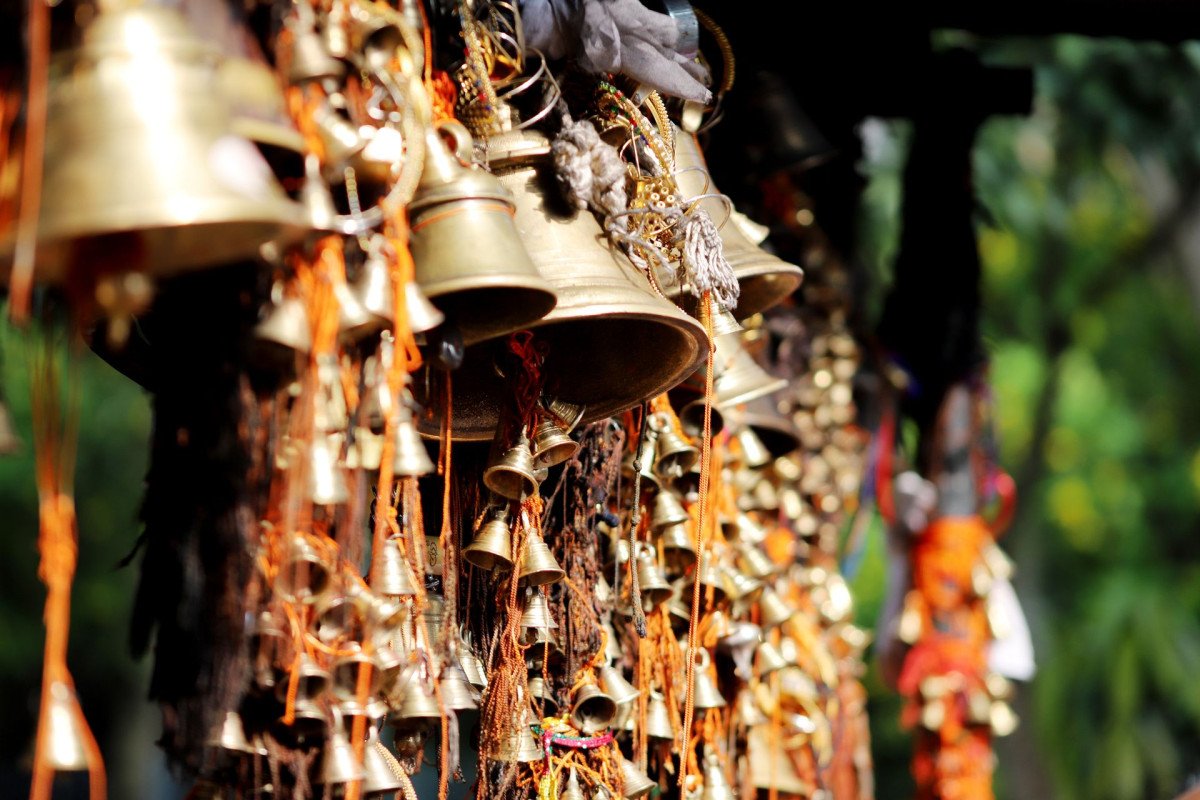
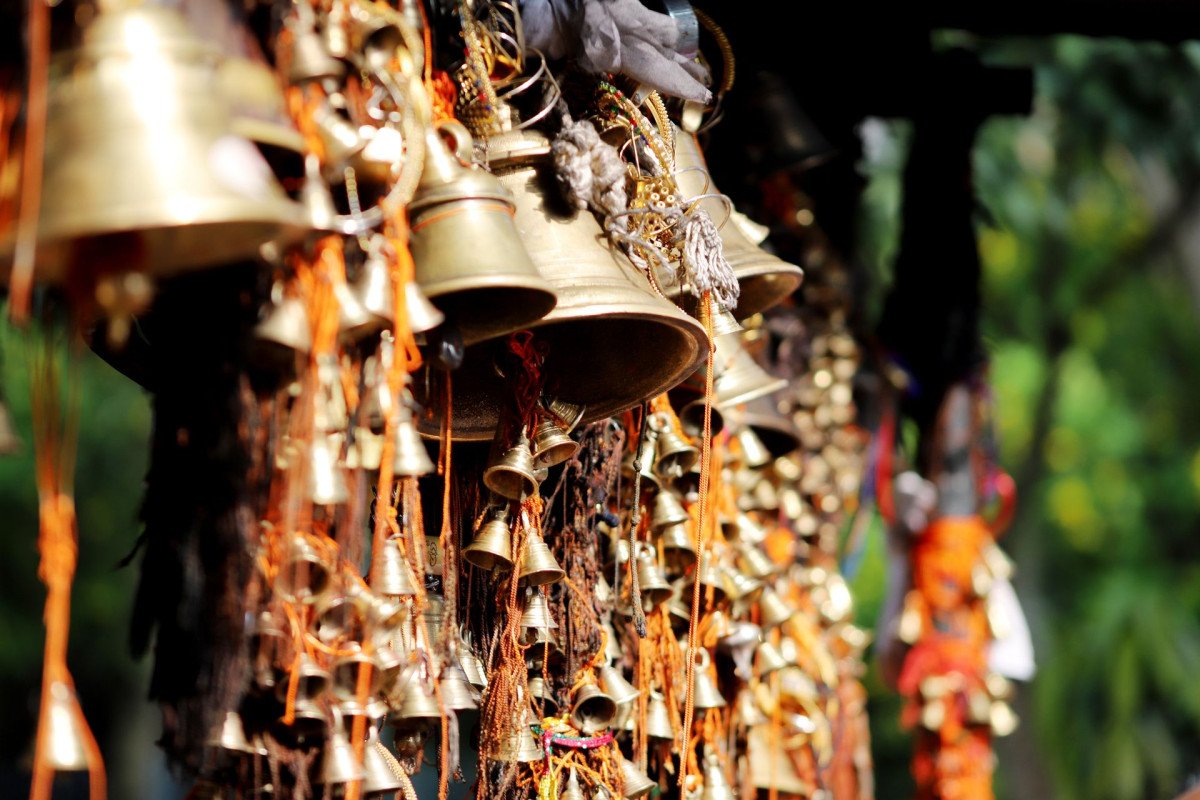
Koodal Azhagar Temple
General information
-
Ideal Duration:
Short Duration: 1 to 2 hours (The temple is compact compared to Meenakshi Amman Temple, but the three-tiered shrine requires time).Place Type:
Hindu Temple, Divya Desam, Historical Monument, VaEntry Fees:
Temple Entry and Darshan: Entry to the Koodal Azhagar Temple is Free for all visitors. Like many major temples, there are usually two lines: a Free Darshan line (longer) and a Special Paid Darshan line (shorter), typically costing around INR 20 to INR 50 per person.Temple Entry and Darshan: Entry to the Koodal Azhagar Temple is Free for all visitors. Like many major temples, there are usually two lines: a Free Darshan line (longer) and a Special Paid Darshan line (shorter), typically costing around INR 20 to INR 50 per person.
Camera/Video Fees: There is a mandatory, nominal fee for bringing a still camera, generally around INR 50, and a higher charge for a video camera, often INR 100 or more. This fee must be paid to the counter before you take photos inside the complex.
Parking Charges: A small, mandatory parking fee (around INR 10 to 30) is charged for cars and two-wheelers in the designated parking area near the entrance, which is often managed by a local vendor or the temple trust.
Offering/Pooja Costs: The cost for performing a special offering (Archana), where a priest chants prayers with your name, is nominal, often ranging from INR 10 to 50. The cost for participating in more elaborate Poojas or ceremonies is higher.
Shoe/Locker Fees: A very small fee is charged for the safekeeping of footwear and personal bags at the designated counters near the entrance, which is highly recommended for security.Timing:
Regular Timings:
The temple operates on a split schedule: 6:30 AM to 12:00 PM in the morning and 4:00 PM to 7:30 PM or 9:00 PM in the evening. The exact closing time in the evening can vary. It is open seven days a week.
Read MoreRegular Timings:
The temple operates on a split schedule: 6:30 AM to 12:00 PM in the morning and 4:00 PM to 7:30 PM or 9:00 PM in the evening. The exact closing time in the evening can vary. It is open seven days a week.
Ideal Visit Time: The Ideal Visit Time is during the Early Morning slot (6:30 AM to 8:00 AM). This allows for a crowd-free, serene, and deeply spiritual visit during the initial temple rituals. The morning light is also perfect for viewing the Rajagopuram's colors. For a less hot experience, visit during the cooler months of October to March.
Festival Timings: During major festivals like Vaikunta Ekadasi (December-January) and Adi Brahmostavam (July-August), the temple will have extended hours, sometimes remaining open for the entire day, but will also be extremely crowded.Special Events:
Adi Brahmostavam: The most significant annual festival is the Adi Brahmostavam, a 10-day event celebrated in the Tamil month of Adi (July-August). It features elaborate ceremonial processions of the deity on various traditional mounts (Vahanams) around the city streets, dra...Adi Brahmostavam: The most significant annual festival is the Adi Brahmostavam, a 10-day event celebrated in the Tamil month of Adi (July-August). It features elaborate ceremonial processions of the deity on various traditional mounts (Vahanams) around the city streets, drawing thousands of devotees.
Vaikunta Ekadasi: This major Vaishnavite festival, celebrated in the month of Margazhi (December-January), is observed with great fervor. The ritualistic opening of the Paramapada Vaasal (Gate to Heaven) is the central event, attracting a massive crowd who believe passing through the gate grants salvation.
Panguni Uthiram: A significant religious event that takes place in the Tamil month of Panguni (March-April). It is associated with the celestial marriage of the deities and is marked by colorful processions and special Poojas.
Navaratri Festival: The nine-night festival of Navaratri (September-October) is celebrated with special decorations (Kolus) in the consort's shrine (Madhuravalli) and various cultural performances.Best Photo Spots:
The Majestic Rajagopuram: The five-tiered Rajagopuram at the entrance, captured from a slightly lower angle, makes for a monumental and colorful photograph, showcasing the detailed stucco figures.
The Top Tier View: The view from the top tie...The Majestic Rajagopuram: The five-tiered Rajagopuram at the entrance, captured from a slightly lower angle, makes for a monumental and colorful photograph, showcasing the detailed stucco figures.
The Top Tier View: The view from the top tier (where the reclining Vishnu is) offers a rare photo spot, allowing you to capture the architectural roof structure and the intricate work on the Vimana from an elevated, close-up perspective.
The Inner Prakaram Symmetry: Use the symmetry of the inner corridors and the lines of the granite pillars to create compelling, deep, and patterned architectural shots, especially in the early morning light.
The Temple Tank Reflection: The reflection of the temple's smaller shrines and towers in the water of the nearby temple tank (Hema Pushkarani) provides a beautiful, symmetrical, and serene photo opportunity.
The Deity's Golden Kavacham: If permitted, a close-up (without flash) of the main deity decorated in his golden armor (Kavacham) provides a vibrant and spiritually rich photograph of the idol's adornment.
The Sculpted Pillars: The pillars in the inner halls, with their detailed carvings, are excellent subjects for artistic, textured, black-and-white, or close-up detail photography.
The Morning Oil Lamps: Photographing the rows of traditional oil lamps lit during the early morning Pooja against the stone walls creates a warm, atmospheric, and devotional image.Photo Gallery
Things To Do
-
Complete the Three-Tiered Darshan: Ensure you climb the steps to all three tiers of the main shrine to worship Lord Koodal Azhagar in his standing, sitting, and reclining postures, which is the unique spiritual requirement of the visit.
Admire the Rajagopuram: Spend time at the entrance admiring the detailed, five-tiered Rajagopuram and the colorful stucco figures adorning it.
Observe the Dwajasthambam Mandapam: Examine the architectural details of the Dwajasthambam Mandapam (flagstaff hall) built by the Nayaka kings.
Walk the Prakarams (Corridors): Take a quiet walk through the granite-walled inner and outer corridors, noticing the subtle difference in the architectural styles contributed by the Pandya and Vijayanagara eras.
Attend ...Complete the Three-Tiered Darshan: Ensure you climb the steps to all three tiers of the main shrine to worship Lord Koodal Azhagar in his standing, sitting, and reclining postures, which is the unique spiritual requirement of the visit.
Admire the Rajagopuram: Spend time at the entrance admiring the detailed, five-tiered Rajagopuram and the colorful stucco figures adorning it.
Observe the Dwajasthambam Mandapam: Examine the architectural details of the Dwajasthambam Mandapam (flagstaff hall) built by the Nayaka kings.
Walk the Prakarams (Corridors): Take a quiet walk through the granite-walled inner and outer corridors, noticing the subtle difference in the architectural styles contributed by the Pandya and Vijayanagara eras.
Attend a Pooja Ceremony: Time your visit to coincide with one of the daily Pooja (worship) rituals, as the devotional music and ceremonial rites provide a deep cultural and spiritual experience.
Photography from the Top: (Where permitted) Take photos of the architectural elements and the surrounding city from the upper level of the Vimana for a unique perspective.
Read the Inscriptions: Look for the historical inscriptions on the walls that detail the donations and expansions made by the various royal dynasties throughout the temple's history.
Visit the Shrine of Madhuravalli: Pay homage to the consort of the main deity, Goddess Madhuravalli, in her dedicated shrine.
Try the Temple Dosa: Seek out the food stall within the premises to taste the famous, simple, and traditional temple Dosa.
Offer Gratitude: Perform the ritualistic act of offering prayer (Archana) to the deity, which involves submitting a list of names for a blessing.
Circumambulate the Shrine: Perform the ritual of Pradakshina (circumambulation) around the main shrine and the temple complex.
Shop for Religious Items: Purchase religious souvenirs, books, and devotional CDs from the shops outside the temple.
Use the Shoe Lockers: Utilize the locker facility for shoes and bags to ensure a hands-free and secure worship experience.
Witness the Flag-Hoisting: If visiting during a festival, try to witness the Dwajasthambam (flag hoisting) ceremony.
Find the Periyalvar Spot: Look for the subtle marking or shrine that commemorates the place where the Alvar saint Vishnuchitha received the divine vision.
Information
-
Why Famous:
Three Postures of Vishnu: The temple's singular fame comes from the rare distinction of housing the main deity, Lord Koodal Azhagar, in three distinct postures (standing, sitting, and reclining) within the same tower structure, making it a unique feature among Divya Desams a...Three Postures of Vishnu: The temple's singular fame comes from the rare distinction of housing the main deity, Lord Koodal Azhagar, in three distinct postures (standing, sitting, and reclining) within the same tower structure, making it a unique feature among Divya Desams and attracting Vaishnavite pilgrims from all over India.
Location in 'Koodal' (Madurai): Its very name, which incorporates the ancient name of Madurai (Koodal), signifies its historical and religious importance as the prime abode of Vishnu in the city, second only to the prominence of the Meenakshi Amman Temple (Shiva-Shakti).
Ancient Literary References: The mention of the temple and its deity in ancient Sangam literature, such as Silappatikaram, reinforces its fame as a temple whose history stretches back over two millennia, making it a profound symbol of South Indian cultural continuity.
The Alwars' Praise: Being a site of Mangalasasanam (praise) by the mystical Alvars, particularly Vishnuchitha (Periyalvar), secures its position as a major pilgrimage center of the Vaishnavite tradition. -
Architecture:
Dravidian and Vijayanagara Architecture: The temple exhibits the classic Dravidian style, characterized by its massive granite walls and towering gateway, with extensive sculptural artistry influenced by the Vijayanagara period.
The Five-Tiered ...Dravidian and Vijayanagara Architecture: The temple exhibits the classic Dravidian style, characterized by its massive granite walls and towering gateway, with extensive sculptural artistry influenced by the Vijayanagara period.
The Five-Tiered Rajagopuram Dimension: The temple complex is dominated by a majestic, five-tiered Rajagopuram (main gateway tower), which serves as the grand entrance. The tower is adorned with numerous stucco figures depicting scenes from the Hindu scriptures. The dimension of the gopuram is impressive, towering over the surrounding structures and giving the temple a monumental appearance.
The Three-Tiered Sanctum Structure: The most architecturally significant feature is the three-tiered construction of the main shrine (Vimana). The three levels house the deity in his three unique postures. The ground floor features Lord Azhagar in a sitting posture. The first floor houses the standing posture, and the second floor (accessible by steps) houses the reclining posture (AnantaSayanam). The Ashtaanga Vimana (the roof over the sanctum) is also a noteworthy architectural dimension.
Mandapams and Sculptures: The various pillared halls (Mandapams) feature detailed stone sculptures depicting mythological figures and events, typical of the rich sculptural tradition of South Indian temples. The granite walls enclose all the shrines, creating a fortified and sacred precinct. -
How To Reach:
By Air: The nearest airport is Madurai Airport (IXM), which is approximately 12 kms away. You can hire a pre-paid taxi or a ride-sharing service from the airport. The temple's location in the city center makes it a straightforward drive of about 20 to 30 minutes.
<...By Air: The nearest airport is Madurai Airport (IXM), which is approximately 12 kms away. You can hire a pre-paid taxi or a ride-sharing service from the airport. The temple's location in the city center makes it a straightforward drive of about 20 to 30 minutes.
By Train: The closest and most convenient access is from Madurai Junction (MDU) Railway Station, which is only about 1 to 1. 5 kms away. It's an easy 5-minute auto-rickshaw ride or a 15-minute walk from the station.
By Road: The temple is situated in the main city area, very close to the Periyar Bus Stand (the central bus terminus). You can easily take a local city bus to the Periyar area and walk to the temple on Koodal Alagar Perumal Koil Street.
By Local Transport: An auto-rickshaw is the most practical choice due to the temple's location in a slightly congested commercial area. Given the proximity to the bus stand and railway station, local transport is abundant and inexpensive. You can combine a visit here with the Meenakshi Amman Temple and the Kazimar Big Mosque due to their close distance. -
Weather and Best Time to Visit:
Different Types of Seasons: Winter (October to March) is the Best Time to Visit as the weather is cool and dry, making the entire experience, including the brief walks in the city center, very comfortable. Summer (April to June) is hot and should be avoided for extended per...Different Types of Seasons: Winter (October to March) is the Best Time to Visit as the weather is cool and dry, making the entire experience, including the brief walks in the city center, very comfortable. Summer (April to June) is hot and should be avoided for extended periods. Monsoon (July to September) is moderate, and the temple remains unaffected by the rain.
Different Parts of the Day: Early Morning (6:30 AM to 8:00 AM) is the best time for a peaceful Darshan and for climbing to the upper tiers. The evening hours are also good for the temple's illuminated ambiance, but the morning is less crowded. -
Near Tourist Places:
Meenakshi Amman Temple (1 KM), Kazimar Big Mosque (0. 5 KM), Thirumalai Nayakkar Palace (1. 5 KMs), Vandiyur Mariamman Teppakulam (4 KMs), Gandhi Memorial Museum (4 KMs), Madurai Junction (1 KM), Goripalayam Dargah (2 KMs), Saint Mary's Cathedral (1. 5 KMs), Eco Park (3 KMs), Vilachery Pottery Village (7 KMs).
Tourism Tips
-
Health & Safety:
Footwear: Footwear is strictly prohibited inside the complex; use the designated counter.
Steps: Be careful while climbing the high steps to the upper tiers of the main shrine.Health & Safety:
Footwear: Footwear is strictly prohibited inside the complex; use the designated counter.
Steps: Be careful while climbing the high steps to the upper tiers of the main shrine.
Hydration: Carry water as the stone floor can get hot in the midday sun.
Packing:
Modest Dress: Dress modestly out of respect; men often wear dhotis or pyjamas, and women wear sarees or churidars.
Camera Fee: Remember to pay the camera fee if you intend to take photos.
Accommodation:
City Center Stay: Staying in a hotel in the city center near Madurai Junction is the most convenient base for visiting this and other central temples.
Other Different Topics Heading:
Check Temple Schedule: Always confirm the exact opening/closing times and Pooja timings, as they are subject to change.
Respectful Behavior: Maintain silence and a reverent attitude inside the temple, especially near the main sanctum.
Combine Visit: The temple is very close to the Meenakshi Amman Temple and the Kazimar Big Mosque; plan a walking tour to cover all three.
Reviews
FAQs
Madurai Itineray And Cost:-
Koodal Azhagar Temple Tourism:-
Other Places In Madurai :-
Other States In India :-
Information about New and Updated Locations() of Tamil Nadu Has Been Added :-
Card subtitle
Note:-
Information provided here in good Faith and for reference only.
Near Places

Athisayam Water & Amusement Park
Some quick example text to build on the card title and make up the bulk of the card's content.
Go somewhere
Azhagar Kovil
Some quick example text to build on the card title and make up the bulk of the card's content.
Go somewhere
Gandhi Memorial Museum
Some quick example text to build on the card title and make up the bulk of the card's content.
Go somewhere
Kazimar Big Mosque
Some quick example text to build on the card title and make up the bulk of the card's content.
Go somewhere
Koodal Azhagar Temple
Some quick example text to build on the card title and make up the bulk of the card's content.
Go somewhere
Kutladampatti Falls
Some quick example text to build on the card title and make up the bulk of the card's content.
Go somewhere
Meenakshi Amman Temple
Some quick example text to build on the card title and make up the bulk of the card's content.
Go somewhere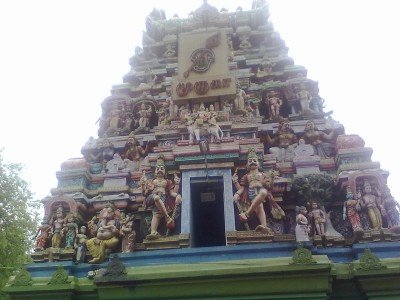
Pazhamudhircholai
Some quick example text to build on the card title and make up the bulk of the card's content.
Go somewhere
Puthu Mandapam
Some quick example text to build on the card title and make up the bulk of the card's content.
Go somewhere
Saint Mary's Cathedral
Some quick example text to build on the card title and make up the bulk of the card's content.
Go somewhere
Samanar Hills / Samanar Malai
Some quick example text to build on the card title and make up the bulk of the card's content.
Go somewhere
Thirumalai Nayakkar Mahal
Some quick example text to build on the card title and make up the bulk of the card's content.
Go somewhere
Thirupparankundram Murugan Temple
Some quick example text to build on the card title and make up the bulk of the card's content.
Go somewhere
Vaigai Dam
Some quick example text to build on the card title and make up the bulk of the card's content.
Go somewhere
Vandiyur Mariamman Teppakulam
Some quick example text to build on the card title and make up the bulk of the card's content.
Go somewherein Other Cities