
Puthu Mandapam
General information
-
Ideal Duration:
90 Minutes: (For detailed viewing and shopping)Place Type:
Historical Structure, Cultural Hub, BazaarEntry Fees:
General Entry: Entry to the Puthu Mandapam is Free of cost for all visitors. This is because, while historically a temple mandapam, it now operates primarily as a public, commercial marketplace.
Photography/Videography Fees: Typically, ther...General Entry: Entry to the Puthu Mandapam is Free of cost for all visitors. This is because, while historically a temple mandapam, it now operates primarily as a public, commercial marketplace.
Photography/Videography Fees: Typically, there are No Official Fees for general photography using mobile phones or standard cameras. However, as it is a working market and a religious site, visitors should be respectful and seek permission if taking close-up or prolonged shots of specific vendors or religious idols. Commercial or professional videography may require formal permits from the local authorities or the temple administration, which would involve a fee and a lengthy approval process.
Donations/Contributions: While not an entry fee, visitors are welcome to leave small monetary donations in the donation boxes located near any small shrines inside the mandapam, which contribute to the upkeep of the historic structure.
Parking Fees: Since it is located in a congested area opposite the main temple, vehicle parking in the immediate vicinity is often restricted, expensive, or non-existent, and is managed by local parking contractors with varying fees. Using auto-rickshaws or walking is highly advisable.Timing:
Regular Timings (Market): The shops in Puthu Mandapam are generally open from 9:00 AM to around 8:30 PM daily, seven days a week. The temple section and access to the pillars remain open during this time.
Ideal Visit Time (Best Experience):...Regular Timings (Market): The shops in Puthu Mandapam are generally open from 9:00 AM to around 8:30 PM daily, seven days a week. The temple section and access to the pillars remain open during this time.
Ideal Visit Time (Best Experience): The ideal time to visit is in the early morning (9:00 AM to 11:00 AM) or the late afternoon (4:00 PM to 6:00 PM). Early morning offers a quieter atmosphere to appreciate the architecture before the main crowds arrive and the market becomes fully active. Late afternoon offers the best light for photography, and the space is cooler. Avoid the midday heat and the lunch break time for the best comfort.
Festival Timings: During major festivals like the Chithirai Festival (April-May), the timings may extend late into the night, and the market stalls might be temporarily cleared or reduced to accommodate the ceremonial processions. Always check local notices during festival seasons. The hall can also be very crowded during weekends and public holidays.Special Events:
Chithirai Festival Processions: The Puthu Mandapam was originally built specifically to host key ceremonies of the annual Chithirai Festival, which typically takes place in the Tamil month of Chithirai (April-May). During this time, the deities of Lord Sundareswarar and God...Chithirai Festival Processions: The Puthu Mandapam was originally built specifically to host key ceremonies of the annual Chithirai Festival, which typically takes place in the Tamil month of Chithirai (April-May). During this time, the deities of Lord Sundareswarar and Goddess Meenakshi are brought from the main temple to this hall for the celestial wedding ceremony (Thirukalyanam) and other rituals, making it a central point of the most important religious event in Madurai.
Avani Moolam Festival: Another major festival, the Avani Moolam festival, also utilizes the mandapam for certain ritualistic processions and gatherings, usually held in the Tamil month of Avani (August-September). This festival celebrates the sixty-four sacred plays (Tiruvilaiyadal) of Lord Shiva, many of which are dramatically re-enacted. These festivals transform the commercial hall back into its original, sacred function, showcasing its spiritual importance.
Daily Temple Rituals: Throughout the year, although not a grand event, the Mandapam often serves as a stopover point for smaller daily or weekly processions from the main temple, reinforcing its role as a temple appendage. These special events underscore the structure's enduring religious significance that coexists with its commercial purpose.Best Photo Spots:
The Corridor of 124 Pillars: This is the primary photo spot, offering deep, dramatic perspectives due to the sheer number of intricately carved columns. The best shots capture the symmetry of the architecture combined with the activity of the shops, symbolizing the city's u...The Corridor of 124 Pillars: This is the primary photo spot, offering deep, dramatic perspectives due to the sheer number of intricately carved columns. The best shots capture the symmetry of the architecture combined with the activity of the shops, symbolizing the city's unique cultural fusion. Focus on the light and shadow play.
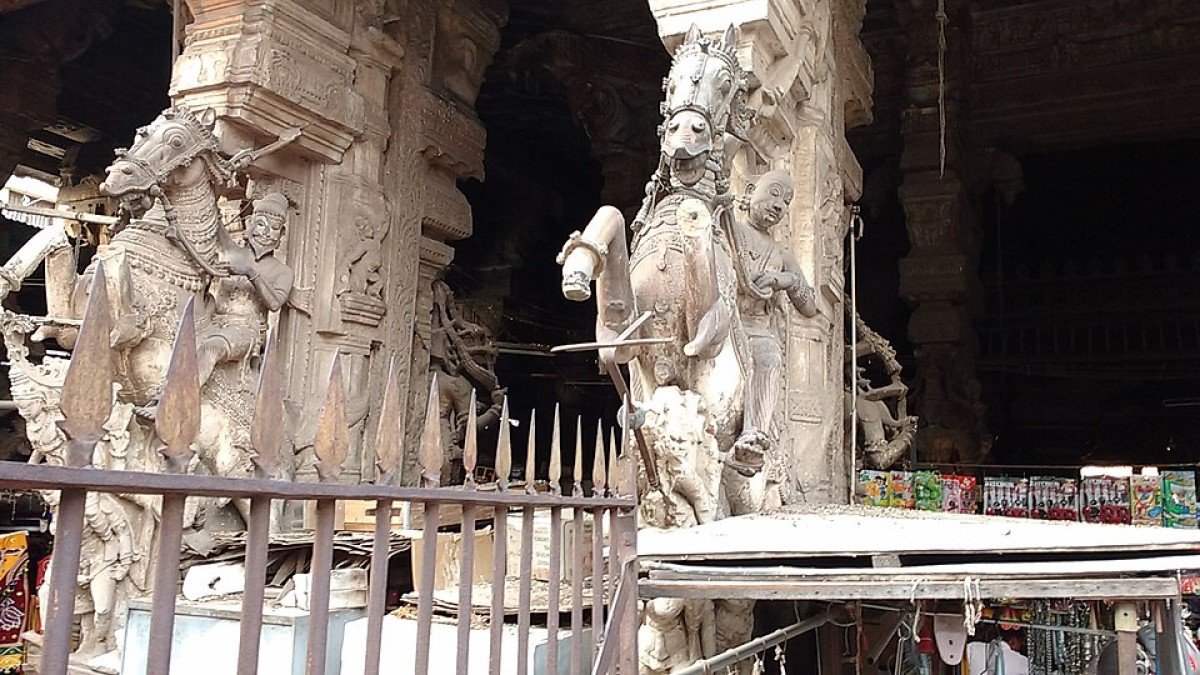
Royal Portraits in Stone: Get close-up shots of the detailed, life-size carvings of the Nayaka rulers, especially the depiction of King Thirumalai Nayakkar, to highlight the artistic and historical detail. Use a low angle to emphasize the height and regality of the figures.
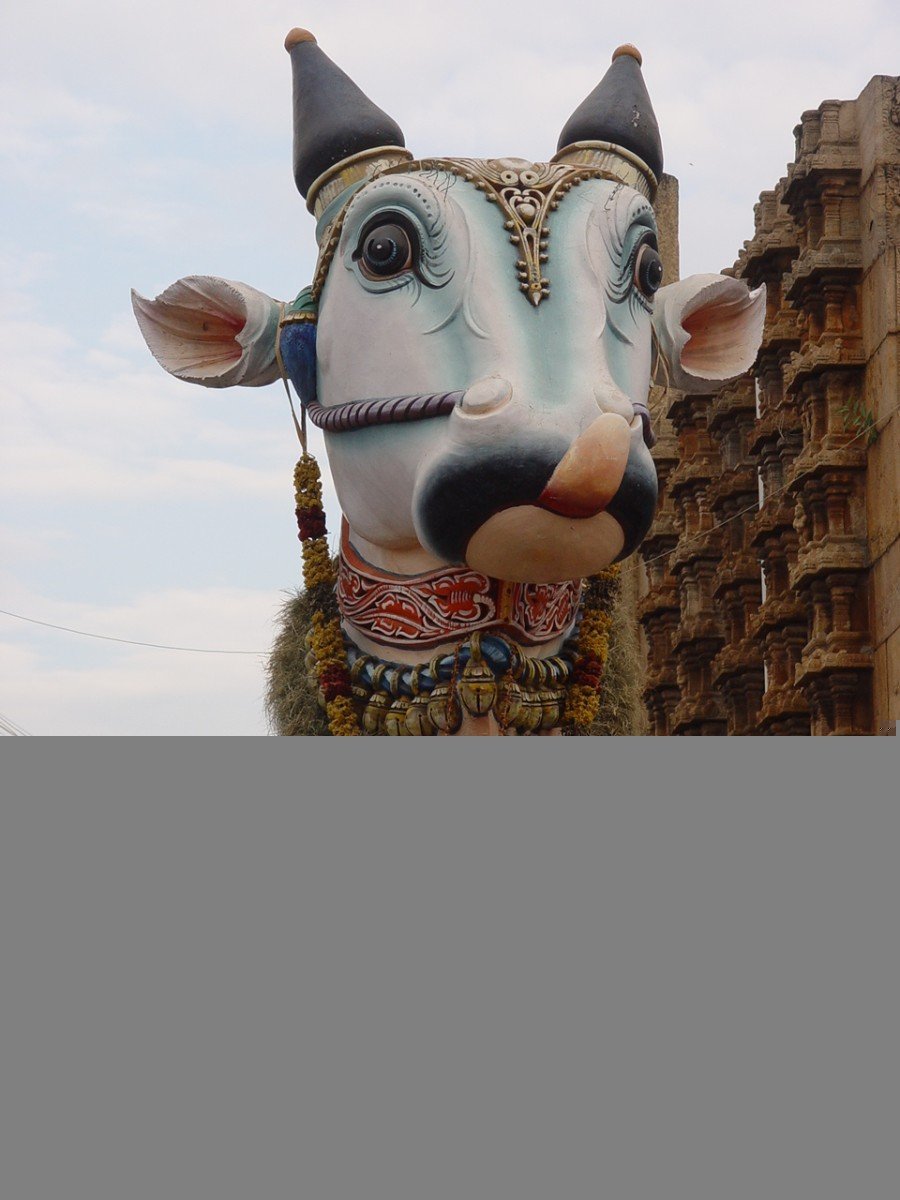
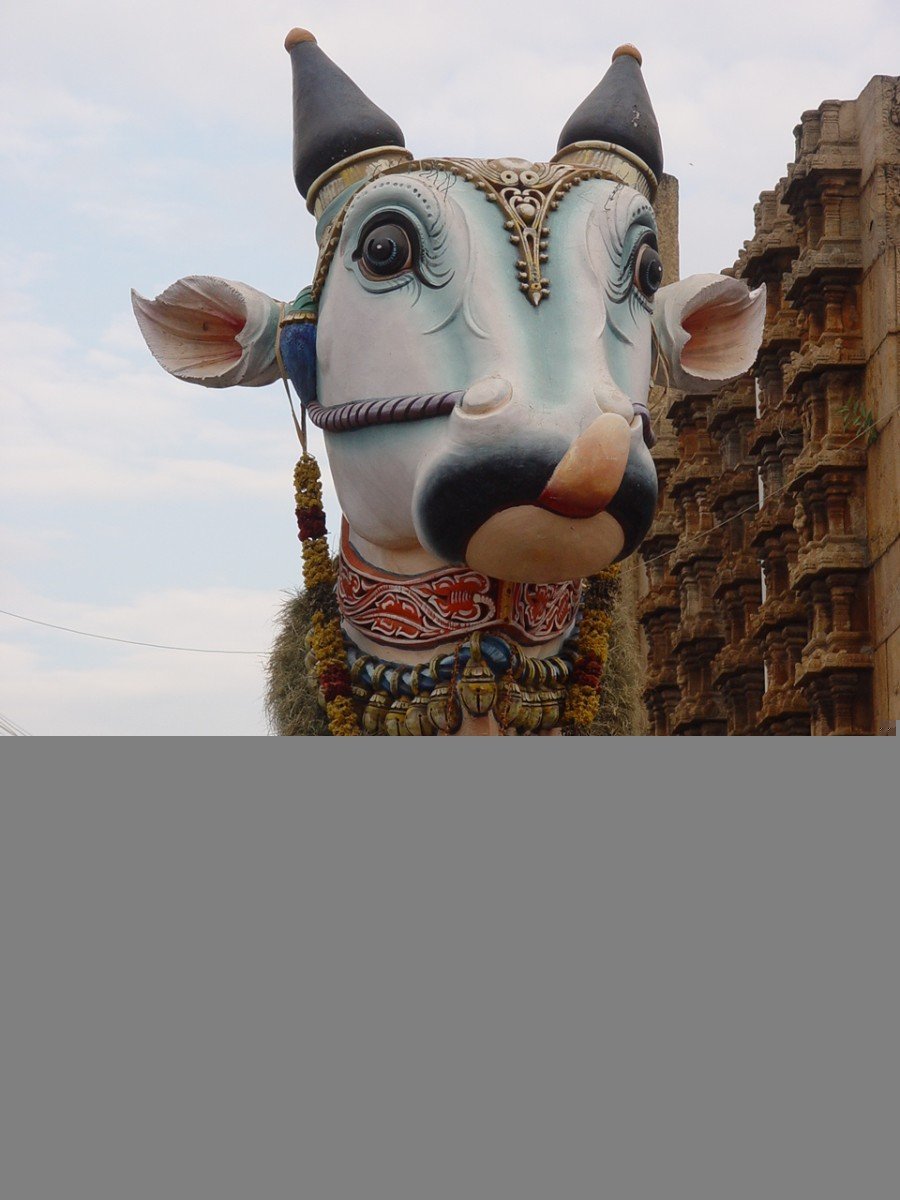
The Unfinished Gopuram and the Nandi: The view from the eastern entrance, looking towards the towering Meenakshi Temple gopuram with the base of the unfinished Puthu Mandapam gopuram in the foreground, offers a powerful juxtaposition of realized and unfulfilled grand visions. The large Nandi sculpture at the rear is another notable subject.
Capturing the Market Life: Candid photos of the shopkeepers working on their tailoring machines, the stacks of colorful cloth, the shine of brassware, and the interactions between buyers and sellers provide excellent photojournalistic opportunities. The challenge is to frame the human element within the grand architectural space, showing a living monument.Photo Gallery
Things To Do
-
Admiring the Nayak Sculptures: Devote several hours to slowly walk along the pillared aisles, meticulously studying the high-relief carvings. Focus on the central corridor's pillars, which depict the royal portraits, including the majestic image of Thirumalai Nayakkar himself. Look for the intricate scenes of the wedding of Meenakshi and Sundareswarar and the detailed mythological narratives. The sheer artistry in granite is worth deep contemplation, acting as a living, open-air art museum.
Shopping for Traditional Madurai Crafts: Engage with the local vendors, who are often skilled artisans themselves. The Puthu Mandapam is arguably the best place in Madurai to purchase authentic South Indian brass lamps (kuthu vilakku), tailor-made cotton and silk garments (Madurai Sungudi sarees are a specialty), fashion jewelry, books on ...Admiring the Nayak Sculptures: Devote several hours to slowly walk along the pillared aisles, meticulously studying the high-relief carvings. Focus on the central corridor's pillars, which depict the royal portraits, including the majestic image of Thirumalai Nayakkar himself. Look for the intricate scenes of the wedding of Meenakshi and Sundareswarar and the detailed mythological narratives. The sheer artistry in granite is worth deep contemplation, acting as a living, open-air art museum.
Shopping for Traditional Madurai Crafts: Engage with the local vendors, who are often skilled artisans themselves. The Puthu Mandapam is arguably the best place in Madurai to purchase authentic South Indian brass lamps (kuthu vilakku), tailor-made cotton and silk garments (Madurai Sungudi sarees are a specialty), fashion jewelry, books on Hinduism, and traditional musical instruments. Bargaining is common and expected here, so engage respectfully to secure a good price for unique souvenirs.
Experiencing the Urban Cultural Blend: Take a moment to sit and observe the unique atmosphere—a sacred monument transformed into a bustling commercial hub. The sounds of shopkeepers calling out, the clatter of tailoring machines, and the voices of pilgrims and tourists create a vibrant, chaotic symphony that is entirely unique to this part of Madurai. It's an immersive cultural experience that bridges ancient history with modern urban life.
Photography: Capture the dramatic perspective of the long, pillared hall. Focus on framing the shopkeepers and customers against the backdrop of the massive, carved pillars. The interplay of light and shadow, particularly in the mid-morning or late afternoon, offers excellent photographic opportunities to document the fusion of spirituality, commerce, and architecture.
Lunch or Snack at Nearby Eateries: Since the Mandapam is in the heart of the city, right next to the Meenakshi Temple, explore the renowned street food and traditional Tamil restaurants in the surrounding streets. Sample local favorites like Jigarthanda or authentic Madurai idli and dosa.
Witnessing Daily Life: Observe the local tailor shops and brassware polishing units within the mandapam. This provides a direct look into the traditional occupations that have thrived here for decades. It is fascinating to see skilled tailors working amidst centuries-old carvings.
Visiting the Meenakshi Temple: Since the Mandapam is adjacent to the eastern entrance of the Meenakshi Amman Temple, you can combine the visit. Use the Mandapam as a cool respite before or after navigating the larger temple complex.
Information
-
Why Famous:
A Grand Royal Pavilion and Sacred Ceremonial Venue: The mandapam's fame is rooted in its original, sacred function as the summer abode (Vasantha Mandapam) for the primary deities of the Meenakshi Temple. It was built for the annual Chithirai Festival, where the celestial ma...A Grand Royal Pavilion and Sacred Ceremonial Venue: The mandapam's fame is rooted in its original, sacred function as the summer abode (Vasantha Mandapam) for the primary deities of the Meenakshi Temple. It was built for the annual Chithirai Festival, where the celestial marriage and other important rituals took place. This royal patronage by Thirumalai Nayakkar cemented its status as a vital part of Madurai's spiritual geography, and it is known for its breathtaking concentration of detailed sculptures. The carvings provide an unparalleled visual record of the Nayaka royal lineage and Hindu mythology, serving as a public gallery of ancient art.
The World's Oldest Shopping Mall: Its unique transformation into a centuries-old covered market is a major draw. Today, it is a living, breathing bazaar where traditional arts, crafts, and clothing are sold, making it one of the most distinctive commercial centers globally. This dual identity—a sacred, historical monument that is also a vibrant, thriving marketplace—is what makes Puthu Mandapam a renowned place in Madurai and a cultural symbol of the city's continuity. It is famous because it merges the spirituality of the temple with the everyday life of the city, offering a singular experience of Madurai's past and present in one space. -
Architecture:
Dravidian Pillar Art and Stucco Work: Puthu Mandapam is a prime example of late Dravidian architecture, commissioned during the Nayaka period.
Dimension and Scale: The structure measures an impressive 330 feet in length and 105 feet in width...Dravidian Pillar Art and Stucco Work: Puthu Mandapam is a prime example of late Dravidian architecture, commissioned during the Nayaka period.
Dimension and Scale: The structure measures an impressive 330 feet in length and 105 feet in width. It stands on a raised platform, giving it a commanding presence.
Pillar Architecture and Carvings: The hall is supported by 124 pillars arranged in four rows. These pillars are the artistic highlight, featuring high-relief carvings that are essentially a visual history and mythology textbook. The most prominent carvings include depictions of the 14 Nayaka rulers and their consorts, scenes from the divine wedding of Meenakshi and Sundareswarar, and various episodes from Hindu scriptures. The pillars are highly ornate, showcasing the intricate detail of the period, including figures of Yalis (mythical lion-like creatures) and other mythological beasts.
Unfinished Gopuram: At the entrance, one can observe the base of an unfinished Raja Gopuram, or temple tower. Had this been completed, it would have been one of the tallest in the region, signifying the king's grand vision, which was never fully realized. The use of granite for the pillars and the expansive, open-hall design (mandapam style) demonstrates a focus on public ceremonial space. -
How To Reach:
By Air: The nearest airport is Madurai International Airport (IXM), located about 12 KMS from the city center. From the airport, one can hire a pre-paid taxi or an airport-authorized cab service directly to the Meenakshi Temple area. Travel time is around 30-45 minutes, de...By Air: The nearest airport is Madurai International Airport (IXM), located about 12 KMS from the city center. From the airport, one can hire a pre-paid taxi or an airport-authorized cab service directly to the Meenakshi Temple area. Travel time is around 30-45 minutes, depending on traffic.
By Train: The closest major rail hub is Madurai Junction Railway Station (MDU), which is extremely well-connected to all major Indian cities, including Chennai, New Delhi, Mumbai, and Kolkata. Puthu Mandapam is only about 2 KMS from the railway station. A brief auto-rickshaw ride (approximately 5-10 minutes) or a short walk (about 15-20 minutes) will take you directly to the location.
By Road: Madurai is efficiently connected by National Highways (NH 44, NH 38) and State Highways to all parts of Tamil Nadu and neighboring states. State-run SETC and private bus operators offer services to the Mattuthavani Integrated Bus Terminus or the Arapalayam Bus Stand. From any bus stand, a local bus, taxi, or auto-rickshaw can be taken to the Meenakshi Temple area. The Mandapam is right across the street from the temple.
By Local Transport: Being in the central commercial district, it is easiest to reach by auto-rickshaw or simply walking if you are already near the Meenakshi Temple. Ask the auto driver for "Pudhu Mandapam" or "Meenakshi Amman Temple East Gate. " Local town buses also stop nearby, making it highly accessible from any part of the city. -
Weather and Best Time to Visit:
Season-wise: Winter (October to March) is the absolute Best Time to Visit. The weather is cool and pleasant, ideal for walking and exploring both the Mandapam and the adjacent temple complex. Monsoon (June to September) brings occasional rains, which can dampen the market ...Season-wise: Winter (October to March) is the absolute Best Time to Visit. The weather is cool and pleasant, ideal for walking and exploring both the Mandapam and the adjacent temple complex. Monsoon (June to September) brings occasional rains, which can dampen the market activity but make the atmosphere cleaner and the temperatures lower. Summer (April to June) is the Least Recommended Time due to intense heat (temperatures often exceeding 35°C), making daytime visits uncomfortable, though the interior of the Mandapam is naturally cooler.
Part of the Day-wise: Morning (9 AM - 12 PM) is best for photography and viewing the sculptures before the market reaches its peak chaos. Late Afternoon (4 PM - 7 PM) is excellent for shopping and experiencing the full, bustling atmosphere of the market, which is also cooler than midday. Avoid the midday (12 PM - 3 PM) for physical comfort. Visiting during the Chithirai Festival (April-May) offers a spectacular cultural experience, but expect massive crowds. -
Near Tourist Places:
Meenakshi Amman Temple:
(Adjacent/Opposite) Thirumalai Nayakkar Mahal: (Approx. 1.
5 KMS) Vandiyur Mariamman Teppakulam: (Approx.
4 KMS) Koodal Azhagar Temple: (Approx.
2 KMS) Kazimar Big Mosque: (Approx.
2 KMS) Gandhi Memorial Museum: (Approx.
5 KMS) Madurai Railway Junction: (Approx.
2 KMS) Alagar Koyil: (Approx.
21 KMS) Vaigai River Bank: (Approx. 1 KMS) St.
Mary's Cathedral: (Approx. 2. 5 KMS)
Tourism Tips
-
Health & Safety: Be highly vigilant of your personal belongings, especially wallets and cameras, as the market is extremely crowded. Avoid carrying large amounts of cash. While generally safe, the crowds make it a prime location for petty theft. Stay hydrated, particularl...Health & Safety: Be highly vigilant of your personal belongings, especially wallets and cameras, as the market is extremely crowded. Avoid carrying large amounts of cash. While generally safe, the crowds make it a prime location for petty theft. Stay hydrated, particularly during the hot summer and monsoon months, by purchasing bottled water from reputable vendors.
Packing: Wear light, breathable cotton clothing suitable for the hot and humid climate. Comfortable walking shoes are essential. Carry a small bag for purchases. As it is adjacent to a major temple, it is respectful to wear modest clothing that covers the shoulders and knees, though the Mandapam market itself is less strict than the temple interior.
Accommodation: The best accommodations are available in the Madurai Main area, close to the railway station and the Meenakshi Temple. Budget guesthouses, mid-range hotels, and a few heritage-style options are available. Booking well in advance, especially during the peak winter season and festival periods (April/May), is strongly recommended.
Bargaining and Commerce: Bargaining is an integral part of the shopping experience here, so negotiate prices politely but firmly. Be cautious when buying items requiring quality checks, like brassware or gold jewelry, and ensure you have verified the price. Always agree on the auto-rickshaw fare before starting the journey.
Reviews
FAQs
Madurai Itineray And Cost:-
Other Places In Madurai :-
Other States In India :-
Information about New and Updated Locations() of Tamil Nadu Has Been Added :-
Card subtitle
Note:-
Information provided here in good Faith and for reference only.
Near Places

Athisayam Water & Amusement Park
Some quick example text to build on the card title and make up the bulk of the card's content.
Go somewhere
Azhagar Kovil
Some quick example text to build on the card title and make up the bulk of the card's content.
Go somewhere
Gandhi Memorial Museum
Some quick example text to build on the card title and make up the bulk of the card's content.
Go somewhere
Kazimar Big Mosque
Some quick example text to build on the card title and make up the bulk of the card's content.
Go somewhere
Koodal Azhagar Temple
Some quick example text to build on the card title and make up the bulk of the card's content.
Go somewhere
Kutladampatti Falls
Some quick example text to build on the card title and make up the bulk of the card's content.
Go somewhere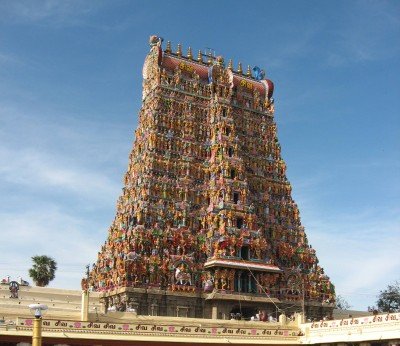
Meenakshi Amman Temple
Some quick example text to build on the card title and make up the bulk of the card's content.
Go somewhere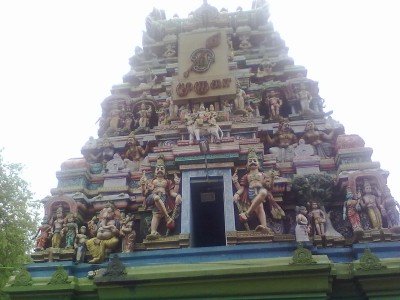
Pazhamudhircholai
Some quick example text to build on the card title and make up the bulk of the card's content.
Go somewhere
Puthu Mandapam
Some quick example text to build on the card title and make up the bulk of the card's content.
Go somewhere
Saint Mary's Cathedral
Some quick example text to build on the card title and make up the bulk of the card's content.
Go somewhere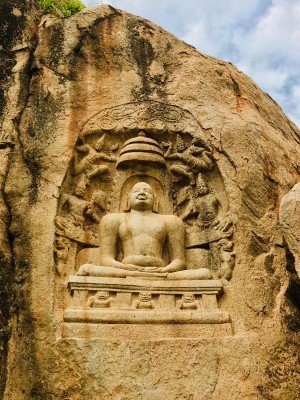
Samanar Hills / Samanar Malai
Some quick example text to build on the card title and make up the bulk of the card's content.
Go somewhere
Thirumalai Nayakkar Mahal
Some quick example text to build on the card title and make up the bulk of the card's content.
Go somewhere
Thirupparankundram Murugan Temple
Some quick example text to build on the card title and make up the bulk of the card's content.
Go somewhere
Vaigai Dam
Some quick example text to build on the card title and make up the bulk of the card's content.
Go somewhere
Vandiyur Mariamman Teppakulam
Some quick example text to build on the card title and make up the bulk of the card's content.
Go somewherein Other Cities