

Kumarakom
General information
-
Ideal Duration:
Duration:
2 to 3 Days:Place Type:
Category:
Backwaters and Nature:Entry Fees:
Bird Sanctuary: The entry fee for the bird sanctuary is around 50 for Indians and 150 for foreigners. Cameras might have a separate small charge depending on the equipment. It is very affordable for a nature excursion.
Museum: The Bay Isla...Bird Sanctuary: The entry fee for the bird sanctuary is around 50 for Indians and 150 for foreigners. Cameras might have a separate small charge depending on the equipment. It is very affordable for a nature excursion.
Museum: The Bay Island Driftwood Museum has a nominal entry fee of approximately 50 to 100. This helps in the maintenance of the unique art pieces on display. Children often get discounted rates for entry.Timing:
Regular Timings: Most attractions like the bird sanctuary are open from 6:00 AM to 6:00 PM daily. The driftwood museum usually operates from 10:00 AM to 5:00 PM and may be closed on Mondays. Houseboats are available for day trips or overnight stays.
Read MoreRegular Timings: Most attractions like the bird sanctuary are open from 6:00 AM to 6:00 PM daily. The driftwood museum usually operates from 10:00 AM to 5:00 PM and may be closed on Mondays. Houseboats are available for day trips or overnight stays.
Visit Time: The best time to visit is during the early morning for bird watching or late afternoon for cruises. The morning air is fresh and the light is soft for photography. Evening cruises are ideal to witness the sunset over the lake.Special Events:
Snake Boat Race: The Aranmula Boat Race and other local regattas are held during the Onam festival in August or September. These races feature long wooden boats manned by over a hundred rowers. It is a high-energy event with traditional songs and massive crowds.Snake Boat Race: The Aranmula Boat Race and other local regattas are held during the Onam festival in August or September. These races feature long wooden boats manned by over a hundred rowers. It is a high-energy event with traditional songs and massive crowds.
Vaikathashtami: This is a major festival at the Vaikom Mahadeva Temple near Kumarakom. It involves grand processions of decorated elephants and traditional music performances. The festival lasts for twelve days and attracts many devotees.Best Photo Spots:
Lake Sunsets: The banks of Vembanad Lake offer stunning views of the sunset over the water. The orange sky reflecting on the backwaters creates a magical frame for photography. Many houseboats have open decks perfect for capturing this moment.
...Lake Sunsets: The banks of Vembanad Lake offer stunning views of the sunset over the water. The orange sky reflecting on the backwaters creates a magical frame for photography. Many houseboats have open decks perfect for capturing this moment.
Sanctuary Trails: The wooden walkways inside the bird sanctuary provide a lush green backdrop for photos. You can capture the sunlight filtering through the trees and the various birds in their habitat. It is best to use a zoom lens for bird shots.
Paddy Fields: The vast green paddy fields of the Kuttanad region are extremely photogenic. The contrast between the green crops and the blue sky is striking during the day. Locals working in the fields add a human element to your pictures.Photo Gallery
Things To Do
 @@The Marvel of Mango Meadows: Mango Meadows Agricultural Theme Park is a unique and pioneering destination located in Kaduthuruthy, near Kumarakom. Spread across a sprawling 30 acres of lush land, it holds the prestigious title of being the world's first agricultural theme park. This park is a testament to the vision of its founder, N.K. Kurian, who spent over two decades transforming this space into a biodiversity hotspot. It is home to more than 4,800 species of plants, including rare medicinal herbs, fruit-bearing trees, and exotic flowers. The park is designed to educate visitors about the importance of agriculture and nature conservation while providing a fun-filled environment. As you enter the park, you are greeted by a dense canopy of trees that immediately lowers the ambient temperature, providing a refreshing escape from the tropical heat. The park features various sections such as the Eden Garden, the Nakshatra Vriksha (star trees) junction, and a dedicated vegetable farm. It is not just a garden; it is a living museum of Kerala's rich botanical heritage. The park also focuses on sustainable practices and showcases traditional farming methods alongside modern ecological balance. Families love this place because it offers a wholesome experience that combines leisure with learning. Children can see how food is grown, interact with domestic animals at the farm, and understand the delicate balance of the ecosystem. The park also features several man-made water bodies and canals, adding to its aesthetic appeal. For those seeking relaxation, there are peaceful corners under ancient trees where one can sit and listen to the symphony of birds. The resort within the park allows guests to stay in eco-friendly cottages, providing a complete immersion into the agricultural lifestyle. The park has received numerous awards for its contribution to eco-tourism and environmental protection. It serves as a model for how tourism can be integrated with nature without causing harm. Every corner of Mango Meadows tells a story of passion and dedication toward the earth. It is a place where one can truly reconnect with their roots and appreciate the bounty of nature in a beautifully curated setting.
The Kavanattinkara Boat Jetty serves as a vital artery for the tourism landscape of Kumarakom, providing the primary boarding point for those looking to explore the vast expanse of the Vembanad Lake. Located near the entrance of the Kumarakom Bird Sanctuary, this jetty is a bustling hub where traditional houseboats, known as kettuvallams, and modern motorboats dock to pick up eager travelers. The area surrounding the jetty is characterized by the typical Kerala riverside charm, with tall coconut palms leaning over the water and small local shops selling snacks and handicrafts. For many visitors, their journey into the heart of the Kerala backwaters begins right here, as they step onto the wooden decks of their chosen vessel. The water here is relatively calm, reflecting the clear blue sky or the golden hues of the setting sun, making it an inviting sight for anyone seeking tranquility. The jetty is well-maintained and serves as a major coordination point for various boat operators and tour guides who facilitate backwater cruises. Beyond its functional role, the jetty offers a glimpse into the local lifestyle, as you can often see fishermen preparing their nets or traditional canoes gliding past with daily supplies. It is a place that captures the essence of rural Kerala life, blending the needs of modern tourism with the timeless traditions of a water-bound community. The proximity to major resorts like Coconut Lagoon makes it extremely accessible for luxury travelers as well as backpackers.
The Kumarakom Bird Sanctuary, historically known as Baker's Estate, is an absolute delight for nature lovers and birdwatchers. Spread over 14 acres, this serene sanctuary sits right on the eastern banks of the majestic Vembanad Lake. It was established by George Alfred Baker, an English missionary, who developed it from a rubber plantation into a protected habitat for birds. The sanctuary is home to a wide variety of both resident and migratory birds. Key resident species include the waterfowl, cuckoo, owl, egret, heron, and the water duck. However, the biggest draw is the annual visit of migratory birds. During the peak migratory season, which runs from November to February, you can spot majestic flocks of birds that fly in from places as far as the Himalayas and Siberia. These winter visitors include the Siberian stork, darter, and teal. The sanctuary offers quiet, shady walkways and paths that meander through the dense mangrove forests, allowing visitors to quietly observe the avian species in their natural environment. A visit here is a peaceful and educational experience, showcasing the rich biodiversity of Kerala's backwaters. The blend of lush greenery, the sounds of birdsong, and the distant view of the lake makes it a truly therapeutic spot.
@@Deep Dive into Nalupank: The Nalupank Houseboat Terminal is a serene and somewhat rustic gateway to the famous backwaters of Kumarakom. Historically envisioned as a major hub for houseboats, it currently serves as a peaceful mooring point where travelers can witness the authentic lifestyle of the Kuttanad region. The area is characterized by a long, tiled walkway that stretches alongside the shimmering Vembanad Lake, offering uninterrupted views of the water. Unlike the busier jetties, Nalupank provides a more secluded atmosphere, making it a favorite for those who want to avoid the typical tourist rush. Visitors can watch the majestic Kettuvallams (traditional houseboats) glide slowly across the horizon while local fishermen cast their nets in the distance. The surrounding area is lush with coconut palms and tropical greenery, embodying the quintessential charm of rural Kerala. Although some of the planned infrastructure remains underutilized, the site has evolved into a popular spot for evening strolls and nature observation. The tranquility here is palpable, with the only sounds being the gentle lapping of waves and the distant calls of water birds. It is an excellent spot for those who appreciate the raw, unpolished beauty of the backwaters. The path is ideal for a leisurely walk, providing a 360-degree view of the vast lake expanse. Many tourists use this terminal as a starting point for customized private boat tours away from the crowded main docks. It represents the quiet side of Kumarakom, where time seems to slow down.
@@The Marvel of Mango Meadows: Mango Meadows Agricultural Theme Park is a unique and pioneering destination located in Kaduthuruthy, near Kumarakom. Spread across a sprawling 30 acres of lush land, it holds the prestigious title of being the world's first agricultural theme park. This park is a testament to the vision of its founder, N.K. Kurian, who spent over two decades transforming this space into a biodiversity hotspot. It is home to more than 4,800 species of plants, including rare medicinal herbs, fruit-bearing trees, and exotic flowers. The park is designed to educate visitors about the importance of agriculture and nature conservation while providing a fun-filled environment. As you enter the park, you are greeted by a dense canopy of trees that immediately lowers the ambient temperature, providing a refreshing escape from the tropical heat. The park features various sections such as the Eden Garden, the Nakshatra Vriksha (star trees) junction, and a dedicated vegetable farm. It is not just a garden; it is a living museum of Kerala's rich botanical heritage. The park also focuses on sustainable practices and showcases traditional farming methods alongside modern ecological balance. Families love this place because it offers a wholesome experience that combines leisure with learning. Children can see how food is grown, interact with domestic animals at the farm, and understand the delicate balance of the ecosystem. The park also features several man-made water bodies and canals, adding to its aesthetic appeal. For those seeking relaxation, there are peaceful corners under ancient trees where one can sit and listen to the symphony of birds. The resort within the park allows guests to stay in eco-friendly cottages, providing a complete immersion into the agricultural lifestyle. The park has received numerous awards for its contribution to eco-tourism and environmental protection. It serves as a model for how tourism can be integrated with nature without causing harm. Every corner of Mango Meadows tells a story of passion and dedication toward the earth. It is a place where one can truly reconnect with their roots and appreciate the bounty of nature in a beautifully curated setting.
The Kavanattinkara Boat Jetty serves as a vital artery for the tourism landscape of Kumarakom, providing the primary boarding point for those looking to explore the vast expanse of the Vembanad Lake. Located near the entrance of the Kumarakom Bird Sanctuary, this jetty is a bustling hub where traditional houseboats, known as kettuvallams, and modern motorboats dock to pick up eager travelers. The area surrounding the jetty is characterized by the typical Kerala riverside charm, with tall coconut palms leaning over the water and small local shops selling snacks and handicrafts. For many visitors, their journey into the heart of the Kerala backwaters begins right here, as they step onto the wooden decks of their chosen vessel. The water here is relatively calm, reflecting the clear blue sky or the golden hues of the setting sun, making it an inviting sight for anyone seeking tranquility. The jetty is well-maintained and serves as a major coordination point for various boat operators and tour guides who facilitate backwater cruises. Beyond its functional role, the jetty offers a glimpse into the local lifestyle, as you can often see fishermen preparing their nets or traditional canoes gliding past with daily supplies. It is a place that captures the essence of rural Kerala life, blending the needs of modern tourism with the timeless traditions of a water-bound community. The proximity to major resorts like Coconut Lagoon makes it extremely accessible for luxury travelers as well as backpackers.
The Kumarakom Bird Sanctuary, historically known as Baker's Estate, is an absolute delight for nature lovers and birdwatchers. Spread over 14 acres, this serene sanctuary sits right on the eastern banks of the majestic Vembanad Lake. It was established by George Alfred Baker, an English missionary, who developed it from a rubber plantation into a protected habitat for birds. The sanctuary is home to a wide variety of both resident and migratory birds. Key resident species include the waterfowl, cuckoo, owl, egret, heron, and the water duck. However, the biggest draw is the annual visit of migratory birds. During the peak migratory season, which runs from November to February, you can spot majestic flocks of birds that fly in from places as far as the Himalayas and Siberia. These winter visitors include the Siberian stork, darter, and teal. The sanctuary offers quiet, shady walkways and paths that meander through the dense mangrove forests, allowing visitors to quietly observe the avian species in their natural environment. A visit here is a peaceful and educational experience, showcasing the rich biodiversity of Kerala's backwaters. The blend of lush greenery, the sounds of birdsong, and the distant view of the lake makes it a truly therapeutic spot.
@@Deep Dive into Nalupank: The Nalupank Houseboat Terminal is a serene and somewhat rustic gateway to the famous backwaters of Kumarakom. Historically envisioned as a major hub for houseboats, it currently serves as a peaceful mooring point where travelers can witness the authentic lifestyle of the Kuttanad region. The area is characterized by a long, tiled walkway that stretches alongside the shimmering Vembanad Lake, offering uninterrupted views of the water. Unlike the busier jetties, Nalupank provides a more secluded atmosphere, making it a favorite for those who want to avoid the typical tourist rush. Visitors can watch the majestic Kettuvallams (traditional houseboats) glide slowly across the horizon while local fishermen cast their nets in the distance. The surrounding area is lush with coconut palms and tropical greenery, embodying the quintessential charm of rural Kerala. Although some of the planned infrastructure remains underutilized, the site has evolved into a popular spot for evening strolls and nature observation. The tranquility here is palpable, with the only sounds being the gentle lapping of waves and the distant calls of water birds. It is an excellent spot for those who appreciate the raw, unpolished beauty of the backwaters. The path is ideal for a leisurely walk, providing a 360-degree view of the vast lake expanse. Many tourists use this terminal as a starting point for customized private boat tours away from the crowded main docks. It represents the quiet side of Kumarakom, where time seems to slow down.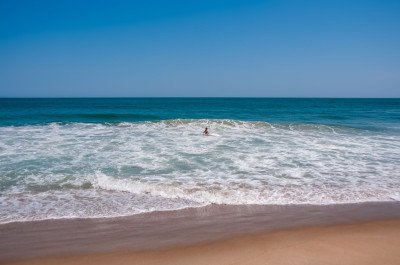 Kumarakom Beach is a unique destination because, unlike the typical salt-water ocean beaches of the Arabian Sea, this is a serene lakeside beach located on the banks of the Vembanad Lake. It offers a tranquil alternative to the crowded coastal beaches of Kerala, providing a peaceful environment where the gentle waves of the lake lap against golden sands. The beach is surrounded by lush greenery, including swaying coconut palms and dense mangroves, which create a tropical paradise atmosphere. It is an ideal spot for those who want to enjoy the sun and sand without the harsh salt spray and heavy tides. The water here is relatively shallow and calm, making it a safe place for a leisurely dip or for children to play. Visitors can often see local fishermen pulling in their nets or traditionally dressed women collecting shells. The beach area has been developed with small walkways and seating areas, allowing tourists to sit and enjoy the panoramic views of the lake. In the distance, one can see the silhouettes of houseboats and sails of small fishing boats crossing the water. The beach is also a popular spot for yoga and meditation, as the sound of the lake water and the rustle of the palm leaves provide a natural meditative soundtrack. During the evenings, the beach becomes a hub for locals and tourists alike who come to witness the spectacular sunsets that paint the sky in shades of orange, purple, and gold. Several lakeside resorts have private sections of the beach, but there are also public areas accessible to everyone. It is a place that combines the best of a beach vacation with the quiet charm of the backwaters, making it a must-visit spot in Kumarakom.
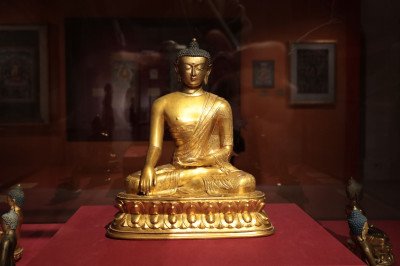 The Kumarakom Craft Museum, also known as the Travancore Heritage Museum, is a cultural treasure trove located in the heart of Kerala’s backwater paradise. This museum is dedicated to preserving the rich artistic legacy of the region, showcasing a vast array of antique items that range from household utensils to sacred figurines. Visitors can explore a world where history comes alive through meticulously preserved artifacts that once defined the daily lives of the local population. The museum serves as a bridge between the past and the present, offering an educational journey for those interested in the evolution of Kerala’s unique craftsmanship. From intricate wood carvings to rare paintings, every corner of the museum tells a story of skill and tradition. The collection includes a diverse range of items like traditional jewelry, weapons, and even handcrafted Kathakali masks. One of the most striking exhibits is a landscape painting created entirely with strands of hay on a black cloth, demonstrating the incredible ingenuity of local artists. The museum is not just a place for viewing; it is an immersive experience where knowledgeable guides like Ms. Urvashi provide detailed explanations, making the visit truly enriching. For anyone visiting Kumarakom, this museum is a must-visit destination to understand the soul of Kerala’s heritage. It stands as a testament to the enduring spirit of the craftsmen who have shaped the cultural identity of this beautiful coastal state.
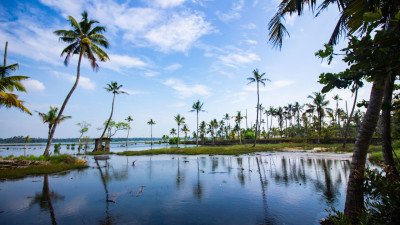 The Kumarakom Lake Resort Area represents the luxurious side of Kerala’s backwater tourism. Set on a sprawling 25-acre estate, this area is home to one of India’s most acclaimed luxury resorts, famous for its heritage architecture and world-class amenities. This is the place where global celebrities and discerning travelers come to seek privacy and peace. The area is characterized by beautifully manicured gardens, winding swimming pools that resemble natural canals, and villas that are reconstructed from 16th-century traditional Kerala homesteads known as "Illums." Even if you are not staying at the resort, the surrounding area is a delight to explore, with quiet lanes lined with palm trees and glimpses of the lake at every turn. The resort area is famous for its fine dining options like Ettukettu, a multi-cuisine restaurant housed in an eight-sided mansion, and Vembanad, the seafood bar that offers stunning views of the sunset. The atmosphere here is one of refined elegance, blending the rustic charm of a village with the comfort of a five-star retreat. It is a hub for wellness, featuring the famous Ayurmana spa where traditional Ayurvedic treatments are practiced. The resort also plays a significant role in promoting local culture by organizing evening performances of Kathakali and Mohiniyattam. Exploring this area gives you a sense of how traditional aesthetics can be preserved in a modern luxury setting. It is often cited as one of the most romantic destinations in India, making it a popular choice for destination weddings and honeymoons. The area is a perfect example of how tourism can be integrated with nature without losing the essence of the local heritage.Show All
The Thanneermukkom Bund is a massive engineering marvel constructed across the Vembanad Lake, the largest lake in Kerala. Built in 1974 and fully operational by 1976, it serves as a functional bridge and a salt water regulator to protect the low-lying Kuttanad paddy fields from saline intrusion. This barrier effectively divides the lake into two distinct zones: a freshwater side fed by rivers and a brackish water side influenced by the Arabian Sea. This unique separation has allowed farmers in the "Rice Bowl of Kerala" to cultivate multiple crops annually, significantly boosting the local economy. Beyond its agricultural utility, the bund has become a popular tourist attraction due to its scenic location. Visitors are treated to breathtaking views of the vast water expanse, dotted with traditional Kettuvallam houseboats and local fishermen casting their nets. The structure connects the villages of Thanneermukkom in Alappuzha and Vechoor in Kottayam, making it a vital transport link. The atmosphere here is peaceful, with cool breezes blowing across the lake, making it an ideal spot for a leisurely stroll or a sunset drive. The sight of the massive regulator shutters, which are opened during the monsoon to prevent flooding, is an impressive display of hydraulic engineering. Environmentalists often study this area to understand the impact of the barrier on the local aquatic ecosystem, as it is a major landmark within the Ramsar wetland site. Whether you are interested in modern engineering, agriculture, or simply looking for a quiet spot to admire Kerala's backwater beauty, the bund offers a unique and insightful experience. :
The Kumarakom Lake Resort Area represents the luxurious side of Kerala’s backwater tourism. Set on a sprawling 25-acre estate, this area is home to one of India’s most acclaimed luxury resorts, famous for its heritage architecture and world-class amenities. This is the place where global celebrities and discerning travelers come to seek privacy and peace. The area is characterized by beautifully manicured gardens, winding swimming pools that resemble natural canals, and villas that are reconstructed from 16th-century traditional Kerala homesteads known as "Illums." Even if you are not staying at the resort, the surrounding area is a delight to explore, with quiet lanes lined with palm trees and glimpses of the lake at every turn. The resort area is famous for its fine dining options like Ettukettu, a multi-cuisine restaurant housed in an eight-sided mansion, and Vembanad, the seafood bar that offers stunning views of the sunset. The atmosphere here is one of refined elegance, blending the rustic charm of a village with the comfort of a five-star retreat. It is a hub for wellness, featuring the famous Ayurmana spa where traditional Ayurvedic treatments are practiced. The resort also plays a significant role in promoting local culture by organizing evening performances of Kathakali and Mohiniyattam. Exploring this area gives you a sense of how traditional aesthetics can be preserved in a modern luxury setting. It is often cited as one of the most romantic destinations in India, making it a popular choice for destination weddings and honeymoons. The area is a perfect example of how tourism can be integrated with nature without losing the essence of the local heritage.Show All
The Thanneermukkom Bund is a massive engineering marvel constructed across the Vembanad Lake, the largest lake in Kerala. Built in 1974 and fully operational by 1976, it serves as a functional bridge and a salt water regulator to protect the low-lying Kuttanad paddy fields from saline intrusion. This barrier effectively divides the lake into two distinct zones: a freshwater side fed by rivers and a brackish water side influenced by the Arabian Sea. This unique separation has allowed farmers in the "Rice Bowl of Kerala" to cultivate multiple crops annually, significantly boosting the local economy. Beyond its agricultural utility, the bund has become a popular tourist attraction due to its scenic location. Visitors are treated to breathtaking views of the vast water expanse, dotted with traditional Kettuvallam houseboats and local fishermen casting their nets. The structure connects the villages of Thanneermukkom in Alappuzha and Vechoor in Kottayam, making it a vital transport link. The atmosphere here is peaceful, with cool breezes blowing across the lake, making it an ideal spot for a leisurely stroll or a sunset drive. The sight of the massive regulator shutters, which are opened during the monsoon to prevent flooding, is an impressive display of hydraulic engineering. Environmentalists often study this area to understand the impact of the barrier on the local aquatic ecosystem, as it is a major landmark within the Ramsar wetland site. Whether you are interested in modern engineering, agriculture, or simply looking for a quiet spot to admire Kerala's backwater beauty, the bund offers a unique and insightful experience. :Information
-
Why Famous:
Backwater Charm: Kumarakom is globally famous for its serene backwaters and the Vembanad Lake. It is one of the few places where you can experience a peaceful houseboat cruise away from the crowd. The beauty of the palm-fringed canals attracts thousands of international to...Backwater Charm: Kumarakom is globally famous for its serene backwaters and the Vembanad Lake. It is one of the few places where you can experience a peaceful houseboat cruise away from the crowd. The beauty of the palm-fringed canals attracts thousands of international tourists every year. It has been recognized as one of the top 50 destinations of a lifetime by National Geographic.
Village Life: The destination is famous for its authentic rural Kerala experience and hospitality. Visitors can see local fishing methods and the traditional way of life in the riverside villages. The region is also a hub for Ayurvedic treatments and wellness retreats. Many world-class resorts here offer specialized massages and healing therapies. -
Architecture:
Traditional Style: The architecture in Kumarakom reflects the traditional Kerala style known as Nalukettu. This style features a central courtyard that allows for natural light and ventilation throughout the building. Most luxury resorts and homestays here follow this anci...Traditional Style: The architecture in Kumarakom reflects the traditional Kerala style known as Nalukettu. This style features a central courtyard that allows for natural light and ventilation throughout the building. Most luxury resorts and homestays here follow this ancient design to provide an authentic experience. The use of teak wood, rosewood, and clay tiles is very common in these structures. These buildings are designed to blend seamlessly with the surrounding water and greenery.
Dimensions: A typical traditional house covers an area of roughly 2,000 to 4,000 square feet depending on the owner's status. The central courtyard or Nadumuttam usually measures about 10 by 10 feet in smaller homes. Roofs are steeply pitched to handle the heavy Kerala monsoons and are often covered with terracotta tiles. The height of the ceilings is generally kept high to maintain a cool indoor temperature. Carved wooden pillars are a staple of the porch area. -
How To Reach:
By Air: The nearest airport is Cochin International Airport, which is about 85 Kms away. From the airport, you can hire a taxi or take a bus to reach Kumarakom. The drive takes about two hours through scenic roads.
By Train: Kottayam Railw...By Air: The nearest airport is Cochin International Airport, which is about 85 Kms away. From the airport, you can hire a taxi or take a bus to reach Kumarakom. The drive takes about two hours through scenic roads.
By Train: Kottayam Railway Station is the nearest major railhead located 16 Kms away. It is well-connected to major cities like Kochi, Trivandrum, and Bangalore. Taxis and auto-rickshaws are easily available outside the station.
By Road: Kumarakom is well-connected by state highways and private bus services. You can drive from Kochi or Alappuzha via the scenic AC Road. The roads are generally in good condition and offer great views.
Local Transport: Auto-rickshaws and taxis are the most common ways to get around the village. For a more local experience, you can use the public ferry services to cross the lake. Cycling is also a popular way to explore the narrow lanes. -
Weather and Best Time to Visit:
Seasons: The best time is the winter season from September to March when the weather is pleasant. Temperatures range from 18°C to 30°C, making it ideal for outdoor activities. The humidity is also lower during these months.
Monsoon: From...Seasons: The best time is the winter season from September to March when the weather is pleasant. Temperatures range from 18°C to 30°C, making it ideal for outdoor activities. The humidity is also lower during these months.
Monsoon: From June to August, the region receives heavy rainfall which turns everything lush green. While boat cruises might be limited, it is the best time for Ayurvedic treatments. The landscape looks incredibly beautiful under the rain. -
Near Tourist Places:
Nearby Places: Kottayam (16 Kms), Alappuzha (32 Kms), Vaikom (20 Kms), Pathiramanal (5 Kms by boat), Ettumanoor (25 Kms), Marari Beach (30 Kms), Kochi (50 Kms), Vagamon (65 Kms), Thekkady (110 Kms), Munnar (145 Kms):
Tourism Tips
-
Packing: Carry lightweight cotton clothes and comfortable walking shoes for the sanctuary. Don't forget an umbrella or raincoat if you are visiting during the monsoon. Sunscreen and insect repellent are essential for outdoor trips.
Health:...Packing: Carry lightweight cotton clothes and comfortable walking shoes for the sanctuary. Don't forget an umbrella or raincoat if you are visiting during the monsoon. Sunscreen and insect repellent are essential for outdoor trips.
Health: Stay hydrated by drinking bottled water or tender coconut water. Be careful with street food and stick to reputed restaurants for seafood. Always follow the safety instructions given by houseboat operators.
Accommodation: Book your stay in advance, especially during the peak season from December to January. There are options ranging from luxury resorts to budget homestays. Staying in a houseboat for at least one night is highly recommended.
Reviews
FAQs
Kumarakom Itineray And Cost:-
Information about New and Updated Locations() of Kerala Has Been Added :-
Card subtitle
Note:-
Information provided here in good Faith and for reference only.
All information and pictures will be updated soon, please keep visiting.
Near Places

Alleppey
Some quick example text to build on the card title and make up the bulk of the card's content.
Go somewhere
Athirappilly:
Some quick example text to build on the card title and make up the bulk of the card's content.
Go somewhere
Attingal
Some quick example text to build on the card title and make up the bulk of the card's content.
Go somewhere
Bekal
Some quick example text to build on the card title and make up the bulk of the card's content.
Go somewhere
Ernakulam
Some quick example text to build on the card title and make up the bulk of the card's content.
Go somewhere
Guruvayur
Some quick example text to build on the card title and make up the bulk of the card's content.
Go somewhere
Idukki
Some quick example text to build on the card title and make up the bulk of the card's content.
Go somewhere
Kannur
Some quick example text to build on the card title and make up the bulk of the card's content.
Go somewhere
Kasaragod
Some quick example text to build on the card title and make up the bulk of the card's content.
Go somewhere
Kochi
Some quick example text to build on the card title and make up the bulk of the card's content.
Go somewherein Other Cities