










Kuttanad
General information
-
Ideal Duration:
Duration:
1 to 2 Days:Place Type:
Category:
Agriculture and Backwaters:Entry Fees:
Sightseeing: Most of Kuttanad is an open landscape with no entry fee for the general areas. You only pay for the boat services or any specific museum you might visit. It is one of the most budget-friendly places to explore in Kerala.
Boat Ride...Sightseeing: Most of Kuttanad is an open landscape with no entry fee for the general areas. You only pay for the boat services or any specific museum you might visit. It is one of the most budget-friendly places to explore in Kerala.
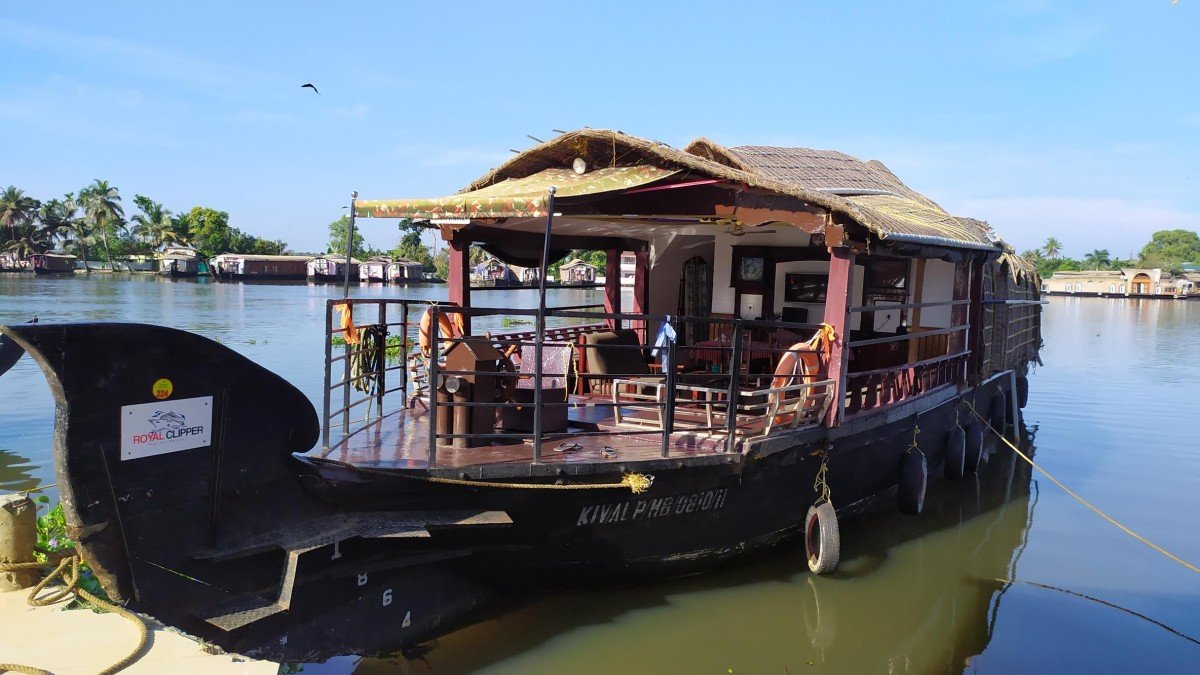
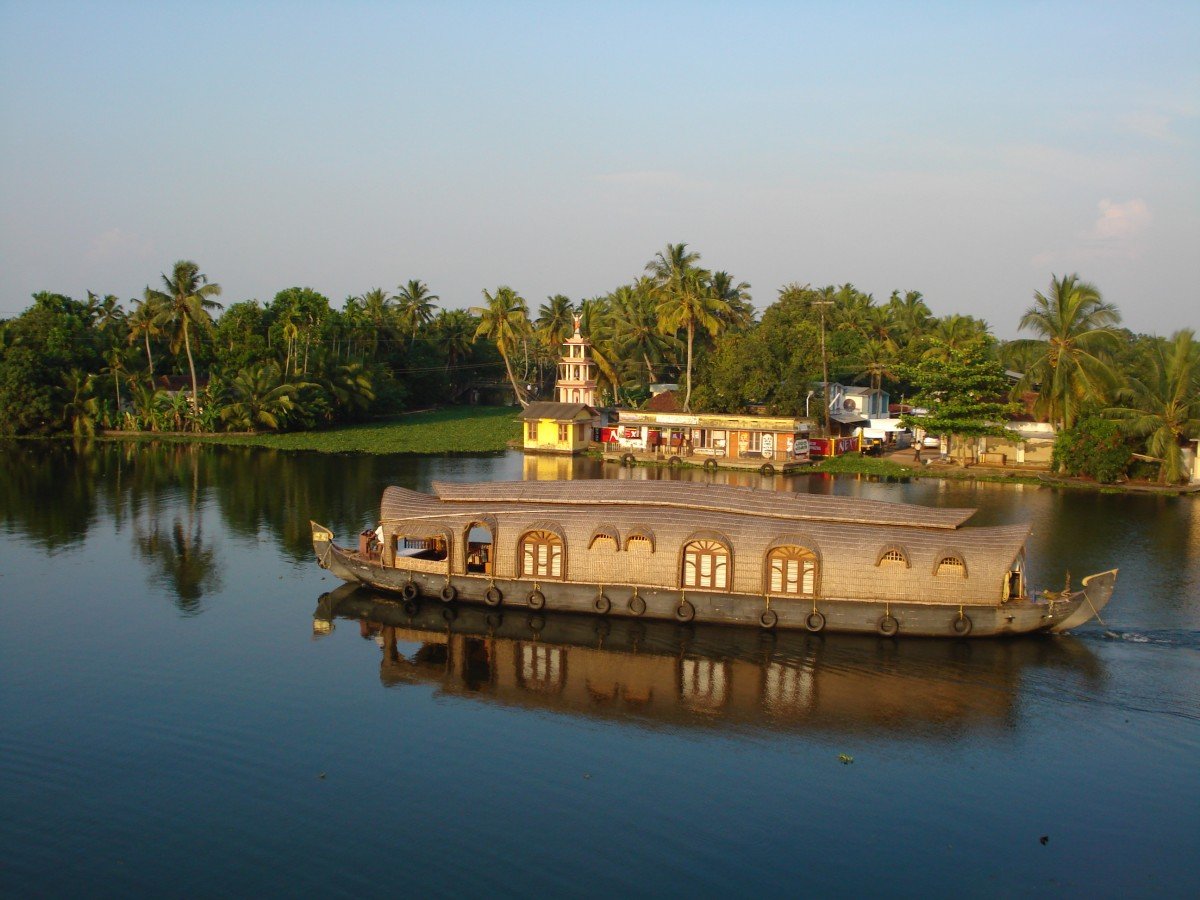
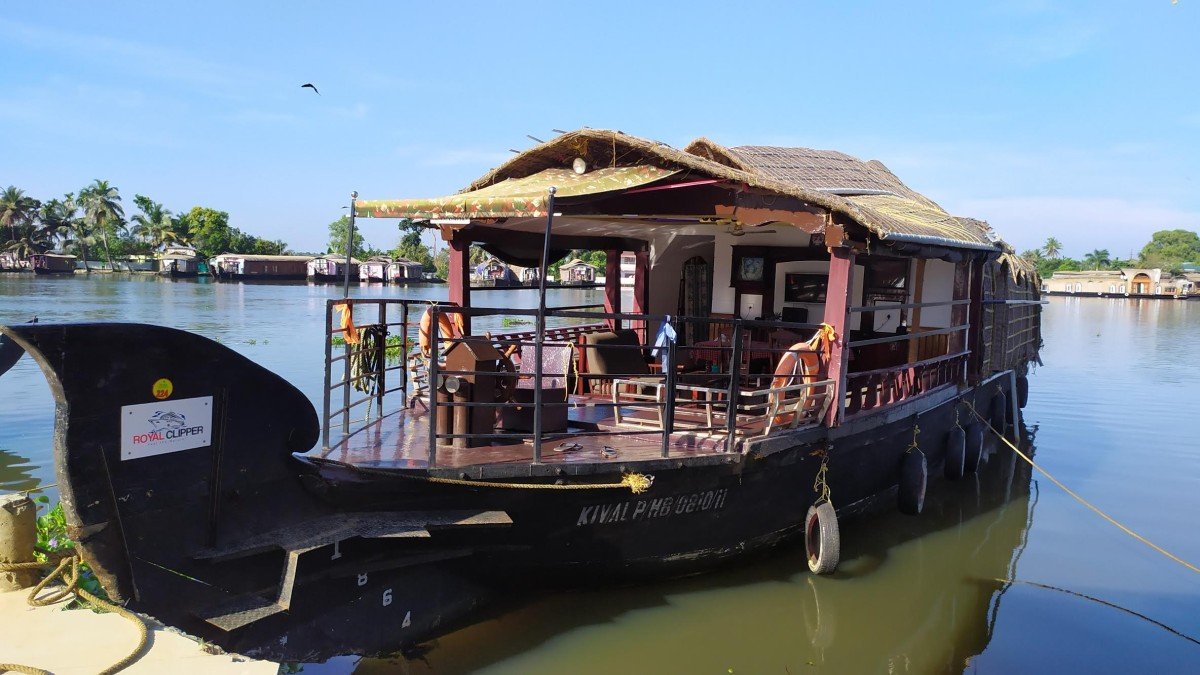
Boat Rides: Public ferry services by the SWTD are very cheap, costing only a few rupees. Private boat rentals can range from 500 to 2000 per hour depending on the type of boat. Houseboats have higher fixed rates for stays.Timing:
Regular Timings: The ferries and public transport operate from 5:30 AM to 9:30 PM. Most outdoor activities are best done during daylight hours. Local shops and eateries usually close by 8:00 PM in the interior villages.
Visit Time: Early m...Regular Timings: The ferries and public transport operate from 5:30 AM to 9:30 PM. Most outdoor activities are best done during daylight hours. Local shops and eateries usually close by 8:00 PM in the interior villages.
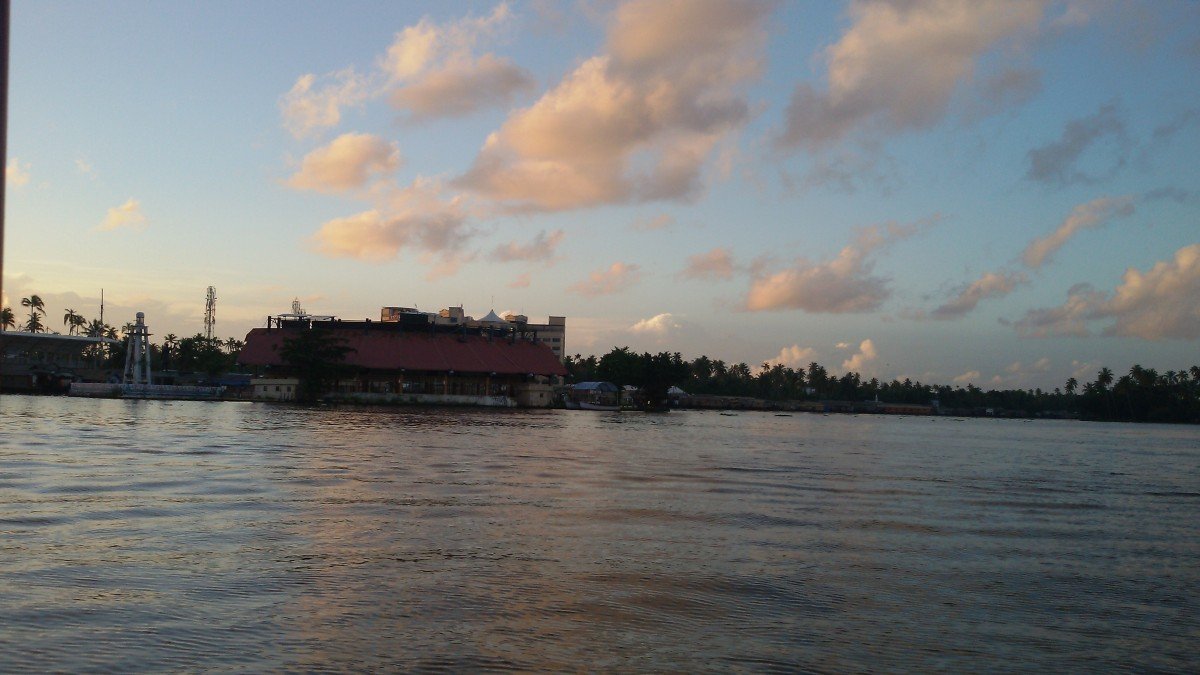
Visit Time: Early morning from 6:00 AM to 9:00 AM is the best time to see the village in action. The heat is less intense and the lighting is perfect for photos. Late afternoons are also pleasant for a sunset boat ride.Special Events:
Nehru Trophy Boat Race: This is the most famous event held in the Punnamada Lake near Kuttanad in August. Huge snake boats compete for the trophy, accompanied by rhythmic songs and thousands of spectators. It is a spectacle of strength and coordination.
Read MoreNehru Trophy Boat Race: This is the most famous event held in the Punnamada Lake near Kuttanad in August. Huge snake boats compete for the trophy, accompanied by rhythmic songs and thousands of spectators. It is a spectacle of strength and coordination.
Champakulam Moolam: Held in June or July, this is the first boat race of the season. It commemorates the installation of the idol at the Ambalappuzha Krishna Temple. The event is marked by a colorful water procession and traditional rituals.Best Photo Spots:
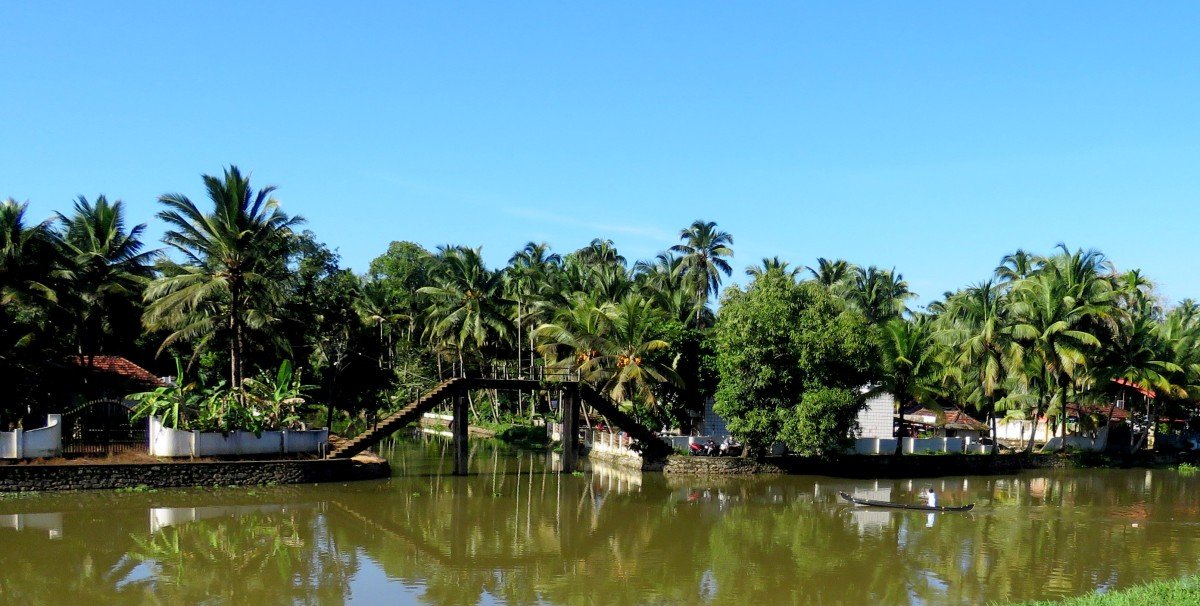
Canal Perspectives: Small bridges over the canals provide a great vantage point for photos. You can capture the long perspective of the water lined with trees on both sides. The boats passing underneath add a sense of motion to the frame.
Gold...Canal Perspectives: Small bridges over the canals provide a great vantage point for photos. You can capture the long perspective of the water lined with trees on both sides. The boats passing underneath add a sense of motion to the frame.
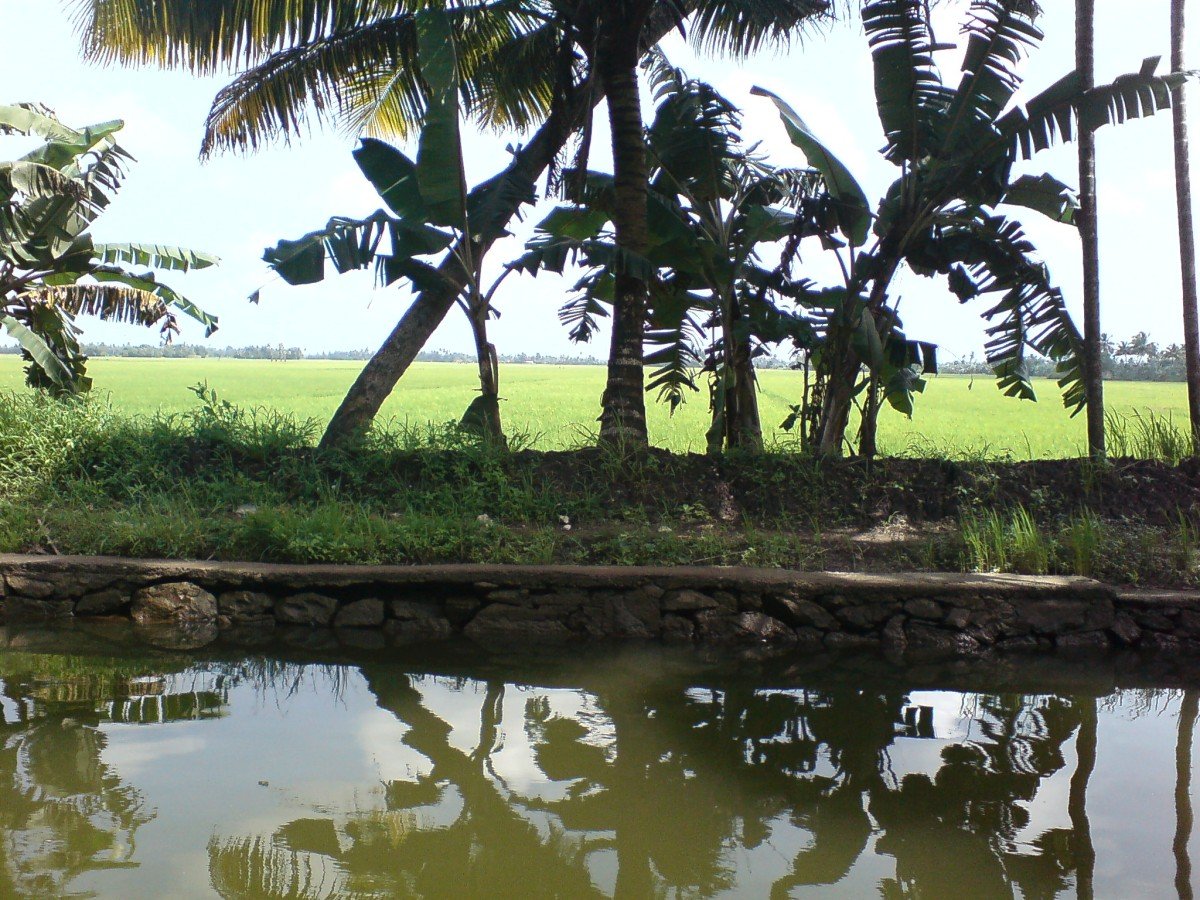
Golden Fields: During the harvest months of February and March, the paddy fields look like a sea of gold. The low sun in the evening highlights the texture of the grain. It is the best time for landscape photography in the region.
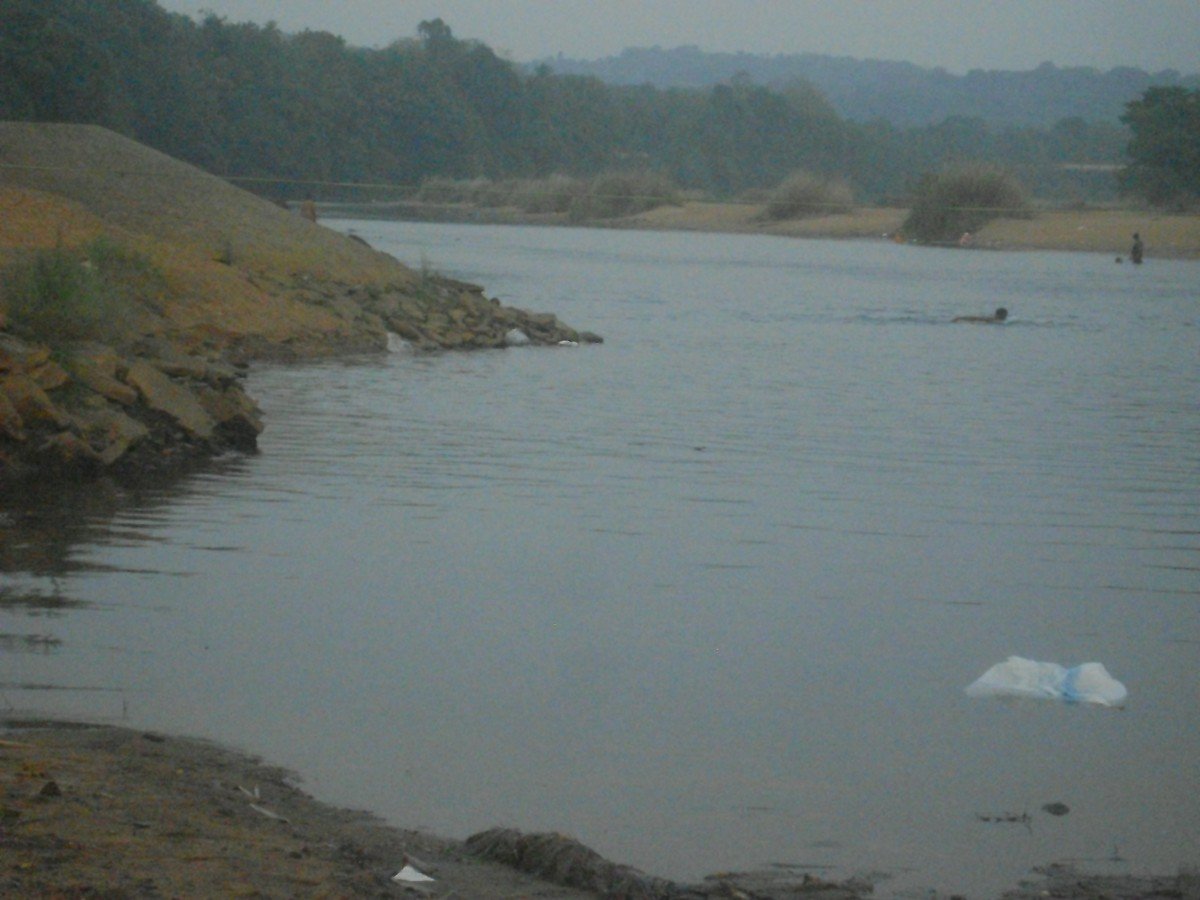
Daily Life: Candid shots of villagers going about their work provide a rich narrative. Women washing clothes at the ghats or fishermen casting nets are classic Kerala scenes. These photos tell a story of life in harmony with water.Photo Gallery






Things To Do
 The Karumadikuttan Statue is a fascinating historical relic that serves as a silent witness to the ancient Buddhist influence in Kerala. Located in the small village of Karumady, this statue is a 11th-century black granite idol of Lord Buddha. It is uniquely known as "Karumadikuttan," which translates to the "Boy from Karumady." The statue is notable for being incomplete; the entire left half of the body is missing, leading to various legends and historical theories. Some believe it was damaged by an elephant, while others suggest religious conflict in the past. Despite its damaged state, the statue exudes a sense of profound serenity and wisdom. It was discovered in the 1930s by Sir Robert Bristow, a British engineer, who was instrumental in building a small shrine to protect it. Today, the site is under the protection of the Kerala State Archaeology Department. For locals, the statue is more than just a historical artifact; it is often credited with healing powers, and many people from the surrounding villages visit to offer prayers. The statue is seated in a meditative posture, and the craftsmanship of the granite work is evident even after centuries of erosion and damage. The site is located right by the side of a canal, and the surrounding area is typical of the Kuttanad landscape with coconut groves and narrow waterways. A visit to Karumadikuttan offers a quiet moment of reflection and a chance to learn about a chapter of Kerala's history that is often overlooked. The presence of such a significant Buddhist icon in the heart of a predominantly Hindu and Christian region highlights the diverse cultural tapestry of the state. The site is small but well-maintained, with a small garden and a walkway leading to the shrine. It is a must-visit for history enthusiasts and those looking for offbeat cultural landmarks in the Alappuzha region.
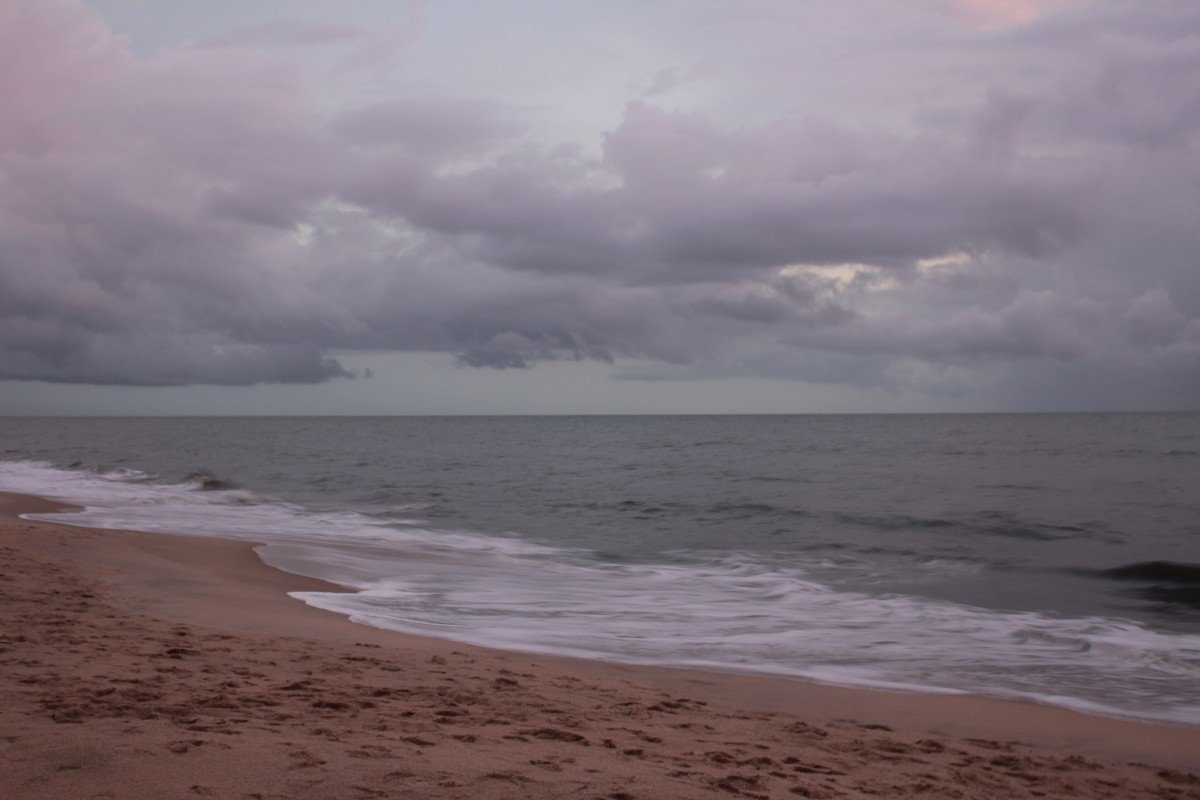
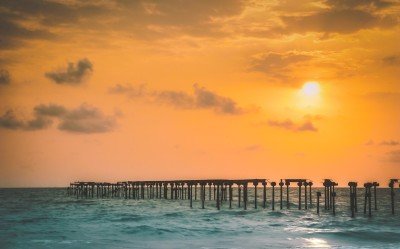 Alappuzha Beach, also known as Alleppey Beach, is a spectacular stretch of golden sand located in the heart of Kerala. This coastal gem is famous for its 150-year-old pier that extends into the Arabian Sea, offering a glimpse into its maritime history as a busy port. The beach is flanked by dense palm groves and beautifully landscaped gardens, providing a perfect spot for families and solo travelers alike to relax under the sun. Visitors can witness the remains of the old sea bridge, which stands as a hauntingly beautiful monument against the crashing waves and sunset sky. The shoreline is wide and spacious, allowing for various recreational activities such as beach volleyball, camel rides, and kite flying. During the evening, the beach transforms into a vibrant hub with local vendors selling spicy snacks like "Uuppilittathu" and fresh seafood delicacies. The proximity to the backwaters makes it a unique destination where the sea and inland canals almost meet, creating a diverse ecological landscape for nature lovers. Historically, it served as the gateway for trade with European nations, and today it remains a primary destination for those exploring the Kuttanad region. The beach also features the historic Alappuzha Lighthouse, which provides a panoramic view of the entire coastline and the town’s intricate canal network below. Whether you are looking for a quiet morning walk or an energetic evening festival vibe, this beach caters to every traveler's whim with its timeless coastal charm and serene atmosphere. :
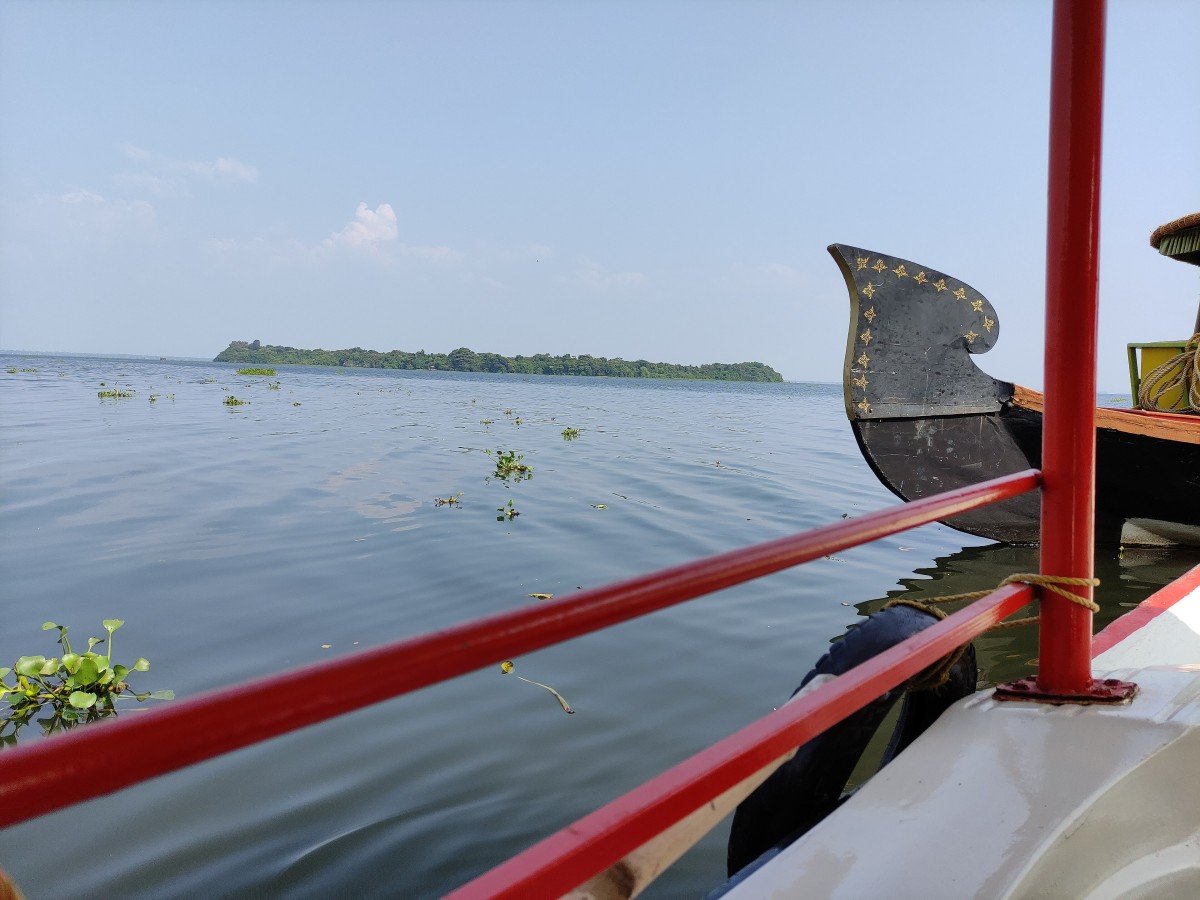
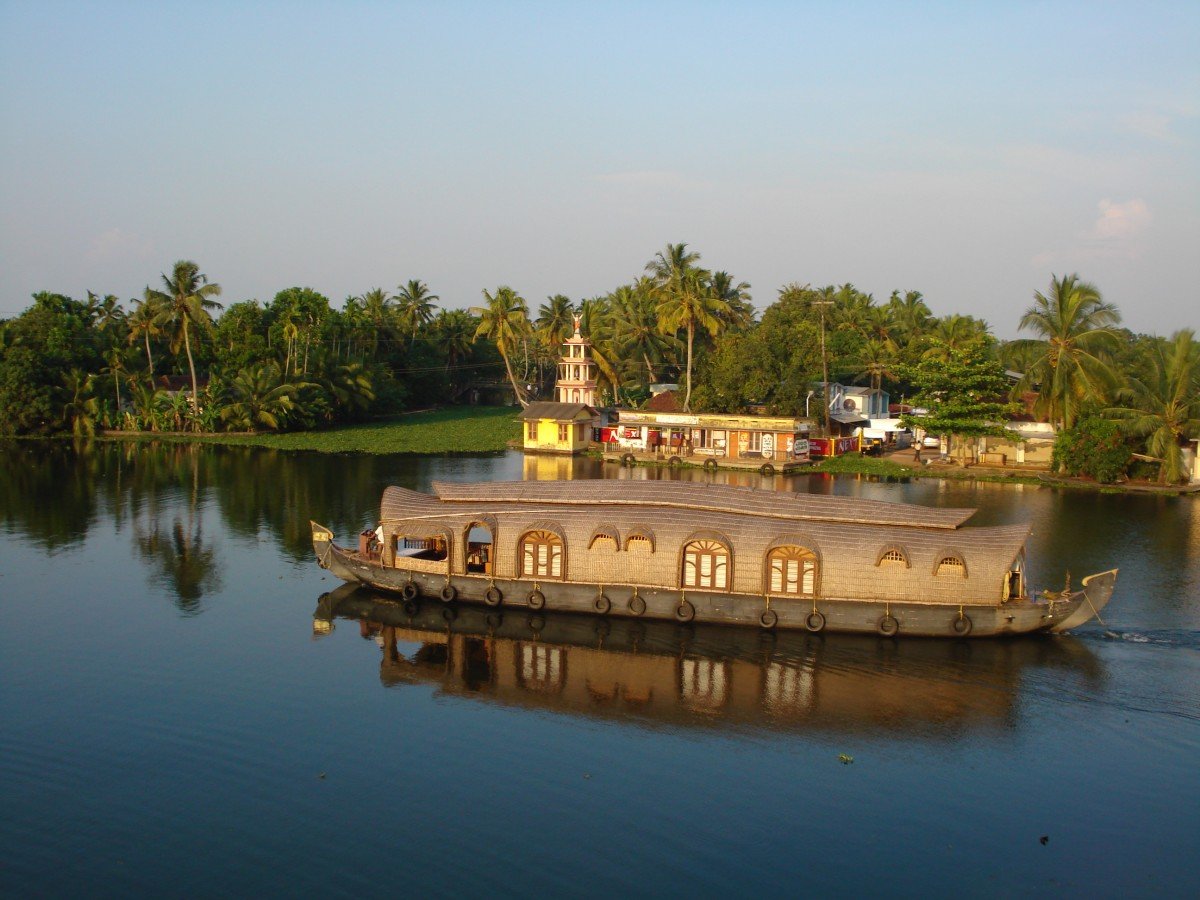
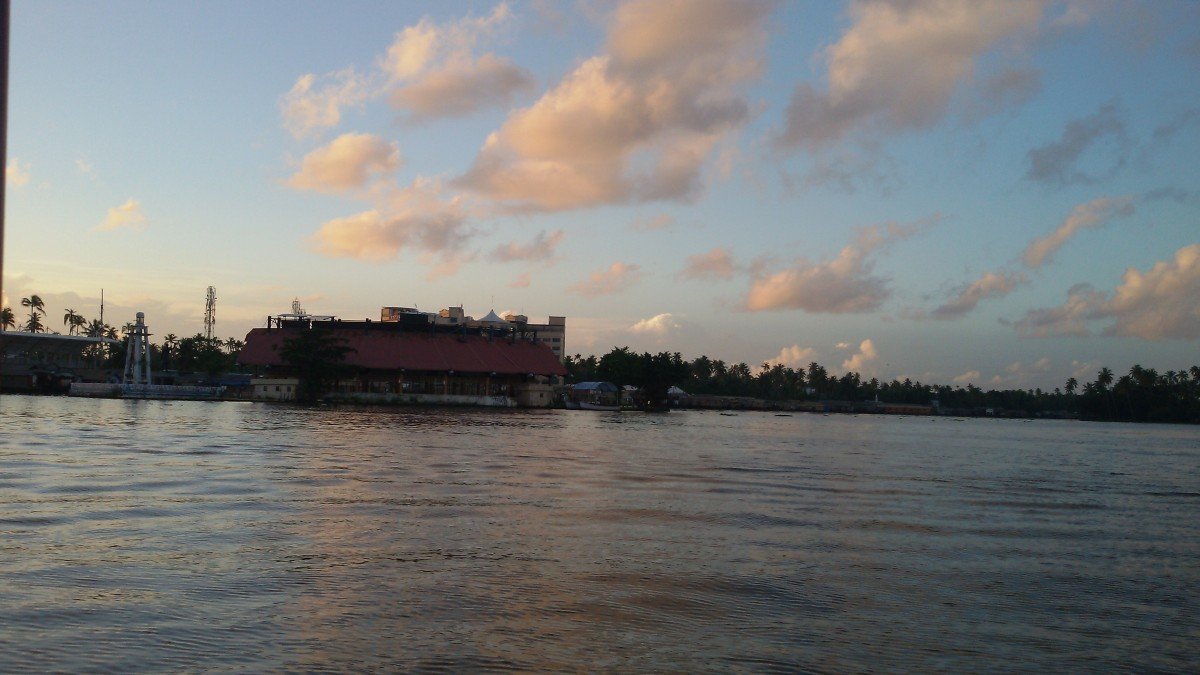
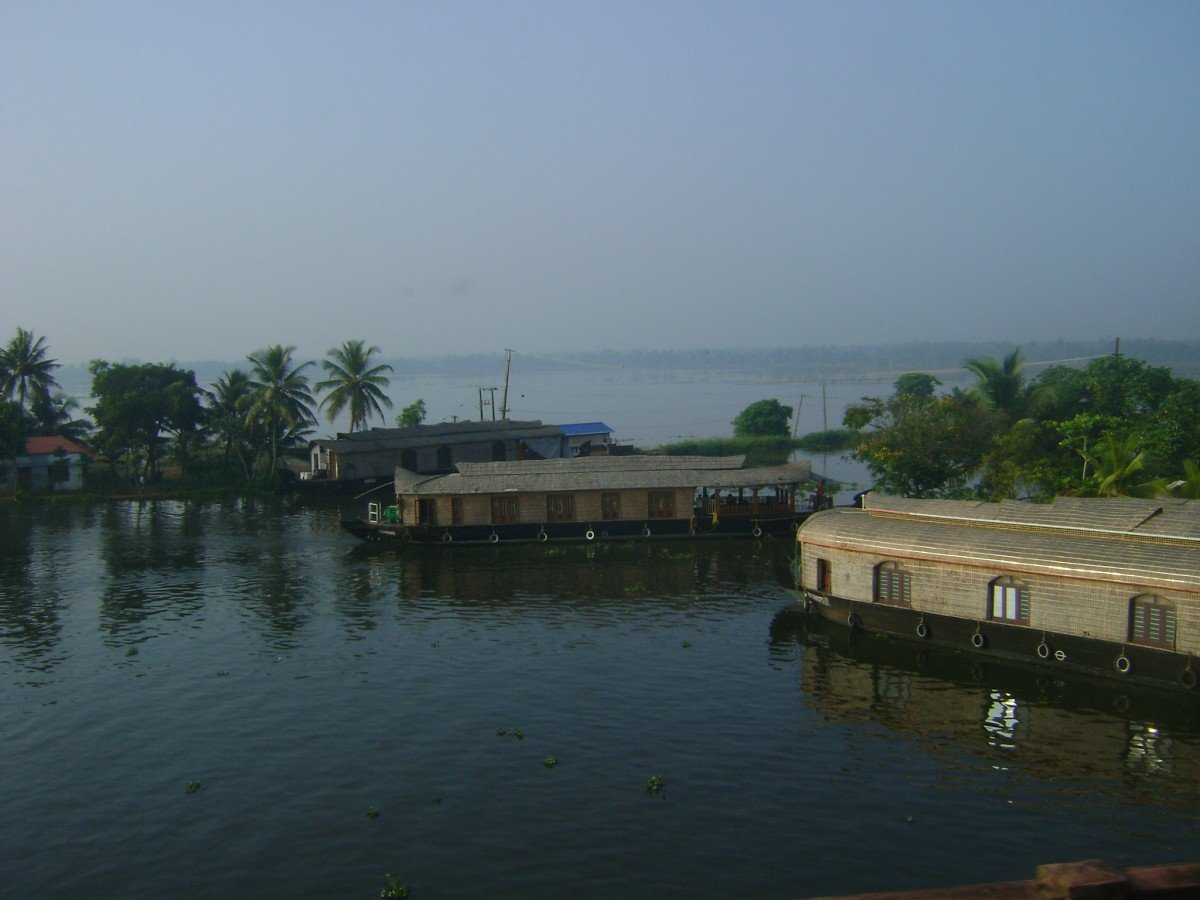
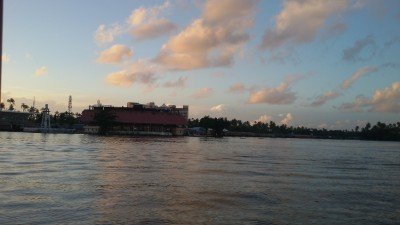 Punnamada Lake is a stunning extension of the Vembanad Lake, the largest in Kerala. This water body is a central hub for backwater tourism where the sky meets shimmering emerald waters. It serves as the starting point for most houseboat cruises that navigate the intricate web of canals in Kuttanad. The lake is surrounded by swaying coconut palms and lush green paddy fields that sit below the water level. During the day, you can see traditional fishermen casting nets and vast cargo boats carrying rice and spices. The tranquil atmosphere makes it a prime spot for relaxation and nature photography. It is also the iconic site of the Nehru Trophy Boat Race, attracting thousands of global visitors annually. The lake's vastness offers a sense of freedom that is rarely found in the narrow inland canals. Visitors often stay in luxury resorts lining the banks to soak in the sunrise over the water. The local life along the banks provides a glimpse into the traditional Keralite way of living. It is a place where every ripple tells a story of the region's rich maritime history.
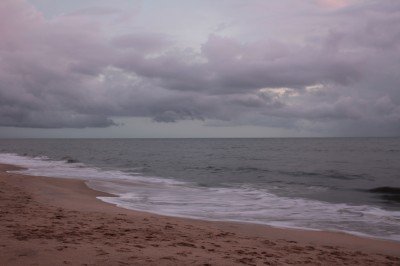 @@The Quiet Coastal Retreat: Marari Beach is a secluded paradise located in the village of Mararikulam, serving as a peaceful alternative to the busy beaches of Kochi or Kovalam. This beach is known for its long stretches of golden sand, fringed by thick groves of coconut palms that provide natural shade. Unlike commercialized beaches, Marari offers a glimpse into the traditional fishing life of Kerala. You can see the colorful wooden boats lined up on the shore and watch the fishermen mend their nets in the afternoon sun. The 400-word description highlights the ecological sensitivity of the area, where many resorts follow sustainable practices. The water is generally clean and suitable for a refreshing swim, and the atmosphere is one of absolute tranquility, making it the perfect place for "slow travel" enthusiasts who want to disconnect from the world.
Kuppapuram is a serene village located in the heart of the Kuttanad backwaters, serving as a vital hub for water-based transport and tourism. This village is famous for its vast network of narrow canals and its proximity to the Vembanad Lake, making it a prime starting point for many houseboat cruises. Life in Kuppapuram revolves around the water, with villagers using small canoes for their daily commute, fishing, and transporting goods. The landscape is dominated by emerald-green paddy fields that sit below sea level, a unique geographical feature that has earned the region its fame. Visitors often flock here to experience the authentic rural lifestyle of Kerala, where coconut groves line the waterways and traditional wooden houses dot the banks. The village provides an immersive experience into the agrarian culture of the "Rice Bowl of Kerala," offering peace and tranquility away from the busy city life of Alappuzha. :
@@The Quiet Coastal Retreat: Marari Beach is a secluded paradise located in the village of Mararikulam, serving as a peaceful alternative to the busy beaches of Kochi or Kovalam. This beach is known for its long stretches of golden sand, fringed by thick groves of coconut palms that provide natural shade. Unlike commercialized beaches, Marari offers a glimpse into the traditional fishing life of Kerala. You can see the colorful wooden boats lined up on the shore and watch the fishermen mend their nets in the afternoon sun. The 400-word description highlights the ecological sensitivity of the area, where many resorts follow sustainable practices. The water is generally clean and suitable for a refreshing swim, and the atmosphere is one of absolute tranquility, making it the perfect place for "slow travel" enthusiasts who want to disconnect from the world.
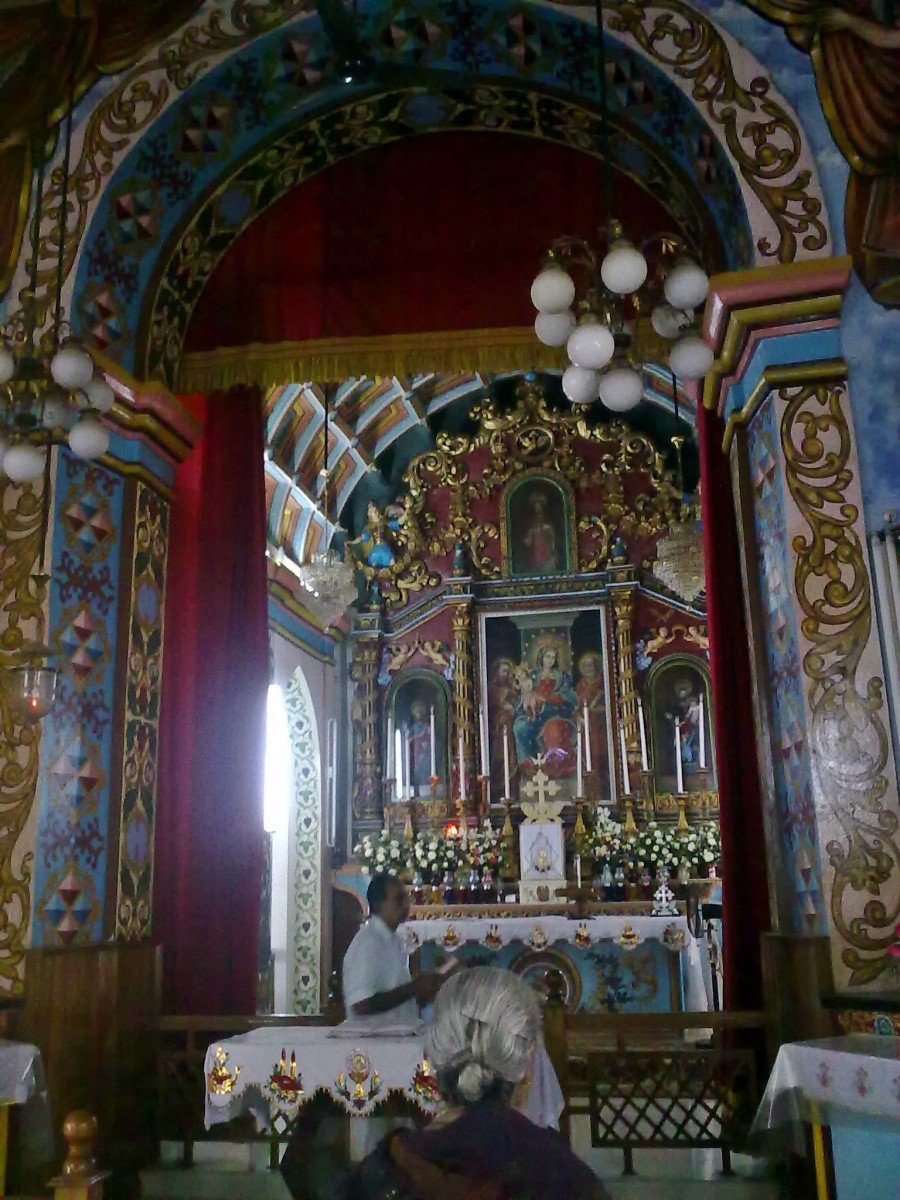
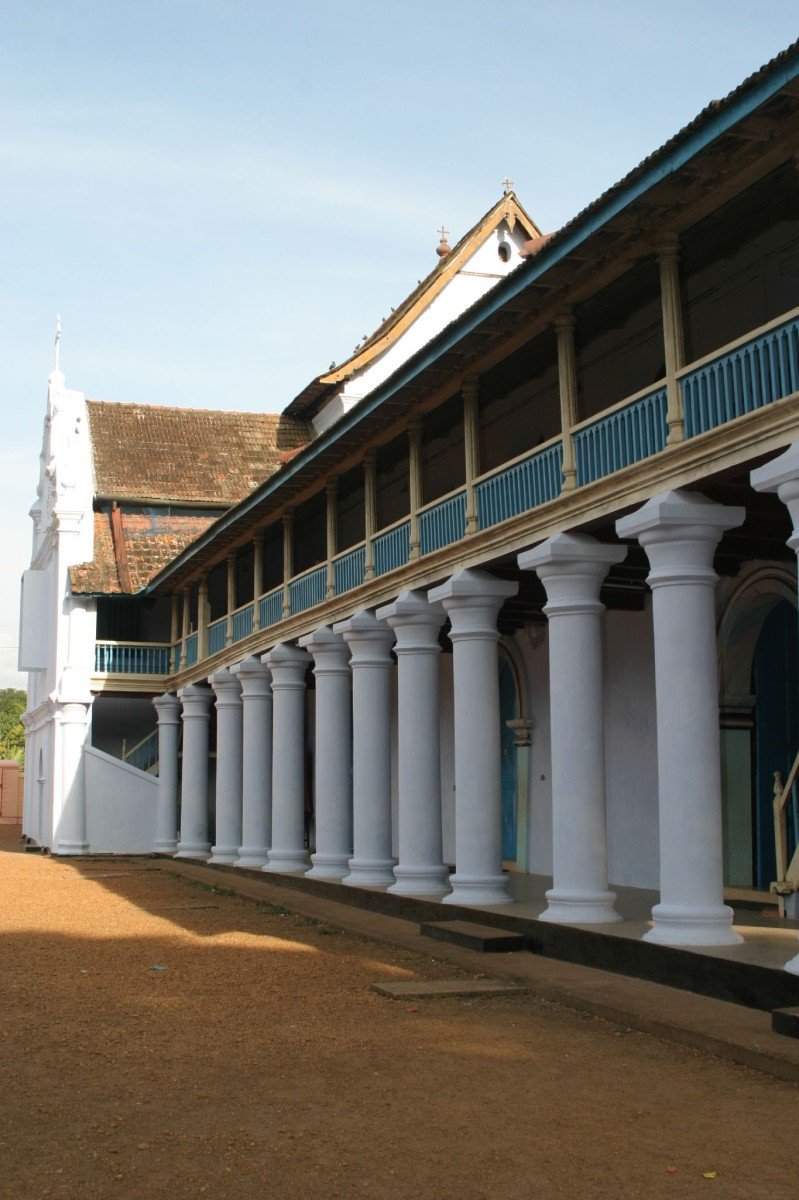
Kuppapuram is a serene village located in the heart of the Kuttanad backwaters, serving as a vital hub for water-based transport and tourism. This village is famous for its vast network of narrow canals and its proximity to the Vembanad Lake, making it a prime starting point for many houseboat cruises. Life in Kuppapuram revolves around the water, with villagers using small canoes for their daily commute, fishing, and transporting goods. The landscape is dominated by emerald-green paddy fields that sit below sea level, a unique geographical feature that has earned the region its fame. Visitors often flock here to experience the authentic rural lifestyle of Kerala, where coconut groves line the waterways and traditional wooden houses dot the banks. The village provides an immersive experience into the agrarian culture of the "Rice Bowl of Kerala," offering peace and tranquility away from the busy city life of Alappuzha. :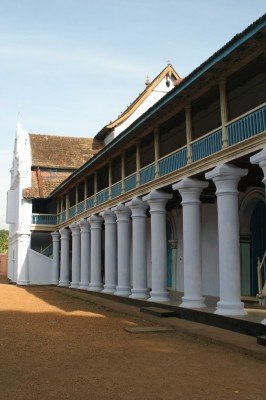 Champakulam Kalloorkadu St. Mary's Forane Church is one of the oldest Christian churches in India, believed to have been established in AD 427. Located on the banks of the Pampa River in the heart of Kuttanad, this church is a vital spiritual center for the Syro-Malabar community. Over the centuries, the church has been rebuilt several times, but it still retains several ancient artifacts and rock inscriptions that document its long history. The church is famous for its massive Open-air Rock Cross, which is said to date back to AD 1151. It is often referred to as the "Mother Church" of many other parishes in the Alappuzha district. The interior of the church is a sanctuary of peace, featuring a high altar decorated with gold leaf and beautiful murals depicting the life of Jesus Christ. The church has historically enjoyed a very friendly relationship with the local Hindu community, particularly the rulers of Chembakassery, who donated land for its expansion. This harmony is celebrated even today during the annual festivals. The location of the church is particularly scenic, surrounded by the typical backwater landscape of Kuttanad, with boats passing by on the river. It stands as a testament to the ancient roots of Christianity in Kerala and the enduring faith of the people in this water-bound region. For many, a visit to this church is a pilgrimage through time, offering a glimpse into the early centuries of the common era. :
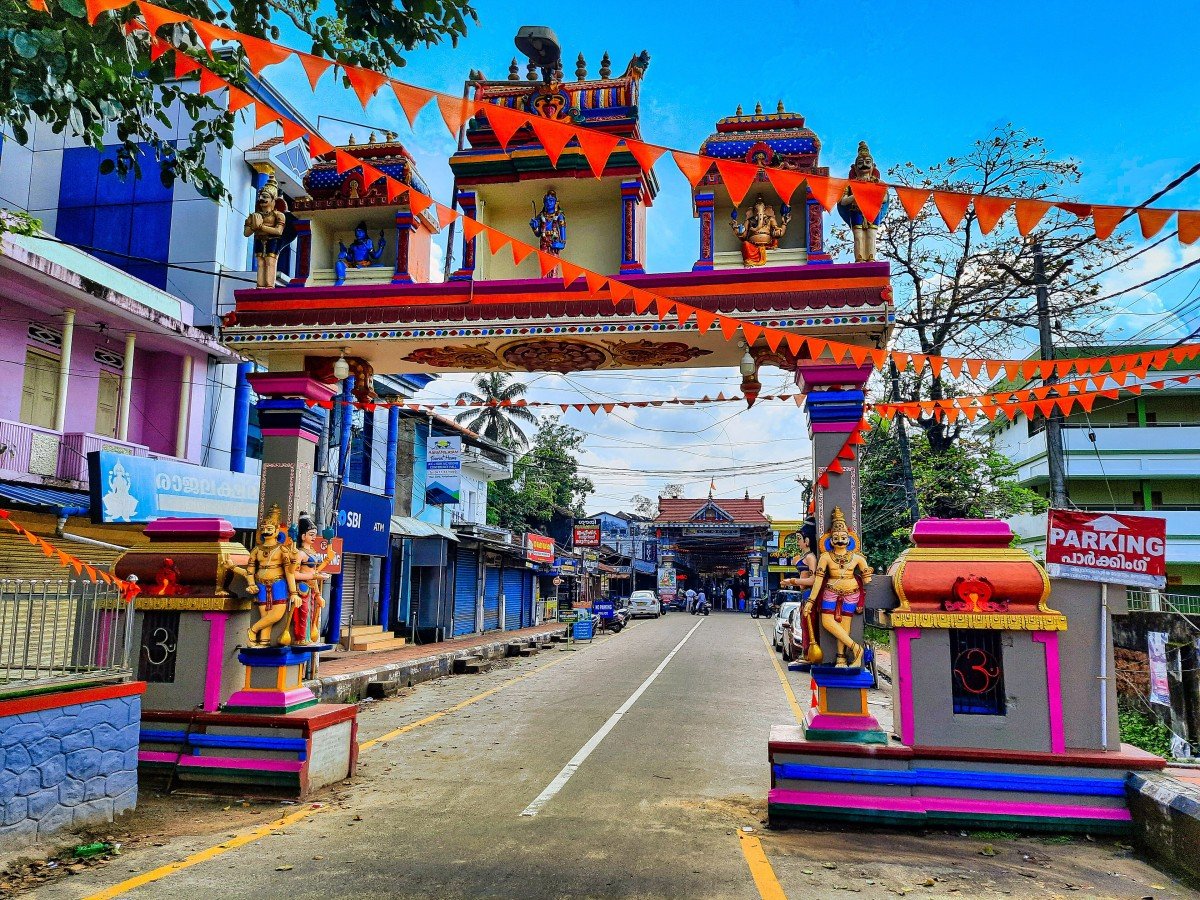
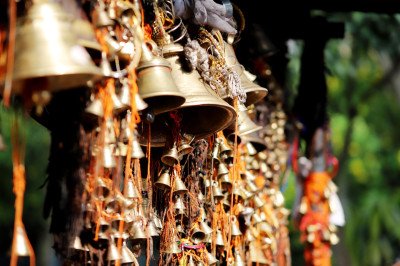 The Thakazhy Sree Dharma Sastha Temple is an ancient Hindu shrine dedicated to Lord Ayyappa. It is one of the most important religious sites in Kuttanad, believed to have been consecrated by the legendary sage Parasurama. The temple is shrouded in myths; one legend says the idol floated here during a massive flood and was recovered by Vilwamangalam Swamiyar. It is particularly famous for its "Valiyenna," a specially prepared medicinal oil that is said to have miraculous healing powers for skin diseases and internal ailments. The temple is located in Thakazhy, the birthplace of the famous Malayalam novelist Thakazhi Sivasankara Pillai. The temple complex is serene, featuring a traditional pond (Ambalakulam) where devotees take a ritual dip. The presiding deity, Lord Sastha, is depicted in a peaceful form. The atmosphere is thick with the scent of incense and the sound of traditional temple music. Unlike the crowded temples in cities, this shrine retains its rustic charm and spiritual purity. It serves as a vital cultural center for the local agricultural community, who pray here for a bountiful harvest. The temple's association with both divinity and traditional medicine makes it a unique destination in the heart of the backwaters.Show All
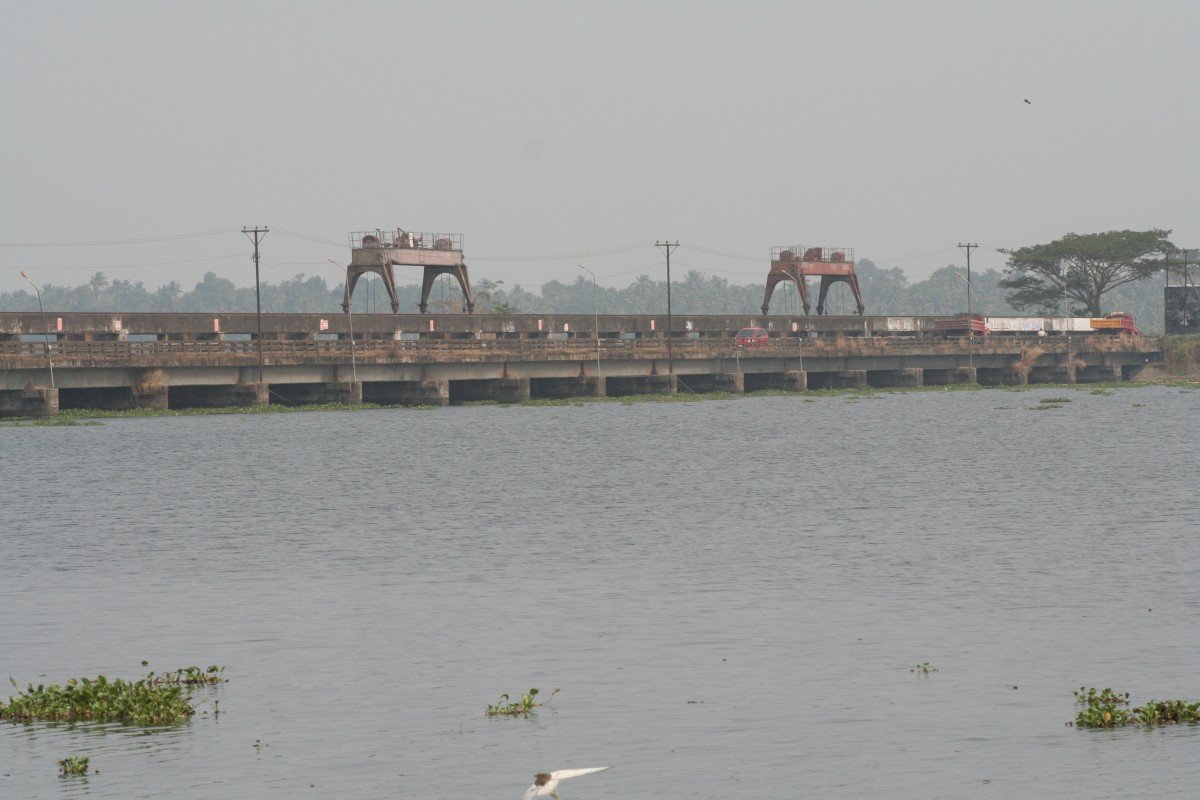
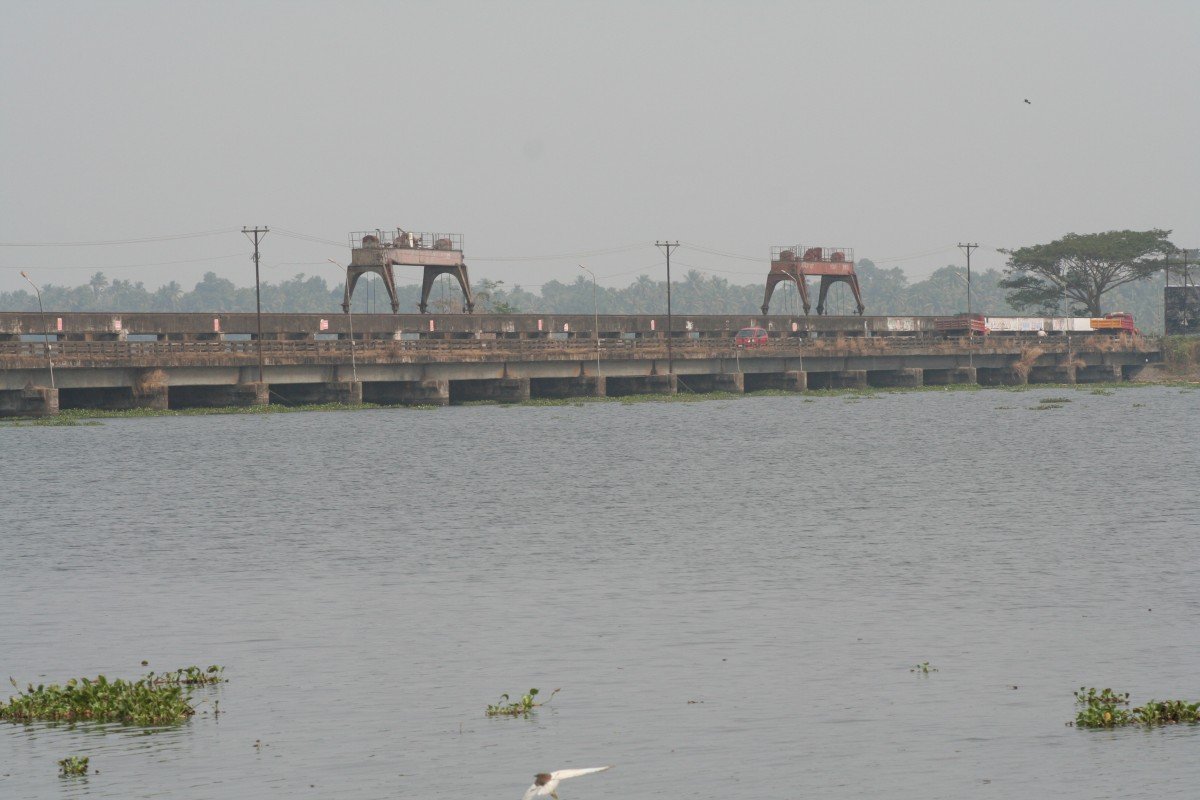
 Pallathuruthy is a stunning entry point to the Kuttanad region, acting as a vital bridge between the urban life of Alappuzha and the rustic charm of the deep backwaters. This location is synonymous with the houseboats that line its banks, waiting to take travelers into the labyrinth of canals that define this unique geography. The area is characterized by vast stretches of emerald green paddy fields that lie below sea level, a phenomenon that is rare across the globe. Visitors often stop here to witness the daily life of the local community, where water is the primary mode of transport for everything from groceries to schoolchildren. The air is filled with the scent of fresh water and the sound of ripples hitting the wooden hulls of traditional boats. As you stand on the bridge, you get a panoramic view of the Pamba River merging with the smaller channels, creating a liquid landscape that changes color with the sun. It is a place of transit that demands you slow down and observe the harmony between man and nature. The hospitality here is rooted in the "Illom" tradition, where every guest is treated with warmth and authentic Kerala meals. For those seeking a quiet escape before heading into the busier parts of Alappuzha, this village offers the perfect serene start.
Information
-
Why Famous:
Below Sea Level Farming: It is world-famous for its unique agricultural practices where crops are grown below the sea level. This geographical anomaly attracts researchers and tourists from all over the globe. The FAO has recognized it as a Globally Important Agricultural ...Below Sea Level Farming: It is world-famous for its unique agricultural practices where crops are grown below the sea level. This geographical anomaly attracts researchers and tourists from all over the globe. The FAO has recognized it as a Globally Important Agricultural Heritage System.
Scenic Backwaters: The region offers some of the most picturesque backwater views in Kerala. The combination of wide rivers and narrow canals lined with coconut trees is breathtaking. It is a photographer's paradise due to its vibrant colors and reflections. -
Architecture:
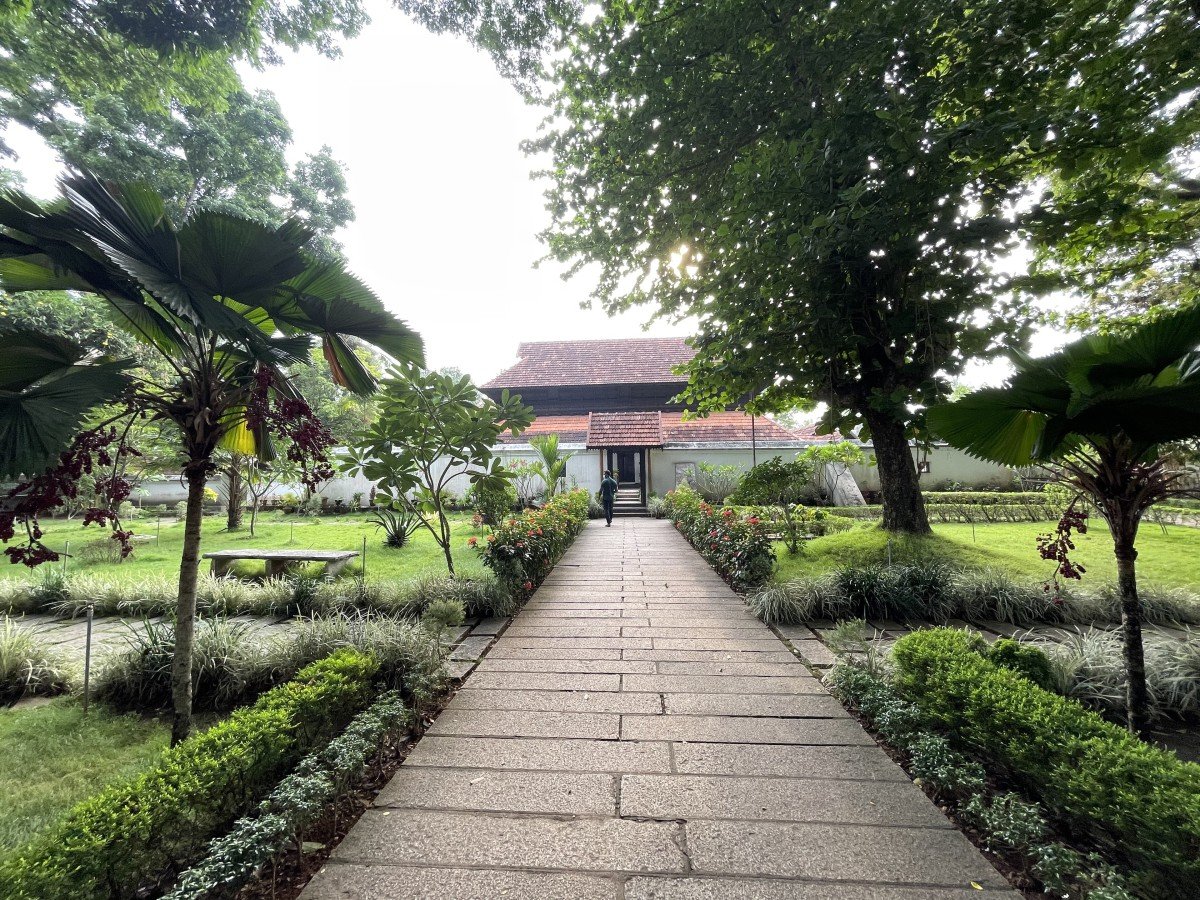
Rustic Design: The architecture in Kuttanad is predominantly functional and designed to withstand the high water table. Most houses are built on raised platforms to prevent flooding during the monsoon season. Traditional homes feature wooden structures with tiled roofs tha...Rustic Design: The architecture in Kuttanad is predominantly functional and designed to withstand the high water table. Most houses are built on raised platforms to prevent flooding during the monsoon season. Traditional homes feature wooden structures with tiled roofs that are common across Kerala. The use of locally available materials like coconut wood and bamboo is very frequent. Many modern houses still incorporate elements of the old design for better cooling.
Dimensions: The bunds that protect the fields are engineering marvels, sometimes extending for several kilometers in length. These embankments are usually 5 to 10 feet wide at the top and are reinforced with mud and coconut husks. The houses are typically small to medium-sized, ranging from 800 to 1,500 square feet. Porches are an essential part of the house, serving as a social space overlooking the canals. The foundation is often made of heavy laterite stones to provide stability in the marshy soil. -
How To Reach:
By Air: Cochin International Airport is the nearest, located about 85 Kms away. You can take a taxi from the airport to Alappuzha and then a boat or bus to Kuttanad. The journey offers beautiful views of the coastal plains.
By Train: Alapp...By Air: Cochin International Airport is the nearest, located about 85 Kms away. You can take a taxi from the airport to Alappuzha and then a boat or bus to Kuttanad. The journey offers beautiful views of the coastal plains.
By Train: Alappuzha Railway Station is the closest major station, about 20 Kms away. It is well-connected to major Indian cities via the coastal railway line. From the station, you can take a bus or an auto-rickshaw to the interior parts.
By Road: The Alappuzha-Changanassery (AC) road passes through the heart of Kuttanad. It is one of the most scenic drives in Kerala with water on both sides. State-run KSRTC buses ply frequently on this route.
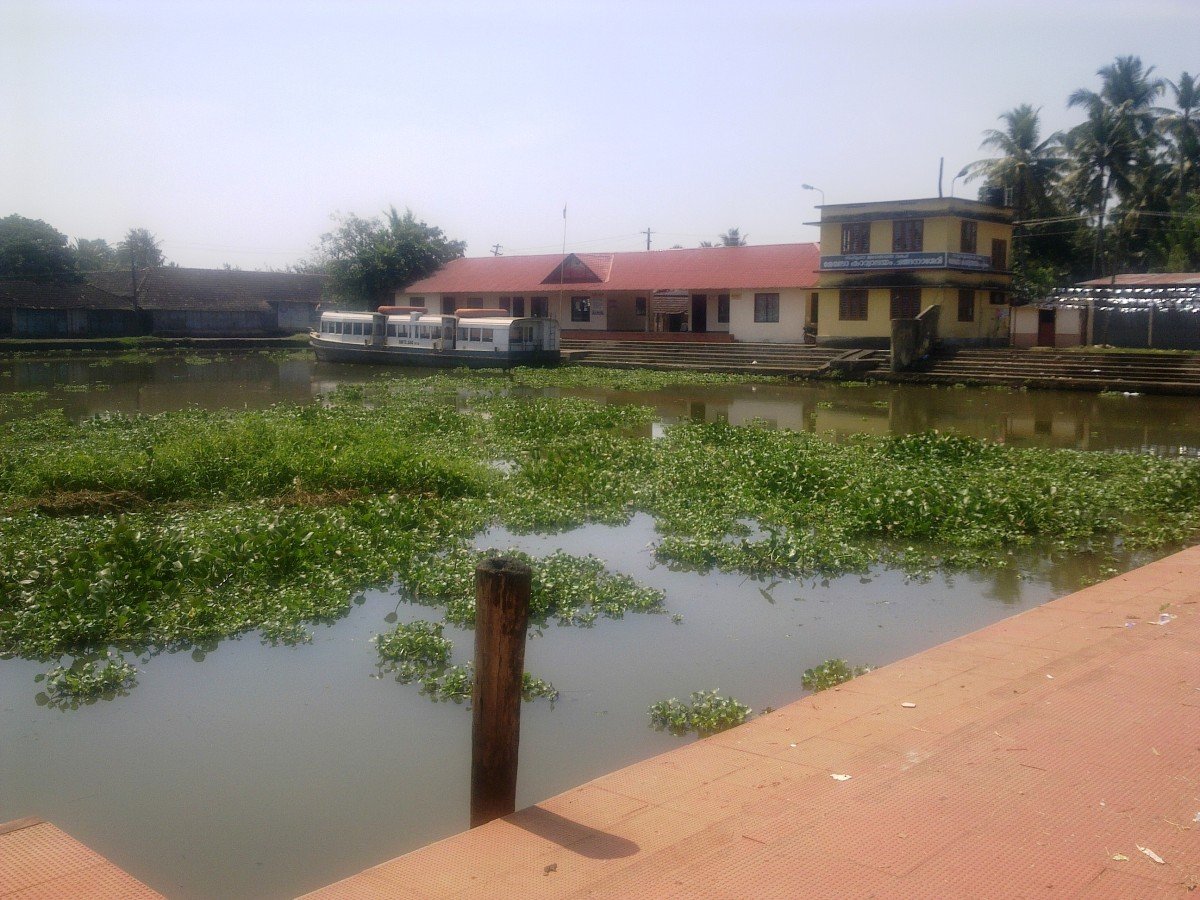
Local Transport: The best way to travel within Kuttanad is by the state-run water transport ferries. They are reliable and provide a great view of the surroundings. Auto-rickshaws are available for reaching places not covered by water. -
Weather and Best Time to Visit:
Seasons: The peak season is winter from November to February when the weather is cool and dry. This is the best time for long boat cruises and village walks. The humidity is manageable and the sky is usually clear.
Monsoon: June to August ...Seasons: The peak season is winter from November to February when the weather is cool and dry. This is the best time for long boat cruises and village walks. The humidity is manageable and the sky is usually clear.
Monsoon: June to August is the monsoon season, which brings heavy rains. The water levels rise, and the region looks incredibly lush and green. It is a great time to see the waterfalls nearby and experience the rains. -
Near Tourist Places:
Nearby Places: Alappuzha Beach (22 Kms), Ambalappuzha Temple (15 Kms), Marari Beach (35 Kms), Kumarakom (32 Kms), Pathiramanal (25 Kms), Kochi (65 Kms), Kottayam (25 Kms), Mannarasala (30 Kms), Haripad (35 Kms), Krishnapuram Palace (50 Kms):
Tourism Tips
-
Packing: Wear light, breathable fabrics like cotton to stay comfortable in the humidity. A hat and sunglasses are necessary for boat rides during the day. Carry a waterproof bag for your electronics and camera gear.
Health: Mosquitoes can ...Packing: Wear light, breathable fabrics like cotton to stay comfortable in the humidity. A hat and sunglasses are necessary for boat rides during the day. Carry a waterproof bag for your electronics and camera gear.
Health: Mosquitoes can be a problem in the evenings near the water, so carry repellent. Drink only treated or bottled water to avoid water-borne illnesses. Be cautious while getting in and out of small boats.
Culture: Respect the privacy of the villagers and ask before taking photos of people. Dress modestly when visiting churches or temples in the area. Try the local food but be prepared for high spice levels in many dishes.
Reviews
FAQs
Kuttanad Itineray And Cost:-
Other Places In Kerala :-
Other States In India :-
Information about New and Updated Locations() of Kerala Has Been Added :-
Card subtitle
Note:-
Information provided here in good Faith and for reference only.
Near Places
Athirappilly:
Some quick example text to build on the card title and make up the bulk of the card's content.
Go somewhere
Attingal
Some quick example text to build on the card title and make up the bulk of the card's content.
Go somewhere
Bekal
Some quick example text to build on the card title and make up the bulk of the card's content.
Go somewhere
Ernakulam
Some quick example text to build on the card title and make up the bulk of the card's content.
Go somewhere
Guruvayur
Some quick example text to build on the card title and make up the bulk of the card's content.
Go somewhere
Idukki
Some quick example text to build on the card title and make up the bulk of the card's content.
Go somewhere
Kannur
Some quick example text to build on the card title and make up the bulk of the card's content.
Go somewhere
Kasaragod
Some quick example text to build on the card title and make up the bulk of the card's content.
Go somewhere
Kollam
Some quick example text to build on the card title and make up the bulk of the card's content.
Go somewhere
Kottayam
Some quick example text to build on the card title and make up the bulk of the card's content.
Go somewhere
Kovalam
Some quick example text to build on the card title and make up the bulk of the card's content.
Go somewhere
Kozhikode
Some quick example text to build on the card title and make up the bulk of the card's content.
Go somewhere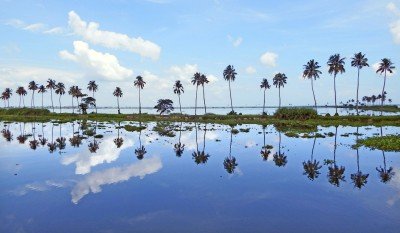
Kumarakom
Some quick example text to build on the card title and make up the bulk of the card's content.
Go somewhere
Kuttanad
Some quick example text to build on the card title and make up the bulk of the card's content.
Go somewhere
Malappuram
Some quick example text to build on the card title and make up the bulk of the card's content.
Go somewhere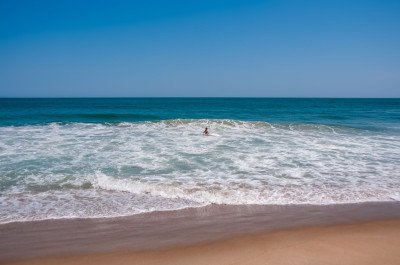
Marari Beach
Some quick example text to build on the card title and make up the bulk of the card's content.
Go somewherein Other Cities