

Local Handicraft Production Area
General information
-
Ideal Duration:
1-2 Hours (For viewing the process and shopping):Place Type:
Cultural Center/Local EconomyEntry Fees:
Direct Purchase: There is no entry fee to the workshops; the primary cost is the purchase of the handicrafts. Prices are generally set by the local co-operatives and are fair. Expect prices for small items to range from INR 100-500, with larger, more intricate items costi...Direct Purchase: There is no entry fee to the workshops; the primary cost is the purchase of the handicrafts. Prices are generally set by the local co-operatives and are fair. Expect prices for small items to range from INR 100-500, with larger, more intricate items costing more.
Bargaining Protocol: While friendly interaction is encouraged, aggressive bargaining is generally discouraged, as the prices reflect the artisan's labor and the remoteness of the island.
Cash is Preferred: Cash transactions (INR) are the norm here.Timing:
Regular Timings: Generally open during business hours from morning (9:00 AM) to late afternoon (5:00 PM), coinciding with the work hours of the local artisans. Closed during lunch.
Ideal Visit Time: Mid-morning (10:00 AM - 12:00 PM) is idea...Regular Timings: Generally open during business hours from morning (9:00 AM) to late afternoon (5:00 PM), coinciding with the work hours of the local artisans. Closed during lunch.
Ideal Visit Time: Mid-morning (10:00 AM - 12:00 PM) is ideal to see the artisans actively working and to enjoy the shopping experience.Special Events:
Co-operative Annual Fair: The local Co-operative Society or the Department of Industries may hold a small annual or seasonal fair to promote local handicrafts and coir products, featuring cultural programs and a wider variety of goods.
Skill Dev...Co-operative Annual Fair: The local Co-operative Society or the Department of Industries may hold a small annual or seasonal fair to promote local handicrafts and coir products, featuring cultural programs and a wider variety of goods.
Skill Development Workshops: Occasional workshops for youth or visitors on a specific craft, like shell art or coconut carving, may be organized by the administration, offering a unique participatory event.Best Photo Spots:
The Artisan's Hands: A tight focus on the hands of the artisan at work, capturing the detail and effort of the traditional craftsmanship.
A Wall of Coir Ropes: A textural, abstract photo of neatly stacked or hung coils of coir rope and fiber...The Artisan's Hands: A tight focus on the hands of the artisan at work, capturing the detail and effort of the traditional craftsmanship.
A Wall of Coir Ropes: A textural, abstract photo of neatly stacked or hung coils of coir rope and fiber, showing the raw material's beauty.
The Finished Product Display: A well-composed photo of a variety of colorful finished shell and coconut products laid out for sale, highlighting the island's unique artistic style.Photo Gallery
Things To Do
-
Watching the Crafting Process: Observe the artisans at work, especially the traditional coir weaving or the intricate carving of coconut shells, which is both educational and fascinating.
Shopping for Souvenirs: Purchase authentic, locally-made handicrafts like coir mats, coconut shell bowls, or shell-based decorative items directly from the producers to ensure fair trade.
Learning about Conservation: Engage with the artisans about how they source their materials, learning about the local efforts to use sustainable and eco-friendly practices (e. g. , using fallen shells, avoiding live coral).
Photography of the Craft: Take pictures of the tools, the raw materials (stacks of coir), and the focused hands of the artisans creating their art (always ask permission fir...Watching the Crafting Process: Observe the artisans at work, especially the traditional coir weaving or the intricate carving of coconut shells, which is both educational and fascinating.
Shopping for Souvenirs: Purchase authentic, locally-made handicrafts like coir mats, coconut shell bowls, or shell-based decorative items directly from the producers to ensure fair trade.
Learning about Conservation: Engage with the artisans about how they source their materials, learning about the local efforts to use sustainable and eco-friendly practices (e. g. , using fallen shells, avoiding live coral).
Photography of the Craft: Take pictures of the tools, the raw materials (stacks of coir), and the focused hands of the artisans creating their art (always ask permission first).
Trying a Hand at a Simple Craft: If permitted, a small, interactive experience, such as learning a simple knot or weave pattern, can be a memorable activity.
Understanding the Local Economy: Discuss the marketing and export challenges with the co-operative members to appreciate the economics of island life.
Information
-
Why Famous:
Authentic Coir Products: It is famed for the high quality of its coir-based goods, especially the finely spun coir used historically for ropes and now for decorative mats and rugs, reflecting the island's traditional coir industry.
Supporting Lo...Authentic Coir Products: It is famed for the high quality of its coir-based goods, especially the finely spun coir used historically for ropes and now for decorative mats and rugs, reflecting the island's traditional coir industry.
Supporting Local Women: Many of the artisans are women from local self-help groups or cooperatives, making the area famous for its role in empowering women's livelihoods and preserving heritage skills.
Unique Marine Souvenirs: It is a central point for purchasing authentic, responsibly-made island souvenirs like polished shells, artifacts, and coconut shell crafts, which are exclusive to the island culture. -
Architecture:
Workshop Design and Layout: The production area consists of simple, open-sided or semi-enclosed workshops, prioritizing natural light and ventilation. They are often low-lying structures made of concrete or wood with tin/cadjan roofs. The main workshop area might be around...Workshop Design and Layout: The production area consists of simple, open-sided or semi-enclosed workshops, prioritizing natural light and ventilation. They are often low-lying structures made of concrete or wood with tin/cadjan roofs. The main workshop area might be around 8 metres by 6 metres, allowing space for a few workers and their materials.
Equipment: The architecture is defined by the tools, which are mostly non-electrical: simple handlooms for coir weaving, shell-cutting and polishing tools, and various cutting and carving knives for coconut shells. The focus is on a spacious, dry, and well-lit workspace to handle natural fibers and materials. The design is practical, built to facilitate a community-based, decentralized production model, unlike a large factory. -
How To Reach:
By Air/Sea:
The standard access applies: Fly to Agatti (AGX) from Kochi (COK), then a ferry/boat to Kiltan Island.
By Train: Nearest railway station is Ernakulam Junction (ERS) in Kochi, followed by the ship ...By Air/Sea:
The standard access applies: Fly to Agatti (AGX) from Kochi (COK), then a ferry/boat to Kiltan Island.
By Train: Nearest railway station is Ernakulam Junction (ERS) in Kochi, followed by the ship journey from Kochi Port.
By Road: Mainland road travel terminates at Kochi Port.
By Local Transport: Located in the central part of the village, easily accessible by walking or a short local ride from the accommodation or jetty. -
Weather and Best Time to Visit:
Different Seasons: October to March is perfect for comfortable walking between the workshops. Production is generally continuous year-round, but demand might peak during the main tourist season.
Different Parts of the Day: Mornings are the ...Different Seasons: October to March is perfect for comfortable walking between the workshops. Production is generally continuous year-round, but demand might peak during the main tourist season.
Different Parts of the Day: Mornings are the best to see the production process in full swing, as the heat of the afternoon can slow down activity. -
Near Tourist Places:
Local Food Stalls Area (0. 1 KM), Local Kiltan Mosque (0. 3 KM), Main Path/Road of Kiltan (Runs past the area), Kilthan Island Lighthouse (Approx. 2 KM South), Kulikkara (Honored Lady Tomb) (Approx. 1. 5 KM North), Amini Island (51 KM NE), Chetlat Island (32 KM NW), Kavaratti Island (47 KM SW), Kadmat Island (55 KM South), Agatti Island (116 KM South):
Tourism Tips
-
Health & safety: The workshops are safe, but watch out for sharp tools and dust from coir processing.
Packing: Bring a durable bag to carry your purchases. Be prepared to purchase items, as this is the primary way to support the local econo...Health & safety: The workshops are safe, but watch out for sharp tools and dust from coir processing.
Packing: Bring a durable bag to carry your purchases. Be prepared to purchase items, as this is the primary way to support the local economy.
Accommodation: Lodging is very limited. All accommodation must be pre-arranged with the Administration.
Other: Check customs regulations regarding the export of certain marine items (though locally sold artifacts are usually safe, it’s good to be cautious). Support the local economy by buying directly from the artisans.
Reviews
FAQs
Kiltan Itineray And Cost:-
Local Handicraft Production Area Tourism:-
Other Places In Kiltan :-
Other States In India :-
Information about New and Updated Locations() of Lakshadweep Has Been Added :-
Card subtitle
Note:-
Information provided here in good Faith and for reference only.
Near Places

Coconut Plantation Viewpoint
Some quick example text to build on the card title and make up the bulk of the card's content.
Go somewhere
Eastern Coastline
Some quick example text to build on the card title and make up the bulk of the card's content.
Go somewhere
Kiltan Fishing Zone
Some quick example text to build on the card title and make up the bulk of the card's content.
Go somewhere
Kiltan Guest House/Cottages Area
Some quick example text to build on the card title and make up the bulk of the card's content.
Go somewhere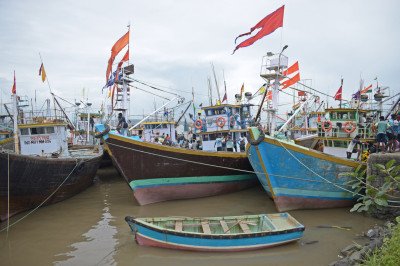
Kiltan Island Harbour
Some quick example text to build on the card title and make up the bulk of the card's content.
Go somewhere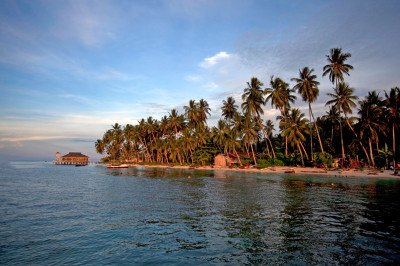
Kiltan Island Main Town
Some quick example text to build on the card title and make up the bulk of the card's content.
Go somewhere
Kiltan Lagoon
Some quick example text to build on the card title and make up the bulk of the card's content.
Go somewhere
Kiltan Lighthouse
Some quick example text to build on the card title and make up the bulk of the card's content.
Go somewhere
Kilthan Island Lighthouse
Some quick example text to build on the card title and make up the bulk of the card's content.
Go somewhere
Kulikkara
Some quick example text to build on the card title and make up the bulk of the card's content.
Go somewhere
Local Food Stalls Area
Some quick example text to build on the card title and make up the bulk of the card's content.
Go somewhere
Local Handicraft Production Area
Some quick example text to build on the card title and make up the bulk of the card's content.
Go somewhere
Local Kiltan Mosque
Some quick example text to build on the card title and make up the bulk of the card's content.
Go somewhere
Main Path/Road of Kiltan
Some quick example text to build on the card title and make up the bulk of the card's content.
Go somewherein Other Cities