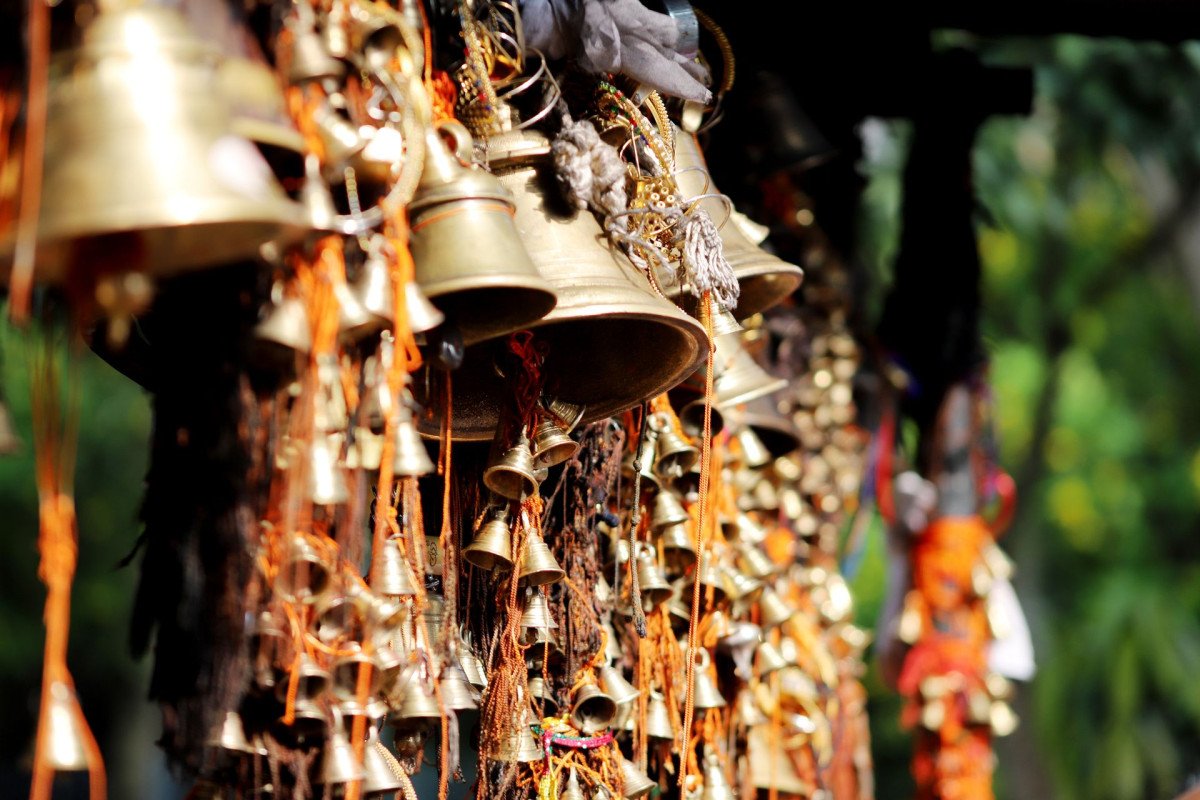
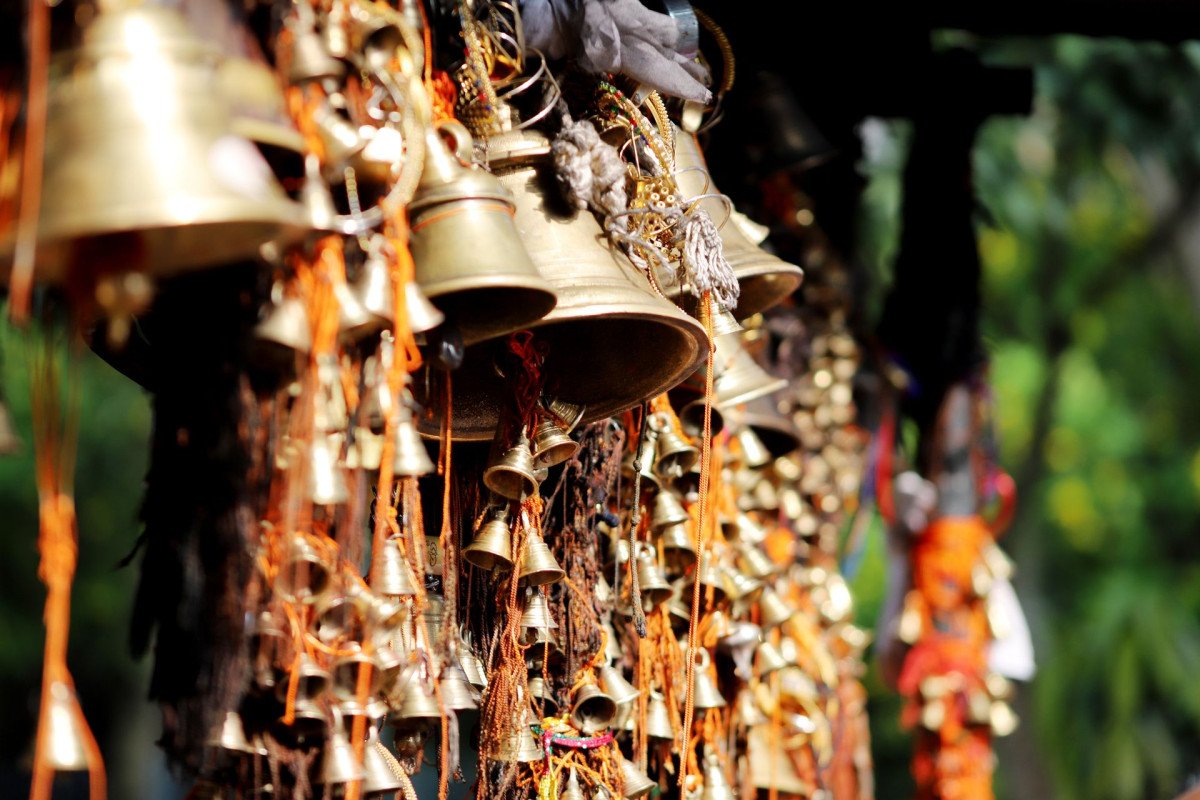
Lord Shiva Temple
General information
-
Ideal Duration:
30 Minutes to 1 HourPlace Type:
Religious Site, Hindu Temple, Geological LandmarkEntry Fees:
No Entry Fee for the Temple: Similar to the Ramchandra Temple, there is no official entry fee to enter the Tilted Shiva Temple. It is a place of worship freely accessible to all.
Voluntary Offerings: All financial contributions made by devo...No Entry Fee for the Temple: Similar to the Ramchandra Temple, there is no official entry fee to enter the Tilted Shiva Temple. It is a place of worship freely accessible to all.
Voluntary Offerings: All financial contributions made by devotees at the altar or donation boxes are entirely voluntary and used for the temple's upkeep and daily rituals.
Langar/Food Costs: There are no food facilities directly associated with this temple, but the neighboring Gurudwara provides free Langar for all visitors.
Photography Fees: No fees for photography, but it is crucial to respect the sacred space and the privacy of the worshippers. Always seek permission before photographing the priests or rituals closely.
Mandatory Costs: The only non-voluntary cost may be a small fee to leave your shoes at the designated shoe-keeping area, which is typically a very nominal charge (or a donation-based service). :Timing:
Regular Darshan Timings: The temple is generally open from approximately 6:00 AM to 7:00 PM daily, allowing devotees to offer morning and evening prayers.
Ideal Visit Time - Late Afternoon: A particularly good time is in the late afternoon (...Regular Darshan Timings: The temple is generally open from approximately 6:00 AM to 7:00 PM daily, allowing devotees to offer morning and evening prayers.
Ideal Visit Time - Late Afternoon: A particularly good time is in the late afternoon (4:00 PM to 6:00 PM). The light is softer for photography, the spiritual energy is often strong before evening closure, and the steam from the hot springs can be very atmospheric.
Festival Hours: During Mahashivratri or other major festivals, the temple remains open for extended hours, often all night, to accommodate the vast number of devotees and all-night prayers.
Avoid Crowds: Visit during the early morning for quiet contemplation, as the midday period is when large busloads of tourists often arrive, making the small complex feel crowded. :Special Events:
Mahashivratri Festival: This is the most significant annual event. The temple is the center of fervent prayers, all-night vigils, chanting of 'Om Namah Shivaya', and elaborate ritualistic worship of the Shivalinga. Devotees often fast and perform Abhishek (ritualistic bath...Mahashivratri Festival: This is the most significant annual event. The temple is the center of fervent prayers, all-night vigils, chanting of 'Om Namah Shivaya', and elaborate ritualistic worship of the Shivalinga. Devotees often fast and perform Abhishek (ritualistic bathing of the idol).
Procession of Kullu Deities: As mentioned, the ceremonial visits of the local Kullu valley's principal deities, carried in elaborate palanquins, make a ritual stop at the Shiva Temple, symbolizing the cosmic order and respect for Lord Shiva in the region. These visits are a rare cultural spectacle.
Sawan Month Celebrations: The holy month of Sawan (typically July/August) is dedicated to Lord Shiva and sees increased offerings, special daily prayers, and an atmosphere of heightened devotion.
Local Fairs and Melas: Smaller, regional fairs or Melas are sometimes held near the temple complex, especially during favorable weather in the Spring and Autumn seasons, celebrating local harvests or regional deities. :Best Photo Spots:
The Tilted Angle Shot: The absolute best photo spot is capturing the entire temple with its distinct lean, juxtaposed against the vertical lines of the neighboring Ram Temple or a clear view of the mountain peak to emphasize the tilt.
Black Shiv...The Tilted Angle Shot: The absolute best photo spot is capturing the entire temple with its distinct lean, juxtaposed against the vertical lines of the neighboring Ram Temple or a clear view of the mountain peak to emphasize the tilt.
Black Shivalinga Close-up: A discreet, respectful photograph of the Shivalinga through the main doorway, especially when illuminated by the traditional oil lamps or natural light, conveying a sense of antiquity and power.
The Steam and Stone Contrast: Frame the old stone walls of the temple with the wisps of steam rising from the nearby Hot Springs, visually linking the temple to its geothermal legend.
Detail of the Doorway: The weathered wood and stone of the entrance, often adorned with simple garlands, provides an excellent detail shot that captures the age and rustic mountain charm of the shrine. :Photo Gallery
Things To Do
-
Offer Prayers to Lord Shiva: Spend time in the sanctum to perform 'Darshan' and offer water or milk to the Shivalinga, following the traditional rituals for seeking blessings from Lord Shiva.
Observe the Tilted Structure: Carefully walk around the exterior of the temple to appreciate the dramatic and persistent TILT, reflecting on the power of the 1905 earthquake and the resilience of the structure.
Connect with the Legend: Sit quietly in the temple area and contemplate the legend of Lord Shiva and Parvati that gave the town its name, deepening your understanding of the site's spiritual importance.
Attend Mahashivratri Celebrations: Plan your visit around Mahashivratri (the Great Night of Shiva) to witness the most elaborate and fervent celebrations, including lo...Offer Prayers to Lord Shiva: Spend time in the sanctum to perform 'Darshan' and offer water or milk to the Shivalinga, following the traditional rituals for seeking blessings from Lord Shiva.
Observe the Tilted Structure: Carefully walk around the exterior of the temple to appreciate the dramatic and persistent TILT, reflecting on the power of the 1905 earthquake and the resilience of the structure.
Connect with the Legend: Sit quietly in the temple area and contemplate the legend of Lord Shiva and Parvati that gave the town its name, deepening your understanding of the site's spiritual importance.
Attend Mahashivratri Celebrations: Plan your visit around Mahashivratri (the Great Night of Shiva) to witness the most elaborate and fervent celebrations, including local rituals, music, and fasting, which transform the temple atmosphere.
Meditate on the Riverbank: Find a peaceful spot nearby, perhaps on the edge of the hot springs area, and meditate, using the sound of the roaring Parvati River and the steam from the springs as a backdrop for introspection.
Study the Stone Work: Take a close look at the exterior stone blocks and their weathered appearance, appreciating the ancient, simple, and rugged construction method that defines Himalayan temple building.
Photograph the Tilt: Capture the unique, leaning posture of the temple from various angles to highlight its geological significance and mysterious appearance. The juxtaposition of the tilt against the mountain backdrop is highly photogenic.
Seek Local Insight: Engage with the local custodians or long-time devotees to hear their personal accounts and folklore about the temple, which often offer richer details than common tourist information. :
Information
-
Why Famous:
The 1905 Earthquake Miracle: Its primary fame comes from the fact that it survived the devastating Kangra earthquake of 1905, which leveled many structures, and yet it remained standing, albeit leaning dramatically. This is seen as a sign of divine protection.The 1905 Earthquake Miracle: Its primary fame comes from the fact that it survived the devastating Kangra earthquake of 1905, which leveled many structures, and yet it remained standing, albeit leaning dramatically. This is seen as a sign of divine protection.
Mythological Center: It is the absolute mythological center of Manikaran. The entire town's name and the existence of the hot springs are tied directly to the legend involving Lord Shiva and Goddess Parvati, making it the spiritual heart of the geothermal area.
Geological Curiosity: From a scientific and historical perspective, the TILT itself is famous. It is a real-world, visible marker of a major seismic event, fascinating geologists and historians alongside devotees.
Reverence of Kullu Deities: The belief that the local deities (Devatas) of the Kullu valley pay regular, ceremonial visits to this specific Shiva temple further elevates its sanctity and regional importance.
Symbol of Enduring Faith: It stands as a powerful symbol of enduring faith, resisting the forces of nature and continuing to be a place of worship for centuries, inspiring pilgrims worldwide. : -
Architecture:
Post-Earthquake Tilting: The most unique architectural feature is its TILT, making it a singular example of seismic resilience and a historical landmark. The tilt is permanent and dramatic, giving the structure a sense of dynamic instability.
T...Post-Earthquake Tilting: The most unique architectural feature is its TILT, making it a singular example of seismic resilience and a historical landmark. The tilt is permanent and dramatic, giving the structure a sense of dynamic instability.
Traditional Stone Masonry: The temple employs the traditional mountain-style construction, using solid, heavy stone masonry with minimal mortar. This simple, robust construction is what likely allowed it to survive the earthquake, albeit tilted.
Shikhar Style: Before the tilt, the temple was likely a modest example of the North Indian or Himachali Shikhar style, characterized by a curvilinear spire, though its structure is simpler than larger temples in the plains.
The Black Stone Shivalinga: The main idol is a powerful black stone Shivalinga, which is the central object of worship. It is carved from a single piece of stone and is believed to have exceptional spiritual energy.
Small Scale: The temple is considerably smaller and less ornate than the Ramchandra Temple, reflecting a more ancient, understated style of worship focused solely on the lingam. The overall dimensions are quite compact, consisting of a small sanctum and a short circumambulatory path. : -
How To Reach:
By Air: The nearest airport is Kullu Manali Airport (KUU) at Bhuntar, which is approximately 44 km away. Flights connect to major cities like Delhi and Chandigarh. From Bhuntar airport, you can hire a pre-paid taxi or take a local bus directly to Manikaran. The taxi fare ...By Air: The nearest airport is Kullu Manali Airport (KUU) at Bhuntar, which is approximately 44 km away. Flights connect to major cities like Delhi and Chandigarh. From Bhuntar airport, you can hire a pre-paid taxi or take a local bus directly to Manikaran. The taxi fare is around Rs 2000-3000 for the trip.
By Train: The nearest major railway stations are Pathankot (around 300 km) and Chandigarh Railway Station (around 275 km). Chandigarh is better connected. From either station, the remaining journey is completed by hiring a private taxi for a long, scenic drive or by taking an overnight Volvo or local state-run bus to Bhuntar or Kullu, and then a local bus/cab to Manikaran.
By Road: Manikaran is well-connected by road, lying about 45 km from Kullu and about 4 km from Kasol. State-run and private buses, including comfortable Volvo services, run regularly from major northern Indian cities like Delhi and Chandigarh to Bhuntar and Kullu. From there, frequent local buses ply the route to Manikaran (a highly economical option, costing less than Rs 50 from Bhuntar). The road trip is highly scenic, following the Parvati River.
By Local Transport in Manikaran: The temple is centrally located and is just a few steps away from the Ram Temple and the Hot Springs. Visitors to Manikaran will easily find the temple on foot as they explore the main complex. Local shared taxis are available from the entrance of the town. : -
Weather and Best Time to Visit:
Different Types of Seasons: Autumn (October to November) is arguably the best time. The weather is crisp, the skies are clear, and the views of the valley are stunning. The cold is bearable, and the ground is dry, making it ideal for the walk to the temple. Summer (March ...Different Types of Seasons: Autumn (October to November) is arguably the best time. The weather is crisp, the skies are clear, and the views of the valley are stunning. The cold is bearable, and the ground is dry, making it ideal for the walk to the temple. Summer (March to June) is also excellent for pleasant weather. Avoid the Monsoon season (July to September) due to heavy rain and the danger of rockfalls near the river. Winter is very cold but spiritually rewarding for those who brave the chill and snow.
Different Parts of the Day: Dusk is a special time. As the steam from the hot springs mixes with the cooling air, the atmosphere around the Tilted Temple becomes mystical and quiet. Early Morning is best for a quick, uncrowded, and deeply spiritual prayer before the tourist influx. Afternoon is generally the busiest period. : -
Near Tourist Places:
Gurudwara Shri Manikaran Sahib (0. 1 km), Lord Ramchandra Temple (0. 1 km), Manikaran Hot Springs (0. 1 km), Kasol Village (4 km), Chhalal Village (6 km, via trek), Tosh Village (21 km), Kheerganga Trek Base at Barshaini (18 km), Malana Village (21 km), Kullu Town (45 km), Bijli Mahadev Temple (55 km)
Tourism Tips
-
Health & Safety: Be extremely cautious around the complex, especially if it's raining or snowing, as the tilted area and the path to the temple can be uneven and very slippery. Do not lean on the tilted structure.
Packing Essentials: Wear s...Health & Safety: Be extremely cautious around the complex, especially if it's raining or snowing, as the tilted area and the path to the temple can be uneven and very slippery. Do not lean on the tilted structure.
Packing Essentials: Wear simple, modest clothes as a sign of respect, especially during festivals. Carry a reusable water bottle. Wear comfortable walking shoes with good grip.
Respectful Behavior: Due to the tilt, some parts of the area are sensitive. Be mindful of the structure and do not climb or cause vibrations. Silence or quiet conversation is preferred inside and immediately around the sanctum.
Managing Crowds: During festivals like Mahashivratri, the crowds can be immense. Be patient, respect the queues, and follow the instructions of the temple management for crowd control.
Combining Visits: It is most efficient to visit this temple immediately before or after the Lord Ramchandra Temple and the Hot Springs, as they are all situated within a very small central complex. :
Reviews
FAQs
Manikaran Itineray And Cost:-
Lord Shiva Temple Tourism:-
Information about New and Updated Locations() of Himachal Pradesh Has Been Added :-
Card subtitle
Note:-
Information provided here in good Faith and for reference only.
All information and pictures will be updated soon, please keep visiting.
Near Places
Barshaini Village
Some quick example text to build on the card title and make up the bulk of the card's content.
Go somewhere
Gurudwara Shri Manikaran Sahib
Some quick example text to build on the card title and make up the bulk of the card's content.
Go somewhere
Harinder Mountain
Some quick example text to build on the card title and make up the bulk of the card's content.
Go somewhere
Hill Side Grahan
Some quick example text to build on the card title and make up the bulk of the card's content.
Go somewhere
Hot Springs
Some quick example text to build on the card title and make up the bulk of the card's content.
Go somewhere
Kalga Village
Some quick example text to build on the card title and make up the bulk of the card's content.
Go somewhere
Kheerganga Hot Springs
Some quick example text to build on the card title and make up the bulk of the card's content.
Go somewhere
Kheerganga Waterfall
Some quick example text to build on the card title and make up the bulk of the card's content.
Go somewhere
Kulant Pith
Some quick example text to build on the card title and make up the bulk of the card's content.
Go somewhere
Kutla Village
Some quick example text to build on the card title and make up the bulk of the card's content.
Go somewherein Other Cities