

Malana
General information
-
Ideal Duration:
1 to 2 DaysPlace Type:
Adventure / CultureEntry Fees:
No Entry Fee: There is no official entry fee for the village, but breaking "no-touch" rules can lead to fines of 2,500 INR.
Trek Guide: Optional guides can be hired for around 500 to 1,000 INR depending on the group size and duration. ...No Entry Fee: There is no official entry fee for the village, but breaking "no-touch" rules can lead to fines of 2,500 INR.
Trek Guide: Optional guides can be hired for around 500 to 1,000 INR depending on the group size and duration.Timing:
Regular Timings: It is best to visit the village between 9:00 AM and 5:00 PM; staying overnight inside is generally discouraged.
Ideal Visit Time: Start the trek at 8:00 AM to reach the village by noon and return before sunset. ...Regular Timings: It is best to visit the village between 9:00 AM and 5:00 PM; staying overnight inside is generally discouraged.
Ideal Visit Time: Start the trek at 8:00 AM to reach the village by noon and return before sunset.Special Events:
Shaun Festival: Celebrated in February, featuring local masked dances and rituals dedicated to Jamlu Devta.
Malana Fagli: A vibrant festival held in August to mark the end of the winter and the beginning of the harvest. ...Shaun Festival: Celebrated in February, featuring local masked dances and rituals dedicated to Jamlu Devta.
Malana Fagli: A vibrant festival held in August to mark the end of the winter and the beginning of the harvest.Best Photo Spots:
The Entrance Gate: Offers a frame of the ancient wooden houses against the backdrop of the high Himalayas.
Village Courtyard: Captures the essence of the local community life, but ensure you keep a respectful distance.
Read MoreThe Entrance Gate: Offers a frame of the ancient wooden houses against the backdrop of the high Himalayas.
Village Courtyard: Captures the essence of the local community life, but ensure you keep a respectful distance.
Chandrakhani Pass Viewpoint: Provides a panoramic view of the entire village nestled in the green bowl of the mountains.Photo Gallery
Things To Do
 The Jamlu Devta Temple is the spiritual and judicial center of the secluded Malana Village. Dedicated to the local deity, Sage Jamdagni Rishi (locally known as Jamlu Devta), it is the nerve center of the village's unique administrative system, which is sometimes referred to as the "oldest democracy in the world." The local community believes they are descendants of Alexander the Great's army and have maintained their distinct customs and ancient rules, which are entirely governed by the will of Jamlu Devta. The temple serves as the high court, where disputes are settled by a council of elders who act as the deity's representatives. The village operates under its own constitution, which dictates strict rules for outsiders, most notably the prohibition on touching local people, houses, and the temple structure itself, as this is believed to make the object impure. The deity's power is absolute, and his laws are followed rigorously by the Malanese people. The temple itself is a deeply sacred site, and entry for outsiders is strictly prohibited, though visitors may view the intricate woodwork from a distance. A major fire in 2008 destroyed parts of the village and the original temple structure, but it has been rebuilt, preserving the traditional style while losing some of its centuries-old relics. This unique blend of ancient spiritual governance and isolation makes the temple an unparalleled cultural and religious landmark in the Parvati Valley. (Approx. 180 words) The lore surrounding Jamlu Devta is rich, including legends of him possessing a treasury with artifacts like a coin from the Mughal Emperor Akbar. The village is surrounded by towering peaks like Chandrakhani and Deo Tibba, adding to its mystical atmosphere. The journey to the temple is an experience in itself, involving a trek that starts from the road head and climbs steeply to the village, rewarding trekkers with breathtaking views. The local dialect, Kanashi, is unique and unintelligible to people from other parts of Himachal Pradesh, further contributing to the village's isolated identity, which the temple is central to preserving. :
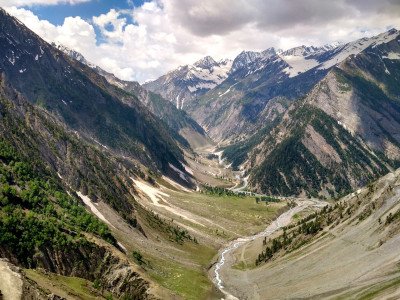 @@Place Overview: The Parvati Valley Viewpoint near Malana is one of the most breathtaking vantage points in the entire Himachal Pradesh region. Situated at a high elevation above the ancient village, this spot offers a 360-degree view of the surrounding peaks, including the majestic Deo Tibba and Chandrakhani Pass. The viewpoint is accessible via a short but steep hike from the Malana village outskirts. From here, the vast expanse of the valley unfolds like a green carpet, with the Parvati River appearing as a silver thread winding through the deep gorges. The air here is thin and incredibly fresh, often filled with the scent of wild herbs and pine. This location is a favorite among trekkers and nature lovers who wish to witness the raw power of the Himalayas without the crowds found in more commercialized parts of the valley. The viewpoint is particularly famous for its dramatic cloud formations that often hover below the observer's level, creating a "heavenly" experience. It serves as a place of quiet reflection and an ideal spot to understand the geographic isolation that has kept the Malana culture so unique for centuries.
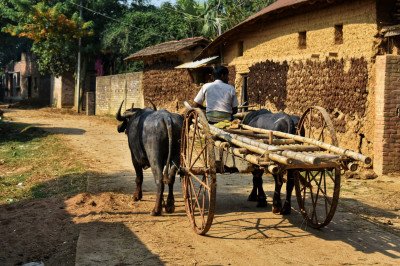 Grahan Village is a picturesque and secluded hamlet located at an altitude of about 2,350 meters deep within the Parvati Valley. Unlike the more famous Kasol, Grahan is reachable only by a foot trek, which has preserved its traditional charm and quietude. The village is known for its beautiful wooden houses and a strict ban on alcohol, making it a peaceful haven for those looking to escape the commercial party scene. The trek from Kasol to Grahan takes about 4 to 5 hours through a dense forest of rhododendrons and pines, following the Grahan Nalah stream. For travelers coming from Malana, it involves a more arduous trek over high ridges, often taking two days. The villagers are friendly but deeply traditional, maintaining a lifestyle that has changed little over the decades. The village is surrounded by towering mountains and offers a base for further treks like Sar Pass. The architecture is classic Himachali, with intricate wood carvings and stone walls. There is no mobile network in the village (except BSNL occasionally), allowing for a true digital detox. Visitors can enjoy local honey, which the village is famous for, and stay in cozy homestays that offer a glimpse into the local way of life. The air is incredibly fresh, and the sound of the nearby waterfalls provides a constant, soothing background score. It is a place for slow travel, long conversations, and deep relaxation.
The Renuka Devi Temple in Malana is a significant religious shrine dedicated to Goddess Renuka, the mother of Parashurama, who is also closely linked to the main village deity, Jamlu Devta (Jamadagni Rishi is the father of Parashurama). This small temple serves as an important secondary place of worship and social gathering for the Malanese community, complementing the main Jamlu Devta Temple. It is celebrated not for its size, but for its rich architectural heritage, particularly its unique and intricate wooden carvings. The temple's structure, like others in Malana, adheres to the local Kath-Kuni style, but the exterior wood panels are adorned with dense, detailed carvings depicting various deities, mythical animals, and scenes from local folklore. This craftsmanship is a testament to the high skill of the local artisans and has drawn the attention of archaeologists and cultural historians who study the region's unique vernacular art. Like the main temple, the Renuka Devi Temple is considered extremely sacred, and strict rules apply to visitors, including the prohibition on touching the walls, doors, or any part of the structure. Though entry may be restricted, the exterior offers a complete study of the traditional wood art. It survived the devastating 2008 fire with less damage than the main temple, possibly retaining more of its original, ancient woodwork. Visiting this shrine offers a deeper understanding of the intertwined spiritual mythology and artistic tradition of the isolated Malanese people. The reverence for Goddess Renuka as a protective figure further highlights the matriarchal and protective spiritual aspects of the local belief system. :
@@Place Overview: Waichin Valley, popularly known as the Magic Valley, is a secluded paradise located a few kilometers above the Malana Village. It is often described as a more pristine and less crowded version of the already isolated Malana. The valley is situated at an elevation of about 2,750 meters and is accessible only by a moderately difficult trek. The landscape is dominated by wide-open meadows, dense coniferous forests, and the towering backdrop of the Himalayas. The name "Magic Valley" comes from the ethereal atmosphere created by the swirling mists and the abundance of wild flora that gives the air a unique fragrance. Unlike Malana, Waichin does not have a permanent large settlement; instead, it features several seasonal campsites and eco-cafes that cater to those seeking ultimate peace and a connection with nature. The valley is a hub for "slow travel," where visitors spend days simply watching the clouds, listening to the mountain streams, and enjoying the company of other travelers around a bonfire. It is the perfect escape for those who find Kasol too commercialized and Malana too restrictive.
@@Overview of Jari Village: Jari Village is a serene and often overlooked hamlet that serves as the administrative and logistical hub for travelers heading towards the more famous Malana. Unlike the bustling tourist centers of Kasol, Jari offers a more grounded and authentic experience of life in the Himachal hills. The village is perched on a hillside, overlooking the roaring Parvati River and the massive Malana Hydel Project dam. It is a place where time seems to slow down, characterized by terraced fields, apple orchards, and traditional wooden houses. The locals are known for their warm hospitality, offering homestays that provide a glimpse into the daily rhythms of Pahari life. The air here is scented with the smell of pine needles and woodsmoke, creating a nostalgic atmosphere for urban dwellers. In 2026, Jari has emerged as a favorite for "slow travelers" who prefer to stay in budget-friendly accommodations away from the crowds. It is the point where the road diverges: one path leads deeper into the Parvati Valley toward Manikaran, while the other winds up the steep cliffs toward the Malana trek start point. The village also has historical significance, as it was one of the first settlements to establish trade links with the outsiders. Visitors can enjoy short walks to the riverside, where the water is crystal clear and freezing cold. The community here is deeply religious, with small shrines dedicated to local deities dotting the landscape. For many, Jari is not just a transit point but a destination in itself—a place to meditate, write, or simply watch the clouds drift over the high mountain peaks. Its proximity to the road makes it easily accessible, yet its elevation ensures it remains several degrees cooler than the valley floor.
Grahan Village is a picturesque and secluded hamlet located at an altitude of about 2,350 meters deep within the Parvati Valley. Unlike the more famous Kasol, Grahan is reachable only by a foot trek, which has preserved its traditional charm and quietude. The village is known for its beautiful wooden houses and a strict ban on alcohol, making it a peaceful haven for those looking to escape the commercial party scene. The trek from Kasol to Grahan takes about 4 to 5 hours through a dense forest of rhododendrons and pines, following the Grahan Nalah stream. For travelers coming from Malana, it involves a more arduous trek over high ridges, often taking two days. The villagers are friendly but deeply traditional, maintaining a lifestyle that has changed little over the decades. The village is surrounded by towering mountains and offers a base for further treks like Sar Pass. The architecture is classic Himachali, with intricate wood carvings and stone walls. There is no mobile network in the village (except BSNL occasionally), allowing for a true digital detox. Visitors can enjoy local honey, which the village is famous for, and stay in cozy homestays that offer a glimpse into the local way of life. The air is incredibly fresh, and the sound of the nearby waterfalls provides a constant, soothing background score. It is a place for slow travel, long conversations, and deep relaxation.
The Renuka Devi Temple in Malana is a significant religious shrine dedicated to Goddess Renuka, the mother of Parashurama, who is also closely linked to the main village deity, Jamlu Devta (Jamadagni Rishi is the father of Parashurama). This small temple serves as an important secondary place of worship and social gathering for the Malanese community, complementing the main Jamlu Devta Temple. It is celebrated not for its size, but for its rich architectural heritage, particularly its unique and intricate wooden carvings. The temple's structure, like others in Malana, adheres to the local Kath-Kuni style, but the exterior wood panels are adorned with dense, detailed carvings depicting various deities, mythical animals, and scenes from local folklore. This craftsmanship is a testament to the high skill of the local artisans and has drawn the attention of archaeologists and cultural historians who study the region's unique vernacular art. Like the main temple, the Renuka Devi Temple is considered extremely sacred, and strict rules apply to visitors, including the prohibition on touching the walls, doors, or any part of the structure. Though entry may be restricted, the exterior offers a complete study of the traditional wood art. It survived the devastating 2008 fire with less damage than the main temple, possibly retaining more of its original, ancient woodwork. Visiting this shrine offers a deeper understanding of the intertwined spiritual mythology and artistic tradition of the isolated Malanese people. The reverence for Goddess Renuka as a protective figure further highlights the matriarchal and protective spiritual aspects of the local belief system. :
@@Place Overview: Waichin Valley, popularly known as the Magic Valley, is a secluded paradise located a few kilometers above the Malana Village. It is often described as a more pristine and less crowded version of the already isolated Malana. The valley is situated at an elevation of about 2,750 meters and is accessible only by a moderately difficult trek. The landscape is dominated by wide-open meadows, dense coniferous forests, and the towering backdrop of the Himalayas. The name "Magic Valley" comes from the ethereal atmosphere created by the swirling mists and the abundance of wild flora that gives the air a unique fragrance. Unlike Malana, Waichin does not have a permanent large settlement; instead, it features several seasonal campsites and eco-cafes that cater to those seeking ultimate peace and a connection with nature. The valley is a hub for "slow travel," where visitors spend days simply watching the clouds, listening to the mountain streams, and enjoying the company of other travelers around a bonfire. It is the perfect escape for those who find Kasol too commercialized and Malana too restrictive.
@@Overview of Jari Village: Jari Village is a serene and often overlooked hamlet that serves as the administrative and logistical hub for travelers heading towards the more famous Malana. Unlike the bustling tourist centers of Kasol, Jari offers a more grounded and authentic experience of life in the Himachal hills. The village is perched on a hillside, overlooking the roaring Parvati River and the massive Malana Hydel Project dam. It is a place where time seems to slow down, characterized by terraced fields, apple orchards, and traditional wooden houses. The locals are known for their warm hospitality, offering homestays that provide a glimpse into the daily rhythms of Pahari life. The air here is scented with the smell of pine needles and woodsmoke, creating a nostalgic atmosphere for urban dwellers. In 2026, Jari has emerged as a favorite for "slow travelers" who prefer to stay in budget-friendly accommodations away from the crowds. It is the point where the road diverges: one path leads deeper into the Parvati Valley toward Manikaran, while the other winds up the steep cliffs toward the Malana trek start point. The village also has historical significance, as it was one of the first settlements to establish trade links with the outsiders. Visitors can enjoy short walks to the riverside, where the water is crystal clear and freezing cold. The community here is deeply religious, with small shrines dedicated to local deities dotting the landscape. For many, Jari is not just a transit point but a destination in itself—a place to meditate, write, or simply watch the clouds drift over the high mountain peaks. Its proximity to the road makes it easily accessible, yet its elevation ensures it remains several degrees cooler than the valley floor. @@Overview of Naggar Castle: Naggar Castle is a magnificent historical edifice that served as the seat of power for the Rajas of Kullu for over 1,400 years. Built in 1460 AD by Raja Sidh Singh, the castle is a stunning example of regional craftsmanship and strategic architecture. Perched high above the Beas River, it offers commanding views of the entire Kullu Valley, including the distant snow-capped peaks of the Rohtang Pass. The castle is unique because it survived the devastating earthquake of 1905, which leveled most of the surrounding structures; this resilience is attributed to its earthquake-resistant "Kath-Kuni" construction style. In the late 1970s, the castle was handed over to the Himachal Pradesh Tourism Development Corporation (HPTDC) and converted into a heritage hotel. Today, it serves as a bridge between the regal past and the modern traveler, offering a chance to stay in rooms once occupied by royalty. The interiors are adorned with cozy fireplaces, intricately carved wooden balconies, and traditional Himalayan artifacts. The castle also houses a small museum and the Jagatipatt Temple, which is said to be the home of all local gods. In 2026, Naggar Castle remains a must-visit for history buffs and art lovers alike. Just a short walk away is the Nicholas Roerich Art Gallery, dedicated to the famous Russian painter who spent his final years in this serene town. The atmosphere at the castle is one of quiet elegance, far removed from the commercial noise of nearby Manali. Visitors can enjoy a cup of tea at the castle's terrace café, watching the sunset paint the mountains in hues of gold and purple. It is a place where history feels alive, whispered through the wind that rustles the ancient cedar trees surrounding the fortress walls.Show All
Chanderkhani Pass is one of the most beautiful and culturally significant high-altitude passes in the Himachal Pradesh region, sitting at an elevation of 3,660 meters. It acts as a natural bridge between the Kullu valley and the hidden valley of Malana. According to local folklore, this was the site where the deity Jamlu opened a basket containing all the local gods, and a strong wind blew them to their respective locations across the valley. The trek to the pass is a sensory delight, passing through thick forests of blue pine, deodar, and oak. As you ascend, the vegetation changes to alpine meadows and rhododendron bushes that bloom in vibrant colors during May. The panoramic view from the top is unparalleled, offering a 360-degree look at the Pir Panjal range, Deo Tibba, and the Parvati peaks. For trekkers coming from Malana, the climb is steep but rewarding, revealing the geographical isolation that has kept Malana's culture intact for centuries. The pass is often covered in snow until late June, making it a winter wonderland for adventure seekers. The silence at the summit is profound, broken only by the whistling wind. It is a place of pilgrimage for locals and a bucket-list destination for trekkers worldwide. The air is thin but pure, and the sense of achievement upon reaching the top is immense.
@@Overview of Naggar Castle: Naggar Castle is a magnificent historical edifice that served as the seat of power for the Rajas of Kullu for over 1,400 years. Built in 1460 AD by Raja Sidh Singh, the castle is a stunning example of regional craftsmanship and strategic architecture. Perched high above the Beas River, it offers commanding views of the entire Kullu Valley, including the distant snow-capped peaks of the Rohtang Pass. The castle is unique because it survived the devastating earthquake of 1905, which leveled most of the surrounding structures; this resilience is attributed to its earthquake-resistant "Kath-Kuni" construction style. In the late 1970s, the castle was handed over to the Himachal Pradesh Tourism Development Corporation (HPTDC) and converted into a heritage hotel. Today, it serves as a bridge between the regal past and the modern traveler, offering a chance to stay in rooms once occupied by royalty. The interiors are adorned with cozy fireplaces, intricately carved wooden balconies, and traditional Himalayan artifacts. The castle also houses a small museum and the Jagatipatt Temple, which is said to be the home of all local gods. In 2026, Naggar Castle remains a must-visit for history buffs and art lovers alike. Just a short walk away is the Nicholas Roerich Art Gallery, dedicated to the famous Russian painter who spent his final years in this serene town. The atmosphere at the castle is one of quiet elegance, far removed from the commercial noise of nearby Manali. Visitors can enjoy a cup of tea at the castle's terrace café, watching the sunset paint the mountains in hues of gold and purple. It is a place where history feels alive, whispered through the wind that rustles the ancient cedar trees surrounding the fortress walls.Show All
Chanderkhani Pass is one of the most beautiful and culturally significant high-altitude passes in the Himachal Pradesh region, sitting at an elevation of 3,660 meters. It acts as a natural bridge between the Kullu valley and the hidden valley of Malana. According to local folklore, this was the site where the deity Jamlu opened a basket containing all the local gods, and a strong wind blew them to their respective locations across the valley. The trek to the pass is a sensory delight, passing through thick forests of blue pine, deodar, and oak. As you ascend, the vegetation changes to alpine meadows and rhododendron bushes that bloom in vibrant colors during May. The panoramic view from the top is unparalleled, offering a 360-degree look at the Pir Panjal range, Deo Tibba, and the Parvati peaks. For trekkers coming from Malana, the climb is steep but rewarding, revealing the geographical isolation that has kept Malana's culture intact for centuries. The pass is often covered in snow until late June, making it a winter wonderland for adventure seekers. The silence at the summit is profound, broken only by the whistling wind. It is a place of pilgrimage for locals and a bucket-list destination for trekkers worldwide. The air is thin but pure, and the sense of achievement upon reaching the top is immense.Information
-
Why Famous:
Oldest Democracy: The village follows a bicameral legislative system consisting of an upper house (Jayeshthang) and a lower house (Kanishthang). This ancient system handles all internal disputes, making the village almost entirely self-governed and independent of modern cou...Oldest Democracy: The village follows a bicameral legislative system consisting of an upper house (Jayeshthang) and a lower house (Kanishthang). This ancient system handles all internal disputes, making the village almost entirely self-governed and independent of modern courts.
Unique Language: Kanashi is considered a "language of the gods" by the locals and is a blend of Sanskrit and several Tibeto-Burman dialects. It serves as a strong cultural barrier, as it is not understood by people from neighboring Himalayan valleys. -
Architecture:
Kath-Kuni Style: The houses are built using the traditional Himalayan technique of interlocking wooden beams and stones without mortar. The Jamlu Devta Temple is a prime example, featuring intricate wood carvings of animals and floral motifs. Dimensions of central houses u...Kath-Kuni Style: The houses are built using the traditional Himalayan technique of interlocking wooden beams and stones without mortar. The Jamlu Devta Temple is a prime example, featuring intricate wood carvings of animals and floral motifs. Dimensions of central houses usually span 8 by 8 meters with two stories for livestock and living.
Sacred Structures: Temples in Malana are strictly off-limits to outsiders, and even touching the outer walls results in a heavy fine. The architecture reflects a deep reverence for the deity, with large courtyards used for communal decision-making. The roofs are typically made of heavy slate slabs to protect against the harsh Himalayan winters. -
How To Reach:
By Air: Nearest airport is Bhuntar (45 KMS), followed by a taxi ride to Malana Gate and a trek.
By Train: Joginder Nagar (145 KMS) is the nearest railhead, though Chandigarh is more convenient for long-distance travelers.
Read MoreBy Air: Nearest airport is Bhuntar (45 KMS), followed by a taxi ride to Malana Gate and a trek.
By Train: Joginder Nagar (145 KMS) is the nearest railhead, though Chandigarh is more convenient for long-distance travelers.
By Road: Take a bus or taxi from Kullu or Manali to Jari, then a local taxi to the Malana Hydro Project.
By Local Transport: From Jari, only private taxis operate to the trek starting point as the road is narrow and steep.Weather and Best Time to Visit:
Summer Season: April to June is the best time for trekking as the paths are clear and the weather is mild.
Winter Season: December to February sees heavy snowfall, making the village nearly inaccessible and very cold.
Read MoreSummer Season: April to June is the best time for trekking as the paths are clear and the weather is mild.
Winter Season: December to February sees heavy snowfall, making the village nearly inaccessible and very cold.
Monsoon Season: July to August should be avoided due to the risk of landslides on the steep mountain roads.Near Tourist Places:
Kasol (21 KMS), Manikaran (25 KMS), Jari (12 KMS), Tosh (40 KMS), Chalal (22 KMS), Kullu (45 KMS), Manali (85 KMS), Naggar (65 KMS), Bhuntar (35 KMS), Pulga (38 KMS).Tourism Tips
-
Health and Safety: The trek is steep; carry a walking stick and wear shoes with a good grip to avoid slipping. Do not consume any substances offered by strangers and stay aware of your surroundings at all times during the trek.
Packing Essenti...Health and Safety: The trek is steep; carry a walking stick and wear shoes with a good grip to avoid slipping. Do not consume any substances offered by strangers and stay aware of your surroundings at all times during the trek.
Packing Essentials: Carry sufficient cash as there are no ATMs in the village; the nearest one is in Jari or Kasol. Bring your own snacks and water, as options inside the village are limited and prices can be high due to transport.
Accommodation: Stay in guesthouses located near the Malana Gate or in the nearby town of Kasol. Most tourists visit Malana as a day trip from Kasol or Jari to respect the village's preference for privacy.
Strict Rules: Never touch the walls, people, or temples; if you do, immediately inform the locals and pay the fine. Respect the privacy of the villagers and avoid pointing cameras directly at people without their explicit consent.
Reviews
FAQs
Malana Itineray And Cost:-
Information about New and Updated Locations() of Himachal Pradesh Has Been Added :-
Card subtitle
Note:-
Information provided here in good Faith and for reference only.
All information and pictures will be updated soon, please keep visiting.
Near Places

Anandpur Sahib
Some quick example text to build on the card title and make up the bulk of the card's content.
Go somewhere
Bhuntar
Some quick example text to build on the card title and make up the bulk of the card's content.
Go somewhere
Bir Billing
Some quick example text to build on the card title and make up the bulk of the card's content.
Go somewhere
Chail
Some quick example text to build on the card title and make up the bulk of the card's content.
Go somewhere
Chamba
Some quick example text to build on the card title and make up the bulk of the card's content.
Go somewhere
Dalhousie
Some quick example text to build on the card title and make up the bulk of the card's content.
Go somewhere
Dharamshala
Some quick example text to build on the card title and make up the bulk of the card's content.
Go somewhere
Fagu
Some quick example text to build on the card title and make up the bulk of the card's content.
Go somewhere
Hamirpur
Some quick example text to build on the card title and make up the bulk of the card's content.
Go somewhere
Joginder Nagar
Some quick example text to build on the card title and make up the bulk of the card's content.
Go somewherein Other Cities