



Malappuram
General information
-
Ideal Duration:
Duration:
2 Days:Place Type:
Category:
Heritage and Nature:Entry Fees:
Museums: The entry fee for the Teak Museum is around 50 for adults. Kottakkunnu park has a nominal entry fee of about 20. Most natural spots like hills and rivers are free to access for the public.
Sanctuary: The Kadalundi Bird Sanctuary m...Museums: The entry fee for the Teak Museum is around 50 for adults. Kottakkunnu park has a nominal entry fee of about 20. Most natural spots like hills and rivers are free to access for the public.
Sanctuary: The Kadalundi Bird Sanctuary may have a small fee for boat rides and entry. It is generally very affordable for tourists. Professional photography might require additional permissions and fees.Timing:
Regular Timings: Parks and museums usually open from 9:00 AM to 6:00 PM. Kottakkunnu is popular in the evenings until 8:30 PM. Religious sites follow their specific prayer schedules but are usually open during the day.
Visit Time: The best...Regular Timings: Parks and museums usually open from 9:00 AM to 6:00 PM. Kottakkunnu is popular in the evenings until 8:30 PM. Religious sites follow their specific prayer schedules but are usually open during the day.
Visit Time: The best time to visit the hills is in the early morning to avoid the afternoon heat. Parks are best visited in the late afternoon when the weather is pleasant. Bird watching is most productive during the sunrise hours.Special Events:
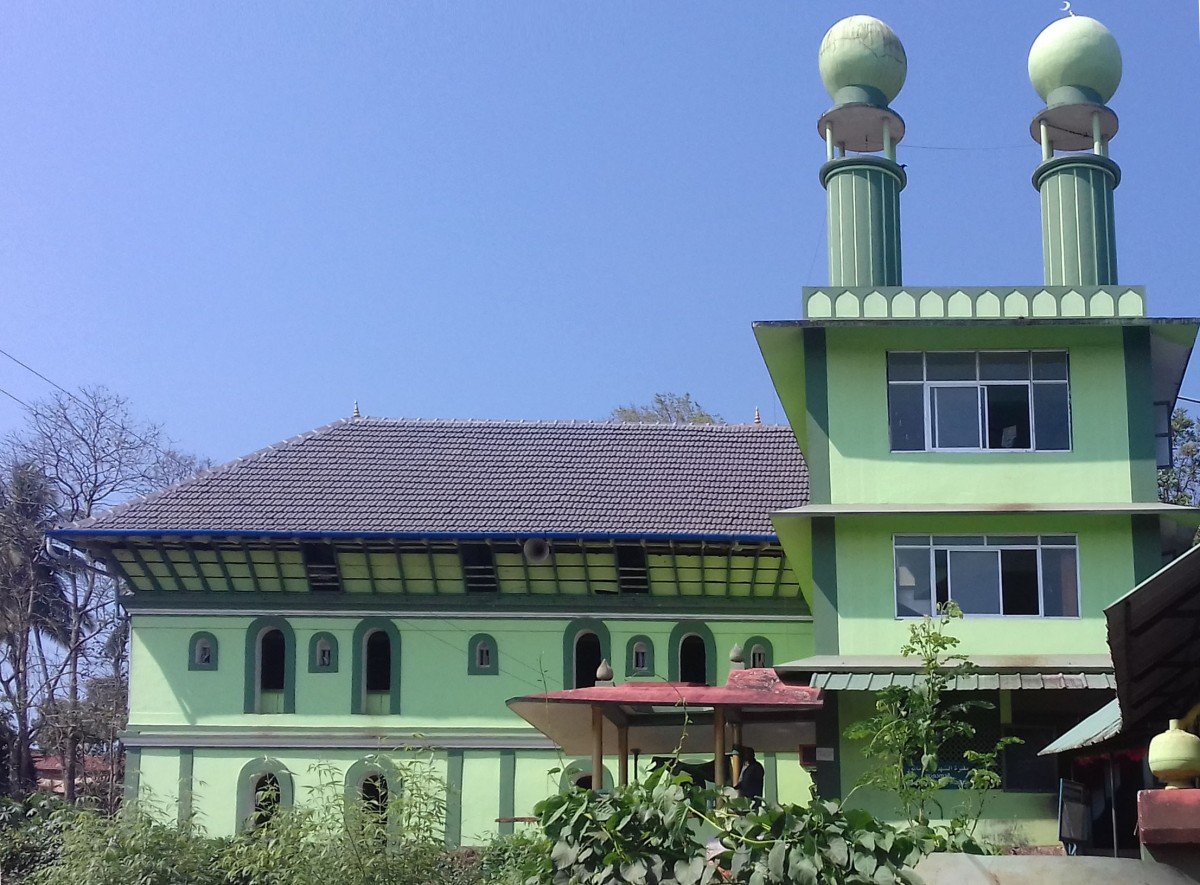
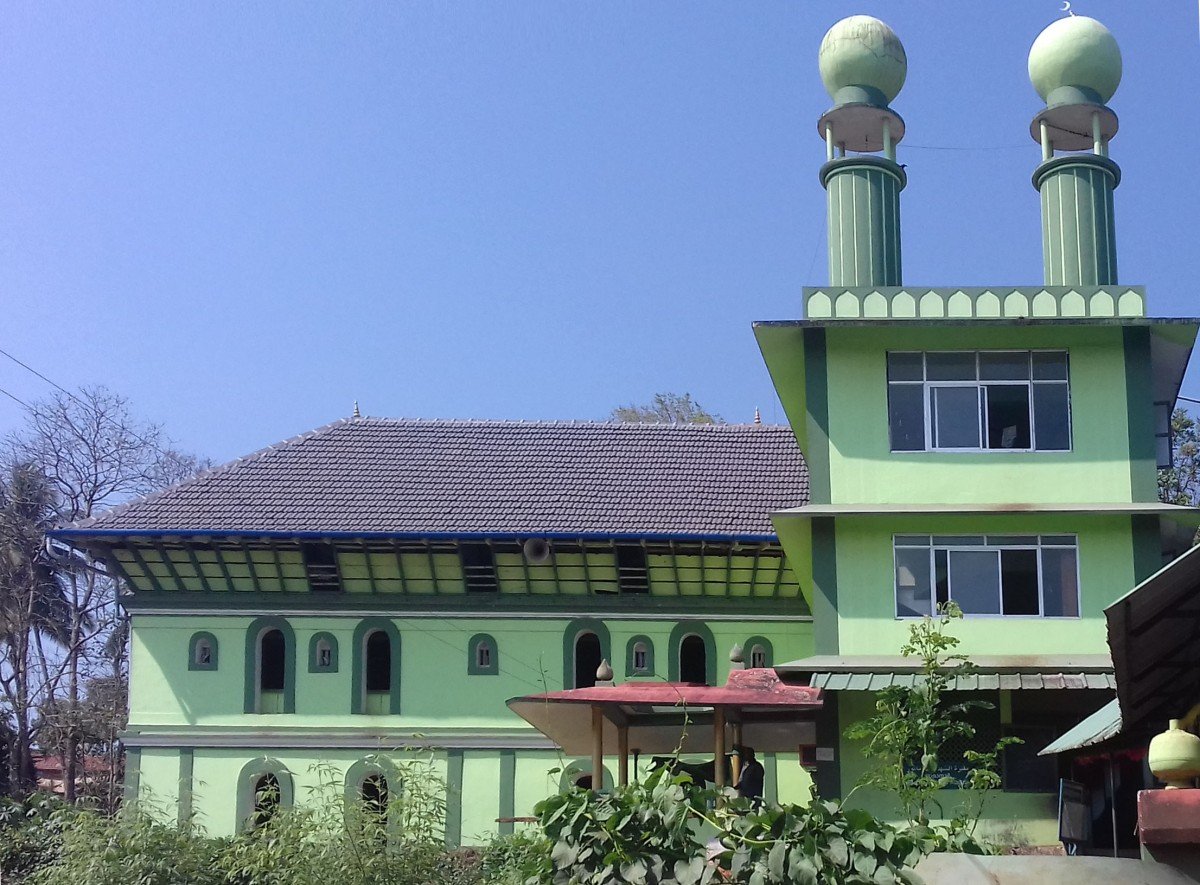
Kondotty Nercha: This is a grand festival celebrated at the Kondotty Mosque in March. It involves processions and traditional music, attracting people from all over the state. The festival is a symbol of communal harmony in the district.
Nilam...Kondotty Nercha: This is a grand festival celebrated at the Kondotty Mosque in March. It involves processions and traditional music, attracting people from all over the state. The festival is a symbol of communal harmony in the district.
Nilambur Vettaikkorumakan Temple Festival: This annual festival features traditional art forms and elephant processions. It is a great way to experience the local temple traditions and culture. The event is held with great enthusiasm by the local community.Best Photo Spots:
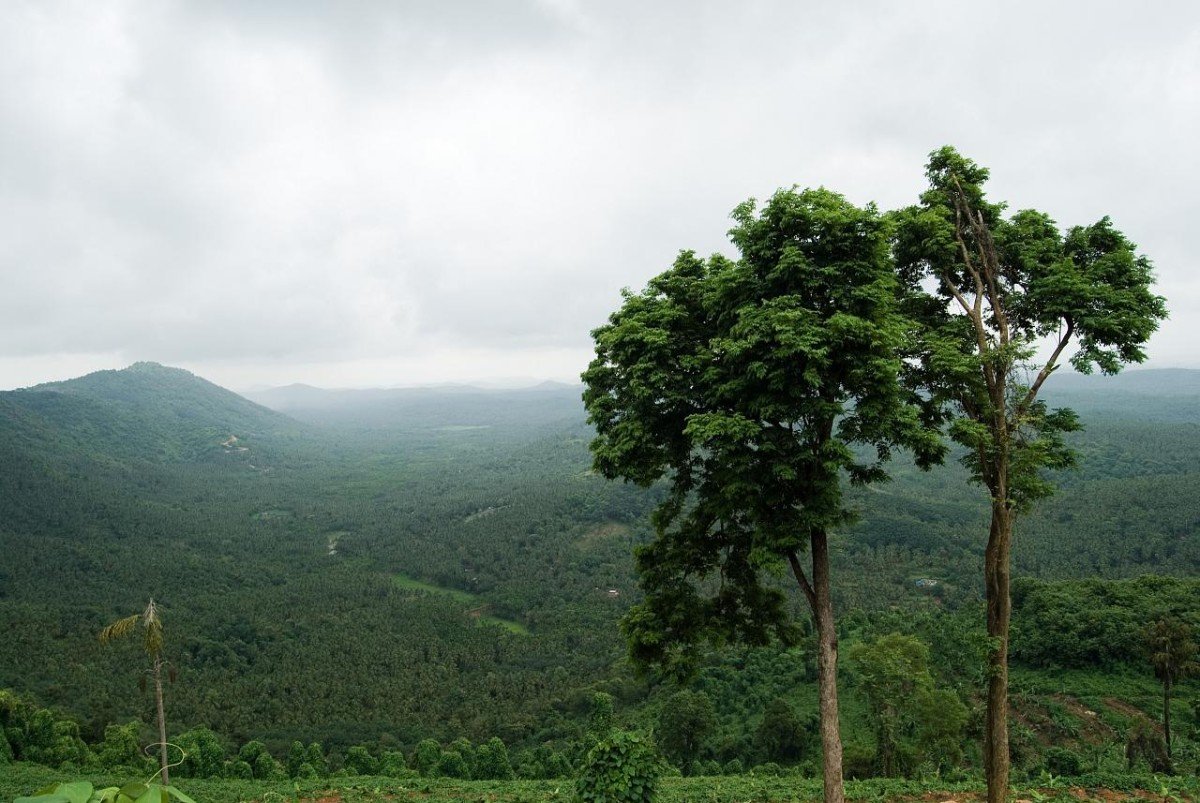
Hilltop Panoramas: The top of Kodikuthimala offers breathtaking views of the Western Ghats. The morning mist and the rolling clouds make for great landscape photos. It is a favorite spot for nature photographers.
Teak Forests: The tall, st...Hilltop Panoramas: The top of Kodikuthimala offers breathtaking views of the Western Ghats. The morning mist and the rolling clouds make for great landscape photos. It is a favorite spot for nature photographers.
Teak Forests: The tall, straight teak trees in Nilambur provide a unique geometric pattern for photos. The light filtering through the canopy creates a beautiful atmosphere. The wooden museum building is also a great subject.
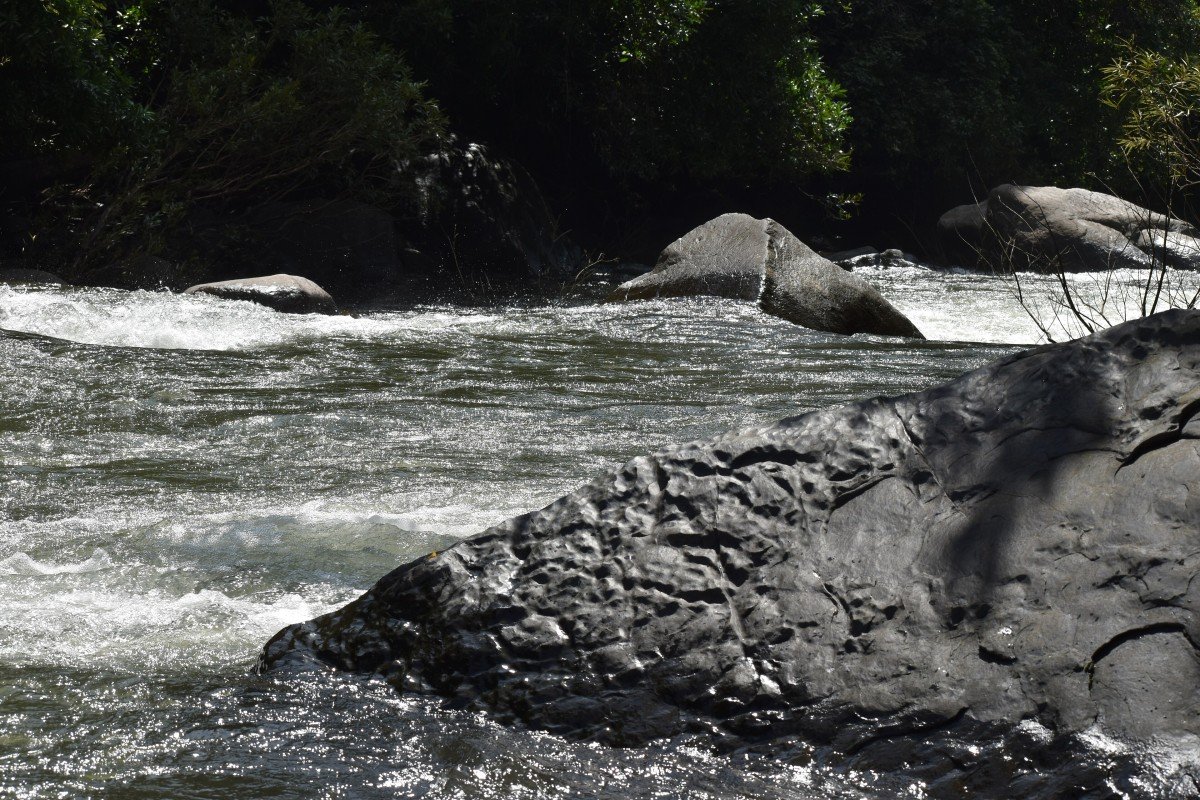
Riverside Views: The banks of the Chaliyar and Bharathapuzha rivers offer many scenic spots. The traditional wooden bridges over the small streams are very photogenic. Capturing the local life along the river adds a cultural touch.Photo Gallery


Things To Do
 Kodikuthimala, often referred to as the "Ooty of Malappuram," is a stunning hill station located in the Amminikandan range. At an elevation of approximately 522 meters above sea level, it offers a cool climate and panoramic views that are rare in the tropical plains of Malappuram. The name "Kodikuthimala" translates to "The hill where the flag was hoisted," a reference to the British survey period when officials planted a flag on the summit to mark it as a prominent landmark. The hilltop is characterized by rolling meadows, deep valleys, and a persistent blanket of mist that rolls in even during the summer months. It has become a favorite destination for trekkers and nature enthusiasts who wish to experience the serenity of the Western Ghats without the crowds of more famous hill stations. The trek to the top is moderately challenging but rewarding, passing through diverse landscapes ranging from rocky outcrops to lush green grasslands that stay vibrant throughout the year.
Padinhatholi Mana stands as one of the best-preserved and most architecturally significant examples of a traditional aristocratic Brahmin residence (Mana or Illam) in the Malappuram district. This Mana showcases the zenith of Kerala architectural style, specifically the Nalukettu (four-block) pattern, characterized by a central open courtyard (Nadumuttom) and surrounding verandas that define life and ritual within the home. The architecture is primarily wood and laterite, with sloping tiled roofs designed for the heavy monsoon. The family associated with the Mana traditionally held great social and religious authority, often serving as landholders and ritual consultants in the region. The term Ezhuthani, often associated with this place, refers to the practice of traditional Ayurvedic medicine or sometimes the lineage's specific knowledge of local governance and rituals. The visit offers a rare opportunity to step inside a world largely unchanged for centuries, where the rituals and social hierarchy of old Malabar were strictly observed. Beyond the main Nalukettu, the complex includes ancillary structures like the traditional granary (Paddy Pura), the family serpent grove (Kavu), and a private bathing pond (Kulam). The Mana's significance is heightened by its location near Kottakkal, a hub of traditional culture and Ayurveda. The meticulous wood carvings, the dark, polished timber, and the sheer scale of the building offer a profound experience of Kerala's heritage that contrasts sharply with modern life.
Kodikuthimala, often referred to as the "Ooty of Malappuram," is a stunning hill station located in the Amminikandan range. At an elevation of approximately 522 meters above sea level, it offers a cool climate and panoramic views that are rare in the tropical plains of Malappuram. The name "Kodikuthimala" translates to "The hill where the flag was hoisted," a reference to the British survey period when officials planted a flag on the summit to mark it as a prominent landmark. The hilltop is characterized by rolling meadows, deep valleys, and a persistent blanket of mist that rolls in even during the summer months. It has become a favorite destination for trekkers and nature enthusiasts who wish to experience the serenity of the Western Ghats without the crowds of more famous hill stations. The trek to the top is moderately challenging but rewarding, passing through diverse landscapes ranging from rocky outcrops to lush green grasslands that stay vibrant throughout the year.
Padinhatholi Mana stands as one of the best-preserved and most architecturally significant examples of a traditional aristocratic Brahmin residence (Mana or Illam) in the Malappuram district. This Mana showcases the zenith of Kerala architectural style, specifically the Nalukettu (four-block) pattern, characterized by a central open courtyard (Nadumuttom) and surrounding verandas that define life and ritual within the home. The architecture is primarily wood and laterite, with sloping tiled roofs designed for the heavy monsoon. The family associated with the Mana traditionally held great social and religious authority, often serving as landholders and ritual consultants in the region. The term Ezhuthani, often associated with this place, refers to the practice of traditional Ayurvedic medicine or sometimes the lineage's specific knowledge of local governance and rituals. The visit offers a rare opportunity to step inside a world largely unchanged for centuries, where the rituals and social hierarchy of old Malabar were strictly observed. Beyond the main Nalukettu, the complex includes ancillary structures like the traditional granary (Paddy Pura), the family serpent grove (Kavu), and a private bathing pond (Kulam). The Mana's significance is heightened by its location near Kottakkal, a hub of traditional culture and Ayurveda. The meticulous wood carvings, the dark, polished timber, and the sheer scale of the building offer a profound experience of Kerala's heritage that contrasts sharply with modern life. The **Nilambur Teak Museum** stands as the world's only museum entirely dedicated to teak. Located in the famous Nilambur Valley, which is renowned for its elegant and extensive teak forests and is often called the 'Mecca of Teak,' this museum is a thematic repository. It was established in **1995** by the **Kerala** Forest Research Institute (KFRI) to document and conserve the history, cultural, aesthetic, and scientific aspects of teak. The museum is situated about 4 km from the **Nilambur** town. The two-storey building houses a wealth of information, from the history of teak planting in the area, starting with the efforts of **H. V. Conolly**, the then Malabar District Collector, to the various methods of felling and wood preservation. Inside, visitors can explore exhibits of logs of different ages, detailed displays on the pathology of the teak tree, microscopic sections of teak wood, and intricate wood carvings. The museum garden features a bamboo collection and various ornamental trees, making the visit not just informative but also a visually refreshing experience. The surrounding **Nilambur** forests are home to one of the world's oldest teak plantations, famously known as **Conolly's Plot**, which adds to the area's fame. The museum serves as a vital educational center for students, researchers, and nature enthusiasts alike, highlighting **Kerala's** rich forestry heritage. The exhibits vividly explain the life cycle of the teak tree, its economic importance, and the sustainability challenges it faces. It’s a must-visit for anyone interested in botany, forestry, or the history of woodcraft, offering a deep dive into the story of this valuable timber. The location itself, nestled amidst the greenery of the plantation, contributes to a serene and educational outing.
@@A Literary and Cultural Pilgrimage: Thunjanparambu is a sacred ground for every Malayali, as it is the birthplace of Thunchath Ezhuthachan, the father of the Malayalam language. Located in Tirur, this four-acre memorial is a serene landscape where the poet once lived and wrote his legendary works. The site is a living monument to education and literature, maintained with deep reverence by the state. It features a library, a museum, and the famous Saraswathi Mandapam where children are initiated into the world of letters. The atmosphere is academic yet spiritual, with ancient trees providing shade to the courtyards where scholars once debated. Every year, thousands of families bring their young children here to start their formal education. The historical importance of this place cannot be overstated, as it represents the very foundation of the modern Malayalam language and its rich poetic tradition.
Conolly's Plot is a historic and botanical marvel located on the banks of the Chaliyar River in Nilambur. Established in 1846, it holds the distinction of being the world's first man-made teak plantation. It was named after H.V. Conolly, the then Collector of Malabar, who initiated the project to meet the growing demand for quality timber. The plot was developed with the expert assistance of Chathu Menon, a local forest officer whose remains are still honored within the plantation. Spanning across a lush landscape, the plot is home to massive teak trees that have stood the test of time for nearly two centuries. The most famous resident is the Kannimari Teak, one of the oldest and largest teak trees in the world. Walking through this plantation feels like stepping back into the history of Indian forestry. The area is managed as a research and heritage site by the Kerala Forest Department. The combination of the majestic trees and the flowing river creates an atmosphere of profound serenity. It is a must-visit for nature lovers, history buffs, and anyone looking to witness the legacy of sustainable forest management. The plot serves as a living museum, showcasing the resilience and beauty of the Nilambur Teak, which is globally renowned for its quality and durability.
The **Nilambur Teak Museum** stands as the world's only museum entirely dedicated to teak. Located in the famous Nilambur Valley, which is renowned for its elegant and extensive teak forests and is often called the 'Mecca of Teak,' this museum is a thematic repository. It was established in **1995** by the **Kerala** Forest Research Institute (KFRI) to document and conserve the history, cultural, aesthetic, and scientific aspects of teak. The museum is situated about 4 km from the **Nilambur** town. The two-storey building houses a wealth of information, from the history of teak planting in the area, starting with the efforts of **H. V. Conolly**, the then Malabar District Collector, to the various methods of felling and wood preservation. Inside, visitors can explore exhibits of logs of different ages, detailed displays on the pathology of the teak tree, microscopic sections of teak wood, and intricate wood carvings. The museum garden features a bamboo collection and various ornamental trees, making the visit not just informative but also a visually refreshing experience. The surrounding **Nilambur** forests are home to one of the world's oldest teak plantations, famously known as **Conolly's Plot**, which adds to the area's fame. The museum serves as a vital educational center for students, researchers, and nature enthusiasts alike, highlighting **Kerala's** rich forestry heritage. The exhibits vividly explain the life cycle of the teak tree, its economic importance, and the sustainability challenges it faces. It’s a must-visit for anyone interested in botany, forestry, or the history of woodcraft, offering a deep dive into the story of this valuable timber. The location itself, nestled amidst the greenery of the plantation, contributes to a serene and educational outing.
@@A Literary and Cultural Pilgrimage: Thunjanparambu is a sacred ground for every Malayali, as it is the birthplace of Thunchath Ezhuthachan, the father of the Malayalam language. Located in Tirur, this four-acre memorial is a serene landscape where the poet once lived and wrote his legendary works. The site is a living monument to education and literature, maintained with deep reverence by the state. It features a library, a museum, and the famous Saraswathi Mandapam where children are initiated into the world of letters. The atmosphere is academic yet spiritual, with ancient trees providing shade to the courtyards where scholars once debated. Every year, thousands of families bring their young children here to start their formal education. The historical importance of this place cannot be overstated, as it represents the very foundation of the modern Malayalam language and its rich poetic tradition.
Conolly's Plot is a historic and botanical marvel located on the banks of the Chaliyar River in Nilambur. Established in 1846, it holds the distinction of being the world's first man-made teak plantation. It was named after H.V. Conolly, the then Collector of Malabar, who initiated the project to meet the growing demand for quality timber. The plot was developed with the expert assistance of Chathu Menon, a local forest officer whose remains are still honored within the plantation. Spanning across a lush landscape, the plot is home to massive teak trees that have stood the test of time for nearly two centuries. The most famous resident is the Kannimari Teak, one of the oldest and largest teak trees in the world. Walking through this plantation feels like stepping back into the history of Indian forestry. The area is managed as a research and heritage site by the Kerala Forest Department. The combination of the majestic trees and the flowing river creates an atmosphere of profound serenity. It is a must-visit for nature lovers, history buffs, and anyone looking to witness the legacy of sustainable forest management. The plot serves as a living museum, showcasing the resilience and beauty of the Nilambur Teak, which is globally renowned for its quality and durability.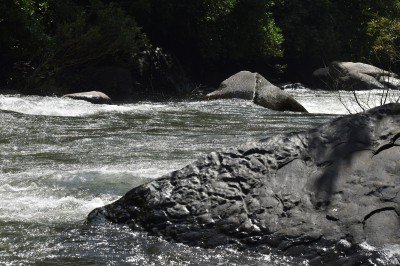 The Adyanpara Waterfalls is a captivating natural wonder located in the midst of a dense, lush green forest near the village of Kurumbalangode, deep within the Nilambur Taluk of Malappuram district. The falls are formed by the cascading descent of a tributary of the Chaliyar River, one of the main rivers of Kerala, as it tumbles over a series of rock formations down the steep slopes of the Western Ghats foothills. Adyanpara is not a single vertical plunge but rather a multi-tiered cascade, where the water flows over numerous rock layers, creating beautiful, frothy white rivulets that crash into clear pools at various levels before eventually gathering in the main, large pool at the bottom. This tiered structure is one of its most defining and photogenic characteristics. The area is managed as an Ecotourism zone by the local forest authorities, guaranteeing that the natural environment remains pristine and protected. The surroundings are dominated by tropical, semi-evergreen forests, home to diverse species of medicinal plants, rare orchids, and a variety of colorful butterflies and local birdlife, making it a paradise for ornithologists and nature enthusiasts. The falls are particularly magnificent during and immediately after the South-West Monsoon (June to September) when the sheer volume of water transforms the gentle cascade into a roaring, powerful spectacle. During the peak summer, the water flow might reduce, but the shaded pools remain attractive. The clean, unpolluted water is mineral-rich and refreshing, with a dedicated, safe spot at the base for visitors to bathe and cool off. The journey to the falls itself is scenic, winding through small plantations and rubber estates, providing a picturesque prelude to the main attraction. The development around the falls has been thoughtfully kept minimal, focusing on providing essential amenities like proper entry points, safety rails, and well-maintained pathways, ensuring that the natural, rugged beauty of the site is preserved for visitors.
Nedumkayam is a breathtaking rainforest sanctuary nestled within the Nilgiri Biosphere Reserve in the Malappuram district of Kerala. This dense jungle is part of the New Amarambalam Reserved Forest and serves as a vital ecological corridor for various species of flora and fauna. As you enter this verdant paradise, you are greeted by the symphony of chirping birds and the rustling of ancient teak leaves, creating an atmosphere of pure tranquility. The area is famous for housing the world's oldest teak plantation, established during the British era in the 1840s, which adds a historical dimension to its natural splendor. Visitors can explore the rugged trails that wind through the forest, offering glimpses of rare butterflies, vibrant orchids, and towering mahogany trees. The Chaliyar River flows gracefully through the forest, providing cool, crystal-clear water streams where travelers can relax. The forest is also home to the Cholanayikar tribe, one of the most primitive tribal groups in Asia, who live in harmony with the wild. Their unique culture and lifestyle add a layer of anthropological interest to the region. The Kerala Forest Department manages the area strictly to preserve its biodiversity, ensuring that it remains a safe haven for wild elephants, tigers, and bisons. Exploring Nedumkayam is like stepping back in time to a world untouched by modern urbanization, where nature reigns supreme and every breath of air is fresh and invigorating. Whether you are an avid trekker, a wildlife enthusiast, or someone seeking a peaceful retreat, this rainforest offers a soul-stirring experience that resonates long after you leave. The rustic charm of the old wooden rest houses built by the British provides a nostalgic glimpse into the colonial past while offering panoramic views of the grazing grounds of wild animals. It is truly a green emerald in the heart of the Malabar region, waiting to be discovered by those who appreciate the raw beauty of the wilderness. :Show All
The Adyanpara Waterfalls is a captivating natural wonder located in the midst of a dense, lush green forest near the village of Kurumbalangode, deep within the Nilambur Taluk of Malappuram district. The falls are formed by the cascading descent of a tributary of the Chaliyar River, one of the main rivers of Kerala, as it tumbles over a series of rock formations down the steep slopes of the Western Ghats foothills. Adyanpara is not a single vertical plunge but rather a multi-tiered cascade, where the water flows over numerous rock layers, creating beautiful, frothy white rivulets that crash into clear pools at various levels before eventually gathering in the main, large pool at the bottom. This tiered structure is one of its most defining and photogenic characteristics. The area is managed as an Ecotourism zone by the local forest authorities, guaranteeing that the natural environment remains pristine and protected. The surroundings are dominated by tropical, semi-evergreen forests, home to diverse species of medicinal plants, rare orchids, and a variety of colorful butterflies and local birdlife, making it a paradise for ornithologists and nature enthusiasts. The falls are particularly magnificent during and immediately after the South-West Monsoon (June to September) when the sheer volume of water transforms the gentle cascade into a roaring, powerful spectacle. During the peak summer, the water flow might reduce, but the shaded pools remain attractive. The clean, unpolluted water is mineral-rich and refreshing, with a dedicated, safe spot at the base for visitors to bathe and cool off. The journey to the falls itself is scenic, winding through small plantations and rubber estates, providing a picturesque prelude to the main attraction. The development around the falls has been thoughtfully kept minimal, focusing on providing essential amenities like proper entry points, safety rails, and well-maintained pathways, ensuring that the natural, rugged beauty of the site is preserved for visitors.
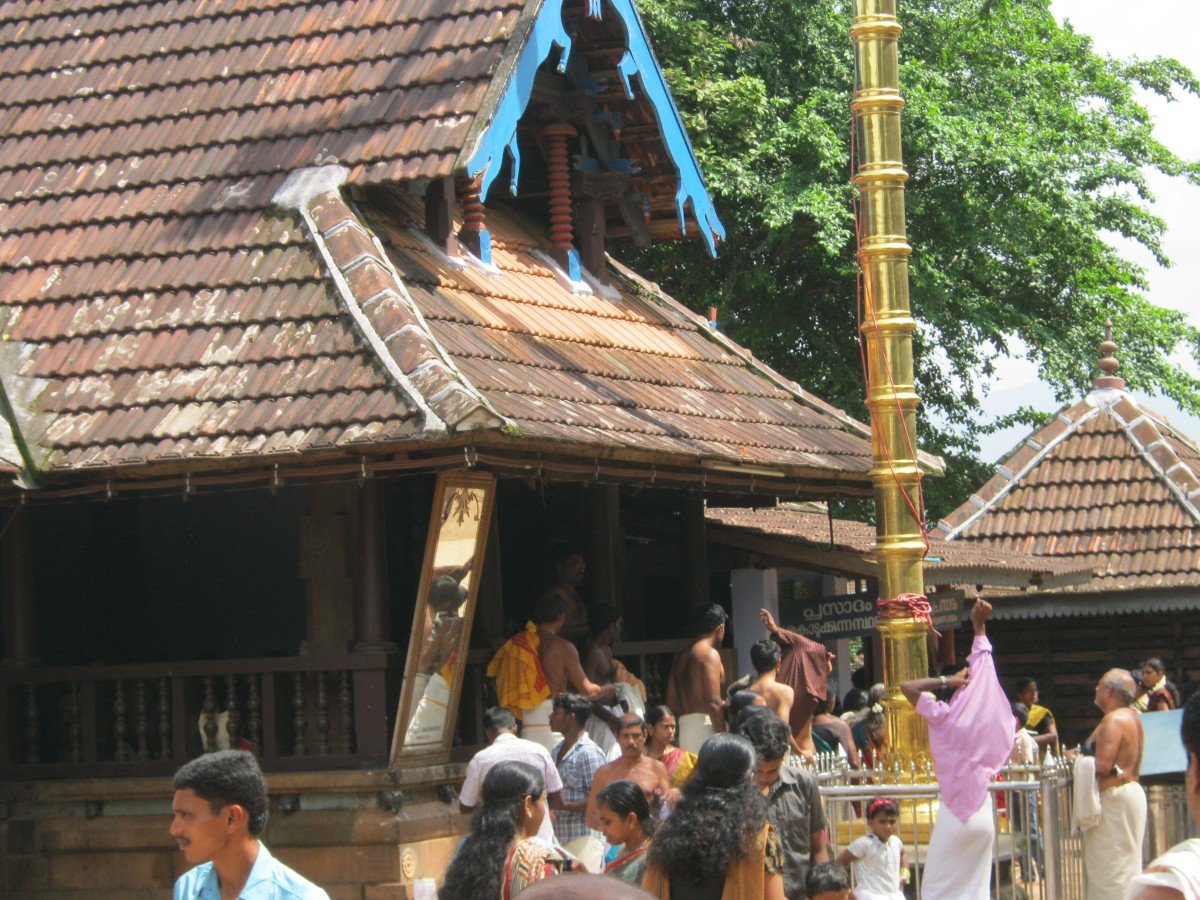
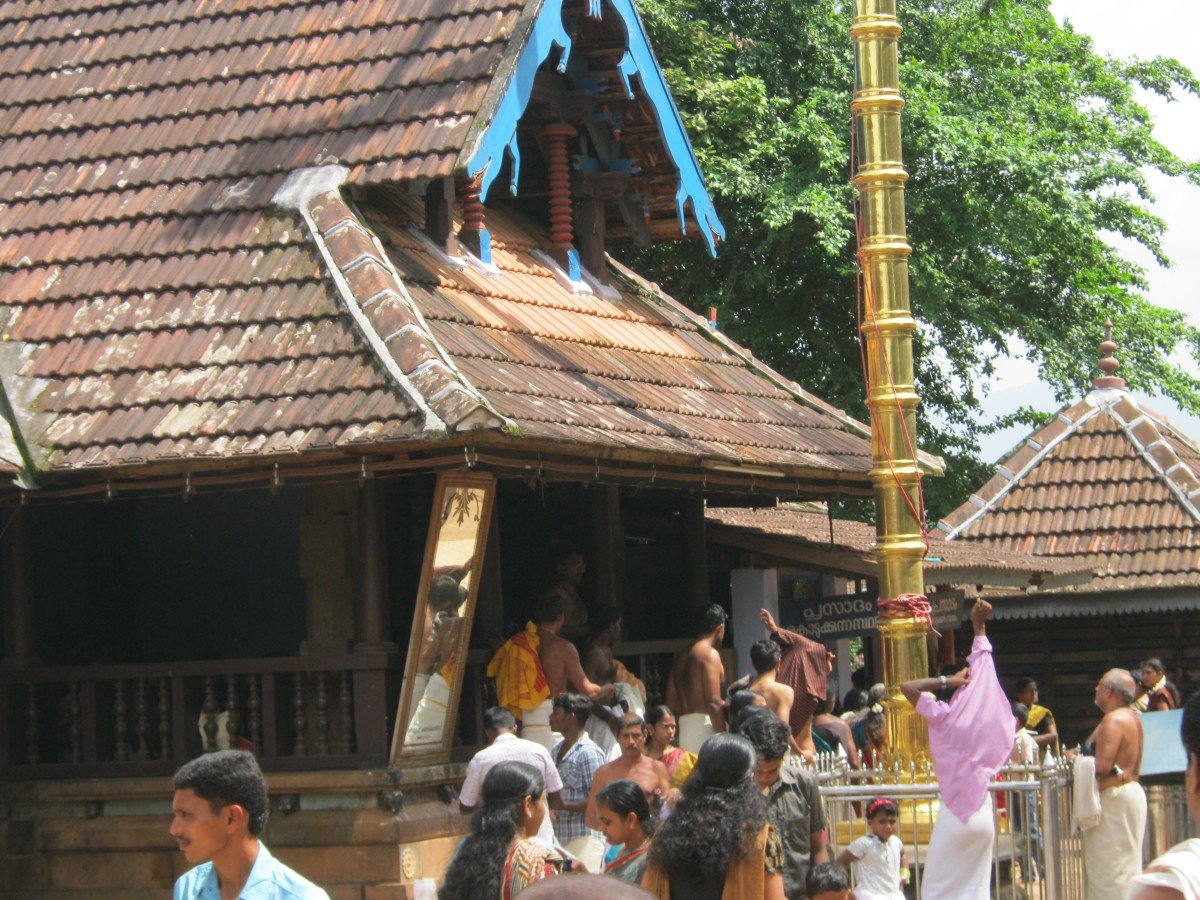
Nedumkayam is a breathtaking rainforest sanctuary nestled within the Nilgiri Biosphere Reserve in the Malappuram district of Kerala. This dense jungle is part of the New Amarambalam Reserved Forest and serves as a vital ecological corridor for various species of flora and fauna. As you enter this verdant paradise, you are greeted by the symphony of chirping birds and the rustling of ancient teak leaves, creating an atmosphere of pure tranquility. The area is famous for housing the world's oldest teak plantation, established during the British era in the 1840s, which adds a historical dimension to its natural splendor. Visitors can explore the rugged trails that wind through the forest, offering glimpses of rare butterflies, vibrant orchids, and towering mahogany trees. The Chaliyar River flows gracefully through the forest, providing cool, crystal-clear water streams where travelers can relax. The forest is also home to the Cholanayikar tribe, one of the most primitive tribal groups in Asia, who live in harmony with the wild. Their unique culture and lifestyle add a layer of anthropological interest to the region. The Kerala Forest Department manages the area strictly to preserve its biodiversity, ensuring that it remains a safe haven for wild elephants, tigers, and bisons. Exploring Nedumkayam is like stepping back in time to a world untouched by modern urbanization, where nature reigns supreme and every breath of air is fresh and invigorating. Whether you are an avid trekker, a wildlife enthusiast, or someone seeking a peaceful retreat, this rainforest offers a soul-stirring experience that resonates long after you leave. The rustic charm of the old wooden rest houses built by the British provides a nostalgic glimpse into the colonial past while offering panoramic views of the grazing grounds of wild animals. It is truly a green emerald in the heart of the Malabar region, waiting to be discovered by those who appreciate the raw beauty of the wilderness. :Show All The Keraladeshapuram Temple is one of the most ancient and revered Hindu shrines in the Malabar region, dedicated to Lord Vishnu. Located near the coastal town of Tanur, this temple holds immense historical significance as it is believed to be over 3,000 years old, with some legends tracing its origin to the era of Parashurama. The temple served as a spiritual beacon for the Vettathunadu kingdom and has survived various historical upheavals, including visits by St. Francis Xavier in 1546 and subsequent raids during the 18th century. Despite these challenges, the temple remains a serene sanctuary where devotees seek the blessings of the deity in his "Keraladeshwara" form. The atmosphere is thick with the scent of sandalwood and the rhythmic chanting of Vedic hymns, offering a deep sense of peace to every visitor. The temple complex is surrounded by lush greenery and traditional Brahmin settlements (Illams), preserving a culture that feels untouched by modern chaos. It is not just a place of worship but a living museum of Kerala's spiritual evolution.
Information
-
Why Famous:
Historical Significance: It is famous for its role in the Indian independence movement and the Mappila Rebellion. The district is a treasure trove for history buffs interested in colonial and pre-colonial Kerala.
Teak Museum: Nilambur in Ma...Historical Significance: It is famous for its role in the Indian independence movement and the Mappila Rebellion. The district is a treasure trove for history buffs interested in colonial and pre-colonial Kerala.
Teak Museum: Nilambur in Malappuram houses the world's first Teak Museum. It is famous for its extensive information on the biology and history of teak trees. The museum is a major educational attraction for students and researchers. -
Architecture:
Traditional & Islamic: The architecture in Malappuram shows a strong influence of both traditional Kerala styles and Islamic designs. Many old mosques, like the Pazhayangadi Mosque, feature exquisite wood carvings and tiered roofs. The Thirunavaya Navamukunda Temple is an ...Traditional & Islamic: The architecture in Malappuram shows a strong influence of both traditional Kerala styles and Islamic designs. Many old mosques, like the Pazhayangadi Mosque, feature exquisite wood carvings and tiered roofs. The Thirunavaya Navamukunda Temple is an architectural marvel with its ancient stone structures. Modern buildings also incorporate these traditional elements to maintain a cultural connection. The use of laterite stone is very prominent in the local construction.
Dimensions: The Nilambur Teak Museum is a unique structure with three floors dedicated to the history of teak. The Kottakkunnu park covers a large area on top of a hill, offering several acres of green space. Typical traditional homes have large courtyards and wooden ceilings. Some of the older mosques can accommodate over a thousand worshippers in their prayer halls. The heights of the minarets in newer mosques often reach over 100 feet, becoming local landmarks. -
How To Reach:
By Air: Calicut International Airport (Karipur) is located within the Malappuram district. It is well-connected to major Indian cities and international destinations. From the airport, you can take a taxi to reach any part of the district.
By ...By Air: Calicut International Airport (Karipur) is located within the Malappuram district. It is well-connected to major Indian cities and international destinations. From the airport, you can take a taxi to reach any part of the district.
By Train: Tirur is the major railway station in the district, connected to the main coastal line. Other stations include Kuttippuram and Angadipuram. Trains are a convenient way to reach Malappuram from other parts of Kerala.
By Road: Malappuram is well-connected by National Highways and State Highways. Regular bus services are available from Kozhikode, Palakkad, and Kochi. The road network within the district is also quite good.
Local Transport: Auto-rickshaws and local buses are the primary modes of transport within the city. For exploring remote areas, hiring a taxi is more convenient. Many tourists also prefer to use their own vehicles for a flexible itinerary. -
Weather and Best Time to Visit:
Seasons: The best time to visit is during the winter from September to March. The weather is cool and ideal for trekking and sightseeing. This is also the time for many local festivals and cultural events.
Monsoon: June to August is the mo...Seasons: The best time to visit is during the winter from September to March. The weather is cool and ideal for trekking and sightseeing. This is also the time for many local festivals and cultural events.
Monsoon: June to August is the monsoon season, when the hills turn emerald green. While trekking might be difficult, the waterfalls and rivers are at their best. It is a great time for nature lovers who enjoy the rain. -
Near Tourist Places:
Nearby Places: Kozhikode (50 Kms), Nilambur (40 Kms), Tirur (25 Kms), Kodikuthimala (30 Kms), Kottakkal (12 Kms), Kadalundi (45 Kms), Palakkad (80 Kms), Guruvayur (75 Kms), Silent Valley (90 Kms), Wayand (110 Kms):
Tourism Tips
-
Packing: Carry comfortable trekking shoes and lightweight clothes. A light jacket might be needed if you are visiting the hill stations. Don't forget your camera and extra batteries for the scenic views.
Health: Carry basic medicines and s...Packing: Carry comfortable trekking shoes and lightweight clothes. A light jacket might be needed if you are visiting the hill stations. Don't forget your camera and extra batteries for the scenic views.
Health: Carry basic medicines and stay hydrated during your trips. Be careful while trekking in the rain as the paths can be slippery. Stick to bottled water and eat at hygienic places.
Respect: Malappuram is a culturally conservative area, so dress modestly, especially when visiting religious sites. Respect local traditions and ask for permission before taking photos of people. The locals are very helpful and friendly.
Reviews
FAQs
Malappuram Itineray And Cost:-
Other Places In Kerala :-
Other States In India :-
Information about New and Updated Locations() of Kerala Has Been Added :-
Card subtitle
Note:-
Information provided here in good Faith and for reference only.
Near Places
Athirappilly:
Some quick example text to build on the card title and make up the bulk of the card's content.
Go somewhere
Attingal
Some quick example text to build on the card title and make up the bulk of the card's content.
Go somewhere
Bekal
Some quick example text to build on the card title and make up the bulk of the card's content.
Go somewhere
Ernakulam
Some quick example text to build on the card title and make up the bulk of the card's content.
Go somewhere
Guruvayur
Some quick example text to build on the card title and make up the bulk of the card's content.
Go somewhere
Idukki
Some quick example text to build on the card title and make up the bulk of the card's content.
Go somewhere
Kannur
Some quick example text to build on the card title and make up the bulk of the card's content.
Go somewhere
Kasaragod
Some quick example text to build on the card title and make up the bulk of the card's content.
Go somewhere
Kollam
Some quick example text to build on the card title and make up the bulk of the card's content.
Go somewhere
Kottayam
Some quick example text to build on the card title and make up the bulk of the card's content.
Go somewhere
Kovalam
Some quick example text to build on the card title and make up the bulk of the card's content.
Go somewhere
Kozhikode
Some quick example text to build on the card title and make up the bulk of the card's content.
Go somewhere
Kumarakom
Some quick example text to build on the card title and make up the bulk of the card's content.
Go somewhere
Kuttanad
Some quick example text to build on the card title and make up the bulk of the card's content.
Go somewhere
Malappuram
Some quick example text to build on the card title and make up the bulk of the card's content.
Go somewhere
Marari Beach
Some quick example text to build on the card title and make up the bulk of the card's content.
Go somewherein Other Cities