

Mcleod Ganj
General information
-
Ideal Duration:
3 to 4 DaysPlace Type:
Hill Station, Spiritual, CulturalEntry Fees:
Main Temple Complex: There is No Entry Fee for the general public and tourists. However, donations are welcomed for the maintenance of the monastery. It is advisable to maintain silence and respect the sanctity.
Museum Entry: The Tibetan M...Main Temple Complex: There is No Entry Fee for the general public and tourists. However, donations are welcomed for the maintenance of the monastery. It is advisable to maintain silence and respect the sanctity.
Museum Entry: The Tibetan Museum charges a nominal fee of around 5 to 10 INR. This money goes towards preserving the historical artifacts. It is a very affordable educational experience.Timing:
Regular Visiting Hours: The main temples are open from 6:00 AM to 7:00 PM daily. Markets usually open by 10:00 AM and close around 9:00 PM. Early mornings are best for peaceful prayers.
Ideal Visit Time: The best time to explore the outdoo...Regular Visiting Hours: The main temples are open from 6:00 AM to 7:00 PM daily. Markets usually open by 10:00 AM and close around 9:00 PM. Early mornings are best for peaceful prayers.
Ideal Visit Time: The best time to explore the outdoors is between 10:00 AM and 5:00 PM. For sunsets, reach Naddi by 5:30 PM. Avoid late-night treks for safety reasons.Special Events:
Tibetan New Year (Losar): Celebrated in February, it is the most significant event in the town. Monasteries are decorated, and special prayers are held for world peace. Traditional masked dances called Cham are performed by the monks.
Buddha P...Tibetan New Year (Losar): Celebrated in February, it is the most significant event in the town. Monasteries are decorated, and special prayers are held for world peace. Traditional masked dances called Cham are performed by the monks.
Buddha Purnima: This festival marks the birth and enlightenment of Lord Buddha. The entire town comes alive with processions and butter lamps. Devotees from all over the world gather to pay their respects at the main temple.Best Photo Spots:
Naddi Viewpoint: This spot provides a 360-degree view of the mountains and the valley. It is ideal for capturing the golden hour during sunset. The proximity to the Dhauladhar range makes for dramatic backgrounds.
Tsuglagkhang Complex: The...Naddi Viewpoint: This spot provides a 360-degree view of the mountains and the valley. It is ideal for capturing the golden hour during sunset. The proximity to the Dhauladhar range makes for dramatic backgrounds.
Tsuglagkhang Complex: The colorful prayer flags and the large Buddha statue are perfect for cultural photography. The monks in their maroon robes add a vibrant touch to the frames. Photography is allowed in the outer courtyard.
Triund Ridge: The ridge offers a majestic view of the moonrise over the snow peaks. It is a favorite for landscape photographers. The high altitude ensures clear skies and sharp images.Photo Gallery
Things To Do
 @@Spiritual Hub: McLeod Ganj, situated in the upper reaches of Dharamshala, is the residence of His Holiness the 14th Dalai Lama. Since the 1960s, it has served as the headquarters of the Tibetan Government in Exile, earning it the nickname "Little Lhasa." @@Cultural Melting Pot: The town is a vibrant blend of Tibetan culture and colonial British history. Walking through the narrow lanes, one encounters monks in maroon robes, bustling local markets, and quaint cafes serving authentic Tibetan and international cuisines. @@Scenic Beauty: Located at an altitude of about 2,082 meters, the town offers breathtaking views of the Kangra Valley and the Dhauladhar mountains. It is the starting point for several famous treks, including the trail to Triund. @@Global Popularity: Tourists from across the globe visit McLeod Ganj for meditation, yoga, and to study Tibetan Buddhism. The serene environment of the Namgyal Monastery and the Tsuglagkhang Complex provides a deep sense of peace to all who visit.
@@Complex Overview: The Tsuglagkhang Complex is the spiritual epicenter of McLeod Ganj and the official residence of the Dalai Lama. It is a sprawling compound that houses the Tsuglagkhang Temple (Main Temple), the Namgyal Monastery, the Tibet Museum, and the private offices of the Dalai Lama. Often referred to as the "Vatican of the East," it serves as a place of pilgrimage for Buddhists from across the globe. The complex is a hive of religious activity, where the sacred and the mundane coexist in perfect harmony. @@The Main Temple: At the heart of the complex lies the Tsuglagkhang Temple, which contains a massive gilded statue of Sakyamuni Buddha. Surrounding the central figure are statues of Avalokiteshvara (the Buddha of Compassion) and Padmasambhava (Guru Rinpoche). These statues are intricately crafted and hold immense religious value. The temple is where the Dalai Lama conducts his public teachings when he is in residence, attracting thousands of followers who sit in the open courtyards to listen to his message of peace. @@The Kora Path: Surrounding the entire complex is the Kora, a sacred circumambulation path. Walking the Kora in a clockwise direction is a traditional Buddhist practice. The path is lined with hundreds of prayer wheels and colorful prayer flags that flutter in the mountain breeze. As you walk, you will see elderly Tibetans chanting mantras and spinning the wheels, creating a rhythmic and peaceful atmosphere. The trail also offers stunning views of the valley and is a place for quiet meditation. @@Atmosphere and Community: The complex is more than just a set of buildings; it is the beating heart of the Tibetan community in exile. It is common to see monks engaged in lively debates in the afternoons, using traditional hand gestures to emphasize their philosophical points. The air is filled with the scent of incense and the low hum of prayers. For any visitor, the Tsuglagkhang Complex offers an unparalleled insight into the living culture of Tibet and the profound spirituality that sustains its people in the modern world.
@@Spiritual Hub: McLeod Ganj, situated in the upper reaches of Dharamshala, is the residence of His Holiness the 14th Dalai Lama. Since the 1960s, it has served as the headquarters of the Tibetan Government in Exile, earning it the nickname "Little Lhasa." @@Cultural Melting Pot: The town is a vibrant blend of Tibetan culture and colonial British history. Walking through the narrow lanes, one encounters monks in maroon robes, bustling local markets, and quaint cafes serving authentic Tibetan and international cuisines. @@Scenic Beauty: Located at an altitude of about 2,082 meters, the town offers breathtaking views of the Kangra Valley and the Dhauladhar mountains. It is the starting point for several famous treks, including the trail to Triund. @@Global Popularity: Tourists from across the globe visit McLeod Ganj for meditation, yoga, and to study Tibetan Buddhism. The serene environment of the Namgyal Monastery and the Tsuglagkhang Complex provides a deep sense of peace to all who visit.
@@Complex Overview: The Tsuglagkhang Complex is the spiritual epicenter of McLeod Ganj and the official residence of the Dalai Lama. It is a sprawling compound that houses the Tsuglagkhang Temple (Main Temple), the Namgyal Monastery, the Tibet Museum, and the private offices of the Dalai Lama. Often referred to as the "Vatican of the East," it serves as a place of pilgrimage for Buddhists from across the globe. The complex is a hive of religious activity, where the sacred and the mundane coexist in perfect harmony. @@The Main Temple: At the heart of the complex lies the Tsuglagkhang Temple, which contains a massive gilded statue of Sakyamuni Buddha. Surrounding the central figure are statues of Avalokiteshvara (the Buddha of Compassion) and Padmasambhava (Guru Rinpoche). These statues are intricately crafted and hold immense religious value. The temple is where the Dalai Lama conducts his public teachings when he is in residence, attracting thousands of followers who sit in the open courtyards to listen to his message of peace. @@The Kora Path: Surrounding the entire complex is the Kora, a sacred circumambulation path. Walking the Kora in a clockwise direction is a traditional Buddhist practice. The path is lined with hundreds of prayer wheels and colorful prayer flags that flutter in the mountain breeze. As you walk, you will see elderly Tibetans chanting mantras and spinning the wheels, creating a rhythmic and peaceful atmosphere. The trail also offers stunning views of the valley and is a place for quiet meditation. @@Atmosphere and Community: The complex is more than just a set of buildings; it is the beating heart of the Tibetan community in exile. It is common to see monks engaged in lively debates in the afternoons, using traditional hand gestures to emphasize their philosophical points. The air is filled with the scent of incense and the low hum of prayers. For any visitor, the Tsuglagkhang Complex offers an unparalleled insight into the living culture of Tibet and the profound spirituality that sustains its people in the modern world.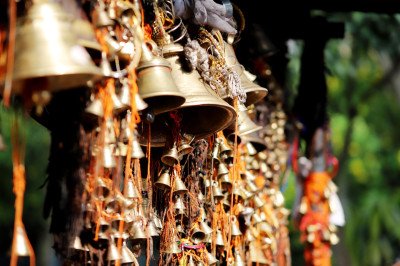 @@The Sacred Teaching Center: The Kalachakra Temple is one of the most significant spiritual landmarks in Mcleod Ganj, located within the Tsuglagkhang Complex. Built in 1992, it is dedicated specifically to the Kalachakra (Wheel of Time) teachings of Tibetan Buddhism. This temple is unique because it serves as a venue for major public teachings by His Holiness the 14th Dalai Lama. Unlike other traditional monasteries, this temple is designed to facilitate large gatherings and profound meditation. It represents the preservation of Tibetan culture and the spread of Buddhist philosophy in exile. The temple's energy is vibrant yet disciplined, with monks and practitioners constantly engaged in prayers and rituals. Inside, the atmosphere is heavy with the scent of incense and the low hum of chanting. The walls are a canvas of spiritual history, depicting various deities and the complex cosmology of the Kalachakra Tantra. This site is a bridge between ancient Tibetan traditions and the modern world, attracting scholars and seekers from across the globe. It is a place where the concept of time and impermanence is contemplated through intricate rituals and visual aids like sand mandalas. For the Tibetan community, it is a symbol of hope and religious freedom. Visiting the temple offers a rare insight into the living traditions of the Vajrayana path. It is not just a building, but a vibrant educational hub where the essence of compassion and wisdom is shared. The temple remains a cornerstone of the Dharamshala experience, providing a space for quiet reflection amidst the daily life of the Dalai Lama's residence.
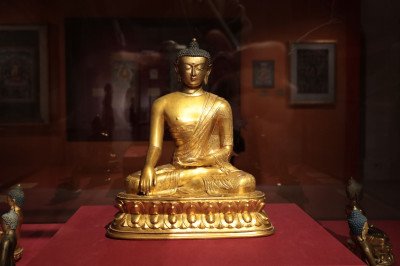 @@Institutional Purpose: The Tibet Museum, established in 1998, serves as the official repository for the history and culture of the Tibetan people under the Department of Information and International Relations. Its primary goal is to document the Chinese occupation of Tibet and the subsequent struggle for freedom. The museum provides an authentic narrative of the Tibetan diaspora, moving away from popularized myths to present hard facts, photographs, and personal testimonies of those who lived through the transition. @@Exhibition Content: The museum’s main exhibition, titled "A Long Look Homeward," is meticulously curated to guide visitors through the history of independent Tibet, the 1959 invasion, and the arduous journey of refugees across the Himalayas. It displays a vast collection of over 30,000 rare photographs, historical documents, and artifacts. The exhibits highlight the destruction of monasteries, the suppression of Tibetan identity, and the ongoing human rights issues within the region, making it a poignant educational experience for all. @@Cultural Preservation: Apart from the political narrative, the museum celebrates the rich artistic and spiritual heritage of Tibet. It showcases traditional costumes, religious items, and the evolution of Tibetan society in exile. The museum often hosts traveling exhibitions and educational workshops to keep the younger generation of Tibetans connected to their roots. It acts as a bridge between the past and the future, ensuring that the collective memory of the Tibetan nation is never lost. @@Modern Facility: Recently relocated to a new, state-of-the-art building within the Tsuglagkhang Complex, the museum utilizes modern multimedia displays, including video testimonials and interactive maps. The space is designed to be contemplative, allowing visitors to process the heavy historical content in a quiet, respectful environment. The museum also features a well-stocked bookstore and a small theatre where documentaries related to the Tibetan cause are screened daily for the public.
@@Ancient Legend and Sacred Waters: Bhagsunath Temple is a deeply revered site steeped in a legend dating back over 5000 years. According to local folklore, a demon king named Bhagsu stole water from the sacred Nag Dal Lake. The serpent god, Nag Devta, challenged him to a fierce battle. Upon his defeat, the dying king requested that his name be forever associated with the deity, leading to the name Bhagsu Nag. Today, this temple serves as a central place of worship for the local Gaddi tribe and the Gorkhali community. The temple is primarily dedicated to Lord Shiva and the snake god, symbolizing a harmonious blend of myth and nature. Visitors often feel a profound sense of peace as they enter the temple grounds, which are surrounded by towering hills and dense greenery. The sound of bells and the distant roar of the Bhagsu Waterfall create a meditative atmosphere. It is more than just a religious site; it is a cultural anchor for the people of Dharamshala. Pilgrims believe that the waters here possess divine energy, and a visit is incomplete without observing the local rituals. The temple has survived centuries of change, including the 1905 earthquake, and continues to be a symbol of resilience. Whether you are a spiritual seeker or a history enthusiast, the temple offers a deep dive into the local traditions of Himachal Pradesh. Its proximity to the famous waterfall makes it a favorite for those who enjoy short treks and natural beauty. The temple's legacy is kept alive by the daily prayers and the vibrant community that gathers here.
@@Institutional Purpose: The Tibet Museum, established in 1998, serves as the official repository for the history and culture of the Tibetan people under the Department of Information and International Relations. Its primary goal is to document the Chinese occupation of Tibet and the subsequent struggle for freedom. The museum provides an authentic narrative of the Tibetan diaspora, moving away from popularized myths to present hard facts, photographs, and personal testimonies of those who lived through the transition. @@Exhibition Content: The museum’s main exhibition, titled "A Long Look Homeward," is meticulously curated to guide visitors through the history of independent Tibet, the 1959 invasion, and the arduous journey of refugees across the Himalayas. It displays a vast collection of over 30,000 rare photographs, historical documents, and artifacts. The exhibits highlight the destruction of monasteries, the suppression of Tibetan identity, and the ongoing human rights issues within the region, making it a poignant educational experience for all. @@Cultural Preservation: Apart from the political narrative, the museum celebrates the rich artistic and spiritual heritage of Tibet. It showcases traditional costumes, religious items, and the evolution of Tibetan society in exile. The museum often hosts traveling exhibitions and educational workshops to keep the younger generation of Tibetans connected to their roots. It acts as a bridge between the past and the future, ensuring that the collective memory of the Tibetan nation is never lost. @@Modern Facility: Recently relocated to a new, state-of-the-art building within the Tsuglagkhang Complex, the museum utilizes modern multimedia displays, including video testimonials and interactive maps. The space is designed to be contemplative, allowing visitors to process the heavy historical content in a quiet, respectful environment. The museum also features a well-stocked bookstore and a small theatre where documentaries related to the Tibetan cause are screened daily for the public.
@@Ancient Legend and Sacred Waters: Bhagsunath Temple is a deeply revered site steeped in a legend dating back over 5000 years. According to local folklore, a demon king named Bhagsu stole water from the sacred Nag Dal Lake. The serpent god, Nag Devta, challenged him to a fierce battle. Upon his defeat, the dying king requested that his name be forever associated with the deity, leading to the name Bhagsu Nag. Today, this temple serves as a central place of worship for the local Gaddi tribe and the Gorkhali community. The temple is primarily dedicated to Lord Shiva and the snake god, symbolizing a harmonious blend of myth and nature. Visitors often feel a profound sense of peace as they enter the temple grounds, which are surrounded by towering hills and dense greenery. The sound of bells and the distant roar of the Bhagsu Waterfall create a meditative atmosphere. It is more than just a religious site; it is a cultural anchor for the people of Dharamshala. Pilgrims believe that the waters here possess divine energy, and a visit is incomplete without observing the local rituals. The temple has survived centuries of change, including the 1905 earthquake, and continues to be a symbol of resilience. Whether you are a spiritual seeker or a history enthusiast, the temple offers a deep dive into the local traditions of Himachal Pradesh. Its proximity to the famous waterfall makes it a favorite for those who enjoy short treks and natural beauty. The temple's legacy is kept alive by the daily prayers and the vibrant community that gathers here.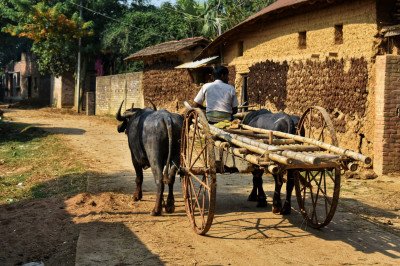 @@The Gateway to the Peaks: Naddi Village View Point is a hidden treasure located at the edge of the Naddi Village, offering arguably the best views of the Dhauladhar mountain range. Situated at an altitude higher than Mcleod Ganj, it provides a 360-degree panoramic vista of the snow-clad peaks and the sprawling Kangra Valley below. The viewpoint is a favorite for those who want to witness the raw beauty of the Himalayas without undertaking an arduous trek. As the sun sets, the peaks glow in shades of orange and pink, a sight that has captivated travelers for decades. The village itself is a quiet settlement of the Gaddi people, offering a glimpse into the traditional mountain lifestyle. Life here moves at a slower pace, and the air is noticeably crisper. The viewpoint has become a hub for photographers and nature enthusiasts who come to capture the dramatic landscape. It is also the starting point for several easy treks, including the walk to Dharamkot and the Gallu Devi Temple. The open spaces around the viewpoint are perfect for meditation or simply sitting in silence to absorb the grandeur of the mountains. During the winter months, Naddi often receives heavy snowfall, turning the entire village into a white wonderland. Even in the peak of summer, the cool breeze makes it a refreshing retreat. The area is dotted with small cafes and tea stalls where one can enjoy local snacks while gazing at the mountains. It is a place where the scale of nature makes human worries seem small, providing a much-needed perspective and a sense of awe.
@@Trekking Overview: The Triund Trek is perhaps the most famous short trek in India, attracting thousands of adventure enthusiasts every year. Starting from McLeod Ganj, the trail takes you to a beautiful alpine meadow situated at an altitude of approximately 2,850 meters. The trek is considered easy to moderate, making it suitable for beginners, families, and seasoned hikers alike. The path is well-defined and offers a gradual ascent through lush forests of oak, deodar, and rhododendron, providing a refreshing escape from the urban hustle. @@Scenic Splendor: The ultimate reward of the trek is the "Triund Top," a flat ridge that offers a 360-degree panoramic view of the mountains. On one side, the majestic, snow-capped peaks of the Dhauladhar Range loom so close that it feels like you can touch them. On the other side, the vast and green Kangra Valley stretches out into the horizon. The contrast between the rugged grey granite of the mountains and the vibrant green of the meadows is a sight that leaves trekkers spellbound. @@Camping Culture: Triund is a premier destination for overnight camping. Spending a night under the star-studded sky is a quintessential McLeod Ganj experience. There are several small cafes and shacks on the ridge that provide basic refreshments and tents for hire. Watching the sunset from the top, where the sky turns shades of orange and pink over the valley, followed by a bonfire under the cold mountain air, creates memories that last a lifetime for every traveler. @@Flora and Fauna: As you ascend the trail, the vegetation changes remarkably. The lower reaches are dominated by dense forests where you might spot Himalayan birds like the Monal or the Crested Serpent Eagle. During the spring months of March and April, the rhododendron trees burst into bright red blooms, covering the hillsides in a natural carpet of color. The trek is not just a physical challenge but a deep immersion into the biodiversity of the Himachal highlands.Show All
@@The Gateway to the Peaks: Naddi Village View Point is a hidden treasure located at the edge of the Naddi Village, offering arguably the best views of the Dhauladhar mountain range. Situated at an altitude higher than Mcleod Ganj, it provides a 360-degree panoramic vista of the snow-clad peaks and the sprawling Kangra Valley below. The viewpoint is a favorite for those who want to witness the raw beauty of the Himalayas without undertaking an arduous trek. As the sun sets, the peaks glow in shades of orange and pink, a sight that has captivated travelers for decades. The village itself is a quiet settlement of the Gaddi people, offering a glimpse into the traditional mountain lifestyle. Life here moves at a slower pace, and the air is noticeably crisper. The viewpoint has become a hub for photographers and nature enthusiasts who come to capture the dramatic landscape. It is also the starting point for several easy treks, including the walk to Dharamkot and the Gallu Devi Temple. The open spaces around the viewpoint are perfect for meditation or simply sitting in silence to absorb the grandeur of the mountains. During the winter months, Naddi often receives heavy snowfall, turning the entire village into a white wonderland. Even in the peak of summer, the cool breeze makes it a refreshing retreat. The area is dotted with small cafes and tea stalls where one can enjoy local snacks while gazing at the mountains. It is a place where the scale of nature makes human worries seem small, providing a much-needed perspective and a sense of awe.
@@Trekking Overview: The Triund Trek is perhaps the most famous short trek in India, attracting thousands of adventure enthusiasts every year. Starting from McLeod Ganj, the trail takes you to a beautiful alpine meadow situated at an altitude of approximately 2,850 meters. The trek is considered easy to moderate, making it suitable for beginners, families, and seasoned hikers alike. The path is well-defined and offers a gradual ascent through lush forests of oak, deodar, and rhododendron, providing a refreshing escape from the urban hustle. @@Scenic Splendor: The ultimate reward of the trek is the "Triund Top," a flat ridge that offers a 360-degree panoramic view of the mountains. On one side, the majestic, snow-capped peaks of the Dhauladhar Range loom so close that it feels like you can touch them. On the other side, the vast and green Kangra Valley stretches out into the horizon. The contrast between the rugged grey granite of the mountains and the vibrant green of the meadows is a sight that leaves trekkers spellbound. @@Camping Culture: Triund is a premier destination for overnight camping. Spending a night under the star-studded sky is a quintessential McLeod Ganj experience. There are several small cafes and shacks on the ridge that provide basic refreshments and tents for hire. Watching the sunset from the top, where the sky turns shades of orange and pink over the valley, followed by a bonfire under the cold mountain air, creates memories that last a lifetime for every traveler. @@Flora and Fauna: As you ascend the trail, the vegetation changes remarkably. The lower reaches are dominated by dense forests where you might spot Himalayan birds like the Monal or the Crested Serpent Eagle. During the spring months of March and April, the rhododendron trees burst into bright red blooms, covering the hillsides in a natural carpet of color. The trek is not just a physical challenge but a deep immersion into the biodiversity of the Himachal highlands.Show All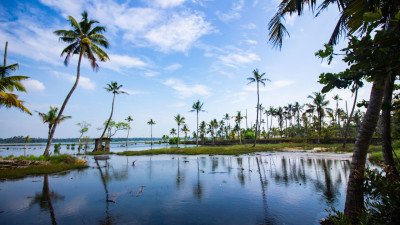 @@The Serene Alpine Reservoir: Dal Lake in Mcleod Ganj is a small yet mesmerizing mid-altitude lake named after its famous namesake in Srinagar. Surrounded by a thick canopy of majestic deodar trees, the lake provides a tranquil escape from the bustling streets of the main town. The emerald green water reflects the towering trees, creating a postcard-perfect setting that changes with the light of the day. For centuries, the lake has been considered sacred, with a small shrine dedicated to Lord Shiva located on its banks. This makes it a significant site for both nature lovers and religious pilgrims. The area is steeped in local legends, often associated with the Bhagsunag mythology. It is a popular spot for picnicking, where families and solo travelers come to soak in the mountain air. The quietude of the lake is punctuated only by the chirping of birds and the rustling of leaves. During the monsoon, the lake swells and the greenery becomes incredibly lush, while in winter, it takes on a mystical, misty appearance. The walking path around the lake allows for a peaceful stroll, offering different perspectives of the surrounding forest. It serves as a base for many short hikes and is a gateway to the higher reaches of the Dhauladhar range. Despite being smaller than other Himalayan lakes, its charm lies in its intimacy and the sense of isolation it offers despite being close to the city center. It is a place where one can truly connect with the stillness of the mountains and appreciate the simple beauty of nature.
Information
-
Why Famous:
Home of Dalai Lama: The town is the world-renowned seat of the 14th Dalai Lama. This makes it a global destination for peace seekers and Buddhist followers. The Namgyal Monastery serves as the personal monastery for the Dalai Lama.
Triund Trek...Home of Dalai Lama: The town is the world-renowned seat of the 14th Dalai Lama. This makes it a global destination for peace seekers and Buddhist followers. The Namgyal Monastery serves as the personal monastery for the Dalai Lama.
Triund Trek: It is the base for the famous Triund trek, attracting thousands of adventure enthusiasts. The trail offers breathtaking views of the Dhauladhar peaks on one side and the valley on the other. It is considered one of the most scenic short treks in India. -
Architecture:
Tibetan Monastery Style: The architecture is dominated by the Tsuglagkhang Complex featuring traditional Tibetan motifs. It includes a large meditation hall with intricate murals and a central statue of Lord Buddha. The dimensions of the main temple hall are roughly 60 fee...Tibetan Monastery Style: The architecture is dominated by the Tsuglagkhang Complex featuring traditional Tibetan motifs. It includes a large meditation hall with intricate murals and a central statue of Lord Buddha. The dimensions of the main temple hall are roughly 60 feet by 40 feet. The use of wood and bright primary colors is a signature of this style.
Colonial Influence: St. John in the Wilderness church displays classic Neo-Gothic architecture. Built in 1852, it features polished stone walls and Belgian stained-glass windows. The church spans an area of about 2000 square feet. It stands as a reminder of the British era in the region. -
How To Reach:
By Air: The nearest airport is Gaggal Airport, located about 18 KMS away. Frequent flights connect it to Delhi and Chandigarh. Taxis are easily available from the airport to the hill station.
By Train: Pathankot Railway Station is the clos...By Air: The nearest airport is Gaggal Airport, located about 18 KMS away. Frequent flights connect it to Delhi and Chandigarh. Taxis are easily available from the airport to the hill station.
By Train: Pathankot Railway Station is the closest major railhead at 90 KMS. From there, one can take a bus or a private taxi. The journey by road takes about 3 to 4 hours.
By Road: Regular HRTC and private buses ply from Delhi, Shimla, and Manali. The drive from Delhi takes approximately 10 to 12 hours. The roads are well-maintained and scenic.
By Local Transport: Within the town, walking is the best way to explore the narrow lanes. Auto-rickshaws and taxis are available for nearby spots like Bhagsu and Naddi. Public buses also connect it to lower Dharamshala. -
Weather and Best Time to Visit:
Summer Season (March to June): The weather is pleasant with temperatures between 15°C to 25°C. This is the peak season for trekking and sightseeing. The flowers are in full bloom across the valley.
Winter Season (December to February): T...Summer Season (March to June): The weather is pleasant with temperatures between 15°C to 25°C. This is the peak season for trekking and sightseeing. The flowers are in full bloom across the valley.
Winter Season (December to February): The town often receives snowfall, turning it into a white wonderland. Temperatures can drop below 0°C at night. It is ideal for those who enjoy the cold and want to see snow.
Day and Night: Mornings are cool and crisp, perfect for temple visits. Evenings are lively with people gathering at the Mall Road. Nights are quiet and starry, especially at higher altitudes. -
Near Tourist Places:
Dharamshala (5 KMS), Bhagsu Nag (2 KMS), Naddi (4 KMS), Triund (9 KMS), Dal Lake (3 KMS), Kangra Fort (25 KMS), Masroor Rock Cut Temple (45 KMS), Cricket Stadium (9 KMS), Norbulingka Institute (12 KMS), War Memorial (10 KMS)
Tourism Tips
-
Health and Safety: Always carry a basic first-aid kit and any prescribed medicines. The steep climbs can be tiring, so stay hydrated throughout the day. Beware of monkeys in the temple areas and keep your belongings secure.
Packing Essentials:...Health and Safety: Always carry a basic first-aid kit and any prescribed medicines. The steep climbs can be tiring, so stay hydrated throughout the day. Beware of monkeys in the temple areas and keep your belongings secure.
Packing Essentials: Even in summer, carry a light jacket as evenings get chilly. For winters, heavy woolens, gloves, and thermal wear are a must. Comfortable walking shoes or trekking boots are essential for the hilly terrain.
Accommodation: There are plenty of options from budget hostels to luxury resorts. It is better to book in advance during the peak summer months of May and June. Homestays offer a great way to experience local culture.
Eco-Friendly Travel: Avoid using plastic and dispose of waste only in designated bins. The hills are ecologically sensitive, and travelers should minimize their carbon footprint. Support local artisans by buying authentic handmade products.
Reviews
FAQs
Mcleod Ganj Itineray And Cost:-
Information about New and Updated Locations() of Himachal Pradesh Has Been Added :-
Card subtitle
Note:-
Information provided here in good Faith and for reference only.
All information and pictures will be updated soon, please keep visiting.
Near Places

Anandpur Sahib
Some quick example text to build on the card title and make up the bulk of the card's content.
Go somewhere
Bhuntar
Some quick example text to build on the card title and make up the bulk of the card's content.
Go somewhere
Bir Billing
Some quick example text to build on the card title and make up the bulk of the card's content.
Go somewhere
Chail
Some quick example text to build on the card title and make up the bulk of the card's content.
Go somewhere
Chamba
Some quick example text to build on the card title and make up the bulk of the card's content.
Go somewhere
Dalhousie
Some quick example text to build on the card title and make up the bulk of the card's content.
Go somewhere
Dharamshala
Some quick example text to build on the card title and make up the bulk of the card's content.
Go somewhere
Fagu
Some quick example text to build on the card title and make up the bulk of the card's content.
Go somewhere
Hamirpur
Some quick example text to build on the card title and make up the bulk of the card's content.
Go somewhere
Joginder Nagar
Some quick example text to build on the card title and make up the bulk of the card's content.
Go somewherein Other Cities