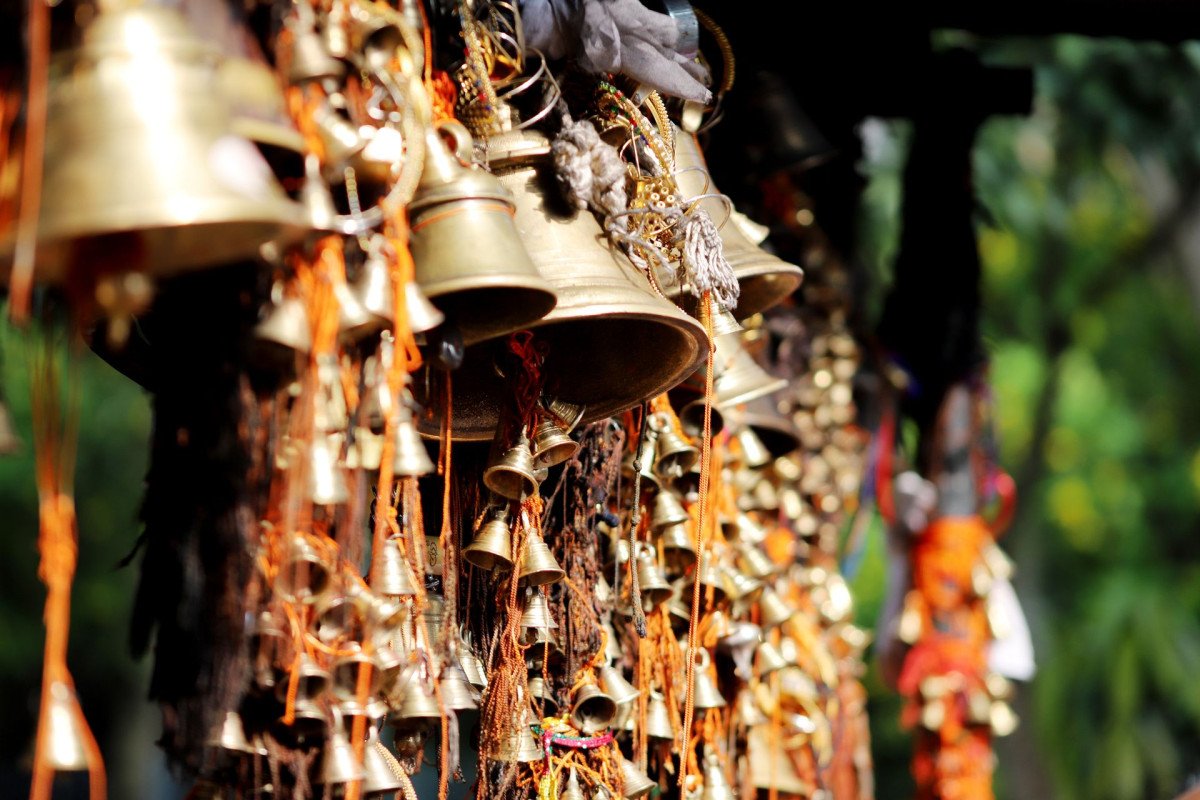
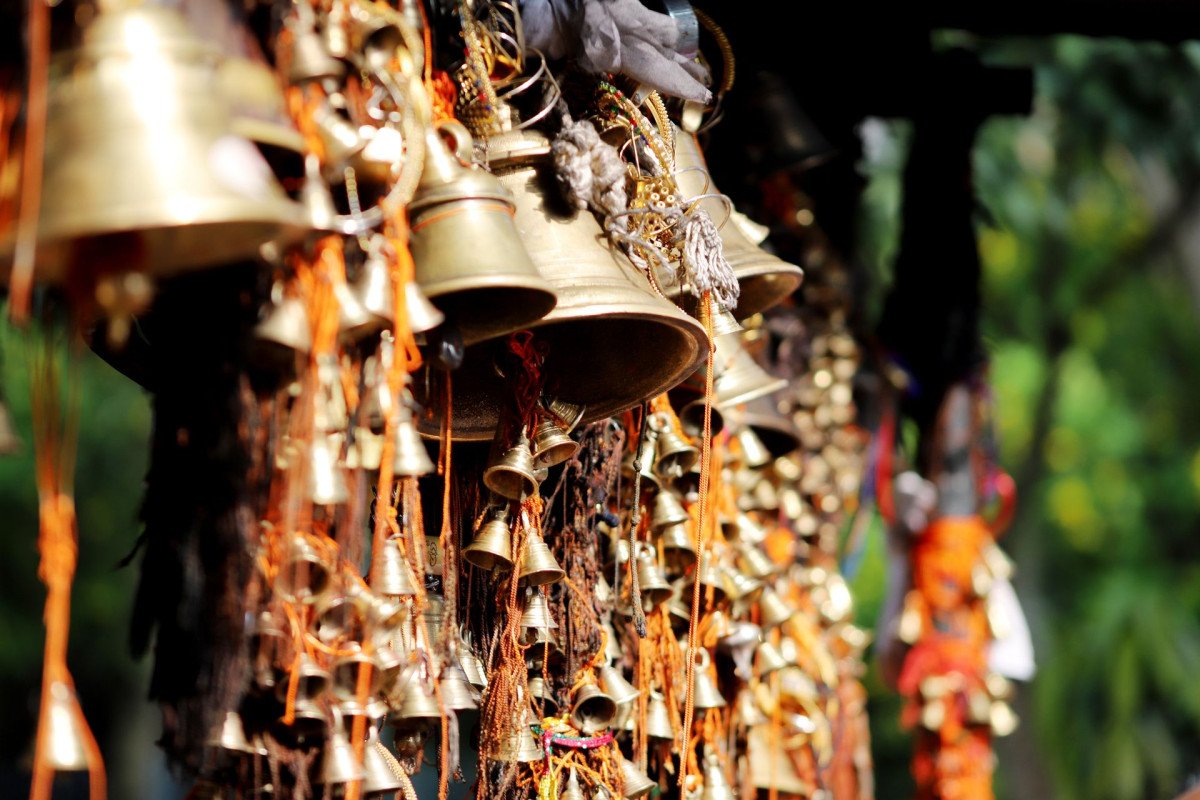
Naina Bhagwati Temple
General information
-
Ideal Duration:
1 HourPlace Type:
Temple / Religious & HistoricalEntry Fees:
No Ticket Required: There is no formal entry fee to enter the Naina Bhagwati Temple. It is open to all devotees and tourists.
Voluntary Offerings: Visitors are expected to make a small voluntary offering (Donation) or purchase offerings lik...No Ticket Required: There is no formal entry fee to enter the Naina Bhagwati Temple. It is open to all devotees and tourists.
Voluntary Offerings: Visitors are expected to make a small voluntary offering (Donation) or purchase offerings like flowers and sweets to present to the Goddess. A typical offering might cost between Rs.20 to Rs.100.
Priest Fees: If you request a special prayer ceremony (Puja or Havan) to be performed specifically in your name by the temple priest, a nominal fee or contribution will be requested to cover the cost of materials and the priest's service, which can range from Rs.100 upwards.
Shoe/Head-Cover Fee: There is no formal fee, but remember to remove shoes outside and cover your head as a sign of respect, often facilitated by local attendants who may accept a small tip or donation for the service:Timing:
Regular Temple Hours: The temple generally opens early, around 6:00 AM, and closes around 9:00 PM. However, like many Himalayan temples, doors may be open for personal prayer outside these hours.
Aarti Time: The most ideal and sacred time t...Regular Temple Hours: The temple generally opens early, around 6:00 AM, and closes around 9:00 PM. However, like many Himalayan temples, doors may be open for personal prayer outside these hours.
Aarti Time: The most ideal and sacred time to visit is during the morning Aarti (prayer ceremony), usually around 7:00 AM to 8:00 AM, and the evening Aarti, usually around 7:00 PM to 8:00 PM.
Ideal Visit Time: Visit during the afternoon (2:00 PM to 4:00 PM) for a less-crowded experience, as most tourists are either at the Gurudwara or having lunch. The silence enhances the temple's serene atmosphere.
Festival Timings: During Navratri or other major festivals, the temple remains open much later, and special rituals may start as early as 4:
00 AM:Special Events:
Navratri Grandeur: The most important special event is the nine-day Navratri festival (twice a year, usually March/April and September/October), during which the temple is exquisitely decorated, and special prayer ceremonies (Pujas) and group chants (Bhajans) are performed a...Navratri Grandeur: The most important special event is the nine-day Navratri festival (twice a year, usually March/April and September/October), during which the temple is exquisitely decorated, and special prayer ceremonies (Pujas) and group chants (Bhajans) are performed all day long.
Local Fair (Mela): Sometimes, smaller, local religious fairs or gatherings (Mela) are held in the courtyard or nearby grounds, especially connected to local Himachali deities (Devtas), which are special cultural events showcasing traditional music and dance.
Maha Shivratri: Although dedicated to the Goddess, the nearby Shiva temple's celebration of Maha Shivratri (usually February/March) often leads to increased activity and special rituals at the Naina Bhagwati Temple as well, drawing a joint crowd:Best Photo Spots:
The Temple Facade and Carvings: Photograph the front of the temple, focusing on its distinct wooden architecture and the elaborate carvings around the entrance and upper stories. Capture the colorful prayer flags tied around the structure.
Idol...The Temple Facade and Carvings: Photograph the front of the temple, focusing on its distinct wooden architecture and the elaborate carvings around the entrance and upper stories. Capture the colorful prayer flags tied around the structure.
Idol Close-Up (If Allowed): A respectful, close-up shot of the main idol of Goddess Naina Bhagwati inside the sanctum is a powerful image, but only if photography is explicitly permitted and done without a flash.
The River Backdrop View: Capture the temple building with a slice of the roaring Parvati River and the dramatic mountain landscape in the background, showing its serene yet rugged location:Photo Gallery
Things To Do
-
Offer Prayers and Seek Blessings: The main activity is to perform traditional Hindu prayers (Puja) and seek the blessings of Goddess Naina Bhagwati.
Observe the Temple Rituals: Witness the daily ceremonies and aarti performed by the temple priests, especially during the morning and evening hours, for a deeper spiritual connection.
Study the Woodwork: Take time to meticulously observe and appreciate the intricate Kashth Kala (wood carvings) on the temple's structure, which tell mythological stories and showcase local artistry.
Learn the Legend: Speak with the local priests (if they are not busy) or local residents to hear the detailed local version of the Mani-Jewel story and the temple's history, enriching your visit with cultural context.
Read More
Information
-
Why Famous:
Birthplace of the Lost Jewel Legend: The temple's fame rests squarely on the local Hindu mythological connection to the jewel (Mani) of Goddess Parvati. The legend of Lord Shiva's rage and the manifestation of Goddess Naina Bhagwati is the central narrative of the town's na...Birthplace of the Lost Jewel Legend: The temple's fame rests squarely on the local Hindu mythological connection to the jewel (Mani) of Goddess Parvati. The legend of Lord Shiva's rage and the manifestation of Goddess Naina Bhagwati is the central narrative of the town's name, Manikaran (Mani meaning jewel, Karan meaning earring).
Architectural Contrast: It is famous for its distinct temple architecture, a robust stone structure with unique carved woodwork, contrasting with the often more modern concrete structures in the main town.
Center for Devotion: It is a key worship point for local Himachalis, who hold immense respect for Goddess Naina Bhagwati as a protector deity, especially during local festivals like Navratri: -
Architecture:
Traditional Himachali and Pagoda Style: The temple showcases a blend of traditional Himachali temple architecture with a tiered, sloping roofline, often associated with a pagoda-style structure, common in high-altitude regions to shed snow and rain. The materials are primar...Traditional Himachali and Pagoda Style: The temple showcases a blend of traditional Himachali temple architecture with a tiered, sloping roofline, often associated with a pagoda-style structure, common in high-altitude regions to shed snow and rain. The materials are primarily wood and stone, with intricate local carvings (Kashth Kala) adorning the windows, doors, and balconies.
Specific Details and Dimension: The temple is modest in size, perhaps a central structure measuring about 30 ft x 30 ft, surrounded by a small courtyard. The walls often feature painted murals depicting Hindu deities and scenes from the mythology of the hot springs. The sanctum houses the idol of Goddess Naina Bhagwati. Its subtle, carved woodwork in the upper levels contrasts with the stark stone base, demonstrating local artisan skills that prioritize durability and religious iconography: -
How To Reach:
By Air: The nearest airport is Bhuntar Airport (KUU) (35 KMS). Hire a taxi or take a local bus to Manikaran. From the main town, the temple is located on the pedestrian path near the Gurudwara, making it a very short walk.
By Train: Arrive... -
Near Tourist Places:
Manikaran Sahib Gurudwara (Adjacent) - Major Sikh shrine. Ram Mandir (Adjacent) - Close-by Hindu temple. Parvati River (Adjacent) - Roaring river views. Manikaran Hot Springs (Adjacent) - Natural geothermal pools. Kasol (4 KMS) - Cafes and chilling. Chalal Village (6 KMS) - Scenic riverside walk. Sargi Top (2. 5 KMS) - Panoramic viewpoint. Bhuntar (35 KMS) - Bus and airport hub. Tosh Village (22 KMS) - Last village for views. Malana Village (23 KMS) - Unique isolated culture.
Tourism Tips
-
Health & Safety: Walk carefully near the temple as it is adjacent to the hot springs path, and the ground can be uneven or slippery. Be respectful of the elderly devotees.
Packing Essentials: Carry a scarf or dupatta to cover your head and ...
Reviews
Manikaran Itineray And Cost:-
Naina Bhagwati Temple Tourism:-
Information about New and Updated Locations() of Himachal Pradesh Has Been Added :-
Card subtitle
Note:-
Information provided here in good Faith and for reference only.
All information and pictures will be updated soon, please keep visiting.
Near Places
Barshaini Village
Some quick example text to build on the card title and make up the bulk of the card's content.
Go somewhere
Gurudwara Shri Manikaran Sahib
Some quick example text to build on the card title and make up the bulk of the card's content.
Go somewhere
Harinder Mountain
Some quick example text to build on the card title and make up the bulk of the card's content.
Go somewhere
Hill Side Grahan
Some quick example text to build on the card title and make up the bulk of the card's content.
Go somewhere
Hot Springs
Some quick example text to build on the card title and make up the bulk of the card's content.
Go somewhere
Kalga Village
Some quick example text to build on the card title and make up the bulk of the card's content.
Go somewhere
Kheerganga Hot Springs
Some quick example text to build on the card title and make up the bulk of the card's content.
Go somewhere
Kheerganga Waterfall
Some quick example text to build on the card title and make up the bulk of the card's content.
Go somewhere
Kulant Pith
Some quick example text to build on the card title and make up the bulk of the card's content.
Go somewhere
Kutla Village
Some quick example text to build on the card title and make up the bulk of the card's content.
Go somewherein Other Cities