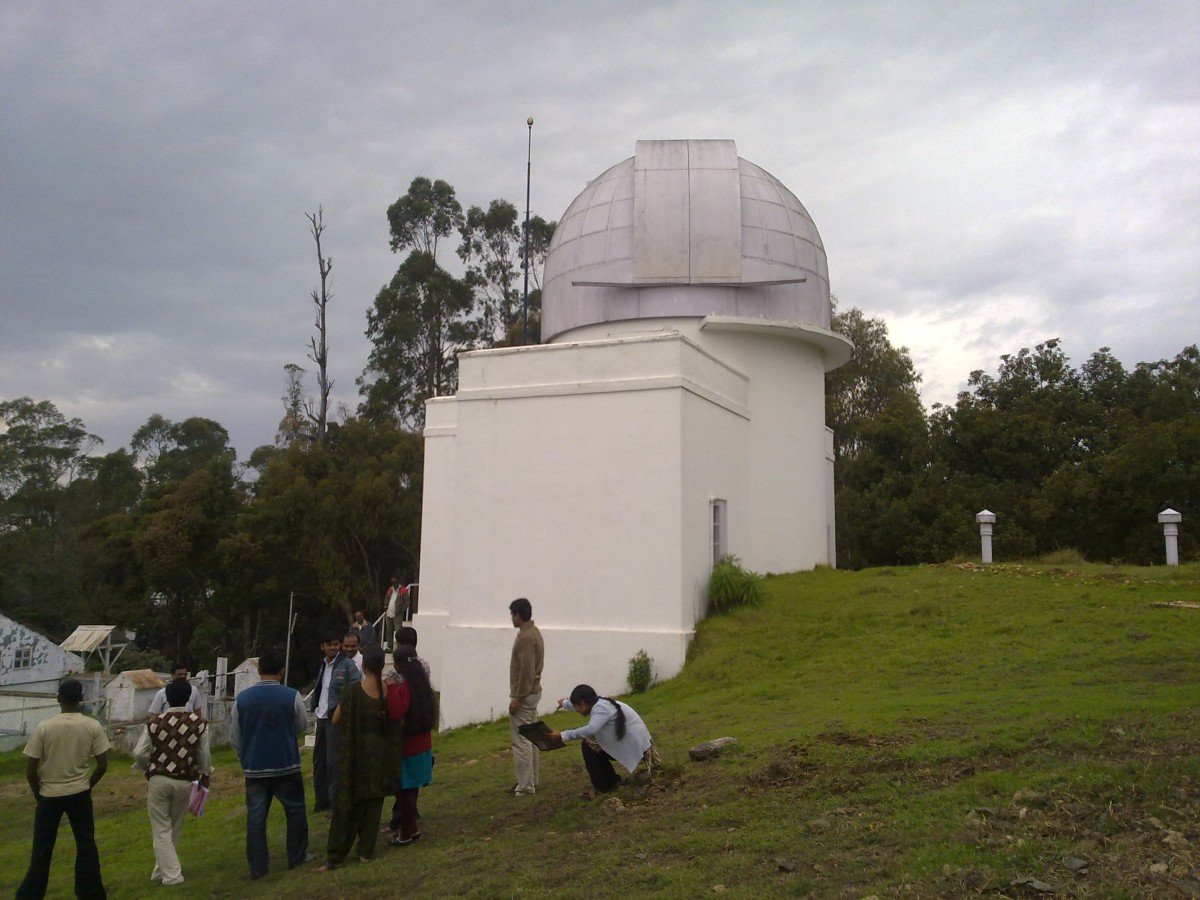
Observatory Viewpoint
General information
-
Ideal Duration:
1 to 2 hours for the museum and viewpoint.Place Type:
Educational / Scientific / Historical ViewpointEntry Fees:
Standard Entry Fee Structure: The Kodaikanal Solar Observatory maintains a minimal and simple entry fee structure for the public museum and viewpoint. The typical entry fee for Adults and Kids is approximately INR 20 to INR 50 per person. The fee is charged to help cover t...Standard Entry Fee Structure: The Kodaikanal Solar Observatory maintains a minimal and simple entry fee structure for the public museum and viewpoint. The typical entry fee for Adults and Kids is approximately INR 20 to INR 50 per person. The fee is charged to help cover the costs of maintenance for the public areas, the museum exhibits, and the upkeep of the historic grounds. The fees are subject to change but are generally kept very low to encourage educational tourism.
Exemptions and Concessions: A significant part of the fee structure includes exemptions for senior citizens and sometimes for pre-arranged educational groups. Senior Citizens are often granted Free Entry upon presenting valid identification. Student groups from local colleges or schools can sometimes negotiate a group rate or concession for a dedicated lecture or tour, which makes the visit more affordable and accessible for academic purposes.
Fee for Special Services and Parking: The observatory charges an additional fee for parking vehicles in the designated parking area, which is typically located about 1 KM from the main building. This parking fee can range from INR 30 to INR 50 per vehicle. There are usually no charges for personal photography with handheld cameras, but special equipment or commercial photography may incur a separate, higher fee requiring advance permission and payment. The fee is predominantly for the museum/viewpoint access, as the observatory is primarily a research center, not a commercial tourist site.Timing:
Regular Operating Hours: The Kodaikanal Solar Observatory's public museum and viewpoint are generally open for visitors on Monday to Saturday. The regular operating hours are typically split into two sessions to accommodate scientific work: 10:00 AM to 12:00 PM (Morning Ses...Regular Operating Hours: The Kodaikanal Solar Observatory's public museum and viewpoint are generally open for visitors on Monday to Saturday. The regular operating hours are typically split into two sessions to accommodate scientific work: 10:00 AM to 12:00 PM (Morning Session) and 2:00 PM to 4:00 PM (Afternoon Session).
Note: It is generally closed on Sundays and all major Indian Government/Public Holidays, so planning the visit on a weekday is highly recommended.
Ideal Visit Time for Clear Views: The Ideal Time to Visit for the clearest, most spectacular views of the valleys and plains is during the Morning Session (10:00 AM to 12:00 PM). The early morning hours are less prone to the rapid onset of mist and fog, which frequently rolls in during the late afternoon, obscuring the panoramic visibility. Photographers seeking clear shots should target the start of the morning session.
Best Time to Visit for Educational Value: The best time to visit for educational purposes and to maximize interaction with the museum exhibits is often the start of the Afternoon Session (2:00 PM), as the crowd might be slightly thinner. If an educational lecture or guided explanation is scheduled, this time may offer a more focused, quieter learning experience inside the small museum. Always confirm current timings locally, as they are subject to change based on IIA's operational needs.Special Events:
Annual Solar Physics Workshops and Seminars: The most significant special events are the periodic, high-level scientific gatherings, including national and international Solar Physics Workshops and specialized Seminars hosted by the Indian Institute of Astrophysics (IIA). T...Annual Solar Physics Workshops and Seminars: The most significant special events are the periodic, high-level scientific gatherings, including national and international Solar Physics Workshops and specialized Seminars hosted by the Indian Institute of Astrophysics (IIA). These events, primarily for researchers and doctoral students, focus on new discoveries, data analysis from the KSO archive, and advances in solar-terrestrial physics. While not open to the general public, their occurrence marks the observatory's continued vital role as a scientific hub.
Annual Open House Days: Occasionally, the observatory hosts an Open House Day, often in conjunction with a significant astronomical event like a transit, eclipse, or national science week. These rare days allow the public extended access, special guided tours, demonstrations of the telescopes (including the historic ones), and sometimes, evening sky-watching sessions, which are a major draw for astronomy enthusiasts and students from across Tamil Nadu and India.
School and University Educational Visits: The observatory regularly schedules pre-arranged educational tours and lectures for school and university student groups. These focused visits, which include detailed explanations of the instruments and the importance of the KSO data, are special, pre-booked educational events that enrich the academic community's understanding of astrophysics and solar science.Best Photo Spots:
The Panoramic Viewing Deck: The main viewing deck is the absolute best spot for wide-angle, panoramic landscape photography. From here, you can capture the vast, undulating green carpet of the Palani Hills, the shimmering Kodaikanal Lake in the distance, and the distant pla...The Panoramic Viewing Deck: The main viewing deck is the absolute best spot for wide-angle, panoramic landscape photography. From here, you can capture the vast, undulating green carpet of the Palani Hills, the shimmering Kodaikanal Lake in the distance, and the distant plains, especially when the morning mist has cleared. Use a wide-angle lens to capture the sheer scale of the view.
Framing the Historic Dome: For a unique, symbolic shot, position yourself to frame the iconic, large white telescope dome against the backdrop of the deep blue sky. This shot symbolizes the fusion of nature's height and scientific endeavor, offering a composition that is distinctly KSO. Best captured in the morning light before noon.
The Instrument Museum Showcase: Inside the small museum (if photography is permitted), the best spots are the showcases displaying the older, brass and wooden astronomical instruments, particularly the historic chronometers and specialized solar telescopes. These shots offer a compelling contrast between the antique technology and the modern era, focusing on texture and detail in the controlled indoor light.
The Approach Road Silhouette: The winding, elevated road leading up to the observatory offers excellent opportunities for silhouette photography at sunrise or sunset. The high altitude and minimal light pollution (before sunrise) allow for stunning sky colors, with the ridge line or the distant mountain peaks forming a dramatic, dark foreground.Photo Gallery
Things To Do
-
Engage with Solar Science Exhibits: Spend at least an hour inside the Astronomical Museum, which is the main attraction for the public. Focus on the detailed photographic displays of the Sun, including sunspots and flares, and try to understand the models of the solar system. Look for the historical instruments, especially the original Photoheliograph, which is a tangible link to over a century of research. Read the educational placards explaining concepts like space weather and the solar-terrestrial relationship in simple terms. This is a unique opportunity to connect with high-level science.
Enjoy the High-Altitude Panoramic View: Take time at the Viewpoint to soak in the magnificent scenery. On a clear day (typically in the morning or post-monsoon), you can see the plains of the Dindigul district stretched out hundreds of...Engage with Solar Science Exhibits: Spend at least an hour inside the Astronomical Museum, which is the main attraction for the public. Focus on the detailed photographic displays of the Sun, including sunspots and flares, and try to understand the models of the solar system. Look for the historical instruments, especially the original Photoheliograph, which is a tangible link to over a century of research. Read the educational placards explaining concepts like space weather and the solar-terrestrial relationship in simple terms. This is a unique opportunity to connect with high-level science.
Enjoy the High-Altitude Panoramic View: Take time at the Viewpoint to soak in the magnificent scenery. On a clear day (typically in the morning or post-monsoon), you can see the plains of the Dindigul district stretched out hundreds of kilometers below. Use the available railing or steps for photography, focusing on capturing the expansive valley views. This is an ideal spot for landscape and panoramic shots of the Palani Hills terrain.
Walk the Historic Grounds: Take a peaceful walk along the observatory's grounds, which are often well-maintained with lush vegetation. Notice the historic stone buildings and the dome structures, imagining the work that has taken place here for over a hundred years. The quiet, elevated environment is perfect for a short, contemplative stroll.
Combine with Nearby Attractions: Plan your visit to strategically combine it with nearby popular spots like Green Valley View (Suicide Point) or Guna Caves (Devil's Kitchen), as they are often part of the same tourist route. Visiting the observatory in the morning allows you to catch the best views and then proceed to the other sites before the afternoon rush.
Try the Local Refreshments: Look for small, local stalls or shops outside the main gate for a warm cup of coffee or tea, which is especially welcome in the cool, elevated climate. Tasting some local snacks while sitting on a bench and looking at the view is a simple yet rewarding pleasure of the visit.
Engage with the Staff: If possible, try to interact briefly with the museum staff or the guides (if available). They often have fascinating anecdotes and deeper knowledge about the instruments and discoveries made at KSO. Asking specific questions about solar physics or the archive can greatly enhance the educational value of your trip.
Observe the Architecture: Pay close attention to the utilitarian yet historically significant architecture of the buildings and the telescope domes, appreciating how they were designed to withstand the mountain climate and precisely house the delicate equipment, giving a nod to Victorian-era engineering.
Capture Sun-Focused Shots: For photography enthusiasts, try to capture the unique shape of the observatory structures against the deep blue sky, or if permitted, capture the historical instrument setup in the museum. The historic and scientific nature of the location offers a different subject than the usual nature shots of Kodaikanal.
Information
-
Why Famous:
Scientific Legacy and Solar Data Archive: Kodaikanal Solar Observatory is globally famous for maintaining one of the world's longest running, continuous archival records of solar observations, including sunspot drawings and photographs, dating back to the late 19th century. ...Scientific Legacy and Solar Data Archive: Kodaikanal Solar Observatory is globally famous for maintaining one of the world's longest running, continuous archival records of solar observations, including sunspot drawings and photographs, dating back to the late 19th century. This archive is an invaluable resource for international scientists studying long-term solar cycles, solar flares, and their impact on Earth's climate and space weather, cementing its reputation as a historically critical center for solar physics.
Highest Viewpoint and Panoramic Scenery: Situated at a high altitude of over 7,700 feet, the viewpoint associated with the observatory is celebrated for offering one of the most extensive and clearest panoramic views in Kodaikanal. On a clear day, visitors can see across the vast valleys and plains, often capturing the full sweep of the hill station and distant landmarks, providing a spectacular visual reward for the visit.
Pioneering Indian Astronomy: It is famous as one of the oldest operational observatories in India, playing a crucial, pioneering role in developing astronomical and astrophysical research within the country. The presence of historic instruments and the educational museum makes it a unique pilgrimage site for science enthusiasts and students alike. -
Architecture:
Victorian-Era Astronomical Design: The architectural style of the Kodaikanal Solar Observatory is characteristic of late Victorian-era scientific institutions, focusing on functionality to house large, sensitive astronomical instruments. The central structure is often a sol...Victorian-Era Astronomical Design: The architectural style of the Kodaikanal Solar Observatory is characteristic of late Victorian-era scientific institutions, focusing on functionality to house large, sensitive astronomical instruments. The central structure is often a solid stone or brick building designed for stability, minimizing vibration for precise measurements.
Telescope Domes and Dimensions: A dominant architectural feature is the iconic dome structure which houses the telescopes, like the dome for the historic 20 cm (8 inch) Refractor and the one for the Full-disk Photoheliograph. These domes are hemispherical structures designed to rotate 360 degrees and have a sliding slit (shutter) to allow the telescope to track celestial objects. The dimensions of the domes are calculated to provide adequate space for the instruments and observers, typically ranging from 4 to 8 meters in diameter. The main building includes labs, lecture halls, and the astronomical library, built with thick walls to maintain a cool, stable internal temperature, crucial for the integrity of sensitive equipment like spectrographs. The design emphasizes clear sightlines and maximum exposure to the sky, utilizing the high altitude and geographical position for its purpose. -
How To Reach:
By Air (Nearest Airport and Connectivity): The nearest airport is Madurai International Airport (IXM), located approximately 120 KMS away. Other major airports are Coimbatore International Airport (CJB) (approx. 170 KMS away) and Tiruchirappalli International Airport (TRZ)...By Air (Nearest Airport and Connectivity): The nearest airport is Madurai International Airport (IXM), located approximately 120 KMS away. Other major airports are Coimbatore International Airport (CJB) (approx. 170 KMS away) and Tiruchirappalli International Airport (TRZ) (approx. 195 KMS away). From any of these airports, the most convenient way to reach Kodaikanal town is by hiring a pre-booked private taxi, which offers a scenic 3-4 hour drive up the Ghat road. The taxi fares are generally fixed and should be negotiated beforehand.
By Train (Nearest Railway Stations): The nearest major railway station is Kodaikanal Road (KQN), located about 80 KMS from the hill station. However, Madurai Junction (MDU), about 115 KMS away, offers better connectivity to major Indian cities like Chennai, Bengaluru, and Mumbai. From the railway station, you must hire a local cab or take a public or private bus service that regularly connects the plains to the hill station of Kodaikanal. The train journey is scenic, and the final road trip is a beautiful ascent.
By Road (Bus and Private Vehicle): Kodaikanal is excellently connected by road. Regular public and private bus services (including Volvo/AC sleepers) run from major cities like Chennai (10-12 hours), Madurai (3-4 hours), Coimbatore (5-6 hours), and Dindigul. For a private vehicle, the climb is via a well-maintained ghat road, which has many hairpin bends; caution and prior experience driving on hills are advised. The road journey itself is spectacular.
By Local Transport (Reaching the Observatory): Once in Kodaikanal town (Bus Stand/City Center), the KSO is only 4. 5 KMS away. The easiest and most common way to reach the observatory is by hiring a local taxi, which will charge a negotiated fare, or an auto-rickshaw. Many tourists also hire a bicycle or a two-wheeler from the town center, as the road is scenic. A dedicated parking lot is available about 1 KM from the observatory building, requiring a final short walk. -
Weather and Best Time to Visit:
Best Season - Winter and Post-Monsoon (October to March): The Ideal Season to visit the Kodaikanal Solar Observatory is during the winter (November to February) and the immediate post-monsoon period (October and March). During these months, the air is the clearest, visibility is at its maximum, and...Best Season - Winter and Post-Monsoon (October to March): The Ideal Season to visit the Kodaikanal Solar Observatory is during the winter (November to February) and the immediate post-monsoon period (October and March). During these months, the air is the clearest, visibility is at its maximum, and the chance of a fog-free panoramic view from the elevated viewpoint is highest. The cool, crisp climate (temperatures typically 10°C to 20°C) is also the most pleasant for walking the grounds.
Avoidance Season - Monsoon and Peak Summer: The Monsoon Season (June to September) should be avoided, as heavy rainfall and constant, thick mist will inevitably obscure the panoramic views, rendering the viewpoint useless. While the scientific work continues, the tourist experience is severely diminished. Peak Summer (April and May) is busy and hotter, though views are usually clear.
Best Part of the Day - The Morning Session: The Ideal Time of Day to visit is the start of the Morning Session (10:00 AM). This is when the atmospheric conditions on the hill are typically the clearest. Fog and haze usually take time to build up, especially if the previous night was clear. Visitors who arrive early (before 11:00 AM) have the highest chance of capturing those spectacular, far-reaching panoramic photographs.
Secondary Time - Early Afternoon: The Afternoon Session (2:00 PM) is a secondary option. While the view might start to become hazy, the museum is often quieter, offering a more tranquil experience to explore the exhibits in depth without large crowds, making it a better time for the educational aspect of the visit. Always visit on a weekday to avoid closure on Sunday and public holidays. -
Near Tourist Places:
Near Tourist Places: 1. Pillar Rocks (4 KMS) 2. Guna Caves (Devil's Kitchen) (3. 5 KMS) 3. Pine Forest (3 KMS) 4. Green Valley View (Suicide Point) (4. 5 KMS) 5. Moir Point (4. 5 KMS) 6. Kodaikanal Lake (5 KMS) 7. Upper Lake View (5 KMS) 8. Bryant Park (4. 5 KMS) 9. Kurinji Andavar Temple (8 KMS) 10. Silent Valley View (4 KMS) 11. Dolphin's Nose (10 KMS) 12. Coaker's Walk (5 KMS)
Tourism Tips
-
Health & Safety First: Due to the high altitude, guests prone to altitude sickness should take precautions, though the altitude is generally safe. The biggest safety concern is the steep, winding Ghat road drive to and from Kodaikanal. Ensure your driver is experienced in ...Health & Safety First: Due to the high altitude, guests prone to altitude sickness should take precautions, though the altitude is generally safe. The biggest safety concern is the steep, winding Ghat road drive to and from Kodaikanal. Ensure your driver is experienced in hill driving. Inside the observatory, follow all instructions, especially around scientific equipment and the telescope domes, which are delicate and off-limits. Keep children close at the viewpoint railings.
Packing Essentials: Even on a sunny day, carry a light jacket or shawl, as the elevation makes the air cool and crisp. Bring binoculars to enhance the panoramic view of the distant plains and valleys. Since photography of the exhibits can be challenging due to low light, carry a camera with good low-light capabilities.
Accommodation Strategy: The Observatory is about 4. 5 KMS from the town center. The best accommodation strategy is to stay in the main Kodaikanal town center or near the Kodaikanal Lake. This allows easy morning access to the observatory and keeps you close to restaurants and other main attractions like Coaker’s Walk. Consider hotels like The Carlton Kodaikanal or a similar property near the lake for convenience.
Other Important Tips: Confirm the Timings (especially the split sessions) before you visit, as the scientific work can alter the public hours. Since the observatory is closed on Sundays and government holidays, plan your visit for a weekday. Combine the visit with other nearby spots like Pillar Rocks or Green Valley View on the same day as part of a scenic loop tour to maximize efficiency. Use the visit as a quiet, educational break from the more crowded natural sites.
Reviews
FAQs
Kodaikanal Itineray And Cost:-
Observatory Viewpoint Tourism:-
Other Places In Kodaikanal :-
Other States In India :-
Information about New and Updated Locations() of Tamil Nadu Has Been Added :-
Card subtitle
Note:-
Information provided here in good Faith and for reference only.
Near Places
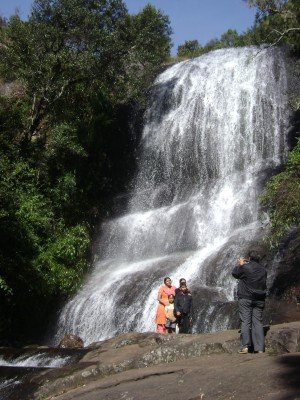
Bear Shola Falls
Some quick example text to build on the card title and make up the bulk of the card's content.
Go somewhere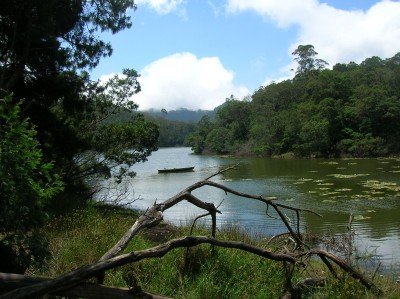
Berijam Lake
Some quick example text to build on the card title and make up the bulk of the card's content.
Go somewhere
Bryant Park
Some quick example text to build on the card title and make up the bulk of the card's content.
Go somewhere
Caps Fly Valley View
Some quick example text to build on the card title and make up the bulk of the card's content.
Go somewhere
Chettiar Park
Some quick example text to build on the card title and make up the bulk of the card's content.
Go somewhere
Christ the King Church
Some quick example text to build on the card title and make up the bulk of the card's content.
Go somewhere
Coaker's Walk
Some quick example text to build on the card title and make up the bulk of the card's content.
Go somewhere
Dolphin Nose Viewpoint
Some quick example text to build on the card title and make up the bulk of the card's content.
Go somewhere
Dolphin's Nose
Some quick example text to build on the card title and make up the bulk of the card's content.
Go somewhere
Fairy Falls
Some quick example text to build on the card title and make up the bulk of the card's content.
Go somewhere
Green Valley View
Some quick example text to build on the card title and make up the bulk of the card's content.
Go somewhere
Guna Cave
Some quick example text to build on the card title and make up the bulk of the card's content.
Go somewhere
Kodaikanal Lake
Some quick example text to build on the card title and make up the bulk of the card's content.
Go somewhere
Kodaikanal Pine Forest
Some quick example text to build on the card title and make up the bulk of the card's content.
Go somewhere
Kukkal Caves
Some quick example text to build on the card title and make up the bulk of the card's content.
Go somewhere
Kurinji Andavar Temple
Some quick example text to build on the card title and make up the bulk of the card's content.
Go somewherein Other Cities