Dolphin's Nose
General information
-
Ideal Duration:
3 to 4 Hours (Including Trekking Time)Place Type:
Natural Viewpoint and Trekking SpotEntry Fees:
The Main Trail Entry Fee: The actual entry to the Dolphin's Nose viewpoint is generally Free of cost. It is an open natural landmark maintained by the forest department and local bodies, ensuring access to the natural beauty remains unhindered for all tourists. There is no...The Main Trail Entry Fee: The actual entry to the Dolphin's Nose viewpoint is generally Free of cost. It is an open natural landmark maintained by the forest department and local bodies, ensuring access to the natural beauty remains unhindered for all tourists. There is no official ticket counter at the final rock destination.
Parking and Approach Road Fees: While the viewpoint itself is free, there is often a nominal Parking Fee (typically Rs.30 to Rs.50 for a car) collected near the Pambar Bridge area, which is the starting point of the trek, by local organizations or the panchayat for vehicle management. This fee helps manage the limited space on the narrow approach road.
Camera and Video Fees: Unlike some highly protected tourist spots in India, there are usually No Separate Charges for carrying still cameras, video cameras, or mobile phones for personal photography at Dolphin's Nose, further making it a budget-friendly attraction for photographers.
Cost of Hiring a Guide: Though not mandatory, hiring a local guide is an option, which can cost between Rs.300 and Rs.500 for the round trip. This is an optional expense but highly recommended for first-timers, adding value through local knowledge and ensuring safety on the rugged trail.
:Timing:
Regular Timings: The site is officially accessible from 6:00 AM to 6:00 PM daily. The forest department restricts movement outside of these hours due to the presence of wild animals like bison and the inherent safety risk of trekking in the dark on the steep, unprotected pa...Regular Timings: The site is officially accessible from 6:00 AM to 6:00 PM daily. The forest department restricts movement outside of these hours due to the presence of wild animals like bison and the inherent safety risk of trekking in the dark on the steep, unprotected path.
Ideal Visit Time: The absolute Ideal Visit Time is between 6:30 AM and 9:00 AM. During this narrow window, the mist is often lifting, providing clear views while the air is still cool, and, crucially, before the crowds arrive. This allows for a peaceful trek and better photo opportunities.
Morning Light Preference: Most photographers prefer the very early morning because the light is soft, and the low-lying clouds or mist in the valley below create the famous "sea of clouds" effect, which usually dissipates by 10 AM when the sun is higher.
Avoiding Midday Heat: The hours between 11 AM and 2 PM should be avoided for the return, upward trek, as the sun is strongest, making the steep climb much more exhausting and less enjoyable.
:Special Events:
Summer Flower and Fauna Display: Although no specific human-organized event is held directly at the viewpoint, the period from April to June (the height of the tourist season) is marked by a natural 'event'—the peak display of wildflowers and mountain fauna along the trekk...Summer Flower and Fauna Display: Although no specific human-organized event is held directly at the viewpoint, the period from April to June (the height of the tourist season) is marked by a natural 'event'—the peak display of wildflowers and mountain fauna along the trekking path. This is when the weather is clearest, and the vibrant colors of the blooming local flora are at their most spectacular, creating a natural flower show for hikers.
The Kurinji Bloom Event: The most significant natural event, occurring only once every 12 years, is the mass blooming of the Kurinji flower (Strobilanthes kunthiana) on the Palani Hills. When this rare event happens (last seen in 2018), the entire valley and the surrounding hills take on a mystical blue-purple hue, transforming the landscape into a once-in-a-lifetime sight, drawing international nature enthusiasts.
Local Trekking Competitions: Occasionally, local adventure clubs or schools organize guided treks or friendly competitions up to the viewpoint, especially during the holiday seasons. These are not major public events but attract small groups of locals and tourists, adding a vibrant, competitive spirit to the trail.
New Year's Sunrise Gathering: On New Year's Day, a large number of local and visiting youth gather at the viewpoint very early to witness the first sunrise of the year, turning the spot into a spontaneous, high-spirited event celebrating the dawn of the new year with cheer and music.
:Best Photo Spots:
The Protruding Edge View: The most iconic shot is taken right at the tip of the Dolphin's Nose rock, with the vast, sheer valley drop-off as the background. This allows photographers to capture the dramatic sense of scale and height, often with a person sitting or standing ...The Protruding Edge View: The most iconic shot is taken right at the tip of the Dolphin's Nose rock, with the vast, sheer valley drop-off as the background. This allows photographers to capture the dramatic sense of scale and height, often with a person sitting or standing carefully near the edge for perspective (exercise extreme caution).
Sunrise and Mist Panorama: The best time for light is during the early morning (around 6:30 AM to 8:00 AM). The rising sun illuminates the surrounding hills, and the valleys are frequently filled with a soft, ethereal mist or low clouds, creating a "cloud ocean" effect that makes for stunning, atmospheric landscape photography.
The Gnarled Tree Roots Tunnel: Near the start of the final descent, there are areas where the huge, centuries-old tree roots intertwine and form natural archways or tunnels over the path. This creates a mystical, moody photo opportunity, emphasizing the ancient nature of the Shola forest.
Pambar Falls Cascade: A short detour to Pambar Falls provides a classic nature photo opportunity. Capture the water cascading over the rock steps, focusing on a slow shutter speed to achieve a silky, smooth water effect, framed by the lush, mossy green rocks.
Mid-Trek Path Portraits: Along the well-defined dirt trail, especially where it passes through the dense pine groves, the light filters through the trees beautifully. These spots are perfect for candid portraits or group photos, with the deep forest texture providing a rich, natural backdrop.
:Photo Gallery
Things To Do
-
Trekking and Hiking Expedition: The primary activity is the 3 KM downhill trek from the road head near Pambar Bridge to the rock. Visitors should engage in serious hiking, focusing on the challenging upward climb on the return trip. Carry a sturdy stick for support, especially on the slippery, uneven patches. Make sure to wear good, non-slip hiking boots. The trek itself takes 2 to 3 hours total and is a workout in the fresh mountain air.
Photography and Landscape Capture: Dedicate substantial time to capturing the stunning panoramic vistas. Focus on wide-angle shots to encompass the vast valleys and distant plains, and telephoto shots to zoom in on specific features like the distant dam or the distinct rock shape itself. The light is best for photography during the early morning for soft shadows or late afternoon for golde...Trekking and Hiking Expedition: The primary activity is the 3 KM downhill trek from the road head near Pambar Bridge to the rock. Visitors should engage in serious hiking, focusing on the challenging upward climb on the return trip. Carry a sturdy stick for support, especially on the slippery, uneven patches. Make sure to wear good, non-slip hiking boots. The trek itself takes 2 to 3 hours total and is a workout in the fresh mountain air.
Photography and Landscape Capture: Dedicate substantial time to capturing the stunning panoramic vistas. Focus on wide-angle shots to encompass the vast valleys and distant plains, and telephoto shots to zoom in on specific features like the distant dam or the distinct rock shape itself. The light is best for photography during the early morning for soft shadows or late afternoon for golden hour, capturing the mist and clouds.
Exploration to Echo Point: For the adventurous, follow the rugged trail beyond the main Dolphin's Nose rock to the smaller, quieter Echo Point. This challenging side-trek is ideal for experienced hikers seeking seclusion and a unique angle of the gorge. Caution is paramount, as this area lacks safety railings.
Birdwatching and Nature Study: The dense Shola and eucalyptus forests along the trail are home to numerous bird species endemic to the Western Ghats. Carry binoculars and spend time quietly observing the avian life and the unique, high-altitude flora, especially during the quiet morning hours. Look for the massive, gnarled roots of the ancient trees.
Relaxation and Meditation: Find a safe, quiet spot on the rock or the nearby viewing platform. Use the serene atmosphere and the breathtaking view to meditate, introspect, or simply sit in quiet contemplation. The sheer scale of the valley provides a deeply humbling and peaceful experience.
Shopping for Local Snacks and Trinkets: Near the parking area and along the first stretch of the trek, numerous small vendors sell hot tea, coffee, fresh fruits, and local snacks. Take time to support these local businesses and enjoy a refreshing stop before or after the strenuous hike. The fresh fruit juices are particularly revitalizing.
Visiting Pambar Falls: On the trail, take a short diversion to visit the beautiful Pambar Falls (also known as the Liril Falls). This natural cascade is a tranquil spot for a quick dip (if safe, check local advisories) and offers another picturesque location for photos. The cold, clear water is a reward after the dusty trek.
Cultural Interaction at Vellagavi: Make a deliberate effort to pass through the nearby village of Vellagavi. This is an opportunity to interact with the local Paliyan tribes or villagers, learn about their mountain lifestyle, and purchase authentic local products like forest honey or spices, providing a valuable cultural exchange.
:
Information
-
Why Famous:
Panoramic Valley Views: The primary fame of Dolphin's Nose stems from its truly panoramic and unrestricted views of the deep valley, rolling hills, and the distant plains, which is unmatched by many other viewpoints in Kodaikanal. The way the rock juts out over the gorge pr...Panoramic Valley Views: The primary fame of Dolphin's Nose stems from its truly panoramic and unrestricted views of the deep valley, rolling hills, and the distant plains, which is unmatched by many other viewpoints in Kodaikanal. The way the rock juts out over the gorge provides a 270-degree view, making it a photographer’s and nature lover’s paradise. This unique perspective captures the sheer scale of the Palani Hills.
The Thrilling Trek: Another significant reason for its fame is the challenging yet highly rewarding trek required to reach it. The 3 KM journey through the rugged path, often covered in mist and surrounded by dense forest, attracts adventure seekers and trekkers. The trail’s difficulty (moderate to steep on the return) adds to the sense of achievement upon reaching the summit, making it more than just a simple viewing stop.
Unique Natural Shape: The rock's unmistakable resemblance to a dolphin's nose makes it a geological curiosity and a defining landmark of Kodaikanal. This peculiar formation, naturally carved by erosion, is a key element of its identity and is featured prominently in tourism literature.
Proximity to Other Sights: Its location, which also grants access to the beautiful Pambar Falls and the more extreme Echo Point, adds to its fame as a central point for a larger, adventure-packed itinerary. The combination of waterfall, village, and viewpoint in one trail increases its appeal to a diverse range of tourists.
: -
Architecture:
Geological Formation and Material: The 'architecture' of Dolphin's Nose is purely geological, carved by millennia of natural erosion and weathering on the Palani Hills of the Western Ghats. The structure is predominantly composed of hard, crystalline granite and gneiss rock...Geological Formation and Material: The 'architecture' of Dolphin's Nose is purely geological, carved by millennia of natural erosion and weathering on the Palani Hills of the Western Ghats. The structure is predominantly composed of hard, crystalline granite and gneiss rocks, which are characteristic of this mountainous region. The distinct shape is not man-made, but a natural protrusion of a large rock mass extending over the sheer drop of the valley, resembling the nose of a dolphin.
Erosion and Dimension: The exact dimension of the protruding section that forms the 'nose' is difficult to measure precisely but is estimated to be a flat, oval-shaped platform roughly 15 to 20 meters long and 5 to 8 meters wide at its tip. The vertical drop from the edge of this rock is immense, plunging thousands of feet into the valley below, which creates the dramatic, breathtaking view. The surrounding paths, however, have seen some minor, utilitarian human 'architecture' in the form of rough-cut stone steps and railings near the main viewing area for visitor safety, which are simplistic and blend with the natural terrain.
Shola Forest Integration: The natural architecture is heavily defined by the dense Shola forest and ancient eucalyptus trees whose gnarled, massive roots wrap around the rocks, creating a jungle-like, intertwined appearance along the trekking path. These roots act as natural stabilizing elements. The path itself is an organic piece of architecture, worn by years of foot traffic, often following the natural contour lines of the hill. The overall design is one of rugged natural beauty, where the sheer cliff face and the oddly shaped rock create a dramatic focal point.
: -
How To Reach:
By Air (Closest Airports): The nearest major airport is Madurai International Airport (IXM), which is approximately 120 KMS away from Kodaikanal. From Madurai, travelers can hire a pre-paid taxi or take a government or private bus to reach the main Kodaikanal town. The jou...By Air (Closest Airports): The nearest major airport is Madurai International Airport (IXM), which is approximately 120 KMS away from Kodaikanal. From Madurai, travelers can hire a pre-paid taxi or take a government or private bus to reach the main Kodaikanal town. The journey takes about 3 to 4 hours by road. A slightly farther but well-connected option is Coimbatore International Airport (CJB), about 175 KMS away.
By Train (Nearest Railhead): The nearest major railway station is Kodai Road (KQN), located about 80 KMS from the Kodaikanal town. This station is connected to major cities like Chennai, Madurai, and Coimbatore. From Kodai Road station, only road transport (taxis, shared jeeps, or local buses) is available for the final ascent up the mountain to the town. The train journey and subsequent road journey should be planned carefully.
By Road (Self-Drive and Bus): Kodaikanal is well-connected by road from major South Indian cities. Regular government and private buses (both sleeper and seater) run from Chennai, Madurai, Coimbatore, Dindigul, and Bangalore to the main Kodaikanal Bus Stand. For self-drive or hired taxis, the drive up the ghat road is scenic but requires careful, experienced driving due to numerous hairpin bends. The drive from the plains takes around 2 hours for the ascent.
By Local Transport to Dolphin's Nose: From the Kodaikanal Bus Stand or City Center, Dolphin's Nose is about 8 KMS away. Visitors must first take a taxi, cab, or local bus (which runs infrequently) to the entry point near the Pambar Bridge. From this drop-off point, the remaining 3 KMS must be covered on foot via the trekking trail, as vehicles are not allowed further. Ensure local transport waits or arrange a specific pickup time, especially if visiting early morning or late afternoon.
: -
Weather and Best Time to Visit:
Different Types of Seasons (Seasonal Clarity): The Winter months (November to February) are excellent, offering clear skies, less mist, and views that stretch further, though it can be very cold, especially early morning. The Summer months (April to June) are the peak seaso...Different Types of Seasons (Seasonal Clarity): The Winter months (November to February) are excellent, offering clear skies, less mist, and views that stretch further, though it can be very cold, especially early morning. The Summer months (April to June) are the peak season with pleasant weather, making the trek enjoyable, but views can be hazy or crowded. The Monsoon season (July to September) is arguably the most beautiful, as the valleys are lush and the falls are full, but the trekking path is extremely slippery and dangerous, making it less advisable.
Different Parts of the Day (Light and Crowds): The Early Morning (6:00 AM to 9:00 AM) is the Best Time for clear views, low crowds, and capturing the beautiful mist/cloud cover in the valley. Midday should be avoided due to harsh sunlight on the return trek. Late Afternoon (3:00 PM to 5:00 PM) offers beautiful golden light for photography and a cooler trek back, but the views might be obscured by fog rolling in.
: -
Near Tourist Places:
Pillar Rocks (1. 5 KMS), Guna Cave (Devil's Kitchen) (2 KMS), Pambar Falls (0. 5 KMS), Pine Forest (4 KMS), Moir Point (3 KMS), Green Valley View (5 KMS), Coaker's Walk (7 KMS), Kodaikanal Lake (8 KMS), Bryant Park (8 KMS), Silver Cascade Falls (15 KMS)
Tourism Tips
-
Health & Safety (Footwear and Hydration): Wear sturdy, ankle-supporting trekking or hiking shoes with a good grip, as the path is rocky, uneven, and often slippery, particularly after rain. Carry at least 1. 5 liters of water per person, as the uphill return trek is strenuo...Health & Safety (Footwear and Hydration): Wear sturdy, ankle-supporting trekking or hiking shoes with a good grip, as the path is rocky, uneven, and often slippery, particularly after rain. Carry at least 1. 5 liters of water per person, as the uphill return trek is strenuous and shops along the way can be expensive or closed. Be extremely cautious at the edge of the Dolphin's Nose rock, as there are no heavy railings, and the drop is fatal.
Packing (Layered Clothing and Essentials): Carry layered clothing. While the start of the trek might be warm, the viewpoint itself can be windy and very cold, especially in the mornings. Pack a light rain jacket or poncho regardless of the season, as mountain weather changes rapidly. Essentials include a small first-aid kit, sun protection (cap, sunscreen), and a powerful flashlight or headlamp for the very early morning trek.
Accommodation (Stay Near Trek Start): For those wishing to start the trek early, consider staying in accommodations located in the upper Vattakanal area or near the Pambar Bridge, which are closer to the trailhead than the main Kodaikanal Lake area, allowing for a quicker, pre-dawn start.
Other Topics (Wildlife and Environment): Be aware of the local wildlife, particularly bison, which are often seen grazing near the paths in the early morning or late evening; maintain a safe distance and never approach them. Do not litter; carry all plastic, food wrappers, and water bottles back with you, helping to preserve the pristine nature of the Shola forest and the trail. Respect the silence of the forest and the local village along the route.
Guide Consideration: If you are new to mountain trekking or traveling alone, consider hiring a local guide from the town. They can help navigate, point out the hidden gems like the Echo Point, and provide historical/natural insights.
:
Reviews
FAQs
Kodaikanal Itineray And Cost:-
Other Places In Kodaikanal :-
Other States In India :-
Information about New and Updated Locations() of Tamil Nadu Has Been Added :-
Card subtitle
Note:-
Information provided here in good Faith and for reference only.
Near Places
Bear Shola Falls
Some quick example text to build on the card title and make up the bulk of the card's content.
Go somewhere
Berijam Lake
Some quick example text to build on the card title and make up the bulk of the card's content.
Go somewhere
Bryant Park
Some quick example text to build on the card title and make up the bulk of the card's content.
Go somewhere
Caps Fly Valley View
Some quick example text to build on the card title and make up the bulk of the card's content.
Go somewhere
Chettiar Park
Some quick example text to build on the card title and make up the bulk of the card's content.
Go somewhere
Christ the King Church
Some quick example text to build on the card title and make up the bulk of the card's content.
Go somewhere
Coaker's Walk
Some quick example text to build on the card title and make up the bulk of the card's content.
Go somewhere
Dolphin Nose Viewpoint
Some quick example text to build on the card title and make up the bulk of the card's content.
Go somewhere
Dolphin's Nose
Some quick example text to build on the card title and make up the bulk of the card's content.
Go somewhere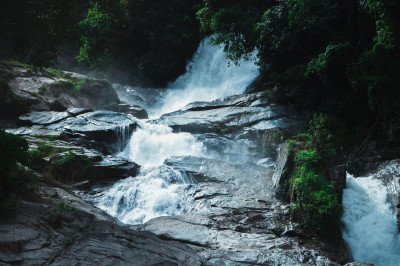
Fairy Falls
Some quick example text to build on the card title and make up the bulk of the card's content.
Go somewhere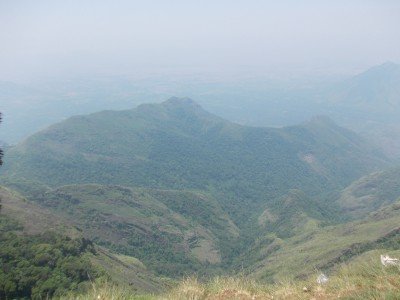
Green Valley View
Some quick example text to build on the card title and make up the bulk of the card's content.
Go somewhere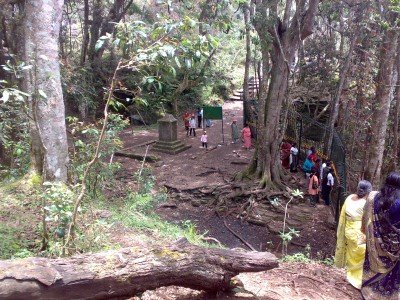
Guna Cave
Some quick example text to build on the card title and make up the bulk of the card's content.
Go somewhere
Kodaikanal Lake
Some quick example text to build on the card title and make up the bulk of the card's content.
Go somewhere
Kodaikanal Pine Forest
Some quick example text to build on the card title and make up the bulk of the card's content.
Go somewhere
Kukkal Caves
Some quick example text to build on the card title and make up the bulk of the card's content.
Go somewhere
Kurinji Andavar Temple
Some quick example text to build on the card title and make up the bulk of the card's content.
Go somewherein Other Cities