

Padaveedu
General information
-
Ideal Duration:
2-3 Hours:Place Type:
Temple, Pilgrimage Site, Historical Ruins:Entry Fees:
Temple Entry: There is generally No Entry Fee to visit the main Sri Renugambal Temple itself, as is common for most major Hindu temples in Tamil Nadu.
Special Darshan/Pooja Fees: There are standard, modest fees for specific rituals or specia...Temple Entry: There is generally No Entry Fee to visit the main Sri Renugambal Temple itself, as is common for most major Hindu temples in Tamil Nadu.
Special Darshan/Pooja Fees: There are standard, modest fees for specific rituals or special services, such as:
Archana (personal offering): typically INR 3 to INR 10 per person.
Abishegam (ritual bathing of the deity): typically INR 500 to INR 850 per person (must be booked in advance).
Tulabaram Offering: The cost depends on the weight and the offering material (coins, rice, etc. ).
Hundi (Donation): Devotees are encouraged to make voluntary offerings to the temple trust in the designated Hundi boxes for temple maintenance and services.
Photography/Video Fee: As a religious site, photography is generally restricted inside the main hall and sanctum, but casual photography of the towers and exterior structures is usually free.Timing:
Regular Timings:
The temple is open in two shifts:
Morning: Typically from 5:00 AM or 6:40 AM to 12:00 PM or 1:00 PM.
Evening: Typically from 3:00 PM or 4:00 PM to 8:30 PM or ...Regular Timings:
The temple is open in two shifts:
Morning: Typically from 5:00 AM or 6:40 AM to 12:00 PM or 1:00 PM.
Evening: Typically from 3:00 PM or 4:00 PM to 8:30 PM or 9:00 PM.
Pooja Timings: Key daily rituals include Kalai Santhi (around 8:00 AM), Uchi Kalam (around 11:00 AM), and Sayaratchai (around 6:00 PM). It is advised to visit during these times to witness the special worship.
Ideal Visit Time: The Ideal Visit Time for pilgrims is during the morning shift, especially around the Uchi Kalam pooja, or in the evening. As a tourist, visiting on a weekday morning avoids the heavy rush of local pilgrims that is typical on Fridays, Tuesdays, and Sundays.Special Events:
Aani Tirumanjanam Sand Retrieval: A very significant special ritual event occurs during the Tamil month of Aani (June-July). On this day, the holy Sand Prasad is ritually collected from the pit near the presumed site of Sage Jamadagni's ashram. This is a very special day f...Aani Tirumanjanam Sand Retrieval: A very significant special ritual event occurs during the Tamil month of Aani (June-July). On this day, the holy Sand Prasad is ritually collected from the pit near the presumed site of Sage Jamadagni's ashram. This is a very special day for the devotees, as the sand collected on this day is believed to be exceptionally potent.
Navaratri Festival: Like all Shakti Peethas and Amman temples, the nine-day Navaratri festival (in September-October) is celebrated with great pomp and fervor. The Goddess is adorned in different forms on each day, and various cultural programs, special Abishegams, and processions take place, attracting large crowds of devotees.
Temple Car Festival: The annual Chariot or Temple Car Festival (Ther Thiruvizha) is a grand event where the processional deity is taken around the town in a decorated, massive temple car, accompanied by music and devotees, marking a key highlight in the temple calendar.Best Photo Spots:
The Raja Gopuram (Entrance): The massive, colorful, and richly decorated three-tiered Raja Gopuram serves as the most striking photo spot, capturing the grandeur of the Dravidian style and the many stucco deities adorning it. Capture it from a slight distance to get the ful...The Raja Gopuram (Entrance): The massive, colorful, and richly decorated three-tiered Raja Gopuram serves as the most striking photo spot, capturing the grandeur of the Dravidian style and the many stucco deities adorning it. Capture it from a slight distance to get the full height.
The Inner Pillar Corridor: The long corridor lined with stone pillars leading to the sanctum provides a classic, atmospheric photo frame, playing with light and shadow, and capturing the depth and traditional structure of the temple interior (where photography is permitted).
Shrine of the Head Alone Deity: While the innermost sanctum often prohibits photography, a respectful photo of the architecture of the Artha Mandapam leading into the sanctum, where the deity's unique significance resides, can be very powerful. The image of the full form of the Goddess and Parasurama carved on a wall in the temple premises should also be sought out.
The Serene Vahana Mandapam: The Vahana Mandapams in the South Prakaram offer great opportunities to photograph the beautiful sculptures, especially the unique Bull Vahanam often seen here, which provides a fascinating architectural detail.Photo Gallery
Things To Do
-
Seek Blessings from Renugambal Amman: Perform Archana and offer prayers to the self-manifested Head Alone deity, asking for prosperity, health, and a resolution of any family or personal issues. The most important ritual is to receive and partake in the holy Sand Prasad (Manal).
Circumambulation in Neem Leaf Clothing: Devotees fulfilling vows sometimes perform the temple circumambulation (Pradakshina) wearing only clothing made of neem leaves, a highly devotional and unique practice to observe.
Offer Tulabaram and Vows: Participate in the Tulabaram ritual if fulfilling a vow, or offer small metal pieces (copper/silver) shaped like limbs or eyes, seeking cure from physical ailments.
Explore the Raja Gopuram: Spend time appreciating the intricate stucco work and s...Seek Blessings from Renugambal Amman: Perform Archana and offer prayers to the self-manifested Head Alone deity, asking for prosperity, health, and a resolution of any family or personal issues. The most important ritual is to receive and partake in the holy Sand Prasad (Manal).
Circumambulation in Neem Leaf Clothing: Devotees fulfilling vows sometimes perform the temple circumambulation (Pradakshina) wearing only clothing made of neem leaves, a highly devotional and unique practice to observe.
Offer Tulabaram and Vows: Participate in the Tulabaram ritual if fulfilling a vow, or offer small metal pieces (copper/silver) shaped like limbs or eyes, seeking cure from physical ailments.
Explore the Raja Gopuram: Spend time appreciating the intricate stucco work and sculptures on the massive Raja Gopuram, which vividly depicts various puranic stories and deities.
Visit Ancient Temple Sites: Dedicate time to explore the vast historical region of Padaveedu. Seek out the ruins and smaller, 12th-century shrines scattered across the 17 surrounding villages, such as the ancient Shiva and Vishnu temples, which predate or are contemporary to the main temple's reconstruction.
Witness the Daily Rituals and Poojas: The temple has fixed daily rituals like Kalai Santhi (morning), Uchi Kalam (midday), and Sayaratchai (evening) poojas. Attending the Abishegam ceremony is a spiritually enriching experience.
Enjoy the Scenic Surroundings: The Padaveedu area is set amidst lush green paddy fields and coconut groves, and is surrounded by protective hills and forests. Take a moment to enjoy the tranquil, scenic environment, a contrast to the bustling city of Tiruvannamalai.
Information
-
Why Famous:
Swayambumurthy and Shakti Peetha: The temple is supremely famous because the main deity, Sri Renugambal Amman, is a Swayambumurthy (self-manifested) and appears only as the Head, which makes it incredibly unique among South Indian temples. It is revered as one of the import...Swayambumurthy and Shakti Peetha: The temple is supremely famous because the main deity, Sri Renugambal Amman, is a Swayambumurthy (self-manifested) and appears only as the Head, which makes it incredibly unique among South Indian temples. It is revered as one of the important Shakti Peethas in the Thondainadu region, attracting devotees seeking the blessings of the Mother Goddess for various boons.
Puranic Legend of Renuka Devi: Its fame is intrinsically linked to the tragic and miraculous puranic story of Renuka Devi and her son Parasurama. Devotees believe that worshipping here brings resolution to issues related to family bonds, and the offering of sand (Manal) as Prasad (instead of the usual kumkum) is a highly unique and famous practice believed to grant child boons and cure ailments.
Sambuvarayar Capital: Historically, the surrounding area of Padaveedu was the fortified capital of the powerful Sambuvarayar dynasty, making it a place of significant archaeological and historical interest alongside its religious importance. The ruins of the old city and other ancient temples in the vicinity draw history buffs. -
Architecture:
Dravidian Style and Head-Deity: The temple follows a classic Dravidian architectural style, characterized by a towering Raja Gopuram (main entrance tower). The Raja Gopuram typically has three storeys and is crowned with five Kalasams (finials), adorned with beautiful stucc...Dravidian Style and Head-Deity: The temple follows a classic Dravidian architectural style, characterized by a towering Raja Gopuram (main entrance tower). The Raja Gopuram typically has three storeys and is crowned with five Kalasams (finials), adorned with beautiful stucco figures depicting puranic legends involving Parasuramar, Renugai, Lakshmi, and others.
Sanctum and Uniqueness: The primary architectural/religious unique feature is the sanctum sanctorum housing the Swayambumurthy of Mother Renugambal as a Head Alone deity. Inside the sanctum, it is believed that Adi Sankarar consecrated the Nanakarshna Chakra and installed a Banalinga along with the idol head. The temple is made of granite stone and brick.
Vahana and Imagery: Uniquely for an Amman (Goddess) temple, the outer walls and Vahana Mandapams often feature a Bull (Nandi/Rishabha) as the primary vehicle (Vahanam) instead of the typical lion or Yazhi. Sculptures depicting various scenes from the puranas, including an impressive one showing Goddess Renugambal blessing Lord Rama, are found on the outer walls. The inner corridor is lined with pillars leading to the flag staff and Balipeetham, with the temple office and Vahana mandapams located in the South Prakaram. -
How To Reach:
By Air: The nearest major airport is Chennai International Airport (MAA), approximately 150-160 KMS away. From the airport, hire a direct taxi to Padaveedu or take a bus/train to Vellore or Tiruvannamalai and then proceed by local transport.
By...By Air: The nearest major airport is Chennai International Airport (MAA), approximately 150-160 KMS away. From the airport, hire a direct taxi to Padaveedu or take a bus/train to Vellore or Tiruvannamalai and then proceed by local transport.
By Train: The nearest railway station with good connectivity is Vellore Cantonment (VLR) or Polur (closer but smaller). Tiruvannamalai Railway Station (TNM) is also an option. From the station, hire a private taxi or use the local bus service.
By Road: Padaveedu is best reached by road. It is located near the town of Polur (approx. 20-25 KMS) and is about 40-45 KMS from Tiruvannamalai City. Buses are available from Kancheepuram, Vellore, Arcot, Arani, and Polur. Self-driving or hiring a taxi from Tiruvannamalai or Vellore is the most convenient way.
By Local Transport: From Polur or Arani, local mini-buses and shared auto-rickshaws frequently ply to A. K. Padavedu village. A dedicated auto or cab from Tiruvannamalai City will take approximately 1. 5 hours. -
Weather and Best Time to Visit:
Winter Season (November to February): This is the Best Time to Visit for both pilgrimage and sightseeing. The weather is cool and pleasant, making the temple visit, walking, and exploring the nearby ruins very comfortable.
Post-Monsoon Season (...Winter Season (November to February): This is the Best Time to Visit for both pilgrimage and sightseeing. The weather is cool and pleasant, making the temple visit, walking, and exploring the nearby ruins very comfortable.
Post-Monsoon Season (October and March): The surrounding landscape is lush and green, and the temple area is serene. This is a good time, but the heat begins to rise in March.
Avoid Summer: The months of April to June are intensely hot, making daytime visits difficult, especially since one must walk barefoot within the temple premises.
Different Parts of the Day: For a quick visit, the late morning (9 AM to 11 AM) when the main poojas are conducted is best for a spiritual experience. For a peaceful visit, the late evening (4 PM to 6 PM) is ideal after the day's heat subsides. -
Near Tourist Places:
Polur: (Approx. 25 Kms) - Nearby town with a large hill.
Vellore Golden Temple (Sripuram): (Approx. 60 Kms) - Massive, modern temple complex.
Arani: (Approx. 35 Kms) - Nearby historically significant town.
Sathanur Dam: (Approx. 65 Kms) - Large dam and picnic spot.
Jawadhu Hills: (Starting from Approx. 70 Kms) - Scenic hill station.
Tiruamalai (Jain Temples): (Approx. 20 Kms) - Ancient Jain rock-cut statues.
Kancheepuram: (Approx. 65 Kms) - Famous city of a thousand temples and silk saree industry.
Parvathamalai Hill: (Approx. 50 Kms) - Trekking destination.
Tiruvannamalai City Center: (Approx. 45 Kms) - Main spiritual center.
Kilnamalai Falls: (Approx. 50 Kms) - Seasonal waterfalls near Polur.
Tourism Tips
-
Health & Safety: Always remove footwear before entering the temple and be prepared to walk barefoot on hot stone floors, especially if visiting outside of the Winter season. Use a car mat or socks for walking in the courtyard. Dress modestly, covering shoulders and knees, ...Health & Safety: Always remove footwear before entering the temple and be prepared to walk barefoot on hot stone floors, especially if visiting outside of the Winter season. Use a car mat or socks for walking in the courtyard. Dress modestly, covering shoulders and knees, as is customary for temples in Tamil Nadu.
Packing Essentials: Carry a bag to store your footwear. Carry water bottles and tissues. For the rituals, carry flowers (often available outside) and any metal pieces if you plan a specific offering.
Accommodation: The best base for accommodation is the nearby major town of Vellore (approx. 60 KMs) or Tiruvannamalai City (approx. 45 KMs). Simple guesthouses might be available in the Polur area, but quality accommodation is best found in the major cities.
Special Tip: It is highly recommended to seek guidance from the temple staff or local priests to understand the process for collecting and consuming the holy Sand Prasad (Manal), which is central to the temple's unique significance.
Reviews
FAQs
Tiruvannamalai Itineray And Cost:-
Other Places In Tiruvannamalai :-
Other States In India :-
Information about New and Updated Locations() of Tamil Nadu Has Been Added :-
Card subtitle
Note:-
Information provided here in good Faith and for reference only.
Near Places
Adiannamalai Lake
Some quick example text to build on the card title and make up the bulk of the card's content.
Go somewhere
Ammangund Rock
Some quick example text to build on the card title and make up the bulk of the card's content.
Go somewhere
Ancient Mantapam
Some quick example text to build on the card title and make up the bulk of the card's content.
Go somewhere
Annamalaiyar Temple / Arunachaleswarar Temple
Some quick example text to build on the card title and make up the bulk of the card's content.
Go somewhere
Gingee Fort
Some quick example text to build on the card title and make up the bulk of the card's content.
Go somewhere
I Love Tvmalai
Some quick example text to build on the card title and make up the bulk of the card's content.
Go somewhere
Javadu Hills
Some quick example text to build on the card title and make up the bulk of the card's content.
Go somewhere
Kuruvimalai Dam
Some quick example text to build on the card title and make up the bulk of the card's content.
Go somewhere
Padaveedu
Some quick example text to build on the card title and make up the bulk of the card's content.
Go somewhere
Parvathamalai Hill
Some quick example text to build on the card title and make up the bulk of the card's content.
Go somewhere
Pick Up Dam
Some quick example text to build on the card title and make up the bulk of the card's content.
Go somewhere
Sathanur Dam
Some quick example text to build on the card title and make up the bulk of the card's content.
Go somewhere
Skandashram
Some quick example text to build on the card title and make up the bulk of the card's content.
Go somewhere
Skandasram Way City View Point
Some quick example text to build on the card title and make up the bulk of the card's content.
Go somewhere
Sri Ramana Ashram
Some quick example text to build on the card title and make up the bulk of the card's content.
Go somewhere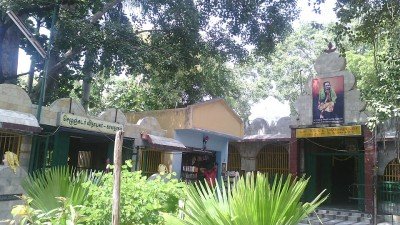
Sri Seshadri Swamigal Ashram
Some quick example text to build on the card title and make up the bulk of the card's content.
Go somewherein Other Cities