Kuruvimalai Dam
General information
-
Ideal Duration:
1-2 Hours:Place Type:
Dam, Reservoir, Picnic Spot:Entry Fees:
Dam and Park Entry: There is generally No Entry Fee to visit Kuruvimalai Dam. It is a public infrastructure and nature spot freely accessible to the public.
Parking: Parking is typically free, or a very small, negotiable token amount might ...Dam and Park Entry: There is generally No Entry Fee to visit Kuruvimalai Dam. It is a public infrastructure and nature spot freely accessible to the public.
Parking: Parking is typically free, or a very small, negotiable token amount might be collected by a local villager who manages the informal parking area.
Commercial Activity: Since there are no formal commercial establishments, there are no fees for rides, amenities, or special shows, unlike the larger tourist dams. The cost of visiting is virtually zero, making it an excellent budget destination.
Donations: Any small financial contribution should be made voluntarily to the local village or temple funds, if such an opportunity presents itself.Timing:
Regular Timings: The dam is generally accessible from 7:00 AM to 5:00 PM. Unlike major tourist spots, the opening and closing hours might be flexible or informally enforced.
Ideal Visit Time: The Ideal Visit Time is in the Early Morning (7:...Regular Timings: The dam is generally accessible from 7:00 AM to 5:00 PM. Unlike major tourist spots, the opening and closing hours might be flexible or informally enforced.
Ideal Visit Time: The Ideal Visit Time is in the Early Morning (7:00 AM to 10:00 AM) for peaceful bird watching and cool weather, or in the Late Afternoon (3:30 PM to 5:00 PM) for sunset views and picnicking.
Avoid Midday: The small nature of the site offers little shade outside the trees, so avoid the hot midday hours (11:00 AM to 3:00 PM).
Seasonal Timing: The dam is most beautiful immediately after the Monsoon (October to November) when the water is full and the hills are lush green.Special Events:
Local Harvest Festivals: The dam's special events are largely tied to the agricultural cycle and the local community. The most important events are the Harvest Festivals, particularly Pongal (in January), where local farmers and villagers offer thanks for the water supply t...Local Harvest Festivals: The dam's special events are largely tied to the agricultural cycle and the local community. The most important events are the Harvest Festivals, particularly Pongal (in January), where local farmers and villagers offer thanks for the water supply that sustained their crops. These are very local, intimate, and authentic celebrations.
Water Release Ceremonies: On occasions when the sluice gates are opened for irrigation after the dam is full, a small, informal local ceremony or pooja might be performed by the local community or water management officials to bless the water flow. This is not a publicized event but a significant moment for the local farmers.Best Photo Spots:
The Earthen Embankment View: The long, grassy embankment (if present) offers a beautiful, natural frame for photos, with the still reservoir water on one side and the agricultural fields on the other. This view highlights the dam's functional role.
Read MoreThe Earthen Embankment View: The long, grassy embankment (if present) offers a beautiful, natural frame for photos, with the still reservoir water on one side and the agricultural fields on the other. This view highlights the dam's functional role.
Reflections on Still Water: The best photo spots are often early in the morning or late in the afternoon when the water is perfectly still, capturing the stunning, mirror-like Reflections of the surrounding hills and sky on the reservoir surface.
Rural Life Frames: Capture the scene of simple rural life around the dam: cattle grazing, local fishermen casting their nets, or a lone farmer walking past the water body. These images convey the peaceful and authentic character of the location.Photo Gallery
Things To Do
-
Simple Relaxation and Picnicking: Carry a packed meal and enjoy a peaceful, quiet picnic by the water's edge or on the grassy embankment. The primary activity is to relax and unwind in the tranquil environment.
Nature Walk and Photography: Take a leisurely walk along the dam's perimeter or the earthen embankment (where safe and permitted). Capture the serene landscape, the reflection of the hills on the water, and the quiet beauty of the rural surroundings.
Bird Watching: Dedicate some time to patient Bird Watching around the reservoir area, especially in the early morning or late afternoon, to spot local wetland and woodland species.
Water's Edge Stroll: If the water level is safe, a stroll along the edges of the reservoir or the downstream stream bed can be a...Simple Relaxation and Picnicking: Carry a packed meal and enjoy a peaceful, quiet picnic by the water's edge or on the grassy embankment. The primary activity is to relax and unwind in the tranquil environment.
Nature Walk and Photography: Take a leisurely walk along the dam's perimeter or the earthen embankment (where safe and permitted). Capture the serene landscape, the reflection of the hills on the water, and the quiet beauty of the rural surroundings.
Bird Watching: Dedicate some time to patient Bird Watching around the reservoir area, especially in the early morning or late afternoon, to spot local wetland and woodland species.
Water's Edge Stroll: If the water level is safe, a stroll along the edges of the reservoir or the downstream stream bed can be a pleasant activity. Do not enter the water, as there are no safety provisions.
Explore Polur Town: Combine the dam visit with a stop at the nearby town of Polur, which has some historical or religious sites (like the hill temple) worth a quick visit.
Visit Local Markets: Stop by the local village markets near Polur to buy fresh, local produce and interact briefly with the community.
Information
-
Why Famous:
Secluded Nature Escape: Its primary fame among locals is being a Secluded Nature Escape. Unlike the major, crowded tourist sites in Tiruvannamalai, Kuruvimalai Dam offers a quiet, peaceful environment, making it a favorite spot for local families and couples seeking tranqui...Secluded Nature Escape: Its primary fame among locals is being a Secluded Nature Escape. Unlike the major, crowded tourist sites in Tiruvannamalai, Kuruvimalai Dam offers a quiet, peaceful environment, making it a favorite spot for local families and couples seeking tranquility.
Local Irrigation Importance: The dam is essential for the livelihood of the surrounding agricultural villages near Polur, providing critical water for irrigation. This functional importance makes it a celebrated local landmark and a symbol of rural water security in the region.
Scenic Backdrop for Picnics: The beautiful, uncommercialized setting, with its water body reflecting the surrounding low hills and lush vegetation (especially post-monsoon), makes it a perfect, simple Picnic Spot for an unhurried, relaxing day out, away from the spiritual bustle of Tiruvannamalai City. -
Architecture:
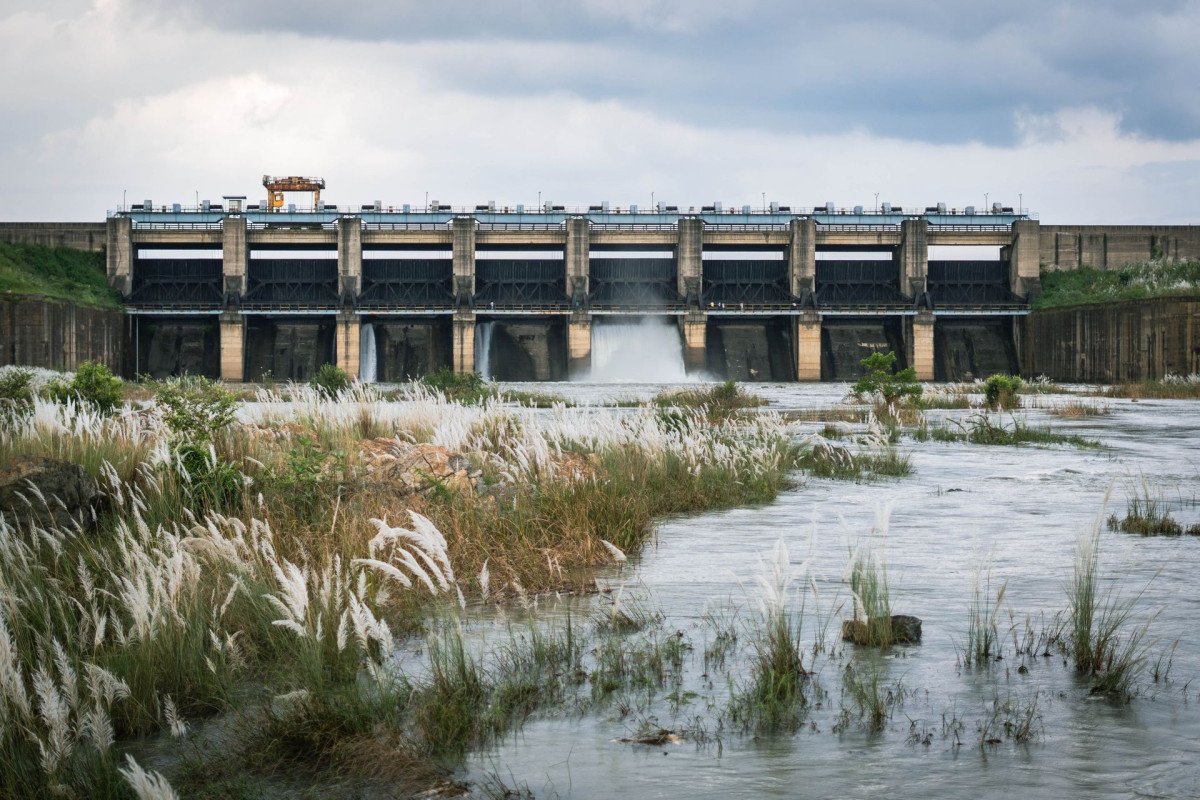
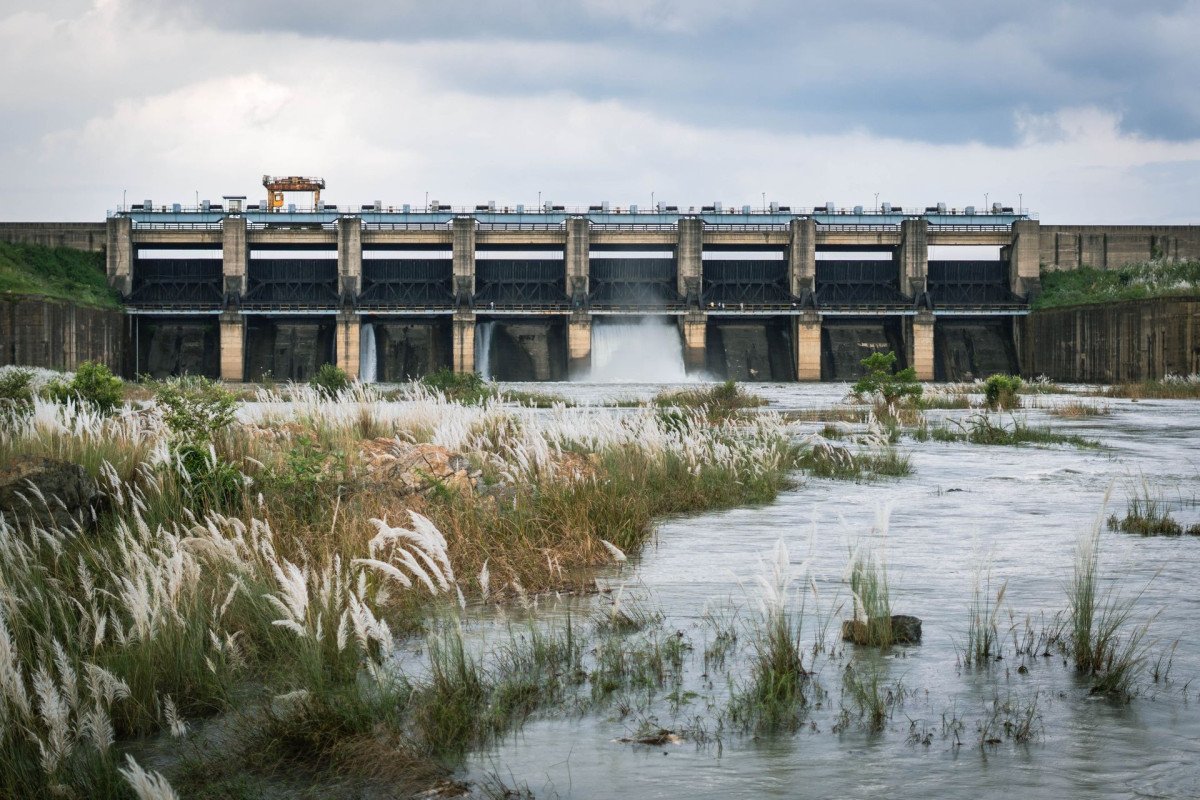
Minor Irrigation Structure and Earthen Embankment: Kuruvimalai Dam is primarily a smaller-scale, minor irrigation dam, often utilizing a combination of masonry structure and a long Earthen Embankment to hold back the water. Its architecture is functional, focused purely on ...Minor Irrigation Structure and Earthen Embankment: Kuruvimalai Dam is primarily a smaller-scale, minor irrigation dam, often utilizing a combination of masonry structure and a long Earthen Embankment to hold back the water. Its architecture is functional, focused purely on water conservation and distribution, without the elaborate park infrastructure seen at larger tourist dams.
Dimension: Specific dimensional data is generally not publicized for minor dams. However, the structure consists of a main spillway/regulator section (masonry/concrete) and a low-height embankment that stretches to connect the dam to the higher ground. The reservoir created is small compared to the Sathanur Reservoir but deep enough to serve its purpose. The surrounding area features simple, unadorned rest areas or embankments where visitors can sit and enjoy the view. Its architecture reflects local, utilitarian design, built to harmoniously blend into the natural landscape rather than dominate it. -
How To Reach:
By Air: The nearest major airport is Chennai International Airport (MAA), approximately 165-175 KMS away. From the airport, take a taxi or bus/train to Polur and then a local auto/cab to the dam.
By Train: The nearest railway station is Pol...By Air: The nearest major airport is Chennai International Airport (MAA), approximately 165-175 KMS away. From the airport, take a taxi or bus/train to Polur and then a local auto/cab to the dam.
By Train: The nearest railway station is Polur Railway Station, approximately 10-15 KMS away. Tiruvannamalai Railway Station (TNM) is the major hub, approximately 50 KMS away. From Polur or Tiruvannamalai, a local taxi or bus to Kuruvimalai is required.
By Road: The dam is located about 45-50 KMS from Tiruvannamalai City, via the route towards Polur. From Polur town, it is a short, approximately 15 KM drive along local roads (SH 9). Local buses run from Polur to the nearby villages, but a self-driven car, bike, or pre-booked auto/cab is the most direct way to reach the dam. Look for directions to the village of Kuruvimalai near Polur.
By Local Transport: From the Polur bus stand, local share autos or auto-rickshaws can be hired to reach the dam site. Since it is a remote location, it is advisable to hire the local transport for a round trip and ask them to wait. -
Weather and Best Time to Visit:
Winter Season (November to February): This is the Best Time to Visit as the weather is cool and perfect for outdoor excursions and picnicking. The dam often has good water levels during this period.
Post-Monsoon Season (October): This is th...Winter Season (November to February): This is the Best Time to Visit as the weather is cool and perfect for outdoor excursions and picnicking. The dam often has good water levels during this period.
Post-Monsoon Season (October): This is the most beautiful season when the surrounding hills and vegetation are at their lushest, and the water level is high after the Northeast Monsoon.
Avoid Summer: The heat during the Summer months (April to June) can be intense, making the visit less enjoyable due to the lack of shade.
Different Parts of the Day: The cool, misty early morning hours offer the best photography and nature experience, while the late afternoon is ideal for a quiet, relaxing picnic and watching the sunset. -
Near Tourist Places:
Polur: (Approx. 15 Kms) - Nearby town and railway station.
Javadi Hills: (Starting from Approx. 30 Kms) - Scenic hill range.
Sathanur Dam: (Approx. 60 Kms) - Large dam and picnic spot (in the opposite direction).
Vettavalam Jamin Palace: (Approx. 35 Kms) - Historic palace ruins.
Parvathamalai Hill: (Approx. 25 Kms) - Trekking destination (near Polur).
Tiruvannamalai City Center: (Approx. 50 Kms) - Main spiritual center.
Tiruamalai (Jain Temples): (Approx. 30 Kms) - Ancient Jain temples.
Padaveedu Renugambal Temple: (Approx. 30 Kms) - Ancient Shakti Peetha.
Skandashram (on Arunachala Hill): (Approx. 52 Kms) - Cave associated with Ramana Maharishi.
Gingee Fort: (Approx. 75 Kms) - Historic fort.
Tourism Tips
-
Health & Safety: There are no dedicated life guards or safety measures, so Do Not venture into the water, even if it looks shallow. The ground can be uneven or slippery near the water's edge. Be cautious, especially with children. Since it is a remote area, it is safer to...Health & Safety: There are no dedicated life guards or safety measures, so Do Not venture into the water, even if it looks shallow. The ground can be uneven or slippery near the water's edge. Be cautious, especially with children. Since it is a remote area, it is safer to visit during the day.
Packing Essentials: Carry all the food, snacks, and water you will need for your picnic, as there are no shops or formal restaurants nearby. Carry a Garbage Bag and commit to taking all your trash back with you to keep the pristine area clean. Carry an insect repellent, especially in the evening.
Accommodation: The best and most secure accommodation is in Tiruvannamalai City (50 KMS) or the nearest major town, Polur (15 Kms), which offers basic to mid-range hotels.
Other Tips: As a relatively remote location, check your phone's network coverage before going. Inform a local resident or hotel staff of your plan to visit the dam, especially if traveling solo.
Reviews
FAQs
Tiruvannamalai Itineray And Cost:-
Other Places In Tiruvannamalai :-
Other States In India :-
Information about New and Updated Locations() of Tamil Nadu Has Been Added :-
Card subtitle
Note:-
Information provided here in good Faith and for reference only.
Near Places
Adiannamalai Lake
Some quick example text to build on the card title and make up the bulk of the card's content.
Go somewhere
Ammangund Rock
Some quick example text to build on the card title and make up the bulk of the card's content.
Go somewhere
Ancient Mantapam
Some quick example text to build on the card title and make up the bulk of the card's content.
Go somewhere
Annamalaiyar Temple / Arunachaleswarar Temple
Some quick example text to build on the card title and make up the bulk of the card's content.
Go somewhere
Gingee Fort
Some quick example text to build on the card title and make up the bulk of the card's content.
Go somewhere
I Love Tvmalai
Some quick example text to build on the card title and make up the bulk of the card's content.
Go somewhere
Javadu Hills
Some quick example text to build on the card title and make up the bulk of the card's content.
Go somewhere
Kuruvimalai Dam
Some quick example text to build on the card title and make up the bulk of the card's content.
Go somewhere
Padaveedu
Some quick example text to build on the card title and make up the bulk of the card's content.
Go somewhere
Parvathamalai Hill
Some quick example text to build on the card title and make up the bulk of the card's content.
Go somewhere
Pick Up Dam
Some quick example text to build on the card title and make up the bulk of the card's content.
Go somewhere
Sathanur Dam
Some quick example text to build on the card title and make up the bulk of the card's content.
Go somewhere
Skandashram
Some quick example text to build on the card title and make up the bulk of the card's content.
Go somewhere
Skandasram Way City View Point
Some quick example text to build on the card title and make up the bulk of the card's content.
Go somewhere
Sri Ramana Ashram
Some quick example text to build on the card title and make up the bulk of the card's content.
Go somewhere
Sri Seshadri Swamigal Ashram
Some quick example text to build on the card title and make up the bulk of the card's content.
Go somewherein Other Cities