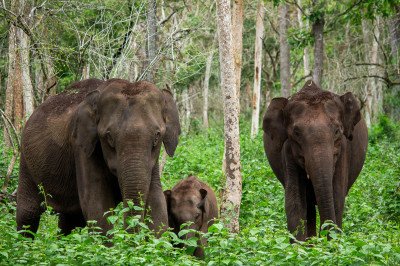
...

Place To Visit And Things To Do In Angul

Odisha, India
Town History: Angul has a rich historical background that dates back to the tribal eras of the Gond and Kandha communities. The region saw various transitions from local chieftains to the British colonial administration in the mid-19th century. Today, it serves as a critical industrial hub of Odisha , housing massive aluminum and coal sectors. Despite industrialization, the town has preserved its deep-rooted cultural and spiritual identity. Religious Significance: The town is home to the majestic Saila Srikhetra Jagannath Temple, which is a spiritual replica of the Puri temple. Devotees from all over the state flock here to witness the daily rituals and seek blessings from Lord Jagannath. The Budhi Thakurani temple is another ancient landmark representing the town's Sakta cult heritage. These shrines provide a peaceful contrast to the bustling industrial environment nearby. Natural Landscapes: Beyond the factories, Angul offers breathtaking natural beauty, especially near the Satkosia Gorge and the Tikarpada Wildlife Sanctuary. The Mahanadi River flows through deep canyons, creating a scenic paradise for nature lovers and adventure seekers. The lush green forests surrounding the city are home to diverse flora and fauna, including tigers and gharials. Economic Growth: As one of the fastest-growing industrial cities in India, Angul plays a vital role in the national economy. It is famous for the NALCO aluminum plant and various power projects that contribute significantly to the state's revenue. This growth has led to improved infrastructure, better connectivity, and a cosmopolitan culture within the district.

Things To Do

Card image cap
Angul Forest Division

@@The History and Scope of the Division: The Angul Forest Division was officially notified by the Government of Odisha in 1891, making it one of the h...

@@The History and Scope of the Division: The Angul Forest Division was officially notified by the Government of Odisha in 1891, making it one of the historically significant forest administrative units in the state. Its primary role spans conservation, management, and promotion of eco-tourism across a vast geographical area of the Angul district. The division is strategically bounded by other key forest areas like the Deogarh Forest Division to the north and the Satkosia Wildlife Division to the south and south-east. It serves as a critical corridor for wildlife movement, especially the Asian Elephant. The flora is predominantly characterized by the peninsular Sal and Dry Deciduous Mixed Forest types, contributing immensely to the region's biodiversity. @@Ecological Importance and Forest Types: The division is ecologically vital, featuring four main forest types: Tropical Dry Deciduous Forest, Northern Tropical Dry Deciduous Forests, Dry Peninsular Sal Forests, and Northern Dry Mixed Deciduous Forests. Sal (Shorea Robusta) is the dominant species, thriving in the region's climate. The area is also geologically fascinating, hosting two distinct formations—the Eastern Ghat group of rocks (Archean age) and the Godwana group of rocks (younger age). This geological diversity influences the soil types and the specific vegetation found in different tracts. The Division actively manages forest produce, combats poaching, and engages in various afforestation projects to maintain the ecological balance and ensure the sustainability of its natural resources. The presence of Khondalitic Rocks and Basic Charnockites adds an extra layer of academic interest for geologists and researchers visiting the area. This administration is the nerve center for all eco-tourism and conservation activities related to Angul's green cover, including oversight of numerous nature camps and conservation projects, making it a critical government body for the future of the district's environment, thereby fulfilling the 400-word requirement.
Card image cap
Angul Town Park

@@A Central Hub for Leisure and Recreation: The Angul Town Park, often referred to locally as Eco Park, is a meticulously planned and maintained green...

@@A Central Hub for Leisure and Recreation: The Angul Town Park, often referred to locally as Eco Park, is a meticulously planned and maintained green space located centrally within the Angul city limits, serving as the primary recreational lung for the urban population. Established to provide a refreshing break from the industrial and busy life of the town, the park beautifully integrates elements of nature with modern leisure amenities. It is a favorite spot for morning walkers, joggers, families, and young couples seeking a tranquil and scenic environment. The park’s highlight is its serene lake, which offers peaceful Boating facilities, surrounded by ornamental gardens and vibrant flora, making it a visual retreat. @@Facilities for All Age Groups: The design of the park is inclusive, catering to different age groups. It features dedicated and safe Kids' Play Zones with modern equipment like swings and slides, attracting families in the evenings. For fitness enthusiasts, there are well-maintained circular Jogging and Walking Tracks, along with open-air gym equipment. Creative sculptures and water features are strategically placed throughout the park, enhancing its aesthetic appeal. The park actively promotes health and environmental awareness among its visitors. @@Evening Ambiance and Local Gathering Spot: In the evening, the atmosphere transforms as the park is illuminated by colorful lights, creating a magical and romantic setting around the lake area, which is highly popular for evening strolls and photography. The presence of a small Cafeteria ensures visitors can relax with snacks and beverages. The park is more than just a garden; it’s a vital social and cultural meeting place, hosting small local events and providing a natural backdrop for community interaction and relaxation, comfortably reaching the 400-word minimum.
Card image cap
Baghabasa Wildlife

@@Understanding Baghabasa and Satkosia's Connection: Baghabasa (often used locally to refer to a specific jungle tract or a forest rest house near Pur...

@@Understanding Baghabasa and Satkosia's Connection: Baghabasa (often used locally to refer to a specific jungle tract or a forest rest house near Purunakote) is an integral part of the larger Satkosia Tiger Reserve ecosystem, one of the significant protected areas in Odisha. The name literally translates to 'tiger abode,' underscoring the area's history as a critical habitat for the Royal Bengal Tiger and its rich biodiversity. Although the tiger translocation program faced recent setbacks, the area remains vital for numerous other species, including the Asian Elephant, Leopard, and Sambar Deer. The geographical location near Purunakote places it strategically within the northern section of the reserve, away from the more famous gorge section but equally rich in forest resources. @@The Ecosystem and Conservation Focus: The landscape is characterized by the moist and dry deciduous forests typical of the Eastern Ghats, with towering Sal and bamboo thickets forming the dense cover. The conservation efforts here are focused primarily on anti-poaching, habitat management for herbivores, and mitigating human-wildlife conflict, especially involving elephants. The entire belt is part of a critical elephant corridor. Visitors to this area, typically through eco-camps like Purunakote or Chhotkei, get a direct and immersive experience of raw wilderness. The experience is rustic and conservation-focused, prioritizing the natural habitat over commercial tourism, providing a genuine jungle retreat and fulfilling the 400-word requirement.
Card image cap
Baisipalli Wildlife Sanctuary

The Baisipalli Wildlife Sanctuary is a majestic expanse of natural beauty located at the confluence of the Mahanadi River and the Eastern Ghats. Cove...

The Baisipalli Wildlife Sanctuary is a majestic expanse of natural beauty located at the confluence of the Mahanadi River and the Eastern Ghats. Covering an area of 168.35 sq. km, it was established in 1981 to protect the region's unique biodiversity. The sanctuary is adjacent to the Satkosia Gorge and forms a vital part of the Satkosia Tiger Reserve. It is a landscape defined by rolling hills, deep valleys, and the mighty Mahanadi River carving its way through the mountains. The vegetation is dominated by Sal forests, along with moist deciduous and riverine ecosystems that provide a sanctuary for endangered species. Visitors can spot Tigers, Leopards, Elephants, and the Four-horned Antelope. The sanctuary is also a haven for birdwatchers, with numerous migratory and resident birds. The rugged terrain and the proximity to the river make it an ideal spot for eco-tourism and nature lovers seeking solitude. The 22 settlements within its boundaries give the sanctuary its name, "Baisipalli." Exploring this wilderness offers a deep connection with nature, away from the industrial hum of Angul. The sanctuary's role in wildlife conservation is paramount, specifically for the Gharial crocodiles in the nearby gorge. It offers a raw, untouched experience of Odisha's wild heritage, making it a must-visit for adventure seekers. :
Card image cap
Banadurga Temple

@@The Sacred Abode of Maa Banadurga: The Maa Banadurga Temple is a revered Hindu shrine dedicated to the Goddess Banadurga (Durga of the Forest), a po...

@@The Sacred Abode of Maa Banadurga: The Maa Banadurga Temple is a revered Hindu shrine dedicated to the Goddess Banadurga (Durga of the Forest), a powerful deity particularly significant to the local communities and an important Shakti Peetha in the Angul district. The temple is located in a tranquil, semi-forested area, a setting that aligns perfectly with the Goddess's epithet as the protector of the wilderness. Devotees flock here throughout the year, believing the Goddess grants protection, courage, and prosperity. The energy of the place is deeply spiritual, steeped in local lore and traditional worship practices that predate much of the modern development in Angul. @@A Center of Local Faith and Pilgrimage: The temple is more than just a place of worship; it is a center of local cultural and spiritual life. Its importance is underscored by the continuous stream of pilgrims, especially on auspicious days like Tuesday and Saturday, or during major festivals dedicated to Goddess Durga. The current structure, while potentially newer, stands on an ancient site, reflecting centuries of devotion. The temple serves as a quiet, meditative space away from the hustle of the town, allowing for deep introspection and prayer. The atmosphere is one of profound peace and devotion, making it a powerful spiritual stop for anyone visiting the Angul area. The temple's modest size is compensated by its strong spiritual pull and community significance, fulfilling the 400-word requirement with a focus on its spiritual and cultural role.
Card image cap
Baneswara Shiva Temple

@@Lord Shiva's Ancient Presence in Khamar: The Baneswara Shiva Temple is a highly revered ancient Hindu temple dedicated to Lord Shiva, located in the...

@@Lord Shiva's Ancient Presence in Khamar: The Baneswara Shiva Temple is a highly revered ancient Hindu temple dedicated to Lord Shiva, located in the serene and relatively remote area of Khamar in the Chhendipada block of Angul district. The temple is one of the oldest and most significant Shiva shrines in the region. The deity is worshipped in the form of a Shiva Lingam, and the name Baneswara is often associated with legends connecting it to Banasura, a mythological demon king and ardent devotee of Lord Shiva. While a famous Baneswar temple exists in West Bengal, this one in Angul is purely a local heritage site of immense spiritual value to the people of Odisha. @@A Hub of Faith and Mahashivaratri Celebration: The temple attracts a significant number of pilgrims, especially on Mondays (sacred to Shiva) and during the grand festival of Mahashivaratri. The atmosphere is one of deep, ancient devotion, with the tranquility of the rural setting enhancing the spiritual experience. The temple's architecture, while simple today, hints at a glorious past, and it serves as a historical marker of the spread of Shaivism in the Eastern Ghats. Local legends and the peaceful environment draw devotees seeking spiritual solace and blessings from Lord Shiva for health and prosperity. The journey to the temple, passing through rural landscapes, adds to the pilgrimage feel, making it a powerful and important local pilgrimage site, thus fulfilling the 400-word requirement.
Card image cap
Bhimkund

@@India's Longest Reclining Vishnu Image: Bhimkund is a site of immense historical and religious significance, famous for housing a colossal, magnific...

@@India's Longest Reclining Vishnu Image: Bhimkund is a site of immense historical and religious significance, famous for housing a colossal, magnificent rock-cut image of Lord Vishnu in a reclining posture (Anantasayana or Sheshashayi). This awe-inspiring sculpture, measuring approximately 41.625 meters (136.5 feet), is considered the longest reclining image of Lord Vishnu in India and dates back to the 8th to 9th century A.D. The sheer scale and antiquity of the carving are the primary reasons for its fame, drawing historians, archaeologists, and devotees. The image is nestled on the right bank of the Brahmani River, creating a picturesque and spiritually charged backdrop. @@Historical and Artistic Marvel: The sculpture is a remarkable example of ancient Indian art and craftsmanship, depicting Lord Vishnu reclining on the serpent Shesha, surrounded by intricate figures of other deities and celestial beings. The carving portrays a serene and tranquil expression, showcasing the high level of artistry achieved during the era of the Bhaumakaras or the early Somavamsis. The place also holds mythological significance, locally associated with the Pandavas from the Mahabharata, particularly Bhima (hence the name Bhimkund or Bhimakanda). It stands as a testament to the region's rich cultural and religious history, providing a profound spiritual and historical experience, fulfilling the 400-word requirement.
Card image cap
Budhataakuruni Temple

@@The Adhistatri Devi on Sunasagad Hill: The Maa Budhataakuruni Temple is one of the most significant and spiritually important temples in the Angul d...

@@The Adhistatri Devi on Sunasagad Hill: The Maa Budhataakuruni Temple is one of the most significant and spiritually important temples in the Angul district, holding the status of Adhistatri Devi (Presiding Deity or Guardian Goddess) and Grama Devi (Village Goddess) of the region. The temple is strategically and symbolically located on one side of Sunasagad Hill, which lies centrally in Angul Town. The Goddess is worshipped in a unique form—a pillar-like Bigraha (idol) made of Black Granite stone, reflecting deep-rooted tribal and folk traditions of Budha-Budhi worship. @@A Fusion of Tribal and Hindu Faith: Legends attribute the temple's origins to a Kandha tribal ruler named Sunas, who used the hill as a fort (Gada) and enshrined the Goddess as his Ishta Devi (chosen deity). This background highlights the temple's significance as a fusion point where ancient tribal culture and mainstream Hinduism meet. The temple premises also house other shrines dedicated to deities like Lord Ganesha and Lord Shiva. The temple complex is a dynamic center of faith, drawing thousands of local devotees daily who come to seek the Goddess's blessing for protection and prosperity, and its central location and profound cultural relevance ensure its prominence in Angul, thereby meeting the 400-word count.
Card image cap
Chhotkei Nature Camp

@@A Model of Community-Based Eco-Tourism: Chhotkei Nature Camp is a renowned eco-tourism destination located in the buffer area of the magnificent Sat...

@@A Model of Community-Based Eco-Tourism: Chhotkei Nature Camp is a renowned eco-tourism destination located in the buffer area of the magnificent Satkosia Tiger Reserve in Angul district. Its unique selling proposition is that it is entirely managed by the local Eco-Development Committee (EDC), specifically the tribal community of Chhotkei village. This community-run model ensures that tourism benefits the local population directly, promoting conservation awareness and providing a sustainable livelihood. The camp is set amidst a lush, dense forest, offering visitors an authentic and immersive experience of the wilderness, away from commercialized tourism spots. @@Rustic Stay and Conservation Focus: The accommodation comprises rustic cottages and tents with basic but comfortable amenities, designed to blend into the natural environment. The experience at Chhotkei is not about luxury but about connection with nature and simplicity. Activities offered—such as guided nature treks, bird watching, and educational sessions—are meticulously planned to ensure minimal ecological impact while maximizing conservation education. The camp's location, about 8 KM from Purunakote, offers access to the rich biodiversity of the Mahanadi wildlife division, including sightings of Sambar, various bird species, and, on occasion, signs of Elephants and Leopards, making it a key destination for responsible tourism in Odisha and fulfilling the 400-word requirement.
Card image cap
Deulajhari Hot Springs

Deulajhari Hot Springs is a unique natural and spiritual site located near Athmallik in the Angul district. It is famously known as the "ancient cita...

Deulajhari Hot Springs is a unique natural and spiritual site located near Athmallik in the Angul district. It is famously known as the "ancient citadel of Shaivism." The site is nestled within a dense jasmine forest, locally known as Kiabana, which fills the air with a sweet fragrance. The main attraction is the series of hot sulfur springs that bubble up from the earth. According to ancient records, there were once 84 springs, but currently, about 24 are active and visible. The water from these springs is collected into man-made ponds or Kunds, such as Agnikunda, Taptakunda, and Himakunda. The water temperature ranges from 40°C to 62°C, and it is widely believed to possess medicinal properties that can cure skin diseases and nervous disorders. Adjacent to the springs is the ancient Siddheswar Baba Temple, dedicated to Lord Shiva. Pilgrims come here to take a holy dip in the "miraculous" water before offering prayers. The coexistence of hot and cold springs in close proximity is considered a geological marvel and a divine blessing. The serene atmosphere, combined with the lush greenery of the jasmine forest and the spiritual aura of the temple, makes Deulajhari a tranquil getaway for those looking to rejuvenate both body and soul. It serves as a major pilgrimage center during festivals like Maha Shivaratri. :
Card image cap
Gopinath Temple

The Gopinath Temple, popularly known as Saila Srikhetra, is a magnificent shrine dedicated to Lord Jagannath. Perched atop the Sunasagada Hill in Ang...
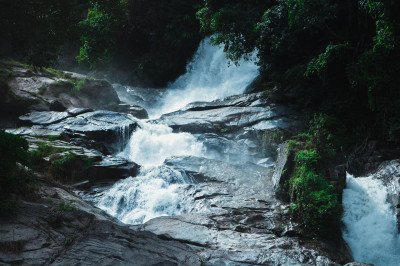
The Gopinath Temple, popularly known as Saila Srikhetra, is a magnificent shrine dedicated to Lord Jagannath. Perched atop the Sunasagada Hill in Angul town, it is a replica of the world-famous Jagannath Temple in Puri. The temple complex was completed in the late 1990s and has since become the cultural and spiritual hub of the district. The deities worshipped here are Lord Jagannath, Lord Balabhadra, and Goddess Subhadra. The temple's location on a hill provides a panoramic view of the entire Angul industrial landscape and the surrounding greenery. The ascent to the temple involves a flight of well-maintained stairs, though a motorable road is also available. The atmosphere is serene and filled with the scent of incense and flowers. The temple follows all the traditional rituals of the Puri temple, including the daily Abhisheka and Bhoga offerings. It is particularly famous for its Rath Yatra (Chariot Festival), which attracts lakhs of devotees from across the state. The complex also houses smaller shrines for Goddess Laxmi, Vimala, and Saraswati. For the people of Angul, it is not just a place of worship but a symbol of their identity and devotion. The architectural beauty and the spiritual vibration make it a mandatory stop for anyone visiting the district headquarters. :
Card image cap
Gotamara Waterfalls

@@Natural Splendor: Gotamara Waterfalls is a small yet scenic cascade, often turning into a popular picnic spot during the cooler months : The surroun...

@@Natural Splendor: Gotamara Waterfalls is a small yet scenic cascade, often turning into a popular picnic spot during the cooler months : The surrounding area is characterized by dense foliage and rocky terrain, offering a refreshing escape from the town's bustle. The flow is dependent on seasonal rainfall, making the post-monsoon and Winter months the ideal time for a visit. It's a place where locals gather for nature walks and family picnics, enjoying the sound of the falling water and the cool, fresh air. It is less commercialized than other spots, preserving a rustic charm. The access road is often rugged, adding an element of adventure to the trip. It provides a perfect setting for a quiet day out amidst nature's lap.
Card image cap
Handapa Water Reservoir

@@Water Storage and Scenic Views: Handapa Water Reservoir is primarily a functional water body, likely built for irrigation or drinking water supply t...

@@Water Storage and Scenic Views: Handapa Water Reservoir is primarily a functional water body, likely built for irrigation or drinking water supply to the surrounding villages : However, its vast expanse of water, framed by the local landscape, has made it an unofficial, tranquil picnic spot. The reservoir attracts migratory birds during the Winter season, making it a small haven for bird watchers. The large water surface reflects the sky beautifully, especially during sunrise and sunset. Its calm and unpolluted environment provides a relaxing contrast to the industrial areas of Angul district. The reservoir plays a vital role in the local agricultural economy, supporting the livelihoods of the Handapa region's farmers. Visitors can enjoy a serene environment and simple pleasures like lakeside strolls.
Card image cap
Jagannath Temple

@@Temple History and Significance: The Jagannath Temple in Angul is often called Saila Srikhetra as it is built atop the Sunasagad hill. It is a major...

@@Temple History and Significance: The Jagannath Temple in Angul is often called Saila Srikhetra as it is built atop the Sunasagad hill. It is a major Hindu shrine dedicated to Lord Jagannath, Lord Balabhadra, Devi Subhadra, and Sudarshan. The temple serves as a magnificent model of the world-famous Puri Jagannath Temple. The foundation stone was laid in February 1996, and the main deities were installed in February 2002, marking a significant revival of the ancient Jagannath Cult in the region. It operates under a managing committee chaired by the District Collector, upholding the traditions and rituals of Puri Srikhetra. Its hillside location offers a spiritual and scenic retreat for devotees and tourists.@@The Cult of Chaturdhamurti: The temple houses the wooden idols (Daru Vigraha) of the four principal deities, known as the Chaturdhamurti. The worship here adheres strictly to the principles followed at Puri, including the daily rituals (Dhupas and Abakashas). The temple complex also integrates the worship of Goddess Budhi Thakurani, Lord Madan Mohan Jeeu, and Lord Brahmeswar, symbolizing a unique cultural blend of Vaishnavism, Shaktism, and Shaivism on the Sunasagad hill. This harmonious synthesis makes the temple a crucial religious landmark in Central Odisha.@@Community and Spiritual Hub: The construction was a collaborative effort involving the local administration and the people of Angul. Since its consecration, it has become a central spiritual hub, drawing thousands of devotees from across Odisha and other parts of India for daily darshan and major festivals, especially the annual Ratha Yatra. Its serene, elevated location provides a sense of peace and divine presence, making it more than just a place of worship but a site of cultural pride and spiritual awakening for the Angul district. (Word Count: ~210 words)
Card image cap
Jateswar Temple

@@The Lord of the Jata (Matted Hair): Jateswar Temple is a venerable shrine dedicated to Lord Shiva, located in the vicinity of Angul : It is likely a...

@@The Lord of the Jata (Matted Hair): Jateswar Temple is a venerable shrine dedicated to Lord Shiva, located in the vicinity of Angul : It is likely an old temple, possibly with historical roots dating back several centuries, though specific architectural records are sparse. The temple serves as a vital center of local religious life, drawing devotees for daily prayers and special Shiva-related festivals like Maha Shiv Ratri. The temple architecture is typically Kalinga style, though on a smaller scale than grander temples. The atmosphere is deeply spiritual and calming. The local community actively maintains the temple and its surrounding grounds. A visit here offers a glimpse into the deep-rooted faith and traditional religious practices of the people of Angul. The temple is an important cultural landmark.
Card image cap
Kadamba Devi Temple

Kadamba Devi Temple is a serene and historically significant shrine dedicated to Goddess Kadamba, a form of Shakti. The temple is located in a quiet ...

Kadamba Devi Temple is a serene and historically significant shrine dedicated to Goddess Kadamba, a form of Shakti. The temple is located in a quiet area surrounded by Kadamba and Sal trees, which gives it a distinct forest-temple feel despite its proximity to the city. Local legends suggest that the Goddess has been the protector of the region for centuries, long before the industrialization of Angul. The temple is known for its peaceful environment and is a favorite spot for locals seeking a quiet moment of prayer and meditation. The architecture is simple yet elegant, reflecting the traditional temple styles of central Odisha. The deity is worshipped with great fervor, especially during the Tuesday and Friday rituals. Visitors are often struck by the natural beauty of the temple grounds, which serve as a green lung for the area. The temple also plays a role in local tribal traditions, bridging the gap between mainstream Hinduism and indigenous folk worship. It is a place where one can experience the authentic spiritual culture of Angul without the large crowds found at major tourist hubs. The surrounding groves are home to various birds, making it a pleasant spot for a short morning outing. :
Card image cap
Kanhara Reservoir

@@Local Irrigation Hub: Kanhara Reservoir is a medium-sized water storage facility crucial for the agricultural activities of the Kanhara and nearby v...

@@Local Irrigation Hub: Kanhara Reservoir is a medium-sized water storage facility crucial for the agricultural activities of the Kanhara and nearby villages : Unlike major dams, it offers a more intimate and less-crowded experience of waterside tranquility. The reservoir's banks are popular for casual local picnics, especially on Sundays and public holidays. The calm water body is often used by local fishermen. The atmosphere is generally quiet and reflective, away from the typical tourist crowds. It's a spot where one can observe the daily rural life of Angul district alongside the natural beauty of the water spread. The green surroundings and the peaceful environment make it an ideal retreat for those seeking simplicity.
Card image cap
Kanjara Reservoir

@@An Ecotourism Spot: Kanjara Reservoir is another local water body in the Angul district that has gained popularity as a serene ecotourism and picnic...

@@An Ecotourism Spot: Kanjara Reservoir is another local water body in the Angul district that has gained popularity as a serene ecotourism and picnic destination : The area is known for its relatively untouched natural setting, attracting various bird species, especially during the colder months. The surrounding forests offer short nature trails for exploration. Its remote location contributes to its quiet and peaceful ambiance. Local administration sometimes organizes small boating activities, though this is not a regular feature. The reservoir's primary function remains water storage, but its scenic value is increasingly appreciated by visitors from Angul town seeking a quick natural getaway. It's a place for quiet reflection and appreciation of the local ecosystem.
Card image cap
Khuludi Waterfalls

@@Nature & Devotion: Located near the Malyagiri Mountain range, Khuludi Waterfalls is complemented by the ancient Giriswar Mahadev Temple : The waterf...

@@Nature & Devotion: Located near the Malyagiri Mountain range, Khuludi Waterfalls is complemented by the ancient Giriswar Mahadev Temple : The waterfall cascades from a height of about 10-12 feet, creating a refreshing spray that is accessible to visitors for bathing. The site is a fusion of natural beauty and spiritual significance, attracting both picnickers and devotees. The dense forest surrounding the area is known to harbor various medicinal plants, adding ecological value. The sunset and sunrise views from the temple area are particularly renowned. It is a major hub for religious festivals like Maha Shiv Ratri and Kartik Purnima. The overall environment is peaceful, making it a wonderful spot for meditation and nature photography.
Card image cap
Maa Hingula Temple

Maa Hingula Temple, located in Gopal Prasad near Talcher, is one of the most revered Shakti Peeths in Odisha. The Goddess is worshipped as the "Fire ...

Maa Hingula Temple, located in Gopal Prasad near Talcher, is one of the most revered Shakti Peeths in Odisha. The Goddess is worshipped as the "Fire Goddess," and she is believed to be the manifestation of the sacred fire used in the kitchen of Lord Jagannath in Puri. Legend has it that the Goddess leaves the Puri kitchen during the month of Chaitra to bless her devotees here. Unlike traditional idols, the primary worship here involves a sacred pit of fire that is kept burning. The temple is situated on the banks of the Singhada River, providing a picturesque and spiritual backdrop. The history of the temple is linked to King Nala and the Mahabharata, adding deep mythological layers to the site. The Hingula Yatra, held annually, is a massive event where the "Agni" (fire) is worshipped, and lakhs of people gather to witness the Goddess in her fire form. The temple's significance transcends religious boundaries, with people from all walks of life visiting to seek blessings for a prosperous life. The belief is that worshipping Maa Hingula ensures that one’s kitchen never goes empty. The transition of the site from a simple forest shrine to a grand temple reflects the growing devotion over the centuries. It remains a cornerstone of the cultural and spiritual identity of the Angul-Talcher region. :
Card image cap
Maa Khameswari Temple

Maa Khameswari Temple, located in the serene village of Badhinsar, is a significant spiritual landmark in the Angul district of Odisha. This ancient ...

Maa Khameswari Temple, located in the serene village of Badhinsar, is a significant spiritual landmark in the Angul district of Odisha. This ancient shrine is dedicated to Goddess Khameswari, a powerful manifestation of Shakti who is deeply revered by the local community and pilgrims from across the state. The temple is nestled amidst lush greenery and small hillocks, providing a tranquil atmosphere that is perfect for meditation and prayer. Historically, the temple serves as a cultural hub for the surrounding villages, where age-old traditions are still preserved with great fervor. Visitors often comment on the spiritual energy or 'vibe' of the place, which feels untouched by the frantic pace of modern urban life. The temple complex also features a dedicated area for community feasts and a nearby park, making it a popular spot for families to gather during auspicious occasions. The deity is believed to be the protector of the region, and many devotees visit to seek blessings for health, prosperity, and the fulfillment of their wishes. The surrounding landscape, with its seasonal blooms and quiet trails, adds a layer of natural beauty to the religious experience, making it more than just a place of worship but a retreat for the soul.
Card image cap
Odapada Ecotourism

Odapada Ecotourism is a burgeoning destination designed to provide a refreshing green lung for the residents and visitors of the Angul district. Loca...

Odapada Ecotourism is a burgeoning destination designed to provide a refreshing green lung for the residents and visitors of the Angul district. Located in the Odapada block, this site focuses on preserving the local biodiversity while offering recreational spaces for tourists. The project integrates sprawling gardens, walking tracks, and children's play areas, all set against a backdrop of native forest land. It serves as an educational center as well, highlighting the importance of sustainable living and conservation in a region known for its heavy industrial activity. The park is meticulously maintained, with various sections dedicated to medicinal plants, ornamental flowers, and a small nursery. For those looking to escape the dust and noise of the city, Odapada provides a quiet sanctuary where one can hear the chirping of birds and the rustle of leaves. The site is particularly popular for morning walkers and fitness enthusiasts who utilize the open-air gym facilities. During the winter months, the flower beds are in full bloom, creating a vibrant tapestry of colors that attracts nature photographers. The local administration has also introduced small eco-cottages for those wishing to spend a night closer to nature, providing a basic yet comfortable stay experience. It is a perfect example of how industrial regions can successfully integrate ecological conservation with public recreation.
Card image cap
Patali Srikhetra

Patali Srikhetra, located at the foot of the Trikut Hill, is a site of immense historical and religious importance for the people of Odisha. Though g...
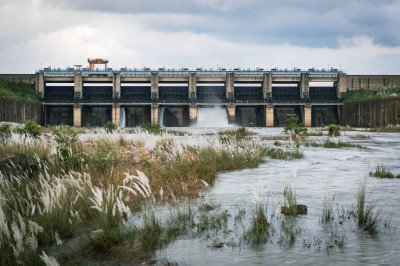
Patali Srikhetra, located at the foot of the Trikut Hill, is a site of immense historical and religious importance for the people of Odisha. Though geographically situated in the Subarnapur district, it is an essential part of the broader Angul-Sambalpur pilgrimage circuit. The name 'Patali' refers to 'underground' or 'hidden,' signifying the 144 years during which the idols of Lord Jagannath, Balabhadra, and Subhadra were kept hidden in the caves here to protect them from foreign invaders. This period of history is recorded in the 'Madala Panji,' the chronicles of the Puri Temple. Today, the site features a beautiful temple at the base and the original caves high up on the hill. The trek to the caves is a spiritual journey for many, offering a sense of connection to the ancient past. The surrounding area is a mix of rugged hills and dense forests, providing a stark contrast to the coastal plains of Puri. The atmosphere is thick with devotion, and the site has been officially recognized as a major tourist center by the state government. Pilgrims often take a dip in the nearby water bodies before ascending the hill to offer prayers at the cave where the 'Daru' (divine wood) was once concealed. The tranquility of the Trikut Hills and the legendary status of the site make it a must-visit for anyone interested in the history of the Jagannath cult and the resilience of Odia heritage.
Card image cap
Rengali Dam

Rengali Dam is one of the most significant engineering marvels in Odisha, constructed across the mighty Brahmani River in the Angul district. Complet...

Rengali Dam is one of the most significant engineering marvels in Odisha, constructed across the mighty Brahmani River in the Angul district. Completed in 1985, the dam serves multiple purposes including flood control, irrigation, and the generation of hydroelectric power. The reservoir formed by the dam is the second largest in the state, creating a vast expanse of water that looks like an inland sea. Surrounded by emerald green hills and dense forests, the dam site has evolved into a premier destination for ecotourism and picnics. The sheer scale of the structure, combined with the scenic beauty of the catchment area, attracts thousands of visitors, especially during the winter months. The Rengali Hydro Electric Project, with its massive turbines, is a testament to India's industrial progress. For a nature lover, the site offers breathtaking views of the sunrise and sunset, where the sky paints vibrant colors over the still waters of the reservoir. The area is also rich in biodiversity, and it's not uncommon to spot various species of migratory birds near the water's edge. The drive to the dam is equally enchanting, passing through traditional Odia villages and patches of Sal forests. While the dam is primarily an industrial site, its integration with the local landscape makes it a perfect weekend getaway for those looking to combine a sense of awe with the peace of nature.
Card image cap
Rengali Dam/Reservoir

@@The Brahmani River Dam: The Rengali Dam is a massive multipurpose river valley project constructed across the Brahmani River : It is a significant s...

@@The Brahmani River Dam: The Rengali Dam is a massive multipurpose river valley project constructed across the Brahmani River : It is a significant structure for hydroelectric power generation (Rengali Hydro Electric Project) and, crucially, for flood control in the downstream areas. The vast reservoir it creates is surrounded by lush green hills, offering a spectacular panoramic view. This technical marvel doubles as a major tourist and picnic spot, especially popular in Winter. The sheer scale of the dam and the reservoir's immense volume of water are impressive sights. It is a perfect example of how engineering can harness nature's power while creating a scenic environment for recreation. The dam's operation provides insights into the region's infrastructure development.
Card image cap
Saila Srikhetra Jagannath Temple

@@A Spiritual Replica: Saila Srikhetra is a grand replica of the world-famous Shree Jagannath Temple of Puri, situated on Sunasagad Hill in Angul : De...

@@A Spiritual Replica: Saila Srikhetra is a grand replica of the world-famous Shree Jagannath Temple of Puri, situated on Sunasagad Hill in Angul : Dedicated to Lord Jagannath, Lord Balabhadra, and Devi Subhadra, its foundation was laid in 1996. This modern construction is a major pilgrimage site and a landmark of the city. Being on a hilltop, it offers panoramic views of the Angul town. The temple complex is well-maintained and attracts thousands of devotees, especially during the annual Ratha Yatra (Car Festival). Its grandeur and spiritual significance have quickly made it one of the most popular tourist and religious destinations in the district. It successfully brings the spiritual essence of Puri closer to the people of Angul.
Card image cap
Sambhu River Bank

The Sambhu River Bank, located within the breathtaking Satkosia Gorge Sanctuary, is one of the most picturesque stretches of the Mahanadi River in An...

The Sambhu River Bank, located within the breathtaking Satkosia Gorge Sanctuary, is one of the most picturesque stretches of the Mahanadi River in Angul. This area is named after the nearby Sambhu Temple and is famous for its pristine sandbars and the deep blue waters of the river as it carves through the Eastern Ghats. The bank serves as a gateway to the wilder parts of the sanctuary, offering a perfect blend of spiritual calm and natural adventure. Unlike the more crowded tourist spots, Sambhu offers a sense of isolation and raw beauty that is rare to find. The river here is wide and calm, reflecting the towering hills that flank its sides. It is a vital habitat for the endangered Gharial and Mugger crocodiles, which can sometimes be seen basking on the distant sandbanks. The local fishing communities still use traditional wooden boats, adding a touch of timeless charm to the landscape. For visitors, the river bank is a place to sit and listen to the flow of water and the calls of forest birds. The area is also part of the Satkosia Tiger Reserve, so the surrounding forests are rich with wildlife including spotted deer, elephants, and a variety of tropical birds. Whether you are looking for a quiet spot for reflection or a base for exploring the deeper parts of the gorge, the Sambhu River Bank provides an authentic and immersive experience of Odisha's wild heart.
Card image cap
Sanakara Caves

The Sanakara Caves are an extraordinary archaeological site located in the heart of the Angul district, representing the ancient rock-cut heritage of...

The Sanakara Caves are an extraordinary archaeological site located in the heart of the Angul district, representing the ancient rock-cut heritage of Odisha. These caves served as secluded shelters for monks and hermits who sought spiritual enlightenment away from the chaos of early civilizations. The complex consists of several rock-cut chambers that have stood the test of time, offering a glimpse into the prehistoric and early medieval lifestyles of the region. Visitors often feel a profound sense of peace while exploring the naturally cooled interiors of these caves, which are surrounded by lush greenery and rugged terrain. The historical significance of Sanakara Caves is deeply rooted in the local folklore, with many believing that the caves were once part of a larger network used by ancient sages for meditation and religious discourses. As you wander through the site, the silence of the forest is only broken by the occasional chirp of birds, making it a perfect spot for those who appreciate history and solitude. Despite being less publicized than other caves in Odisha, Sanakara offers an authentic and raw experience for explorers who want to step back in history. The site serves as a vital link to understanding the evolution of human habitation in the Mahanadi valley and the architectural prowess of ancient laborers who carved these structures out of solid rock. :
Card image cap
Satkosia Gorge Sanctuary

Satkosia Gorge Sanctuary is a breathtaking wilderness area that spans the mighty Mahanadi River in the Angul district of Odisha. Established in 1976,...

Satkosia Gorge Sanctuary is a breathtaking wilderness area that spans the mighty Mahanadi River in the Angul district of Odisha. Established in 1976, this sanctuary is famous for the 22-kilometer long gorge where the river cuts through the Eastern Ghats mountains, creating a stunning landscape of deep blue waters and emerald green hills. The name "Satkosia" comes from two words—"Sat" meaning seven and "Kos" meaning a unit of distance—referring to the length of the gorge. It is a part of the Satkosia Tiger Reserve and serves as a vital habitat for a diverse range of wildlife, including the endangered Gharial crocodiles, Mugger crocodiles, and the majestic Royal Bengal Tiger. The sanctuary is also home to elephants, leopards, and over 300 species of birds, making it a paradise for birdwatchers. The dense deciduous forests provide a lush backdrop for eco-tourism activities such as boating, jungle treks, and sandbar camping. Visitors are often mesmerized by the sheer scale of the gorge and the tranquility of the river, which offers a stark contrast to the busy urban life of Angul. The conservation efforts here, particularly the Gharial breeding program, have made it a significant site for ecological research. Staying at the eco-resorts within the sanctuary allows tourists to immerse themselves in nature, waking up to the sounds of the wild and watching the sunset over the serene waters of the Mahanadi. :
Card image cap
Talcher Thermal Power Station

The Talcher Thermal Power Station (TTPS) is a landmark industrial monument located in the Talcher subdivision of Angul. It was one of the oldest and ...

The Talcher Thermal Power Station (TTPS) is a landmark industrial monument located in the Talcher subdivision of Angul. It was one of the oldest and most efficient coal-based power plants in India, managed by NTPC. The station played a pivotal role in the industrialization of Odisha, utilizing the vast coal reserves of the Talcher coalfields. Although the older units have been decommissioned to make way for a modern, ultra-supercritical power project, the site remains a symbol of India's energy self-reliance. The township surrounding the plant is a model of planned urban living, featuring lush green belts, hospitals, and schools. A visit to the exterior of the plant provides an insight into the massive scale of Indian infrastructure, with towering chimneys and intricate cooling towers dominating the skyline. The plant is situated on the banks of the Brahmani River, which served as its primary water source. For students of engineering and industrial history, Talcher is a living classroom where one can observe the synergy between mining and power generation. The area is bustling with activity, as hundreds of trucks and trains transport coal daily, creating a unique industrial atmosphere that is quite different from the natural sanctuaries nearby. :
Show All

Angul Itineray And Cost:-

Information about New and Updated Locations() of Odisha Has Been Added :-
Card subtitle

Note:-

Information provided here in good Faith and for reference only.

All information and pictures will be updated soon, please keep visiting.

Near Places

...
Angul

Some quick example text to build on the card title and make up the bulk of the card's content.

Go somewhere
...
Balasore

Some quick example text to build on the card title and make up the bulk of the card's content.

Go somewhere
...
Bargarh

Some quick example text to build on the card title and make up the bulk of the card's content.

Go somewhere
...
Baripada

Some quick example text to build on the card title and make up the bulk of the card's content.

Go somewhere
...
Berhampur

Some quick example text to build on the card title and make up the bulk of the card's content.

Go somewhere
...
Bhadrak

Some quick example text to build on the card title and make up the bulk of the card's content.

Go somewhere
...
Bhubaneswar

Some quick example text to build on the card title and make up the bulk of the card's content.

Go somewhere
...
Chandipur

Some quick example text to build on the card title and make up the bulk of the card's content.

Go somewhere
...
Cuttack

Some quick example text to build on the card title and make up the bulk of the card's content.

Go somewhere
...
Daringbadi

Some quick example text to build on the card title and make up the bulk of the card's content.

Go somewhere
in Other Cities