
...

Place To Visit And Things To Do In Barpeta

Assam, India
Barpeta is popularly known as the "Satra Nagari" or the City of Monasteries in Assam. It is the spiritual heart of the Neo-Vaishnavite movement started by the saint-reformer Srimanta Sankardeva. The most significant landmark here is the Barpeta Satra, which was established by his primary disciple, Madhavdeva, in the 16th century. This Satra is not just a religious place but a center for art, culture, and social reform. The Satra complex includes the "Kirtan Ghar," which is a massive prayer hall where devotees gather to sing "Borgeets" (devotional songs) and perform "Ankiya Naats" (traditional plays). Barpeta is unique because it maintains a traditional lifestyle where the Satra influences the daily lives of the local residents. The town is also famous for its indigenous industries, particularly ivory carving and brass metal works. During the festival of "Doul Utsav" (Holi), the entire town turns into a vibrant sea of colors and music, attracting thousands of pilgrims from across India. The Satra serves as a school for traditional Assamese arts, including dance, music, and handicraft. Visiting Barpeta provides a deep insight into the egalitarian society envisioned by Sankardeva, where there is no caste discrimination within the Satra premises. The surroundings are filled with several smaller Satras like Sundaridiya and Ganakkuchi, each with its own history. The town is situated on the banks of the Chaulkhowa River, adding to its scenic and peaceful charm. For those seeking spiritual peace and a connection to Assamese roots, Barpeta is the ultimate destination.

Things To Do

Card image cap
Baghbar Hill

Baghbar Hill is a prominent geographic and historical landmark located about 20 KMS southwest of Barpeta town. Rising above the surrounding plains, i...
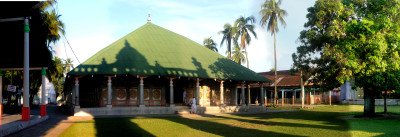
Baghbar Hill is a prominent geographic and historical landmark located about 20 KMS southwest of Barpeta town. Rising above the surrounding plains, it offers a breathtaking panoramic view of the Brahmaputra River as it snakes through the valley. Historically, this site is famous for the Battle of Hadirachowki in 1822, which was the final stand of the Ahom army against the Burmese invaders. The hill is also spiritually significant, as it houses a Satra established by Shri Madhabdeva. The area is characterized by lush greenery and a peaceful atmosphere, making it a favorite for nature lovers. From the summit, one can see the vast sandbars (chars) of the river and the distant blue hills. The site serves as a bridge between the medieval history of Assam and its spiritual traditions. Legend says that the great saint stayed here during his travels, making it a pilgrimage spot for the local Vaishnavite community. The hill's elevation provides a cooler breeze compared to the plains, making it a popular weekend getaway for residents of Barpeta and nearby districts. It is a place where history, religion, and nature converge seamlessly.
Card image cap
Barpeta Satra

Barpeta Satra is the most significant spiritual and cultural institution in Barpeta, founded in 1583 AD by the great saint Shri Madhabdeva, the prima...

Barpeta Satra is the most significant spiritual and cultural institution in Barpeta, founded in 1583 AD by the great saint Shri Madhabdeva, the primary disciple of Srimanta Sankardeva. This Satra serves as the nerve center of the Neo-Vaishnavite movement, which revolutionized the social and religious fabric of Assam through the philosophy of Ekasarana Dharma. Spanning across a vast area of approximately 20 Bighas, the complex is enclosed by massive walls and traditional gates called Batchara. For over five centuries, it has preserved the unique Sattriya traditions, including devotional music like Borgeet, classical dance forms like Sattriya Nritya, and theatrical performances known as Bhaona. The Satra is not merely a place of worship but a living museum of Assamese heritage, housing ancient manuscripts written on Sanchipat, sacred relics, and exquisite ivory carvings. It promotes a democratic social system introduced by Mathura Das Burha Ata, where the community participates in the administration. Every corner of the Satra resonates with the rhythmic sounds of the Khol and Taal, creating an atmosphere of profound tranquility. Visitors are required to follow strict traditional norms, such as wearing proper attire and maintaining silence, to preserve the sanctity of the prayer halls. The Satra remains a symbol of unity, attracting thousands of pilgrims during festivals like Doul Utsav (Holi) and the birth anniversaries of the Gurus. It is the heart of Barpeta, defining the town's identity as the 'Land of Satras'.
Card image cap
Beki River Viewpoint

The Beki River Viewpoint is a stunning natural attraction located near the Barpeta Road region, where the Beki River (known as the Kurissu in Bhutan)...

The Beki River Viewpoint is a stunning natural attraction located near the Barpeta Road region, where the Beki River (known as the Kurissu in Bhutan) flows with majestic force. Originating from the glaciers of the Himalayas, the river enters Assam and becomes one of the major tributaries of the Brahmaputra. The viewpoint, often accessed from the bridges on NH-31, offers a breathtaking sight of the crystal-clear water gushing over river stones. This spot is particularly famous as the gateway to the Manas National Park, as the river flows through the heart of the forest. The landscape here changes with the seasons; in winter, the water is a brilliant turquoise blue and calm, while in monsoon, it turns into a roaring brown torrent. The riverbank is a popular spot for locals and travelers to stop for a quick break, enjoy the breeze, and witness the vastness of the riverbed. The area is rich in biodiversity, and it's not uncommon to spot migratory birds or even wild elephants near the forest fringes across the river. For many, the Beki River is the lifeline of Barpeta, supporting agriculture and fishing for thousands of villagers. The viewpoint provides a sense of peace and a direct connection to the raw, untamed beauty of North East India. It is a must-visit for anyone traveling between Guwahati and Bongaigaon.
Card image cap
Chinpara-Vithi

Chinpara-Vithi is a sacred historical site located just a short walk from the main Barpeta Satra. It marks the exact spot where the great reformer Sr...

Chinpara-Vithi is a sacred historical site located just a short walk from the main Barpeta Satra. It marks the exact spot where the great reformer Srimanta Sankardeva first landed from his boat upon arriving in Barpeta via the Palangdi Bori (now Hari Jaan) river. The name 'Chinpara' refers to the landing point, and 'Vithi' means the foundation or site. According to local history, the saint stayed here for six months to establish his faith before moving deeper into the region. He established a Namghar at this very location, which still exists today and is maintained with extreme devotion. This site is considered the spiritual gateway to Barpeta. Devotees believe that the soil of Chinpara-Vithi is blessed, and thousands visit every year to offer prayers at the original foundation. The atmosphere here is noticeably quieter and more meditative than the main Satra. The riverbank location provides a serene backdrop, allowing visitors to reflect on the humble beginnings of the Vaishnavite movement in Assam. The site is a testament to the saint's journey and his deep connection with the geography of the Barpeta district. It is an essential stop for any pilgrim following the 'Sankardev Trail' in North East India.
Card image cap
Dargah of Syed Shahnur Dewan

The Dargah of Syed Shahnur Dewan, located in Bhella, is one of the most revered Sufi shrines in Assam. Syed Shahnur Dewan was a prominent disciple of...
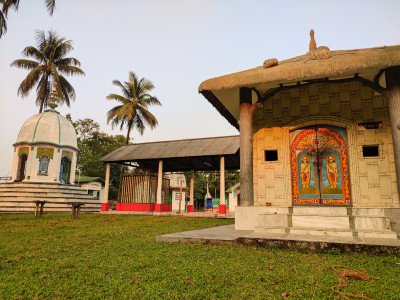
The Dargah of Syed Shahnur Dewan, located in Bhella, is one of the most revered Sufi shrines in Assam. Syed Shahnur Dewan was a prominent disciple of the legendary saint Ajan Fakir and a mystic who migrated to Assam during the medieval period to spread the message of peace and Islamic Sufism. The Dargah is famous for the story of the saint's healing powers; it is said that he cured Queen Fuleswari, the wife of Ahom King Shiva Singha, of a medical condition. In gratitude, the King granted the saint vast lands and copper-plate inscriptions, which further solidified the shrine's importance. Although the original inscriptions were lost during the Burmese invasion, the shrine continues to be a focal point for people of all faiths. It stands as a powerful symbol of the syncretic culture of Assam, where Hindus and Muslims alike visit to seek blessings and spiritual healing. The atmosphere is filled with the scent of incense and the sound of Sufi hymns. The shrine is surrounded by beautiful natural scenery, including the nearby river, which adds to its tranquil and meditative environment. For history buffs, the Dargah offers a glimpse into the medieval diplomatic relations between the Ahom royalty and Sufi saints.
Card image cap
Ganakkuchi Satra

Ganakkuchi Satra is a cornerstone of the neo-Vaishnavite movement in Assam, established by the legendary saint Madhavdev in the year 1550. This sacre...
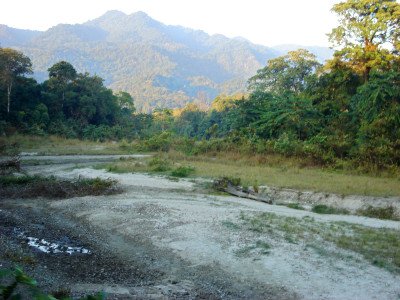
Ganakkuchi Satra is a cornerstone of the neo-Vaishnavite movement in Assam, established by the legendary saint Madhavdev in the year 1550. This sacred monastery served as the residence of the saint for over 18 years, during which he dedicated his life to spiritual discourse and the composition of several devotional works. Legend has it that the great reformer Srimanta Sankardev himself stayed here and transferred his spiritual leadership to Madhavdev. The site is a living museum of Assamese culture, preserving the simplicity and devotion of the Ekasarana Dharma. Visitors feel an immediate sense of peace upon entering the compound, which remains a vital hub for local religious life and traditional Assamese learning. The satra’s history is deeply intertwined with the social fabric of Barpeta, acting as a beacon of equality and spiritual enlightenment for centuries. It is not just a temple but a community center where the ancient traditions of Sankardev are kept alive through daily prayers and cultural activities. The atmosphere is charged with the sounds of Khol and Taal, transporting visitors back to the 16th century. For those seeking to understand the heart of Assam's religious identity, this satra offers an unparalleled experience of historical depth and spiritual purity.
Card image cap
Manas National Park

Manas National Park is a breathtaking sanctuary situated at the foothills of the Eastern Himalayas, bordering Bhutan. It is a UNESCO World Heritage S...

Manas National Park is a breathtaking sanctuary situated at the foothills of the Eastern Himalayas, bordering Bhutan. It is a UNESCO World Heritage Site, a Project Tiger Reserve, an Elephant Reserve, and a Biosphere Reserve—all rolled into one magnificent landscape. The park is named after the Manas River, which flows through its heart, providing a lifeline for its diverse inhabitants. Covering an area of approximately 950 square kilometers, it is famous for its rare and endangered endemic wildlife, such as the Assam Roofed Turtle, Hispid Hare, Golden Langur, and Pygmy Hog. The park’s geography is a stunning mix of grasslands, tropical evergreen forests, and riverine habitats, creating a mosaic of colors and life. Historically, the area was a hunting ground for the royal family of Cooch Behar before being declared a sanctuary in 1928. Today, it stands as a testament to successful conservation efforts, having recovered from periods of civil unrest to once again become a crown jewel of Indian wildlife tourism. Visitors can enjoy thrilling safaris that offer glimpses of the majestic Bengal Tiger, the One-horned Rhinoceros, and wild water buffaloes. The park also hosts over 450 species of birds, making it a paradise for ornithologists. Whether it is the misty mornings in the forest or the golden sunsets over the Manas River, the park offers an immersive experience in the lap of nature. It is a place where the wild runs free and the human spirit finds tranquility.
Card image cap
Pari Hareswar Devalaya

Pari Hareswar Devalaya, also known as the Dubi Devalaya, is a historic Shiva temple that holds a legendary status in the cultural history of Assam. I...
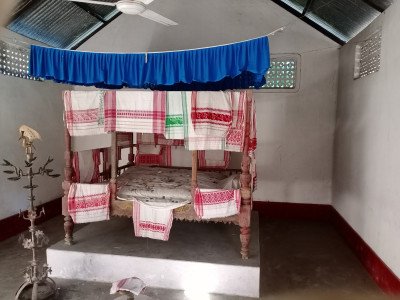
Pari Hareswar Devalaya, also known as the Dubi Devalaya, is a historic Shiva temple that holds a legendary status in the cultural history of Assam. It was commissioned by the Ahom King Siva Singha in the 18th century (around 1738 AD). The temple is famous not just for its religious sanctity but for being the birthplace of the Devadasi dance tradition in the region. According to legend, Queen Phuleswari, the wife of the King, brought temple dancers from Upper Assam to perform here. The temple is situated in the quaint village of Dubi, surrounded by lush greenery and a peaceful atmosphere. It is said that the original Shiva Lingam was found on a nearby hillock called Durabalgiri, which later submerged. The current structure was built on the remaining rocks. For centuries, it has been a center for Tantric and Vedic worship, attracting devotees from across the state. The temple complex is a serene space where one can witness the blend of Ahom royal patronage and local folk traditions. The inscriptions on the copper plates found here provide valuable insights into the land grants and history of the era. Visiting this devalaya is a journey into the mystical past of Assam, where the rhythmic beats of the temple drums still echo the ancient Devadasi performances.
Card image cap
Patbaushi Satra

Patbaushi Satra is arguably the most historically significant monastery in Assam's Vaishnavite tradition. It was the primary seat of the great saint ...
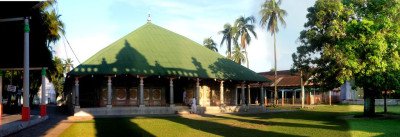
Patbaushi Satra is arguably the most historically significant monastery in Assam's Vaishnavite tradition. It was the primary seat of the great saint and social reformer Srimanta Sankardev, who lived here for 18 years and 6 months. During this period, the satra became the epicenter of a cultural renaissance. It was here that Sankardev composed his masterpiece, the Kirtan Ghosa, along with numerous dramas (Ankiya Naat) and Borgeets. The satra also served as a meeting point for four great gurus: Sankardev, Madhavdev, Damodardev, and Haridev, making it a unique spiritual "junction." The satra is located just a few kilometers from Barpeta town and is surrounded by a serene, rural landscape that has changed little since the 16th century. The compound houses the original Namghar, the Manikut, and several relics used by the saints. Unlike many other satras, Patbaushi has maintained a very traditional and humble appearance, reflecting the simplicity preached by the gurus. It remains a major center for the study of Assamese literature and the performing arts, where ancient forms of dance and music are taught to younger generations. A visit to Patbaushi is not just a religious pilgrimage but an educational trip into the origins of Assamese identity, art, and egalitarian social values.
Card image cap
Sundariya Satra

Sundariya Satra (or Sundaridiya Satra) is a prominent Vaishnavite monastery established by Madhavdev after he left Ganakkuchi Satra. The saint spent ...

Sundariya Satra (or Sundaridiya Satra) is a prominent Vaishnavite monastery established by Madhavdev after he left Ganakkuchi Satra. The saint spent 14 years here, a period marked by intense spiritual creativity and social organization. It was at this satra that Madhavdev introduced the Paal Naam (continuous prayer) and Bir Naam traditions, which remain central to Assamese Vaishnavism today. He also composed two of his most famous works, the Bhakti Ratnakar and the Namghosa, within the peaceful confines of this satra. The site is famous for a historic well dug by Madhavdev himself; the water of this well is considered extremely holy, and many believe it has the power to wash away sins. The satra complex is beautifully maintained and serves as a vital cultural link for the people of Barpeta. It represents the refinement of the Ekasarana philosophy and the artistic excellence of the medieval period. The peaceful environment, shaded by large trees and surrounded by the residential huts of the devotees (Hatis), offers a glimpse into a way of life that values community and devotion above all else. For visitors, it is a place of deep historical resonance and a center for witnessing the living traditions of Assam’s greatest saints.
Show All

Note:-

Information provided here in good Faith and for reference only.

All information and pictures will be updated soon, please keep visiting.

Near Places
...
Agnigarh

Some quick example text to build on the card title and make up the bulk of the card's content.

Go somewhere
...
Barpeta

Some quick example text to build on the card title and make up the bulk of the card's content.

Go somewhere
...
Bhalukpong

Some quick example text to build on the card title and make up the bulk of the card's content.

Go somewhere
...
Diphu

Some quick example text to build on the card title and make up the bulk of the card's content.

Go somewhere
...
Goalpara

Some quick example text to build on the card title and make up the bulk of the card's content.

Go somewhere
...
Guwahati

Some quick example text to build on the card title and make up the bulk of the card's content.

Go somewhere
...
Haflong

Some quick example text to build on the card title and make up the bulk of the card's content.

Go somewhere
...
Hajo

Some quick example text to build on the card title and make up the bulk of the card's content.

Go somewhere
...
Majuli Island

Some quick example text to build on the card title and make up the bulk of the card's content.

Go somewhere
...
Nagaon

Some quick example text to build on the card title and make up the bulk of the card's content.

Go somewhere
in Other Cities