
...

Place To Visit And Things To Do In Begusarai

Bihar, India
Place Details: Kanwar Lake, also known as Kabar Taal, is a natural marvel located in the Begusarai district of Bihar. It holds the prestigious title of being Asia's largest freshwater oxbow lake, formed by the meandering of the Burhi Gandak River over centuries. Spread across an area of approximatel y 67 square kilometers, the lake was designated as a Ramsar Site in 2020, recognizing its international importance as a wetland. During the winter months, the lake transforms into a bustling sanctuary for migratory birds that travel thousands of miles from Siberia, Central Asia, and the Himalayas. Species such as the Siberian Crane, Oriental White Ibis, and various types of ducks and geese can be spotted here. The ecosystem of the lake supports a vast array of aquatic flora and fauna, making it a critical hub for biodiversity in the Gangetic plains. Surrounding the lake are lush green fields and small villages that offer a glimpse into the traditional agrarian lifestyle of Bihar. Despite its ecological significance, the lake remains a tranquil destination, away from the typical tourist crowds, providing a serene environment for birdwatchers, researchers, and nature enthusiasts. The nearby Jai Mangla Garh temple adds a layer of spiritual and historical depth to the visit, as it sits on an ancient mound overlooking the vast expanse of the water.

Things To Do

Card image cap
Asurari Dih

@@History and Significance: Asurari Dih is a significant archaeological mound in the Begusarai district, marking a site of ancient settlement. The ter...
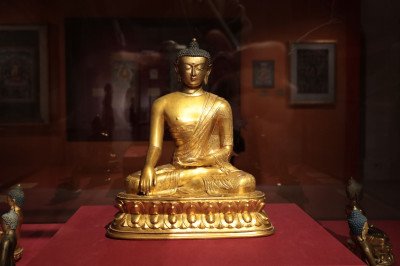
@@History and Significance: Asurari Dih is a significant archaeological mound in the Begusarai district, marking a site of ancient settlement. The term 'Dih' in local language often refers to a large historical mound or elevated area, typically containing the ruins of old fortifications or habitations. Archaeological surveys in the wider Begusarai region, which is part of the ancient Mithila territory, suggest the presence of artifacts dating back to the Pala period and potentially earlier, indicating a long history of human occupation. The site is a testament to the region's rich past, potentially having served as a strategic outpost or an important village center in ancient times. It provides valuable insight into the settlement patterns, pottery use, and daily life of early communities in this part of Bihar. The full extent and nature of the ancient structures beneath the mound are still subject to ongoing study and protection. The site's cultural heritage value is immense for historians and archaeologists studying the history of North India. This archaeological relic helps in understanding the cultural evolution of Begusarai.
Card image cap
Begusarai Museum

@@Establishment and Collection: The Begusarai Museum, also known as the R.K.C. Memorial Archaeological Museum, was established in 1981 to preserve and...

@@Establishment and Collection: The Begusarai Museum, also known as the R.K.C. Memorial Archaeological Museum, was established in 1981 to preserve and showcase the rich cultural and archaeological heritage of the Mithila region of Bihar. It houses an extensive collection of artifacts spanning various historical periods, including the Maurya, Pala, and Mughal eras. The museum's collection is vital for understanding the socio-cultural, religious, and artistic evolution of Begusarai and the surrounding areas. Key exhibits include a large number of stone sculptures, terracotta objects, ancient coins, and preserved manuscripts, with a total collection size exceeding 1,500 artifacts. The museum plays a crucial role as a central repository for archaeological finds from local sites like Asurari Dih and Jaimangla Garh. The shift to the larger building in Lohaiya Nagar in 2005 significantly improved its capacity to display and conserve these historical treasures, making it a pivotal institution for regional history studies. Visitors often highlight the spiritual and historical significance of the unique Goddess Kali and Lord Buddha idols within its premises.
Card image cap
Bhimbandh Wildlife Sanctuary

Bhimbandh Wildlife Sanctuary is a sprawling natural haven that covers an area of approximately 682 square kilometers. Located in the Kharagpur Hills,...

Bhimbandh Wildlife Sanctuary is a sprawling natural haven that covers an area of approximately 682 square kilometers. Located in the Kharagpur Hills, this sanctuary is steeped in mythological significance, as it is believed that Bhima from the Mahabharata built a dam (bandh) here. The sanctuary is famous for its diverse ecosystem, featuring dense forests of Sal and Bamboo that provide a home to various wild animals like tigers, leopards, and sambar deer. One of the most unique features of this place is the presence of several natural hot springs, such as Rishi Kund and Sita Kund, which maintain a steady high temperature throughout the year. Visitors often come here to witness the stunning landscape where the hills meet the plains, creating a picturesque environment for nature lovers. The sanctuary also serves as a critical habitat for over 100 species of birds, including migratory ones that arrive during the winter months. Its proximity to the Ganges River further enhances its ecological value and beauty. Exploring the winding trails of Bhimbandh offers a sense of tranquility and adventure that is hard to find elsewhere. It is a perfect spot for those looking to escape the hustle of city life and immerse themselves in the raw beauty of Bihar's wilderness.
Card image cap
Dargha Hazrat Syed Shah Alauddin Bukhari

The Dargha Hazrat Syed Shah Alauddin Bukhari is a revered Sufi shrine located in the Bari Ballia region of Begusarai. This sacred site is dedicated t...

The Dargha Hazrat Syed Shah Alauddin Bukhari is a revered Sufi shrine located in the Bari Ballia region of Begusarai. This sacred site is dedicated to the Sufi saint Hazrat Syed Shah Alauddin Bukhari, who is said to have traveled from Bukhara to spread the message of peace and communal harmony. The Dargah attracts thousands of devotees from all walks of life, regardless of their religious background, symbolizing the composite culture of Bihar. People visit the shrine to seek blessings and find solace in its tranquil atmosphere. The complex is known for its spiritual energy and the belief that prayers made here are often answered. Throughout the year, the Dargah remains a center for local social and religious activities, especially during the annual Urs festival. The surrounding area of Bari Ballia is a bustling market, making the Dargah a central landmark for both locals and travelers. The shrine’s architecture, while simple, reflects the traditional Sufi style with its dome and arched entrances. Visiting this Dargah offers a deep insight into the spiritual heritage of the region and the enduring legacy of the Sufi saints in India. It stands as a testament to the peaceful coexistence of different faiths in the heart of Begusarai.
Card image cap
Dinkar Chowk / Zero Mile

Dinkar Chowk, often referred to as Zero Mile, is one of the most significant landmarks in Begusarai. It serves as the major intersection where severa...

Dinkar Chowk, often referred to as Zero Mile, is one of the most significant landmarks in Begusarai. It serves as the major intersection where several national highways meet, connecting North Bihar to the rest of the country. The chowk is named after the legendary Hindi poet Ramdhari Singh 'Dinkar', who was born in the nearby village of Simaria. A grand statue of the "Rashtrakavi" stands at the center of the intersection, serving as a symbol of pride for the people of Bihar. This area is the heartbeat of the district's industrial activity, being the gateway to the Barauni Refinery, the Thermal Power Station, and the Fertilizer Plant. For travelers, Zero Mile is a crucial transit point with numerous eateries, hotels, and transport hubs. It represents the modernization and industrial progress of Begusarai while keeping its literary roots alive. The atmosphere here is always bustling with activity, reflecting the dynamic energy of the region. Many people stop here to pay their respects to the statue of Dinkar and to marvel at the scale of the industrial infrastructure surrounding the area. It is more than just a road junction; it is a cultural and economic hub that defines the identity of modern Begusarai.
Card image cap
Ganga Riverfront

The Ganga Riverfront at Simariya is one of the most sacred spots in Bihar, often compared to the ghats of Varanasi and Haridwar. It is the birthplace...

The Ganga Riverfront at Simariya is one of the most sacred spots in Bihar, often compared to the ghats of Varanasi and Haridwar. It is the birthplace of the famous poet Ramdhari Singh 'Dinkar' and holds immense religious importance as a site for the holy dip. The riverfront is particularly famous for the Kalpavas Mela, an ancient tradition believed to have been started by King Janaka. During the Hindu month of Kartik, thousands of devotees live in temporary shelters on the sandy banks of the river, practicing a month of austerity and prayer. The site is also known as Simaria Dham, a place where the soul seeks purification. Recently, the Bihar government has extensively developed the riverfront with paved ghats, changing rooms, and beautiful lighting to enhance the experience for pilgrims. The Rajendra Setu, Bihar's first rail-cum-road bridge, spans the river here, providing a magnificent backdrop to the spiritual landscape. The sight of the morning 'Aarti' at the riverfront is a soul-stirring experience, with the lamps reflecting in the vast waters of the Ganges. Whether it is for a religious ritual, a dip in the holy water, or simply to enjoy the sunset over the river, Simariya offers a unique blend of faith and natural beauty that is central to the culture of Begusarai.
Card image cap
Iqbal Urdu Library

@@Founding and Purpose: The Iqbal Urdu Library is a significant cultural and literary institution in Begusarai, dedicated to the preservation and prom...
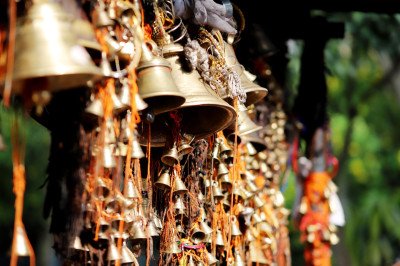
@@Founding and Purpose: The Iqbal Urdu Library is a significant cultural and literary institution in Begusarai, dedicated to the preservation and promotion of Urdu language and literature. Named after the famed poet, Allama Muhammad Iqbal, the library serves as a crucial resource center for students, scholars, and enthusiasts of Urdu poetry, prose, and history. It houses a considerable collection of rare books, magazines, journals, and manuscripts, making it a literary treasure trove in the Mithila region. The library is a quiet space where the cultural heritage of Urdu is celebrated, reflecting the language's historical importance in Bihar. Its existence underscores Begusarai's role as a center for intellectual and cultural exchange, offering a peaceful environment for reading and research. It plays a vital role in maintaining the multi-lingual literary tradition of the city. The collection includes various genres, from classical Ghalib and Iqbal poetry to contemporary Urdu novels and religious texts.
Card image cap
Jai Mangla Temple

The Jai Mangla Temple, located in Jaimangal Garh, is an ancient and highly revered shrine dedicated to Goddess Mangla Devi, a form of Shakti. The tem...

The Jai Mangla Temple, located in Jaimangal Garh, is an ancient and highly revered shrine dedicated to Goddess Mangla Devi, a form of Shakti. The temple is uniquely situated on an island-like mound surrounded by the waters of the Kanwar Lake, which is Asia's largest freshwater oxbow lake. This site is steeped in history, with archaeological findings suggesting that the area was fortified (hence the name 'Garh') during the Pala Dynasty in the 9th or 10th century. Legends state that this is a Shaktipeeth, a place where a part of Goddess Sati's body fell. The temple is not only a religious destination but also a site of great historical and ecological interest. The surrounding Kanwar Lake Bird Sanctuary makes the visit even more special, as one can see thousands of migratory birds during the winter months. The temple complex has been a center for Tantric practices in the past and continues to draw devotees seeking protection and blessings. The journey to the temple involves a scenic drive through the countryside, and the final approach near the lake offers breathtaking views of the water and the greenery. It is a place where history, religion, and nature converge, making it one of the most popular tourist attractions in the Begusarai district.
Card image cap
Jaimangal Garh Temple

@@Temple History and Legend: The Jaimangal Garh Temple is a highly revered shrine located on an island within the Kanwar Lake. Dedicated to Goddess Ch...

@@Temple History and Legend: The Jaimangal Garh Temple is a highly revered shrine located on an island within the Kanwar Lake. Dedicated to Goddess Chandi Mangla Devi, this temple is considered one of the 51 Shaktipeeths of India, making it a major spiritual hub in Bihar. Local legends suggest that the temple dates back to the Pala Dynasty, approximately between the 9th and 10th centuries. The deity, an idol of black stone, is believed to be exceptionally powerful, drawing thousands of devotees who seek blessings for prosperity and protection. Historically, the site served as a fortified stronghold for regional kings, with the surrounding lake providing a natural defense. Today, it stands as a peaceful sanctuary where spirituality meets nature, offering a quiet retreat from the bustling city life. The temple has undergone several renovations over the centuries, yet it retains a primal energy that connects modern visitors to ancient Vedic traditions. It is particularly busy during the harvest season and religious festivals. @@Spiritual and Ecological Importance: Beyond its religious standing, the temple is unique because of its location in the heart of the Kanwar Lake Bird Sanctuary. This proximity means that visitors often combine their spiritual journey with a nature walk, observing diverse bird species. The temple serves as a guardian of the local ecosystem, where the killing of animals is strictly prohibited in the vicinity. The surrounding mounds, or "Garh," are still being studied by archaeologists for hidden artifacts from the Buddhist era. Many believe that the foundations of the temple rest on even older structures from the time of Lord Buddha. The local community, especially the fisherman tribe, holds the Goddess in high regard, attributing their safety on the water to her divine grace. This blend of faith, history, and environmental conservation makes it the most iconic landmark in Begusarai.
Card image cap
Jhamtia Ghat

@@Ganges River Connection: Jhamtia Ghat is a prominent riverbank located on the shores of the holy Ganga in the Bachhwara block of Begusarai. It is hi...

@@Ganges River Connection: Jhamtia Ghat is a prominent riverbank located on the shores of the holy Ganga in the Bachhwara block of Begusarai. It is historically and culturally significant because it serves as the primary point for devotees to collect sacred Ganges water before heading to Vidyapati Dham in Samastipur. The ghat is named after the village of Jhamtia and has been a center of pilgrimage for centuries. During the Hindu month of Shravan, the ghat transforms into a sea of saffron as thousands of "Kanwariyas" (pilgrims) gather here. They perform ritual baths in the cold river water, believe it washes away their sins, and then walk barefoot to offer the water to Lord Shiva. The atmosphere here is filled with the sounds of bells, chanting, and the rhythmic flow of the river. The vastness of the river at this point provides a sense of peace and spiritual awakening. Unlike the commercialized ghats of bigger cities, Jhamtia Ghat retains a raw, rural charm that reflects the true heart of Bihar's religious traditions. It is not just a place for ritual, but a community gathering spot for local villagers who depend on the river for their livelihood and daily needs. @@Ecological and Social Significance: The ghat is also a site for various social gatherings and small local fairs. The fertile banks around the area are used for seasonal farming once the monsoon waters recede. For nature lovers, the stretch of the Ganga here is quite wide, offering views of river dolphins if one is lucky and quiet enough. The local administration has made efforts to build concrete steps and changing rooms for the convenience of pilgrims. However, the true beauty lies in the natural sandy banks that appear during the winter months. It is a place where time seems to slow down, and the connection between humanity and the natural world is palpably felt. Whether you are a devotee or a traveler looking for authentic experiences, this ghat provides a deep insight into the local culture of the region.
Card image cap
Kali Mandir

@@Devotional Hub of Barauni: The Kali Mandir in Barauni is one of the most significant religious landmarks in the industrial belt of Begusarai. Known ...
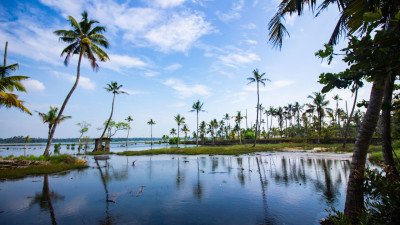
@@Devotional Hub of Barauni: The Kali Mandir in Barauni is one of the most significant religious landmarks in the industrial belt of Begusarai. Known locally as Kali Asthan, this temple is dedicated to Goddess Kali, the fierce protector and mother. The temple is not just a place of worship but a symbol of faith for the thousands of workers and residents of the Barauni refinery and thermal power plant area. It is believed that the Goddess protects the town from industrial accidents and brings prosperity to the region. The idol of Kali here is depicted in her traditional form—dark-skinned, with a protruding tongue and multiple arms, signifying her power over time and evil. The temple complex is always buzzing with the sounds of bells and the smell of incense. Devotees from far-off villages travel here to offer 'Bali' (symbolic or ritual offerings) and seek fulfillment of their wishes. The temple sees a massive influx of people during the Tuesday and Saturday special prayers. It has a long history, rooted in the local Tantric traditions of Bihar, and continues to be a site where ancient rituals are practiced with modern devotion. @@Architectural and Social Impact: The temple has grown from a small village shrine into a large, well-maintained complex. It features several smaller shrines dedicated to Lord Shiva and Hanuman. The social impact of the temple is evident in the local economy; dozens of shops selling flowers, sweets, and religious items have thrived around it for decades. For a visitor, the temple offers a glimpse into the intense spiritual life of Bihar. The energy during the evening 'Aarti' is electric, with drums and bells creating a trance-like atmosphere. The temple also plays a role in local community service, often hosting free meals or 'Bhandaras' during festivals. It stands as a bridge between the old world of traditional faith and the new world of industrial progress that Barauni represents. Whether you seek spiritual solace or cultural curiosity, this temple provides a profound experience of the Goddess's presence.
Card image cap
Kanwar Lake Bird Sanctuary

@@The Kabartal Landscape: While often used interchangeably with Kanwar Lake, Kabartal specifically refers to the vast wetland ecosystem that forms the...

@@The Kabartal Landscape: While often used interchangeably with Kanwar Lake, Kabartal specifically refers to the vast wetland ecosystem that forms the core of the sanctuary. It is one of 18 wetlands in the Indo-Gangetic floodplain complex of North Bihar. This particular area is a "residual" lake, meaning it is what remains after the river changed its course centuries ago. During the monsoon, the entire Kabartal area gets submerged, reaching depths of up to 1.5 meters, which helps in preventing floods in the surrounding 70% of land. As the water recedes in the dry season, the edges of the wetland are used for agriculture, creating a unique cycle of nature and human survival. The wetland is home to at least 165 plant species and nearly 400 species of animals. For the scientist and the curious traveler, Kabartal is a living laboratory of evolution and ecological adaptation. It supports five critically endangered species, including the Sociable Lapwing and Baer's Pochard. The wetland is not just water; it is a complex web of marshes, reed beds, and open water bodies that provide different niches for different types of life. @@Cultural and Economic Value: The name Kabartal is deeply rooted in the local dialect and history of the people of Begusarai. For the local communities, it is a source of 'Makhana' (Fox nuts), fish, and fodder. The wetland serves as a "Carbon Sink," helping to regulate the local climate and keep the air fresh. Despite its importance, the wetland has seen a reduction in water area over the last 30 years due to various environmental factors. Visiting Kabartal is an invitation to witness one of the last great wildernesses of the Gangetic plains. It offers a sense of vastness that is hard to find in the crowded plains of Bihar. Travelers who appreciate the raw beauty of a marshy landscape will find Kabartal to be an inspiring destination. It is a place where one can truly appreciate the importance of water as the giver of all life.
Card image cap
K.P. Jayaswal Radha Krishna Chaudhary Museum

The K.P. Jayaswal Radha Krishna Chaudhary Memorial Archaeological Museum (commonly known as the Begusarai Museum) is a vital institution dedicated to ...

The K.P. Jayaswal Radha Krishna Chaudhary Memorial Archaeological Museum (commonly known as the Begusarai Museum) is a vital institution dedicated to preserving the rich heritage of the Mithila and Magadh regions. Established in 1981, it was named after two legendary historians who contributed immensely to Indian archaeology. The museum serves as a repository for artifacts discovered across the district, ranging from the Pala and Sena periods to the British era. It houses a diverse collection including black stone sculptures, ancient coins, terracotta figurines, and rare manuscripts. One of the highlights is the collection of Lord Buddha and Vishnu statues, which display the exquisite craftsmanship of ancient Bihar. The museum provides an educational journey through time, showing how the region evolved from a center of ancient learning and power to an industrial hub. It is a must-visit for students, history buffs, and curious travelers who want to understand the cultural roots of Begusarai. The exhibits are arranged chronologically, allowing visitors to see the transition in art styles and social life. The museum also features a section on the local folk arts and the life of national poet Dinkar. Despite being a small regional museum, its collection is academically significant and well-regarded by researchers. It is located in a quiet part of the city, providing a scholarly atmosphere for visitors. The museum often hosts educational workshops and exhibitions to promote historical awareness among the youth. For anyone visiting Begusarai, this museum offers the necessary context to appreciate the various temples and historical sites scattered throughout the district. :
Card image cap
Mirchaiya Chowk

@@Historical Significance of Teghra More: This intersection is a legendary transit point in Bihar. It connects the industrial hub of Barauni with the ...

@@Historical Significance of Teghra More: This intersection is a legendary transit point in Bihar. It connects the industrial hub of Barauni with the historic town of Teghra. For decades, it has served as a meeting point for traders. Locals recognize it as a symbol of the district's commercial growth. The name Mirchaiya Chowk evokes memories of the vibrant spice trade of the past. It remains a bustling landmark for travelers heading toward Mokama. This place represents the heart of local commuting culture. It is a vital artery for the regional economy. @@Evolution of the Chowk: Over the years, the area has transformed from a simple crossing. Today, it stands as a major landmark near the Barauni Refinery. It serves thousands of commuters daily with high energy. The surrounding markets offer a glimpse into the daily life of Begusarai. Visitors can witness the fusion of old traditions and modern industry. The chowk is always alive with activity and local colors. It is the best place to understand the local pulse. @@Cultural Impact: The junction is not just a road crossing but a social space. Many local folklore and stories are attached to this specific more. It has witnessed the political and social evolution of the district. People from all walks of life pass through here every hour. It remains a landmark that everyone in the district knows by name. The place is a true reflection of the spirit of Bihar.
Card image cap
Munger Ghat Zero Mile

@@Significance of Zero Mile: This point marks the start of the massive Munger Bridge over the Ganges. It is a crucial milestone for logistics in easte...

@@Significance of Zero Mile: This point marks the start of the massive Munger Bridge over the Ganges. It is a crucial milestone for logistics in eastern India. Travelers often stop here to admire the engineering marvel ahead. The area is a blend of natural beauty and heavy infrastructure. It serves as the gateway between Begusarai and Munger districts. The sight of the river from this point is breathtaking. It is a symbol of connectivity for millions of people. @@Landscape: The surroundings consist of open fields and riverbanks. The air is fresher here compared to the city center. You can see the vast expanse of the Ganges flowing peacefully. @@Historical Context: The development of this point changed the geography of the region. It replaced old ferry systems with a modern transit route. It has significantly boosted the trade between the two riverbanks.
Card image cap
Muniswar Mandir

@@Sacred Heritage: Muniswar Mandir is a revered Hindu temple dedicated to Lord Shiva. It is the spiritual anchor for the people of Bihat. The temple h...

@@Sacred Heritage: Muniswar Mandir is a revered Hindu temple dedicated to Lord Shiva. It is the spiritual anchor for the people of Bihat. The temple has a history spanning several generations of devotees. It is known for its peaceful and divine atmosphere. The temple complex is a center for local religious festivals. Many believe that prayers offered here are always answered. It stands as a symbol of faith and tradition in Begusarai. @@Temple Vibe: The air is filled with the scent of incense and flowers. The ringing of bells creates a meditative environment for all. @@Local Connection: The temple is deeply integrated into the local culture. Every major life event for locals begins with a visit here. It fosters a sense of community among the villagers.
Card image cap
Naulakha Temple

@@History and Origin: The Naulakha Temple in Begusarai is a prominent Hindu temple dedicated to Radha-Krishna, established around 1953 by Saint Mahavi...

@@History and Origin: The Naulakha Temple in Begusarai is a prominent Hindu temple dedicated to Radha-Krishna, established around 1953 by Saint Mahavir Das (as per local records, distinct from the Deoghar temple). The name 'Naulakha' literally means 'Nine Lakhs', which signifies the substantial cost incurred in its construction, although the exact cost in modern currency is hard to ascertain. It is revered locally for its spiritual sanctity and the beautiful idols it houses. Unlike the more famous temple of the same name in Deoghar, this temple stands near the holy River Ganga in the Bishanpur village, a significant point of worship for the local populace. The temple’s location on the riverbank adds to its spiritual aura, drawing thousands of devotees, especially during the holy month of Kartik (October-November) for the ritual Ganga Snan. The establishment of the temple has turned Bishanpur into a key religious destination in Begusarai, reflecting the region's deep devotion to Lord Krishna and Ganga Ma.
Card image cap
Rajendra Setu

@@Engineering Milestone: Rajendra Setu was the first bridge to link north and south Bihar. It was inaugurated in 1959 by Pandit Jawaharlal Nehru. The ...

@@Engineering Milestone: Rajendra Setu was the first bridge to link north and south Bihar. It was inaugurated in 1959 by Pandit Jawaharlal Nehru. The bridge is named after India's first President, Dr. Rajendra Prasad. It carries both a railway track and a roadway. For decades, it was the only lifeline across the Ganges in this region. The design was guided by the legendary M. Visvesvaraya. It stands as a testament to the early industrial spirit of India. @@Simaria Connection: The bridge is located at the holy Simaria Ghat. This adds a layer of spiritual importance to the structural marvel. @@Connectivity: It connects the districts of Begusarai and Patna. It has facilitated the movement of goods and people for over 60 years.
Card image cap
Samrat Nagar

@@Residential and Commercial Hub: Samrat Nagar is a prominent and well-known locality within the main Begusarai town, primarily serving as a significa...

@@Residential and Commercial Hub: Samrat Nagar is a prominent and well-known locality within the main Begusarai town, primarily serving as a significant residential and commercial hub rather than a single historical monument. The name translates to 'Emperor's City', suggesting a historical aspiration or a nod to the region's past connections with the imperial empires of Magadha or Pala dynasties, though it is a modern, thriving neighborhood. It hosts a mix of modern infrastructure, including schools, hospitals, local markets, and various small-to-mid-sized businesses. The area's main significance lies in its current urban importance, representing the development and expansion of modern Begusarai. As a central hub, it provides visitors with easy access to amenities and local transportation. It is a place to experience the daily, vibrant pulse of the city, complete with local eateries and shopping areas, contrasting the city's ancient, quiet sites. It is a testimony to the region's growth as an important economic and administrative center in Bihar.
Card image cap
Simaria Ghat

@@Holy Significance: Simaria Ghat is one of the most sacred and important Ghats (steps leading to the river) on the northern bank of the Ganga River i...

@@Holy Significance: Simaria Ghat is one of the most sacred and important Ghats (steps leading to the river) on the northern bank of the Ganga River in Begusarai. It is renowned as a Hindu holy place for the ritual of Ganga Snaana (sacred bath), often referred to as the gateway to salvation. According to local legend, the site is believed to be the 'Tapobhumi' (penance land) of King Janaka of the ancient Mithila kingdom, which adds deep historical and spiritual weight to the location. The entire surrounding sacred area is known as Simariya Dhaama. It is a major pilgrimage spot for devotees from the Mithila region, Bihar, and neighboring states like Jharkhand and West Bengal. Its strategic location, near the massive Rajendra Setu (the first rail-cum-road bridge over the Ganga in Bihar), further elevates its prominence as a regional landmark. The Ghat is a focal point for major Hindu festivals and a profound expression of devotion to the river goddess, Ganga Ma.
Card image cap
Simariya Dham

@@Religious Complex: Simariya Dham is the name given to the entire sacred complex and surrounding area of the holy Simaria Ghat on the banks of the Ga...

@@Religious Complex: Simariya Dham is the name given to the entire sacred complex and surrounding area of the holy Simaria Ghat on the banks of the Ganga River. It is not a single structure but an abode of spiritual significance, encompassing the Ghats, the numerous small temples in the vicinity, and the expansive land where the renowned Kalpavas Mela takes place. This area is historically revered as a Tapobhumi (land of penance) where sages and, traditionally, King Janaka performed religious austerities. The Dham is central to the cultural and religious identity of Begusarai, symbolizing the eternal flow of devotion along the Ganga. The state government of Bihar has recognized its importance and is undertaking development projects to enhance facilities for the lakhs of pilgrims who visit annually, particularly during the holy month of Kartik for the month-long Kalpavas Vrat (fast and penance). The atmosphere here is one of intense spiritual devotion, mixing ancient ritual with modern pilgrimage necessities.
Card image cap
Sitaram Mishra Gate

Sitaram Mishra Gate is a prominent ceremonial entrance and landmark located in the Bihat region of Begusarai. It serves as a symbolic gateway to one o...

Sitaram Mishra Gate is a prominent ceremonial entrance and landmark located in the Bihat region of Begusarai. It serves as a symbolic gateway to one of the most politically and culturally active localities in Bihar. The gate is named after a respected local figure, reflecting the community's tribute to its leaders and history. Bihat itself is often referred to as a "Little Moscow" due to its historical socialist leanings, and this gate stands as a silent observer of the region's vibrant political discourse. It is situated on a busy thoroughfare that connects various industrial and residential sectors of Barauni. The gate is more than just an architectural structure; it is a meeting point for locals and a reference point for travelers. Surrounding the gate, the area is bustling with local markets, small eateries, and shops that showcase the daily life of Begusarai's working class. The structure is often decorated during national festivals like Republic Day and Independence Day, becoming a focal point for community celebrations. It represents the transition from the rural outskirts to the more urbanized industrial belt of the district. While it may not be a sprawling historical monument, its significance lies in its identity as a local heritage site. For visitors, it provides a sense of arrival into the heart of Bihat. The architecture of the gate, though modern, incorporates traditional motifs that represent the local culture. It is a place where one can observe the authentic, unhurried life of a North Indian town. Many local processions and cultural rallies pass through this gate, making it a witness to the evolving social fabric of the region. :
Card image cap
Sun Temple

The Sun Temple in Birpur is a serene and spiritually significant shrine dedicated to Lord Surya, the Sun God. Located in the quiet outskirts of Begusa...

The Sun Temple in Birpur is a serene and spiritually significant shrine dedicated to Lord Surya, the Sun God. Located in the quiet outskirts of Begusarai, this temple is a center for solar worship, which has deep roots in the culture of Bihar. The temple provides a peaceful retreat from the industrial noise of the district, surrounded by rural landscapes and local greenery. It is particularly significant for the celebration of Chhath Puja, the most important festival of Bihar, where devotees gather to offer prayers to the setting and rising sun. The temple complex features a central sanctum where a magnificent idol of the Sun God, often depicted on his seven-horse chariot, is enshrined. The atmosphere is filled with a sense of calm, making it a favorite spot for meditation and morning prayers. Historically, the region around Birpur has been part of the ancient Mithila culture where nature worship is prominent. The temple serves as a communal hub for the villagers, hosting various religious and social gatherings. Over the years, the temple has undergone renovations to accommodate the increasing number of pilgrims. The architecture blends modern construction with traditional temple motifs. Visiting this temple offers a glimpse into the grassroots religious practices of the region. It is not just a place of worship but a symbol of the life-giving energy of the sun. The pond or water body near the temple is used for ritual baths, especially during festivals. For a traveler, it offers a moment of tranquility and a chance to witness the deep-seated faith of the rural population of Begusarai. :
Show All

Begusarai Itineray And Cost:-

Information about New and Updated Locations() of Bihar Has Been Added :-
Card subtitle

Note:-

Information provided here in good Faith and for reference only.

All information and pictures will be updated soon, please keep visiting.

Near Places

...
Araria

Some quick example text to build on the card title and make up the bulk of the card's content.

Go somewhere
...
Arwal

Some quick example text to build on the card title and make up the bulk of the card's content.

Go somewhere
...
Banka

Some quick example text to build on the card title and make up the bulk of the card's content.

Go somewhere
...
Begusarai

Some quick example text to build on the card title and make up the bulk of the card's content.

Go somewhere
...
Bhagalpur

Some quick example text to build on the card title and make up the bulk of the card's content.

Go somewhere
...
Bhojpur

Some quick example text to build on the card title and make up the bulk of the card's content.

Go somewhere
...
Bihar Sharif

Some quick example text to build on the card title and make up the bulk of the card's content.

Go somewhere
...
Bodh Gaya

Some quick example text to build on the card title and make up the bulk of the card's content.

Go somewhere
...
Buxar

Some quick example text to build on the card title and make up the bulk of the card's content.

Go somewhere
...
Champaran

Some quick example text to build on the card title and make up the bulk of the card's content.

Go somewhere
in Other Cities