

Buxar
General information
-
Ideal Duration:
1 to 2 DaysPlace Type:
Heritage and PilgrimageEntry Fees:
Place Entry Fees:
Affordable Heritage Access: Most of the historical sites in Buxar, including the Buxar Fort and the various religious ghats, do not have a formal entry fee for the general public. The Sita Ram Upadhyaya Museum may charge a ...Place Entry Fees:
Affordable Heritage Access: Most of the historical sites in Buxar, including the Buxar Fort and the various religious ghats, do not have a formal entry fee for the general public. The Sita Ram Upadhyaya Museum may charge a nominal fee of approximately 10 to 20 INR for adults, which is used for the maintenance of the artifacts. Photography might require separate permission or a small fee in specific temple areas, but generally, the city remains a very budget-friendly destination for all types of travelers.Timing:
Place Timings:
Regular and Ideal Visiting Hours: The historical monuments like Buxar Fort are typically open from 9:00 AM to 5:00 PM, while the religious ghats like Ramrekha Ghat are open 24 hours a day for pilgrims. The best time to visit t...Place Timings:
Regular and Ideal Visiting Hours: The historical monuments like Buxar Fort are typically open from 9:00 AM to 5:00 PM, while the religious ghats like Ramrekha Ghat are open 24 hours a day for pilgrims. The best time to visit the temples is during the morning aarti at 6:00 AM or the evening prayers at 7:00 PM for a complete spiritual experience. The Sita Ram Upadhyaya Museum usually remains closed on Mondays and public holidays, so it is best to plan your visit between Tuesday and Sunday from 10:00 AM to 5:00 PM.Special Events:
Place Special Event:
The Panchkoshi Parikrama: This is a unique annual event where thousands of devotees perform a circular pilgrimage around five holy sites in Buxar during the month of November. Each day of the trek, pilgrims halt at a dif...Place Special Event:
The Panchkoshi Parikrama: This is a unique annual event where thousands of devotees perform a circular pilgrimage around five holy sites in Buxar during the month of November. Each day of the trek, pilgrims halt at a different village to prepare and eat the famous Litti Chokha, making it a massive communal cultural and culinary festival. The Makar Sankranti festival in January also sees thousands of people gathering at Ramrekha Ghat for a ritualistic bath in the freezing waters of the Ganges.Best Photo Spots:
Place Best Photo Spots:
Capturing the River and Ruins: The Ramrekha Ghat during sunrise is the most photogenic spot in Buxar, offering golden reflections on the Ganges and vibrant scenes of morning rituals. The massive bastions of the Buxar ...Place Best Photo Spots:
Capturing the River and Ruins: The Ramrekha Ghat during sunrise is the most photogenic spot in Buxar, offering golden reflections on the Ganges and vibrant scenes of morning rituals. The massive bastions of the Buxar Fort provide a dramatic backdrop for historical photography, especially during the "golden hour" just before sunset when the brickwork glows. For architectural detail, the Navlakha Mandir with its intricate South Indian style carvings provides excellent close-up shots of religious motifs. Finally, the Kathkauli Maidan victory memorial offers a poignant, wide-angle perspective of the historic battlefield against the open sky.Photo Gallery
Things To Do
 @@The Architectural Marvel of Charitravan:@@ The Naulakha Mandir, also known as Charitravan Baikunth, is a highly renowned temple in Buxar dedicated to Lord Vishnu (Charitravan Baikunth). Its name, Naulakha, literally translates to "nine lakhs," referring to the massive sum of 900,000 rupees (a staggering amount in the 19th century) that was spent on its construction, showcasing the extraordinary devotion and opulence of its benefactors. The temple is celebrated for its distinctive architectural style, which is often noted to be influenced by the grand temple architecture of South India, a rare sight in this region of Bihar. The temple's structure, intricate carvings, and vibrant color palette set it apart from other local shrines, making it a major attraction for architecture enthusiasts and devotees alike. Legend holds that Lord Rama completed his studies under Sage Vishwamitra in Charitravan, making this area spiritually significant:
@@The Mythological Abode of Sage Vishwamitra: The Rishi Vishwamitra Ashram, also known as Siddhashram, holds a profound place in Hindu mythology, particularly in the epic Ramayana. It is here that Lord Rama and his brother Lakshmana were brought as young princes by Sage Vishwamitra from Ayodhya to protect his sacred yagna (fire sacrifice) from the demons Maricha and Subahu. The very name Siddhashram signifies the 'Abode of Perfection' or 'Place of Accomplishment,' as it was here that the sage could finally complete his penance, which the demons had constantly disrupted. The association with Lord Rama's first major military action and the beginning of his warrior persona is what makes this location exceptionally significant. It is believed that Vishwamitra imparted the powerful secret knowledge of the celestial weapons (divyastras) and the special mantras, 'Balaa' and 'Atibalaa,' to the young princes at this ashram, making them invincible. While a physical, standing ashram structure from the ancient Treta Yuga does not exist today, the entire area around Buxar is revered as the ancient site. The continuous religious observance and the presence of numerous small temples in the vicinity serve as a living testament to the epic events that unfolded here. The spiritual energy of the place attracts pilgrims who wish to connect with the roots of the Ramayana and seek blessings for knowledge and protection. The site is a reminder of the timeless teacher-student tradition and the triumph of good over evil that the Ramayana embodies.:
@@The Architectural Marvel of Charitravan:@@ The Naulakha Mandir, also known as Charitravan Baikunth, is a highly renowned temple in Buxar dedicated to Lord Vishnu (Charitravan Baikunth). Its name, Naulakha, literally translates to "nine lakhs," referring to the massive sum of 900,000 rupees (a staggering amount in the 19th century) that was spent on its construction, showcasing the extraordinary devotion and opulence of its benefactors. The temple is celebrated for its distinctive architectural style, which is often noted to be influenced by the grand temple architecture of South India, a rare sight in this region of Bihar. The temple's structure, intricate carvings, and vibrant color palette set it apart from other local shrines, making it a major attraction for architecture enthusiasts and devotees alike. Legend holds that Lord Rama completed his studies under Sage Vishwamitra in Charitravan, making this area spiritually significant:
@@The Mythological Abode of Sage Vishwamitra: The Rishi Vishwamitra Ashram, also known as Siddhashram, holds a profound place in Hindu mythology, particularly in the epic Ramayana. It is here that Lord Rama and his brother Lakshmana were brought as young princes by Sage Vishwamitra from Ayodhya to protect his sacred yagna (fire sacrifice) from the demons Maricha and Subahu. The very name Siddhashram signifies the 'Abode of Perfection' or 'Place of Accomplishment,' as it was here that the sage could finally complete his penance, which the demons had constantly disrupted. The association with Lord Rama's first major military action and the beginning of his warrior persona is what makes this location exceptionally significant. It is believed that Vishwamitra imparted the powerful secret knowledge of the celestial weapons (divyastras) and the special mantras, 'Balaa' and 'Atibalaa,' to the young princes at this ashram, making them invincible. While a physical, standing ashram structure from the ancient Treta Yuga does not exist today, the entire area around Buxar is revered as the ancient site. The continuous religious observance and the presence of numerous small temples in the vicinity serve as a living testament to the epic events that unfolded here. The spiritual energy of the place attracts pilgrims who wish to connect with the roots of the Ramayana and seek blessings for knowledge and protection. The site is a reminder of the timeless teacher-student tradition and the triumph of good over evil that the Ramayana embodies.: @@Historical Legend and Significance: The Kameshwar Nath Temple (also widely known as Brahmeshwar Nath Mandir or Baba Brahmeshwar Nath) is an ancient and extremely significant Lord Shiva temple in the Buxar region, specifically in the town of Brahmapur. The temple is believed to be pre-historic, though its exact origins are unknown, with some local lore dating it back to the 10th Century or earlier. The central deity is a self-manifested (Swayambhu) Shiva Lingam. A famous legend states that the temple's entrance was miraculously shifted from East to West overnight by Lord Shiva himself in response to a challenge from the Muslim Emperor Ghaznavi, who intended to plunder the temple's wealth. This west-facing entrance makes it unique among Shaivite temples, which typically face East. The temple is a major pilgrimage center, attracting devotees, known as Shaivaites, from across the country, especially during the holy month of Shravan and Maha Shivaratri.
@@The Legend of Lord Rama and Ahilya:@@ This sacred site, also known as Ahirauli Dham, is profoundly linked to the Hindu epic Ramayana. It is believed to be the location of the ashram of Sage Gautam and his wife, Ahilya. According to the myth, Ahilya was cursed by her husband to turn into a stone slab, or Shila, for a transgression. She was released from this curse, or Uddhar, and regained her human form by the mere touch of the feet of Lord Rama, who was passing through the forest with his brother Lakshman and Guru Vishwamitra on their way to Janakpur. The current temple complex is a serene spiritual spot, signifying the power of redemption and the divinity of Lord Rama. The location is also part of the ancient pilgrimage route known as the Panch Kosi Parikrama of Buxar. The environment is peaceful, providing a perfect spiritual retreat away from the town's hustle, making it a place of deep devotion for Hindus:
@@The Divine Mother's Abode: The Old Kali Mandir in Buxar, also known for the nearby Sri Raj Rajeswari Temple, is a site of deep mystical and spiritual power. This temple is dedicated to Goddess Kali, the fierce protector and embodiment of Shakti. It is one of the oldest temples in the city, drawing thousands of devotees who seek the Mother's blessings for protection and prosperity. The temple is shrouded in local legends, including the mysterious claim that the idols can be heard "conversing" at night, a phenomenon that has intrigued both believers and researchers. The atmosphere inside the temple is heavy with the scent of incense and the sound of bells, creating an aura of intense devotion. The temple has been a center for Tantric and Vedic practices for over 400 years, established by a tantric named Bhawani Mishra. It stands as a symbol of the spiritual depth of Buxar, a city already rich with associations from the Ramayana. Devotees believe that the Goddess here is exceptionally responsive to the prayers of the faithful. The architectural simplicity of the temple belies its spiritual importance, focusing more on the divine presence than on ornate decorations. During festivals like Navratri and Diwali, the temple is transformed into a vibrant hub of activity, with special rituals and offerings. The location near the Ganges adds a sacred natural element to the temple visit. It is a place where one can experience the raw energy of faith. The Old Kali Mandir remains a cornerstone of local identity, representing the enduring legacy of Goddess worship in the region. Visitors often leave with a sense of awe and a renewed spirit, touched by the ancient traditions and the palpable power of the deity.
@@The Turning Point of Indian History:@@ Katkauli ka Maidan is the historically crucial field where the decisive Battle of Buxar took place on October 22, 1764. This battle was fought between the forces of the British East India Company, led by Major Hector Munro, and the combined army of the three major Indian powers: Mir Qasim (Nawab of Bengal), Shuja-ud-Daula (Nawab of Awadh), and the Mughal Emperor Shah Alam II. The comprehensive victory of the relatively small British force here cemented the East India Company's political and military supremacy in Bengal, Bihar, and Orissa, effectively laying the foundation for nearly two centuries of British colonial rule in India. The site today is a vast field, now mostly agricultural land, with a stone memorial erected by the British to commemorate their victory. It is a sombre reminder of the political and military weakness of the Indian powers at the time and the turning point that reshaped the subcontinent's destiny:
@@A Center for Rama and Sita Worship:@@ The Ram Janaki Temple is a place of deep reverence for the divine couple, Lord Rama and Goddess Sita, along with Lakshman and Hanuman. Given Buxar's profound connection to the Ramayana—it is believed to be the site of Sage Vishwamitra's Siddhashram where Rama and Lakshman received their initial education and training—this temple holds immense spiritual significance. The temple serves as a peaceful hub for Vaishnavite devotion, where devotees come to chant the names of Rama and Sita and participate in community religious events. Its location in the Charitravan area reinforces its mythological link to the great epic. While numerous temples are dedicated to Rama and Sita in the region, the prominent ones offer a tranquil environment for spiritual contemplation and are often central to local festival celebrations:Show All
@@Historical Legend and Significance: The Kameshwar Nath Temple (also widely known as Brahmeshwar Nath Mandir or Baba Brahmeshwar Nath) is an ancient and extremely significant Lord Shiva temple in the Buxar region, specifically in the town of Brahmapur. The temple is believed to be pre-historic, though its exact origins are unknown, with some local lore dating it back to the 10th Century or earlier. The central deity is a self-manifested (Swayambhu) Shiva Lingam. A famous legend states that the temple's entrance was miraculously shifted from East to West overnight by Lord Shiva himself in response to a challenge from the Muslim Emperor Ghaznavi, who intended to plunder the temple's wealth. This west-facing entrance makes it unique among Shaivite temples, which typically face East. The temple is a major pilgrimage center, attracting devotees, known as Shaivaites, from across the country, especially during the holy month of Shravan and Maha Shivaratri.
@@The Legend of Lord Rama and Ahilya:@@ This sacred site, also known as Ahirauli Dham, is profoundly linked to the Hindu epic Ramayana. It is believed to be the location of the ashram of Sage Gautam and his wife, Ahilya. According to the myth, Ahilya was cursed by her husband to turn into a stone slab, or Shila, for a transgression. She was released from this curse, or Uddhar, and regained her human form by the mere touch of the feet of Lord Rama, who was passing through the forest with his brother Lakshman and Guru Vishwamitra on their way to Janakpur. The current temple complex is a serene spiritual spot, signifying the power of redemption and the divinity of Lord Rama. The location is also part of the ancient pilgrimage route known as the Panch Kosi Parikrama of Buxar. The environment is peaceful, providing a perfect spiritual retreat away from the town's hustle, making it a place of deep devotion for Hindus:
@@The Divine Mother's Abode: The Old Kali Mandir in Buxar, also known for the nearby Sri Raj Rajeswari Temple, is a site of deep mystical and spiritual power. This temple is dedicated to Goddess Kali, the fierce protector and embodiment of Shakti. It is one of the oldest temples in the city, drawing thousands of devotees who seek the Mother's blessings for protection and prosperity. The temple is shrouded in local legends, including the mysterious claim that the idols can be heard "conversing" at night, a phenomenon that has intrigued both believers and researchers. The atmosphere inside the temple is heavy with the scent of incense and the sound of bells, creating an aura of intense devotion. The temple has been a center for Tantric and Vedic practices for over 400 years, established by a tantric named Bhawani Mishra. It stands as a symbol of the spiritual depth of Buxar, a city already rich with associations from the Ramayana. Devotees believe that the Goddess here is exceptionally responsive to the prayers of the faithful. The architectural simplicity of the temple belies its spiritual importance, focusing more on the divine presence than on ornate decorations. During festivals like Navratri and Diwali, the temple is transformed into a vibrant hub of activity, with special rituals and offerings. The location near the Ganges adds a sacred natural element to the temple visit. It is a place where one can experience the raw energy of faith. The Old Kali Mandir remains a cornerstone of local identity, representing the enduring legacy of Goddess worship in the region. Visitors often leave with a sense of awe and a renewed spirit, touched by the ancient traditions and the palpable power of the deity.
@@The Turning Point of Indian History:@@ Katkauli ka Maidan is the historically crucial field where the decisive Battle of Buxar took place on October 22, 1764. This battle was fought between the forces of the British East India Company, led by Major Hector Munro, and the combined army of the three major Indian powers: Mir Qasim (Nawab of Bengal), Shuja-ud-Daula (Nawab of Awadh), and the Mughal Emperor Shah Alam II. The comprehensive victory of the relatively small British force here cemented the East India Company's political and military supremacy in Bengal, Bihar, and Orissa, effectively laying the foundation for nearly two centuries of British colonial rule in India. The site today is a vast field, now mostly agricultural land, with a stone memorial erected by the British to commemorate their victory. It is a sombre reminder of the political and military weakness of the Indian powers at the time and the turning point that reshaped the subcontinent's destiny:
@@A Center for Rama and Sita Worship:@@ The Ram Janaki Temple is a place of deep reverence for the divine couple, Lord Rama and Goddess Sita, along with Lakshman and Hanuman. Given Buxar's profound connection to the Ramayana—it is believed to be the site of Sage Vishwamitra's Siddhashram where Rama and Lakshman received their initial education and training—this temple holds immense spiritual significance. The temple serves as a peaceful hub for Vaishnavite devotion, where devotees come to chant the names of Rama and Sita and participate in community religious events. Its location in the Charitravan area reinforces its mythological link to the great epic. While numerous temples are dedicated to Rama and Sita in the region, the prominent ones offer a tranquil environment for spiritual contemplation and are often central to local festival celebrations:Show All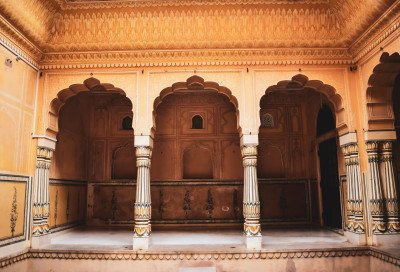 @@The Ancient Origins and Strategic Importance: The Buxar Fort, also historically known as Chausa Garh, is a site of immense historical and archaeological significance. It is believed to have been established by King Rudra Deo of the Kashi Naresh dynasty as early as 1054 AD. Strategically located on the banks of the mighty Ganges River, the fort served as a crucial military and administrative outpost controlling the river trade routes between Eastern and Northern India for centuries. Its history is closely intertwined with some of the most pivotal battles in Indian history, making it a critical landmark. Though much of the original structure is now in ruins, its remnants still speak volumes of the past. @@The Battle of Buxar Connection: The fort is most famously associated with the Battle of Buxar in 1764, which was fought on the nearby Katkauli ka Maidan. Although the battle itself took place outside the fort walls, the fort served as a key strategic point and likely a command post. This battle, where the British East India Company decisively defeated the combined forces of the Nawabs of Bengal and Awadh and the Mughal Emperor Shah Alam II, was a major turning point, effectively establishing British supremacy over North India. The fort's historical identity is inseparable from this event. @@Later Excavations and Finds: Archaeological excavations conducted in the vicinity of the fort have unearthed two seals with inscriptions in the early Brahmi script, dating back to the 3rd and 4th centuries, indicating that the mound is ancient, far predating the 11th-century construction. These finds highlight the region's deep civilizational roots. Inside the fort complex today, visitors can find structures like the Kameshwar Nath Temple and the famed subterranean passage known as Patalganga (though often inaccessible), adding layers to its rich narrative.:
Information
-
Why Famous:
Why Famous Place:
The Battlefield of Destiny: Buxar is globally famous for the Battle of Buxar fought in October 1764, which was a turning point for the British East India Company in India. This conflict between the British and the combined ...Why Famous Place:
The Battlefield of Destiny: Buxar is globally famous for the Battle of Buxar fought in October 1764, which was a turning point for the British East India Company in India. This conflict between the British and the combined forces of Mir Qasim, Shuja-ud-Daula, and Shah Alam II fundamentally changed the political landscape of the subcontinent. Additionally, the city is religiously significant as the Siddhashram of Sage Vishwamitra, where Lord Rama and Laxman received their early training in warfare and spirituality, making it a cornerstone of the Ramayana circuit. -
Architecture:
Place Architecture:
The Military Heritage of Buxar Fort: The architecture of Buxar Fort, built by King Rudra Deo in 1054 AD, reflects a sturdy medieval military style designed to overlook the Ganges. The fort features massive bastions and hi...Place Architecture:
The Military Heritage of Buxar Fort: The architecture of Buxar Fort, built by King Rudra Deo in 1054 AD, reflects a sturdy medieval military style designed to overlook the Ganges. The fort features massive bastions and high walls that were strategically planned for defense during the colonial era battles. Inside, the structures display a mix of Hindu and Mughal influences, with subterranean passages like the Patalganga that were once used for secret movements. The dimensions of the fort's remaining southern wall indicate its original vast scale, while the nearby Navlakha Mandir showcases intricate South Indian temple architecture with its towering gopurams and detailed stone carvings. -
How To Reach:
Place How to Reach:
Seamless Connectivity by Rail and Road: Buxar is exceptionally well-connected by the Indian Railways, as Buxar Junction (BXR) is a major stop on the Main Line connecting Delhi, Patna, and Kolkata. Many express trains like...Place How to Reach:
Seamless Connectivity by Rail and Road: Buxar is exceptionally well-connected by the Indian Railways, as Buxar Junction (BXR) is a major stop on the Main Line connecting Delhi, Patna, and Kolkata. Many express trains like the Magadh Express and Shramjeevi Express stop here daily. By air, the nearest airport is Jay Prakash Narayan International Airport (PAT) in Patna, approximately 145 KMS away; from there, one can hire a private taxi or take a bus for a 3-4 hour journey. By road, Buxar is linked via NH-922, making it easily accessible from Varanasi (approx. 130 KMS) and Patna. Local transport within the city is dominated by auto-rickshaws and e-rickshaws, which are both cheap and frequent. -
Weather and Best Time to Visit:
Place Best Time to Visit:
Seasonal and Daily Intervals: The ideal time to visit Buxar is during the Winter Season from October to March, when the weather is pleasant and suitable for outdoor sightseeing at the fort and ghats. Summers can be ...Place Best Time to Visit:
Seasonal and Daily Intervals: The ideal time to visit Buxar is during the Winter Season from October to March, when the weather is pleasant and suitable for outdoor sightseeing at the fort and ghats. Summers can be extremely hot with temperatures exceeding 40°C, making day travel difficult. For the best daily experience, visit the ghats at Dawn for the sunrise and the Fort in the late afternoon. The Monsoon season from July to September makes the Ganges look majestic, but heavy rains can sometimes restrict movement to rural historical sites like Chausa. -
Near Tourist Places:
Chausa (11 KMS), Dumraon (20 KMS), Brahmapur (35 KMS), Patna (135 KMS), Varanasi (130 KMS), Ghazipur (55 KMS), Arrah (80 KMS), Sasaram (100 KMS), Ballia (40 KMS), Rohtasgarh (120 KMS)
Tourism Tips
-
Place Tourism Tips:
Safety and Preparation: When visiting Buxar, it is advisable to carry a bottle of water and wear comfortable walking shoes as the historical sites require a fair amount of exploration on foot. For Health & Safety, stick t...Place Tourism Tips:
Safety and Preparation: When visiting Buxar, it is advisable to carry a bottle of water and wear comfortable walking shoes as the historical sites require a fair amount of exploration on foot. For Health & Safety, stick to bottled water and try the local Litti Chokha from reputable stalls to enjoy the authentic taste of Bihar. Regarding Packing, lightweight cotton clothes are best for most of the year, while a light jacket is needed for winter mornings. For Accommodation, there are several budget hotels near the Buxar Railway Station that offer basic amenities for a comfortable stay. It is also recommended to hire a local guide at the Buxar Fort to truly understand the complex history of the colonial battles.
Reviews
FAQs
Buxar Itineray And Cost:-
Other Places In Bihar :-
Other States In India :-
Information about New and Updated Locations() of Bihar Has Been Added :-
Card subtitle
Note:-
Information provided here in good Faith and for reference only.
Near Places
Araria
Some quick example text to build on the card title and make up the bulk of the card's content.
Go somewhere
Arwal
Some quick example text to build on the card title and make up the bulk of the card's content.
Go somewhere
Banka
Some quick example text to build on the card title and make up the bulk of the card's content.
Go somewhere
Begusarai
Some quick example text to build on the card title and make up the bulk of the card's content.
Go somewhere
Bhagalpur
Some quick example text to build on the card title and make up the bulk of the card's content.
Go somewhere
Bhojpur
Some quick example text to build on the card title and make up the bulk of the card's content.
Go somewhere
Bihar Sharif
Some quick example text to build on the card title and make up the bulk of the card's content.
Go somewhere
Bodh Gaya
Some quick example text to build on the card title and make up the bulk of the card's content.
Go somewhere
Buxar
Some quick example text to build on the card title and make up the bulk of the card's content.
Go somewhere
Champaran
Some quick example text to build on the card title and make up the bulk of the card's content.
Go somewhere
Darbhanga
Some quick example text to build on the card title and make up the bulk of the card's content.
Go somewhere
Gaya
Some quick example text to build on the card title and make up the bulk of the card's content.
Go somewhere
Golghar
Some quick example text to build on the card title and make up the bulk of the card's content.
Go somewhere
Madhubani
Some quick example text to build on the card title and make up the bulk of the card's content.
Go somewhere
Mithila
Some quick example text to build on the card title and make up the bulk of the card's content.
Go somewhere
Munger
Some quick example text to build on the card title and make up the bulk of the card's content.
Go somewherein Other Cities