
Araria
General information
-
Ideal Duration:
Duration:
1 to 2 Days :Place Type:
Heritage and Nature :Entry Fees:
Public Spaces: Most natural spots like the Kosi banks have no entry fee.
Parks: The Biodiversity Park and Vriksh Vatika have a nominal fee of approximately 20 to 50 INR for maintenance.
:...Public Spaces: Most natural spots like the Kosi banks have no entry fee.
Parks: The Biodiversity Park and Vriksh Vatika have a nominal fee of approximately 20 to 50 INR for maintenance.
:Timing:
Regular Timings: Most temples and parks are open from 6:00 AM to 6:00 PM.
Ideal Visit Time: Early mornings are best for nature parks, while evenings are perfect for the riverbanks.
:...Regular Timings: Most temples and parks are open from 6:00 AM to 6:00 PM.
Ideal Visit Time: Early mornings are best for nature parks, while evenings are perfect for the riverbanks.
:Special Events:
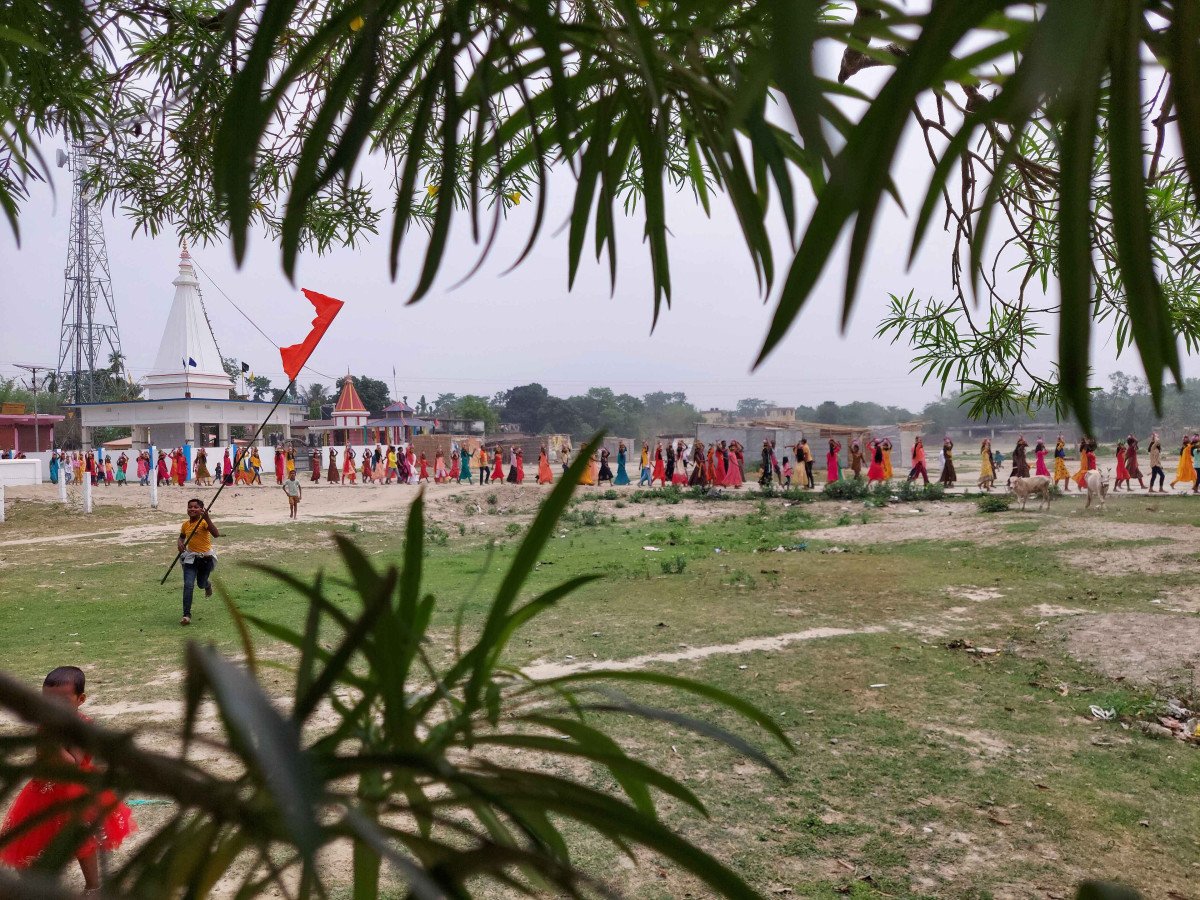
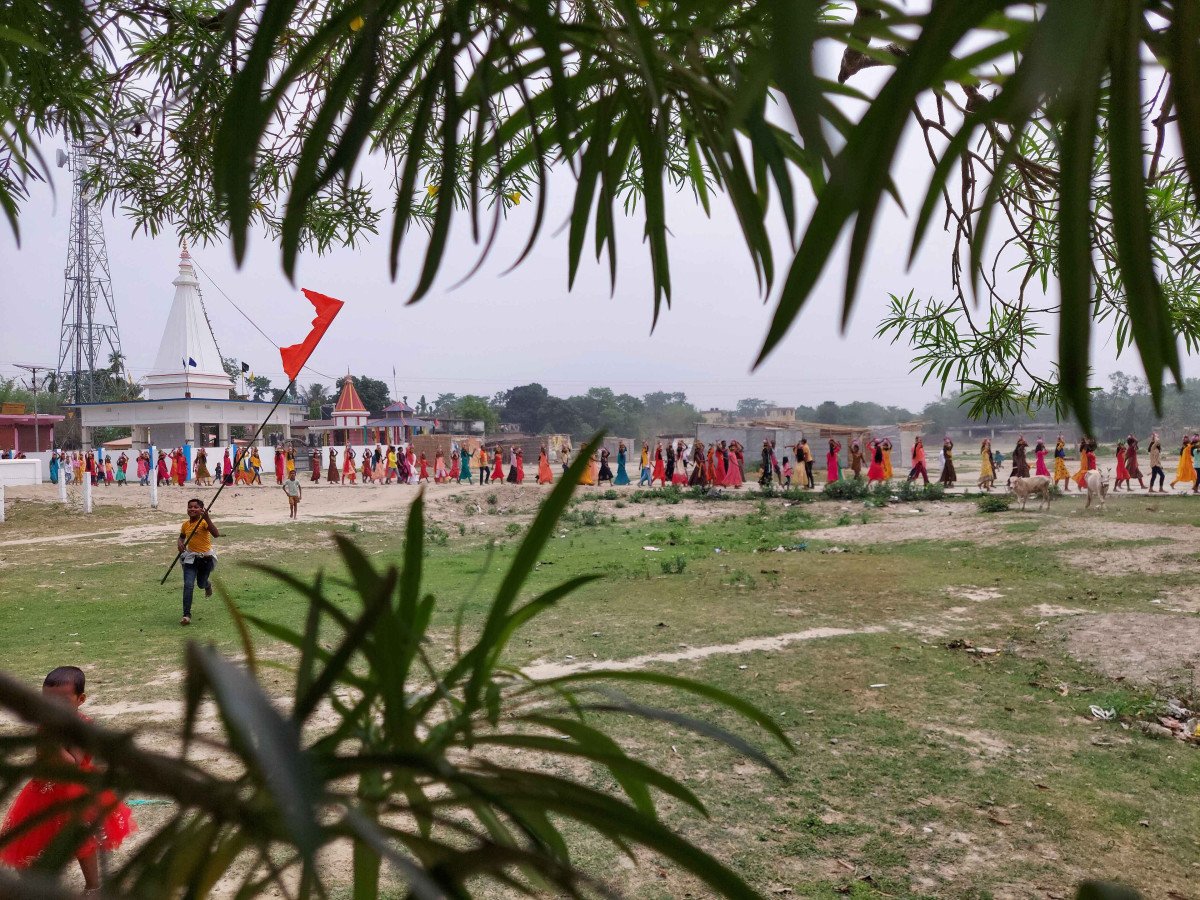
Chhath Puja: The most significant festival celebrated with immense fervor at the riverbanks of Kosi.
Friendship Fair: Locally known as the Raniganj Mela, it is a traditional fair where locals gather to trade goods.
Read MoreChhath Puja: The most significant festival celebrated with immense fervor at the riverbanks of Kosi.
Friendship Fair: Locally known as the Raniganj Mela, it is a traditional fair where locals gather to trade goods.
:Best Photo Spots:
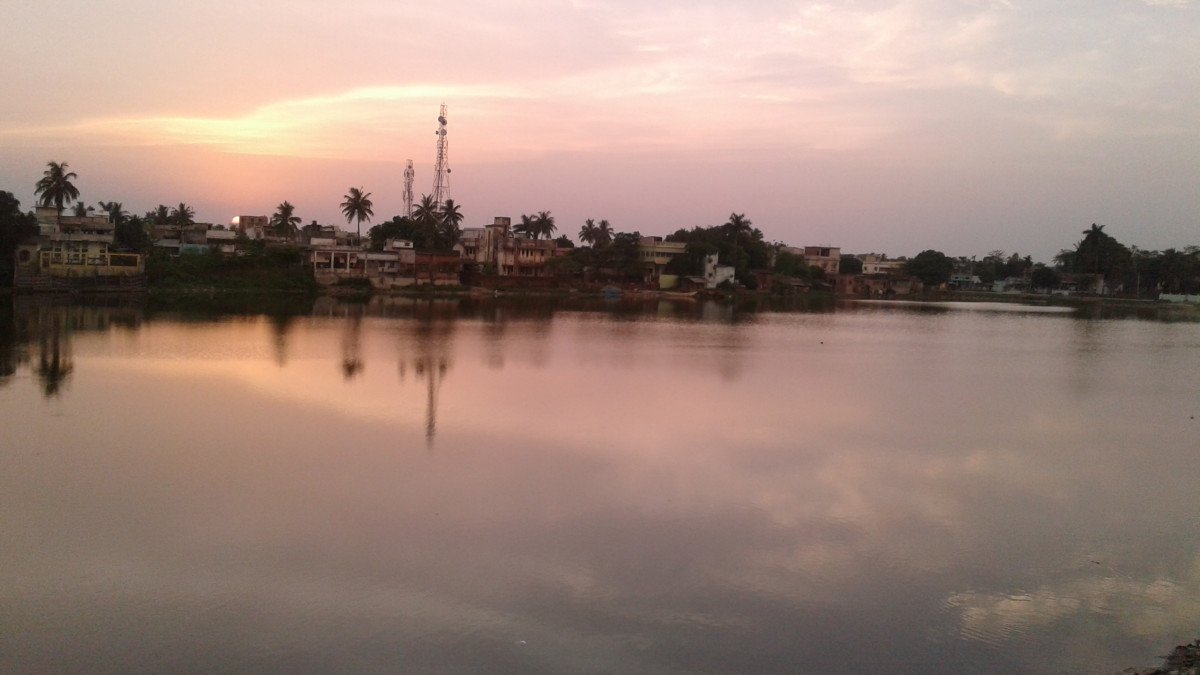
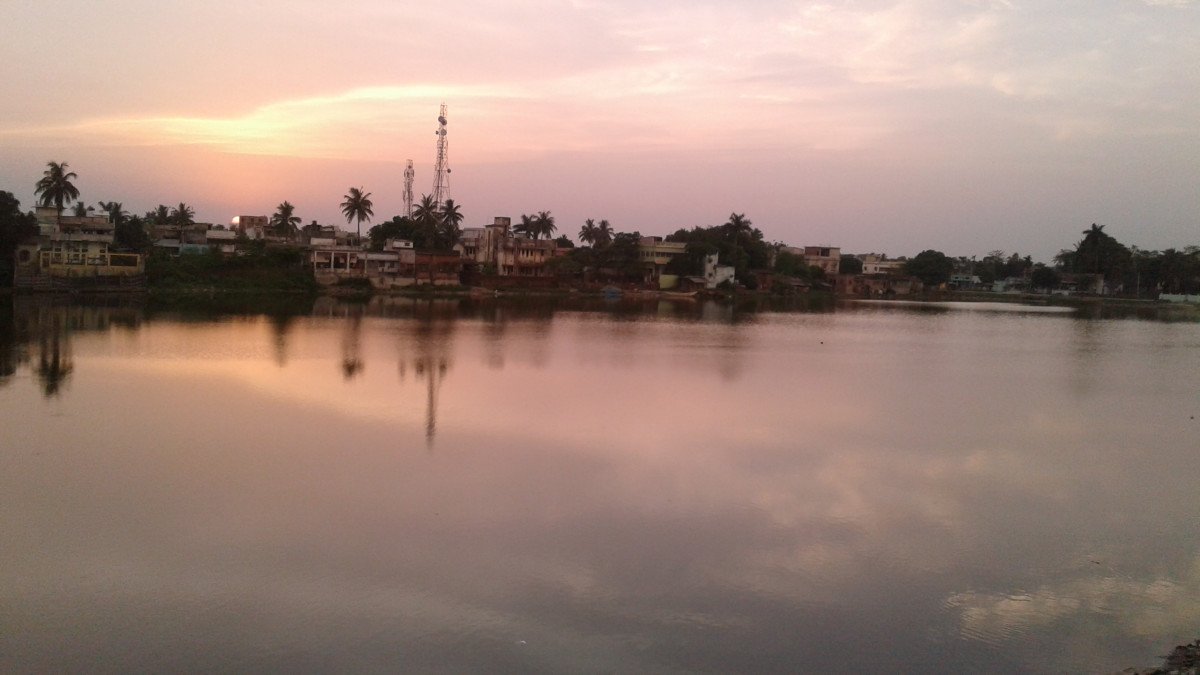
Kosi Riverfront: The vast expanse of the river with the setting sun provides a perfect backdrop for landscape photography.
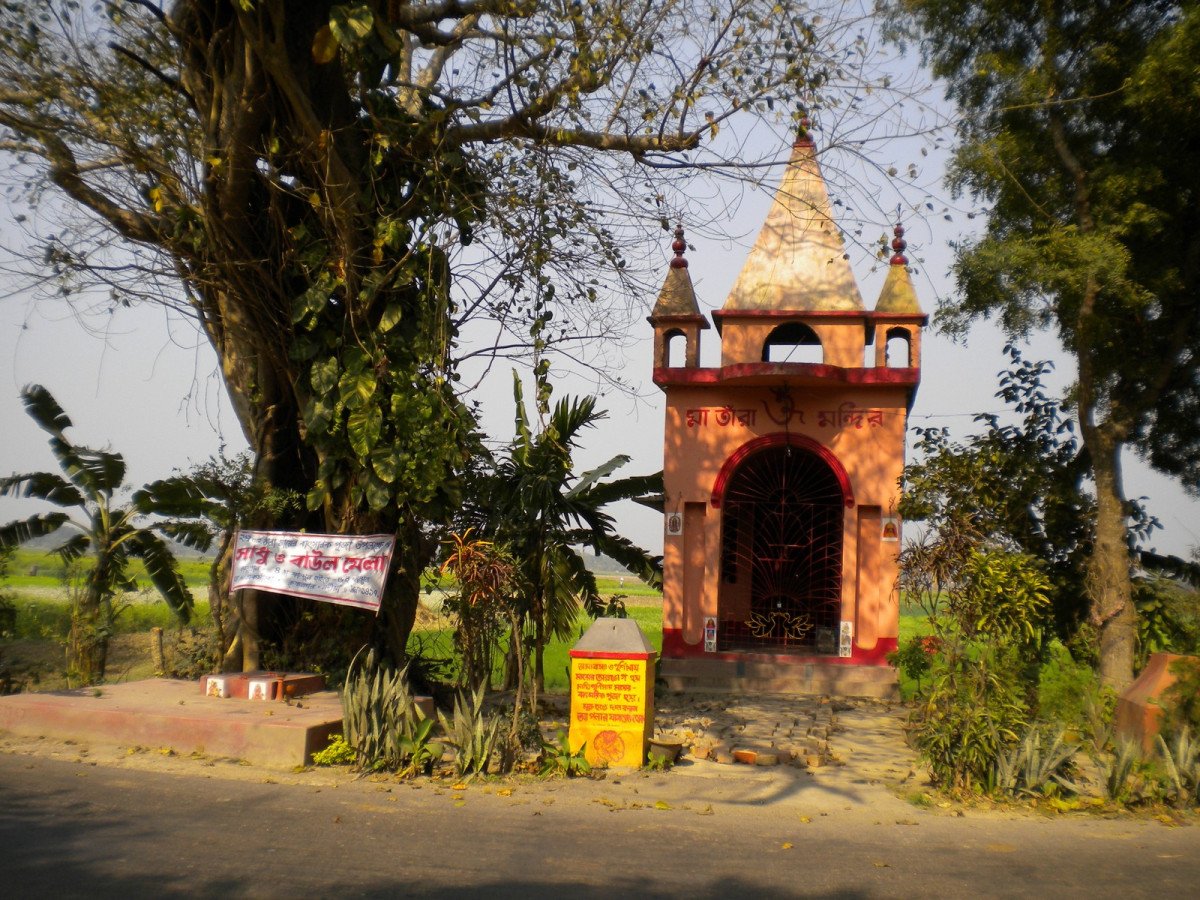
Kali Mandir: The intricate carvings and the vibrant colors of the temple make it a great spot for architectural shot...Kosi Riverfront: The vast expanse of the river with the setting sun provides a perfect backdrop for landscape photography.
Kali Mandir: The intricate carvings and the vibrant colors of the temple make it a great spot for architectural shots.
Vriksh Vatika: The dense canopy of trees offers excellent lighting for nature and portrait photography.
:Photo Gallery

Things To Do
 @@Center of Festivity: This massive open ground is the heart of all cultural and commercial events in Forbesganj. It has been the site of traditional fairs for decades, attracting people from nearby villages. During festivals, the ground transforms into a vibrant marketplace with stalls and rides. It plays a crucial role in the local economy by hosting seasonal markets. The ground is a witness to the historical growth of the town. People from across the Indo-Nepal border come here for shopping during fairs. It is a symbol of communal harmony as all festivals are celebrated here. The space is used for sports and public gatherings throughout the year. @@A Historical Venue: The ground is named after the British officer A.J. Forbes, who founded the town. It reflects the colonial history of the region. Many political rallies and social awareness programs are held here. The sheer size of the ground is impressive to first-time visitors. It is surrounded by old shops and traditional eateries. The atmosphere here is always energetic and full of life. It provides a platform for local artisans to showcase their crafts. For many locals, the Mela Ground is a nostalgic place filled with childhood memories.
 Araria Fort refers less to a traditional defensive military structure and more to the historical location of the administrative headquarters during the British Raj, which locals called "Residential Area" or "R. Area," giving the town its name, as per local lore. This site, believed to contain the remnants of a significant colonial bungalow belonging to a British official named Mr. Forbes, serves as a poignant reminder of Araria's transformation from a rural settlement to a key administrative center in the erstwhile Purnia district. The current structure is largely in ruins, often just a patch of land or foundation with some surviving old walls, now enveloped by modern development and the greenery of the region. This area is historically significant as a symbol of colonial authority and the point of origin for the modern town of Araria. The local history of Araria is intertwined with this location, representing a period of significant economic and administrative activity, particularly related to the region's rich agricultural produce like jute and paddy. The area around the 'fort' site now provides a quiet, reflective space to contemplate the deep, layered history of the district, which also saw the growth of anti-colonial movements and the birth of renowned literary figures like Phanishwar Nath Renu. The focus here is on historical imagination rather than a grand, intact fortification, making it a unique historical marker in Bihar.
 The Maata Aasawar Mandir is one of the most revered and ancient shrines located in the serene village of Gidwas. This temple is dedicated to Goddess Aasawar, a manifestation of the divine mother who is believed to fulfill the desires of her true devotees. The temple holds immense significance for the local Hindu community and serves as a major center for folk religious practices in the Araria district. Historically, the temple has been a silent witness to the changing cultural landscape of the region, yet it has maintained its spiritual aura through centuries. Legend has it that the idol was discovered in a miraculous manner, leading to the construction of a formal temple by local kings and devotees. The atmosphere inside the temple complex is deeply meditative, filled with the aroma of incense and the rhythmic sound of bells. Devotees from distant villages trek to this site to offer prayers for health and prosperity, making it a vibrant hub of local faith. The surrounding landscape of Gidwas adds a rustic charm to the spiritual experience, offering a glimpse into the traditional life of North Bihar. This temple is not just a building; it is the heartbeat of the local community and a symbol of unwavering faith in the divine.
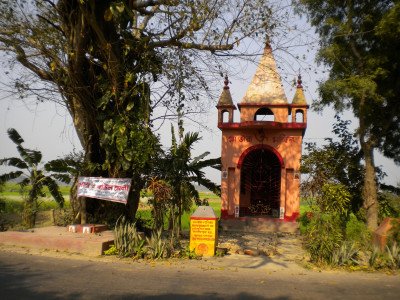 The Kali Mandir in Araria is a prominent and visually striking temple dedicated to Maa Khargeshwari Kali, a fierce form of Goddess Durga, and is widely known for its unusually towering height in a region of generally smaller temples. It is a six-story structure with domes reaching a height of 152 feet, making it a distinctive landmark in the skyline of Araria. Although local history suggests the temple was originally built in 1884, the current imposing structure is the result of significant renovation and reconstruction that began in 1987, financed and supported by the devout local community. The temple is not just a place of worship; it is the spiritual heart of the local Hindu populace, particularly during the festival of Durga Puja and Kali Puja, when devotees flock in large numbers. The temple is central to the cultural and religious identity of the town, symbolizing the unwavering faith of the people. Visitors are drawn by the spiritual energy, the unique architecture, and the chance to witness the elaborate rituals and prayers dedicated to the Goddess Kali. The temple complex is well-maintained and provides facilities for the hundreds of pilgrims who visit daily, reflecting the strong organizational structure of the temple trust. The sheer scale and modern construction of the temple make it stand out from the older, more rustic temples of the region.
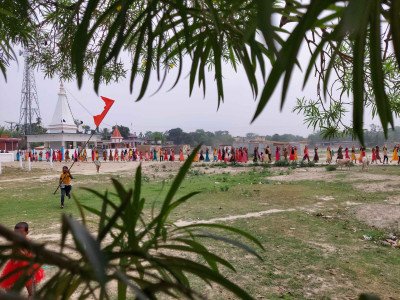 The Shiva Mandir, located in the historic Thakurbari area, is the most prominent religious site in the heart of Araria city. This temple is dedicated to Lord Shiva and is believed to be one of the oldest structures in the district. It serves as a central place of worship where people from all walks of life gather to seek blessings. The temple complex is not just a religious site but also a cultural hub where festivals are celebrated with great pomp and show. The history of this temple is intertwined with the growth of the city itself, and it has undergone several renovations to accommodate the increasing number of devotees. The sanctum sanctorum houses a beautiful Shiva Lingam that is worshipped with milk, water, and Bel leaves daily. The atmosphere here is electric during religious festivals, yet remarkably peaceful on regular afternoons. The temple also houses smaller shrines dedicated to other Hindu deities, making it a comprehensive spiritual destination. For many residents, a visit to this temple is a daily ritual that brings peace and focus to their lives. Its location in the center of the city makes it easily accessible for everyone, serving as a reminder of the region's deep-rooted spiritual heritage.
 @@Nature’s Paradise in Araria: This park is spread over 400 acres and serves as a major research and conservation hub. It was established to protect the local flora and fauna of the Seemanchal region. Visitors can enjoy the lush greenery and peaceful atmosphere. It is a perfect spot for students to learn about ecology. The park promotes environmental awareness among the local public. Researchers often visit here for botanical studies. It features a wide variety of trees and medicinal plants. Families find it an ideal location for weekend outings. The park is a significant step towards sustainable tourism. @@Green Lung of the District: The landscape is dotted with several water bodies and manicured gardens. It provides a natural habitat for various bird species. The air quality here is significantly better than the main city. It is a pride of the Araria district. Tourists from across Bihar visit this eco-park. The infrastructure is designed to be eco-friendly and minimal. It offers a refreshing break from the urban noise. The park is well-maintained by the forest department.
@@A Strategic Border Town: Jogbani is a bustling municipal town located right on the international border with Nepal. It serves as a major transit point for goods and passengers moving between the two countries. The town has a unique blend of Indian and Nepalese cultures. Markets here are famous for imported items and local agricultural produce. The railway station at Jogbani is one of the last points of the Indian rail network. People from both sides of the border interact daily, creating a vibrant social fabric. It is a commercial hub where trade never stops. The town offers a glimpse into the complexities of international border life. @@Economic Significance: Jogbani is vital for the economy of the Araria district and eastern Bihar. Many businesses depend on the cross-border trade of textiles and grains. The streets are always filled with trucks, rickshaws, and shoppers. It is a gateway to the Nepalese city of Biratnagar, a major industrial center. Travelers often stay here before heading deeper into the Himalayan foothills. The local cuisine reflects the influence of both Mithila and Nepal. Despite the crowd, the town has a certain charm of a frontier outpost. It is a place where two nations meet and coexist peacefully.Show All
@@Nature’s Paradise in Araria: This park is spread over 400 acres and serves as a major research and conservation hub. It was established to protect the local flora and fauna of the Seemanchal region. Visitors can enjoy the lush greenery and peaceful atmosphere. It is a perfect spot for students to learn about ecology. The park promotes environmental awareness among the local public. Researchers often visit here for botanical studies. It features a wide variety of trees and medicinal plants. Families find it an ideal location for weekend outings. The park is a significant step towards sustainable tourism. @@Green Lung of the District: The landscape is dotted with several water bodies and manicured gardens. It provides a natural habitat for various bird species. The air quality here is significantly better than the main city. It is a pride of the Araria district. Tourists from across Bihar visit this eco-park. The infrastructure is designed to be eco-friendly and minimal. It offers a refreshing break from the urban noise. The park is well-maintained by the forest department.
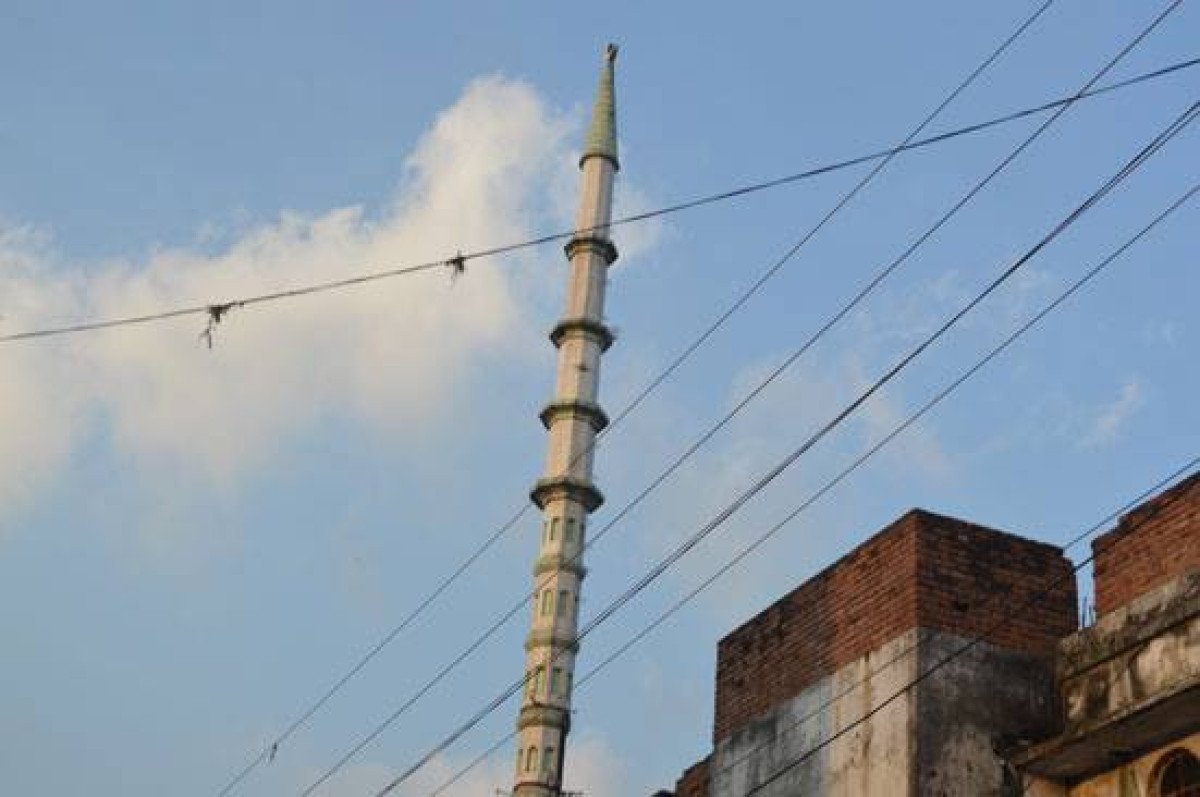
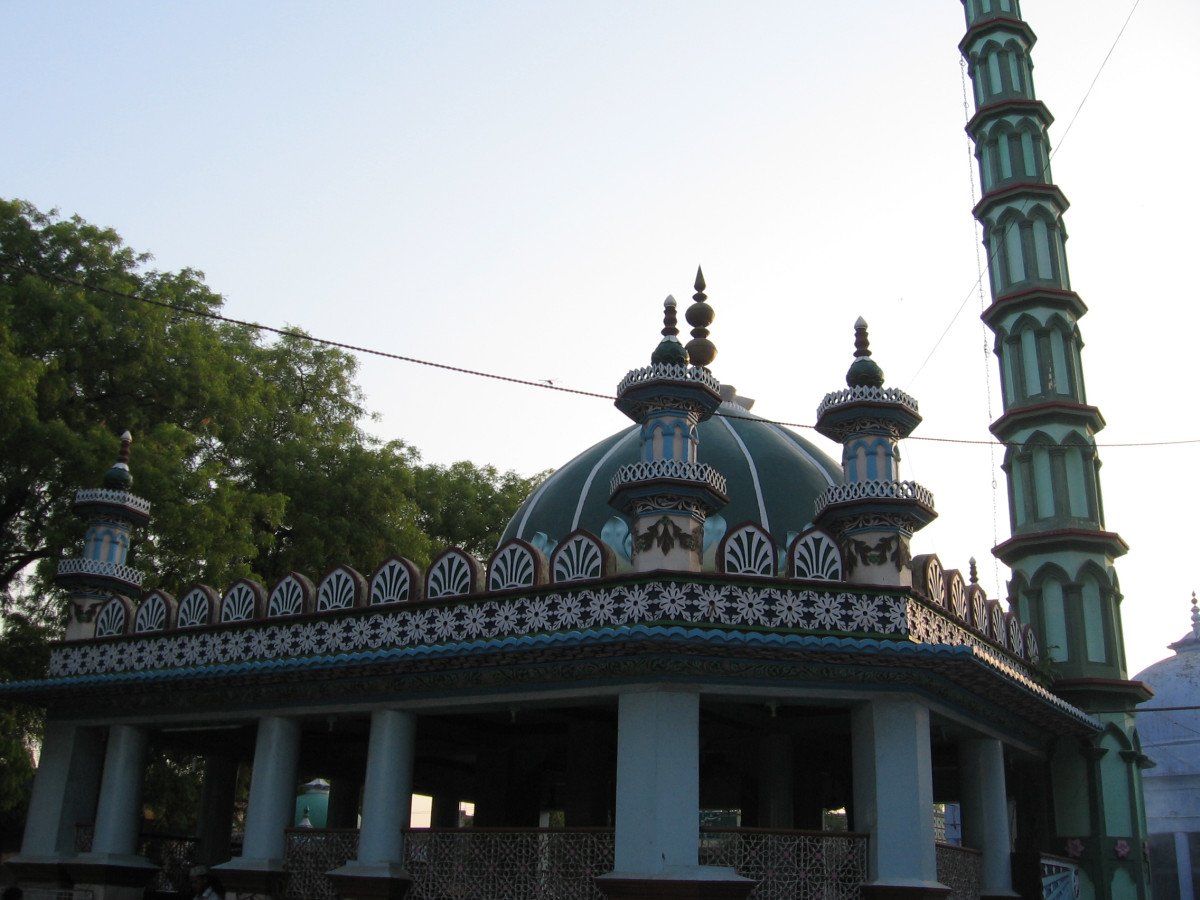
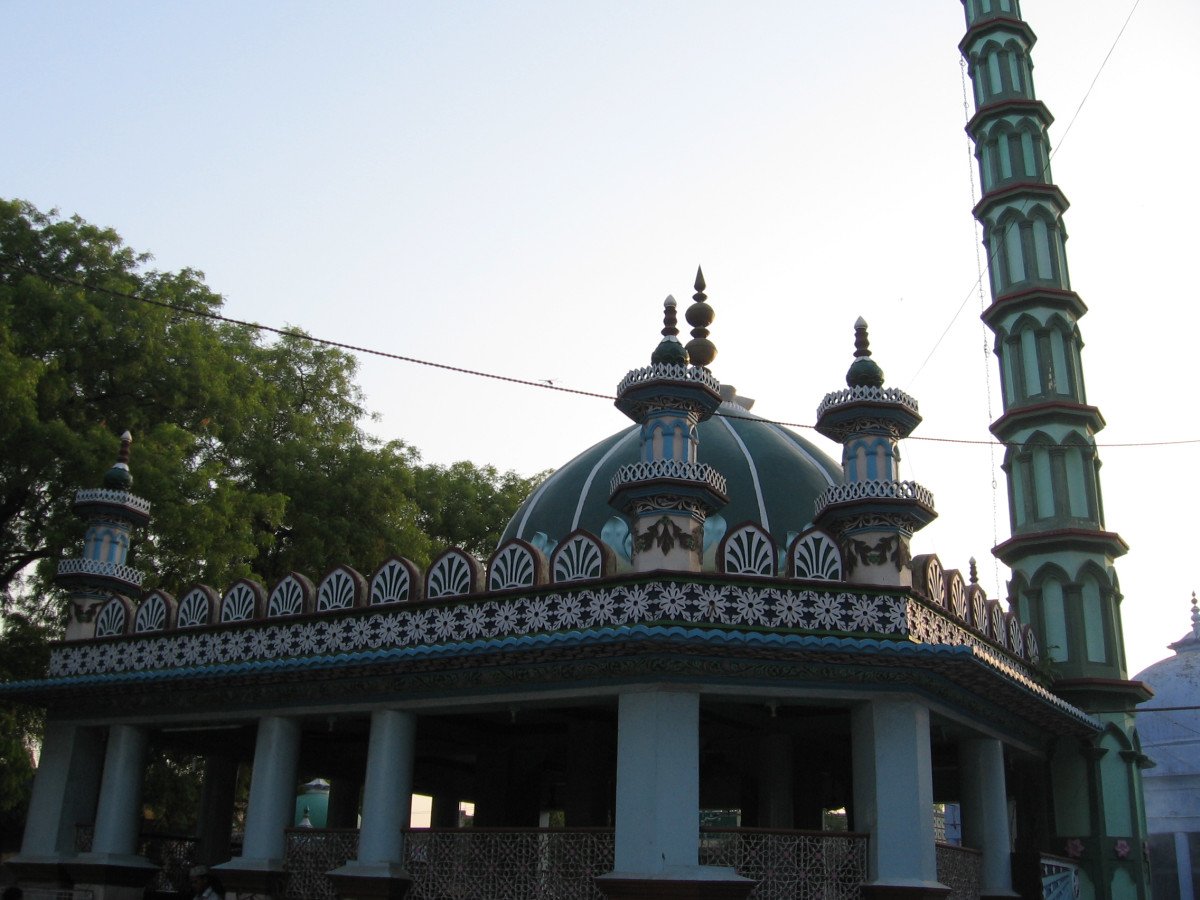
@@A Strategic Border Town: Jogbani is a bustling municipal town located right on the international border with Nepal. It serves as a major transit point for goods and passengers moving between the two countries. The town has a unique blend of Indian and Nepalese cultures. Markets here are famous for imported items and local agricultural produce. The railway station at Jogbani is one of the last points of the Indian rail network. People from both sides of the border interact daily, creating a vibrant social fabric. It is a commercial hub where trade never stops. The town offers a glimpse into the complexities of international border life. @@Economic Significance: Jogbani is vital for the economy of the Araria district and eastern Bihar. Many businesses depend on the cross-border trade of textiles and grains. The streets are always filled with trucks, rickshaws, and shoppers. It is a gateway to the Nepalese city of Biratnagar, a major industrial center. Travelers often stay here before heading deeper into the Himalayan foothills. The local cuisine reflects the influence of both Mithila and Nepal. Despite the crowd, the town has a certain charm of a frontier outpost. It is a place where two nations meet and coexist peacefully.Show All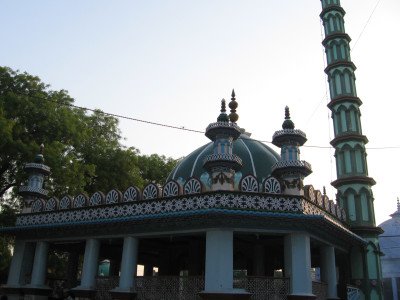 Badi Dargah in Araria is a highly revered Sufi shrine and a major center of spiritual importance for the local Muslim community, and also attracts devotees from other faiths, embodying the region's strong tradition of communal harmony. The Dargah houses the tomb of a respected local Sufi saint, though specific historical records of its founding are localized, the architecture and importance suggest a structure dating back to a significant period, potentially the Mughal or pre-colonial era, serving as a beacon of Sufi wisdom and peaceful worship. The complex functions as more than just a place of prayer; it is a community nucleus where social and religious gatherings take place, particularly during important Islamic festivals. Visitors are drawn to the peaceful and serene atmosphere, seeking blessings (Dua) and spiritual solace. The shrine's continuing popularity highlights the deep-rooted influence of Sufism in Bihar, a region historically known for its syncretic culture. The Dargah is a living monument where faith is actively practiced, and the simple, devout lifestyle of the Sufi tradition is preserved. It plays a crucial role in the cultural landscape of Araria, providing a historical and spiritual link to the past. The generous open spaces and community structures surrounding the main tomb area facilitate large gatherings, particularly during the annual celebrations, making it a focal point of cultural life.
Information
-
Why Famous:
Cultural Melting Pot: Araria is famous for its unique blend of languages like Maithili, Urdu, and Bengali. This cultural fusion is visible in the local festivals and folk music.
Natural Habitat: The district is known for the presence of t...Cultural Melting Pot: Araria is famous for its unique blend of languages like Maithili, Urdu, and Bengali. This cultural fusion is visible in the local festivals and folk music.
Natural Habitat: The district is known for the presence of the Gangetic Dolphin in its river systems, a rare sight in inland India.
: -
Architecture:
Araria features a mix of traditional and functional colonial-era designs. The Araria Court and administrative buildings reflect British structural influences with high ceilings and thick brick walls.
Dimension: The administrative complex covers approximately 5 acr...Araria features a mix of traditional and functional colonial-era designs. The Araria Court and administrative buildings reflect British structural influences with high ceilings and thick brick walls.
Dimension: The administrative complex covers approximately 5 acres.
Religious Structures: The Kali Mandir is a prominent example of modern Hindu temple architecture in the region, featuring a multi-storied shikhara.
Rural Dwellings: Traditional houses in the villages are often built using bamboo and mud, suited for the humid climate.
: -
How To Reach:
By Air: The nearest airport is in Bagdogra, about 160 km away.
By Train: Araria Court and Araria RS are well-connected to Katihar and Purnea.
By Road: NH-57 passes through the district, connecting it to P...By Air: The nearest airport is in Bagdogra, about 160 km away.
By Train: Araria Court and Araria RS are well-connected to Katihar and Purnea.
By Road: NH-57 passes through the district, connecting it to Patna and Siliguri.
Local Transport: E-rickshaws and cycle rickshaws are the most common modes of travel within the town.
: -
Weather and Best Time to Visit:
Winter: November to February is the best time with pleasant weather.
Monsoon: July to September makes the landscape lush green but can cause flooding.
Summer: April to June is quite hot.Winter: November to February is the best time with pleasant weather.
Monsoon: July to September makes the landscape lush green but can cause flooding.
Summer: April to June is quite hot.
: -
Near Tourist Places:
1. Purnea (42 km), 2. Kishanganj (70 km), 3. Katihar (90 km), 4. Forbesganj (30 km), 5. Jogbani (45 km), 6. Biratnagar (50 km), 7. Supaul (95 km), 8. Madhepura (110 km), 9. Saharsa (130 km), 10.
Siliguri (165 km) :
Tourism Tips
-
Health: Carry mosquito repellent and bottled water.
Packing: Light cotton clothes for summer and heavy woolens for winter.
Accommodation: Stay in Forbesganj for better hotel options.
Read MoreHealth: Carry mosquito repellent and bottled water.
Packing: Light cotton clothes for summer and heavy woolens for winter.
Accommodation: Stay in Forbesganj for better hotel options.
Safety: Avoid late-night travel in remote rural areas.
:Reviews
FAQs
Araria Itineray And Cost:-
Other Places In Bihar :-
Other States In India :-
Information about New and Updated Locations() of Bihar Has Been Added :-
Card subtitle
Note:-
Information provided here in good Faith and for reference only.
Near Places
Araria
Some quick example text to build on the card title and make up the bulk of the card's content.
Go somewhere
Arwal
Some quick example text to build on the card title and make up the bulk of the card's content.
Go somewhere
Banka
Some quick example text to build on the card title and make up the bulk of the card's content.
Go somewhere
Begusarai
Some quick example text to build on the card title and make up the bulk of the card's content.
Go somewhere
Bhagalpur
Some quick example text to build on the card title and make up the bulk of the card's content.
Go somewhere
Bhojpur
Some quick example text to build on the card title and make up the bulk of the card's content.
Go somewhere
Bihar Sharif
Some quick example text to build on the card title and make up the bulk of the card's content.
Go somewhere
Bodh Gaya
Some quick example text to build on the card title and make up the bulk of the card's content.
Go somewhere
Buxar
Some quick example text to build on the card title and make up the bulk of the card's content.
Go somewhere
Champaran
Some quick example text to build on the card title and make up the bulk of the card's content.
Go somewhere
Darbhanga
Some quick example text to build on the card title and make up the bulk of the card's content.
Go somewhere
Gaya
Some quick example text to build on the card title and make up the bulk of the card's content.
Go somewhere
Golghar
Some quick example text to build on the card title and make up the bulk of the card's content.
Go somewhere
Madhubani
Some quick example text to build on the card title and make up the bulk of the card's content.
Go somewhere
Mithila
Some quick example text to build on the card title and make up the bulk of the card's content.
Go somewhere
Munger
Some quick example text to build on the card title and make up the bulk of the card's content.
Go somewherein Other Cities