

Bodh Gaya
General information
-
Ideal Duration:
2 to 3 DaysPlace Type:
Religious, Spiritual & UNESCO World HeritageEntry Fees:
Mahabodhi Temple: Entry is Free, but there is a charge of Rs.100 for cameras and Rs.300 for video cameras.
Great Buddha Statue: Entry is Free for all visitors.
Museum: A nominal fee of Rs.5 for Indians and Rs.100 fo...Mahabodhi Temple: Entry is Free, but there is a charge of Rs.100 for cameras and Rs.300 for video cameras.
Great Buddha Statue: Entry is Free for all visitors.
Museum: A nominal fee of Rs.5 for Indians and Rs.100 for foreigners; children under 15 enter free.Timing:
Temple Timings: Open daily from 5:00 AM to 9:00 PM.
Museum Timings: 9:00 AM to 5:00 PM (Closed on Fridays).
Ideal Visit Time: Early mornings (5:30 AM) for peaceful meditation and late evenings (6:30 PM) for ...Temple Timings: Open daily from 5:00 AM to 9:00 PM.
Museum Timings: 9:00 AM to 5:00 PM (Closed on Fridays).
Ideal Visit Time: Early mornings (5:30 AM) for peaceful meditation and late evenings (6:30 PM) for the golden lighting display.Special Events:
Kalachakra Festival: A major event often led by the Dalai Lama, attracting lakhs of devotees for specialized teachings.
Buddha Jayanti: Celebrated in May, marking the birth, enlightenment, and passing of Buddha with grand processions and pra...Kalachakra Festival: A major event often led by the Dalai Lama, attracting lakhs of devotees for specialized teachings.
Buddha Jayanti: Celebrated in May, marking the birth, enlightenment, and passing of Buddha with grand processions and prayers.
Nyingma Monlam: A world peace prayer festival involving thousands of monks chanting for global harmony.Best Photo Spots:
Bodhi Tree at Night: The golden lighting of the temple against the dark green leaves of the sacred tree is a photographer's dream.
Monastic Architecture: Each international monastery provides a distinct colorful backdrop, especially the Thai...Bodhi Tree at Night: The golden lighting of the temple against the dark green leaves of the sacred tree is a photographer's dream.
Monastic Architecture: Each international monastery provides a distinct colorful backdrop, especially the Thai and Japanese temples.
The Great Buddha: Best photographed during the morning when the sun illuminates the face of the massive stone structure.Photo Gallery
Things To Do
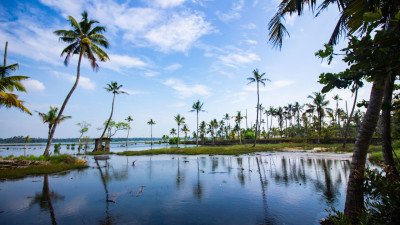 Muchalinda Lake, also known as the Lotus Pond, is one of the most spiritually significant spots within the Mahabodhi Temple complex. According to Buddhist tradition, this is where the Buddha spent his sixth week of meditation after attaining enlightenment. The lake is named after Muchalinda, the King of Serpents (Naga), who resided in the waters. Legend tells of a great storm that broke out while the Buddha was meditating; seeing this, Muchalinda emerged and wrapped his massive coils around the Buddha and spread his multi-headed hood like an umbrella to protect him from the wind and rain. Today, the lake is a peaceful body of water filled with thousands of fish and blooming lotuses. In the center of the lake stands a magnificent statue of the Buddha sheltered by the hood of the serpent king, commemorating this miraculous event. The atmosphere around the lake is incredibly calm, with devotees often seen feeding the fish as a gesture of 'Dana' (generosity). The surrounding area is beautifully landscaped with stone pathways and ancient trees, providing a perfect spot for pilgrims to sit and reflect on the Buddha's journey. The lake's connection to the main temple makes it a primary stop for anyone visiting the UNESCO World Heritage site, offering a visual representation of nature's protection of the enlightened one.
 @@Place Overview: The Daijokyo Buddhist Temple is a magnificent sanctuary of peace established by the Daijokyo sect of Japan in 1983. This temple serves as a bridge of spiritual friendship between India and Japan, offering a unique Japanese aesthetic amidst the sacred landscape of Bodh Gaya. Visitors are greeted by a large, ornate gateway that leads into a beautifully landscaped garden filled with seasonal flowers and meticulously pruned shrubs. The main temple building, known as the Shakado, is a two-story structure that houses exquisite Japanese Buddhist art and murals depicting the life of Lord Buddha. The second floor features a Pagoda-style reliquary hall where sacred relics are preserved in a dignified atmosphere. Throughout the premises, the scent of Japanese incense and the sound of soft chanting create a meditative environment that contrasts with the bustling streets outside. It is widely considered one of the cleanest and most well-maintained religious sites in the region. Monks residing here are often seen engaged in silent prayers or maintaining the temple's intricate decor. The temple also plays a vital role in local social welfare, often organizing community programs. For travelers seeking a moment of quiet introspection, the Daijokyo Buddhist Temple offers a perfect retreat where one can sit on the wooden floors and feel the cool breeze passing through the open windows. The spiritual energy of the place is palpable, reflecting the Japanese philosophy of mindfulness and simplicity. It is an essential stop for anyone wishing to experience the diverse international Buddhist cultures represented in this holy town.
 @@Historical Significance: This sacred shrine is one of the seven significant spots where Lord Buddha spent time after his enlightenment. Specifically, he spent his Second Week of enlightenment at this very spot. @@Spiritual Legend: It is believed that he stood here gazing at the Bodhi Tree without blinking his eyes for seven full days. This act was a gesture of gratitude and deep appreciation for the tree that provided him shelter during his spiritual breakthrough. @@Modern Importance: Today, it serves as a powerful reminder of focus, patience, and the Buddhist virtue of gratitude toward nature. Visitors often feel a profound sense of stillness while standing on this elevated platform. @@Pilgrimage Value: It is an integral part of the Mahabodhi Temple complex, a UNESCO World Heritage site, attracting millions of devotees annually.
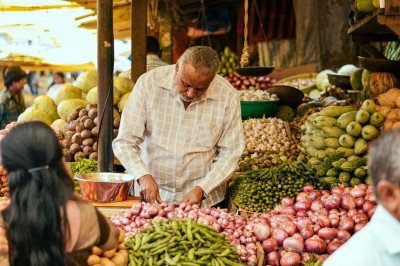 The Tibetan Refugee Market is a bustling seasonal bazaar located in the heart of Bodh Gaya, primarily active during the winter months from November to March. This market serves as a vital economic lifeline for the Tibetan community who migrate here to sell authentic hand-crafted goods to pilgrims and tourists. As you enter the market, you are greeted by a kaleidoscope of colors from hanging prayer flags, intricate thangkas, and rows of woolen garments. It is not just a commercial space but a cultural enclave where the scent of incense and the sound of Tibetan chants create a unique atmosphere. Visitors can find an array of items ranging from warm jackets, sweaters, and shawls to traditional Tibetan artifacts like singing bowls and prayer wheels. The market is also a fantastic place to observe the daily lives of the Tibetan diaspora, many of whom have been coming to Bodh Gaya for generations. It offers a rare opportunity to purchase high-quality winter wear at reasonable prices, provided you are willing to engage in a bit of friendly bargaining. The food stalls within the market are equally famous, serving steaming hot momos and thukpa that provide comfort against the chilly winter air. Whether you are looking for a souvenir of your spiritual journey or simply want to experience the local vibe, this market is an indispensable part of the Bodh Gaya experience. It reflects the resilience and artistic heritage of the Tibetan people, making it a must-visit destination for every traveler.
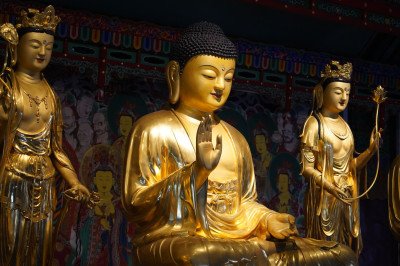 The Royal Bhutan Monastery is widely regarded as one of the most aesthetically beautiful international monasteries in Bodh Gaya. Built as a tribute to the Buddha by the King of Bhutan, it serves as a stunning example of the traditional Bhutanese architectural and artistic heritage. The monastery is not just a place of worship but a cultural center that showcases the unique Vajrayana Buddhist traditions of the Himalayan kingdom. Upon entering the gates, visitors are greeted by a sense of immense calm and colorful grandeur. The walls of the main temple are adorned with high-quality clay carvings and murals that depict significant events from the life of the Buddha in incredible detail. These artworks are considered some of the best in the region, attracting art historians and pilgrims alike. The monastery also provides a residence for Bhutanese monks who perform daily rituals and prayers. Inside the main sanctum, a seven-foot-tall golden statue of the Buddha sits on an ornately carved throne, surrounded by traditional Buddhist symbols. The monastery also features a guesthouse for pilgrims, reflecting the Bhutanese tradition of hospitality. It is a place where one can experience the "Vibe of Bhutan"—its colors, its sounds, and its deep spiritual commitment—without leaving the plains of India. The peaceful gardens and the rhythmic sound of chanting make it a favorite stop for everyone visiting the holy city.
The Indosan Nippon Japanese Temple stands as a beacon of tranquility and cultural fusion in the heart of Bodh Gaya. Established in 1972 by the Japanese Buddhist community, it was built to promote world peace and commemorate the teachings of Lord Buddha. The temple is a stunning representation of Japanese aesthetics, featuring a minimalist yet profound design that contrasts beautifully with the local Indian landscape. As you enter the gates, the meticulously maintained Zen gardens immediately transport you to a state of calm. The temple serves not only as a place of worship but also as a bridge between the cultures of India and Japan. Inside the main sanctum, a serene statue of Lord Buddha is enshrined, surrounded by intricate Japanese paintings that narrate significant episodes from his life. These artworks are celebrated for their detail and spiritual depth, reflecting the Pure Land and Zen traditions of Japan. The temple complex also includes a library and a school for local underprivileged children, embodying the Buddhist principle of compassion in action. Visitors often spend hours sitting in the meditation hall, where the scent of incense and the sound of distant bells create a perfect environment for introspection. The wooden interiors and the rhythmic chanting of monks provide a unique sensory experience that is rare to find elsewhere. Over the decades, it has become a must-visit destination for those seeking a quieter, more meditative alternative to the busier shrine areas of the town. Its role in the global Buddhist circuit is significant, attracting pilgrims from Japan and across the globe who come to pay homage to the roots of their faith.
The Royal Bhutan Monastery is widely regarded as one of the most aesthetically beautiful international monasteries in Bodh Gaya. Built as a tribute to the Buddha by the King of Bhutan, it serves as a stunning example of the traditional Bhutanese architectural and artistic heritage. The monastery is not just a place of worship but a cultural center that showcases the unique Vajrayana Buddhist traditions of the Himalayan kingdom. Upon entering the gates, visitors are greeted by a sense of immense calm and colorful grandeur. The walls of the main temple are adorned with high-quality clay carvings and murals that depict significant events from the life of the Buddha in incredible detail. These artworks are considered some of the best in the region, attracting art historians and pilgrims alike. The monastery also provides a residence for Bhutanese monks who perform daily rituals and prayers. Inside the main sanctum, a seven-foot-tall golden statue of the Buddha sits on an ornately carved throne, surrounded by traditional Buddhist symbols. The monastery also features a guesthouse for pilgrims, reflecting the Bhutanese tradition of hospitality. It is a place where one can experience the "Vibe of Bhutan"—its colors, its sounds, and its deep spiritual commitment—without leaving the plains of India. The peaceful gardens and the rhythmic sound of chanting make it a favorite stop for everyone visiting the holy city.
The Indosan Nippon Japanese Temple stands as a beacon of tranquility and cultural fusion in the heart of Bodh Gaya. Established in 1972 by the Japanese Buddhist community, it was built to promote world peace and commemorate the teachings of Lord Buddha. The temple is a stunning representation of Japanese aesthetics, featuring a minimalist yet profound design that contrasts beautifully with the local Indian landscape. As you enter the gates, the meticulously maintained Zen gardens immediately transport you to a state of calm. The temple serves not only as a place of worship but also as a bridge between the cultures of India and Japan. Inside the main sanctum, a serene statue of Lord Buddha is enshrined, surrounded by intricate Japanese paintings that narrate significant episodes from his life. These artworks are celebrated for their detail and spiritual depth, reflecting the Pure Land and Zen traditions of Japan. The temple complex also includes a library and a school for local underprivileged children, embodying the Buddhist principle of compassion in action. Visitors often spend hours sitting in the meditation hall, where the scent of incense and the sound of distant bells create a perfect environment for introspection. The wooden interiors and the rhythmic chanting of monks provide a unique sensory experience that is rare to find elsewhere. Over the decades, it has become a must-visit destination for those seeking a quieter, more meditative alternative to the busier shrine areas of the town. Its role in the global Buddhist circuit is significant, attracting pilgrims from Japan and across the globe who come to pay homage to the roots of their faith.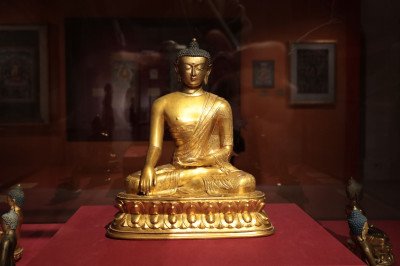 @@Archaeological Heritage: This museum is often confused with the main site museum but holds specific collections of excavated materials from the Magadha university area. @@Ancient Inscriptions: It features a wide array of stone inscriptions that date back to the Gupta and Kushana periods, detailing the royal grants to the monasteries. @@Monastic Remains: The displays include several everyday items used by the monks who lived in the ancient "Viharas" of Bodh Gaya thousands of years ago. @@Cultural Synthesis: The artifacts here show a unique blend of Buddhist and local folk art, reflecting how the religion integrated with regional cultures.Show All
@@Historical Background: The Thai Monastery, popularly known as Wat Thai Buddhagaya, was established in 1956 by the Royal Thai Government at the request of the then Indian Prime Minister Jawaharlal Nehru. This was part of a broader initiative to strengthen cultural and diplomatic ties between India and Thailand, two nations shared by a deep Buddhist heritage. The monastery serves as a home for Thai monks and a sanctuary for pilgrims from Thailand and across the globe. It is one of the oldest and most beautiful foreign monasteries in Bodh Gaya. The complex is a vibrant center for the Theravada tradition of Buddhism. Inside, the atmosphere is one of profound tranquility, far removed from the bustling streets of the town. The monastery not only provides a place for worship but also organizes various social welfare programs, including health camps and educational support for the local community. The presence of the Thai flag alongside the Indian flag symbolizes the "Friendship Bridge" between the two cultures. Over the years, it has hosted numerous royal guests from the Thai Royal Family. The monastery's contribution to the propagation of the Dharma is immense, as it offers regular meditation retreats and lectures on Buddhist philosophy. The lush gardens and the pristine upkeep of the premises make it a favorite among tourists who seek peace and aesthetic beauty. @@Cultural Essence: The monastery is a "Little Thailand" in the heart of Bihar. Everything from the style of the monks' robes to the incense used in the prayer hall reflects authentic Thai traditions. It serves as a living museum of Thai culture, where visitors can witness the unique "Wai" greeting and the meticulous rituals of the Sangha.
@@Archaeological Heritage: This museum is often confused with the main site museum but holds specific collections of excavated materials from the Magadha university area. @@Ancient Inscriptions: It features a wide array of stone inscriptions that date back to the Gupta and Kushana periods, detailing the royal grants to the monasteries. @@Monastic Remains: The displays include several everyday items used by the monks who lived in the ancient "Viharas" of Bodh Gaya thousands of years ago. @@Cultural Synthesis: The artifacts here show a unique blend of Buddhist and local folk art, reflecting how the religion integrated with regional cultures.Show All
@@Historical Background: The Thai Monastery, popularly known as Wat Thai Buddhagaya, was established in 1956 by the Royal Thai Government at the request of the then Indian Prime Minister Jawaharlal Nehru. This was part of a broader initiative to strengthen cultural and diplomatic ties between India and Thailand, two nations shared by a deep Buddhist heritage. The monastery serves as a home for Thai monks and a sanctuary for pilgrims from Thailand and across the globe. It is one of the oldest and most beautiful foreign monasteries in Bodh Gaya. The complex is a vibrant center for the Theravada tradition of Buddhism. Inside, the atmosphere is one of profound tranquility, far removed from the bustling streets of the town. The monastery not only provides a place for worship but also organizes various social welfare programs, including health camps and educational support for the local community. The presence of the Thai flag alongside the Indian flag symbolizes the "Friendship Bridge" between the two cultures. Over the years, it has hosted numerous royal guests from the Thai Royal Family. The monastery's contribution to the propagation of the Dharma is immense, as it offers regular meditation retreats and lectures on Buddhist philosophy. The lush gardens and the pristine upkeep of the premises make it a favorite among tourists who seek peace and aesthetic beauty. @@Cultural Essence: The monastery is a "Little Thailand" in the heart of Bihar. Everything from the style of the monks' robes to the incense used in the prayer hall reflects authentic Thai traditions. It serves as a living museum of Thai culture, where visitors can witness the unique "Wai" greeting and the meticulous rituals of the Sangha.Information
-
Why Famous:
Site of Enlightenment: It is the birthplace of Buddhism as a religion, where the four noble truths were realized.
UNESCO Heritage: The Mahabodhi Temple is one of the oldest brick structures in India, surviving from the late Gupta period.Site of Enlightenment: It is the birthplace of Buddhism as a religion, where the four noble truths were realized.
UNESCO Heritage: The Mahabodhi Temple is one of the oldest brick structures in India, surviving from the late Gupta period.
Global Monasteries: It is the only place in the world where you can see a dozen different national Buddhist architectures in one square mile. -
Architecture:
Mahabodhi Temple Architecture: The main temple is built in the Classical Indian style with a pyramid-shaped 'Shikhara'.
Dimensions: The temple rises to a height of 170 feet (52 meters) from a base of about 48 square feet.
Read MoreMahabodhi Temple Architecture: The main temple is built in the Classical Indian style with a pyramid-shaped 'Shikhara'.
Dimensions: The temple rises to a height of 170 feet (52 meters) from a base of about 48 square feet.
Unique Features: The structure is made entirely of brick and coated with lime, featuring four smaller towers at the corners. The Vajrasana is a polished sandstone slab, and the surrounding stone railings date back to the Sunga period (150 BCE), standing about 2 meters high.How To Reach:
By Air: Gaya International Airport (GAY) is just 7 KM away, with seasonal international flights from Thailand, Myanmar, and Japan.
By Train: Gaya Junction is a major railhead connected to Delhi, Mumbai, and Kolkata via the Grand Chord line. ...By Air: Gaya International Airport (GAY) is just 7 KM away, with seasonal international flights from Thailand, Myanmar, and Japan.
By Train: Gaya Junction is a major railhead connected to Delhi, Mumbai, and Kolkata via the Grand Chord line.
By Road: Well-connected to Patna (110 KM) and Varanasi (250 KM) via GT Road (NH-19) and state highways.
By Local Transport: Auto-rickshaws are the lifeline of the town; electric rickshaws are also widely available for short hops.Weather and Best Time to Visit:
Winter Season: November to February is peak season with cool weather and many international festivals.
Summer Season: March to June is very hot (45°C), though it is the time for Buddha Jayanti.
Monsoon Season:<...Winter Season: November to February is peak season with cool weather and many international festivals.
Summer Season: March to June is very hot (45°C), though it is the time for Buddha Jayanti.
Monsoon Season: July to September is peaceful with fewer crowds, ideal for long-term meditation retreats.Near Tourist Places:
1. Vishnupad Temple (15 KM), 2. Barabar Caves (45 KM), 3. Dungeshwari Caves (12 KM), 4. Sujata Garh (2 KM), 5. Rajgir (75 KM), 6. Nalanda (90 KM), 7. Pawapuri (85 KM), 8. Kakolat Falls (110 KM), 9. Pretshila Hill (20 KM), 10. Gaya Pind Daan Ghats (14 KM).Tourism Tips
-
Health and Safety: Keep your belongings secure as the town gets crowded; always use registered guides from the tourist office.
Packing: Wear loose cotton clothes; carry socks as you must walk barefoot inside many temple complexes.
...Health and Safety: Keep your belongings secure as the town gets crowded; always use registered guides from the tourist office.
Packing: Wear loose cotton clothes; carry socks as you must walk barefoot inside many temple complexes.
Accommodation: Options range from luxury hotels like Hyatt Place to budget-friendly pilgrim guest houses and monasteries.
Other Tips: Mobile phones are not allowed inside the Mahabodhi Temple; lockers are provided at the entrance for a small fee.
Reviews
FAQs
Bodh Gaya Itineray And Cost:-
Information about New and Updated Locations() of Bihar Has Been Added :-
Card subtitle
Note:-
Information provided here in good Faith and for reference only.
All information and pictures will be updated soon, please keep visiting.
Near Places

Araria
Some quick example text to build on the card title and make up the bulk of the card's content.
Go somewhere
Arwal
Some quick example text to build on the card title and make up the bulk of the card's content.
Go somewhere
Banka
Some quick example text to build on the card title and make up the bulk of the card's content.
Go somewhere
Begusarai
Some quick example text to build on the card title and make up the bulk of the card's content.
Go somewhere
Bhagalpur
Some quick example text to build on the card title and make up the bulk of the card's content.
Go somewhere
Bhojpur
Some quick example text to build on the card title and make up the bulk of the card's content.
Go somewhere
Bihar Sharif
Some quick example text to build on the card title and make up the bulk of the card's content.
Go somewhere
Bodh Gaya
Some quick example text to build on the card title and make up the bulk of the card's content.
Go somewhere
Buxar
Some quick example text to build on the card title and make up the bulk of the card's content.
Go somewhere
Champaran
Some quick example text to build on the card title and make up the bulk of the card's content.
Go somewherein Other Cities