Bihar Sharif
General information
-
Ideal Duration:
1 to 2 DaysPlace Type:
Religious, Historical & HeritageEntry Fees:
General Entry: Access to the town and most Sufi shrines is Free for all visitors.
Museum Fees: A nominal fee of Rs.10 for Indians and Rs.100 for foreigners is applicable at the state museum.
Photography Charges:...General Entry: Access to the town and most Sufi shrines is Free for all visitors.
Museum Fees: A nominal fee of Rs.10 for Indians and Rs.100 for foreigners is applicable at the state museum.
Photography Charges: Generally free, though professional video equipment may require special permission from the Waqf Board or local authorities.Timing:
Regular Timings: Shrines are open from 6:00 AM to 9:00 PM.
Ideal Visit Time: Early morning for peaceful prayers or late evening to experience the evening 'Aarti' or 'Dua' at the shrines.
Seasonal Timings: Du...Regular Timings: Shrines are open from 6:00 AM to 9:00 PM.
Ideal Visit Time: Early morning for peaceful prayers or late evening to experience the evening 'Aarti' or 'Dua' at the shrines.
Seasonal Timings: During winter, visiting between 10:00 AM and 4:00 PM is most comfortable for outdoor hill treks.Special Events:
Annual Urs: The biggest event is the Urs of Makhdoom Shah, where the city transforms into a vibrant fairground with qawwalis and spiritual gatherings.
Langot Fair: Held at the Baba Mani Ram Akhara, this unique festival attracts wrestlers and...Annual Urs: The biggest event is the Urs of Makhdoom Shah, where the city transforms into a vibrant fairground with qawwalis and spiritual gatherings.
Langot Fair: Held at the Baba Mani Ram Akhara, this unique festival attracts wrestlers and devotees from across the state.
Durga Puja: Celebrated with grand 'pandals' and lighting, especially around the Bangpur area.Best Photo Spots:
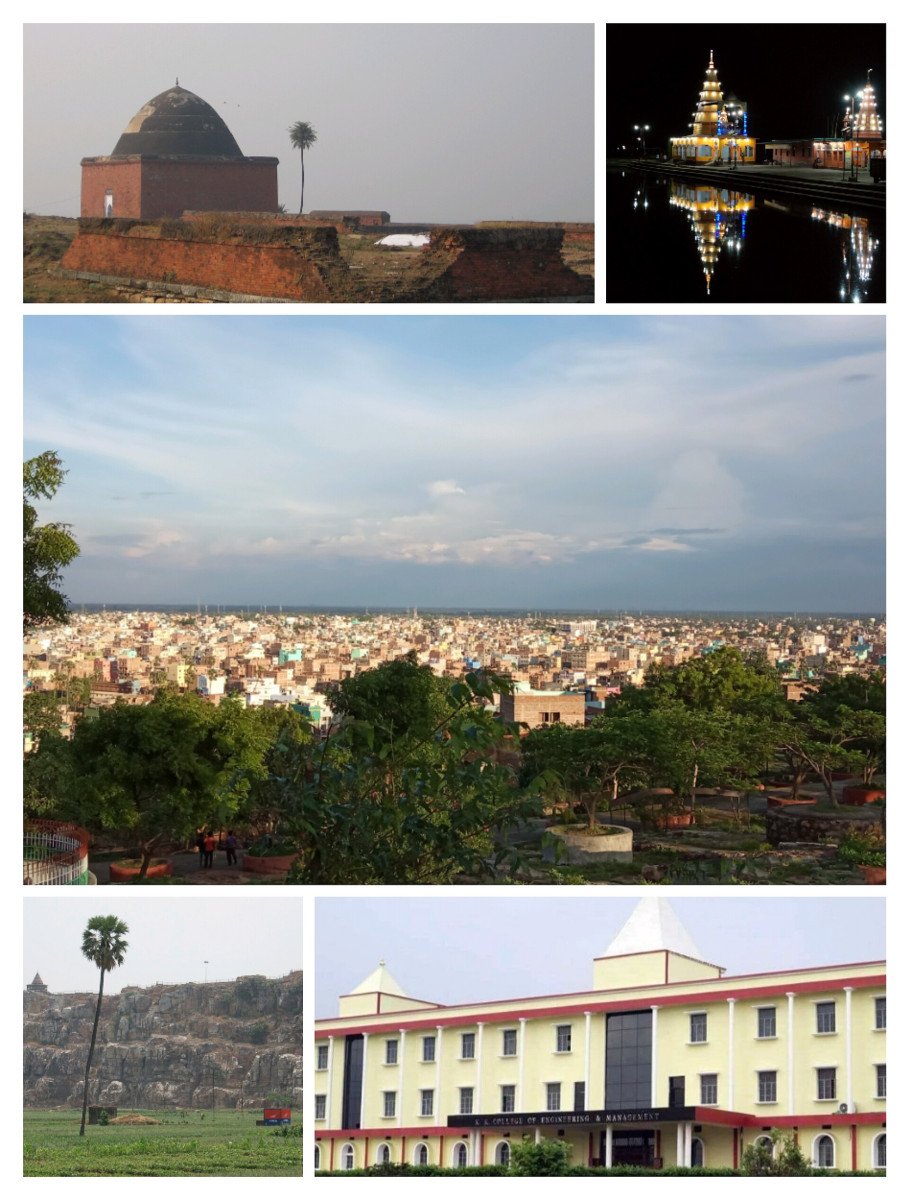
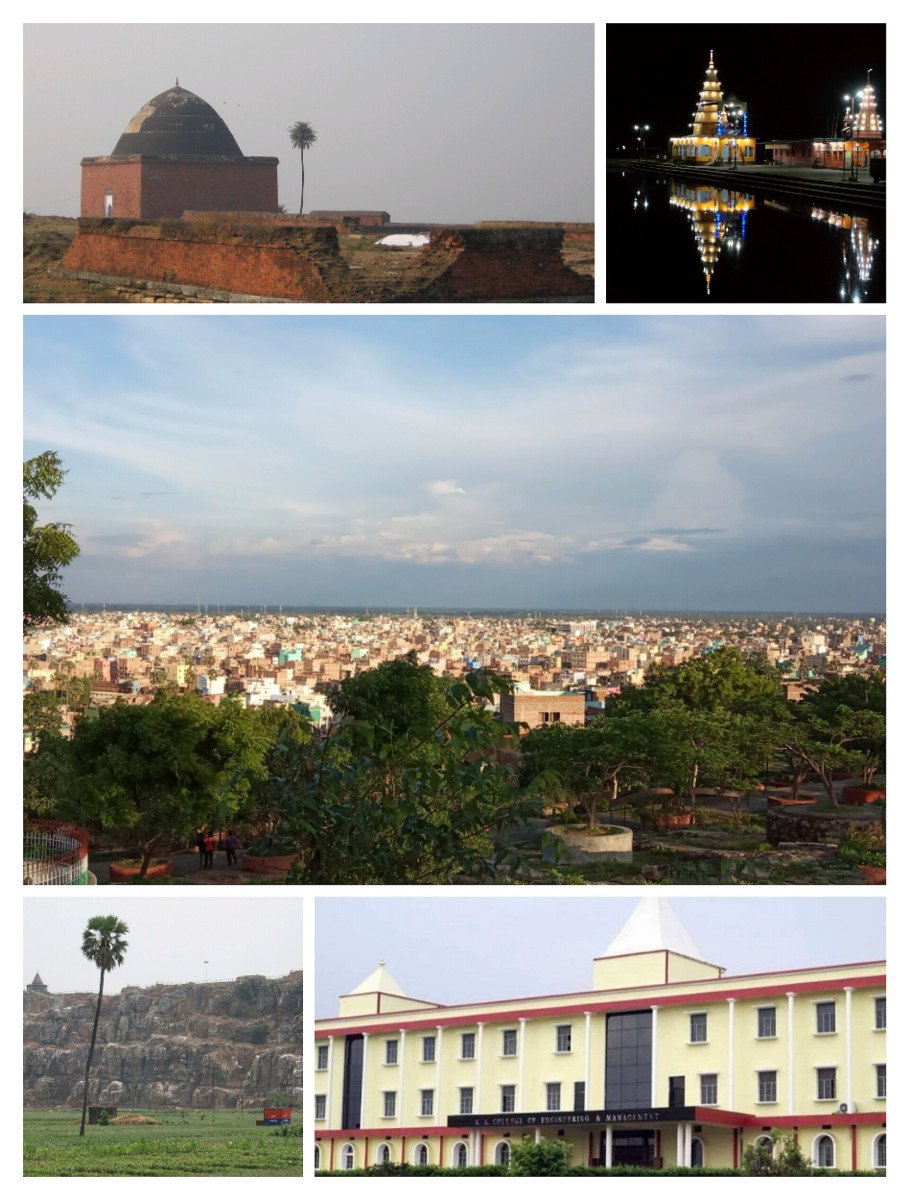
Bari Pahari Summit: The hilltop offers a 360-degree view of the city, making it perfect for wide-angle landscape photography during the golden hour.
Dargah Intricacies: The detailed carvings and the peaceful courtyard of the Chhoti Dargah pr...Bari Pahari Summit: The hilltop offers a 360-degree view of the city, making it perfect for wide-angle landscape photography during the golden hour.
Dargah Intricacies: The detailed carvings and the peaceful courtyard of the Chhoti Dargah provide excellent subjects for architectural photography.
Local Life: The bustling lanes of the old town offer candid opportunities to capture the traditional lifestyle of Bihar.Photo Gallery
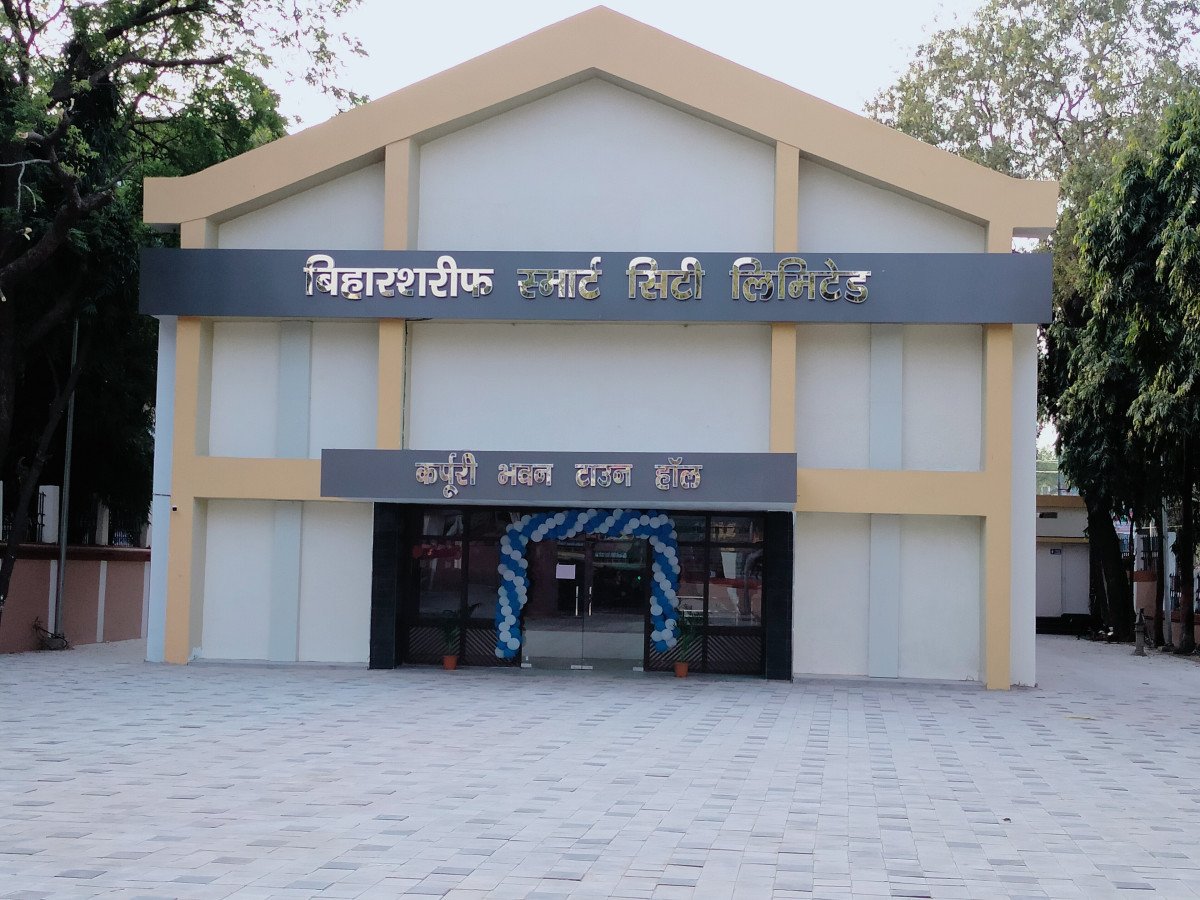
Things To Do
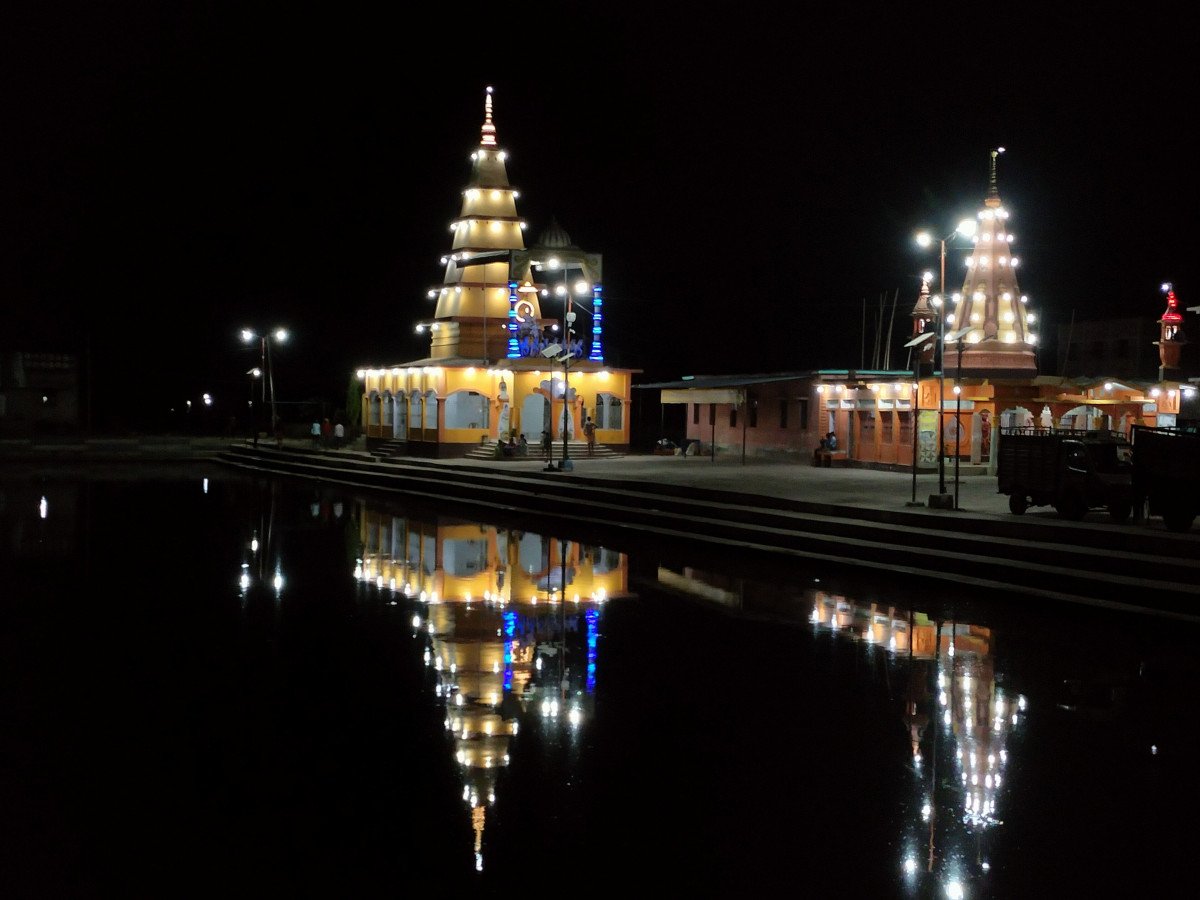
 Baba Maniram Akhada is a unique spiritual site located on the banks of the Panchane River. It is dedicated to Baba Maniram, a 13th-century saint and legendary wrestler who hailed from Ayodhya. He chose this spot for his penance and used wrestling as a medium to promote physical and spiritual purity. The shrine is world-famous for its tradition where devotees offer a Langot (loincloth) instead of sweets or flowers to seek blessings. This practice symbolizes the shedding of ego and the pursuit of a disciplined life. The site is a living testimony to the Ganga-Jamuni culture of the region, where people of all faiths participate in the annual fair. It serves as the spiritual heart of the city, attracting thousands who believe that Baba fulfills every sincere wish. The atmosphere here is a blend of intense physical energy from the wrestling pits and deep spiritual calm from the samadhi. It remains a pivotal cultural landmark that defines the identity of Bihar Sharif for centuries.
Kundalpur is a deeply revered pilgrimage site located near the ancient ruins of Nalanda. It is widely believed by the Digambar sect of Jains to be the actual birthplace of Lord Mahavira, the 24th and last Tirthankara. The site is surrounded by lush green fields and offers a serene atmosphere that contrasts with the bustling city life nearby. Historically, it has been a center of spiritual energy for centuries, attracting devotees from all over the world who come to pay their respects. The area is dotted with numerous ancient and modern temples, each telling a story of Jain heritage and philosophy. Visitors often feel a sense of profound peace while walking through the temple complexes and meditating in the quiet halls. The site is not just a religious destination but also a historical landmark that highlights the rich cultural tapestry of ancient Magadha. Its proximity to the Nalanda University ruins makes it an essential stop for any traveler exploring the heritage circuit of Bihar.
Baba Maniram Akhada is a unique spiritual site located on the banks of the Panchane River. It is dedicated to Baba Maniram, a 13th-century saint and legendary wrestler who hailed from Ayodhya. He chose this spot for his penance and used wrestling as a medium to promote physical and spiritual purity. The shrine is world-famous for its tradition where devotees offer a Langot (loincloth) instead of sweets or flowers to seek blessings. This practice symbolizes the shedding of ego and the pursuit of a disciplined life. The site is a living testimony to the Ganga-Jamuni culture of the region, where people of all faiths participate in the annual fair. It serves as the spiritual heart of the city, attracting thousands who believe that Baba fulfills every sincere wish. The atmosphere here is a blend of intense physical energy from the wrestling pits and deep spiritual calm from the samadhi. It remains a pivotal cultural landmark that defines the identity of Bihar Sharif for centuries.
Kundalpur is a deeply revered pilgrimage site located near the ancient ruins of Nalanda. It is widely believed by the Digambar sect of Jains to be the actual birthplace of Lord Mahavira, the 24th and last Tirthankara. The site is surrounded by lush green fields and offers a serene atmosphere that contrasts with the bustling city life nearby. Historically, it has been a center of spiritual energy for centuries, attracting devotees from all over the world who come to pay their respects. The area is dotted with numerous ancient and modern temples, each telling a story of Jain heritage and philosophy. Visitors often feel a sense of profound peace while walking through the temple complexes and meditating in the quiet halls. The site is not just a religious destination but also a historical landmark that highlights the rich cultural tapestry of ancient Magadha. Its proximity to the Nalanda University ruins makes it an essential stop for any traveler exploring the heritage circuit of Bihar. Balwapar Dam is a scenic water reservoir located in the Perhuka area on the outskirts of Bihar Sharif. It was primarily built for irrigation purposes, but over the years, it has transformed into a popular picnic spot for locals and tourists. The dam is surrounded by small hillocks and lush greenery, providing a sharp contrast to the bustling urban environment of the city. During the monsoon and winter seasons, the water level rises, creating a beautiful lake-like appearance that attracts various migratory birds. It is an ideal spot for those looking for a quiet retreat in nature. Families often visit during weekends for day outings, while youngsters find it a great place for photography. The sunset at Balwapar Dam is particularly famous, as the sky turns into shades of orange and pink, reflecting over the vast expanse of water. While it lacks heavy commercialization, its raw and natural beauty makes it a "must-visit" for nature lovers in the Nalanda district.
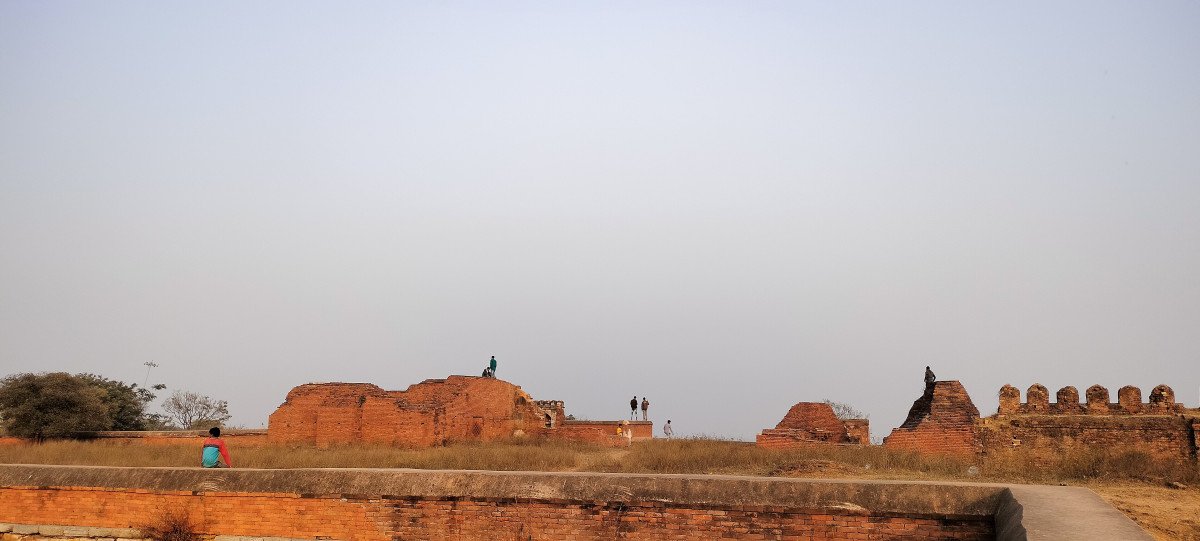
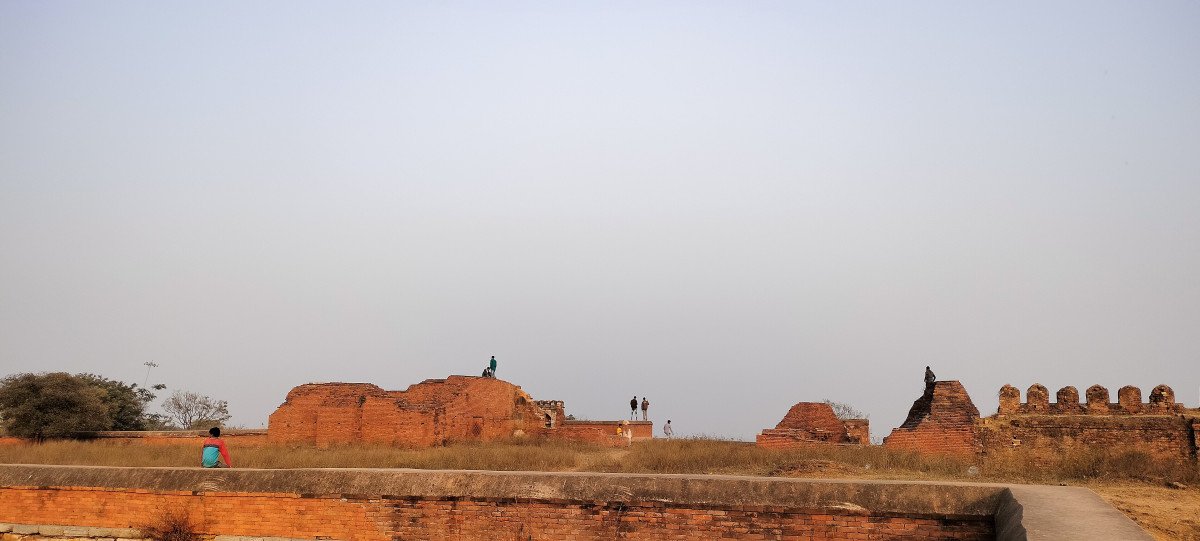
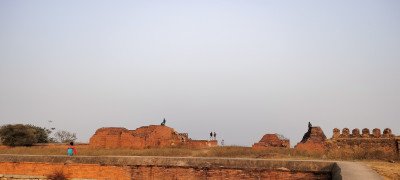 @@Odantapuri Historical Overview: Odantapuri, also known as Odantapura, was a prominent Buddhist Mahavihara established by the Pala King Gopala I in the 8th Century. It was considered the second oldest university in India after Nalanda and served as a model for the Samye Monastery in Tibet. Historians believe that at its peak, it housed over 12,000 monks and students from across Asia. The site was tragically destroyed during the invasions of Bakhtiyar Khilji in the 12th Century, who mistook the fortified university for a military fortress. Today, the exact site is debated, but many believe the ruins lie beneath the modern town and the Bari Pahari hill. @@Significance of the Site: It played a crucial role in spreading Vajrayana Buddhism to the Himalayan regions. The university was a center for linguistics, logic, and philosophy. Most of the structure is now buried or lost to urban encroachment.
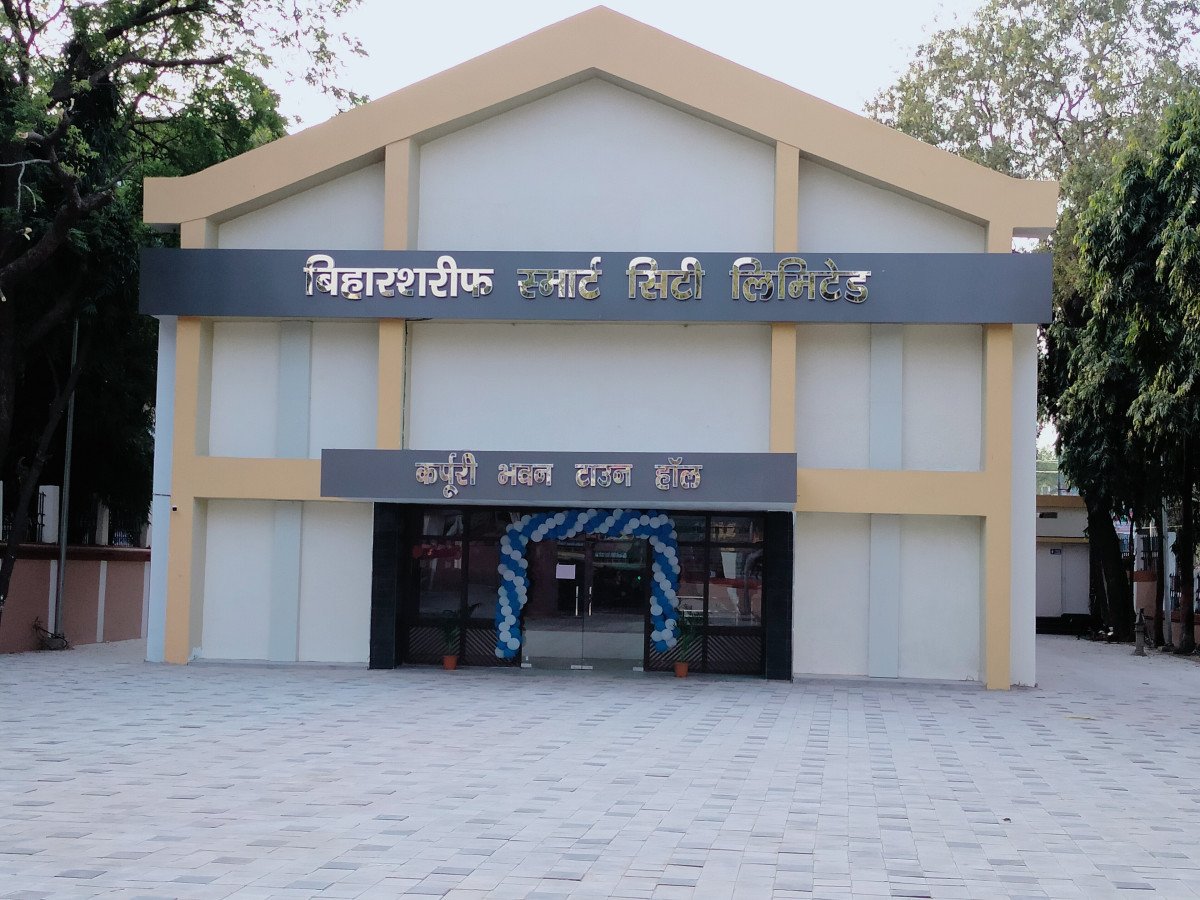
 The Biharsharif Clock Tower, also known as the Ghantaghar, is one of the newest additions to the city's urban landscape. Located in the bustling Ramchandrapur area, it was constructed as part of the Bihar Sharif Smart City project to provide the city with a modern iconic landmark. While Bihar Sharif is famous for its ancient and medieval history, the Clock Tower represents the city's aspirations for a modern, organized future. Standing tall at the heart of a major intersection, the tower serves as a reference point for both locals and travelers. The project was initiated to beautify the city and provide a public space that reflects the historical significance of time-keeping in Indian culture. Historically, clock towers in India were symbols of colonial authority or civic pride, and this modern version continues that tradition by marking the city's progress in the 21st century. The tower is surrounded by a small landscaped area and is part of a larger infrastructure project that includes the development of the Nala Road and improved connectivity to the Mughal Kuan. Despite some initial technical challenges and controversies regarding its design and functioning, the Clock Tower has become a popular spot for evening hangouts. It is particularly vibrant at night when it is illuminated with colorful LED lights, making it a favorite for local youth and amateur photographers. The tower's location near the major bus terminal and markets means it is seen by thousands of people every day. It acts as a bridge between the old parts of the city and the newly developing sectors. For tourists, it serves as a modern contrast to the nearby ruins of Nalanda and the ancient tombs. The area around the tower is being further developed with seating and better lighting to encourage public gatherings. It is a symbol of the "New Bihar Sharif" that is emerging alongside its heritage.
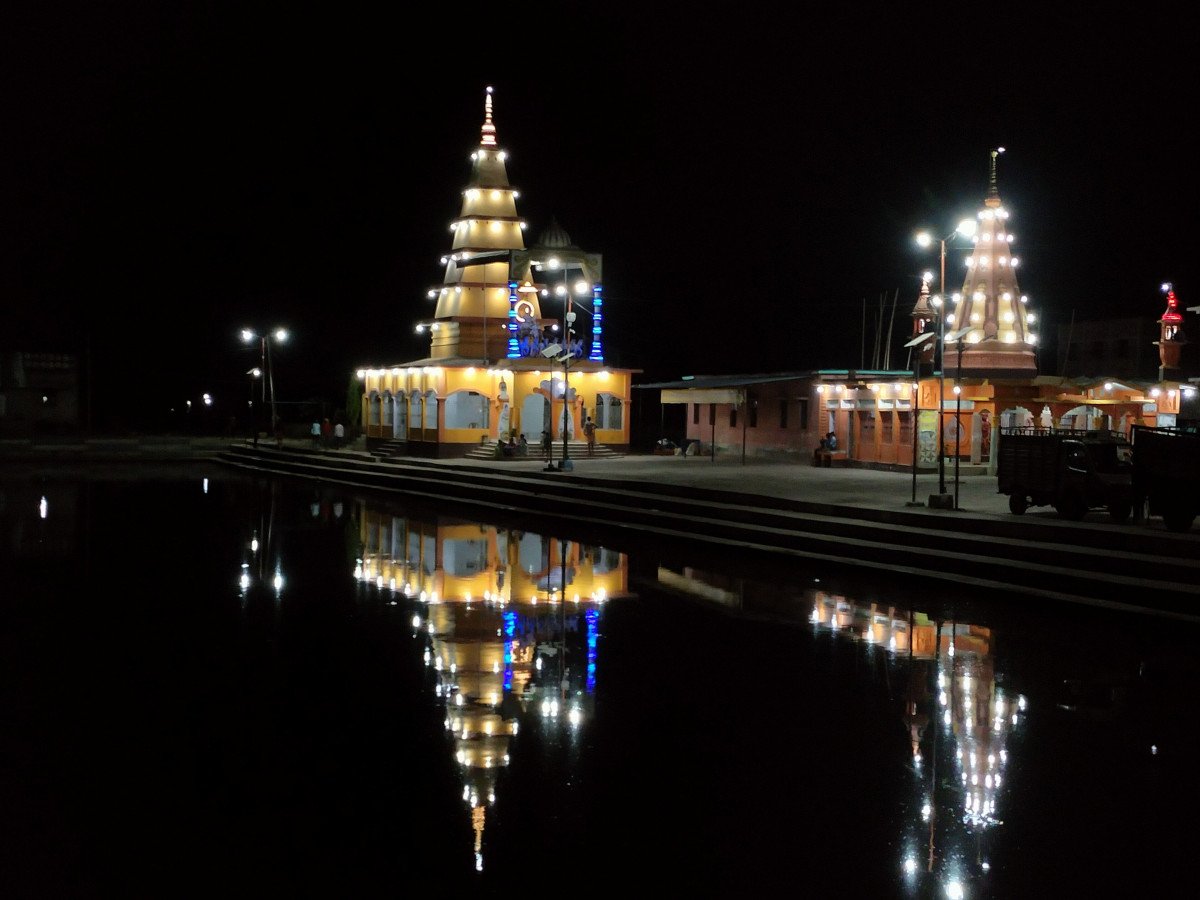
 Badgaon Sun Temple, also known as the Surajpur Sun Temple, is one of the 12 most sacred sun shrines in India. Legend has it that the temple was established by Samba, the grandson of Lord Krishna, who was cured of leprosy after praying here and bathing in the holy pond. The site predates the medieval era and is deeply linked to the Chhath Puja festival. The massive pond adjacent to the temple is believed to have medicinal properties due to its ancient mineral content. During the months of Kartika and Chaitra, the entire village turns into a sea of humanity as millions of devotees gather to offer prayers to the rising and setting sun. The temple houses beautiful black stone idols of the Sun God, along with statues of other deities like Lord Vishnu and Goddess Parvati. It is situated very close to the ruins of Nalanda University, making it a perfect spot for history buffs and pilgrims alike. The serene environment and the reflection of the ancient temple in the pond create a mystical aura that has remained unchanged for centuries.
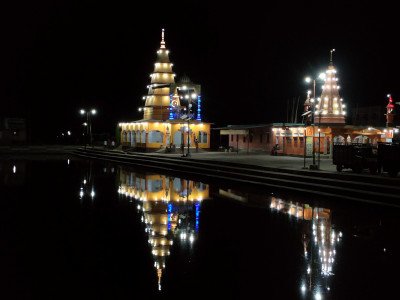 Mora Talab is a significant historical and religious site centered around a large water body or "Talab" (pond). This location is deeply rooted in the local history of Bihar Sharif and is known for its ancient temple dedicated to the Sun God. The area is peaceful and provides a glimpse into the rural religious life of Bihar. Historically, such water bodies were essential for both spiritual rituals and the daily needs of the surrounding communities. The pond is often filled with lotus flowers during certain seasons, creating a picturesque setting. Many local legends are associated with the healing properties of the water, especially during the festival of Chhath. The site has seen various dynasties come and go, yet it remains a constant point of faith for the local population. It is a place where one can sit by the water and observe the traditional rituals performed by devotees. The surrounding area is relatively undeveloped, offering an authentic experience away from the commercialized tourist spots. It serves as a vital part of the local heritage circuit, linking the history of Bihar Sharif with its ancient roots.Show All
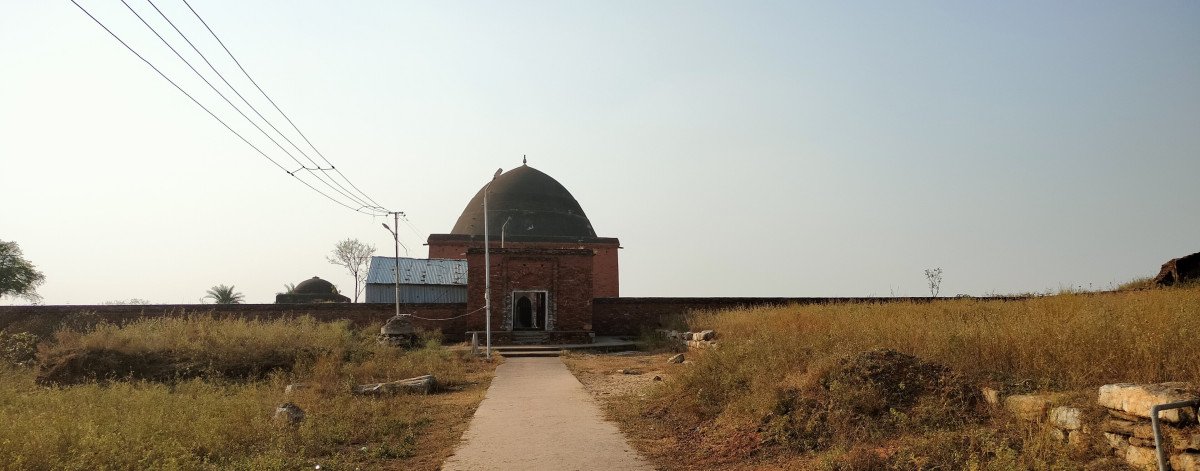
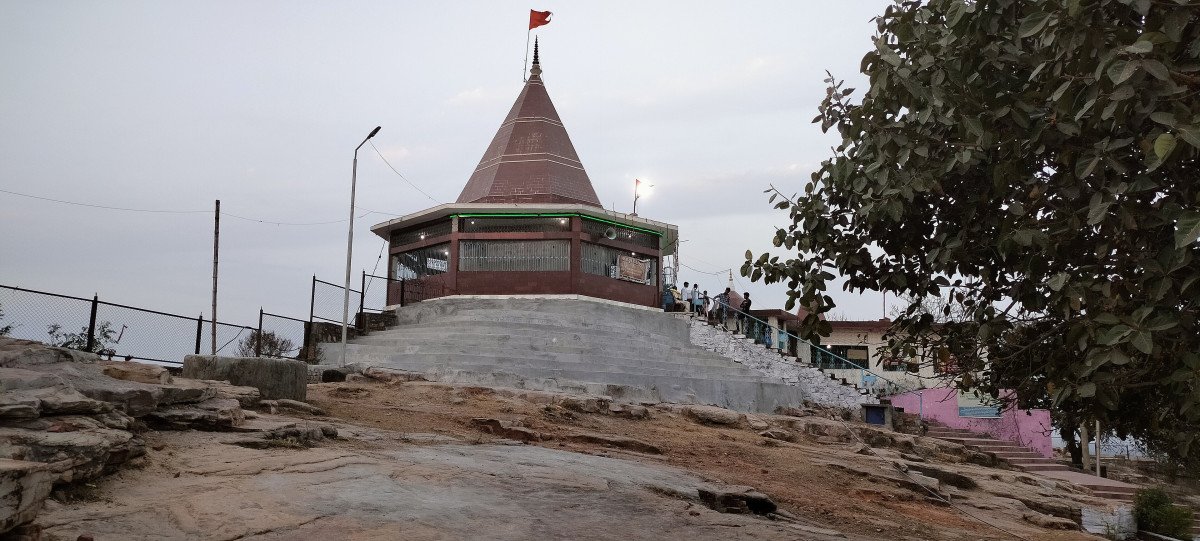
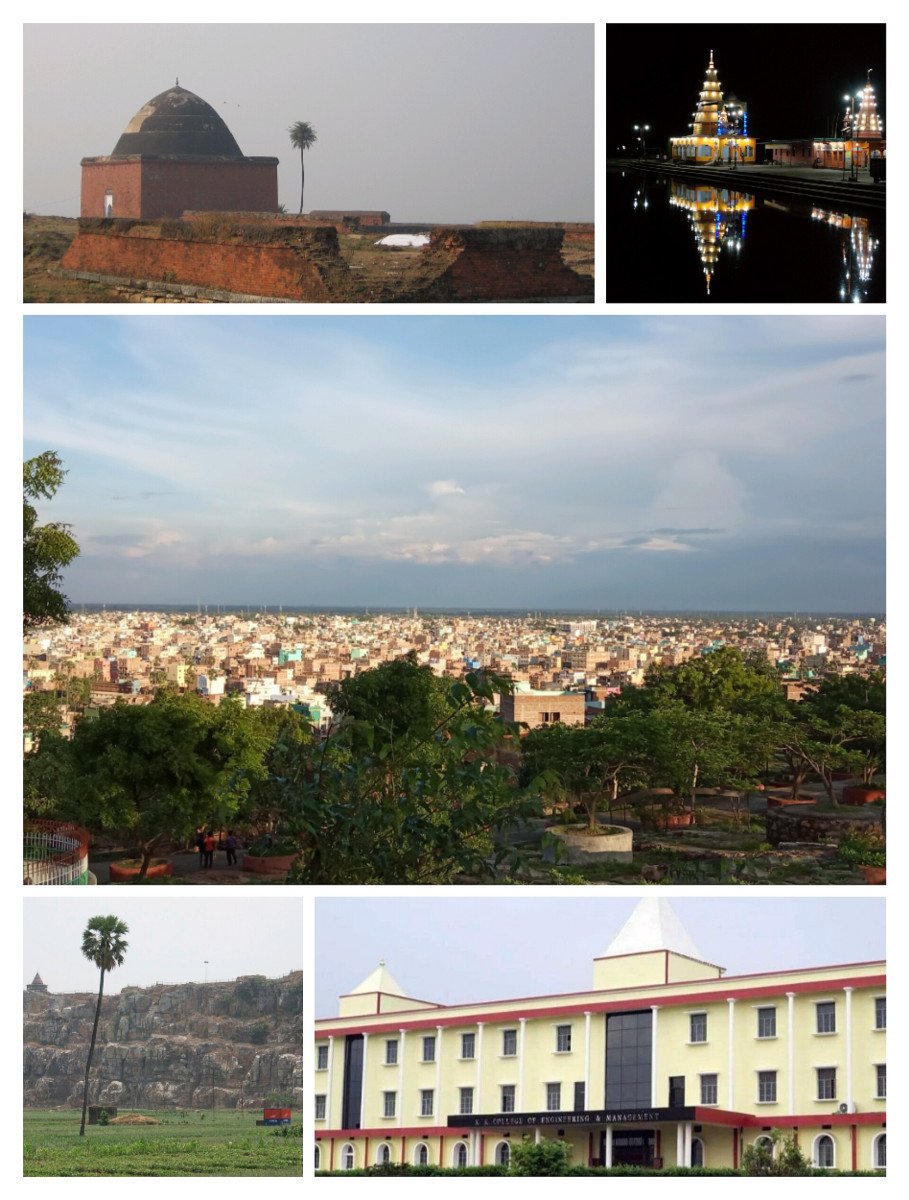
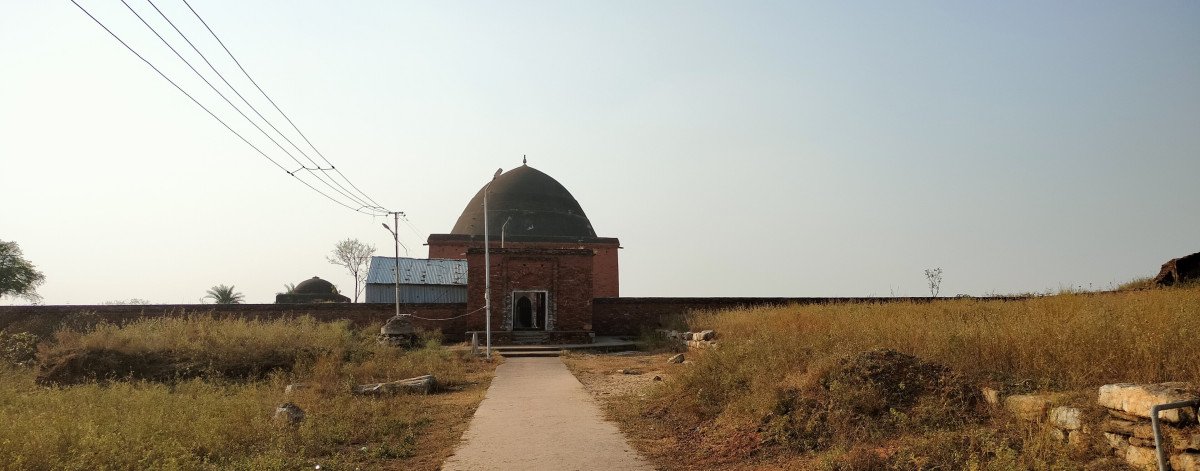
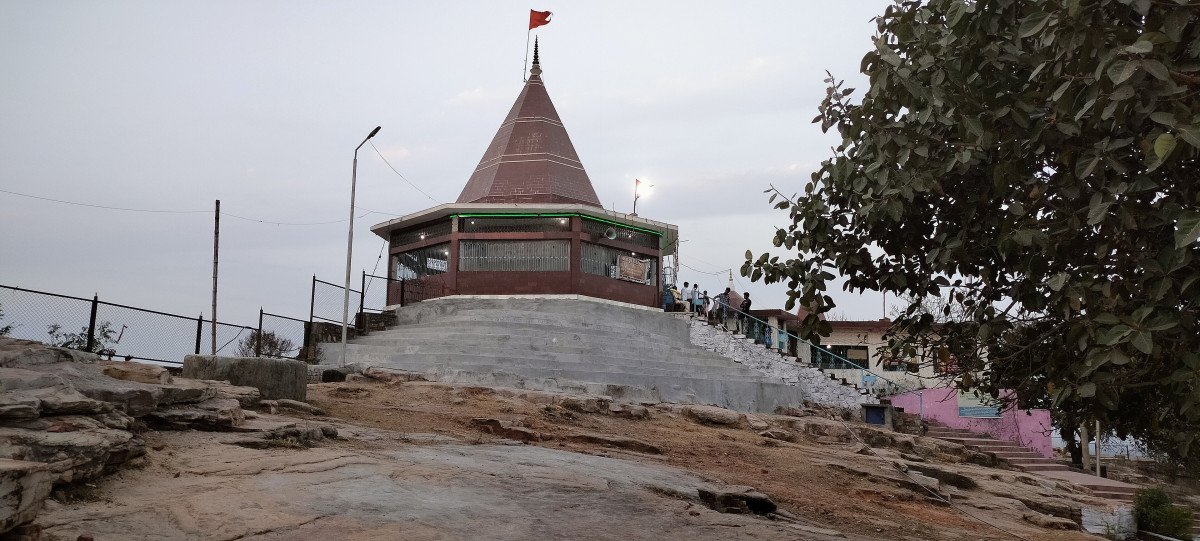
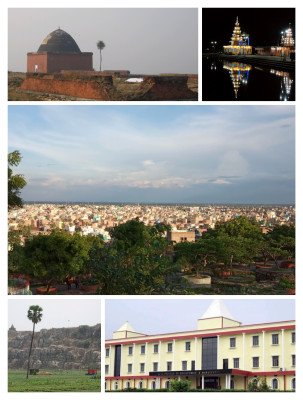
Bari Pahari Hill, popularly known as Peer Pahadi, is a significant historical and religious landmark located in the heart of Bihar Sharif. This rugged hillock is famous for housing the mausoleum of the Sufi saint Syed Ibrahim Malik Biya, who was a renowned military commander during the reign of Sultan Mohammad Tughlaq in the 14th century. The site represents a unique confluence of historical eras, as the hill is believed to have been the site of the ancient Odantapuri University, the second oldest university in India after Nalanda. Local legends also suggest that Lord Buddha spent time on this hill during his travels, adding a layer of Buddhist sanctity to its Islamic heritage. Today, the hill serves as a peaceful retreat for pilgrims and tourists alike, offering a panoramic view of the entire Bihar Sharif city. The climb to the top involves a series of well-maintained stone steps, making it accessible for most visitors. The atmosphere at the summit is deeply spiritual, especially during the evening hours when the cool breeze and the sound of distant prayers create a meditative environment. Historically, the hill was known as Pashravati and later became a focal point for the Muslim governors of Bihar. The presence of ancient ruins near the tomb, believed to be the remains of Jarasandh Jail, further piques the interest of history buffs. The site is not just a religious shrine but a living testament to the multicultural history of the Magadha region. Visitors can see people from all walks of life paying their respects at the Dargah, symbolizing the communal harmony that exists in the city. The lush greenery surrounding the hill during the monsoon season transforms it into a scenic spot, attracting nature lovers and photography enthusiasts.
Mora Talab is a significant historical and religious site centered around a large water body or "Talab" (pond). This location is deeply rooted in the local history of Bihar Sharif and is known for its ancient temple dedicated to the Sun God. The area is peaceful and provides a glimpse into the rural religious life of Bihar. Historically, such water bodies were essential for both spiritual rituals and the daily needs of the surrounding communities. The pond is often filled with lotus flowers during certain seasons, creating a picturesque setting. Many local legends are associated with the healing properties of the water, especially during the festival of Chhath. The site has seen various dynasties come and go, yet it remains a constant point of faith for the local population. It is a place where one can sit by the water and observe the traditional rituals performed by devotees. The surrounding area is relatively undeveloped, offering an authentic experience away from the commercialized tourist spots. It serves as a vital part of the local heritage circuit, linking the history of Bihar Sharif with its ancient roots.Show All
Bari Pahari Hill, popularly known as Peer Pahadi, is a significant historical and religious landmark located in the heart of Bihar Sharif. This rugged hillock is famous for housing the mausoleum of the Sufi saint Syed Ibrahim Malik Biya, who was a renowned military commander during the reign of Sultan Mohammad Tughlaq in the 14th century. The site represents a unique confluence of historical eras, as the hill is believed to have been the site of the ancient Odantapuri University, the second oldest university in India after Nalanda. Local legends also suggest that Lord Buddha spent time on this hill during his travels, adding a layer of Buddhist sanctity to its Islamic heritage. Today, the hill serves as a peaceful retreat for pilgrims and tourists alike, offering a panoramic view of the entire Bihar Sharif city. The climb to the top involves a series of well-maintained stone steps, making it accessible for most visitors. The atmosphere at the summit is deeply spiritual, especially during the evening hours when the cool breeze and the sound of distant prayers create a meditative environment. Historically, the hill was known as Pashravati and later became a focal point for the Muslim governors of Bihar. The presence of ancient ruins near the tomb, believed to be the remains of Jarasandh Jail, further piques the interest of history buffs. The site is not just a religious shrine but a living testament to the multicultural history of the Magadha region. Visitors can see people from all walks of life paying their respects at the Dargah, symbolizing the communal harmony that exists in the city. The lush greenery surrounding the hill during the monsoon season transforms it into a scenic spot, attracting nature lovers and photography enthusiasts.Information
-
Why Famous:
Sufi Spiritual Hub: The city is globally famous for the Badi Dargah, a shrine dedicated to the 14th-century saint Makhdoom Sharfuddin Ahmed Yahya Maneri.
Historical Significance: It was the ancient site of Odantapuri University, which served...Sufi Spiritual Hub: The city is globally famous for the Badi Dargah, a shrine dedicated to the 14th-century saint Makhdoom Sharfuddin Ahmed Yahya Maneri.
Historical Significance: It was the ancient site of Odantapuri University, which served as a model for the Samye monastery in Tibet.
Administrative Legacy: As the former capital of the Magadha region under various dynasties, it holds deep political and cultural roots in Bihar's history. -
Architecture:
Medieval Islamic Style: The architecture of Bihar Sharif is primarily defined by the Tughlaq and Sufi styles.
Structural Dimensions: The tomb of Malik Ibrahim Baya atop Bari Pahari is a massive brick structure with a square base of approxima...Medieval Islamic Style: The architecture of Bihar Sharif is primarily defined by the Tughlaq and Sufi styles.
Structural Dimensions: The tomb of Malik Ibrahim Baya atop Bari Pahari is a massive brick structure with a square base of approximately 40 feet and a prominent central dome.
Design Elements: The Bukhari Mosque showcases intricate stone carvings and arched entrances typical of the 14th Century. The ruins of Odantapuri University indicate a massive complex once spread over 20 hectares, though much is now underground. -
How To Reach:
By Air: The nearest airport is Patna Airport (PAT), located about 75 KM away, with regular flights from major Indian cities.
By Train: Bihar Sharif Junction is well-connected to Patna, Kolkata, and Delhi via the Bakhtiyarpur-Rajgir section. ...By Air: The nearest airport is Patna Airport (PAT), located about 75 KM away, with regular flights from major Indian cities.
By Train: Bihar Sharif Junction is well-connected to Patna, Kolkata, and Delhi via the Bakhtiyarpur-Rajgir section.
By Road: It lies on NH-20 and NH-31, making it easily accessible by luxury buses from Patna, Gaya, and Ranchi.
By Local Transport: Auto-rickshaws, E-rickshaws, and cycle-rickshaws are the most common ways to navigate the city. -
Weather and Best Time to Visit:
Winter Season: October to March is the best time as the weather is pleasant, with temperatures ranging from 10°C to 25°C.
Summer Season: April to June can be extremely hot, exceeding 40°C, making daytime exploration difficult.Winter Season: October to March is the best time as the weather is pleasant, with temperatures ranging from 10°C to 25°C.
Summer Season: April to June can be extremely hot, exceeding 40°C, making daytime exploration difficult.
Monsoon Season: July to September brings lush greenery to the hills but can lead to humid conditions. -
Near Tourist Places:
1. Nalanda Ruins (13 KM), 2. Pawapuri Jal Mandir (11 KM), 3. Rajgir (22 KM), 4. Kundalpur (15 KM), 5. Hieun Tsang Memorial (14 KM), 6. Ghora Katora Lake (30 KM), 7. Vulture's Peak (25 KM), 8. Swarna Bhandar (24 KM), 9. Kakolat Falls (55 KM), 10. Barabar Caves (60 KM).
Tourism Tips
-
Health and Safety: Drink only bottled water and be cautious of spicy street food if you have a sensitive stomach.
Packing: Carry modest clothing for religious sites, comfortable walking shoes for the hills, and a hat for the sun.Health and Safety: Drink only bottled water and be cautious of spicy street food if you have a sensitive stomach.
Packing: Carry modest clothing for religious sites, comfortable walking shoes for the hills, and a hat for the sun.
Accommodation: Stay at places like Hotel Mamta International or local guest houses near the Ramchandrapur bus stand.
Cultural Etiquette: Always remove shoes before entering shrines and seek permission before photographing people at prayer.
Reviews
FAQs
Bihar Sharif Itineray And Cost:-
Other Places In Bihar :-
Other States In India :-
Information about New and Updated Locations() of Bihar Has Been Added :-
Card subtitle
Note:-
Information provided here in good Faith and for reference only.
Near Places
Araria
Some quick example text to build on the card title and make up the bulk of the card's content.
Go somewhere
Arwal
Some quick example text to build on the card title and make up the bulk of the card's content.
Go somewhere
Banka
Some quick example text to build on the card title and make up the bulk of the card's content.
Go somewhere
Begusarai
Some quick example text to build on the card title and make up the bulk of the card's content.
Go somewhere
Bhagalpur
Some quick example text to build on the card title and make up the bulk of the card's content.
Go somewhere
Bhojpur
Some quick example text to build on the card title and make up the bulk of the card's content.
Go somewhere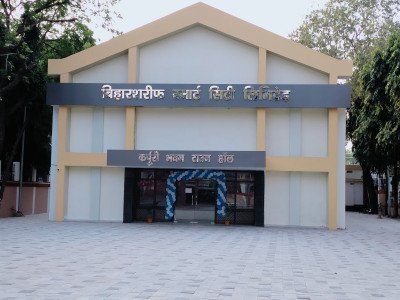
Bihar Sharif
Some quick example text to build on the card title and make up the bulk of the card's content.
Go somewhere
Bodh Gaya
Some quick example text to build on the card title and make up the bulk of the card's content.
Go somewhere
Buxar
Some quick example text to build on the card title and make up the bulk of the card's content.
Go somewhere
Champaran
Some quick example text to build on the card title and make up the bulk of the card's content.
Go somewhere
Darbhanga
Some quick example text to build on the card title and make up the bulk of the card's content.
Go somewhere
Gaya
Some quick example text to build on the card title and make up the bulk of the card's content.
Go somewhere
Golghar
Some quick example text to build on the card title and make up the bulk of the card's content.
Go somewhere
Madhubani
Some quick example text to build on the card title and make up the bulk of the card's content.
Go somewhere
Mithila
Some quick example text to build on the card title and make up the bulk of the card's content.
Go somewhere
Munger
Some quick example text to build on the card title and make up the bulk of the card's content.
Go somewherein Other Cities