...

Place To Visit And Things To Do In Bhuj

Gujarat, India
History of Bhuj: Established in 1510 by Rao Hamirji, it became the capital of the Cutch State under the Jadeja Rajputs. The city has survived major earthquakes, most notably in 1819 and 2001, showing remarkable resilience. It is the administrative headquarters of the Kutch district, India’s larges t district. The city's geography is dominated by the Bhujia Hill, which holds a historic fort. Its history is a saga of desert life, maritime trade, and royal patronage of arts. Royal Legacy: The city houses majestic palaces like Aina Mahal and Prag Mahal which reflect the wealth of the former rulers. These structures were built with European and Indian influences. The royal family still holds a significant place in the local culture. Cultural Hub: Bhuj is the epicenter of world-renowned Kutchi handicrafts, including embroidery, weaving, and block printing. Each village around the city has its own unique craft style. The Kutch Museum, established in 1877, is the oldest in Gujarat. Geographical Gateway: It serves as the primary base for tourists visiting the White Rann of Kutch. The surrounding landscape is a mix of arid plains, salt marshes, and hills. The city’s proximity to the border gives it strategic importance.

Things To Do

Card image cap
Aina Mahal (Old Palace)

The Aina Mahal, literally meaning "Mirror Palace," is an exquisite 18th-century palace built by Rao Lakhpatji in 1761. It stands as a testament to th...

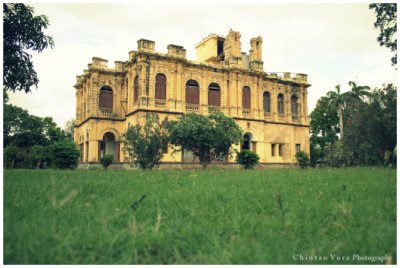
The Aina Mahal, literally meaning "Mirror Palace," is an exquisite 18th-century palace built by Rao Lakhpatji in 1761. It stands as a testament to the artistic vision and engineering ingenuity of its time, designed by architect Ram Singh Malam, who incorporated European influences into its construction. The palace is a fascinating blend of Indian and European architectural styles, renowned for its opulence and intricate craftsmanship. The most striking feature of the Aina Mahal is its "Hall of Mirrors" or "Folly Room." The walls of this room are clad with white marble, adorned with bronze lace, gilded ornaments, and intricate mirror work separated by shades of Venetian glass, creating a dazzling and reflective spectacle. The flickering of oil lamps in this room would have created an enchanting play of light, multiplying reflections into an illusion of infinite space. This section also features fountains and a large pool that was designed to be kept cool by a continuous flow of water. Beyond the Hall of Mirrors, the palace museum showcases a remarkable collection of royal artifacts, including paintings, royal belongings, antique furniture, textiles, and weapons from the Kutch royal family. The palace also houses a Darbar Hall, adorned with chandeliers and classical statues, reflecting the grandeur of the erstwhile rulers. Although the Aina Mahal was significantly damaged during the 2001 earthquake, a portion of it, particularly the Hall of Mirrors, has been meticulously restored and opened to the public, preserving its historical essence. It offers a glimpse into the lavish lifestyle of the Maharaos of Kutch and their appreciation for art and aesthetics.
Card image cap
Aina Mahal

Aina Mahal, or Palace of Mirrors, is an exquisite 18th-century palace built by Rao Lakhpatji around 1750. The master craftsman, Ramsinh Malam, trained...

Aina Mahal, or Palace of Mirrors, is an exquisite 18th-century palace built by Rao Lakhpatji around 1750. The master craftsman, Ramsinh Malam, trained in Europe, designed it in a unique Indo-European style. The palace is renowned for its Hall of Mirrors, which features walls lined with mirrors separated by gilded frames, creating a breathtaking visual effect. Despite being severely damaged in the devastating 2001 earthquake, the conserved first floor still showcases the opulence of the Kutch royals, including a famous scroll painting depicting a royal procession. The palace houses a rich collection of artifacts, clocks, glassware, and paintings, reflecting the fascination of the Kutch rulers with European arts and crafts, making it a pivotal site for understanding the region's historical and cultural exchange. It stands as a testament to the artistic skill and royal grandeur of the past, drawing visitors to explore its beautiful, albeit partially ruined, structure within the Darbargadh complex. The preserved sections offer a rare glimpse into the lavish lifestyle and sophisticated taste of the Maharaos of Kutch.
Card image cap
Bhartiya Sanskruti Darshan Museum

The Bharatiya Sanskruti Darshan Museum, also known as the Folk Museum, is a vibrant repository of Kutch's rich cultural and artistic heritage. Establi...

The Bharatiya Sanskruti Darshan Museum, also known as the Folk Museum, is a vibrant repository of Kutch's rich cultural and artistic heritage. Established by the passionate collector and folklorist Ramsinhji Rathod, the museum is dedicated to preserving and showcasing the folk arts, crafts, and traditions of the region. The museum's collection is vast, encompassing over 4,500 exhibits, including exquisite textiles, traditional paintings, wood carvings, metalwork, musical instruments, and anthropological items. It provides an immersive experience into the lives of various communities in Kutch, presenting models of traditional villages and displaying the distinctive costumes and embroidery of different tribes. A notable exhibit is a rare fossil of an extinct, large species of Crocodilian. Located on College Road, the museum stands as a beacon of cultural preservation, offering tourists and researchers an in-depth look at the diverse, unique, and often endangered art forms of the Kutch district, which makes it an indispensable stop for cultural enthusiasts.
Card image cap
Bhujia Fort

The Bhujia Fort is a historical marvel situated on the outskirts of Bhuj. Built atop the Bhujia Hill, it offers a panoramic view of the entire city. ...

The Bhujia Fort is a historical marvel situated on the outskirts of Bhuj. Built atop the Bhujia Hill, it offers a panoramic view of the entire city. The fort was constructed in the early 18th century by Rao Godji I to protect the city from various invasions. Throughout history, the fort has survived six major battles, serving as a strategic defense point for the Jadeja rulers. It is deeply connected to the local legend of Bhujanga, the serpent god, who is said to have helped the locals in a battle against the Naga community. The fort remained under military control for many years after independence but was later opened to the public. Today, it stands as a symbol of the region's resilience and bravery. Visitors often hike up the hill to explore the ancient ruins, bastions, and the sacred temple dedicated to the snake god. The atmosphere at the fort is serene, especially during the early morning hours. It is an ideal spot for history enthusiasts who want to learn about the military tactics of the Rajput era. The walls of the fort still bear the scars of the devastating 2001 earthquake, yet they remain standing. Exploring the fort gives one a sense of stepping back in time.
Card image cap
Bhujia Hill & Bhujia Fort

Bhujia Hill, a prominent landform on the eastern fringes of Bhuj, is significant for both its natural elevation and the historical fortification buil...

Bhujia Hill, a prominent landform on the eastern fringes of Bhuj, is significant for both its natural elevation and the historical fortification built upon it ? the Bhujia Fort. The fort, built in the early 18th century (around 1723-1740) by Rao Godji I, was primarily constructed for the defense of Bhuj against various invasions, serving as a strategic military outpost. Its formidable walls, bastions, and gateways, designed in the traditional Rajput military style, bear witness to the numerous battles it has withstood over centuries, including conflicts with the Mughal Empire and local adversaries. The name "Bhujia" is believed to be derived from "Bhujanga," a mythological snake god, who is also worshipped in a small temple located within the fort complex. This Bhujang Nag Temple is a sacred site where locals offer prayers, particularly during the Nag Panchami festival. The fort itself is a testament to resilience, having endured not only centuries of warfare but also the devastating earthquakes that have periodically struck Kutch, including the major one in 2001. While parts of the fort are in ruins, its core structure still stands, offering a glimpse into its past glory and strategic importance. For visitors, climbing to the top of Bhujia Hill provides a rewarding experience. The panoramic views of Bhuj city are spectacular, offering an expansive vista of the urban sprawl, Hamirsar Lake, and the surrounding arid landscape of Kutch. It's a popular spot for morning walks and to simply enjoy the cool breeze and the natural beauty. The ascent to the fort can be a moderate trek, and the journey itself offers opportunities to appreciate the local flora and fauna. The combination of historical significance, spiritual relevance, and breathtaking views makes Bhujia Hill and its fort a compelling destination for those seeking a blend of history, nature, and a unique perspective of Bhuj.
Card image cap
Bhujia Hill & Fort

Bhujia Hill is a prominent geological feature on the eastern side of Bhuj, crowned by the historic Bhujia Fort. The hill's name and the fort's main te...

Bhujia Hill is a prominent geological feature on the eastern side of Bhuj, crowned by the historic Bhujia Fort. The hill's name and the fort's main temple are linked to the legend of Bhujanga, a serpent deity. The fort was initially constructed between 1715 and 1718 CE by the Jadeja chiefs, beginning with Rao Godaji and completed by his son, Deshalji I. It served as a critical defense point for the city, strategically witnessing and withstanding six major battles against invaders from Sindh and Mughal forces in the 18th century. Today, the fort houses the Bhujang Nag Temple, a significant pilgrimage site, especially during the annual Nag Panchami festival. The Indian Army occupied the fort until the 2001 earthquake. Visitors can ascend the hill via approximately 200 stairs to enjoy a panoramic, commanding view of the entire Bhuj city and the surrounding landscape, making it a popular spot for both history buffs and nature lovers, especially during sunrise and sunset.
Card image cap
Bhujodi Handicraft Village

Bhujodi is a major center for textiles and traditional crafts in the Kutch region. It is primarily inhabited by the Vankar community of weavers who h...
Bhujodi is a major center for textiles and traditional crafts in the Kutch region. It is primarily inhabited by the Vankar community of weavers who have practiced their craft for over 500 years. The village is famous for its hand-woven shawls, stoles, blankets, and traditional 'Dhablas'. A visit to Bhujodi provides a unique opportunity to witness the intricate process of weaving on traditional pit looms. Most of the houses in the village double as workshops where artisans work with natural wool and cotton. The village is also home to the Hiralaxmi Craft Park, a beautifully curated space that showcases various art forms of Kutch. Visitors can interact directly with National Award-winning artisans and learn about the symbolism behind the geometric motifs used in their work. The craftsmanship here is world-renowned, with many products being exported globally. Apart from weaving, you can also find artisans practicing tie-dye (Bandhani) and block printing. The village is organized into various cooperatives that ensure fair wages for the artisans. Shopping here is a delight as you can buy authentic products directly from the creators at reasonable prices. The rustic charm of the village, with its narrow lanes and rhythmic sound of looms, makes it a must-visit for anyone interested in Indian heritage.
Card image cap
Bhujodi Village (Hira Laxmi Craft Park)

Bhujodi is not just a village; it's a living museum and a vibrant center of traditional Kutchi handicrafts, particularly textiles. Home to a large co...

Bhujodi is not just a village; it's a living museum and a vibrant center of traditional Kutchi handicrafts, particularly textiles. Home to a large community of Vankar (weaver) artisans, along with tie-dye artists and block printers, Bhujodi provides an unparalleled opportunity to witness the creation of Kutch's renowned textile art firsthand. Unlike a curated museum, here you can interact directly with the artisans, often seeing them at work in their homes or small workshops, using traditional looms and techniques passed down through generations. The village is known for its exquisite hand-woven fabrics, intricate Kutchi embroidery (mirror work, Aari, Rabari embroidery), Bandhani (tie-dye), and Rogan art. The highlight of Bhujodi for many visitors is the Hira Laxmi Craft Park, an initiative designed to showcase and promote the local crafts. This park provides a platform for artisans to display and sell their work directly to consumers, eliminating intermediaries and ensuring fair prices. It also often hosts cultural events, workshops, and demonstrations, allowing visitors to not only purchase but also learn about the craft-making process. Several NGOs and artisan collectives, like Shrujan, also have their centers in or near Bhujodi, dedicated to empowering women artisans and preserving these traditional skills. A visit to Bhujodi is a sensory delight ? the rhythmic sound of looms, the vibrant colors of fabrics, and the opportunity to buy authentic, handmade products directly from the creators. It's an immersive cultural experience that celebrates the enduring legacy of Kutch's artisanal heritage.
Card image cap
Chhatardi

The Chhatardi of Bhuj are magnificent royal cenotaphs built in the 18th century by the Jadeja rulers of Kutch. These structures serve as memorials fo...

The Chhatardi of Bhuj are magnificent royal cenotaphs built in the 18th century by the Jadeja rulers of Kutch. These structures serve as memorials for the deceased kings and queens of the royal family. The word 'Chhatardi' literally translates to 'umbrella', referring to the dome-shaped roofs that characterize these monuments. The most impressive among these is the cenotaph of Rao Lakha, which features a large polygonal structure with intricate carvings on red sandstone. The site is a testament to the architectural brilliance of that era, blending Rajput and Mughal styles. Although the site suffered significant damage during the 2001 earthquake, the ruins still retain a haunting beauty that attracts photographers and history lovers from all over the world. Walking through the complex, one can see detailed carvings of musicians, dancers, and celestial beings on the pillars and ceilings. The site is particularly famous for its peaceful atmosphere, away from the hustle of the city market. Many visitors come here during the golden hour to witness the sunset, as the red sandstone glows brilliantly under the evening light. The site is not just a graveyard but a historical archive that tells the story of the Kutch royalty through its stone inscriptions and motifs. It is one of the most Instagrammable spots in Bhuj due to its ancient and rustic appeal.
Card image cap
Chhatedi (Royal Cenotaphs)

The Chhatedi, meaning "umbrella" in Gujarati, refers to the impressive cluster of royal cenotaphs or memorials dedicated to the Jadeja rulers of Kutc...

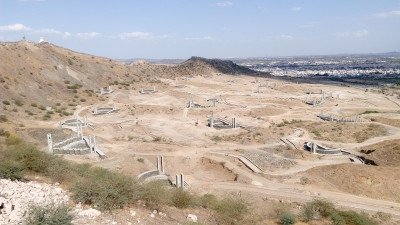
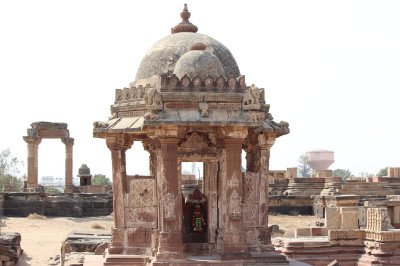
The Chhatedi, meaning "umbrella" in Gujarati, refers to the impressive cluster of royal cenotaphs or memorials dedicated to the Jadeja rulers of Kutch. These umbrella-shaped domed structures are a prominent example of traditional Rajputana and Mughal architectural styles blended with local Kutchhi influences, predominantly built with red sandstone. The most significant of these cenotaphs were constructed in the 18th century, primarily by Maharao Lakhpatji, to commemorate his ancestors. The complex is a poignant reminder of Bhuj's royal past and the architectural grandeur of the Jadeja dynasty. The largest and most ornate of these structures is dedicated to Maharao Lakhpatji himself. His Chhatri features a polygonal shape with balconies, intricate carvings, and a distinctive blue dome that shows a strong Turkish architectural influence. Historical accounts suggest that his cenotaph even details the custom of sati (widow immolation) with engravings showing 15 of his wives who reputedly died on his funeral pyre. While the Chhatedi suffered considerable damage during the devastating 2001 earthquake, efforts have been made for their preservation and restoration. The ruins, though scarred, still evoke a sense of solemn beauty and historical depth. The intricate stone carvings, the distinctive domes, and the overall design provide invaluable insight into the artistic prowess and cultural practices of the past. The complex is surrounded by an open, somewhat desolate landscape, adding to its contemplative atmosphere. It's an ideal spot for history buffs, photographers, and those seeking a quiet place for reflection amidst historical ruins. The Chhatedi stands as a testament to the enduring legacy of the Kutch rulers and the region's resilience in the face of both time and natural calamities.
Card image cap
Chhatedi

The Chhatedi, literally meaning 'umbrella', refers to the complex of royal cenotaphs (memorial structures built over the site of cremation) of the Mah...

The Chhatedi, literally meaning 'umbrella', refers to the complex of royal cenotaphs (memorial structures built over the site of cremation) of the Maharaos of Kutch. These majestic, intricately carved stone pavilions are located southwest of Hamirsar Lake in Bhuj. The site is more than 400 years old and is protected by the Archaeological Survey of India (ASI). The cenotaphs are built in memory of the royal family members, including Rao Lakhpatji, Rao Raydhanji II, and Rao Desalji. Although significantly damaged by the 2001 earthquake, the surviving structures, particularly the largest and most intact ones, showcase exceptional stonework and traditional Hindu temple architecture styles. The site is characterized by its peaceful, slightly melancholic atmosphere, standing as a beautiful ruin that quietly narrates the history and the bygone era of the Kutch royalty. It is a favored spot for photographers due to the dramatic juxtaposition of the ornate carvings against the ruins.
Card image cap
Darbar Gadh

Darbar Gadh (literally 'Court Citadel') is not a single structure but the historical and architectural heart of old Bhuj—a walled royal enclosure or...

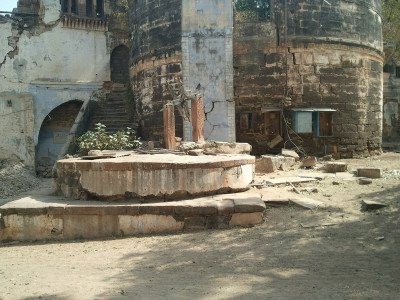
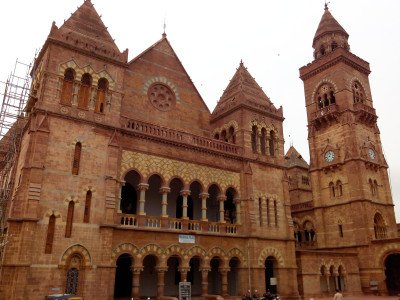
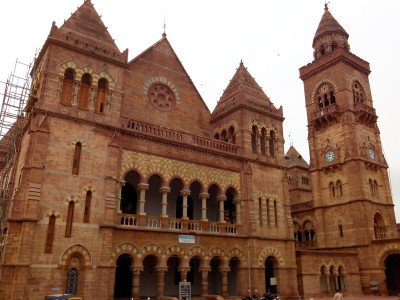
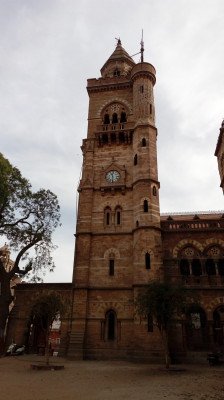
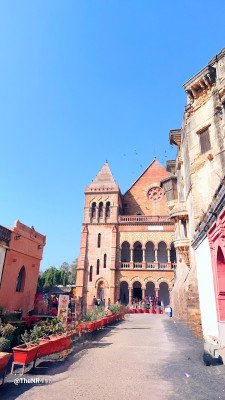
Darbar Gadh (literally 'Court Citadel') is not a single structure but the historical and architectural heart of old Bhuj—a walled royal enclosure or complex that served as the capital of the princely state of Kutch. Its construction began as early as 1548 and saw additions over centuries, reflecting the evolution of Kutch's architecture and power. It was the seat of power where the Maharaos held their court and public meetings. The complex is a fascinating blend of older, more fragmented residential quarters built around courtyards and grander, later additions like the Aina Mahal (18th-century) and the Prag Mahal (19th-century). Although severely damaged in the 2001 earthquake, the Darbar Gadh remains a critical heritage site, symbolizing the centuries of Kutch rule. Its contrasting architectural styles—local Kutchi craftsmanship versus European Gothic—make it a profound place to understand the historical, political, and cultural dynamics of the region.
Card image cap
Great Rann of Kutch

The Great Rann of Kutch is one of the largest salt deserts in the world, covering an area of nearly 7,500 square kilometers. It is a seasonal salt ma...
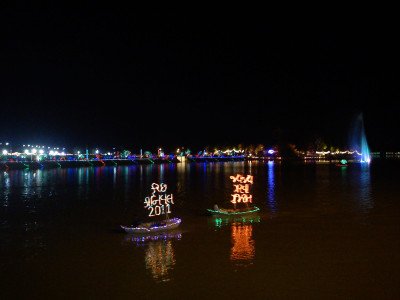
The Great Rann of Kutch is one of the largest salt deserts in the world, covering an area of nearly 7,500 square kilometers. It is a seasonal salt marsh that remains underwater during the monsoon and dries up into a vast, white expanse of salt crystals during the winter. This natural wonder is located along the border between India and Pakistan. The Rann is world-famous for the Rann Utsav, a three-month-long festival that celebrates the culture, food, and music of Kutch. Under the moonlight, the desert looks ethereal, shining like a silver landscape. The area is also home to the Indian Wild Ass Sanctuary and is a breeding ground for pink flamingos. Travelers from across the globe visit here to experience the "White Desert" lifestyle, staying in luxury tents in the Tent City at Dhordo. The landscape is completely flat, offering an uninterrupted view of the horizon. It is a place of stark beauty where the earth and sky seem to meet. Apart from the salt desert, the nearby villages offer a deep dive into tribal life and unique crafts like Rogan painting. The experience of walking on the crunchy salt surface as the sun sets is truly magical. It is a must-visit destination for anyone looking for a surreal and unique travel experience in India.
Card image cap
Hamirsar Lake

Hamirsar Lake is a man-made reservoir located right in the geographical and historical center of Bhuj city, serving as a vital urban oasis and a symbo...
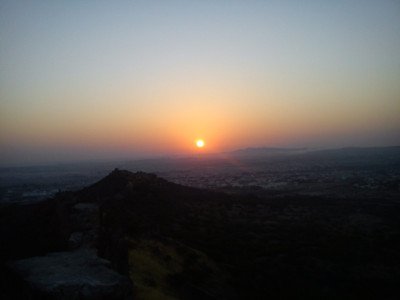
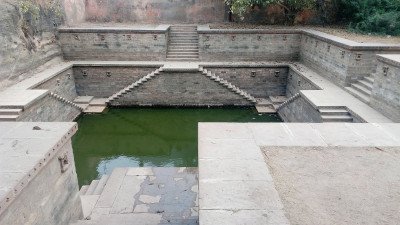
Hamirsar Lake is a man-made reservoir located right in the geographical and historical center of Bhuj city, serving as a vital urban oasis and a symbol of the city's traditional water management system. Constructed over 450 years ago by Rao Khengarji I in the 16th century, the lake was named after Rao Hamir, an earlier ruler of Kutch. It was engineered to collect rainwater and serve as the main source of water for the populace. Today, the lake is surrounded by some of Bhuj's most significant landmarks, including the Darbar Gadh complex (Aina Mahal and Prag Mahal), the Kutch Museum, and the Ramkund Stepwell. The lake has an island in the middle where the old Fulia Palace (now in ruins) once stood. It is a popular spot for locals and tourists alike, especially in the evenings and during the winter months when its waters attract migratory birds, offering a serene escape and a central gathering place for city life.
Card image cap
Hill Garden

Hill Garden, officially Bhujiyo Dungar Park, is a well-maintained, landscaped public park situated on the lower slopes of Bhujia Hill (Bhujiyo Dungar)...

Hill Garden, officially Bhujiyo Dungar Park, is a well-maintained, landscaped public park situated on the lower slopes of Bhujia Hill (Bhujiyo Dungar) on the eastern side of Bhuj. It provides a welcome respite of greenery and recreation for the city's residents and visitors. The garden is distinct from the fort and temple at the summit of the hill, offering a more serene and recreational atmosphere. The garden features lush lawns, well-laid walking tracks, dedicated picnic spots, and a large children's play area with various swings and rides. Its elevated position offers panoramic viewpoints that provide beautiful, scenic perspectives of Bhuj city. It is a popular spot for family outings, morning walkers, and tourists seeking a peaceful environment and a chance to escape the hustle of the city center. The garden is particularly pleasant during the evenings when the weather cools and the city lights begin to twinkle.
Card image cap
Hiralaxmi Memorial Craft Park (HLCP)

Hiralaxmi Memorial Craft Park (HLCP) is a significant initiative that serves as a vibrant platform for the traditional artisans of Kutch, particularl...

Hiralaxmi Memorial Craft Park (HLCP) is a significant initiative that serves as a vibrant platform for the traditional artisans of Kutch, particularly those from the weaver community of Bhujodi. Established with the aim of promoting and preserving the indigenous crafts of the region, HLCP is more than just a marketplace; it's an immersive cultural experience where visitors can engage directly with the craft-making process. The park is named in memory of Hiralaxmi, a matriarch of one of the artisan families, symbolizing the deep-rooted family traditions in Kutchi crafts. HLCP brings together numerous master artisans under one roof, providing them with dedicated spaces to showcase their work and often demonstrate their skills. Here, visitors can witness the intricate processes involved in creating Kutch's renowned textile arts, such as: Handloom Weaving: Observing weavers meticulously creating beautiful fabrics on traditional pit looms. Kutchi Embroidery: Seeing artisans, predominantly women, stitch intricate patterns with vibrant threads and mirror work. Block Printing: Witnessing the age-old technique of applying natural dyes using carved wooden blocks. Rogan Art: A rare art form of painting on fabric using a thick, castor-oil-based paint. The park offers a unique opportunity to purchase authentic, high-quality handicrafts directly from the artisans, ensuring fair trade practices and supporting their livelihoods. Beyond the visual appeal, the HLCP also focuses on knowledge sharing, sometimes hosting workshops where visitors can try their hand at simple craft techniques. The architecture of the park itself often incorporates traditional Kutchi elements, providing an aesthetically pleasing and culturally resonant environment. HLCP is an excellent place to understand the nuances of Kutchi crafts, appreciate the skill involved, and acquire genuine souvenirs that carry the essence of Kutch's artistic heritage. It's an essential stop for anyone interested in textiles, folk art, and sustainable tourism.
Card image cap
Hiralaxmi Memorial Craft Park

Hiralaxmi Memorial Craft Park is a sprawling 10-acre complex established to preserve and promote the traditional arts of Kutch. Founded in 2005, it s...

Hiralaxmi Memorial Craft Park is a sprawling 10-acre complex established to preserve and promote the traditional arts of Kutch. Founded in 2005, it serves as a dedicated platform for local artisans to showcase their intricate handiwork. The park is a brainchild of the Ashapura Group and provides a sustainable livelihood to thousands of rural craftsmen. Visitors can witness live demonstrations of age-old techniques such as Bandhani, weaving, and pottery. The complex also houses the Vande Mataram Memorial, a museum dedicated to India’s freedom struggle. It is a perfect blend of history, patriotism, and folk culture. The atmosphere is vibrant, filled with the colors of Gujarat and the sound of traditional tools. It serves as an educational center for students and tourists alike. Every corner reflects the resilience and creativity of the Kutchi people. This is not just a park but a living museum of heritage.
Card image cap
India Bridge

India Bridge is not just a bridge; it's a symbolic landmark of strategic importance, located deep within the unforgiving and expansive terrain of the...

India Bridge is not just a bridge; it's a symbolic landmark of strategic importance, located deep within the unforgiving and expansive terrain of the Great Rann of Kutch, very close to the highly sensitive India-Pakistan international border. This bridge spans the Pillar Karkadi, a narrow, strategically vital creek or channel that often holds water, making it a critical crossing point in this otherwise desolate landscape. Its primary purpose is to provide connectivity for the Border Security Force (BSF) and military personnel, facilitating their patrols and operations in this challenging border region. For tourists, accessing the India Bridge is an experience in itself, requiring a special permit from the BSF and often accompanied by a BSF escort due to its proximity to the border. The journey through the vast, flat, and often stark landscape of the Rann to reach the bridge is an adventure, offering a unique perspective on India's frontier lands. The bridge itself, while functional, stands as a powerful symbol of national security and the presence of India's armed forces in remote and difficult terrains. Visitors are typically allowed to view the bridge from a designated point and may be briefed by BSF personnel about the strategic significance of the area and the challenges of guarding the border. The landscape around India Bridge is unique ? a vast, flat, and often featureless terrain that can be either a shimmering white salt desert or a shallow, muddy expanse depending on the season. The isolation and the proximity to the international border create a sense of awe and solemnity. Visiting India Bridge is not just a tourist outing; it's a patriotic experience that offers a rare glimpse into the logistical and strategic realities of border defense in one of India's most extreme environments. It offers a profound understanding of the dedication of the armed forces in safeguarding the nation's integrity.
Card image cap
Kalo Dungar (Black Hill)

Kalo Dungar, meaning "Black Hill," is the highest point in the Kutch district, offering breathtaking panoramic views of the vast Rann of Kutch, espec...

Kalo Dungar, meaning "Black Hill," is the highest point in the Kutch district, offering breathtaking panoramic views of the vast Rann of Kutch, especially the mesmerizing White Rann. Perched at an elevation of about 462 meters, it provides an unparalleled vantage point to witness the surreal expanse of the salt desert stretching as far as the eye can see, particularly stunning during sunrise and sunset. The hill is not just a geological marvel but also holds significant religious importance. It is home to a 400-year-old Dattatreya Temple, dedicated to the Hindu deity Lord Dattatreya, a trinity of Brahma, Vishnu, and Shiva. A unique and intriguing ritual performed at the temple involves feeding jackals. According to local legend, centuries ago, Lord Dattatreya, when visiting the spot, found a group of starving jackals and offered them his body as food. Since then, a tradition has evolved where the temple priests prepare food (prasad) and offer it to wild jackals after the evening aarti. These jackals emerge from the wilderness at specific times to partake in the offering, a sight that fascinates and mystifies visitors. While the exact reasons for this ritual are debated, it's a deeply ingrained practice. The drive to Kalo Dungar is itself an experience, passing through the arid landscapes of Kutch. The remote location and the unique combination of spiritual reverence, natural beauty, and the mysterious jackal feeding ritual make Kalo Dungar an unforgettable highlight of any visit to the Kutch region from Bhuj. It's often considered a must-visit, especially for those venturing towards the Rann of Kutch.
Card image cap
Kalo Dungar

Kalo Dungar, or Black Hill, is the highest peak in the Kutch district, standing at an elevation of 462 meters. It offers a breathtaking panoramic vie...

Kalo Dungar, or Black Hill, is the highest peak in the Kutch district, standing at an elevation of 462 meters. It offers a breathtaking panoramic view of the Great Rann of Kutch, which looks like an endless white sea from the top. The hill is famous for the 400-year-old Dattatreya Temple, where a unique ritual of feeding jackals takes place. Legend says Lord Dattatreya offered his body to starving jackals here, and they still come for 'prasad' today. Its proximity to the Indo-Pak border makes it a strategically important location with an army post at the summit. The landscape is rugged and stark, providing a dramatic contrast to the white salt desert below. It is a place of immense natural beauty and spiritual mystery. Many visitors come here to witness the sunset, which paints the horizon in shades of orange. The journey to the hill through the Banni grasslands is equally mesmerizing. It is a must-visit for adventure seekers and nature lovers.
Card image cap
Krantitirth

Krantitirth is a magnificent, sprawling memorial complex built near Mandvi (a town near Bhuj) to honor the great Indian freedom fighter, lawyer, and j...
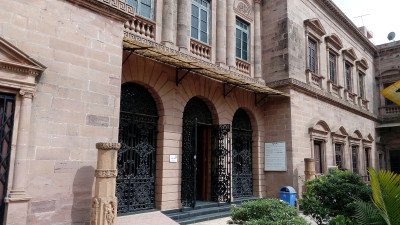
Krantitirth is a magnificent, sprawling memorial complex built near Mandvi (a town near Bhuj) to honor the great Indian freedom fighter, lawyer, and journalist Shyamji Krishna Varma. Born in Mandvi on October 4, 1857, Varma was a pioneering revolutionary who established the India House in London in 1905, which became a crucial center for the Indian independence movement abroad. He propagated the cause through his journal, The Indian Sociologist. The memorial complex, built by the Gujarat government, aims to educate the younger generation about his life and the sacrifices of other revolutionaries. The key highlight of the memorial is the repatriation of his and his wife's ashes from Switzerland to India in 2003, fulfilling his last wish. The complex features a museum with historical documents, photographs, and artifacts related to his life and the freedom struggle. It stands as a powerful symbol of patriotism and selfless service to the nation.
Card image cap
Kutch Desert Wildlife Sanctuary

The Kutch Desert Wildlife Sanctuary is one of the largest wildlife sanctuaries in India, covering an immense area of approximately 7,505 square kilom...

The Kutch Desert Wildlife Sanctuary is one of the largest wildlife sanctuaries in India, covering an immense area of approximately 7,505 square kilometers in the Great Rann of Kutch. This unique ecosystem is a vast salt marsh, which transforms dramatically with the seasons. During the monsoon, it gets submerged under shallow seawater, and for the rest of the year, it dries up to form a surreal, expansive white salt desert. This extreme environment supports a surprisingly diverse range of specialized flora and fauna, making it a crucial habitat for unique wildlife adapted to arid and saline conditions. The sanctuary is particularly renowned for its population of the Indian Wild Ass (Equus hemionus khur), an endangered species found nowhere else in the world. Other significant mammals include the Chinkara (Indian Gazelle), Nilgai (Blue Bull), Indian Wolf, Caracal, Desert Fox, and various species of rodents and reptiles. The sanctuary is also a paradise for birdwatchers, especially during winter when countless migratory birds flock to its wetlands and sparse vegetation. Species like Greater Flamingos, Lesser Flamingos, various species of cranes (including the Demoiselle Crane), pelicans, ducks, and raptors are commonly sighted. Access to the sanctuary often involves permits, particularly for venturing into restricted zones. The landscape is otherworldly, with its vast, flat expanses of white salt, sparse thorny vegetation, and distant mirages. It offers a stark but beautiful wilderness experience, making it a dream destination for wildlife photographers and nature enthusiasts. Visiting the Kutch Desert Wildlife Sanctuary is not just a wildlife sighting trip; it's an immersion into a unique ecological wonder, a testament to nature's ability to thrive even in the most challenging environments.
Card image cap
Kutch Museum

Kutch Museum, established on July 1, 1877, is the oldest museum in Gujarat and a cornerstone of the state's cultural heritage. Initially named the Fer...

Kutch Museum, established on July 1, 1877, is the oldest museum in Gujarat and a cornerstone of the state's cultural heritage. Initially named the Fergusson Museum after its founder, Governor of Bombay Sir James Fergusson, the present Italian Gothic-style building was completed in 1884. Located prominently opposite Hamirsar Lake, the museum boasts a highly eclectic and significant collection spread across 11 sections. Its star attractions include the largest existing collection of Kshatrapa inscriptions dating back to the 1st century AD, an example of the extinct Kutchi script, and a collection of Koris (the local Kutch currency). Other extensive displays cover the region's vibrant tribal culture, folk arts, musical instruments (Nagfani, Morchang), weapons, sculpture, and a gallery of paintings, providing an invaluable resource for understanding the rich, diverse history, and cultural evolution of the Kutch district.
Card image cap
Lakhpat Fort

Lakhpat Fort is an 18th-century fortress that stands at the edge of the Kori Creek, overlooking the Rann of Kutch. Once a prosperous port city that e...

Lakhpat Fort is an 18th-century fortress that stands at the edge of the Kori Creek, overlooking the Rann of Kutch. Once a prosperous port city that earned a 'lakh' (hundred thousand) coins a day, it was abandoned after the 1819 earthquake. The earthquake caused the Indus river to change its course, leaving the town dry and deserted. Today, it is a "ghost town" surrounded by massive 7-km long fort walls that remain largely intact. Inside the fort, you can find ruins of houses, a beautiful Gurudwara, and ancient temples. It is a place of deep silence and historical mystery, located very close to the Pakistan border. The view from the fort walls over the salt marsh is hauntingly beautiful. It has been featured in several Bollywood movies due to its dramatic landscape. Visiting Lakhpat is like stepping back in time to a forgotten era of maritime glory. It is one of the most remote and atmospheric spots in India.
Card image cap
Living and Learning Design Centre (LLDC)

The Living and Learning Design Centre (LLDC) is a pioneering initiative dedicated to the revival, preservation, and promotion of Kutch's rich traditi...

The Living and Learning Design Centre (LLDC) is a pioneering initiative dedicated to the revival, preservation, and promotion of Kutch's rich traditional crafts. It's more than just a museum; it's an active hub for artisans, designers, and enthusiasts, aiming to bridge the gap between traditional craftsmanship and contemporary design. Founded by the Shrujan Trust, an organization that has been empowering rural women artisans for decades, LLDC is a meticulously designed campus that serves multiple purposes: a museum, a craft education center, a design studio, and a resource center. The museum section of LLDC showcases an unparalleled collection of Kutch's exquisite embroideries, weaves, and other crafts. The displays are curated with a keen eye for detail, explaining the history, techniques, and cultural significance of each craft form, often with historical context and rare pieces. What sets LLDC apart is its interactive approach: visitors can witness live demonstrations by master artisans, participate in workshops, and even purchase authentic products directly from the creators. The center also provides training programs for artisans, helping them refine their skills, innovate designs, and access wider markets, ensuring the sustainability of these traditional arts. The architecture of the LLDC campus itself is noteworthy, blending traditional Kutchhi elements with modern, environmentally conscious design. It reflects a deep respect for the region's heritage while looking towards a future where craft remains relevant and thriving. A visit to LLDC offers a profound insight into the human stories behind the beautiful textiles and crafts of Kutch, making it an inspiring and highly recommended destination for anyone interested in art, culture, and social enterprise.
Card image cap
Mandvi Beach & Vijay Vilas Palace (Day Trip)

Mandvi, a historic port town, offers a refreshing coastal escape from the inland heat of Bhuj and the vast salt plains of Kutch. It boasts a serene a...

Mandvi, a historic port town, offers a refreshing coastal escape from the inland heat of Bhuj and the vast salt plains of Kutch. It boasts a serene and relatively clean beach, Mandvi Beach, known for its golden sands, calm waters, and picturesque views of the Arabian Sea. It's an ideal spot for relaxation, sunbathing, and enjoying a quiet seaside stroll. The beach is also a popular place for camel and horse rides along the shore. A major highlight near Mandvi Beach is the Vijay Vilas Palace, a grand architectural marvel built in 1929 by Maharao Shri Khengarji III as a summer retreat for the Kutch royal family. This magnificent palace is a fine example of Rajput architecture, incorporating elements from various Indian styles. It features beautifully carved jharokhas (balconies), chhatris (domed pavilions), and intricate stone jali work. The palace is constructed with red sandstone and stands amidst extensive, well-maintained gardens and private beach area. Inside, the palace showcases a blend of traditional Kutchi craftsmanship and European influences, with sprawling rooms, a grand Durbar Hall, and artifacts reflecting the opulent lifestyle of the Maharaos. The terrace of the palace offers stunning panoramic views of the surrounding grounds, the distant Mandvi town, and the Arabian Sea. The Vijay Vilas Palace gained considerable fame as a shooting location for several popular Bollywood films, including "Lagaan" and "Hum Dil De Chuke Sanam," which further adds to its allure. Mandvi also retains its heritage as a shipbuilding center, where traditional wooden dhows are still hand-built in the shipyard near the bridge over the Rukmavati River. A visit to Mandvi offers a delightful blend of beach relaxation, historical exploration, and a glimpse into a unique maritime heritage.
Card image cap
Mandvi Beach

Mandvi Beach is one of the most popular and beautiful coastal destinations in Gujarat. Located in the historic port town of Mandvi, it features a lon...

Mandvi Beach is one of the most popular and beautiful coastal destinations in Gujarat. Located in the historic port town of Mandvi, it features a long stretch of silky white sand and crystal-clear blue waters. The beach is famous for its serene atmosphere, high windmills, and the nearby Vijay Vilas Palace. It was once a major port for the royal state of Kutch, and you can still see traditional wooden ships being built nearby. Unlike the crowded beaches of South India, Mandvi offers a peaceful retreat with plenty of space for long walks. The water is relatively calm, making it suitable for various water sports. At sunset, the beach transforms into a lively spot with families enjoying camel rides and local street food. The rows of windmills along the shore provide a unique and eco-friendly backdrop. It is the perfect place to relax after exploring the dry landscapes of northern Kutch. The blend of maritime history and natural beauty makes it a top choice for tourists.
Card image cap
Mata No Madh Temple

Mata No Madh is a highly revered Hindu temple dedicated to Maa Ashapura, the patron deity of the Kutch region. The goddess is also known as "Desh Dev...

Mata No Madh is a highly revered Hindu temple dedicated to Maa Ashapura, the patron deity of the Kutch region. The goddess is also known as "Desh Devi," meaning the deity of the people. The temple is situated in a valley surrounded by hills and has a history dating back over 1200 years. The original structure was destroyed by earthquakes in 1819 and 2001, but it has been beautifully rebuilt each time. It is a major pilgrimage site, especially for the Jadeja clan of Kutch. During the festival of Navratri, hundreds of thousands of devotees walk hundreds of kilometers on foot to reach this temple. The atmosphere here is filled with deep devotion and the scent of incense. The temple trust provides free meals and accommodation to all pilgrims, reflecting the spirit of service. The surroundings are rugged and dry, adding to the spiritual intensity of the location. A visit to Kutch is considered incomplete without seeking the blessings of Ashapura Mata. It is a place where faith and tradition are deeply intertwined.
Card image cap
Narayan Sarovar Sanctuary

Narayan Sarovar Sanctuary is a unique protected area in the arid Kutch region, known for its mix of xerophytic (drought-resistant) vegetation and a s...

Narayan Sarovar Sanctuary is a unique protected area in the arid Kutch region, known for its mix of xerophytic (drought-resistant) vegetation and a significant wildlife population. While often overshadowed by the larger Rann of Kutch, this sanctuary is vital for its ecological significance and its traditional association with the holy Narayan Sarovar Lake, one of the five sacred lakes of Hinduism. The sanctuary was established primarily to protect the Chinkara (Indian Gazelle), its flagship species, but it also supports a variety of other animals and birds. The landscape of Narayan Sarovar Sanctuary is characterized by thorny scrub forests, open grasslands, and patches of wetland near the lake. Beyond Chinkara, other wildlife includes the Indian wolf, caracal, desert fox, pangolin, striped hyena, and various species of reptiles and rodents. The sanctuary is also an important bird habitat, especially during the migratory season, attracting species like flamingos, pelicans, various waterfowl, and raptors. The unique blend of desert and wetland ecosystems provides a diverse environment for fauna. The sacred Narayan Sarovar Lake itself is a site of pilgrimage, with several temples built on its banks. Devotees visit to take a holy dip in its waters. The combination of spiritual significance and natural beauty makes this sanctuary a distinctive destination. While it requires a significant drive from Bhuj, it offers a tranquil escape and an opportunity to explore a less-visited but ecologically rich part of Kutch. Visitors can combine a trip to the sanctuary with visits to the nearby Lakhpat Fort and the Koteshwar Temple, creating a comprehensive experience of Kutch's remote western frontier.
Card image cap
Narayan Sarovar Wildlife Sanctuary

The Narayan Sarovar Wildlife Sanctuary is a remarkable ecological marvel located in the arid landscape of Kutch, Gujarat. Sprawling over an expansive...

The Narayan Sarovar Wildlife Sanctuary is a remarkable ecological marvel located in the arid landscape of Kutch, Gujarat. Sprawling over an expansive area of approximately 444 square kilometers, this sanctuary is unique because it represents one of the few distinct desert forest ecosystems in India. The landscape is characterized by seasonal wetlands, scrub forests, and thorn jungles that provide a harsh yet beautiful backdrop for a diverse range of flora and fauna. It was officially notified in April 1981 to protect the fragile desert environment and its inhabitants. The sanctuary surrounds the holy Narayan Sarovar lake, which is one of the five sacred lakes (Panch-Sarovar) in Hindu mythology. This combination of spiritual significance and natural conservation makes it a dual-purpose destination for both pilgrims and wildlife enthusiasts. The terrain is mostly flat with minor hill ranges in the northeastern part, offering a rugged charm. Visitors can find over 250 species of plants, including several threatened species like the Guggal and Thor. The sanctuary is most famous for being the primary habitat of the Indian Chinkara (Gazelle), which can be seen grazing across the arid plains. Other notable wildlife includes the desert fox, caracal, honey badger, and the endangered Indian wolf. During the monsoon and winter, the seasonal wetlands attract numerous migratory birds, transforming the dry land into a buzzing avian paradise. The atmosphere here is incredibly serene, offering a deep sense of isolation and connection with nature far away from urban noise. Exploring this sanctuary requires a keen eye and patience, as the wildlife often camouflages with the tawny desert landscape. It serves as a vital corridor for desert biodiversity and plays a crucial role in maintaining the ecological balance of the Kutch region. Whether you are looking to photograph rare gazelles or seek spiritual peace at the nearby temples, this place offers a profound experience that captures the essence of Gujarat's wild spirit.
Show All

Note:-

Information provided here in good Faith and for reference only.

All information and pictures will be updated soon, please keep visiting.

Near Places

...
Ahmedabad (Amdavad)

Some quick example text to build on the card title and make up the bulk of the card's content.

Go somewhere
...
Ahmedabad

Some quick example text to build on the card title and make up the bulk of the card's content.

Go somewhere
...
Bhuj

Some quick example text to build on the card title and make up the bulk of the card's content.

Go somewhere
...
Chotila

Some quick example text to build on the card title and make up the bulk of the card's content.

Go somewhere
...
Dahod

Some quick example text to build on the card title and make up the bulk of the card's content.

Go somewhere
...
Dandi

Some quick example text to build on the card title and make up the bulk of the card's content.

Go somewhere
...
Dwarka

Some quick example text to build on the card title and make up the bulk of the card's content.

Go somewhere
...
Exploring Rajkot

Some quick example text to build on the card title and make up the bulk of the card's content.

Go somewhere
...
Gandhinagar

Some quick example text to build on the card title and make up the bulk of the card's content.

Go somewhere
...
Jamnagar

Some quick example text to build on the card title and make up the bulk of the card's content.

Go somewhere
in Other Cities