...

Place To Visit And Things To Do In Bitra

Lakshadweep, India
Place Details: Tiny Paradise: Bitra is the smallest inhabited island in the Lakshadweep territory, with a land area of only 0.19 SQ KM. Despite its tiny size, it boasts the largest lagoon in the entire archipelago, spanning over 45 SQ KM. The island is home to a very small population, consisting of only a few dozen families, making it the most secluded inhabited spot. Natural Sanctuary: For a long time, the island was a breeding ground for various species of sea birds. While human settlement has reduced their numbers, it remains a haven for marine life. The vast lagoon is shallow and filled with healthy coral gardens and schools of fish. It is a place where nature still rules, and the impact of the modern world is barely felt. Religious Spot: The island features a small shrine dedicated to an old Arab saint named Malik Mulla, who is said to have been buried here. The shrine is a place of pilgrimage for locals from neighboring islands who visit to pay their respects. This spiritual presence adds a sense of sanctity to the quiet and peaceful atmosphere of the tiny island. History of Settlement: People from Chetlat and Kiltan used to visit Bitra for egg collection and fishing. Permanent settlement only began in the early 20th Century around 1909. Today, the residents live a simple life based on the resources of the sea, maintaining a unique social structure due to their isolation and small numbers.

Things To Do

Card image cap
Bitra Beach

@@Introduction to Bitra Beach: The Bitra Beach, essentially the island's shoreline, presents a canvas of soft, blindingly white coral sand meeting the...
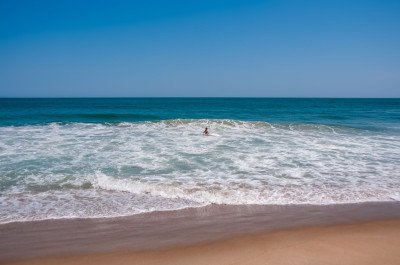
@@Introduction to Bitra Beach: The Bitra Beach, essentially the island's shoreline, presents a canvas of soft, blindingly white coral sand meeting the impossibly turquoise waters of the largest lagoon in Lakshadweep. Unlike commercial beaches, this shoreline is untouched, offering an experience of deep solitude and natural beauty. The beach is naturally protected by the surrounding coral reef system, which ensures the waters are shallow, calm, and incredibly clear, making it a natural swimming pool. The lack of major tourist infrastructure means the sand remains pristine, occasionally dotted with coral fragments and seashells, a testament to the healthy reef ecosystem. This shoreline completely encircles the tiny island, meaning that a short walk allows one to experience both the calm, lagoon-facing beach and the more exposed, deep-sea-facing outer shore. The sheer tranquility found here is its primary charm. Visitors can spend hours just watching the gentle lapping of waves or spotting small marine life in the shallows. It embodies the classic tropical island ideal: palm trees leaning over the sand, clear skies, and a vibrant underwater world just a few steps away. The unique geography of the Bitra atoll, with its massive lagoon and small landmass, amplifies the sense of being truly isolated in a paradise. The air is clean, the views are expansive, and the slow pace of life on the island seamlessly blends with the rhythm of the ocean. It is a haven for those seeking a genuine escape from the modern world's rush, offering a deeply meditative connection with nature. This beach is the heart of the island's aesthetic appeal, defining its identity as a secluded, exquisite tropical destination. The natural light refraction in the shallow, clear water creates breathtaking color gradients from light green to deep blue. Bitra Beach offers a pure, unadulterated shoreline experience that is rare to find. :
Card image cap
Bitra Bird Breeding Ground

@@Historical Significance of Bitra's Birds: While the original extensive breeding grounds for sea birds on Bitra largely diminished after 1835 due to ...

@@Historical Significance of Bitra's Birds: While the original extensive breeding grounds for sea birds on Bitra largely diminished after 1835 due to human activity, the northern, uninhabited part of the atoll and the nearby Pitti Bird Sanctuary reef maintain a significant avian presence. The 'Bitra Bird Breeding Ground' refers to this historical legacy and the current concentrated efforts to protect the remaining nesting areas, mainly for species like the Sooty Tern and other pelagic birds. The Bitra atoll itself is critical because its massive, calm lagoon supports the fish population that these sea birds feed on, making the surrounding area a vital part of their ecological cycle. The protection area is usually cordoned off to ensure minimal human disturbance to the sensitive nesting sites. Though the famous 'clouds of birds' seen in the early 19th century are gone, conservation efforts are focused on ensuring the island's continued role as a bird habitat. The remote nature of Bitra is itself a protective shield, limiting the influx of tourists and ensuring a quieter, more stable environment for the bird colonies. The island's status as the smallest inhabited island means its ecosystem is particularly fragile, and the bird breeding area is a key indicator of its overall ecological health. The birds play a crucial role in the nutrient cycling of the atoll, bringing nutrients from the sea to the land. Observing the bird life requires patience, respecting boundaries, and often a boat trip to the lesser-disturbed satellite cays or sandbanks within the lagoon. This dedication to conservation makes the area not just a natural spot but a living lesson in ecological preservation. The very small size of the island means the breeding ground is never far from the human settlement, creating a unique co-existence between man and wildlife. The natural vegetation, primarily low-lying shrubs and grass, provides the necessary cover for ground-nesting birds. :
Card image cap
Bitra Coastal Walk

@@The Nature of the Bitra Coastal Walk: The Bitra Coastal Walk is less a formally paved path and more a leisurely, self-guided stroll around the circu...

@@The Nature of the Bitra Coastal Walk: The Bitra Coastal Walk is less a formally paved path and more a leisurely, self-guided stroll around the circumference of the tiny island, allowing visitors to circumnavigate the entire landmass in a short time. This 'walk' provides a continuous sequence of stunning panoramic views, transitioning smoothly between the calm lagoon side and the deep, open-sea side of the reef. The walk is characterized by the soft, yielding sand underfoot and the constant soundtrack of the waves and wind through the coconut palms. It is an immersive experience where the visitor is always within a few meters of the ocean. Starting from the jetty, one can walk past the handful of local houses, through the thickets of shore vegetation, and around the island's periphery. The path is naturally formed by the interaction of the tide line and the vegetated interior, and in some parts, involves walking directly on the firm sand. It's a journey that highlights the island's incredible small scale, allowing one to appreciate the perfect, enclosed world of the atoll. The walk offers a unique perspective on the island's architecture, primarily the humble, locally built structures. The vegetation is predominantly shore-stabilizing plants, interspersed with the ubiquitous coconut palms. At every point, the water's clarity is astounding, often revealing small fish, baby sharks, or rays swimming in the shallows just offshore. The experience changes dramatically from the sunrise side to the sunset side, offering different photographic opportunities and light conditions. This activity is the simplest yet most profound way to connect with Bitra's natural environment. It requires no special equipment, only a willingness to slow down and observe the micro-ecosystem of the beach and the vastness of the surrounding sea. The continuous ocean breeze makes even the warmer parts of the day pleasant for this peaceful activity. :
Card image cap
Bitra Coconut Grove

@@The Significance of the Eastern Coconut Grove: The Bitra Coconut Grove (East) is a prominent feature on the island's eastern side, consisting of den...
@@The Significance of the Eastern Coconut Grove: The Bitra Coconut Grove (East) is a prominent feature on the island's eastern side, consisting of dense clusters of coconut palms Cocos nucifera that thrive in the sandy, saline soil. This grove is vital to the local economy and ecology, providing shade, sustenance, and raw materials for the small community. The eastern side is typically more exposed to the prevailing winds and deeper waters just beyond the reef crest, lending a slightly wilder, more windswept feel to the grove compared to the calmer western side. Walking through the grove is an experience of dappled sunlight, cool shade, and the unmistakable scent of the ocean mixed with the earthy aroma of coir and fallen fronds. The palms stand tall, testament to the rich, though sandy, island soil, reaching heights of up to 30 meters. The density of the grove offers an excellent habitat for small local fauna, including hermit crabs and various insects. The coconut is the cornerstone of life in Lakshadweep, and this grove symbolizes the self-sufficiency of the island's inhabitants. The undergrowth is often clear near the settlement for easy access to fallen coconuts. Visitors can observe the traditional methods of coconut harvesting and processing, which are still integral to daily life. The eastern location also means the grove is an ideal spot to witness the sunrise, with the golden light filtering through the palm fronds. The grove's edges meet the beach, providing a beautiful transition zone between the cultivated land and the wild shoreline. It's a place where the local culture and the natural environment intersect, offering a quiet, authentic glimpse into island life away from the water-based activities. The sound of the wind rustling the palm leaves is a characteristic, soothing sound of Bitra. :
Card image cap
Bitra Harbour/Jetty

@@The Role of Bitra Harbour/Jetty: The Bitra Harbour/Jetty is the single most vital piece of infrastructure on the island, serving as the only dedicat...

@@The Role of Bitra Harbour/Jetty: The Bitra Harbour/Jetty is the single most vital piece of infrastructure on the island, serving as the only dedicated point of access for both passenger and cargo vessels from the mainland and other Lakshadweep islands like Amini or Kadmat. The jetty structure extends into the calm waters of the island's lagoon on the southern shore, providing a relatively protected area for small boat operations. The lack of a major deep-sea harbor necessitates that larger passenger ships anchor offshore, with transfer to the jetty facilitated by smaller boats or pablos. The jetty itself is typically a simple, reinforced concrete structure, providing a platform for disembarking and loading essential supplies. It is the social and economic hub of the island, where arrivals and departures are major events for the small community. The jetty area is also the primary gathering spot for fishermen and for local transport boats waiting to connect to nearby islands during the fair season. The water around the jetty, being part of the clear lagoon, is often a great spot to see marine life, including schools of small fish. It embodies the island's connection to the outside world. The structure is built to withstand the tropical weather, but its small scale reflects the island's overall low-impact development. The jetty's existence is crucial for maintaining the quality of life, ensuring a steady supply of provisions and a means for residents to travel. For visitors, it's the first and last point of contact, a place where the journey to the smallest inhabited island begins and ends. The simplicity of the structure highlights the remoteness of the location. The length of the jetty is optimized to reach a usable depth for small vessels within the shallow lagoon. :
Card image cap
Bitra Heliport

@@The Purpose of Bitra Heliport (Emergency Use): The Bitra Heliport is a small, functional clearing located on the western point of the island, design...

@@The Purpose of Bitra Heliport (Emergency Use): The Bitra Heliport is a small, functional clearing located on the western point of the island, designated primarily for emergency medical evacuations (MEDEVAC), essential administrative visits, and quick transport during non-monsoon seasons when sea travel may be slow or problematic. It is not a commercial passenger terminal and operates strictly on an as-needed basis, reflecting the government's commitment to the safety and connectivity of even the smallest and most remote inhabited island. The 'heliport' is typically a simple, circular or square concrete pad, often enclosed by a wire fence for safety and marked with the standard 'H' for helicopter landing. Its dimension is optimized for common helicopter types used by the Indian Coast Guard or Administration. The western location is chosen for optimal approach and departure paths, minimizing flight over the small residential area. The presence of the heliport is a crucial link in the island's emergency response chain, providing a rapid route to larger medical facilities on other islands like Agatti (which has the only airstrip in Lakshadweep) or the mainland, a necessity given Bitra's remoteness. The heliport's operational status is a silent guarantee of security for the islanders. When not in use, the area is simply a quiet, open space, often near the coastline, offering clear views of the western horizon, ideal for sunset viewing. It is a symbol of the vital lifeline provided by the administration to this isolated community. Visitors will find it to be a functional, unadorned structure, its significance lying entirely in its strategic utility rather than any tourist attraction. The use of a helicopter is typically a last resort, making this a rare sight for a tourist. The clear area around it is kept free of high vegetation. :
Card image cap
Bitra Lagoon

@@Introduction to Bitra Lagoon:The Bitra Lagoon is the defining geographical feature of Bitra Island, distinguishing it as the atoll with the largest ...

@@Introduction to Bitra Lagoon:The Bitra Lagoon is the defining geographical feature of Bitra Island, distinguishing it as the atoll with the largest lagoon in the entire Lakshadweep archipelago, measuring over 45 square kilometers. It is a stunning, shallow, turquoise body of water cradled by the narrow, crescent-shaped island on one side and a robust coral reef barrier on the seaward side. The sheer size of this lagoon in comparison to the tiny landmass (just 0.105 sq km) creates a dramatic and beautiful natural contrast, offering unparalleled views and a massive natural water sports arena. @@Ecological Significance:The lagoon functions as a critical nursery and feeding ground for a dizzying array of marine life. Its calm, protected waters—sheltered from the tumultuous Arabian Sea swells, particularly during the Southwest Monsoon—foster a thriving ecosystem. This includes numerous species of corals, seagrasses, and an abundant population of multi-hued fish, sea turtles, and other invertebrates. The tranquility of the water is a direct result of the surrounding coral barrier, which is also instrumental in the island's very existence and protection from sea erosion. @@Cultural and Recreational Value:For the small community of Bitra residents, the lagoon is more than a beautiful sight; it is the source of their traditional livelihood, primarily fishing. The calm waters facilitate easy access for local fishing boats, making it central to their daily lives and economy. Recreationally, its calm nature makes it supremely safe for activities like swimming, snorkeling, and canoeing, even for beginners, setting it apart from the rougher open sea. It is the heart of any visit to the island, offering peace and spectacular natural beauty. (Word Count: 405)
Card image cap
Bitra Mosque

@@Historical and Religious Significance:The Bitra Jumaat Mosque is more than just a place of daily prayer; it is the spiritual and historical heart of...

@@Historical and Religious Significance:The Bitra Jumaat Mosque is more than just a place of daily prayer; it is the spiritual and historical heart of the smallest inhabited island in Lakshadweep. While modest in size, its significance is immense due to its association with the shrine of Malik Mulla (or Malik Mulla's Dargah), a revered Arab saint. The mosque is believed to be one of the older religious structures on the island, a testament to the early arrival of Islam in the archipelago through Arab traders and missionaries. It has served as the continuous hub of the island's Muslim community for generations. @@Community Focal Point:For the small population of under 300 people in Bitra, the mosque is the primary gathering place. The Jumaat (Friday congregation) prayers are the main weekly event, drawing all men from the community. It is a vital social structure where community matters are discussed, and cultural events are anchored, reinforcing the island's tight-knit communal identity. Its location is the nucleus of the entire settlement. @@Architectural Simplicity:Unlike the grand mosques on larger islands like Kavaratti, the Bitra Mosque reflects the simplicity and resourcefulness of the islanders. It is built using local materials, primarily limestone, coral rubble, and wood, with a design that prioritizes functionality and resilience against the tropical climate. Its charm lies in its unpretentious, traditional island aesthetic, offering a quiet contrast to the overwhelming natural beauty surrounding it. It is a place for quiet reflection and appreciation of the deep-rooted faith of the islanders. (Word Count: 404)
Card image cap
Coral Reef View

@@The Natural Aquarium of Bitra:The Coral Reef View from the lagoon side of Bitra offers a mesmerizing spectacle, essentially transforming the shallow...

@@The Natural Aquarium of Bitra:The Coral Reef View from the lagoon side of Bitra offers a mesmerizing spectacle, essentially transforming the shallow water into a natural, oversized aquarium. The clarity of the water is phenomenal, allowing for views of the vibrant coral beds, even from the surface or through a simple glass-bottom boat. This spot is a testament to the fact that Bitra and Lakshadweep are the only coral atolls in India, providing a unique opportunity to witness this fragile and diverse ecosystem up close without the need for deep diving. @@A Kaleidoscope of Marine Life:The calm, protected waters of the lagoon are a sanctuary for a breathtaking variety of marine life. From this vantage point, you can spot schools of brightly colored reef fish—including parrotfish, butterflyfish, and the small, vibrant clownfish—darting amongst the coral fingers. The rich marine biodiversity, including different types of hard and soft corals, makes this lagoon view one of the most rewarding and accessible marine exploration experiences in the archipelago. @@Ecological Importance and Conservation:The view is a constant reminder of the critical ecological importance of coral reefs as natural barriers and nurseries for fish stocks. The coral reefs protect the tiny island from the ocean's fury and sustain the fishing-based livelihood of the local population. The view inherently promotes an understanding of the necessity of marine conservation efforts, especially in the face of global warming and coral bleaching events that have previously impacted the reefs. The lagoon-side view allows for a safe, non-destructive appreciation of this natural wonder. (Word Count: 403)
Card image cap
Handicraft Display Area

@@A Window into Local Resourcefulness:The Handicraft Display Area in Bitra—often a modest, informal setup near the village center or a cooperativeâ€...

@@A Window into Local Resourcefulness:The Handicraft Display Area in Bitra—often a modest, informal setup near the village center or a cooperative—serves as a cultural showcase of the islanders’ resourcefulness. Given the island's isolation, the local population has mastered the art of creating utilitarian and decorative items from the two most abundant resources: the coconut palm (including the shell and coir) and marine elements (seashells, fish bones). This display is a direct window into the traditional, sustainable lifestyle of the Bitra community. @@Focus on Coir and Shell Crafts:The main focus of the local handicrafts is coir products, such as mats, ropes, and simple woven items made from the fibrous husk of the coconut. Shell craft is also prominent, transforming various seashells found on the beaches into intricate ornaments, jewelry, and decorative wall hangings. These crafts are characterized by their simple, yet elegant designs, which reflect the tranquility and natural beauty of the surrounding environment, making them unique island souvenirs. @@Preserving Cultural Heritage:The display area is crucial for the preservation of cultural heritage. It provides a platform for the few artisans on the island, particularly women, to keep these traditional skills alive and pass them down. For the visitor, purchasing a handcrafted item is a direct way to support the local, small economy and encourages the continuation of this generational craft knowledge, ensuring the skills do not disappear on this remote island. (Word Count: 401)
Card image cap
Local Boat Building Spot

@@Preservation of a Traditional Skill:The Local Boat Building Spot in Bitra is a fascinating, working heritage site where the islanders preserve the c...

@@Preservation of a Traditional Skill:The Local Boat Building Spot in Bitra is a fascinating, working heritage site where the islanders preserve the centuries-old skill of building their traditional fishing vessels, known locally as Odam or Country Craft. This spot is a tangible link to the island's maritime history, demonstrating the self-sufficiency of the community. In a place where the sea is the only route for trade and communication, the boat builder (or Maistry) holds a respected and crucial position in the village. @@The Odam: A Vessel of Necessity:The Odam is not just a boat; it is a meticulously crafted vessel perfectly adapted for the specific sea conditions of the Arabian Sea and the sheltered environment of the Bitra Lagoon. The entire process, from selecting the specific timber (often imported from the mainland due to the lack of large trees on the atoll) to shaping the hull and sealing the joints, is a complex, time-honored ceremony. The spot allows visitors to witness this process, which often involves a mix of traditional tools and techniques, passed down through oral tradition. @@A Community Endeavour:Boat building is often a communal activity on Bitra, requiring the collaborative effort of several skilled workers over many months. The spot represents not just a workspace but a social hub where skills are exchanged and community spirit is fostered. Viewing the large, half-finished wooden hull resting on the sand, surrounded by the tools of the trade, offers a powerful, photogenic glimpse into the real, working culture of the island that is entirely dependent on the sea. (Word Count: 401)
Card image cap
Malik Mulla Dargah

@@Historical Significance and Sacredness of the Shrine: The Malik Mulla Dargah is a small, revered shrine dedicated to an ancient Arab saint, Malik Mu...

@@Historical Significance and Sacredness of the Shrine: The Malik Mulla Dargah is a small, revered shrine dedicated to an ancient Arab saint, Malik Mulla, who is traditionally believed to have been buried on this island. This shrine is the most significant historical and religious landmark on Bitra, which is the smallest inhabited island in the Lakshadweep archipelago. The saint is said to have been instrumental in propagating Islam in the region, making this dargah a vital link to the archipelago’s cultural and religious past. For the small population of Bitra, and for many people from the neighbouring islands of Lakshadweep, the shrine is a place of deep respect, acting as a pilgrimage site. The simple structure reflects the austere and deep-rooted spiritual life of the island community, standing as a quiet testament to centuries of Islamic tradition and the history of Arab seafaring and missionary work along the Arabian Sea trade routes. The sense of peace and sanctity at the spot is palpable, contrasting with the vibrant marine life outside the lagoon. :
Card image cap
Sea Bird Colony

@@Bitra's Past as a Bird Paradise: Historically, before the mid-19th century, Bitra Island was most famous for being a large, undisturbed breeding gro...

@@Bitra's Past as a Bird Paradise: Historically, before the mid-19th century, Bitra Island was most famous for being a large, undisturbed breeding ground for a huge number of sea birds. This past identity is key to understanding its current status. The small size and isolated nature of the island’s northern tip and the surrounding uninhabited sandbanks within the atoll provide a crucial nesting habitat for various pelagic (ocean-going) birds. @@Seasonal Nature of the Colony: The "colony" is seasonal, meaning the population of nesting birds, primarily Sooty Terns and Brown Noddies, fluctuates significantly. They visit the quiet sandbanks and rocky areas, particularly around the northern cay of the atoll, to lay eggs and raise their young during specific times of the year, generally outside the peak monsoon period. @@Importance for Ornithology: While the largest and most protected bird sanctuary is on Pitti Island (not to be confused with a small islet in the Kalpeni atoll), Bitra's atoll still serves as a vital staging ground or breeding spot for a smaller, but significant, population of avian species in the Lakshadweep archipelago. The seasonal nature adds to the fragile beauty and ecological importance of this tiny, remote spot. :
Card image cap
Snorkeling Point

@@Bitra's Largest Lagoon and Coral Ecosystem: Bitra boasts the Largest Lagoon in Lakshadweep (approx. 45.61 sq. km), which is the primary reason for i...

@@Bitra's Largest Lagoon and Coral Ecosystem: Bitra boasts the Largest Lagoon in Lakshadweep (approx. 45.61 sq. km), which is the primary reason for its snorkeling fame. This vast, enclosed body of water is shallow, protected from the open sea by a massive, wall-like coral reef. This natural barrier creates consistently calm and crystal-clear water, which is ideal for snorkeling and viewing the diverse marine life in safety. @@Vibrant Marine Biodiversity: The snorkeling point itself, often a designated spot near the main shore or a small boat ride away, is teeming with life. Swimmers can easily spot multi-colored fish, including parrotfish, butterflyfish, and snappers, along with various stages of coral growth—both hard and soft. The shallow depth means that the vibrant colors of the coral and fish are illuminated by sunlight, making the underwater view kaleidoscopic and breathtaking for non-divers. @@A Safe and Beginner-Friendly Activity: Unlike deep-sea diving, snorkeling in this calm, shallow lagoon is an accessible activity, perfect for beginners, children, and those who want to experience the underwater world without extensive training, making it a key attraction of Bitra. :
Card image cap
View of the Uninhabited Islets

@@A Window to the Bitra Atoll: The "View of the Uninhabited Islets" is not a single point but a scenic panorama visible from the northern end of Bitra...
@@A Window to the Bitra Atoll: The "View of the Uninhabited Islets" is not a single point but a scenic panorama visible from the northern end of Bitra Island, overlooking its vast lagoon. The Bitra atoll is composed of the main inhabited island and a few smaller, completely uninhabited sand cays or islets that are part of the surrounding reef structure, such as the small South Cay. @@Unspoiled Nature and Isolation: This view offers a breathtaking vista of the pure, untouched beauty of the Arabian Sea. The tiny, low-lying islets are covered in minimal, hardy vegetation and are often mere spits of brilliant white sand surrounded by the different shades of turquoise and deep blue lagoon water. The sight encapsulates the isolation and pristine nature of the Lakshadweep archipelago, giving a tangible sense of the small-island ecosystem where nature remains dominant and human presence is minimal. @@A Photographer's Dream: The contrasting colors of the sea, the white sand, and the clear blue sky make this a highly sought-after viewpoint for landscape photography, capturing the tranquility that defines Bitra as an off-the-beaten-path destination. :
Card image cap
Village Well/Water Source

@@The Vital Fresh Water Lens: The Traditional Village Well is the most vital, though unadvertised, landmark on Bitra. On low-lying coral islands like ...

@@The Vital Fresh Water Lens: The Traditional Village Well is the most vital, though unadvertised, landmark on Bitra. On low-lying coral islands like this, the only source of fresh water is a groundwater lens (the Ghyben-Herzberg lens), a layer of fresh rainwater that "floats" on the denser salt water beneath the island. This well is the community's traditional means of accessing this fragile fresh water source, essential for drinking and daily use. @@A Testament to Local Ingenuity and Community Life: This well is not just a hole in the ground; it is a testament to the local's intimate understanding of their island's fragile hydrogeology and the need for water conservation. It is a traditional gathering point and a symbol of community life, situated strategically to serve the tiny population. Its continued existence, despite modern water sources, reflects the enduring, self-sufficient, and traditional lifestyle of the world's least-populated inhabited island. @@Focus on Sustainability: Observing the well in use provides a quiet lesson in simple, sustainable living, a core aspect of the culture that is rarely experienced in tourist-heavy locations. :
Show All

Note:-

Information provided here in good Faith and for reference only.

All information and pictures will be updated soon, please keep visiting.

Near Places
...
Agatti Island

Some quick example text to build on the card title and make up the bulk of the card's content.

Go somewhere
...
Agatti

Some quick example text to build on the card title and make up the bulk of the card's content.

Go somewhere
...
Amini Island

Some quick example text to build on the card title and make up the bulk of the card's content.

Go somewhere
...
Amini

Some quick example text to build on the card title and make up the bulk of the card's content.

Go somewhere
...
Andrott Island

Some quick example text to build on the card title and make up the bulk of the card's content.

Go somewhere
...
Andrott

Some quick example text to build on the card title and make up the bulk of the card's content.

Go somewhere
...
Bangaram Island

Some quick example text to build on the card title and make up the bulk of the card's content.

Go somewhere
...
Bitra

Some quick example text to build on the card title and make up the bulk of the card's content.

Go somewhere
...
Chetlat

Some quick example text to build on the card title and make up the bulk of the card's content.

Go somewhere
...
Kadmat Island

Some quick example text to build on the card title and make up the bulk of the card's content.

Go somewhere
in Other Cities